纺织学报 ›› 2025, Vol. 46 ›› Issue (06): 120-126.doi: 10.13475/j.fzxb.20240406801

• 纺织工程 • 上一篇    下一篇

消臭运动袜的研发及其性能

腾燕飞, 万爱兰()   

  1. 江南大学 针织技术教育部工程研究中心, 江苏 无锡 214122
  • 收稿日期:2024-04-25 修回日期:2024-08-26 出版日期:2025-06-15 发布日期:2025-07-02
  • 通讯作者: 万爱兰(1976—),女,副教授,博士。研究方向为纺织材料与智能纺织品。E-mail: ailan.wan@jiangnan.edu.cn
  • 作者简介:腾燕飞(2000—),女,硕士生。主要研究方向为功能性针织产品开发研究。
  • 基金资助:
    江苏省自然科学基金项目(BK20221094);中央高校基本科研业务费专项基金资助项目(JUSRP122003)

Development and properties of deodorant sports socks

TENG Yanfei, WAN Ailan()   

  1. Engineering Research Center for Knitting Technology, Ministry of Education, Jiangnan University, Wuxi, Jiangsu 214122, China
  • Received:2024-04-25 Revised:2024-08-26 Published:2025-06-15 Online:2025-07-02

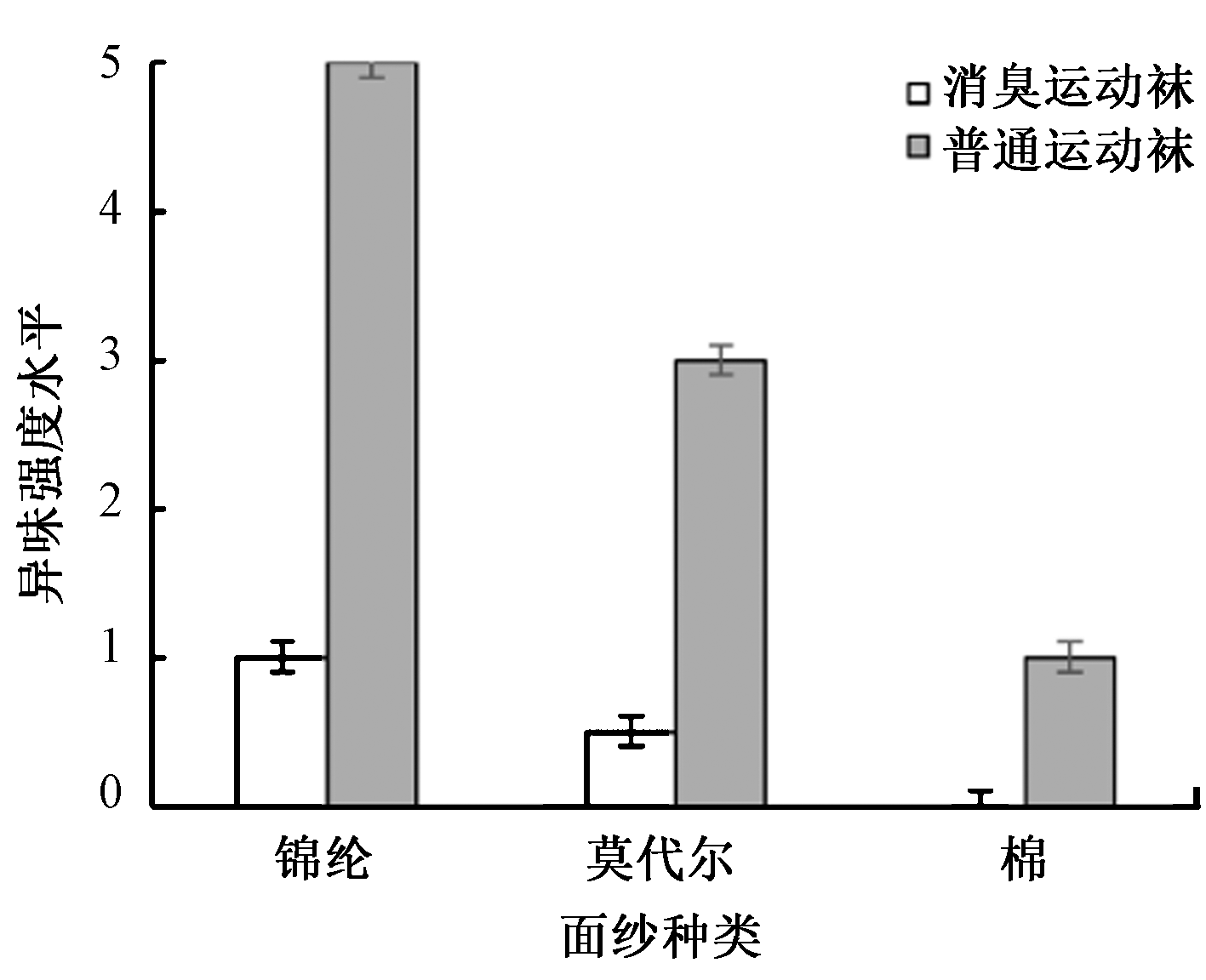
摘要: 为解决常规运动袜穿着之后散发臭味的问题,采用消臭氨纶(DPUF)以平纹添纱组织制备消臭运动袜。编织了不同消臭氨纶含量和不同面纱(锦纶、莫代尔、棉)的9种样品,借助扫描电子显微镜和红外光谱仪表征了DPUF的表面形态和化学结构,搭建了消臭性能检测设备,对DPUF、DPUF/锦纶包覆纱的力学和消臭性能进行评价,并对运动袜消臭耐久性、感官评价和透气透湿性进行表征。结果表明:DPUF及其包覆纱均具有良好的消臭性能;消臭锦纶运动袜的氨气消除率和醋酸消除率最高可达84%和88%;当DPUF含量为4.4%时,感官评价消臭锦纶运动袜的异味强度水平为1,与普通锦纶运动袜相比下降4个水平,水洗30 次后仍能达到消臭标准(≥70%)。

关键词: 消臭运动袜, 消臭氨纶/锦纶包覆纱, 消臭性能, 消臭耐久性, 感官评价

Abstract:

Objective When exercising strenuously, the sweat glands in the soles of the feet secrete a lot of sweat. The microbiota of the feet decomposes sweat and proteins in the skin cuticle, resulting in organic volatile gases. Antimicrobial sports socks are commonly used in the market to solve the odor problem. However, antibacterial socks have a limited deodorizing effect, which only kill bacteria on the fabric and on the skin that clings to the fabric. For areas that the fabric cannot reach, the bacteria will still decompose secretions and produce odors, such as toes. Moreover, antimicrobial products can affect the microbiota of the feet, increasing the risk to human health from antibiotic-resistant strains. Therefore, it is necessary to develop sports socks with deodorant performance.

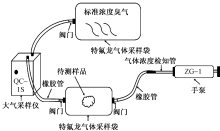
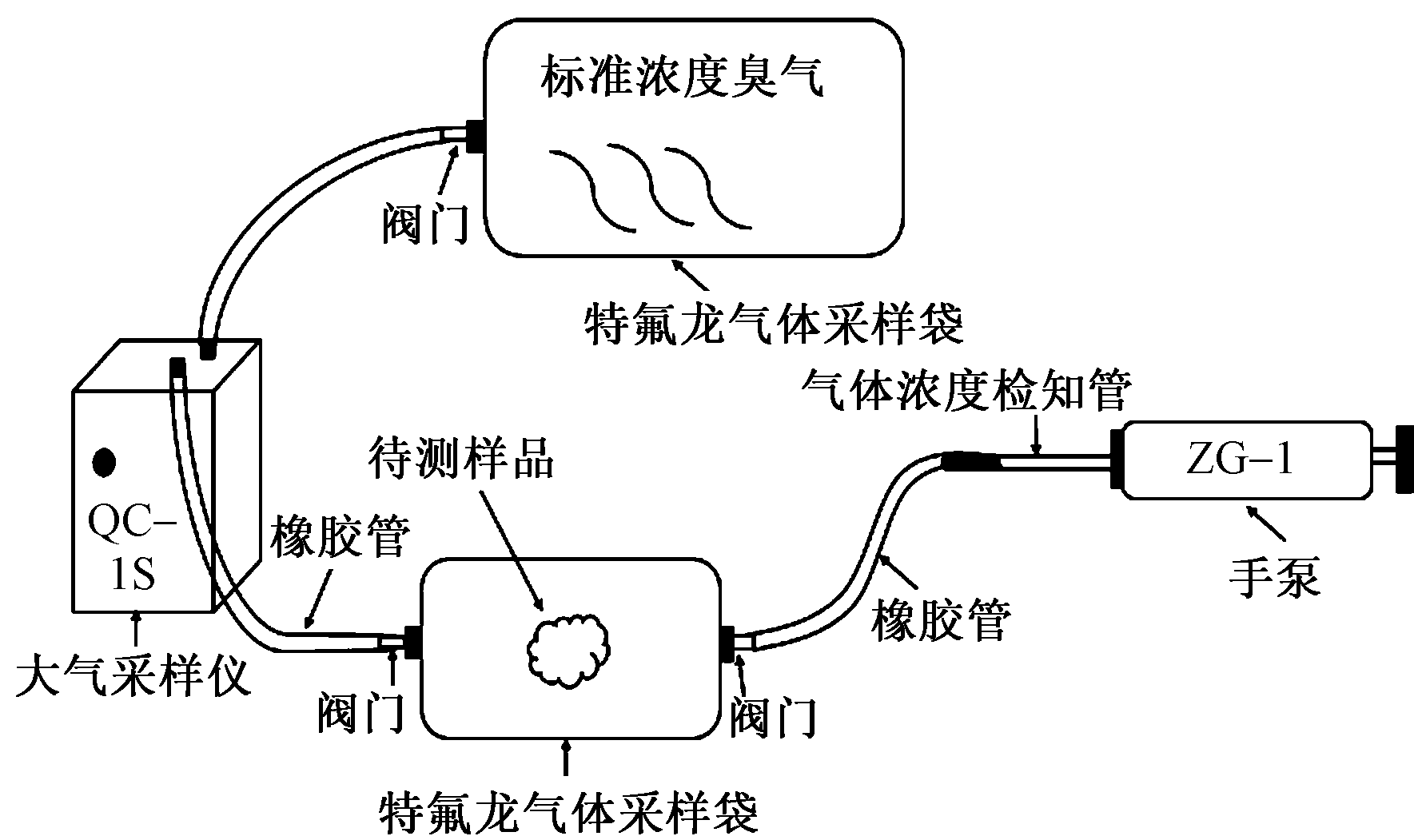
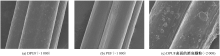
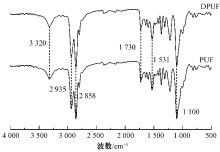
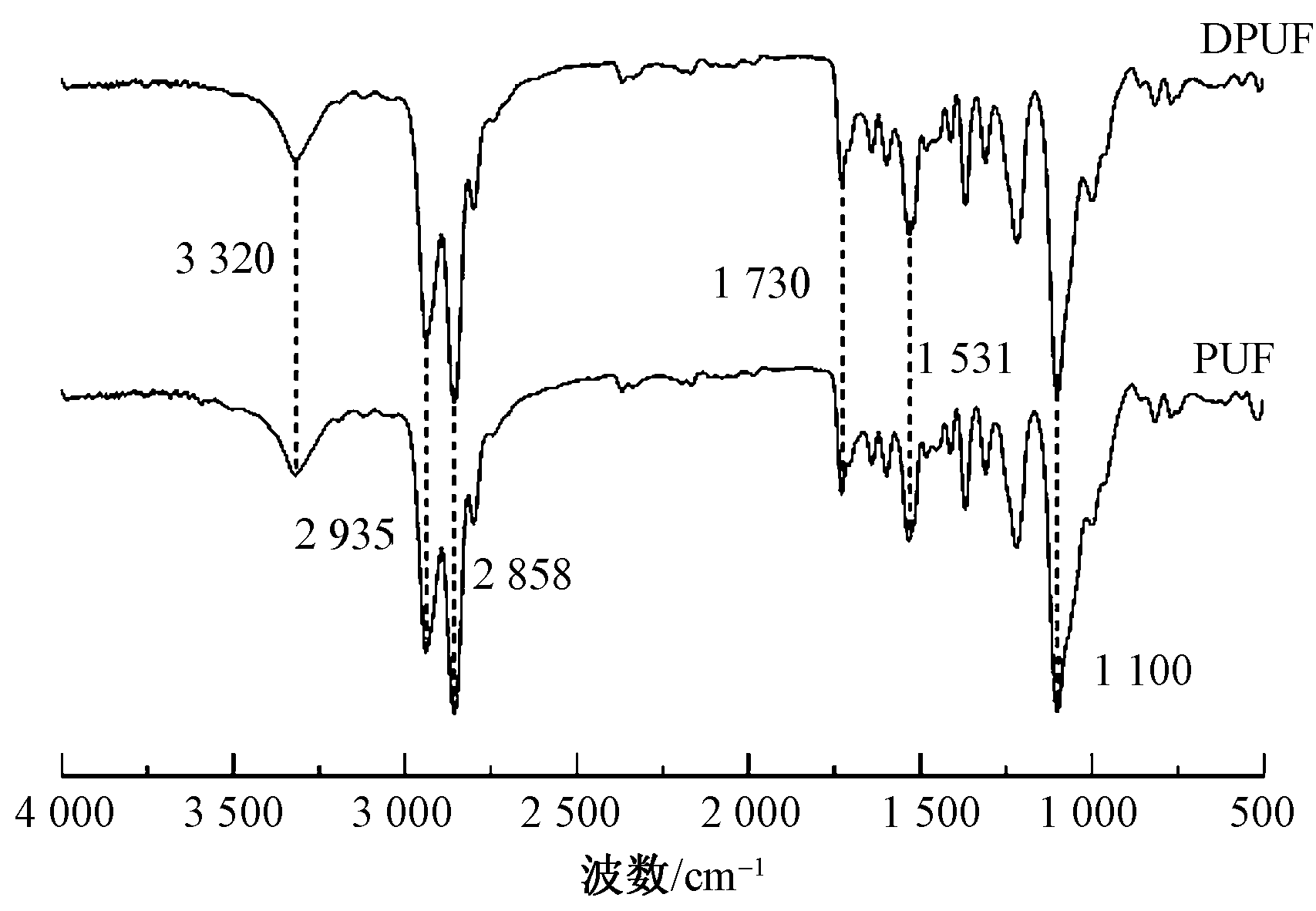
Method In order to solve the odor problem of conventional sports socks after wearing, deodorant polyurethane filaments (DPUF) was used to prepare socks with plating stitch structure in this study. Nine samples with different plating yarn (polyamide fiber, Modal, cotton) and DPUF contents were knitted. DPUF was characterized by scanning electron microscopes and infrared spectrometer (FT-IR) for the morphology and chemical structure. Referring to GB/T 33610.2—2017 ″Textiles-Determination of Deodorant Property-Part 2: Detector Tube Method″, a deodorizing performance testing equipment was set up to evaluate the deodorizing and mechanical properties of DPUF and covered yarn. Deodorizing durability, sensory assessment, air and moisture permeability of socks were also tested.

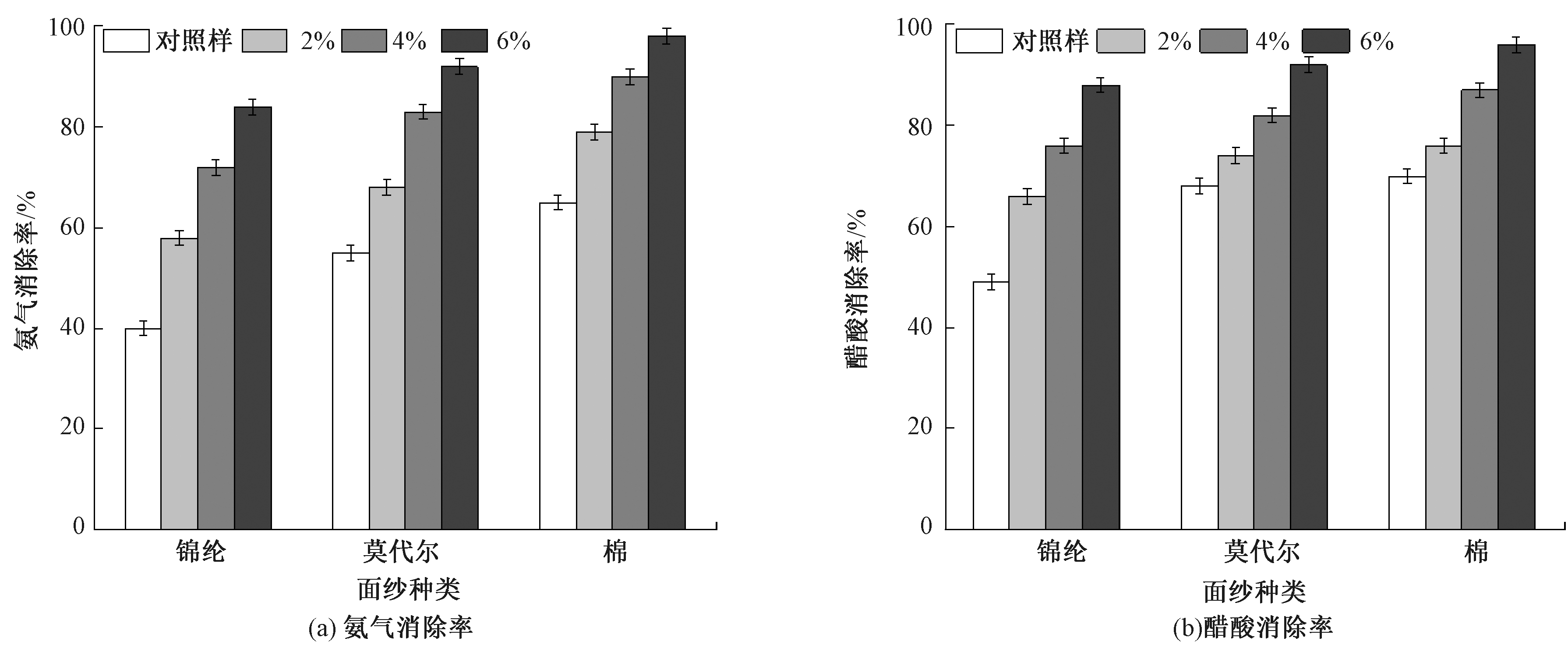
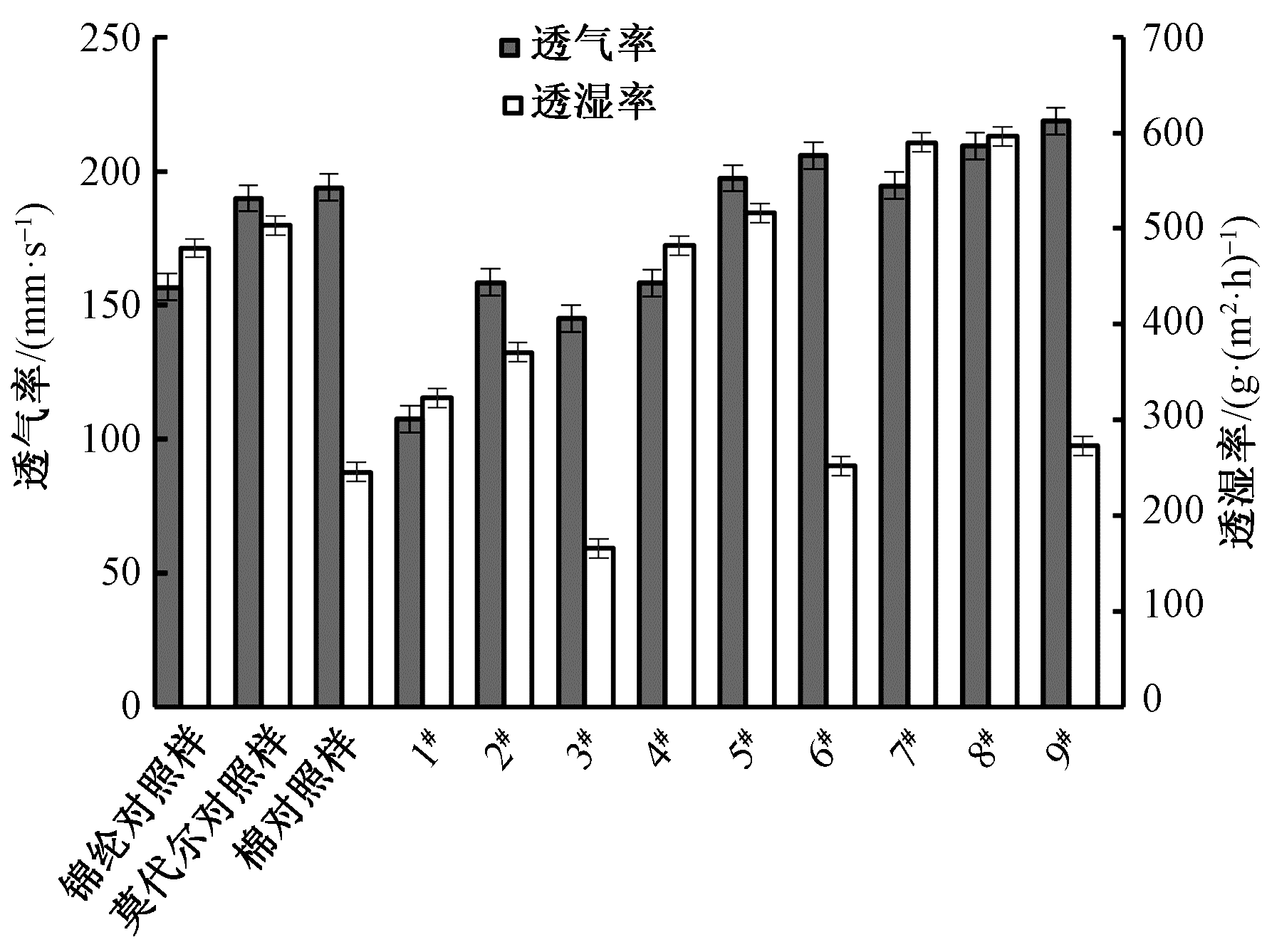
Results Deodorant rate detection device was set up to test the deodorant properties of DPUF and socks, and it was indicated that, compared with polyurethane filaments(PUF), the ammonia deodorization rate (ADR) of DPUF was increased by 85% and acetic acid deodorization rate (AADR) was increased by 66%. After the wrapping process, the ADR of DPUF/polyamide fiber covered yarn was reduced by 16% and AADR by 2%, and it still met the deodorization standard (≥70%). When the DPUF content was 0%, the ADR of polyamide fiber socks, Modal socks and cotton socks were between 40% and 65%, respectively. This showed that the yarn itself has a certain odor absorption capacity, but none of them met the deodorization standard (≥70%). When the DPUF content reached 4% level, the ADR of polyamide fiber socks, Modal socks and cotton socks were 72%, 83% and 90%, and the AADR were 77%, 83% and 88%, all of which reached the deodorization standard (≥70%), and the effect was still noticeable after laundering 30 times. For every 2% increase in DPUF content, the average ADR increased by 12.67% and AADR by 9.89%. When the DPUF content was 6% level, the ADR growth rates of polyamide fiber socks, Modal socks and cotton socks were 110.00%, 67.27% and 50.77%. The growth rates of AADR were 79.57%, 35.29% and 37.14%. Therefore, the application of DPUF in polyamide fiber socks had the highest growth rate of deodorant performance. Through sensory evaluation, the odor intensity level of deodorant polyamide fiber, Modal and cotton socks were 1, 0.5 and 0, respectively, which were 4, 2.5 and 1 odor levels lower than that of ordinary socks. The air permeability of deodorant socks was better than those of ordinary sports socks.

Conclusion DPUF had good deodorant performance and DPUF/polyamide fiber covered yarn provided excellent deodorization, elasticity and abrasion resistance to socks. By using a small amount (≥4%) of DPUF, the deodorizing performance of sports socks were markedly improved. Moreover, the deodorization effect of DPUF was most significant when applied to polyamide fiber socks.

Key words: deodorant sports sock, deodorant polyurethane filaments/polyamide fiber covered yarn, deodorant performance, deodorant durability, sensory assessment

中图分类号: 

  • TS186.3

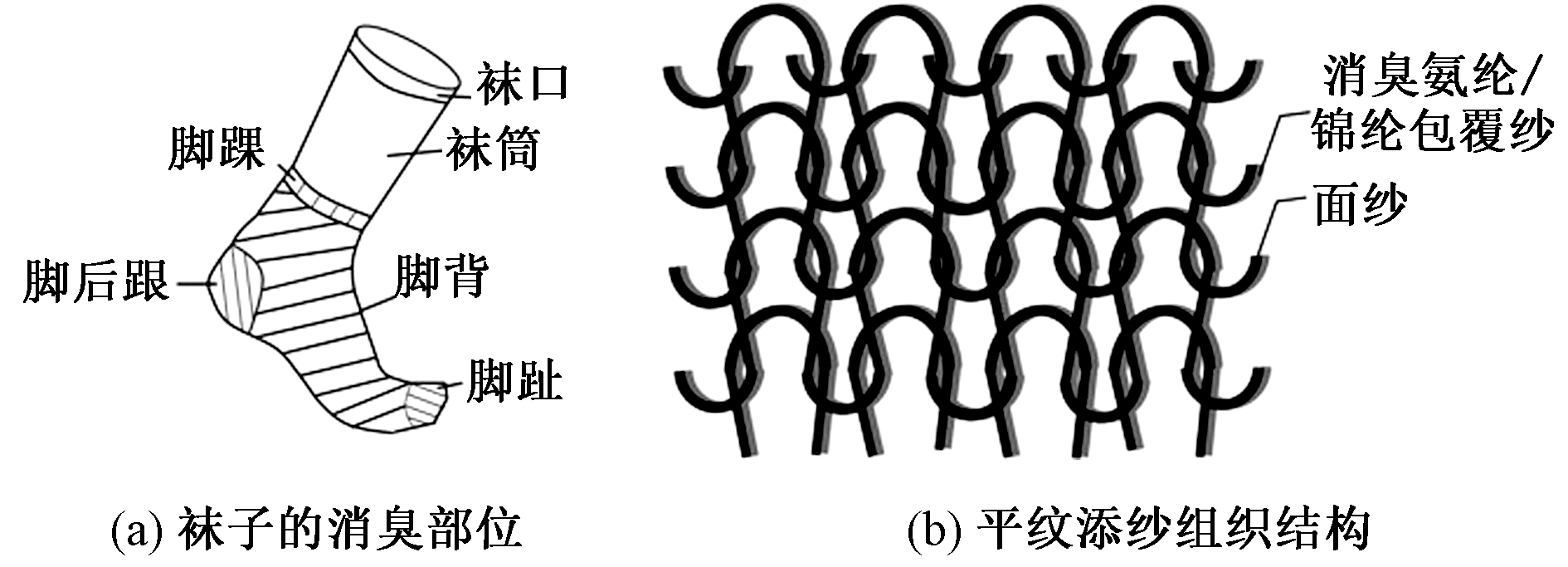
图1

袜子的消臭部位与组织结构"

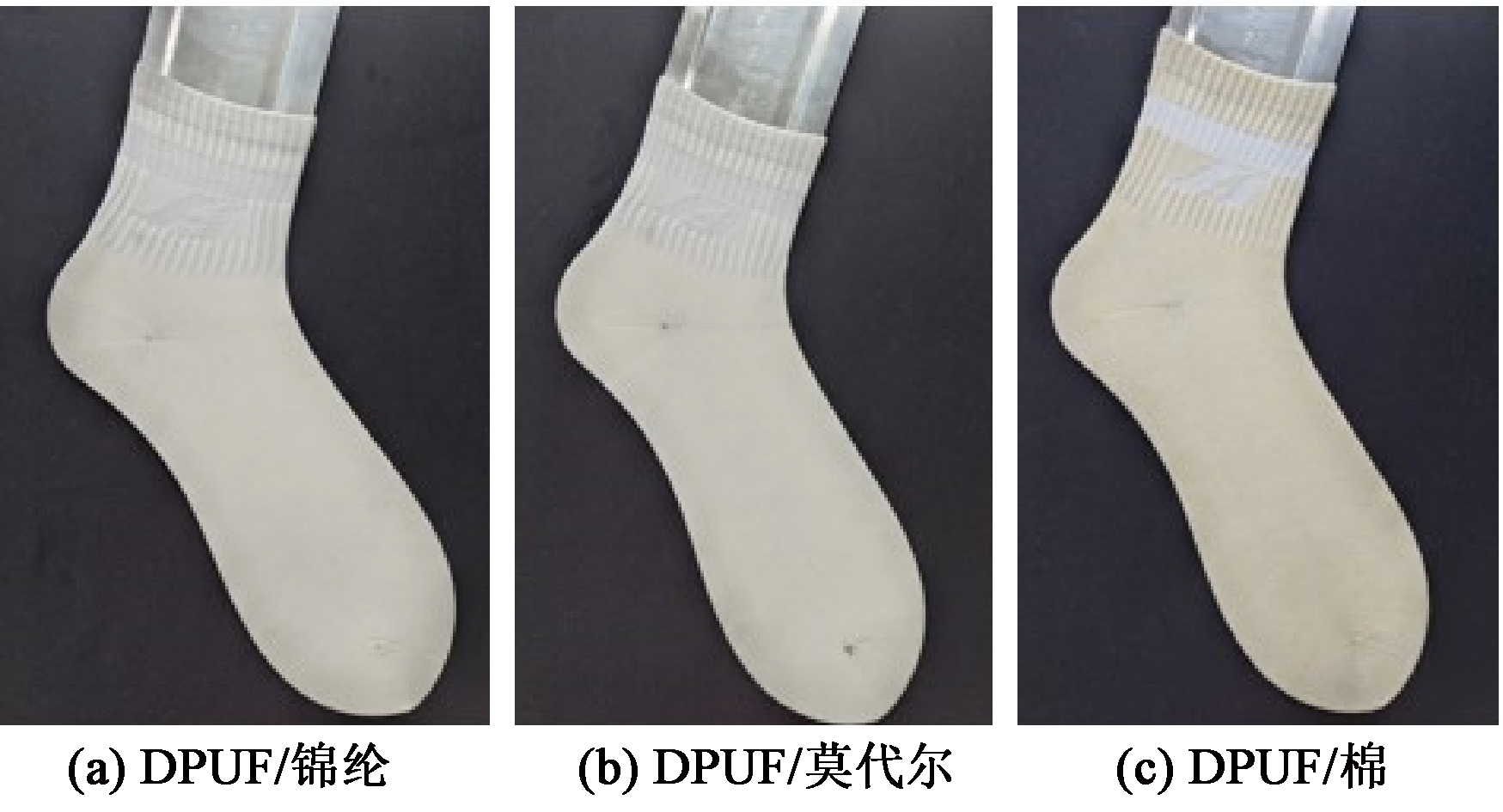
图2

消臭运动袜的实物图"

表1

消臭袜的基本信息"

样品
编号
面纱
材料
面纱线
密度
DPUF
含量/%
袜子质
量/g
厚度/
mm
1# 锦纶 16.67 tex×2 2.80 19.45 1.17
2# 莫代尔 14.76 tex×2 2.60 18.54 1.22
3# 18.45 tex×2 2.90 18.00 1.38
4# 锦纶 11.11 tex×2 4.40 13.40 1.04
5# 莫代尔 11.81 tex×2 4.00 13.36 1.13
6# 11.81 tex×2 4.10 13.28 1.24
7# 锦纶 7.78 tex×2 6.80 9.35 0.97
8# 莫代尔 9.84 tex×2 6.70 9.92 1.04
9# 9.84 tex×2 6.10 10.71 1.18

图3

消臭性能检测设备"

图4

DPUF与PUF的表面形态"

图5

DPUF和PUF的红外光谱图"

表2

DPUF和DPUF/锦纶包覆纱的异味消除率"

样品名称 氨气 醋酸
初始浓度/
(μL·L-1)
2 h后浓度/(μL·L-1) 氨气消除
率/%
初始浓度/
(μL·L-1)
2 h后浓度/(μL·L-1) 氨气消除
率/%
A B A B
DPUF 100 4 72 94 30 6 28 79
PUF 100 67 74 9 30 23 26 13
DPUF/锦纶包覆纱 100 15 68 78 30 6 26 77
PUF/锦纶包覆纱 100 42 68 38 30 20 28 29

表3

锦纶包覆纱的拉伸性能和弹性回复性能"

样品 拉伸性能 弹性回复性能
断裂强
力/cN
断裂伸
长率/%
弹性回
复率/%
塑性变
形率/%
DPUF/锦纶包覆纱 370.30 31.34 59.83 40.17
PUF/锦纶包覆纱 401.80 31.96 60.69 39.31

图6

消臭运动袜的氨气与醋酸消除率"

表4

多次水洗之后消臭运动袜的异味消除率"

水洗
次数
样品 氨气 醋酸
初始浓度/
(μL·L-1)
2 h后浓度/(μL·L-1) 消除率/% 初始浓度/
(μL·L-1)
2 h后浓度/(μL·L-1) 消除率/%
A B A B
0 DPUF/锦纶袜 100.0 23.0 83.0 72 30.0 6.5 28.0 77
DPUF/莫代尔袜 100.0 14.0 80.0 83 30.0 4.5 26.5 83
DPUF/棉袜 100.0 8.0 80.0 90 30.0 3.5 28.0 88
30 DPUF/锦纶袜 100.0 25.0 84.0 70 30.0 7.5 28.0 73
DPUF/莫代尔袜 100.0 19.0 80.0 76 30.0 6.0 24.5 76
DPUF/棉袜 100.0 14.0 78.0 82 30.0 5.5 26.5 79
50 DPUF/锦纶袜 100.0 24.0 80.0 70 30.0 10.5 27.5 62
DPUF/莫代尔袜 100.0 25.0 82.0 70 30.0 9.5 26.0 64
DPUF/棉袜 100.0 16.0 78.0 79 30.0 8.5 28.5 70
100 DPUF/锦纶袜 100.0 37.0 80.0 54 30.0 14.5 28.0 48
DPUF/莫代尔袜 100.0 43.0 84.0 49 30.0 11.0 24.5 55
DPUF/棉袜 100.0 27.0 78.0 65 30.0 8.0 26.0 69

图7

对运动袜的异味强度水平感官评价"

图8

消臭运动袜的透气和透湿性能"

[1] CHANG Y, WANG X. Sweat and odor in sportswear: a review[J]. IScience, 2023. DOI: 10.1016/j.isci.2023.107067.
[2] LAING R M. Natural fibers in next-to-skin textiles: current perspectives on human body odour[J]. SN Applied Sciences, 2019. DOI: 10.1007/s42452-019-1388-1.
[3] MCQUEEN R H, VAEZAFSHAR S. Odor in textiles: a review of evaluation methods, fabric characteristics, and odor control technologies[J]. Textile Research Journal, 2020, 90(9/10): 1157-1173.
[4] MCQUEEN R H, KEELAN M, XU Y, et al. In vivo assessment of odour retention in an antimicrobial silver chloride-treated poly ester textile[J]. Journal of The Textile Institute, 2013, 104(1): 108-117.
[5] MCQUEEN R H, LAING R M, BROOKS H J L, et al. Odor intensity in apparel fabrics and the link with bacterial populations[J]. International Journal of Clothing Science and Technology, 2007, 77(7): 449-456.
[6] WALTER N H, MCQUEEN R, KEELAN M. In vivo assessment of antimicrobial-treated textiles on skin microflora[J]. International Journal of Clothing Science and Technology, 2014, 26(4): 330-342.
[7] MCQUEEN R H, LAING R M, WILSON C A, et al. Odor retention on apparel fabrics: development of test methods for sensory detection[J]. Textile Research Journal, 2007, 77(9): 645-652.
[8] WANG J, LU X, WANG J, et al. Quantitative and sensory evaluation of odor retention on polyester/wool blends[J]. Textile Research Journal, 2019, 89(13): 2728-2738.
[9] 戴悦, 张瑞萍, 王秋萍, 等. 柠檬酸/β-环糊精整理涤纶织物的消臭效果[J]. 纺织学报, 2019, 12(40): 104-108.
DAI Yue, ZHANG Ruiping, WANG Qiuping, et al. Deodorizing effect of polyester fabric treated by citric acid/β-cyclodextrin[J]. Journal of Textile Research, 2019, 12(40): 104-108.
[10] HARA K, MIKUNI K, HARA K, et al. Effects of cyclodextrins on deodoration of aging odor[J]. Journal of Inclusion Phenomena and Macrocyclic Chemistry, 2002, 44: 241-245.
[11] VUTHIGANOND N, NAKPATHOM M, SOMBOON B, et al. Improving the deodorizing ability of cotton fabric by printing with bamboo charcoal[J]. Journal of Natural Fibers, 2023.DOI:10.1080/15440478.2023.2181267.
[12] 肖红, 刘丽丽, 施楣梧, 等. 纤维的消汗臭性能探讨[J]. 纺织学报, 2012, 33(10): 7-13.
XIAO Hong, LIU Lili, SHI Meiwu, et al. Sweat odor deodorant properties of several fibers[J]. Journal of Textile Research, 2012, 33(10): 7-13.
[1] 肖红 刘丽丽 施楣梧 俞玮 胡中超. 纤维的消汗臭性能探讨[J]. 纺织学报, 2012, 33(10): 7-13.
[2] 陈雁;李栋高. 颜色感觉的评价方法[J]. 纺织学报, 2005, 26(2): 118-120.
[3] 余志成;陈文兴;陈海相. 负载酞菁纤维素纤维的消臭性能及机理[J]. 纺织学报, 2002, 23(06): 22-23.
Viewed
Full text


Abstract

Cited

  Shared   
  Discussed   
No Suggested Reading articles found!