Journal of Textile Research ›› 2026, Vol. 47 ›› Issue (1): 223-230.doi: 10.13475/j.fzxb.20250603901

• Machinery & Equipment • Previous Articles     Next Articles

Online microwave detection method for combed sliver quality based on resonant cavity perturbation theory

LIU Rongfang1,2,3, LI Xinrong1,2,3(), LI Li1,2,3, YUAN Chengxu1,2,3   

  1. 1. School of Mechanical Engineering, Tiangong University, Tianjin 300387, China
    2. Tianjin Key Laboratory of Advanced Mechatronics Equipment Technology, Tianjin 300387, China
    3. Shaoxing Keqiao Institute of Tiangong University, Shaoxing, Zhejiang 312030, China
  • Received:2025-06-19 Revised:2025-11-19 Online:2026-01-15 Published:2026-01-15
  • Contact: LI Xinrong E-mail:lixinrong7505@hotmail.com

Abstract:

Objective The evenness of combed sliver is an important indicator of combing quality, and its precise detection is an important foundation for achieving process optimization. Conventional detection methods mainly rely on manual sampling and offline analysis, which have problems such as serious detection lag. With the development of intelligent manufacturing technology, real-time dynamic detection and data analysis can be achieved through online detection, which provide real-time data support for process control. Therefore, conducting research on online detection technology for the uniformity of combed slivers is an important development direction for improving the intelligence level of combing machines.

Method A relationship model between sliver density and resonant cavity frequency was established based on the theory of microwave resonant cavity perturbation, before determining the key parameters of the resonant cavity of the microwave sensor and designing the appearance of the sensor. Subsequently, the sampling frequency was calculated and determined, and the theoretical correctness of the online detection system for combed slivers was preliminarily verified by simulating the changes in the dielectric constant inside the resonant cavity and comparing the theoretical values with the simulation values. An online testing platform for on-site testing was eventually established.

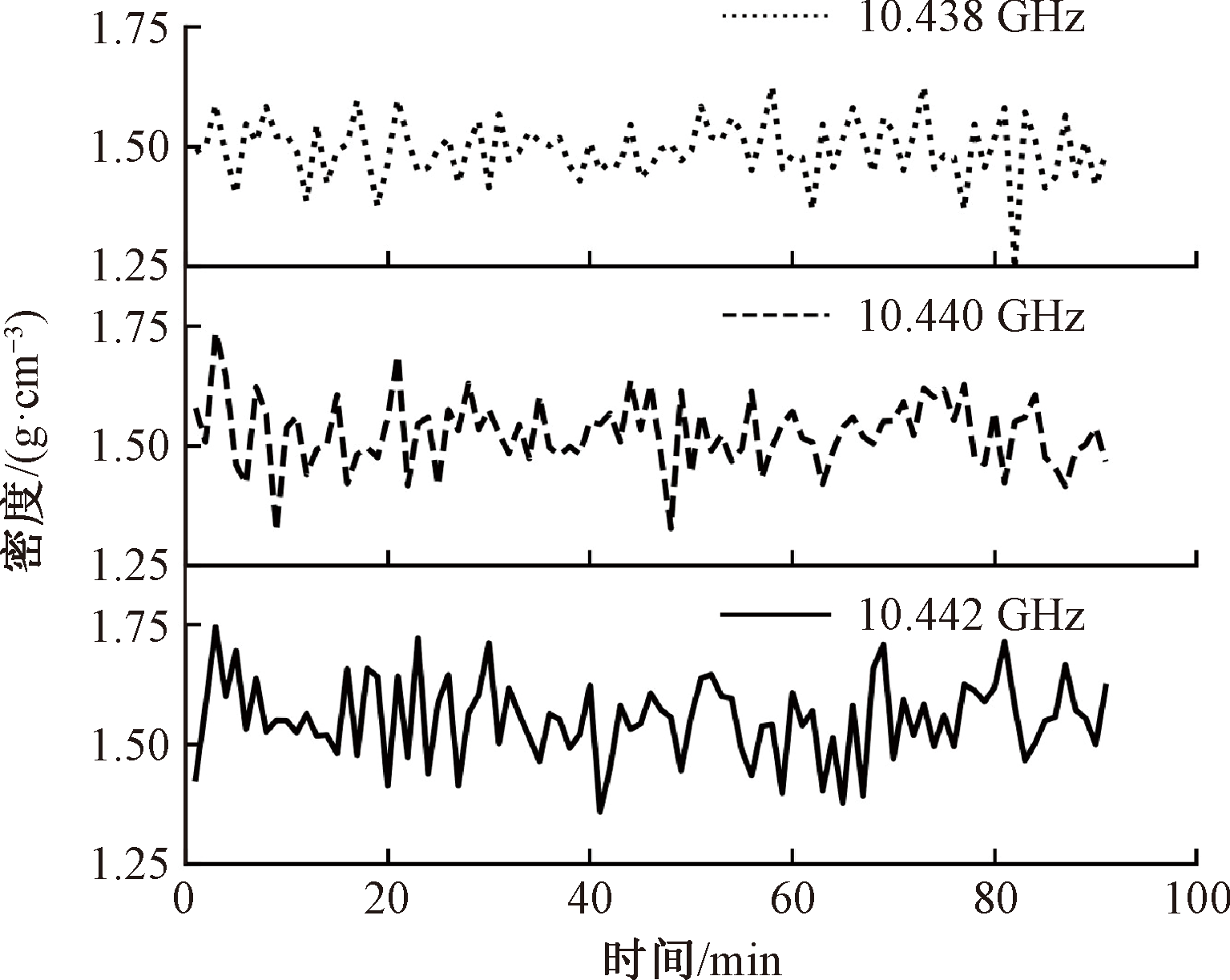
Results The simulation results showed that, at a resonant frequency of 10.4 GHz, the deviation between the simulated density and the theoretical density for different dielectric-constant inputs remained below 3%, confirming the accuracy of the proposed theoretical model. In order to further validate the method under practical production conditions, on-site experiments were conducted on a running combing machine. Data were repeatedly collected at 10.438, 10.440, 10.442 GHz and at combing speeds of 300, 350, 400 nips/min. Each data-collection run lasted at least 2 h, and an additional 24 h long-term stability test was performed to evaluate the robustness of the sensing system. The experimental results showed that the sliver CV values measured by the microwave sensor at different frequencies were within 3% of the corresponding values obtained using the Uster evenness tester. In addition, the density-variation trend derived from the microwave sensor closely matched the actual fluctuation pattern of the sliver during operation. This consistency indicates that the proposed system can accurately capture real-time sliver-density changes and provides reliable performance across different speeds and operating conditions. Overall, both simulation and experimental results demonstrate the feasibility and effectiveness of the microwave sensing system for online detection of sliver unevenness.

Conclusion A comprehensive model linking resonant frequency, output voltage, and sliver density was established based on resonant-cavity perturbation theory, forming a solid theoretical basis for the development of microwave-based sliver detection technologies. Both simulation analysis and on-site experiments demonstrated that the proposed system can achieve accurate real-time monitoring of sliver unevenness without altering the combing process or affecting machine operation, with measurement errors consistently maintained within 3%. The microwave sensor adopts a non-contact design that minimizes vibration-induced interference, making it well-suited for installation in high-speed textile machinery. In addition, the system features simple operation and modest hardware requirements for the data platform, thereby reducing overall implementation cost and facilitating large-scale industrial deployment.

Key words: combed sliver, evenness quality, online detection, microwave sensor, resonant cavity perturbation theory

CLC Number: 

  • TS117

Tab.1

Comparison of theoretical and simulated density values"

理论密度/
(g·cm-3)
仿真密度/
(g·cm-3)
误差/%
1.527 336 1.563 002 2.34
1.527 275 1.563 201 2.35
1.527 232 1.563 241 2.36
1.527 166 1.563 302 2.37
1.527 119 1.563 400 2.38
1.527 102 1.563 469 2.38
1.527 053 1.563 580 2.39
1.527 029 1.563 611 2.40
1.526 992 1.564 010 2.42
1.526 990 1.564 120 2.43
1.526 988 1.564 230 2.44
1.526 983 1.564 700 2.47
1.526 925 1.565 210 2.51
1.526 904 1.565 340 2.52

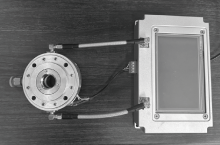
Fig.1

Physical microwave sensor"

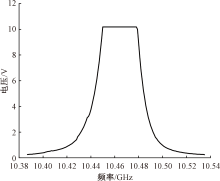
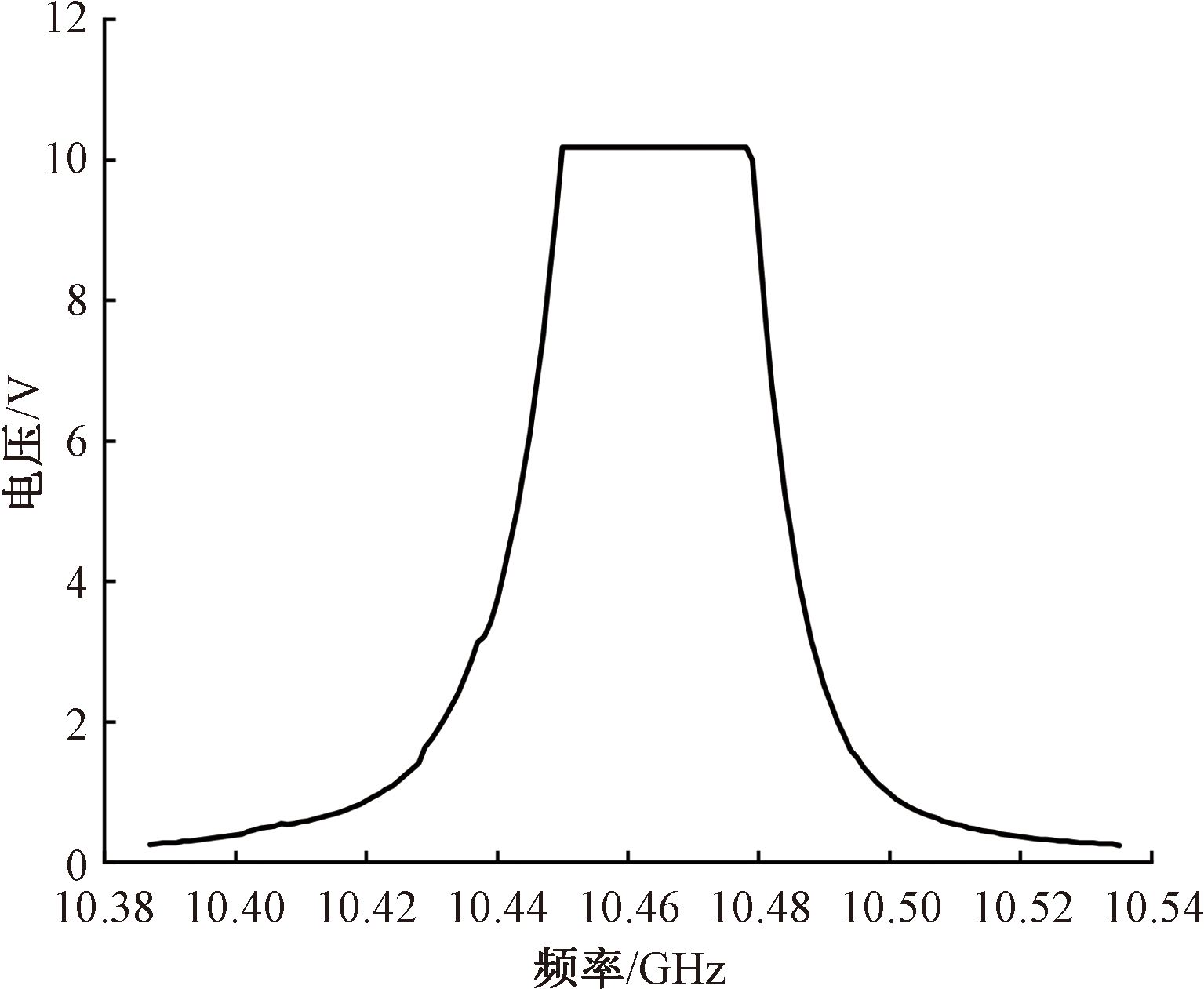
Fig.2

Relationship between voltage and frequency of microwave sensor"

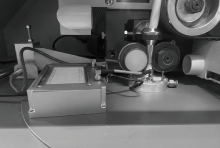
Fig.3

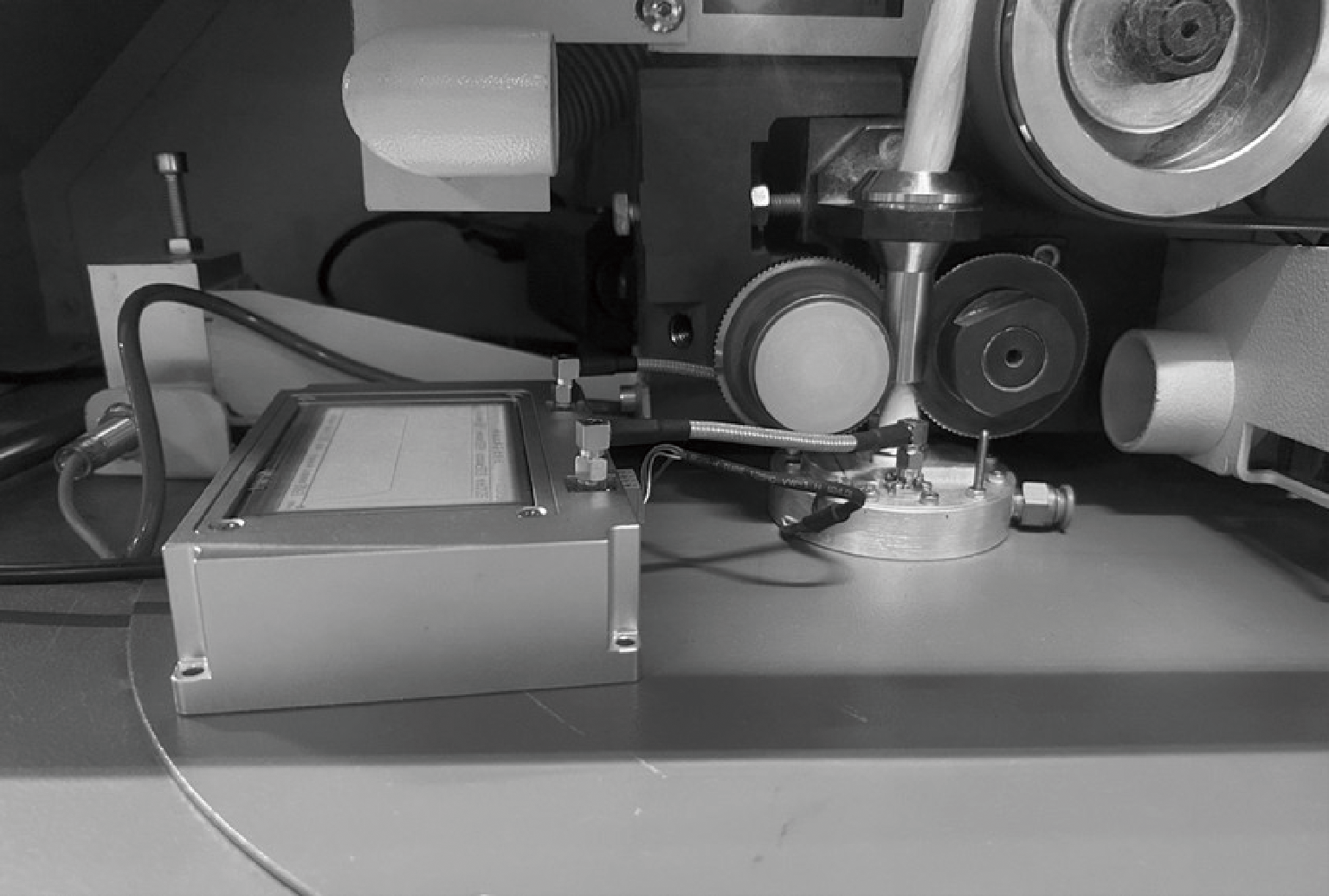
Microwave sensor on-board test"

Fig.4

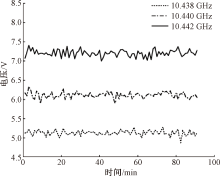
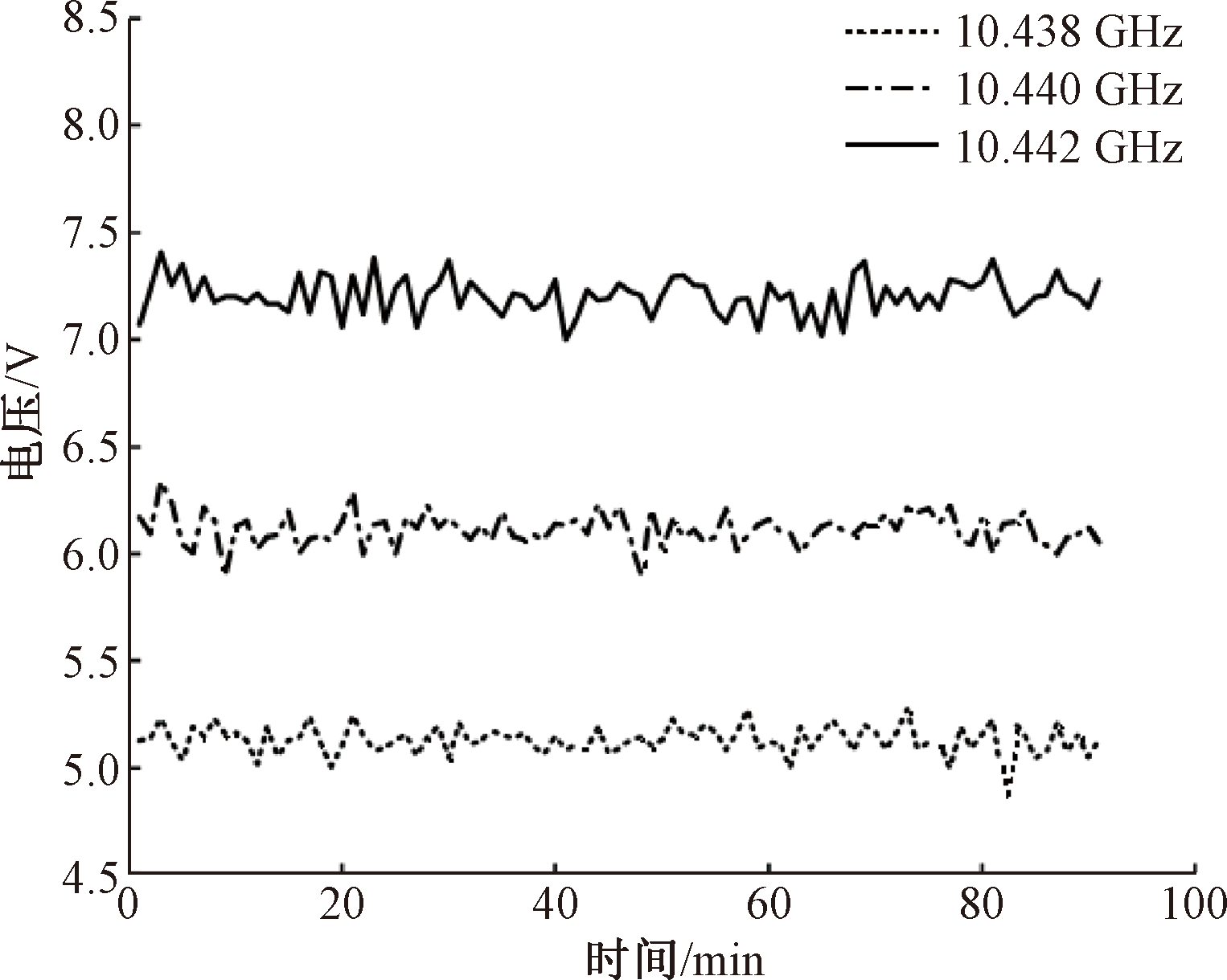
Voltage trend changes at different frequencies"

Fig.5

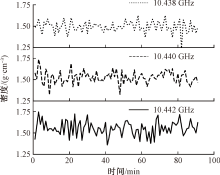
Density variation trend at different frequencies"

Tab.2

Comparison of unevenness detection between microwave sensor and sliver dryer"

组别 微波传感器不同频率下的测试值/% 条干仪
测试值/%
10.438 GHz 10.440 GHz 10.442 GHz
第1组 5.12 5.20 5.35 5.25
第2组 4.90 4.92 5.10 5.02
第3组 5.10 5.18 5.32 5.23
第4组 5.01 5.05 5.25 5.13
第5组 4.98 5.01 5.22 5.09
[1] CHEN Y H, GAO W D, REN J Z, et al. Theoretical and experimental study on the formation mechanism of fiber bundle hooks in the combing process[J]. Textile Research Journal, 2025, 95(15/16): 1956-1975.
doi: 10.1177/00405175241307047
[2] CARVALHO V, BELSLEY M, VASCONCELOS R, et al. A comparison of mass parameters determination using capacitive and optical sensors[J]. Sensors and Actuators A: Physical, 2011, 167(2): 327-331.
doi: 10.1016/j.sna.2011.03.006
[3] 任家智. 国产棉纺精梳机的创新发展与展望[J]. 棉纺织技术, 2023, 51(10): 25-32.
REN Jiazhi. Innovative development and prospect of domestic cotton comber[J]. Cotton Textile Technology, 2023, 51(10): 25-32.
[4] 徐晓昂. 纺纱条干均匀度的在线检测与控制方法研究[J]. 现代纺织技术, 2012, 20(1): 6-10.
XU Xiaoang. The study of online detection and control method of spinning evenness[J]. Advanced Textile Technology, 2012, 20(1): 6-10.
[5] PEREIRA F, CARVALHO V, SOARES F, et al. Computer vision techniques for detecting yarn defects[M]//Applications of Computer Vision in Fashion and Textiles. Cambridge: Woodhead Publishing, 2018: 123-145.
[6] 杨卫林, 胡鹏. 智能化纤维须条均匀度测试仪的研制[J]. 纺织机械, 2013(4): 53-56.
YANG Weilin, HU Peng. Development of intelligent fiber whisker evenness tester[J]. Textile Machinery, 2013(4): 53-56.
[7] WANG X, LIANG J G, WU J K, et al. Microwave detection with various sensitive materials for humidity sensing[J]. Sensors and Actuators B: Chemical, 2022, 351: 130935.
doi: 10.1016/j.snb.2021.130935
[8] CHEN S C, GUO M C, XU K W, et al. A frequency synthesizer based microwave permittivity sensor using CMRC structure[J]. IEEE Access, 2018, 6: 8556-8563.
doi: 10.1109/ACCESS.2018.2808362
[9] 王晓, 梁峻阁, 强天, 等. 基于微带天线的粮食水分含量检测研究[J]. 传感技术学报, 2021, 34(11): 1541-1548.
WANG Xiao, LIANG Junge, QIANG Tian, et al. Research of moisture content measurement of grains based on microstrip antennas[J]. Chinese Journal of Sensors and Actuators, 2021, 34(11): 1541-1548.
[10] SHI S X, LI X R, FENG W Q, et al. Research on sliver detection based on microwave resonant cavity perturbation principle[J]. The Journal of the Textile Institute, 2025, 116(7): 1276-1283.
doi: 10.1080/00405000.2024.2373032
[11] NIU G Y, LI S, FU X, et al. A novel resonator cavity microwave sensor for high-temperature blade tip clearance measurement[J]. Measurement, 2024, 234: 114798.
doi: 10.1016/j.measurement.2024.114798
[12] 张涛, 蒋勤, 刘杰, 等. 基于微波谐振技术的润滑油含水率在线检测装置研发及应用[J]. 吉林大学学报(工学版), 2025, 55(6): 1923-1930.
ZHANG Tao, JIANG Qin, LIU Jie, et al. Development and application of online measurement device for water content of lubricating oil based on microwave resonance technology[J]. Journal of Jilin University (Engineering and Technology Edition), 2025, 55(6): 1923-1930.
[13] 向忠, 赵唯, 何仕伟, 等. 双组分织物含水率的微波谐振腔法测量技术[J]. 纺织学报, 2024, 45(4): 221-228.
XIANG Zhong, ZHAO Wei, HE Shiwei, et al. Moisture content measurement technology of two-component fabrics by microwave resonant cavity method[J]. Journal of Textile Research, 2024, 45(4): 221-228.
[14] SONG C Y, HUANG W H. Noninvasive beam diagnosis based on the TM010 mode[J]. Nuclear Science and Techniques, 2024, 35(7): 127.
doi: 10.1007/s41365-024-01409-1
[15] 张杰. 微波密度传感器谐振腔的结构设计[J]. 现代制造工程, 2009(4): 108-110, 142.
ZHANG Jie. The structure design of microwave resonator of density sensor[J]. Modern Manufacturing Engineering, 2009(4): 108-110, 142.
[1] MA Wenjia, LIU Xinjin. Quality analysis of semi-combed cotton slivers based on fiber accelerating-point distribution during drafting zone [J]. Journal of Textile Research, 2025, 46(04): 56-62.
[2] TAO Jing, WANG Junliang, XU Chuqiao, ZHANG Jie. Feature extraction method for ring-spun-yarn evenness online detection based on visual calibration [J]. Journal of Textile Research, 2023, 44(04): 70-77.
[3] LU Haojie, LI Manli, JIN Enqi, ZHANG Hongwei, ZHOU Jiu. Online measurement of moisture regains of sized yarns based on arc capacitance sensor [J]. Journal of Textile Research, 2023, 44(01): 201-208.
[4] XU Jian, HU Daojie, LIU Xiuping, HAN Lin, YAN Huanying. Cotton impurity image detection based on improved RFB-MobileNetV3 [J]. Journal of Textile Research, 2023, 44(01): 179-187.
[5] ZHANG Wenchang, SHAN Zhongde, LU Ying. Fast location of yarn-bars on yarn-cage based on machine vision [J]. Journal of Textile Research, 2020, 41(12): 137-143.
[6] LIU Airong, CHEN Yanmin, GE Fengyan, CAI Zaisheng, WANG Juan. Progress on fiber-based surface-enhanced Raman scattering substrates [J]. Journal of Textile Research, 2020, 41(05): 176-183.
[7] . Online detection of roving strand broken in siro-spinning [J]. JOURNAL OF TEXTILE RESEARCH, 2016, 37(10): 120-0124.
[8] . Evenness quality control for worsted pure wool yarn based on quality index number [J]. JOURNAL OF TEXTILE RESEARCH, 2014, 35(11): 28-0.
Viewed
Full text


Abstract

Cited

  Shared   
  Discussed   
No Suggested Reading articles found!