纺织学报 ›› 2025, Vol. 46 ›› Issue (07): 62-68.doi: 10.13475/j.fzxb.20240907001
杨天琪, 任家智( ), 王旭真, 陈宇恒
YANG Tianqi, REN Jiazhi(), WANG Xuzhen, CHEN Yuheng
摘要:
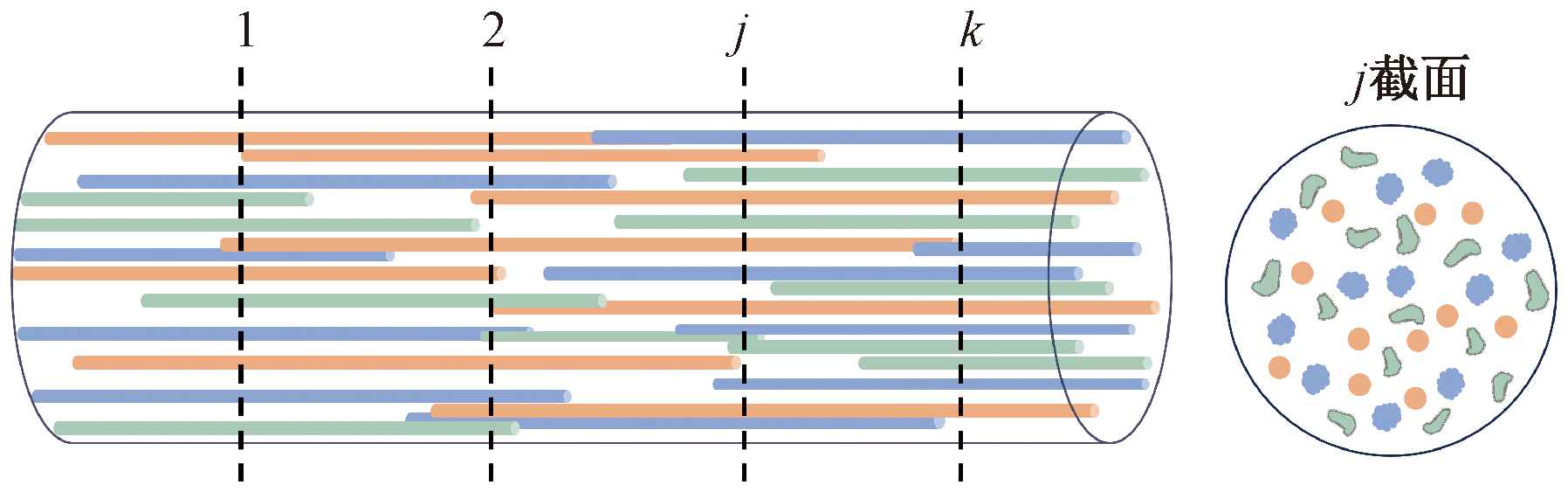
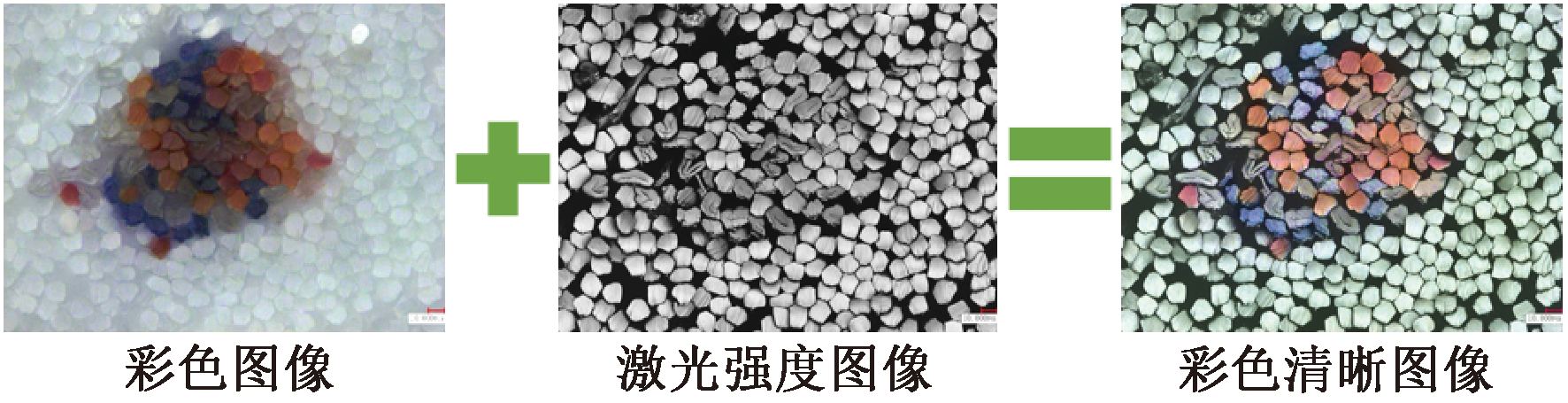
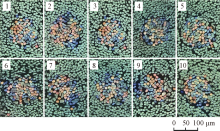
混纺精梳纱线中各种纤维混纺比的准确性影响纱线的品质、风格及纺纱成本。为提高多纤维混合精梳纱中各种纤维混纺比的准确性,根据精梳过程中纤维层喂入量、梳理过程中的落纤量及纤维网输出量的平衡关系,建立精梳机喂入纤维卷投料比的数学模型,可根据纤维设计混纺比及精梳过程中的落纤率计算纤维的投料比。为验证纤维卷中各种纤维投料比计算方法的正确性,设计涤纶/棉/粘胶混纺比为40∶30∶30,实测3种纤维单独精梳的落纤率,计算得到3种纤维的投料比,纺制3种纤维混合的精梳纱。提出“纱线截面纤维根数统计法”测定实际混纺比,利用显微镜对纱线截面内涤纶、棉、粘胶3种纤维的种类进行辨别,并统计、计算了3种纤维的实际混纺比。结果表明:混纺精梳纱线中涤纶、棉、粘胶3种纤维的实际混纺比与设计混纺比的差异率均小于5%,符合GB/T 29862—2013《纺织品 纤维含量的标识》规定的控制范围;纱线截面纤维根数统计法检测实际混纺比的效率较传统物理检测方法提高46.7%。
中图分类号:
| [1] | 任家智. 纺纱工艺学[M]. 上海: 东华大学出版社, 2010: 70-75. |
| REN Jiazhi. Technology of yarn spinning[M]. Shanghai: Donghua University Press, 2010:70-75. | |
| [2] | 贾国欣, 任家智. 天丝短纤棉纺精梳工艺研究[J]. 现代纺织技术, 2021, 29(1): 27-30. |
| JIA Guoxin, REN Jiazhi. Study on combing process of tencel staple fiber[J]. Advanced Textile Technology, 2021, 29(1): 27-30. | |
| [3] | 贾国欣, 任家智. 精梳机分离罗拉传动系统的棉型化纤加工特性分析[J]. 现代纺织技术, 2021, 29(2): 91-96. |
| JIA Guoxin, REN Jiazhi. Analysis of cotton type chemical fiber processing characteristics of detaching roller drive system of comber[J]. Advanced Textile Technology, 2021, 29(2): 91-96. | |
| [4] | 刘俊杰, 代佳佳, 杨圣明, 等. 混纺比对PLA棉混纺纱力学性能的影响[J]. 棉纺织技术, 2024, 9(5): 1-5. |
| LIU Junjie, DAI Jiajia, YANG Shengming, et al. Effect of blending ratio on mechanical property of PLA cotton blended yarn[J]. Cotton Textile Technology, 2024, 9(5): 1-5. | |
| [5] | 徐迪, 杨建平, 郁崇文. 汉麻锦纶混纺比对成纱质量的影响[J]. 棉纺织技术, 2021, 49(6): 10-14. |
| XU Di, YANG Jianping, YU Chongwen. Influence of blending ratio on hemp polyamide blended yarn quality[J]. Cotton Textile Technology, 2021, 49(6):10-14. | |
| [6] | 喻莉, 赵连英, 顾学锋. 纺纱方式和木棉纤维含量对Lyocell/木棉纤维/羊毛混纺纱性能的影响[J]. 毛纺科技, 2024, 52(4): 18-24. |
| YU Li, ZHAO Lianying, GU Xuefeng. Effect of spinning method and kapok fiber content on properties of Lyocell/kapok fiber/wool blended yarn[J]. Wool Textile Journal, 2024, 52(4): 18-24. | |
| [7] | 陈红霞, 李豪, 郑光明, 等. 不同混纺比亚麻/棉混纺纱临界捻系数的研究[J]. 上海纺织科技, 2023, 51(8): 43-45,63. |
| CHEN Hongxia, LI Hao, ZHENG Guangming, et al. Study on the critical twist factors of flax/cotton blended yarn with various blending ratios[J]. Shanghai Textile Science & Technology, 2023, 51(8): 43-45,63. | |
| [8] |
周宇阳, 王旭斌, 曹巧丽, 等. 双组分混纺纱断裂比功与混纺比的关系[J]. 纺织学报, 2023, 44(10): 39-47.
doi: 10.13475/j.fzxb.20220706901 |
|
ZHOU Yuyang, WANG Xubin, CAO Qiaoli, et al. Relationship between specific work of rupture and blended ratio of two-component blended yarns[J]. Journal of Textile Research, 2023, 44(10): 39-47.
doi: 10.13475/j.fzxb.20220706901 |
|
| [9] | 王佳慧, 刘海峰, 肖茹. 基于金属离子媒染原理的彩棉/白棉混纺定量检测[J]. 国际纺织导报, 2020, 48(8): 10-18. |
| WANG Jiahui, LIU Haifeng, XIAO Ru. Quantitative detection of colored cotton/white cotton blending ratio based on metal ion dyeing principles[J]. Melliand China, 2020, 48(8): 10-18. | |
| [10] |
巫莹柱, 梁家豪, 范菲, 等. 显微投影法测定棉/苎麻混纺比的不确定度评定[J]. 纺织学报, 2018, 39(11): 33-37.
doi: 10.13475/j.fzxb.20171008705 |
|
WU Yingzhu, LIANG Jiahao, FAN Fei, et al. Evaluation on uncertainty of cotton/ramie blending ratio by micro-projection[J]. Journal of Textile Research, 2018, 39(11): 33-37.
doi: 10.13475/j.fzxb.20171008705 |
|
| [11] | 张晓利, 巫莹柱, 黄美林, 等. PET和PBT混纺比定量分析的研究[J]. 上海纺织科技, 2016, 44(8): 46-48. |
| ZHANG Xiaoli, WU Yingzhu, HUANG Meilin, et al. Quantitative analysis of blending ratio of PET and PBT blends[J]. Shanghai Textile Science & Technology, 2016, 44(8): 46-48. |
| [1] | 李文雅, 周剑, 廖昙倩, 董真真. 薄鞘高包覆涤纶/棉包芯纱的结构控制及其工艺[J]. 纺织学报, 2024, 45(06): 46-52. |
| [2] | 周宇阳, 王旭斌, 曹巧丽, 李豪, 钱丽莉, 郁崇文. 双组分混纺纱断裂比功与混纺比的关系[J]. 纺织学报, 2023, 44(10): 39-47. |
| [3] | 郭明瑞, 高卫东. 环锭数码纺纱线特征参数及其对织物外观影响[J]. 纺织学报, 2022, 43(11): 41-45. |
| [4] | 涂莉, 孟家光, 李欣, 李娟子. 废旧毛/丝/棉混纺面料的组分分析及其剥色工艺[J]. 纺织学报, 2019, 40(11): 75-80. |
| [5] | 巫莹柱 梁家豪 范菲 李孔兰 杜婷 单颖法. 显微投影法测定棉/苎麻混纺比的不确定度评定[J]. 纺织学报, 2018, 39(11): 33-37. |
| [6] | 贺玉东 薛元 杨瑞华 刘曰兴 张国清. 双通道环锭数码纺混色纱的结构及其性能[J]. 纺织学报, 2018, 39(11): 27-32. |
| [7] | 顾燕 薛元 高卫东 杨瑞华 郭明瑞. 采用三通道数码纺的色彩渐变纱性能[J]. 纺织学报, 2018, 39(02): 62-67. |
| [8] | 高卫东 郭明瑞 薛元 杨瑞华 王鸿博 周建. 基于环锭纺的数码纺纱方法[J]. 纺织学报, 2016, 37(07): 44-48. |
| [9] | 张红霞 陈志蕾 李艳清 田伟 祝成炎 王荣根 徐海兵. PTT/PLA/粘胶混纺织物的服用性能[J]. 纺织学报, 2011, 32(8): 41-45. |
| [10] | 陈志华;吴佩云. 混纺比对棉与竹浆/棉纱交织物弯曲性能的影响[J]. 纺织学报, 2010, 31(3): 50-54. |
| [11] | 李辉芹;巩继贤;黄故. 基于MatLab优化工具的混纺织物混纺比设计[J]. 纺织学报, 2009, 30(10): 62-65. |
| [12] | 沈巍;钱坤;尹汪宏. 彩色目标提取方法检测羊绒/羊毛混纺比[J]. 纺织学报, 2007, 28(9): 31-34. |
| [13] | 杨庆斌.;王瑞;刘逸新. 大豆蛋白复合纤维/涤纶针织物混纺比与舒适性的关系[J]. 纺织学报, 2007, 28(6): 52-54. |
| [14] | 吴丽莉;何俊;俞建勇. 大豆蛋白纤维/棉混纺织物的抗折皱性[J]. 纺织学报, 2005, 26(5): 92-94. |
| [15] | 田俊莹;顾振亚. 模糊数学在亚麻涤纶混纺织物服用性能与混纺比关系中的应用[J]. 纺织学报, 2005, 26(5): 49-51. |
|
||
 京公网安备11010502044800号