纺织学报 ›› 2025, Vol. 46 ›› Issue (08): 18-27.doi: 10.13475/j.fzxb.20241002901
刘旭东1,2, 宋政吉3, 陈世昌1,2( ), 陈文兴1
LIU Xudong1,2, SONG Zhengji3, CHEN Shichang1,2(), CHEN Wenxing1
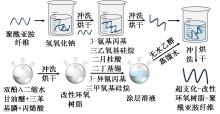
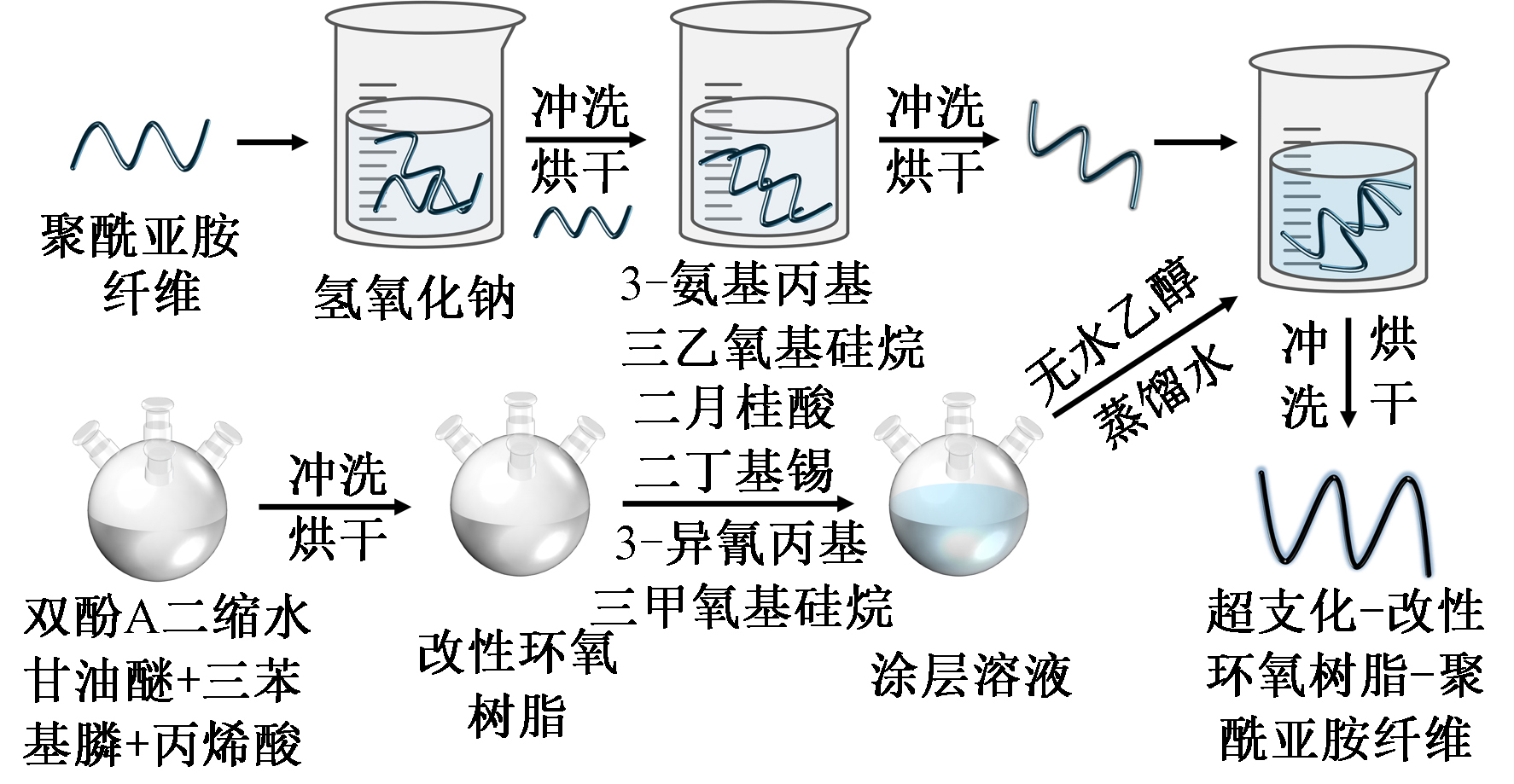
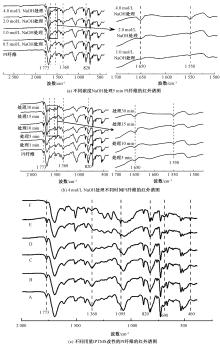
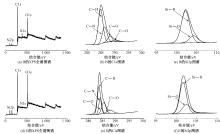
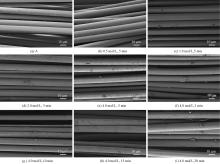
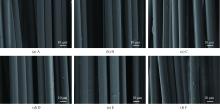
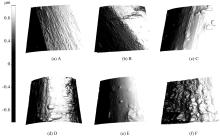
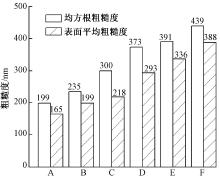
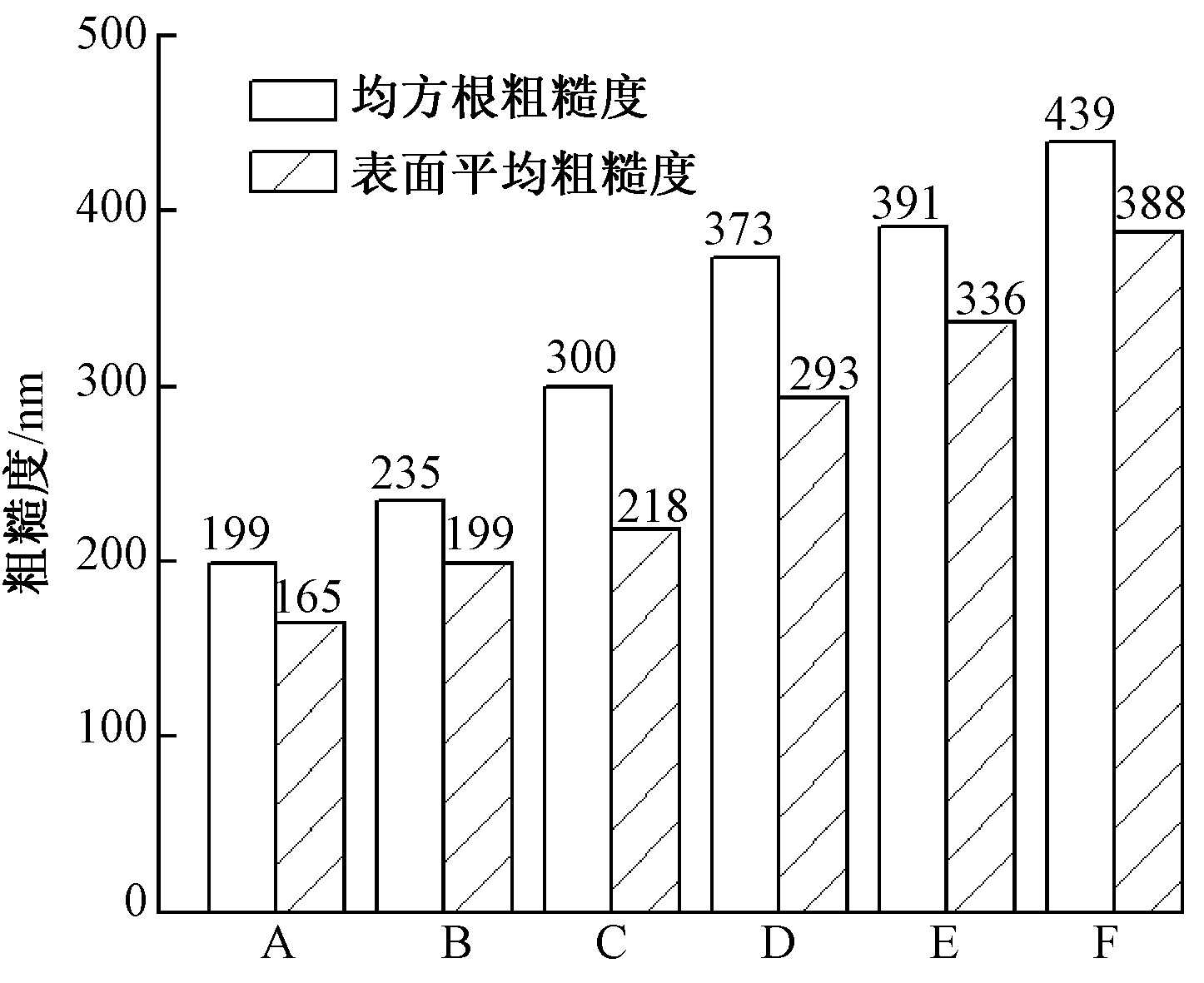
摘要: 为提高聚酰亚胺(PI)纤维材料表面耐磨性能,提升PI纤维在特殊环境下的服役寿命,采用接枝有硅烷偶联剂的环氧树脂对PI纤维表面进行改性。探讨了碱处理和改性剂含量对PI纤维性能的影响,借助傅里叶变换红外光谱仪、扫描电子显微镜和X射线光电子能谱仪等对 PI纤维改性前后的化学结构、表观形貌、表面粗糙度、力学性能、热稳定性和耐磨性能等进行分析。结果表明:采用浓度为4 mol/L碱处理5 min时纤维表面活性明显增强,3-异氰丙基三甲氧基硅烷(IPTMS)的浓度升高,改性PI纤维的粗糙程度明显增加;制备的新型超支化改性环氧树脂PI纤维力学性能和热稳定性等性能几乎无损,表面粗糙度增加了104%,同时耐磨性能也提高了190%。
中图分类号:
| [1] | 丁孟贤. 聚酰亚胺:化学、结构与性能的关系及材料[M]. 北京: 科学出版社, 2006. |
| DING Mengxian. Polyimide: chemistry, structure-property relationships and materials[M]. Beijing: Science Press, 2006. | |
| [2] | 高连勋. 聚酰亚胺纤维[M]. 北京: 国防工业出版社, 2017. |
| GAO Lianxun. Polyimide fiber[M]. Beijing: National Defense Industry Press, 2017. | |
| [3] | 董杰, 王士华, 徐圆, 等. 聚酰亚胺纤维制备及应用[J]. 中国材料进展, 2012, 31(10): 14-20. |
| DONG Jie, WANG Shihua, XU Yuan, et al. Preparation and application of polyimide fibers[J]. Materials China, 2012, 31(10): 14-20. | |
| [4] | 段春俭, 邵明超, 李宋, 等. 极端条件下的聚酰亚胺自润滑复合材料的研究进展[J]. 中国科学:化学, 2018, 48(12): 1561-1567. |
| DUAN Chunjian, SHAO Mingchao, LI Song, et al. The research progress in polyimide self-lubricating composites unde rextreme conditions[J]. Scientia Sinica Chimica, 2018, 48(12): 1561-1567. | |
| [5] | 常晶菁, 牛鸿庆, 武德珍. 聚酰亚胺纤维的研究进展[J]. 高分子通报, 2017, 3(3): 19-27. |
| CHANG Jingjing, NIU Hongqing, WU Dezhen. Research progress of polyimide fibers[J]. Polymer Bulletin, 2017, 3(3): 19-27. | |
| [6] | 尹朝清, 徐园, 张清华. 聚酰亚胺纤维及其阻燃特性[J]. 纺织学报, 2012, 33(6): 117-120. |
| YIN Chaoqing, XU Yuan, ZHANG Qinghua. Polyimide fiber and its flame retardance[J]. Journal of Textile Research, 2012, 33(6): 117-120. | |
| [7] | ZHOU Jiatao, LIU Fangfang, DAI Xuemin, et al. Surface modification optimization for high-performance polyimide fibers[J]. Materials Research Express, 2019. DOI: 10.1088/2053-1591/ab0c28. |
| [8] | 林芳兵, 蒋金华, 陈南梁, 等. 高性能聚酰亚胺纤维及其可织造性能[J]. 纺织学报, 2018, 39(5): 14-19. |
| LIN Fangbing, JIANG Jinhua, CHEN Nanliang, et al. High-performance polyimide fiber and its weava-bility[J]. Journal of Textile Research, 2018, 39(5): 14-19. | |
| [9] | 黄耀丽, 陆诚, 蒋金华, 等. 聚酰亚胺纤维增强聚二甲基硅氧烷柔性复合膜的热力学性能[J]. 纺织学报, 2022, 43(6): 22-28. |
| HUANG Yaoli, LU Cheng, JIANG Jinhua, et al. Thermal mechanical properties of polyimide fiber-reinforced polydimethylsiloxane flexible film[J]. Journal of Textile Research, 2022, 43(6): 22-28. | |
| [10] |
邱杨, 李亚锋, 田国峰, 等. 聚酰亚胺纤维的表面改性及其环氧树脂复合材料性能与界面破坏模式研究[J]. 材料工程, 2024, 52(12):196-203.
doi: 10.11868/j.issn.1001-4381.2023.000193 |
|
QIU Yang, LI Yafeng, TIAN Guofeng, et al. Research on properties and interfacial failure mode of surface modified polyimide fiber/epoxy composites[J]. Journal of Materials Engineering, 2024, 52(12):196-203.
doi: 10.11868/j.issn.1001-4381.2023.000193 |
|
| [11] | 刘艳春, 白刚, 钱红飞. 聚酰亚胺织物的羧基化表面改性[J]. 纺织学报, 2018, 39(3): 103-107. |
| LIU Yanchun, BAI Gang, QIAN Hongfei. Surface modification of polyimide fabric by carboxylation[J]. Journal of Textile Research, 2018, 39(3): 103-107. | |
| [12] | LEI Xingfeng, QIAO Mingtao, TIAN Lidong, et al. Improved space survivability of polyhedral oligomeric silsesquioxane (POSS) polyimides fabricated via novel POSS-diamine[J]. Corrosion Science, 2015, 90: 223-238. |
| [13] | JIE Dong, YANG Cairan, CHENG Yang, et al. Facile method for fabricating low dielectric constant polyimide fibers with hyperbranched polysiloxane[J]. Journal of Materials Chemistry C, 2017, 5(11): 2818-2825. |
| [14] | 刘远清, 贾峰峰, 田萃钰, 等. 聚酰亚胺材料界面活化及化学接枝研究进展[J]. 高分子材料科学与工程, 2022, 38(5): 182-190. |
| LIU Yuanqing, JIA Fengfeng, TIAN Cuiyu, et al. Progress on interfacial activation and chemical grafting of polyimide materials[J]. Polymer Materials Science and Engineering, 2022, 38(5): 182-190. | |
| [15] | HUANG Chuanjin, LIU Jian, ZHAO Libin, et al. Advances in atomic oxygen resistant polyimide composite films[J]. Composites Part A: Applied Science and Manufacturing, 2023. DOI: 10.1016/j.compositesa.2023.107459. |
| [16] | XU Hongzhu, CAO Xiaoxue, SHI Yu, et al. In situ formation of POSS layer on the surface of polyimide film and anti-atomic oxygen of SiO2/POSS coatings[J]. Progress in Organic Coatings, 2023. DOI: 10.1016/j.porgcoat.2023.107703. |
| [17] | HUANG Panfeng, ZHANG Fan, CHEN Lu, et al. A review of space tether in new applications[J]. Nonlinear Dynamics, 2018, 94(1): 1-19. |
| [18] | HAN Zhongqiang, QI Shengli, LIU Wei, et al. Surface-modified polyimide fiber-filed ethylenepropylenediene monomer insulations for a solid rocket motor: processing, morphology, and properties[J]. Industrial & Engineering Chemistry Research, 2013, 52(3): 1284-1290. |
| [19] | 李是卓, 卓航, 韩恩林, 等. 高强高模聚酰亚胺纤维/改性氰酸酯树脂复合材料制备及性能[J]. 复合材料学报, 2020, 37(1): 42-49. |
| LI Shizhuo, ZHUO Hang, HAN Enlin, et al. Preparation and properties of high strength and high modulus polyimide fiber/modified cyanate resin composites[J]. Acta Materiae Compositae Sinica, 2020, 37(1): 42-49. | |
| [20] | ZHANG Hongrui, LIANG Guozheng, GU Aijuan, et al. Facile preparation of hyperbranched polysiloxane-grafted aramid fibers with simultaneously improved UV resistance, surface activity, and thermal and mechanical properties[J]. Industrial & Engineering Chemistry Research, 2014, 53(7):2684-2696. |
| [21] | 杜晓冬, 林芳兵, 蒋金华, 等. 氧等离子体改性对聚酰亚胺纤维表面性能的影响[J]. 纺织学报, 2019, 40(9):22-27. |
| DU Xiaodong, LIN Fangbing, JIANG Jinhua, et al. Influence of oxygen plasma modification on surface properties of polyimide fiber[J]. Journal of Textile Research, 2019, 40(9): 22-27. | |
| [22] | 董晗, 郑森森, 郭涛, 等. 高耐热聚酰亚胺纤维的制备及其性能[J]. 纺织学报, 2022, 43(2): 19-23. |
| DONG Han, ZHENG Sensen, GUO Tao, et al. Preparation and properties of high heat-resistant polyimide fiber[J]. Journal of Textile Research, 2022, 43(2): 19-23. | |
| [23] | 郑森森, 郭涛, 董杰, 等. 含咪唑结构高强高模聚酰亚胺纤维的制备及其结构与性能[J]. 纺织学报, 2021, 42(2): 7-11,20. |
| ZHENG Senen, GUO Tao, DONG Jie, et al. Preparation, structure and properties of high-strength high-modulus polyimide fibers containing benzimidazole moiety[J]. Journal of Textile Research, 2021, 42(2): 7-11,20. |
| [1] | 王彪, 李源, 董杰, 张清华. 热亚胺化中应力对聚酰亚胺纤维结构和性能的影响[J]. 纺织学报, 2025, 46(03): 1-8. |
| [2] | 孙靖宇, 张建伟, 杨超, 佘希林, 刘嘉麒. 连续玄武岩纤维专用浸润剂体系的研究进展[J]. 纺织学报, 2025, 46(03): 245-255. |
| [3] | 江文杰, 郭明瑞, 高卫东. 棉/涤纶短纤皮芯纱及其织物的力学性能[J]. 纺织学报, 2025, 46(03): 49-55. |
| [4] | 李慧敏, 刘淑强, 杜琳琳, 张曼, 吴改红. 玄武岩/聚酰亚胺三维间隔机织物的参数化建模及高温环境传热数值模拟[J]. 纺织学报, 2025, 46(01): 87-94. |
| [5] | 左红梅, 高敏, 阮芳涛, 邹梨花, 徐珍珍. MXene-氧化石墨烯改性碳纤维/聚乳酸复合材料制备及其力学性能[J]. 纺织学报, 2025, 46(01): 9-15. |
| [6] | 杨雨琪, 高兴忠, 高世萱, 陈宏, 刘涛. 三维超高分子量聚乙烯纤维/苎麻混杂轮胎防滑织物的设计与制备[J]. 纺织学报, 2024, 45(10): 72-79. |
| [7] | 王皓月, 胡亚宁, 赵健, 杨鹏. 基于蛋白质类淀粉样聚集的纤维表面功能化[J]. 纺织学报, 2024, 45(08): 1-9. |
| [8] | 时吉磊, 唐春霞, 付少海, 张丽平. 柔韧隔热纤维素基气凝胶制备与性能[J]. 纺织学报, 2024, 45(04): 8-14. |
| [9] | 李平, 朱平, 刘云. 壳聚糖基膨胀阻燃涤纶/棉混纺织物的制备及其性能[J]. 纺织学报, 2024, 45(02): 162-170. |
| [10] | 夏良君, 曹根阳, 刘欣, 徐卫林. 高性能纤维及其制品颜色构建的研究进展[J]. 纺织学报, 2023, 44(06): 1-9. |
| [11] | 胡宝继, 张巧玲, 王旭. 聚乙二醇改性热塑性环氧树脂及其可纺性[J]. 纺织学报, 2023, 44(02): 63-68. |
| [12] | 乔曦冉, 房宽峻, 刘秀明, 巩继贤, 张帅, 张敏. 羟乙基甲基纤维素改性对棉和锦纶织物表面性质的差异性影响[J]. 纺织学报, 2022, 43(11): 127-132. |
| [13] | 张志颖, 王亦秋, 眭建华. 超高分子量聚乙烯纤维增强中空蜂窝模压复合材料性能研究[J]. 纺织学报, 2022, 43(11): 81-87. |
| [14] | 杨辉宇, 周敬伊, 段子健, 徐卫林, 邓波, 刘欣. 原子层沉积在纺织品表面多功能改性研究进展[J]. 纺织学报, 2022, 43(09): 195-202. |
| [15] | 徐铭涛, 嵇宇, 仲越, 张岩, 王萍, 眭建华, 李媛媛. 碳纤维/环氧树脂基复合材料增韧改性研究进展[J]. 纺织学报, 2022, 43(09): 203-210. |
|
||
 京公网安备11010502044800号