纺织学报 ›› 2026, Vol. 47 ›› Issue (03): 225-232.doi: 10.13475/j.fzxb.20251004201
田俊莹1,2, 程有旗1, 何天虹1,2( ), 姚金波1, 李振峰3, 武松亮3
TIAN Junying1,2, CHENG Youqi1, HE Tianhong1,2(), YAO Jinbo1, LI Zhenfeng3, WU Songliang3
摘要:
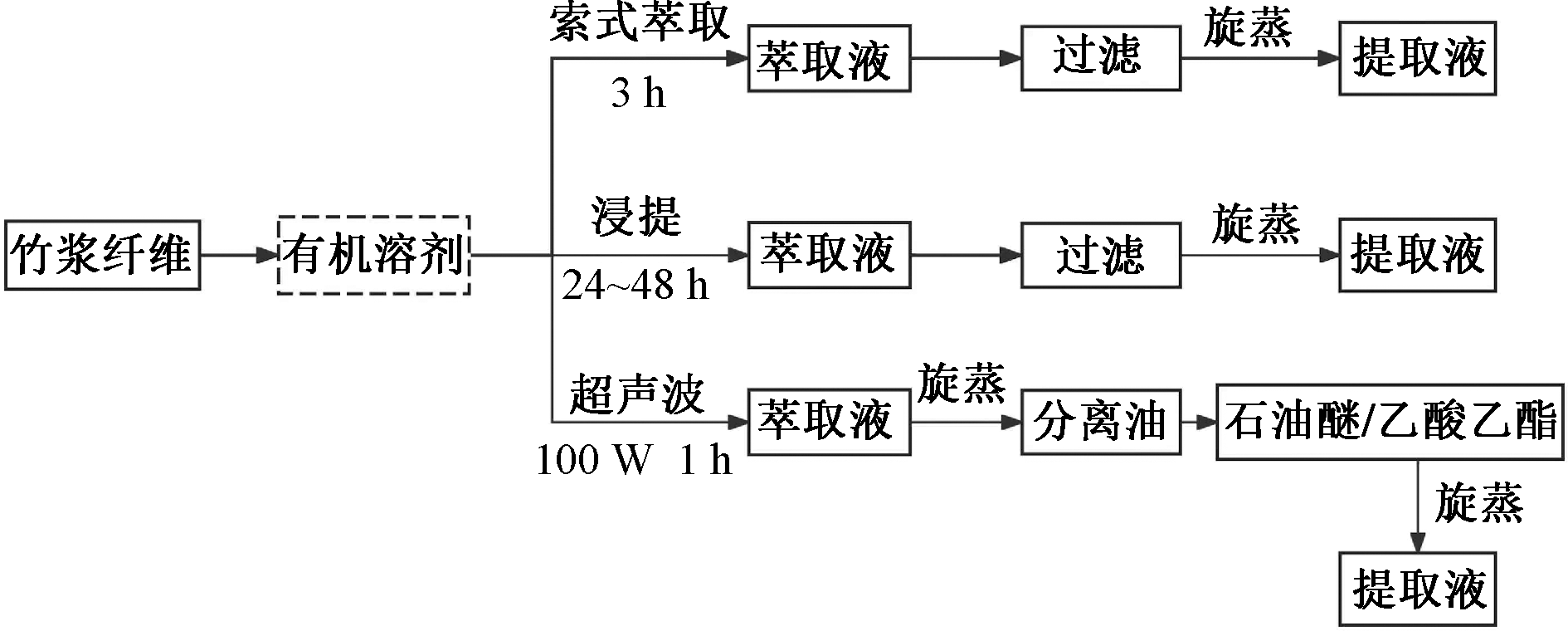
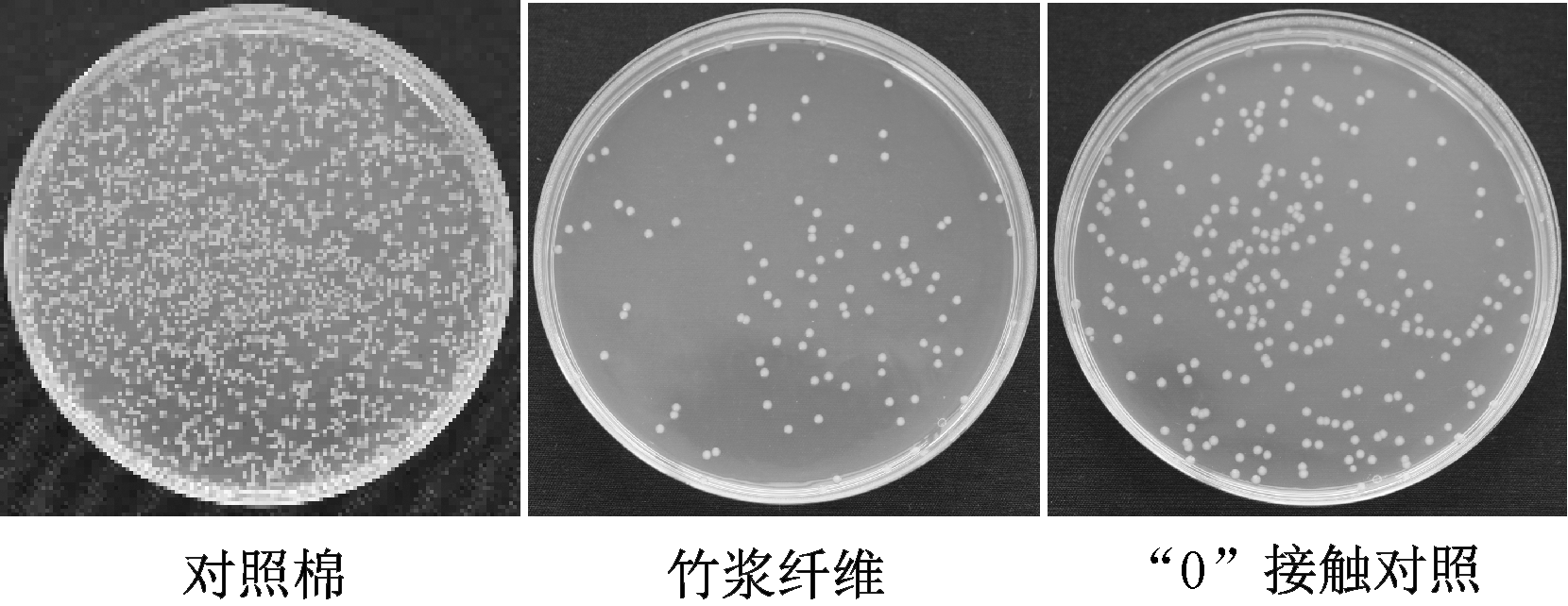
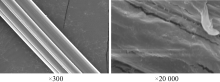
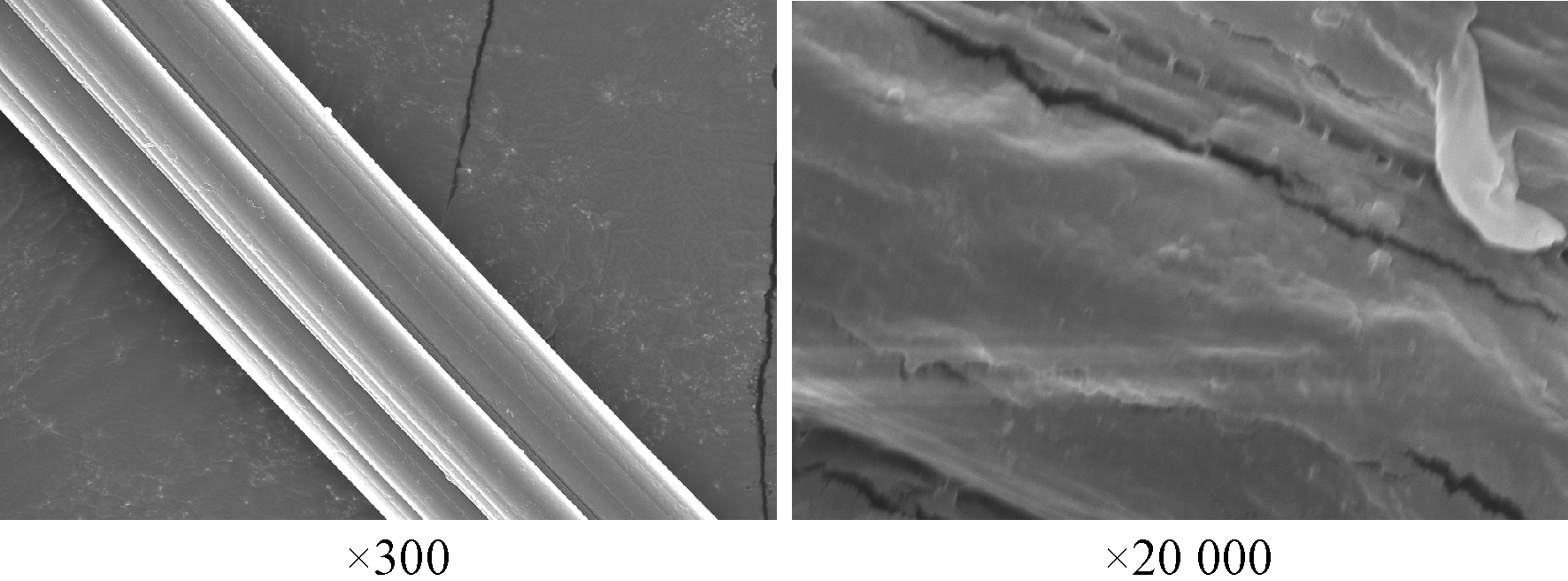
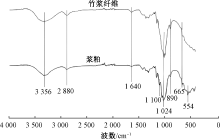
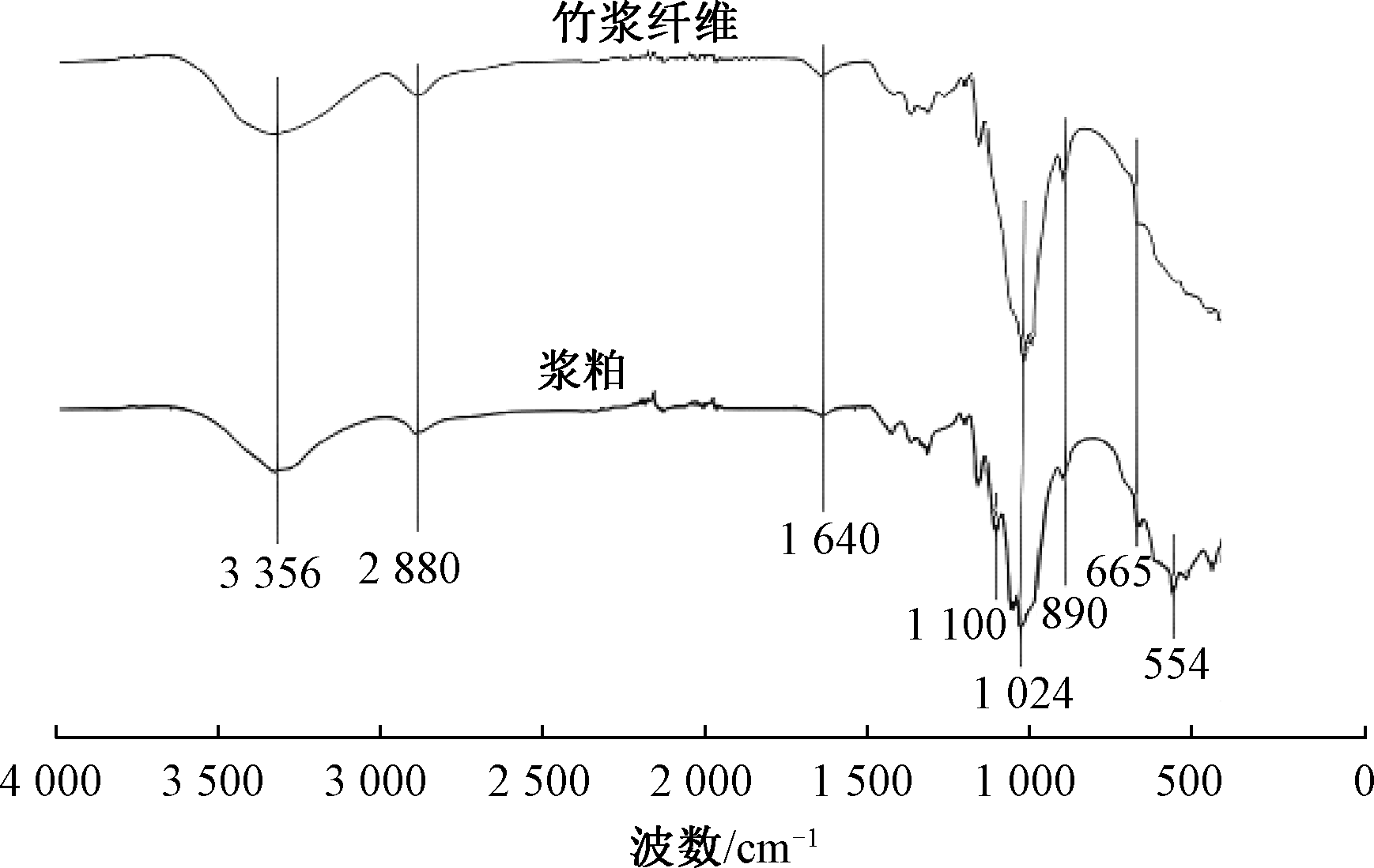
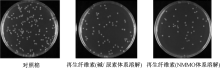
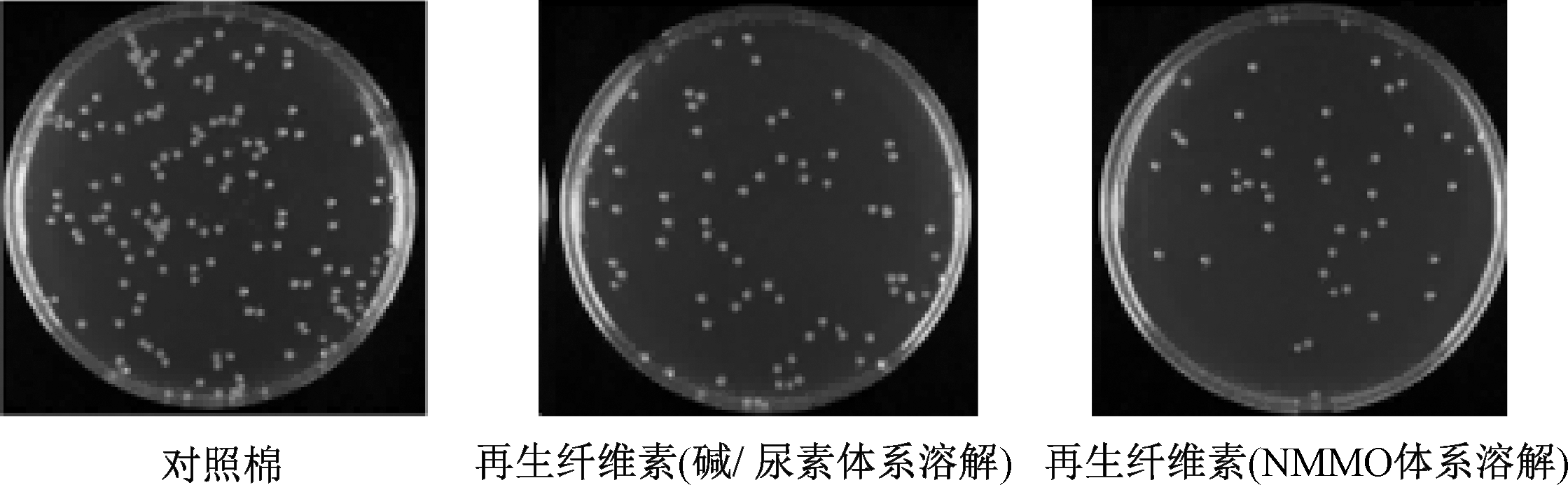
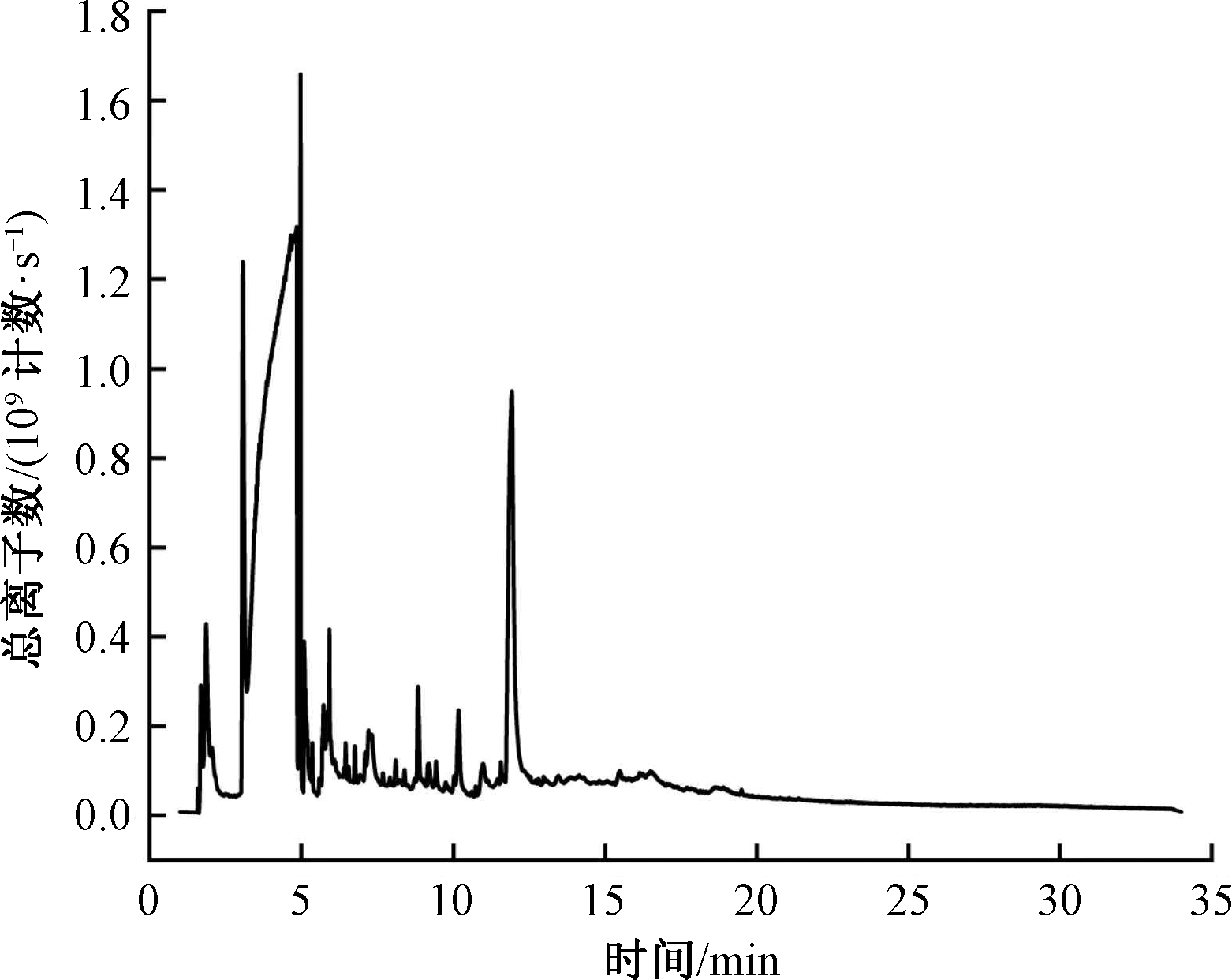
竹浆纤维具有天然抑菌性,但其抑菌成分至今尚不明确,为揭示竹浆纤维的抑菌性来源,测试分析了竹浆纤维的形态结构、元素和化学基团组成,并尝试采用溶剂萃取、溶解法提取竹浆纤维中的抑菌成分;为更有效地分离竹浆纤维中的抑菌成分,通过硫酸水解的方法将竹浆纤维降解成低分子物质,结合气相色谱-质谱联用技术分离、分析降解产物。结果表明,经溶剂萃取后,竹浆纤维仍保持较好的抑菌性;采用N-甲基吗啉-N-氧化物与碱/尿素体系溶解竹浆纤维,再于非溶剂中沉淀析出再生纤维素,对该再生纤维素进行抑菌性能测试时其菌落生长数量仍低于对照棉,证明部分抑菌成分与纤维素结合紧密;气相色谱-质谱联用分析表明,竹浆纤维水解产物中含有醛类、酚类、酮类等27种化合物,其中糠醇、糠醛、2-十一酮、麦芽酚、2-羟基-4-甲氧基苯甲醛5种化学成分,在相关研究中被证实具有抑菌活性,是竹浆纤维中的主要抑菌成分。
中图分类号:
| [1] | 杭卫平. 纺织品抗菌材料及其应用研究进展[J]. 上海轻工业, 2024(3): 59-61. |
| HANG Weiping. Research progress of textile antibacterial materials and their applications[J]. Shanghai Light Industry, 2024(3): 59-61. | |
| [2] |
周乐, 王斌琦, 聂毅. 人工抗菌纤维的研究现状和发展趋势[J]. 化工学报, 2020, 71(10): 4395-4408.
doi: 10.11949/0438-1157.20200633 |
| ZHOU Le, WANG Binqi, NIE Yi. Research status and development trend of artificial antibacterial fibers[J]. CIESC Journal, 2020, 71(10): 4395-4408. | |
| [3] | 蒋少琪, 曹良波, 郭荣辉. 抗菌功能纺织品的研究进展[J]. 纺织科学与工程学报, 2024, 41(3): 101-109. |
| JIANG Shaoqi, CAO Liangbo, GUO Ronghui. Research progress of antibacterial functional textiles[J]. Journal of Textile Science and Engineering, 2024, 41(3): 101-109. | |
| [4] | 王惠婷, 陈宇鉴, 刘诗仪, 等. 海藻酸盐基非织造医用敷料的研究进展[J]. 纺织学报, 2025, 46(6): 240-249. |
| WANG Huiting, CHEN Yujian, LIU Shiyi, et al. Research progress in alginate-based nonwoven medical dressings[J]. Journal of Textile Research, 2025, 46(6): 240-249. | |
| [5] | 吕治家, 胡元元. 抗菌纺织品舒适性能研究[J]. 棉纺织技术, 2020, 48(8): 39-43. |
| LÜ Zhijia, HU Yuanyuan. Study on antibacterial textiles comfortable property[J]. Cotton Textile Technology, 2020, 48(8): 39-43. | |
| [6] | ZHU Y Z. The design and production of bamboo pulp silver fiber/cotton antibacterial fabric[J]. Advanced Materials Research, 2013, 774/775/776: 1291-1295. |
| [7] | WRÓBLEWSKA K B, DE OLIVEIRA D C S, TEREZA GROMBONE-GUARATINI M, et al. Medicinal properties of bamboos[M]// Pharmacognosy:medicinal plants. London: IntechOpen, 2019. |
| [8] |
ANSELMO-MOREIRA F, GAGLIANO J, SALA-CARVALHO W R, et al. Antibacterial potential of extracts from different Brazilian bamboo species[J]. Brazilian Journal of Botany, 2021, 44(2): 309-315.
doi: 10.1007/s40415-020-00683-8 |
| [9] |
TANAKA A, ZHU Q C, TAN H, et al. Biological activities and phytochemical profiles of extracts from different parts of bamboo (Phyllostachys pubescens)[J]. Molecules, 2014, 19(6): 8238-8260.
doi: 10.3390/molecules19068238 pmid: 24945578 |
| [10] |
AFRIN T, TSUZUKI T, KANWAR R K, et al. The origin of the antibacterial property of bamboo[J]. The Journal of the Textile Institute, 2012, 103(8): 844-849.
doi: 10.1080/00405000.2011.614742 |
| [11] |
SOUMYA V, MUZIB Y I, VENKATESH P. GC-MS characterization, in vitro antioxidant and antimicrobial activity of newly isolated oil from edible wild bamboo rice (Bambusa bambos)[J]. Journal of Biologically Active Products from Nature, 2014, 4(3): 209-215.
doi: 10.1080/22311866.2014.939715 |
| [12] | ALIONA R, ELENA F B, MARCELA I, et al. Bamboo fiber antibacteral effect: a review[J]. Annals of the University of Oradea Fascicle of Textiles, Leatherwork, 2021, 22(1): 71-77. |
| [13] |
PRANG ROCKY B, THOMPSON A J. Investigation and comparison of antibacterial property of bamboo plants, natural bamboo fibers and commercial bamboo viscose textiles[J]. The Journal of the Textile Institute, 2021, 112(7): 1159-1170.
doi: 10.1080/00405000.2020.1807300 |
| [14] |
YANG G S, ZHANG Y P, SHAO H L, et al. A comparative study of bamboo Lyocell fiber and other regenerated cellulose fibers[J]. Holzforschung, 2009, 63(1): 18-22.
doi: 10.1515/HF.2009.005 |
| [15] |
ALI M, MAHMOOD A H, HUSSAIN S, et al. An investigation into the antibacterial properties of bamboo/cotton blended fabric and potential limitations of the test method AATCC 147[J]. Journal of Natural Fibers, 2021, 18(1): 51-58.
doi: 10.1080/15440478.2019.1612305 |
| [16] |
ABDUL KHALIL H P S, BHAT I U H, JAWAID M, et al. Bamboo fibre reinforced biocomposites: a review[J]. Materials & Design, 2012, 42: 353-368.
doi: 10.1016/j.matdes.2012.06.015 |
| [17] | GUPTA D, BHAUMIK S. Antimicrobial treatments for textiles[J]. Indian Journal of Fibre and Textile Research, 2007, 32(2): 254-263. |
| [18] |
CHAI W M, LIU X, HU Y H, et al. Antityrosinase and antimicrobial activities of furfuryl alcohol, furfural and furoic acid[J]. International Journal of Biological Macromolecules, 2013, 57: 151-155.
doi: 10.1016/j.ijbiomac.2013.02.019 |
| [19] |
GIBKA J, KUNICKA-STYCZYÑSKA A, GLIÑSKI M. Antimicrobial activity of undecan-2-one, undecan-2-ol and their derivatives[J]. Journal of Essential Oil Bearing Plants, 2009, 12(5): 605-614.
doi: 10.1080/0972060X.2009.10643763 |
| [20] |
REDDY D N, AL-RAJAB A J. Chemical composition, antibacterial and antifungal activities of Ruta graveolens L. volatile oils[J]. Cogent Chemistry, 2016, 2(1): 1220055.
doi: 10.1080/23312009.2016.1220055 |
| [21] | 曹梓珍, 张琳, 傅若秋, 等. 藜芦胺对人胶质母细胞瘤细胞U251增殖的影响及机制[J]. 中国药房, 2023, 34(22): 2734-2739. |
| CAO Zizhen, ZHANG Lin, FU Ruoqiu, et al. Effects and mechanism of veratramine on the proliferation of human glioblastoma U251 cells[J]. China Pharmacy, 2023, 34(22): 2734-2739. | |
| [22] |
LI S F, ZHANG S B, LV Y Y, et al. Heptanal inhibits the growth of Aspergillus flavus through disturbance of plasma membrane integrity, mitochondrial function and antioxidant enzyme activity[J]. LWT, 2022, 154: 112655.
doi: 10.1016/j.lwt.2021.112655 |
| [23] |
HUIJEONG A, GILYOUNG L, BYUNGCHEOL H, et al. Maltol, a natural flavor enhancer, inhibits NLRP3 and non-canonical inflammasome activation[J]. Antioxidants, 2022, 11(10): 1923-1924.
doi: 10.3390/antiox11101923 |
| [24] | ARUNACHALAM K, RAVI J, TIAN X, et al. Correction to: antibacterial activity of 2-hydroxy-4-methoxy-benzaldehyde and its possible mechanism against Staphylococcus aureus[J]. Journal of Applied Microbiology, 2023, 134(7): 144. |
| [1] | 龙红霞, 吴伟, 刘娅岚, 徐红, 毛志平. 纤维素纤维孔道吸湿溶胀行为的分子动力学模拟[J]. 纺织学报, 2025, 46(11): 155-163. |
| [2] | 杨露, 孟家光, 陈雨青, 支超. 基于废旧纺织品的湿度响应纤维素/聚氨酯复合材料的制备及其性能[J]. 纺织学报, 2025, 46(02): 26-34. |
| [3] | 刘懿德, 李凯, 姚久勇, 成芳芳, 夏延致. 纤维素水凝胶纤维的制备及其阻燃传感性能[J]. 纺织学报, 2024, 45(04): 1-7. |
| [4] | 肖昊, 孙辉, 于斌, 朱祥祥, 杨潇东. 壳聚糖-SiO2气凝胶/纤维素/聚丙烯复合水刺材料的制备及其吸附染料性能[J]. 纺织学报, 2024, 45(02): 179-188. |
| [5] | 李兴兴, 李琴, 岳甜甜, 刘宇清. 微纳米纤维素材料的微流控制备技术研究进展[J]. 纺织学报, 2022, 43(04): 180-186. |
| [6] | 张涛, 王富平, 陈国宝, 吴基玉, 庞亚妮, 陈忠敏. 壳聚糖基抑菌凝胶剂的制备及其性能[J]. 纺织学报, 2022, 43(03): 71-77. |
| [7] | 于岩, 章若红, 钟毅, 杜英英, 毛志平, 徐红. 用气相色谱-质谱法测定纺织柔软剂中的环硅氧烷[J]. 纺织学报, 2020, 41(08): 69-73. |
| [8] | 刘思佳, 喻倩, 王锐, 孔宪明. 再生纤维素纤维-纳米金柔性复合物的制备及其对尼尔兰的快速检测[J]. 纺织学报, 2020, 41(07): 23-28. |
| [9] | 李龙 秦彩霞 孙超. 棉秆皮纤维素纤维的梳理与细化[J]. 纺织学报, 2017, 38(08): 28-31. |
| [10] | 吴焕岭. 载药再生细菌纤维素纤维的制备及其表征[J]. 纺织学报, 2017, 38(05): 14-18. |
| [11] | 史晨 侯雪斌 晋阳 葛明桥. 长余辉发光再生纤维素纤维的制备[J]. 纺织学报, 2016, 37(12): 1-5. |
| [12] | 凤权 武丁胜 桓珊 杨子龙 应志祥. 再生纤维素纳米纤维膜的制备及其蛋白质分离性能[J]. 纺织学报, 2016, 37(12): 12-17. |
| [13] | 杜兆芳 张利玲 许云辉 董丹丹. 氧化竹浆纤维的丝素蛋白改性工艺研究[J]. 纺织学报, 2016, 37(08): 12-15. |
| [14] | 周金香 邹专勇 黄建光 许梦露 陈佳慧 金亚琪 张莲莲. 喷气涡流纺成纱工艺对色纺竹浆纤维针织物性能的影响[J]. 纺织学报, 2015, 36(06): 30-36. |
| [15] | 孙玉山 徐纪刚 李昭锐 程春祖 张均 李晓俊. 新溶剂法纤维素纤维开发概况与展望[J]. 纺织学报, 2014, 35(2): 126-0. |
|
||
 京公网安备11010502044800号