纺织学报 ›› 2025, Vol. 46 ›› Issue (05): 23-29.doi: 10.13475/j.fzxb.20250203901

• 特约专栏: 智能纤维与织物器件 • 上一篇    下一篇

熔融静电纺长丝纱的制备及其在摩擦纳米发电机中的应用

闫静1,2(), 王亚倩1,2, 刘晶晶1,2, 李好义3, 杨卫民3, 康卫民1,2, 庄旭品1,2, 程博闻1,2,4   

  1. 1.天津工业大学 先进纺织复合材料教育部重点实验室, 天津 300387
    2.天津工业大学 纺织科学与工程学院, 天津 300387
    3.北京化工大学 机电工程学院, 北京 100029
    4.天津科技大学 轻工科学与工程学院, 天津 300457
  • 收稿日期:2025-02-20 修回日期:2025-03-12 出版日期:2025-05-15 发布日期:2025-06-18
  • 作者简介:闫静(1987—),女,副教授,博士。主要研究方向为智能纺织材料。E-mail:yanjing@tiangong.edu.cn
  • 基金资助:
    国家自然科学基金项目(52103267);天津市自然科学基金项目(23JCYBJC00650)

Preparation of melt-electrospun filament yarns and their applications in triboelectric nanogenerators

YAN Jing1,2(), WANG Yaqian1,2, LIU Jingjing1,2, LI Haoyi3, YANG Weimin3, KANG Weimin1,2, ZHUANG Xupin1,2, CHENG Bowen1,2,4   

  1. 1. Ministry of Education Key Laboratory for Advanced Textile Composite Materials, Tiangong University, Tianjin 300387, China
    2. School of Textile Science and Engineering, Tiangong University, Tianjin 300387, China
    3. College of Mechanical and Electrical Engineering, Beijing University of Chemical Technology, Beijing 100029, China
    4. School of Light Industry Science and Engineering, Tianjin University of Science and Technology, Tianjin 300457, China
  • Received:2025-02-20 Revised:2025-03-12 Published:2025-05-15 Online:2025-06-18

摘要:

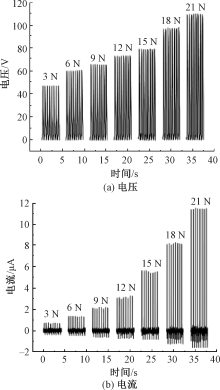
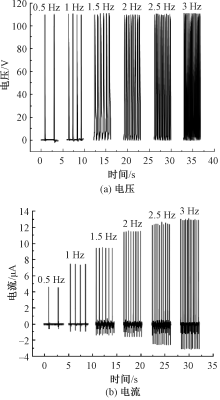
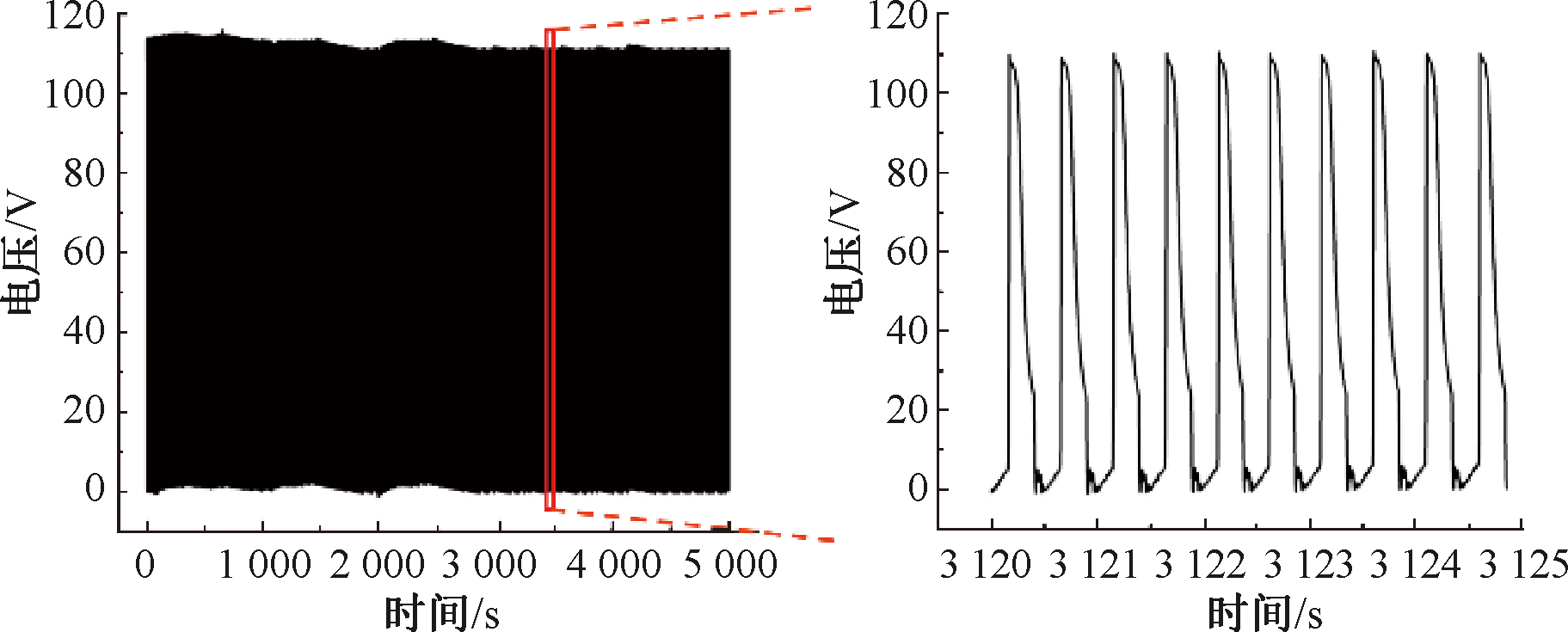
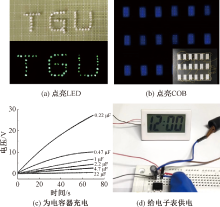
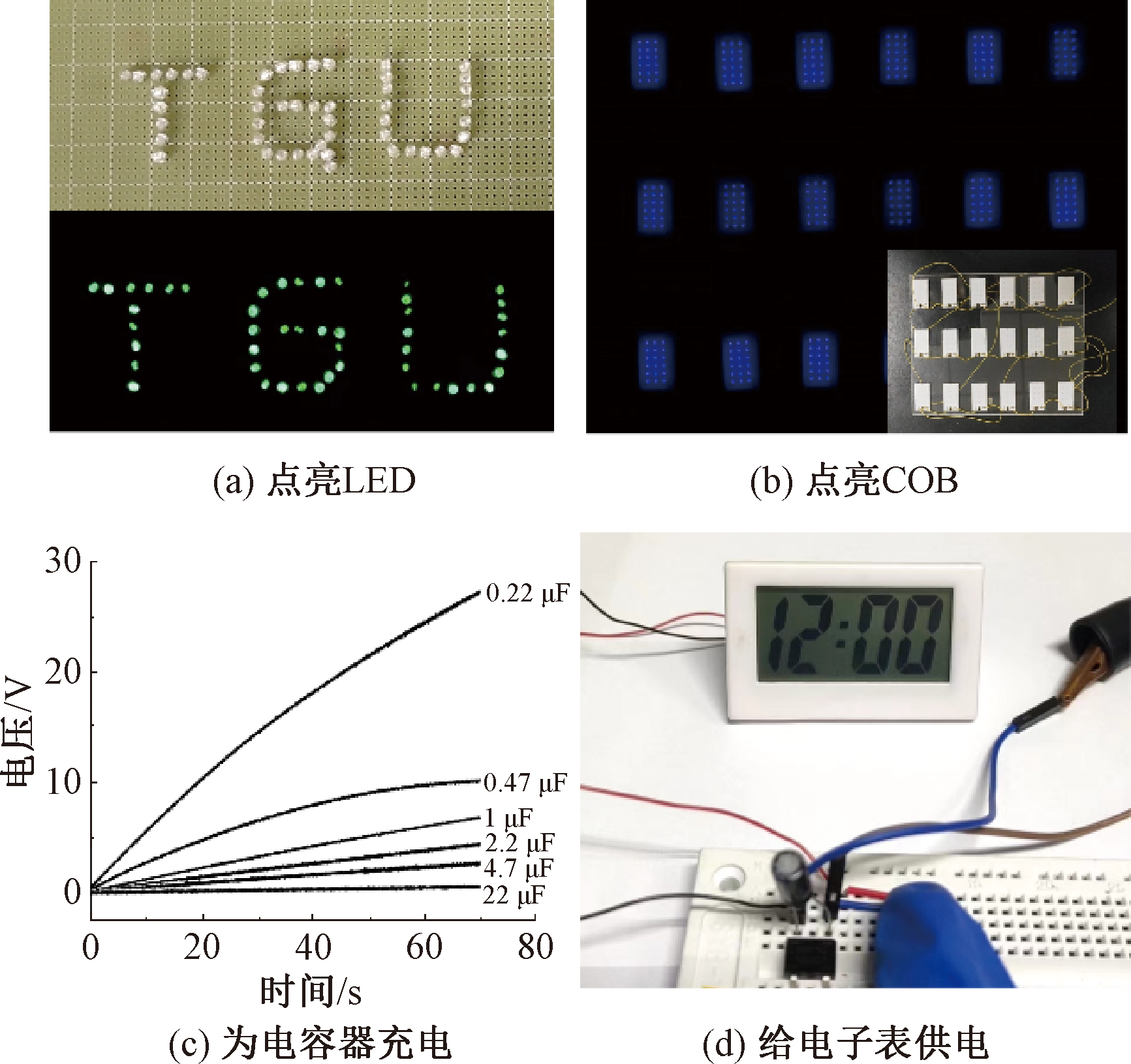
针对织物型摩擦纳米发电机(TENG)中纤维直径较大导致其有效工作面积不足、输出性能受限的问题,采用熔融静电纺丝技术制备了聚丙烯(PP)和聚酰胺6(PA6)长丝纱,采用织造工艺构筑织物型TENG,并与商用PP和PA6长丝纱构成的织物型TENG进行对比。通过表征TENG摩擦发电输出性能差异,探究熔融静电纺纱在TENG中的应用优势。结果表明:熔融静电纺丝技术制备的长丝纱具有较小的纤维直径,其中PP纤维的平均直径为3.84 μm,PA6纤维的平均直径为12.25 μm;基于熔融静电纺的TENG输出电压和电流可达到110 V和11.4 μA,分别是商业长丝纱TENG的41倍和95倍;TENG在不同压力和频率条件下表现出较好的电输出性能,且在工作5 000 s后仍保持稳定,经过多次水洗后,TENG的电输出性能未显著衰减。该TENG在50 MΩ负载电阻下的输出功率密度为0.82 W/m2,能够为LED灯、电子表等微型电子设备提供稳定电力,展示其在可穿戴电子设备和自供电系统中的应用潜力。

关键词: 熔融静电纺丝, 聚丙烯长丝纱, 聚酰胺6长丝纱, 摩擦纳米发电机, 能源收集

Abstract:

Objective In order to enhance the electrical output performance of fabric-based triboelectric nano-generators (TENGs) by addressing the issue of insufficient effective working area due to large fiber diameters, melt-electrospinning technology was utilized to fabricate polypropylene (PP) and polyamide-6 (PA6) filament yarns, because electrospinning, as an efficient fiber fabrication technique, enables the formation of micro/nanoscale polymer fibers through electric field-induced elongation, which have established its pivotal role in developing high-performance TENGs. The work highlights the importance of optimizing fiber structure to improve TENG performance for practical applications in energy harvesting and self-powered wearable electronics.
Method Melt-electrospinning was utilized to fabricate PP and PA6 filament yarns, specifically focusing on precise regulation of fiber diameter through the application of a high-voltage electric field. The filament yarns were then woven with stainless steel yarns to create the TENGs. Performance tests were conducted to evaluate mechanical properties, water contact angle, and electrical output. The electrical performance of TENGs was measured under different pressures and frequencies, and after multiple washing cycles. Commercial PP and PA6 filament yarns were used as a comparison for performance evaluation.
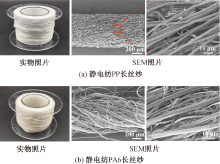
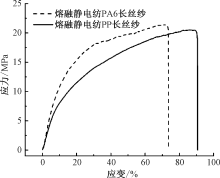
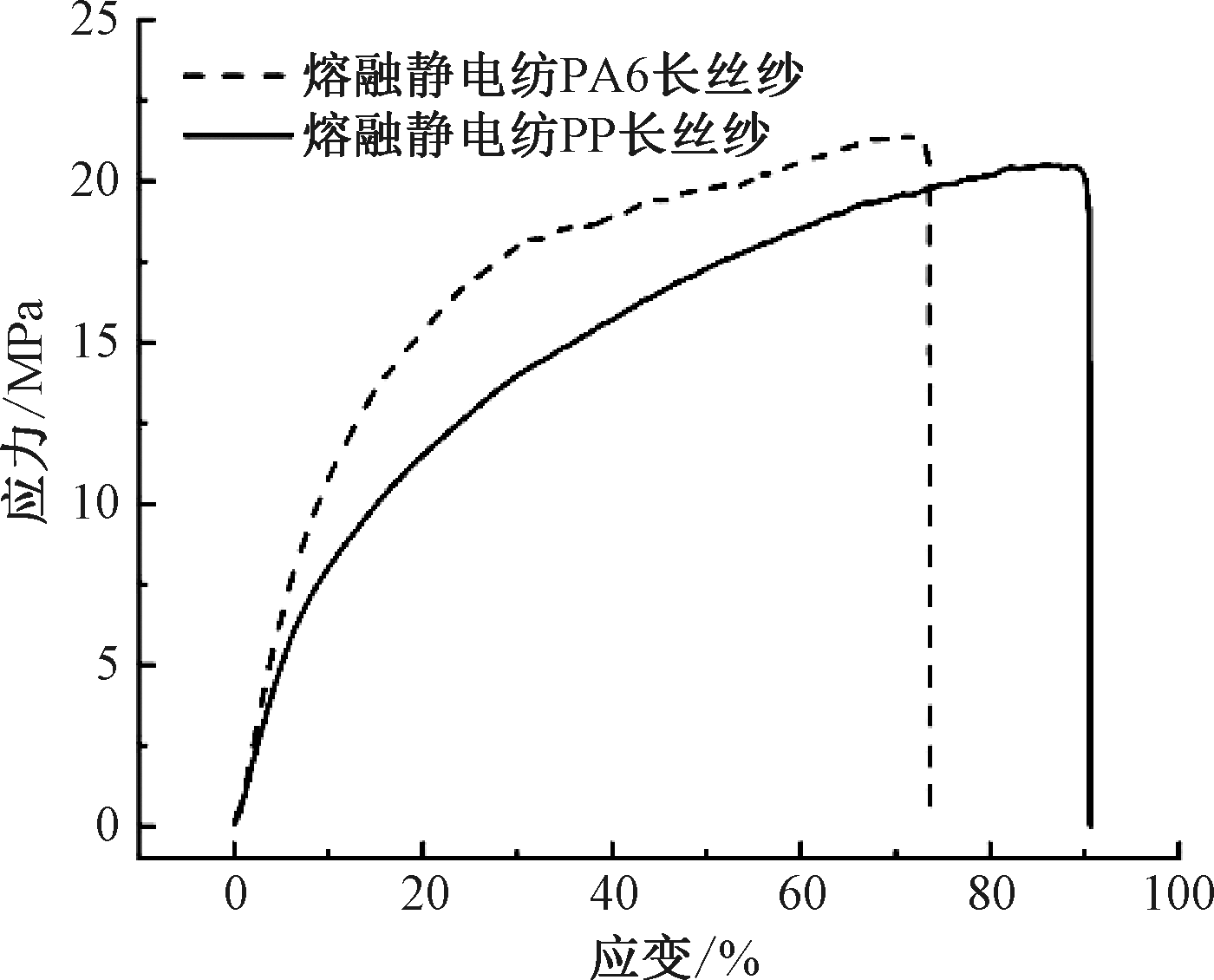
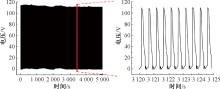
Results The melt-electrospun PP yarns and PA6 filament yarns demonstrated average fiber diameters of 3.84 μm and 12.25 μm, which significantly increased the contact area and enhanced the triboelectric effect. In addition, the PP yarns and PA6 filament yarns exhibited excellent mechanical properties which are suitable for demanding weaving process and practical applications. Compared to TENGs made of commercial yarns, the melt-electrospun filament yarns improved the electrical output performance dramatically. Under the experimental conditions, the TENG made of melt-electrospun PP yarns and PA6 filament yarns produced a voltage of 110 V and a current of 11.4 μA, which are 41 times and 95 times higher than the commercial filament yarn-based TENG, respectively. The TENG also showed stable performance under varying pressures and frequencies. Even after 5 000 s of continuous operation and multiple washing cycles, the electrical output performance did not degrade significantly. Furthermore, the TENG demonstrated a maximum power density of 0.82 W/m2 under a 50 MΩ load, with the capability to power microelectronic devices like LEDs and electronic watches, indicating its practical potential for wearable electronics and self-powered systems.
Conclusion Melt-electrospinning is an effective technique for improving the performance of fabric-based triboelectric nanogenerators by reducing fiber diameter and enhancing the triboelectric effect. The results show that the melt-electrospun PP and PA6 filament yarns significantly outperform commercial yarns in terms of triboelectric performance. The TENGs made of these filament yarns exhibit high voltage, current, and power density, along with good long-term stability and resistance to washing. These findings suggest that melt-electrospinning-based fabrics could serve as efficient energy harvesters for wearable electronic devices and self-powered systems. Future work could explore optimizing the process further reducing the fiber diameter to nanoscale and investigating the scalability of this approach for real-world applications.

Key words: melt-electrospinning, polypropylene filament yarn, polyamide-6 filament yarn, triboelectric nanogenerator, energy harvesting

中图分类号: 

  • TS156

图1

熔融静电纺PP纱线和PA6纱线的实物及SEM照片"

图2

熔融静电纺PP和PA6长丝纱的应力-应变曲线"

图3

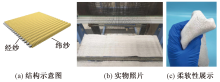
织物结构示意图和实物展示"

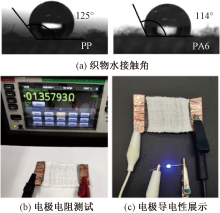
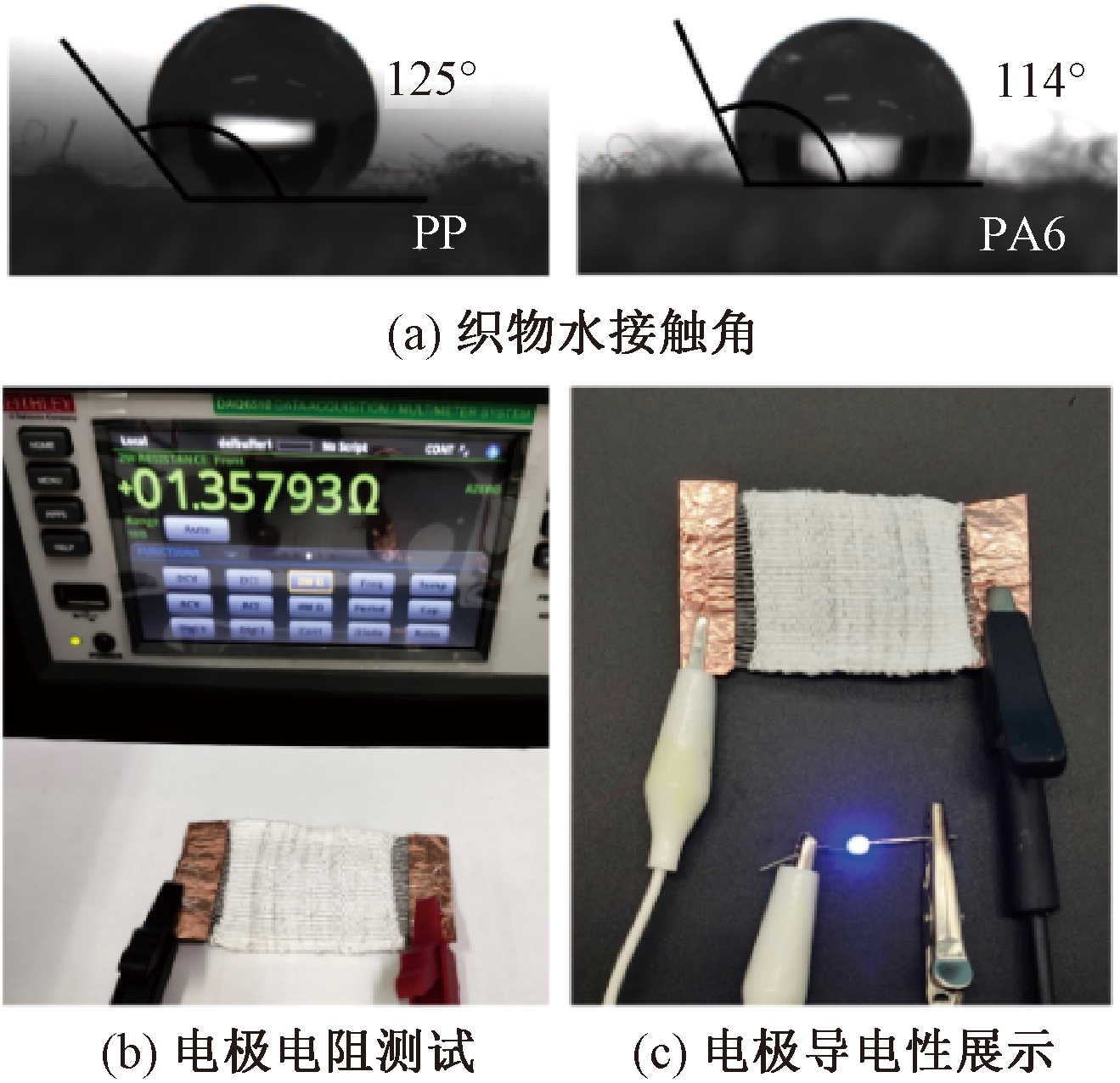
图4

织物的水接触角和电极的电阻"

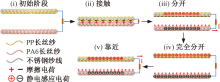
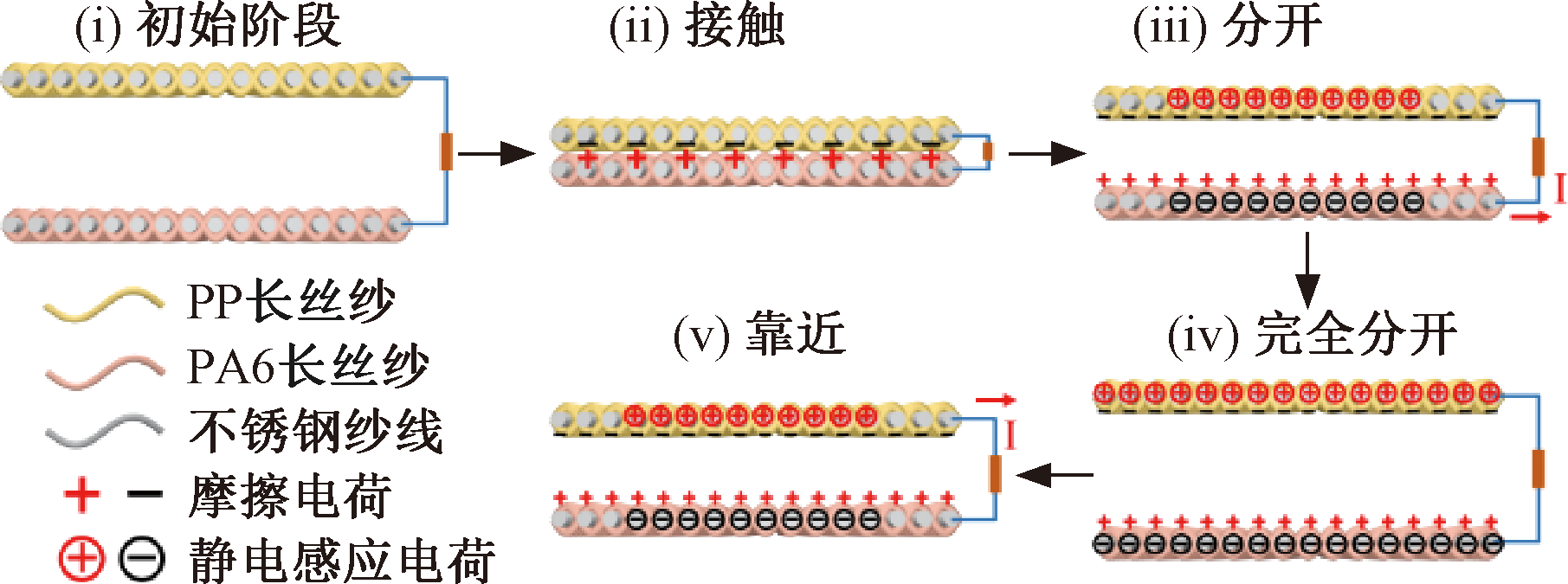
图5

TENG的工作机制"

图6

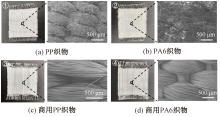
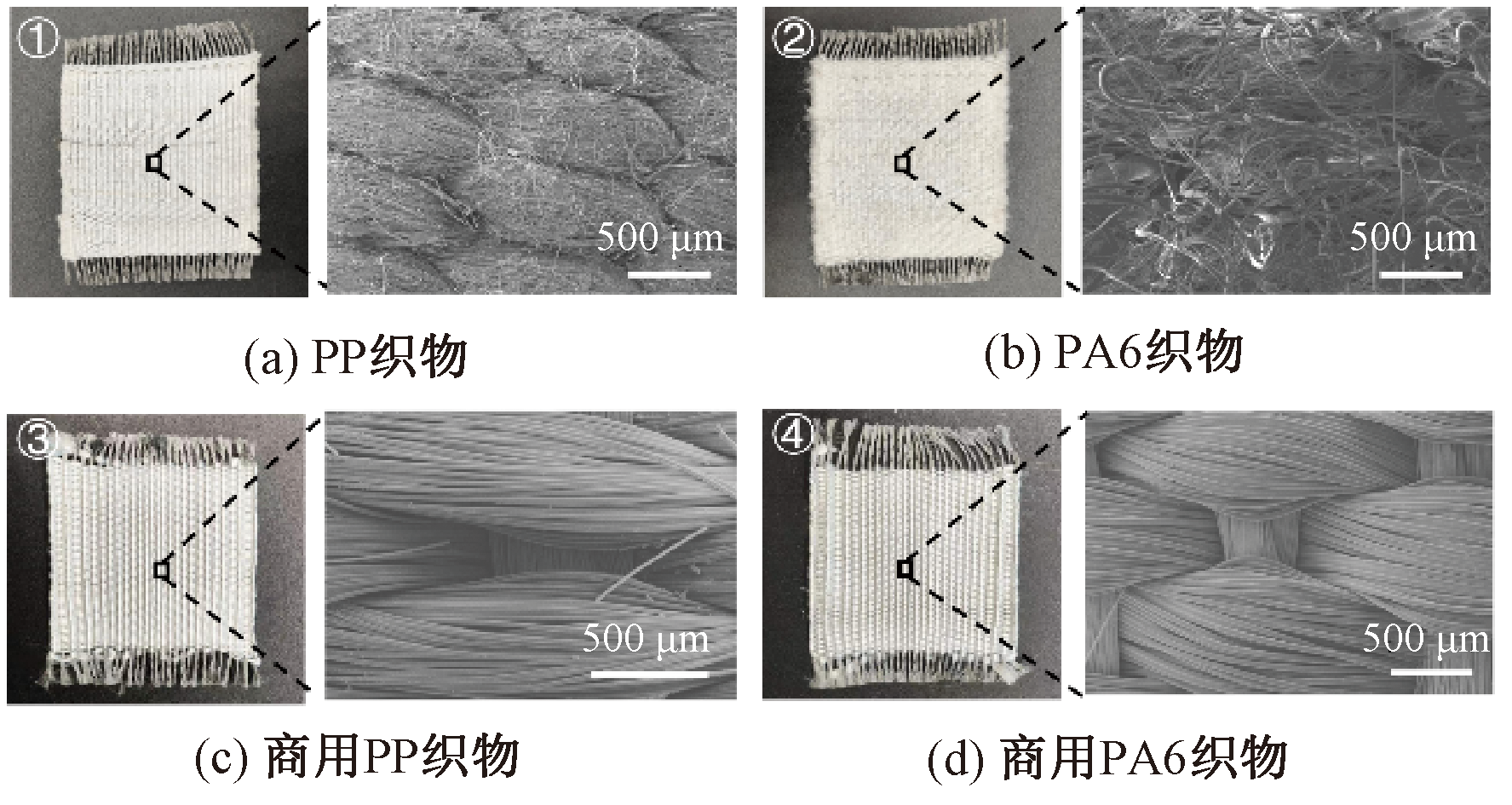
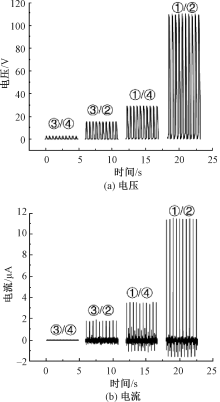
4种织物的实物和SEM照片"

图7

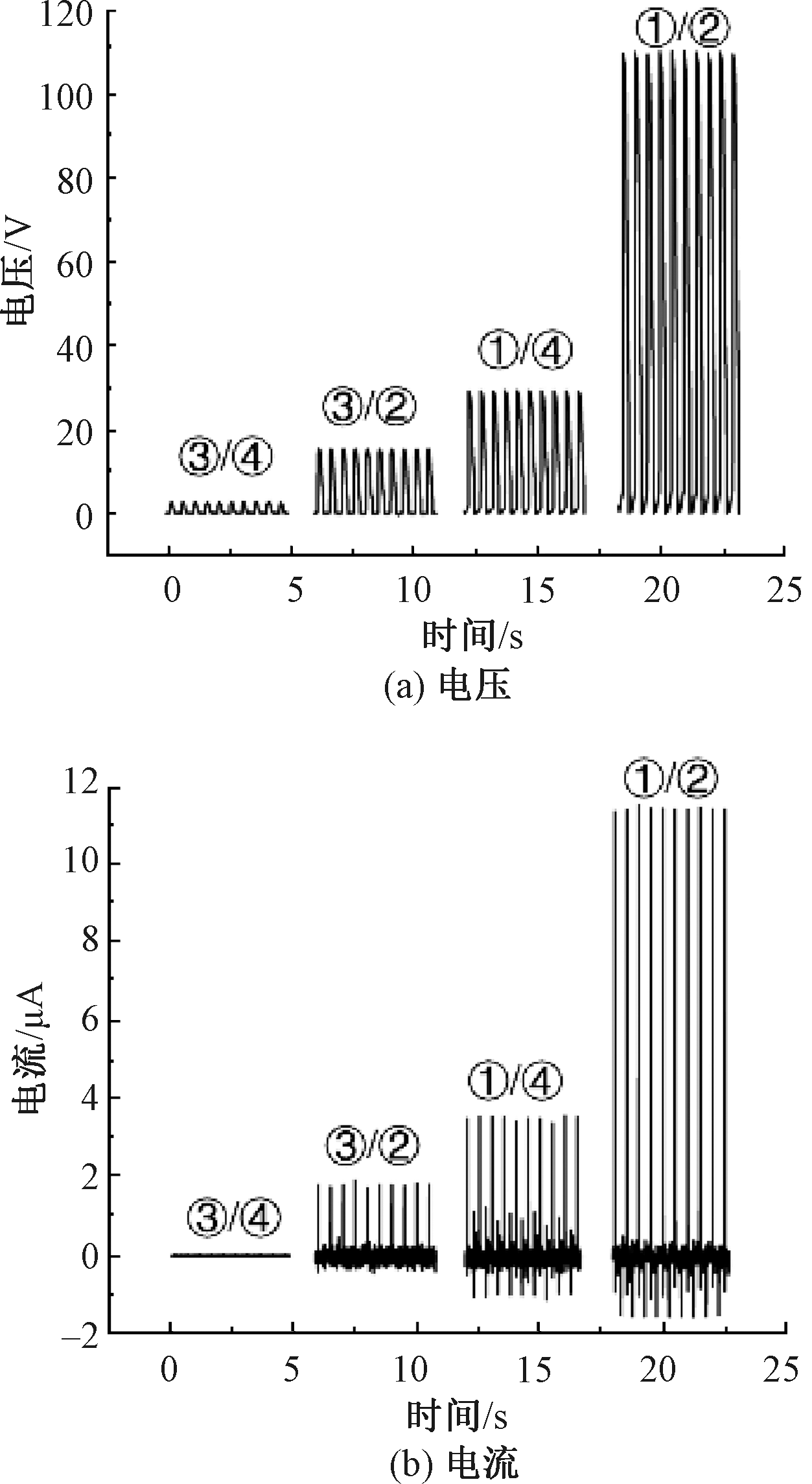
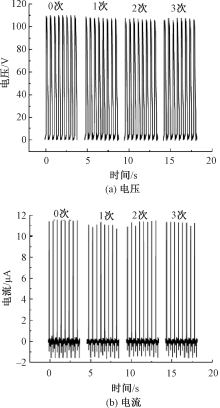
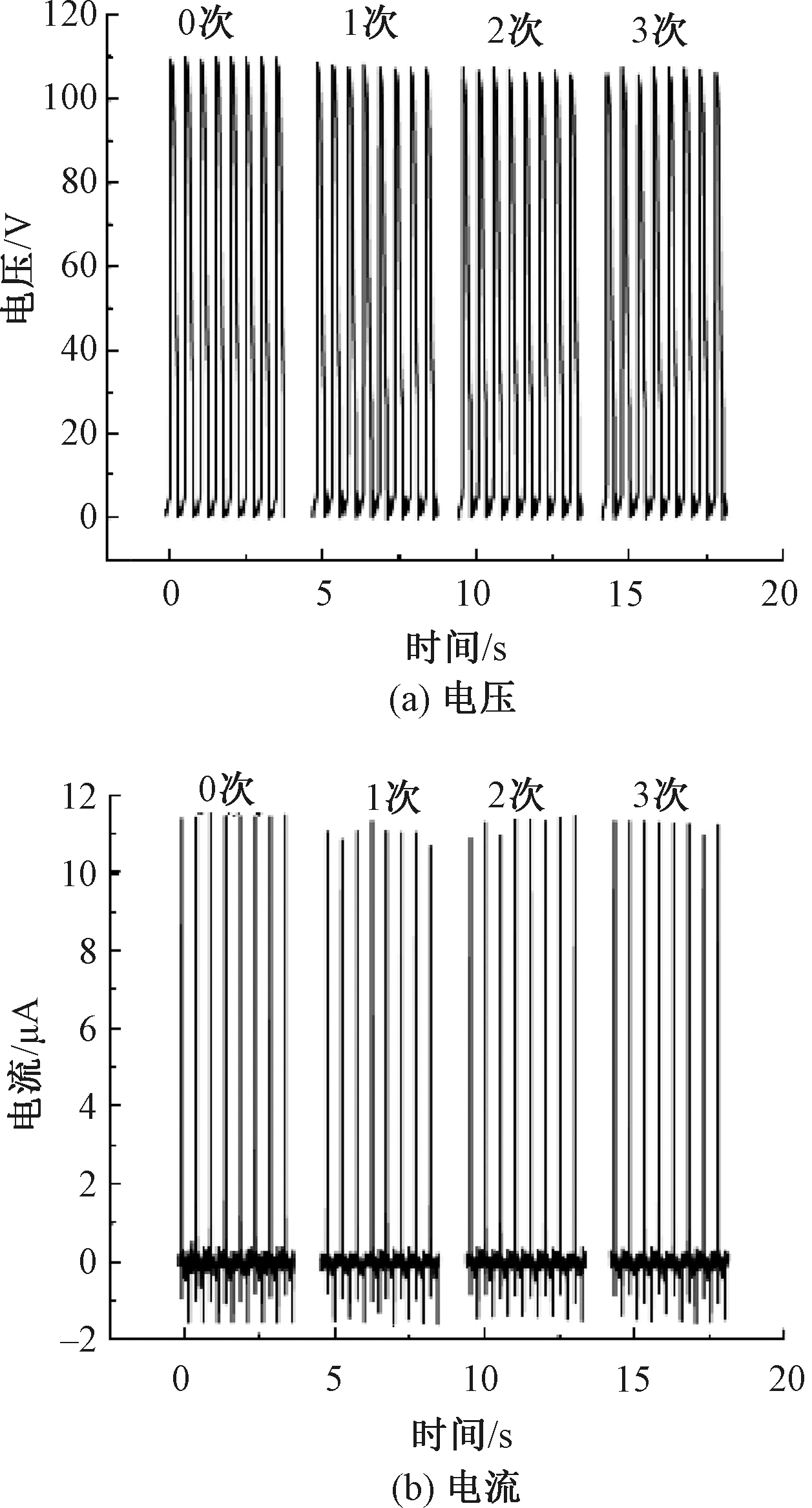
4组TENG的电输出性能"

图8

不同压力下TENG的输出性能"

图9

不同频率下TENG的输出性能"

图10

TENG的耐久性"

图11

不同洗涤次数下TENG的耐水洗性"

图12

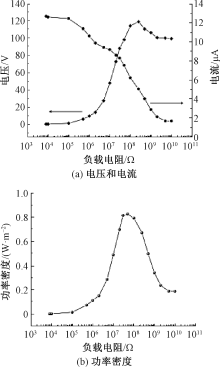
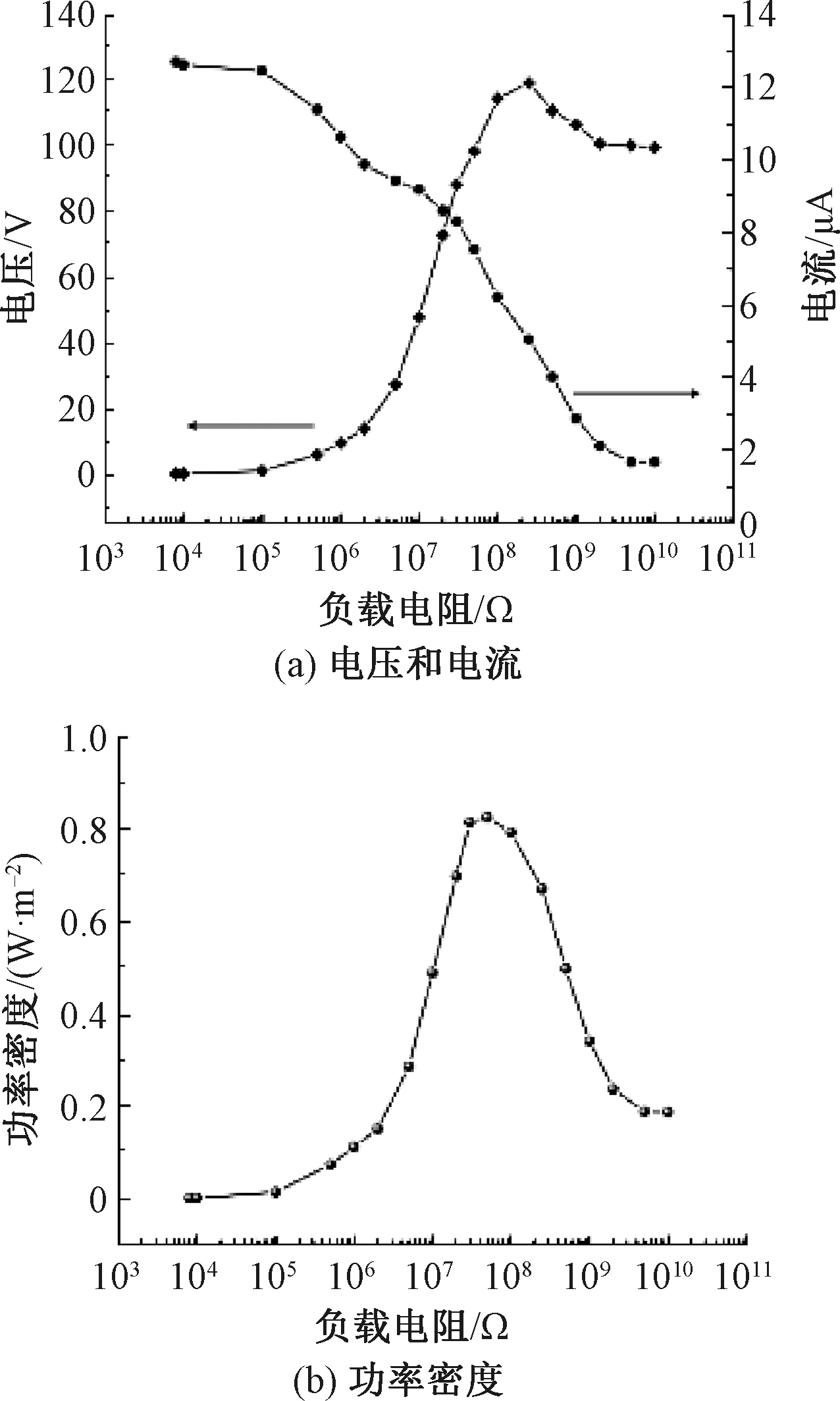
不同电阻负载下TENG的输出电压、电流和功率密度"

图13

TENG的应用"

[1] DONG K, HU Y, YANG J, et al. Smart textile triboelectric nanogenerators: current status and perspectives[J]. MRS Bulletin, 2021, 46(6): 512-521.
[2] YAN J, LIU J, LI Y, et al. High-performance textile-based triboelectric nanogenerators with damage insensitivity and shape tailorability[J]. Nano Energy, 2024. DOI: 10.1016/j.nanoen.2024.109675.
[3] YANG G, LI H, XING R, et al. Thermal-triggered ″on-off″ switchable triboelectric nanogenerator based on two-way shape memory polymer[J]. Advanced Functional Materials, 2023. DOI: 10.1002/adfm.202214001.
[4] TAO R, MAO Y, GU C, et al. Integrating all-yarn-based triboelectric nanogenerator/supercapacitor for energy harvesting, storage and sensing[J]. Chemical Engineering Journal, 2024. DOI: 10.1016/j.cej.2024.154358.
[5] 王宁, 龚维, 王宏志. 面向可穿戴电子产品的自供能摩擦电纺织品研究进展[J]. 纺织学报, 2024, 45(4): 41-49.
WANG Ning, GONG Wei, WANG Hongzhi. Review on self-powered triboelectric textiles for wearable electro-nics[J]. Journal of Textile Research, 2024, 45(4): 41-49.
[6] PU X, LI L, SONG H, et al. A self-charging power unit by integration of a textile triboelectric nanogenerator and a flexible lithium-ion battery for wearable electronics[J]. Advanced Materials, 2015, 27(15): 2472-2478.
[7] NIU S, WANG Z L. Theoretical systems of triboelectric nanogenerators[J]. Nano Energy, 2015, 14(6): 161-192.
[8] FAN F R, TIAN Z Q, WANG Z L. Flexible triboelectric generator[J]. Nano Energy, 2012, 1(2): 328-334.
[9] YAN J, WANG H, WANG K, et al. Thermally robust hierarchical nanofiber triboelectric yarns for efficient energy harvesting in firefighting E-textiles[J]. Chemical Engineering Journal, 2024. DOI: 10.1016/j.cej.2024.156188.
[10] CHEN K, LI Y, YANG G, et al. Fabric-based TENG woven with bio-fabricated superhydrophobic bacterial cellulose fiber for energy harvesting and motion detection[J]. Advanced Functional Materials, 2023. DOI: 10.1002/adfm.202304809.
[11] LI Y, XIAO S, LUO Y, et al. Advances in electrospun nanofibers for triboelectric nanogenerators[J]. Nano Energy, 2022. DOI: 10.1016/j.nanoen.2022.107884.
[12] ZHOU M, XU F, MA L, et al. Continuously fabricated nano/micro aligned fiber based waterproof and breathable fabric triboelectric nanogenerators for self-powered sensing systems[J]. Nano Energy, 2022. DOI: 10.1016/j.nanoen.2022.107885.
[13] WANG Y, TAN J, XU J, et al. Green and highly efficient preparation of superfine fiber yarns via vortex airflow-assisted melt differential electrospinning[J]. Composites Part A: Applied Science and Manufacturing, 2025. DOI: 10.1016/j.compositesa.2024.108552.
[14] 李辉, 王娇娜, 赵树宇, 等. 柔性全编织摩擦纳米发电织物的制备[J]. 纺织学报, 2018, 39(9): 34-38.
LI Hui, WANG Qiaona, ZHAO Shuyu, et al. Preparation of flexible all-braiding triboelectric nanogenerator[J]. Journal of Textile Research, 2018, 39(9): 34-38.
[15] YAN J, WANG K, WANG Y, et al. Polyimide nanofiber-based triboelectric nanogenerators using piezoelectric carbon nanotube@barium titanate nanoparticles[J]. ACS Applied Nano Materials, 2024, 7: 13156-13165.
[1] 陈枭, 赵继忠, 董凯. 基于接触起电效应的新型机电转化纤维性能提升策略[J]. 纺织学报, 2025, 46(05): 41-48.
[2] 刘烨, 王俊胜, 金星. 消防员个人防护装备用智能纺织品研究进展[J]. 纺织学报, 2025, 46(05): 105-115.
[3] 于梦菲, 高文丽, 任婧, 曹雷涛, 彭若铉, 凌盛杰. 摩擦纳米发电机用皮芯结构纤维的制备及其性能[J]. 纺织学报, 2025, 46(05): 1-9.
[4] 马丽芸, 吴荣辉, 刘赛, 张玉泽, 汪军. 包缠复合纱摩擦纳米发电机的制备及其电学性能[J]. 纺织学报, 2021, 42(01): 53-58.
[5] 李辉 王娇娜 赵树宇 李从举. 柔性全编织摩擦纳米发电织物的制备[J]. 纺织学报, 2018, 39(09): 34-38.
Viewed
Full text


Abstract

Cited

  Shared   
  Discussed   
No Suggested Reading articles found!