纺织学报 ›› 2025, Vol. 46 ›› Issue (12): 188-197.doi: 10.13475/j.fzxb.20250800701

• 服装工程 • 上一篇    下一篇

基于手部冷敏感度的防护手套分区设计

李树豪1, 张星慧1, 许静娴1,2(), 卢业虎1,2   

  1. 1.苏州大学 纺织与服装工程学院, 江苏 苏州 215021
    2.现代丝绸国家工程实验室, 江苏 苏州 215123
  • 收稿日期:2025-08-04 修回日期:2025-09-15 出版日期:2025-12-15 发布日期:2026-02-06
  • 通讯作者: 许静娴(1992—),女,副教授,博士。主要研究方向为服装舒适性与个体热管理。E-mail: jxxu@suda.edu.cn
  • 作者简介:李树豪(2001—),男,硕士生。主要研究方向为服装舒适性。
  • 基金资助:
    江苏省高等学校自然科学研究面上项目(23KJD540002)

Segmented design of cold protective gloves based on cold sensitivity of hand

LI Shuhao1, ZHANG Xinghui1, XU Jingxian1,2(), LU Yehu1,2   

  1. 1. College of Textile and Clothing Engineering, Soochow University, Suzhou, Jiangsu 215021, China
    2. National Key Laboratory of Modern Silk Engineering, Suzhou, Jiangsu 215123, China
  • Received:2025-08-04 Revised:2025-09-15 Published:2025-12-15 Online:2026-02-06

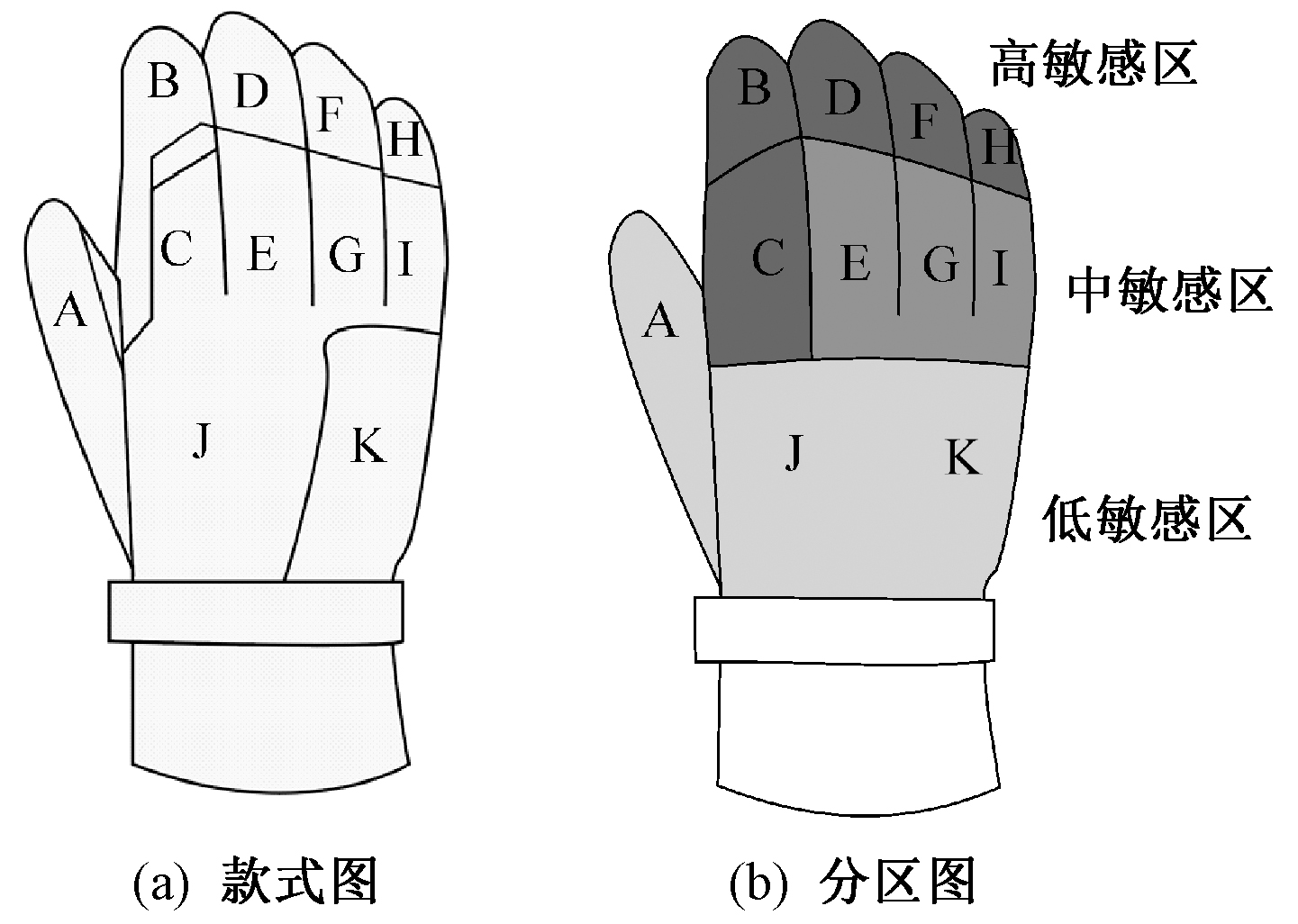
摘要: 针对现有防护手套因缺乏对手部局部冷敏感度差异化考量而导致防护不足、冻伤风险增加的问题,基于手部血管解剖结构将其划分为11个区域,在-10 ℃(无风,相对湿度30%)环境下对8名男性受试者进行实验。通过红外热像仪记录各区域瞬态皮肤温度,并同步采集主观热感觉评分,计算各区域冷敏感度。结果表明:手部皮肤温度及热感觉呈现明显的时空异质性;手指的冷敏感度随冷暴露时间的推移逐渐上升,基于全程平均冷敏感度,可将手部划分为高敏感区(大于0.4:食指上端、中指上端、无名指上端、小指上端、食指下端)、中敏感区(0.3 ~ 0.4:中指下端、无名指下端、小指下端)、低敏感区(小于0.3:拇指、手背内侧、手背外侧)。据此提出分区优化方案:高敏感区复合防风外层与保暖内层,低敏感区设置轻薄透气层。验证表明,优化后的手套使手部皮肤温度平均提升5.69 ℃,热感觉评分显著提高1.3,且不影响手部操作灵活性,手部热舒适性与运动舒适性均得到显著提升。

关键词: 低温环境, 手部冷敏感度, 热舒适性, 防护手套, 户外纺织品, 红外热成像技术

Abstract:

Objective Low temperature working environments significantly increase the risk of hand frostbite and effective hand protection is crucial for maintaining both operational efficiency and personal safety. Current cold protection gloves, however, fail to account for the varying cold sensitivity across different hand regions, limiting their precision in thermal protection. To enhance protection while ensuring work efficiency and safety, this study segmented the hand into 11 anatomical zones based on vascular distribution and conducted localized cold sensitivity tests.

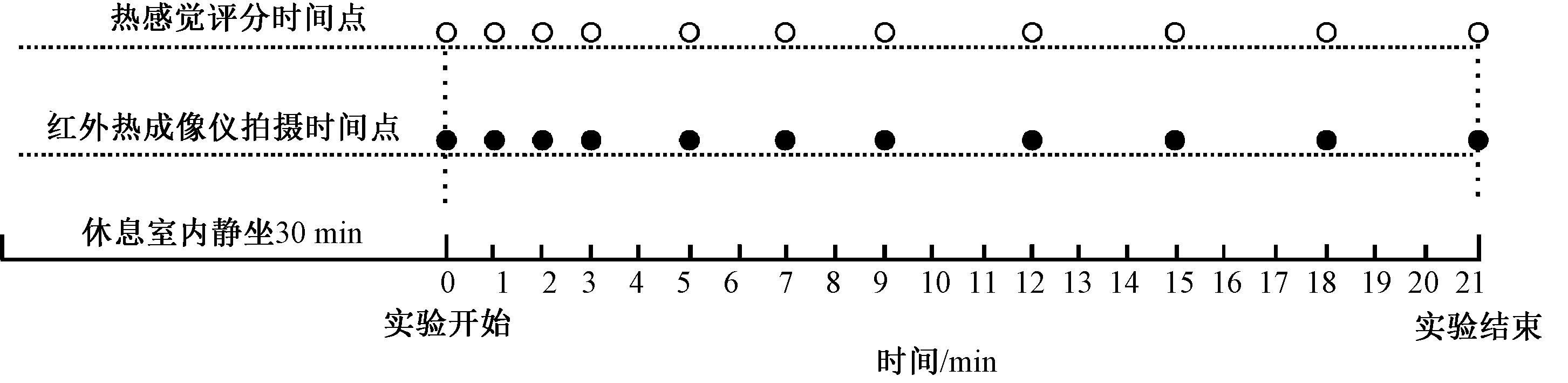
Method Eight healthy male adults participated the hand cold sensitivity experiment. The experiment was conducted in an environment of -10 ℃, no wind, and 30% relative humidity and lasted for 21 min. During the experiment, an infrared imaging device was used to capture thermal images of both hands which maintained an upright position in a natural, motionless state. Besides, the eight participants were asked from time to time for their subjective thermal sensation of the 11 zones based on the 7-point evaluation method. The cold sensitivity at the 11 zones were calculated by dividing the variation of thermal sensation with the variation of skin temperature.

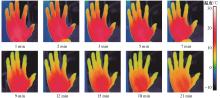
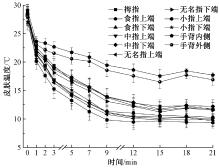
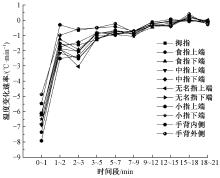
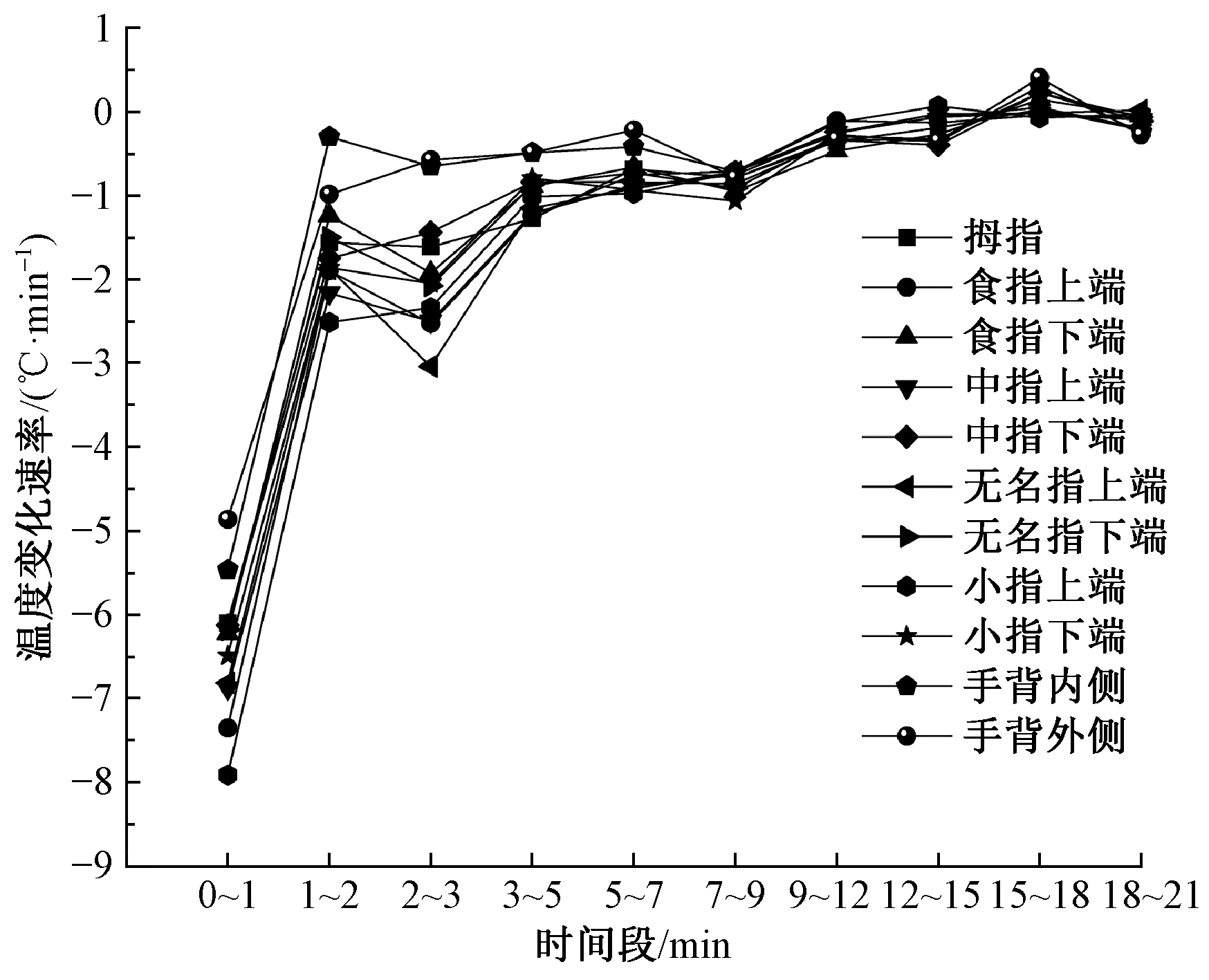
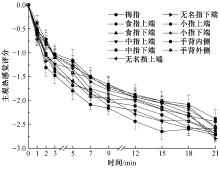
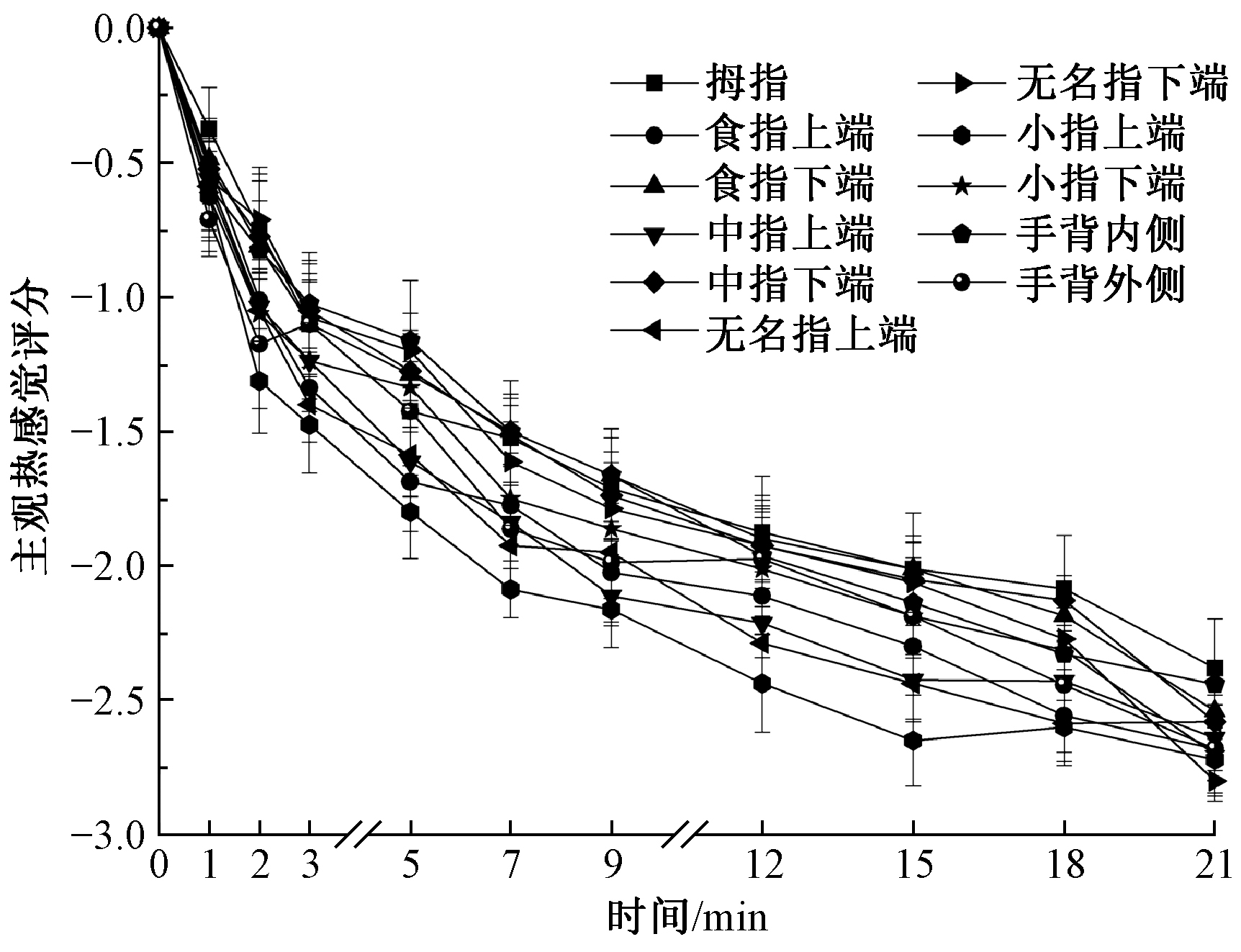
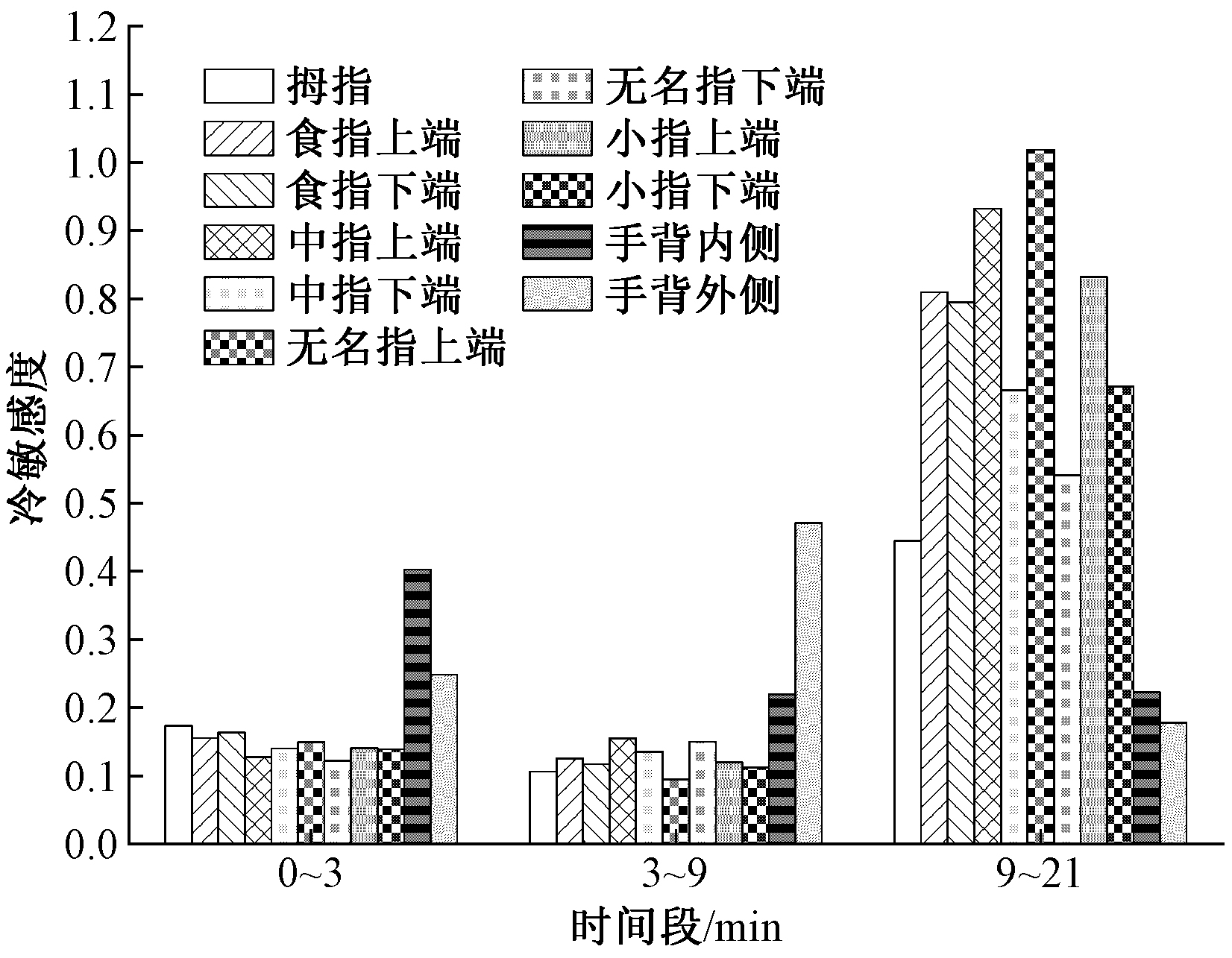
Results Skin temperature experienced a sudden drop within the first minute of exposure to the low-temperature environment, with the temperatures at the upper ends of the little finger, ring finger, index finger and middle finger dropping sharply to 15.3 ℃, 16.7 ℃, 16.4 ℃, 16.8 ℃ and 16.9 ℃, respectively, while the skin temperature decreased slowly from the 1st to 12th min and stabilized from the 12th to 21th min. Skin temperatures across all regions gradually balanced out, and heat loss was stabilized. The thermal sensation votes for each part showed a downward trend over time. The cold sensation rapidly increased within the first three minutes. During this stage, the lowest thermal sensation vote for the hand was at the upper end of the little finger, while the highest vote changed dynamically over time. The highest thermal sensation vote was the thumb after the first minute of exposure, and it changed to the lower end of the ring finger after 2 min of exposure, and further to the inner side of the back of the hand after 3 min of exposure. From the 3rd to 15th minute, the decrease of the thermal sensation vote slowed down. During this phase, the lowest local thermal sensation vote was at the upper end of the little finger. From 3 to 9 min, the highest score was on the inner side of the hand back; from 9 to 15 min, it shifted to the thumb. From 15 to 21 min, the thermal sensation votes gradually stabilized, with the lowest local thermal sensation vote on the hand shifting from the upper end of the little finger to the lower end of the ring finger, and the highest score remaining at the thumb. It revealed distinct spatiotemporal variations in skin temperature and thermal sensation vote. Hand cold sensitivity progressively rose during cold exposure, surpassing 0.40 after 9 min. Cold sensitivity at inner dorsum declined slowly, stabilizing at 0.22 after 9 min, whereas the cold sensitivity at outer dorsum initially increased before decreasing to 0.17 at the 9-minute mark. By averaging the results across the exposure period, the hand was classified into three cold sensitivity areas, i.e., high (>0.4: distal phalanges of index, middle, ring, and little fingers), medium (0.3-0.4: proximal phalanges of the same fingers), and low (<0.3: thumb, inner and outer dorsum).

Conclusion Based on these findings, an optimized glove design was proposed. At the high-sensitivity area, multilayers of thermal insulation materials were integrated, while at the low-sensitivity area, lightweight and breathable fabrics were used. The optimized glove managed to elevate the average skin temperature of the hand by 4.29 ℃ and significantly increased the thermal sensation vote by 1.3 points on average, with no impairment to manual dexterity observed. These findings enriched the theory of thermal-physiological and psychological responses in extreme environments, offering guidance for cold-protection equipment design, demonstrating practical applicability for improving both safety and work efficiency in cold-environment operations. This study has certain limitations in terms of experimental design. The participants lack diversity in terms of gender, age, and physical condition, which may limit the generalizability of the results. The experimental environment of -10 ℃, no wind, 30% relative humidity is not representative of the complex and variable low-temperature conditions encountered in real-world scenarios. The experimental process employed static testing methods, with participants maintaining a relatively fixed posture throughout the cold exposure period, failing to adequately simulate the critical influence of hand movements on experimental outcomes in real-world conditions.

Key words: low-temperature condition, hand cold sensitivity, thermal comfort, protection glove, outdoor textile, infrared thermography

中图分类号: 

  • TS941.792.3

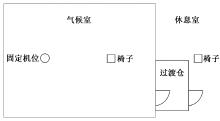
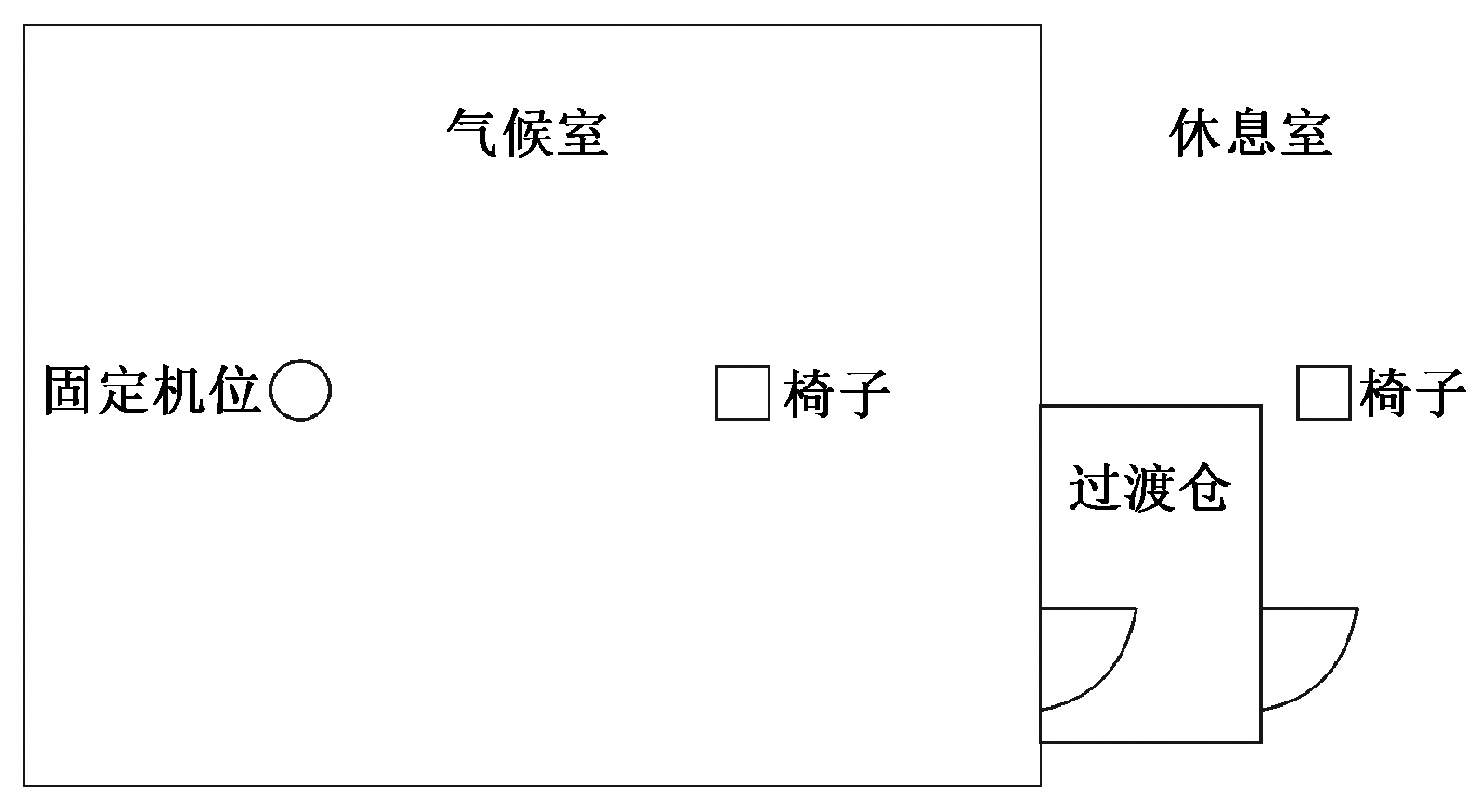
图1

人工气候室平面图"

表1

受试者信息"

受试者
编号
年龄/
身高/
cm
体重/
kg
身体质
量指数
1 19 168 69 24.6
2 20 174 55 18.1
3 23 173 76 25.3
4 25 174 80 26.3
5 24 177 65 20.8
6 19 175 65 21.2
7 24 175 72 23.5
8 23 187 85 24.2
均值 22.12 174.12 70.88 22.98

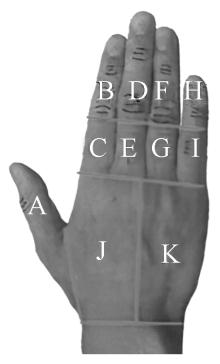
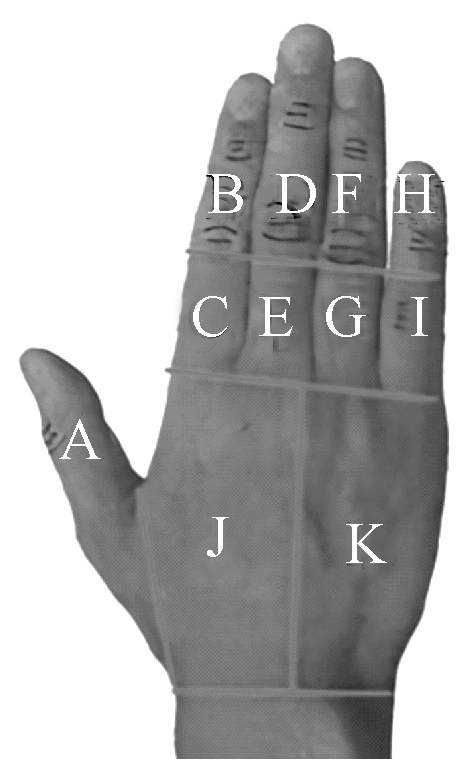
图2

手部分区图示 注:假设对称。A—拇指;B—食指上端;C—食指下端;D—中指上端;E—中指下端;F—无名指上端;G—无名指下端;H—小指上端;I—小指下端;J—手背内侧;K—手背外侧。"

图3

实验流程图"

图4

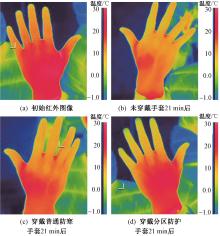
手部红外成像图"

图5

手部11个区域皮肤温度"

图6

不同部位的温度变化速率"

图7

手部11个区域主观热感觉评分"

图8

不同时段下手部各区冷敏感度"

表2

冷敏感度均值"

部位 冷敏感度均值 划分区域
拇指 0.26 低敏感区
食指上端 0.41 高敏感区
食指下端 0.40 高敏感区
中指上端 0.46 高敏感区
中指下端 0.35 中敏感区
无名指上端 0.49 高敏感区
无名指下端 0.30 中敏感区
小指上端 0.41 高敏感区
小指下端 0.34 中敏感区
手背内侧 0.28 低敏感区
手背外侧 0.29 低敏感区

图9

手套款式图和分区图"

图10

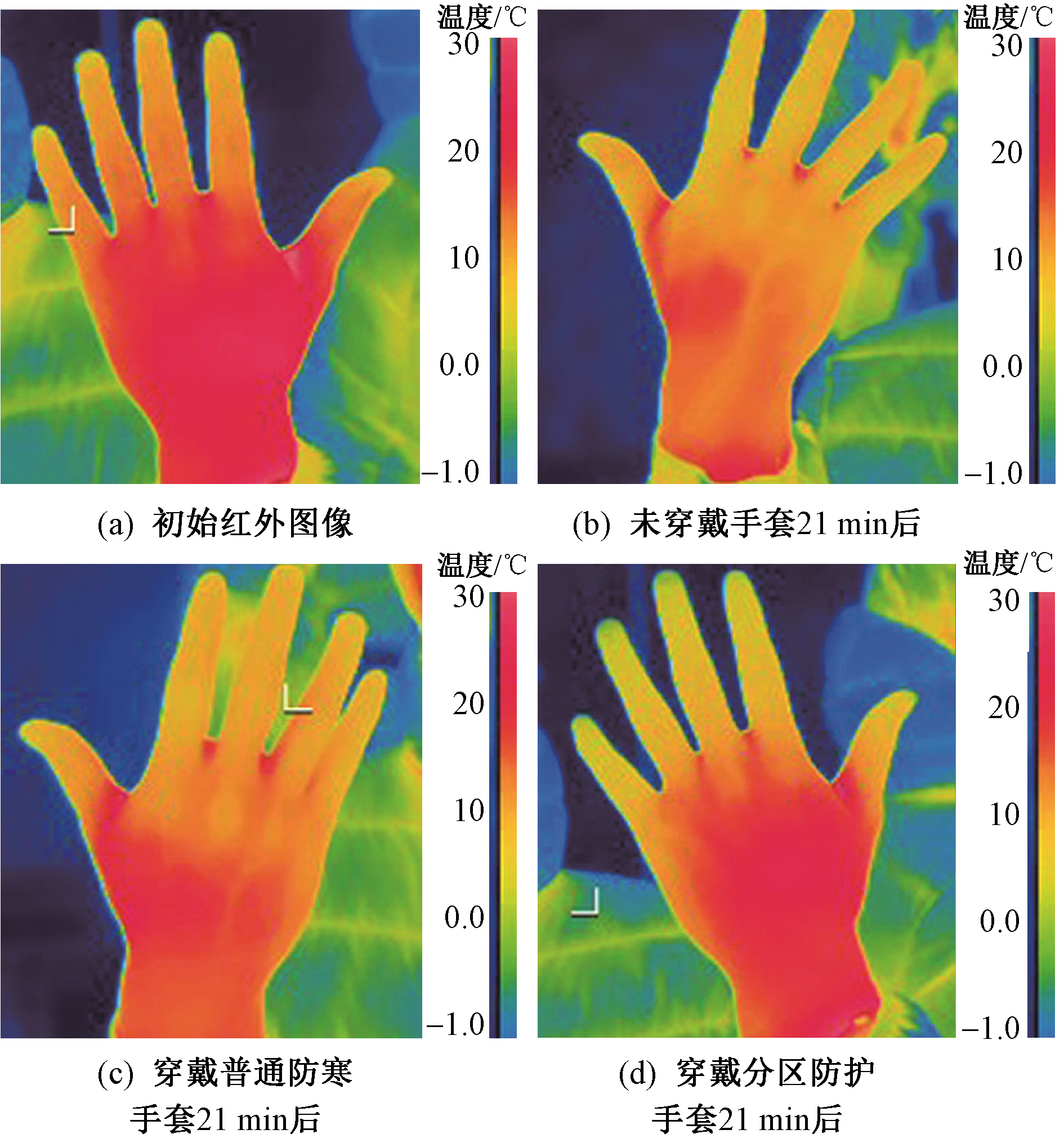
实验组与对照组的效果对比"

图11

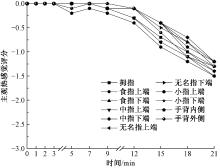
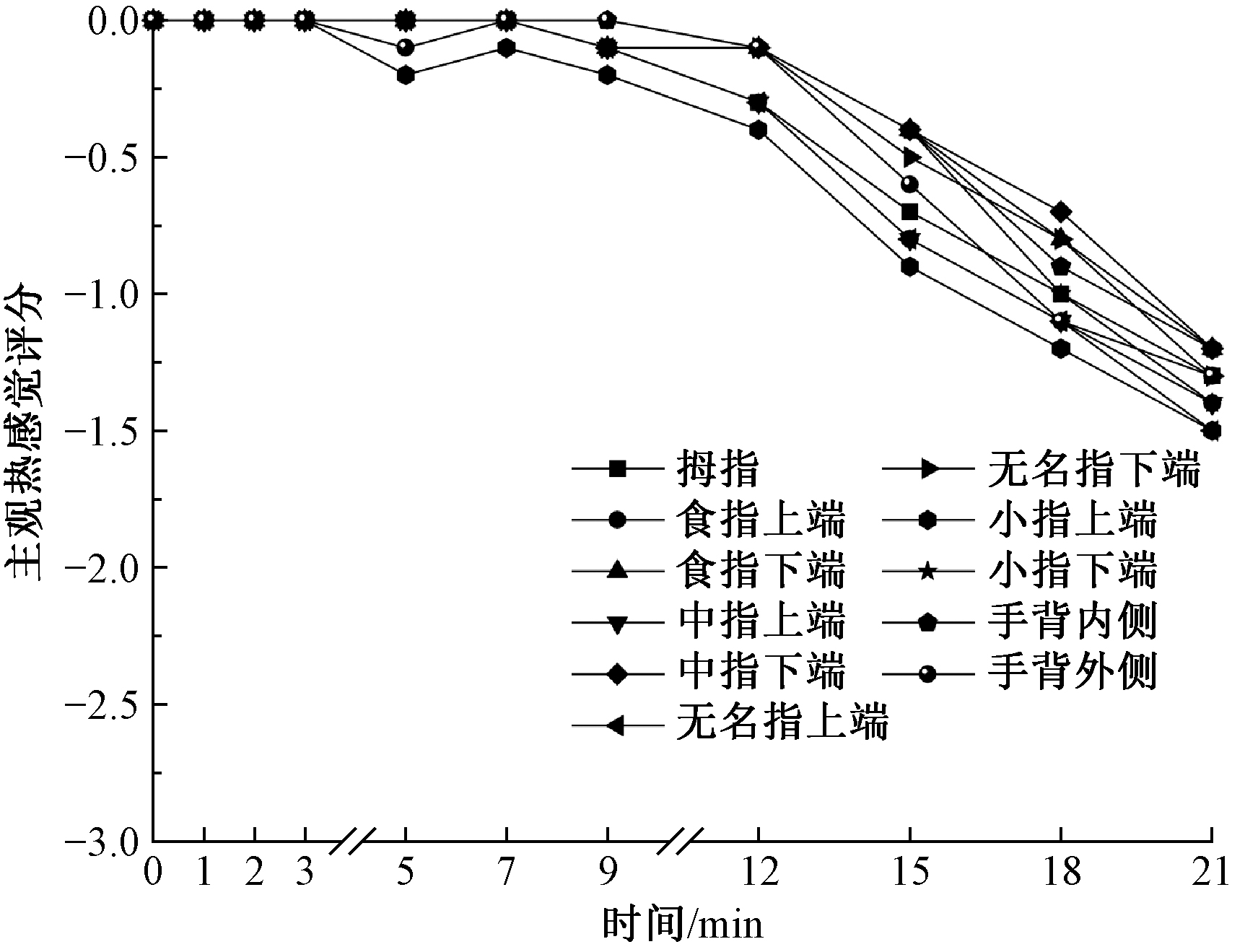
实验组的主观热感觉评分"

表3

手部下降温度的数据对比"

手部分区 手部下降温度/℃
未穿戴手套 穿戴普通
防寒手套
穿戴分区防
护手套
拇指 16.4 ± 0.1 14.1 ± 0.1 8.3 ± 0.1
食指上端 17.5 ± 0.2 12.5 ± 0.2 10.4 ± 0.3
食指下端 13.0 ± 0.2 11.0 ± 0.2 8.7 ± 0.2
中指上端 18.0 ± 1.5 13.0 ± 1.5 11.9 ± 0.1
中指下端 15.1 ± 0.2 12.1 ± 0.2 8.4 ± 0.1
无名指上端 17.3 ± 0.4 15.3 ± 0.4 12.9 ± 0.4
无名指下端 15.5 ± 0.2 11.5 ± 0.2 8.8 ± 0.4
小指上端 17.0 ± 0.2 15.0 ± 0.2 12.1 ± 0.2
小指下端 13.1 ± 0.2 12.1 ± 0.2 9.1 ± 0.4
手背内侧 8.7 ± 0.2 5.7 ± 0.2 3.3 ± 0.4
手背外侧 9.9 ± 0.1 5.9 ± 0.1 5.1 ± 0.3
[1] 高寒, 房玉丽, 李雪玉. 部队官兵冷损伤预防措施研究进展[J]. 军事护理, 2022, 39(11):89-91.
GAO Han, FANG Yuli, LI Xueyu. Research Progress on Preventive Measures of Cold Injury in Troops[J]. Military Nursing, 2022, 39(11):89-91.
[2] PENG Y Y, LU X M, LI S, et al. Effects and mechanisms of extremely cold environment on body response after trauma[J]. Journal of Thermal Biology, 2023, 114: 103570.
doi: 10.1016/j.jtherbio.2023.103570
[3] 王朝阳, 魏婉颖, 黄罡, 等. 寒区作业人员冻伤发生率的 Meta 分析[J]. 军事护理, 2023 (9): 87-91.
WANG Chaoyang, WEI Wanying, HUANG Gang, et al. Meta-analysis of the incidence of frostbite among workers in cold regions[J]. Military Nursing, 2023(9): 87-91.
[4] RUDDOCK A. Physiology and risk management of cold exposure[M]//Extreme sports medicine. Cham: Springer International Publishing, 2017: 397-406.
[5] GROOS S, THIELMANN B. Kältearbeit[J]. Zentralblatt Für Arbeitsmedizin, Arbeitsschutz und Ergonomie, 2020, 70(6): 281-286.
doi: 10.1007/s40664-020-00393-8
[6] PAYNE S, MACINTOSH A, STOCK J. Body size and body composition effects on heat loss from the hands during severe cold exposure[J]. American Journal of Physical Anthropology, 2018, 166(2): 313-322.
doi: 10.1002/ajpa.23432 pmid: 29430626
[7] RYSIAK J, MŁYNARCZYK M, IRZMAŃSKA E. The effect of exposure to cold on dexterity and temperature of the skin and hands[J]. International Journal of Occupational Safety and Ergonomics, 2024, 30(1): 64-71.
doi: 10.1080/10803548.2023.2293387 pmid: 38191297
[8] DOTTI F, COLONNA M, FERRI A. Thermal comfort of dual-chamber ski gloves[J]. IOP Conference Series: Materials Science and Engineering, 2017, 254: 182002.
doi: 10.1088/1757-899X/254/18/182002
[9] IRZMAŃSKA E, KROPIDŁOWSKA P, ADAMUS-WŁODARCZYK A. Chemical hand warmers in protective gloves: design and usage[J]. Autex Research Journal, 2021, 21(1): 13-19.
doi: 10.2478/aut-2019-0061
[10] WANG L, CHEN Q, ZHOU Y J, et al. Ergonomic design and evaluation of carbon nanotube film (CNTF) and metal wire based flexible electrically heated gloves[J]. Journal of Industrial Textiles, 2022, 52: 15280837221140127.
doi: 10.1177/15280837221140127
[11] 马妮妮, 许凡菲, 卢业虎, 等. 温控电热防护手套研制与性能评价[J]. 现代纺织技术, 2018, 26(5): 26.
MA Nini, XU Fanfei, LU Yehu, et al. Development and performance evaluation of electrically heated protective gloves with thermoregulation function[J]. Advanced Textile Technology, 2018, 26(5): 26.
[12] FILINGERI D, ZHANG H, ARENS E A. Thermosensory micromapping of warm and cold sensitivity across glabrous and hairy skin of male and female hands and feet[J]. Journal of Applied Physiology, 2018, 125(3): 723-736.
doi: 10.1152/japplphysiol.00158.2018 pmid: 29878872
[13] STRÖHLE M, RAUCH S, LASTEI P, et al. Frostbite injuries in the Austrian Alps: a retrospective 11-year national registry study[J]. High Altitude Medicine & Biology, 2018, 19(4): 316-320.
[14] 杜晨秋, 李百战, 刘红, 等. 温度突变下人体热响应随时间的变化特性及评价[J]. 暖通空调, 2019, 49(4): 19-26.
DU Chenqiu, LI Baizhan, LIU Hong, et al. Characteristics and evaluation of human thermal responses with timeunder temperature step change condition[J]. Journal of HV&RC, 2019, 49(4): 19-26.
[15] TAN R E S, LAHIRI A. Vascular anatomy of the hand in relation to flaps[J]. Hand Clinics, 2020, 36(1): 1-8.
doi: S0749-0712(19)30087-3 pmid: 31757342
[16] 张子扬. 温度突变对人体热反应的影响研究[D]. 西安: 西安建筑科技大学, 2023:24-25.
ZHANG Ziyang. Research on the influence of temperature step change onhuman thermal response[D]. Xi'an: Xi'an University of Architecture and Technology, 2023:24-25.
[17] WANG D N, ZHANG H, ARENS E, et al. Observations of upper-extremity skin temperature and corresponding overall-body thermal sensations and comfort[J]. Building and Environment, 2007, 42(12): 3933-3943.
doi: 10.1016/j.buildenv.2006.06.035
[18] SINGH M, REIFMAN J, RUBIO J E. A 3-D whole-body human thermoregulatory model to simulate cold-induced vasodilation in the hands and feet[J]. Computers in Biology and Medicine, 2024, 180: 108935.
doi: 10.1016/j.compbiomed.2024.108935
[19] QI L K, WU Q Q, ZHANG L, et al. Effect of environmental parameters on heat transfer characteristics and thermal sensation of human body with step change of temperature[J]. Heat and Mass Transfer, 2022, 58(5): 873-885.
doi: 10.1007/s00231-021-03151-5
[20] AFRIN N, ZHANG Y W, CHEN J K. Thermal lagging in living biological tissue based on nonequilibrium heat transfer between tissue, arterial and venous bloods[J]. International Journal of Heat and Mass Transfer, 2011, 54(11/12): 2419-2426.
doi: 10.1016/j.ijheatmasstransfer.2011.02.020
[21] TURNER H N, PATEL A A, COX D N, et al. Injury-induced cold sensitization in Drosophila larvae involves behavioral shifts that require the TRP channel Brv1[J]. PLoS One, 2018, 13(12): e0209577.
doi: 10.1371/journal.pone.0209577
[1] 朱元成, 何永红, 熊伟国. 个体降温服装技术研究进展[J]. 纺织学报, 2025, 46(09): 268-277.
[2] 丁小蝶, 唐虹, 高强, 张成蛟. 上躯干皮肤温度冷热变化与热量调节区划分[J]. 纺织学报, 2024, 45(05): 147-154.
[3] 柯莹, 林磊, 郑晴, 王宏付. 电加热服加热区域分布对人体热舒适感的影响[J]. 纺织学报, 2024, 45(04): 188-194.
[4] 张昭华, 陈雪, 倪军, 杨玉桐, 邹一凡. 冷环境下局部电加热对人体热反应的影响[J]. 纺织学报, 2023, 44(03): 187-194.
[5] 柳洋, 夏兆鹏, 王亮, 范杰, 曾强, 刘雍. 医用防护服的发展现状及趋势[J]. 纺织学报, 2021, 42(09): 195-202.
[6] 王璐, 韩雪, 娄琳, 何令华, 周小红. 电热防护手套研制及其在极端寒冷环境下的工效实验[J]. 纺织学报, 2021, 42(05): 150-154.
[7] 吴黛唯, 李红彦, 戴艳阳, 苏云, 王云仪. 加热装置在防寒服中的位置及其热效用[J]. 纺织学报, 2020, 41(06): 118-124.
[8] 赵蒙蒙, 柯莹, 王发明, 李俊. 通风服热舒适性研究现状与展望[J]. 纺织学报, 2019, 40(03): 183-188.
[9] 张文欢 钱晓明 师云龙 范金土 牛丽. 服装局部热阻与总热阻的动静态关系及其模型[J]. 纺织学报, 2018, 39(07): 111-115.
[10] 孙艳丽 王瑞 刘星 徐磊 杨华. 轻薄低温防护手套用复合织物的制备及其性能[J]. 纺织学报, 2017, 38(05): 58-63.
[11] 段杏元 胡源盛. 男士针织内衣热性能的测量与分析[J]. 纺织学报, 2016, 37(12): 92-96.
[12] 郭晓芳 刘文娟. 巴尔虎蒙古袍的热舒适性能[J]. 纺织学报, 2016, 37(01): 123-126.
[13] 李荣全, 王府梅, 张丽芝. 低温环境下PTT与锦纶织物的手感比较[J]. 纺织学报, 2012, 33(7): 53-57.
[14] 汪秀清;张昌;高猛. 单向导汗织物的热舒适性[J]. 纺织学报, 2010, 31(10): 40-44.
[15] 于瑶;钱晓明;范金土. 风速与步速对服装表面空气层热阻的影响[J]. 纺织学报, 2009, 30(08): 107-112.
Viewed
Full text


Abstract

Cited

  Shared   
  Discussed   
No Suggested Reading articles found!