纺织学报 ›› 2025, Vol. 46 ›› Issue (04): 109-118.doi: 10.13475/j.fzxb.20240800601
赵强强1, 王韩星1, 张奉轩1, 何瑾馨1, 周俊2, 周兆昌2, 董霞1( )
)
ZHAO Qiangqiang1, WANG Hanxing1, ZHANG Fengxuan1, HE Jinxin1, ZHOU Jun2, ZHOU Zhaochang2, DONG Xia1()
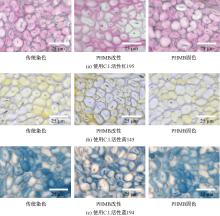
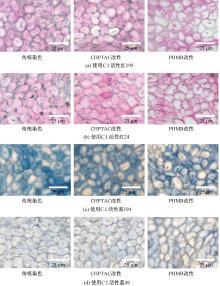
摘要: 棉织物的阳离子改性是实现其活性染料无盐染色的重要方式,但阳离子改性棉织物的耐日晒色牢度通常较差。为此,采用阳离子聚合物聚六亚甲基双胍盐酸盐(PHMB)对棉织物改性,分析了阳离子改性剂的作用方式等因素对染色织物耐日晒色牢度的影响,初步探讨了阳离子改性棉织物耐日晒色牢度的提升方法。结果表明:PHMB改性棉织物的耐日晒色牢度与染料在纤维上的分布及染料的种类有关;织物颜色较浅时,染料用量对PHMB改性棉织物耐日晒色牢度的影响较传统染色织物更显著;氧气的存在会加快织物的褪色过程,可见光和紫外光均可导致织物的褪色;部分日晒牢度提升剂可将改性棉织物的耐日晒色牢度提高0.5级;采用较大用量的小分子阳离子改性剂3-氯-2-羟丙基三甲基氯化铵(CHPTAC)对棉织物进行改性并无盐染色时,染料在改性棉纤维上的分布较均匀,织物的耐日晒色牢度提升较明显。
中图分类号:
| [1] | 毛乐意. 改性棉针织面料染色工艺研究[J]. 针织工业, 2018(10): 49-51. |
| MAO Leyi. Research on dyeing process of modified cotton knitted fabric[J]. Knitting Industries, 2018(10): 49-51. | |
| [2] | 郭静, 张红娟, 胡钒, 等. 非水介质体系下混碱对活性染料染色的影响[J]. 印染, 2022, 48(7): 12-15. |
| GUO Jing, ZHANG Hongjuan, HU Fan, et al. Effect of mixed alkali on reactive dyeing under non-aqueous media[J]. China Dyeing & Finishing, 2022, 48(7): 12-15. | |
| [3] | 王东伟, 房宽峻, 刘秀明, 等. 胺化活性红195/聚合物微球的制备及其在棉织物染色中的应用[J]. 纺织学报, 2022, 43(4): 90-96. |
| WANG Dongwei, FANG Kuanjun, LIU Xiuming, et al. Preparation of amino-modified Reactive Red 195/polymer nanospheres and its application on dyeing of cotton fabrics[J]. Journal of Textile Research, 2022, 43(4): 90-96. | |
| [4] | 刘添涛, 陈志华. 活性染料低盐和无盐染色技术[J]. 染整技术, 2023, 45(10): 1-9. |
| LIU Tiantao, CHEN Zhihua. Technology of low salt and salt free dyeing with reactive dyes[J]. Textile Dyeing and Finishing Journal, 2023, 45(10): 1-9. | |
| [5] | 吴伟, 纪柏林, 毛志平, 等. 活性及分散染料染色新技术[J]. 纺织学报, 2023, 44(5): 1-12. |
| WU Wei, JI Bolin, MAO Zhiping, et al. Review of new dyeing technologies for reactive dyes and disperse dyes[J]. Journal of Textile Research, 2023, 44(5): 1-12. | |
| [6] | 吴文胜, 李志伟, 黄鸿发, 等. 阳离子改性棉织物低盐低碱活性染色[J]. 印染助剂, 2022, 39 (10): 43-48. |
| WU Wensheng, LI Zhiwei, HUANG Hongfa, et al. Low salt and low alkali reactive dyeing of cationic modified cotton fabric[J]. Textile Auxiliaries, 2022, 39 (10): 43-48. | |
| [7] | 夏伟, 高月, 顾海, 等. CHPTAC改性棉的活性染料无盐深色染色[J]. 印染, 2018, 44(5): 27-31. |
| XIA Wei, GAO Yue, GU Hai, et al. Salt-free reactive dyeing of cotton fabric modified with CHPTAC in ultra-deep shades[J]. China Dyeing & Finishing, 2018, 44(5): 27-31. | |
| [8] | ZHANG T, ZHANG S, QIAN W, et al. Reactive dyeing of cationized cotton fabric: the effect of cationization level[J]. ACS Sustainable Chemistry & Engineering, 2021, 9(36): 12355-12364. |
| [9] | ZHANG M, JU B Z, ZHANG S F, et al. Synthesis of cationic hydrolyzed starch with high DS by dry process and use in salt-free dyeing[J]. Carbohydrate Polymers, 2007, 69(1): 123-129. |
| [10] | 王生, 王熙蔚, 陆艺萱, 等. 壳聚糖季铵盐改性棉织物的无盐染色工艺研究[J]. 针织工业, 2023(6): 53-57. |
| WANG Sheng, WANG Xiwei, LU Yixuan, et al. Salt-free dyeing process of cotton fabric modified with chitosan quaternary ammonium salts[J]. Knitting Industries, 2023(6): 53-57. | |
| [11] | 韩学琴, 梁志光, 田军明. 活性染料无盐染色研究进展[J]. 广东化工, 2021, 48(15): 137-139. |
| HAN Xueqin, LIANG Zhiguang, TIAN Junming. Advance in study of salt-free dyeing of reactive dyes[J]. Guangdong Chemical Industry, 2021, 48(15): 137-139. | |
| [12] | 马威, 张淑芬, 具本植, 等. 高取代度阳离子淀粉改性棉纤维用于活性染料无盐染色的研究[J]. 染料与染色, 2011, 48(1): 19-23. |
| MA Wei, ZHANG Shufen, JU Benzhi, et al. A study on salt-free reactive dyeing of cotton being modified by cationized starch with high degrees of substitution[J]. Dyestuffs and Coloration, 2011, 48(1): 19-23. | |
| [13] | AKTEK T, MILLAT A K M M. Salt free dyeing of cotton fiber-a critical review[J]. International Journal of Textile Science, 2017, 6(2): 21-33. |
| [14] | NIU T, WU Y, ZHAI X, et al. Investigation on multifunctional modification of cotton fabrics for salt-free dyeing, resisting crease and inhibiting bacteria[J]. Colloids and Surfaces A: Physicochemical and Engineering Aspects, 2022. DOI: 10.1016/j.colsurfa.2022.129131. |
| [15] | WANG W Y, CHIOU J C, CHEN W X, et al. A salt-free, zero-discharge and dyebath-recyclable circular coloration technology based on cationic polyelectrolyte complex for cotton fabric dyeing[J]. Cellulose, 2022, 29(2): 1249-1262. |
| [16] | WANG W Y, KAN C W. An eco-friendly dyeing method: bromophenol blue (BPB) applied for dyeing cotton fabrics coated with cationic finishing agents[J]. Cellulose, 2020. DOI: 10.1007/s10570-020-03375-4. |
| [17] | XIA J, ZHANG C, LIU X, et al. Efficient cationization of cotton fabric via oxidative pretreatment for salt-free reactive dyeing with low chemical consumption[J]. Green Chemistry, 2022, 24(23): 9180-9190. |
| [18] | 戴萍, 滕兴华, 蔡雅楠, 等. 改性棉织物的南瓜色素天然染料染色[J]. 印染, 2023, 49(3): 46-49. |
| DAI Ping, TENG Xinghua, CAI Yanan, et al. Modified cotton dyeing with natural colorants extracted from pumpkin[J]. China Dyeing & Finishing, 2023, 49(3): 46-49. | |
| [19] | 田媛. 影响耐光色牢度试验结果的因素探究[J]. 纺织标准与质量, 2023(6): 50-53. |
| TIAN Yuan. Exploration of factors affecting the results of light fastness test[J]. Textile Testing and Standard, 2023(6): 50-53. | |
| [20] | 胡蝶, 张婷婷, 胡涵昌, 等. 活性染料在棉纤维上的扩散性能及其影响因素研究[J]. 纤维素科学与技术, 2020, 28(4): 38-45. |
| HU Die, ZHANG Tingting, HU Hanchang, et al. Diffusion performance of reactive dyes on cotton fiber and the influencing factors[J]. Journal of Cellulose Science and Technology, 2020, 28(4): 38-45. | |
| [21] | 魏丽丽. 影响活性染料染色织物的日晒牢度因素分析[J]. 染料与染色, 2007(3): 17-19, 40. |
| WEI Lili. Analysis of the factors affecting light fastness of the fabrics with reactive dyes[J]. Dyestuffs and Coloration, 2007(3): 17-19, 40. | |
| [22] | 张海燕, 钱涛, 余培泽, 等. C.I.活性黑5染色棉织物的光汗复合褪色机理[J]. 浙江理工大学学报(自然科学版), 2021, 45(6): 763-772. |
| ZHANG Haiyan, QIAN Tao, YU Peize, et al. The discoloration mechanism of cotton fabrics dyed with C.I.Reactive Black 5 under light perspiration conditions[J]. Journal of Zhejiang Sci-Tech University(Natural Sciences Edition), 2021, 45(6): 763-772. | |
| [23] | 蔡为, 陆坤泉, 刘念. 提高活性染料染色织物耐汗/光色牢度的方法[J]. 现代丝绸科学与技术, 2015(2): 73-75. |
| CAI Wei, LU Kunquan, LIU Nian. Methods to improving the sweat/color fastness of fabrics dyed with reactive dyes[J]. Modern Silk Science & Technology, 2015(2): 73-75. | |
| [24] | 梁天宇, 刘军, 丁克毅. 醛基型三苯二噁嗪活性染料的合成与应用[J]. 中国皮革, 2017, 46(8): 13-19. |
| LIANG Tianyu, LIU Jun, DING Keyi. Synthesis and application of triphenodioxazine reactive dye with aldehyde as reactive group[J]. China Leather, 2017, 46(8): 13-19. | |
| [25] | 朱华. 浅谈活性染料耐日晒色牢度的影响因素[J]. 印染助剂, 2008(3): 5-8. |
| ZHU Hua. Presentation of the factors affecting the sunlight fastness of the reactive dyes[J]. Textile Auxiliaries, 2008(3): 5-8. | |
| [26] | 宋心远, 沈煜如. 活性染料的色牢度及其影响因素[J]. 印染, 2006(13): 40-44. |
| SONG Xinyuan, SHEN Yuru. Color fastness of reactive dyes and its influencing factors[J]. China Dyeing & Finishing, 2006(13): 40-44. | |
| [27] | 马威, 姜雪, 唐炳涛, 等. 光稳定剂在提高染料光牢度中的应用[J]. 中国科技论文在线, 2010, 5(12): 938-945. |
| MA Wei, JIANG Xue, TANG Bingtao, et al. Application of light stabilizers in the improvement of light fastness of dyes[J]. China Science Paper, 2010, 5(12): 938-945. | |
| [28] | 杨环. 光活性化合物对蒽醌系蓝色染料耐光色牢度的影响[D]. 上海: 东华大学, 2016: 11-12. |
| YANG Huan. Effect of optically active compounds on the fastness to light of anthraquinone blue dyes[D]. Shanghai: Donghua University, 2016: 11-12. | |
| [29] | PRUŚ S, KULPIŃSKI P, MATYJAS-ZGONDEK E, et al. The light fastness of the reactive dyes on cationized cellulose[J]. Journal of Natural Fibers, 2023. DOI: 10.1080/15440478.2023.2215995. |
| [30] | 曾雪梅, 何雨霖, 余崇东, 等. 受阻胺光稳定剂的协同作用及研究进展[J]. 塑料科技, 2023, 51(8): 107-111. |
| ZENG Xuemei, HE Yulin, YU Chongdong, et al. Synergistic effect and research progress of hindered amine light stabilizerss[J]. Plastics Science and Technology, 2023, 51(8): 107-111. | |
| [31] | 曹机良, 陈艺佳, 李峻, 等. 改性棉织物一浴无盐荧光染色及防紫外线整理[J]. 针织工业, 2018(9): 33-36. |
| CAO Jiliang, CHEN Yijia, LI Jun, et al. One bath salt- free fluorescent dyeing and anti-UV finishing of modified cotton fabric[J]. Knitting Industries, 2018(9): 33-36. |
| [1] | 黄春月, 黄鑫, 杜海娟, 徐文杰, 杨雪梅, 万科研, 李旭, 高杰. 钼氧簇复合物整理剂制备及其整理棉织物的防紫外线性能[J]. 纺织学报, 2025, 46(04): 138-145. |
| [2] | 廖喜林, 曾媛, 刘淑萍, 李亮, 李淑静, 刘让同. 磷/氮/硅复配协效阻燃棉织物制备及其性能[J]. 纺织学报, 2025, 46(03): 151-157. |
| [3] | 张洁, 郭鑫源, 关晋平, 程献伟, 陈国强. 磷/氮阻燃剂原位沉积对棉织物的耐久阻燃改性[J]. 纺织学报, 2025, 46(02): 180-187. |
| [4] | 袁华彬, 王沂沨, 王家朋, 向永翾, 陈国强, 邢铁玲. 基于山嵛酸和ZIF-8改性的超疏水防结冰棉织物[J]. 纺织学报, 2025, 46(02): 197-206. |
| [5] | 崔芳, 张鑫卿, 殷斐, 李大伟, 雷苗苗, 谢志勇. 基于泡沫法给碱的粘胶织物活性红24无尿素印花[J]. 纺织学报, 2025, 46(02): 138-144. |
| [6] | 巢探宇, 叶韵, 李娜, 廖思含, 马琪凯, 崔莉. 基于脂肪酶固定化的棉织物易去油污整理及其应用[J]. 纺织学报, 2025, 46(01): 130-137. |
| [7] | 李万新, 舒大武, 安芳芳, 韩博, 任支刚, 单巨川. 碳化钛与三价铁离子协同过硫酸钠对活性染料废水的降解[J]. 纺织学报, 2025, 46(01): 138-147. |
| [8] | 武浩, 周嫦娥, 高振清, 冯嘉禾. 基于还原-氧化体系的活性染料染色棉织物剥色[J]. 纺织学报, 2024, 45(12): 128-136. |
| [9] | 王心雨, 郭明明, 张乐乐, 郑伟杰, AMJAD Farooq, 王宗乾. 耐久性抗菌超疏水棉织物的制备及其性能[J]. 纺织学报, 2024, 45(11): 170-177. |
| [10] | 肖渊, 童垚, 胡呈安, 武贤军, 杨磊鹏. 导电复合材料涂覆式全织物基柔性压阻传感器制备[J]. 纺织学报, 2024, 45(10): 152-160. |
| [11] | 张应秀, 徐丽慧, 潘虹, 姚程健, 赵红, 窦梅冉, 沈勇, 赵诗怡. 基于甘蔗渣多孔碳的超疏水棉织物制备及其性能[J]. 纺织学报, 2024, 45(10): 161-169. |
| [12] | 赵强, 刘正江, 高晓平, 张云婷, 张宏. 蒙脱土协同TiO2整理棉织物的功能性[J]. 纺织学报, 2024, 45(09): 121-128. |
| [13] | 刘慧, 李平, 朱平, 刘云. γ-脲基丙基三乙氧基硅烷/苯基膦酸阻燃抗菌棉织物的制备及其性能[J]. 纺织学报, 2024, 45(08): 205-214. |
| [14] | 赵攀, 谭文丽, 赵心蕊, 付金凡, 刘成显, 袁久刚. 基于离子液体微溶焊接的可降解薄膜制备及其性能[J]. 纺织学报, 2024, 45(08): 89-98. |
| [15] | 李旭, 刘祥吉, 靳鑫, 杨承昊, 董朝红. 耐久高效磷/氮协同阻燃剂的制备及其在棉织物上的应用[J]. 纺织学报, 2024, 45(07): 121-129. |
|
||
 京公网安备11010502044800号