纺织学报 ›› 2025, Vol. 46 ›› Issue (07): 1-9.doi: 10.13475/j.fzxb.20241004601
• 纤维材料 • 下一篇
江淑宁1, 杨海伟1,2( ), 李长龙1, 郑天亮1, 王宗乾1
JIANG Shuning1, YANG Haiwei1,2(), LI Changlong1, ZHENG Tianliang1, WANG Zongqian1
摘要:
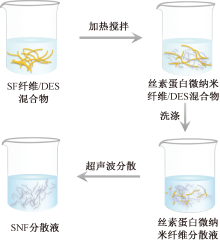
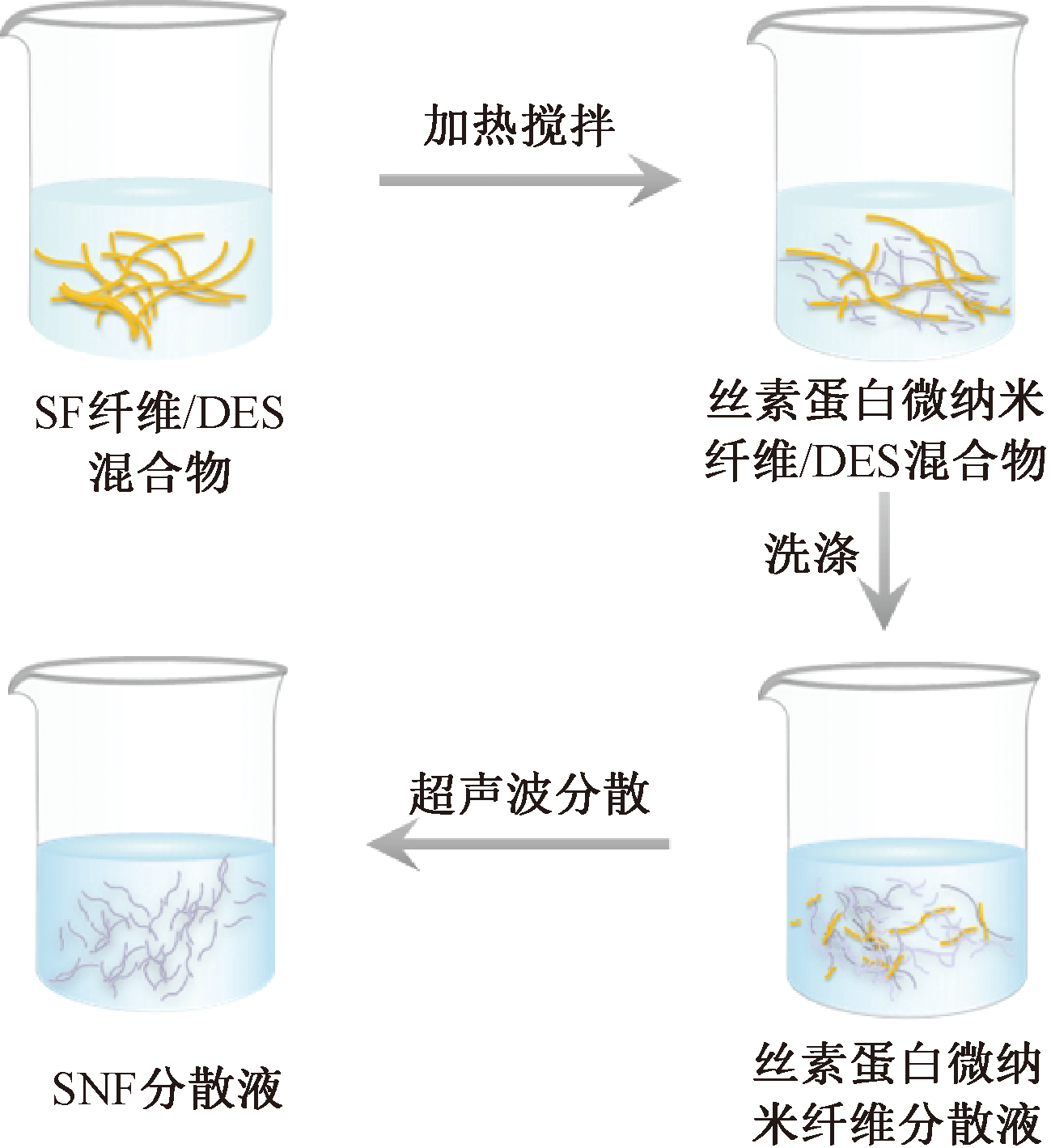
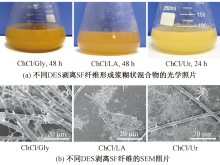
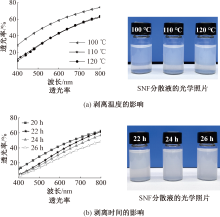
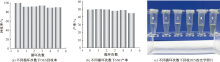
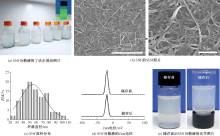
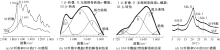
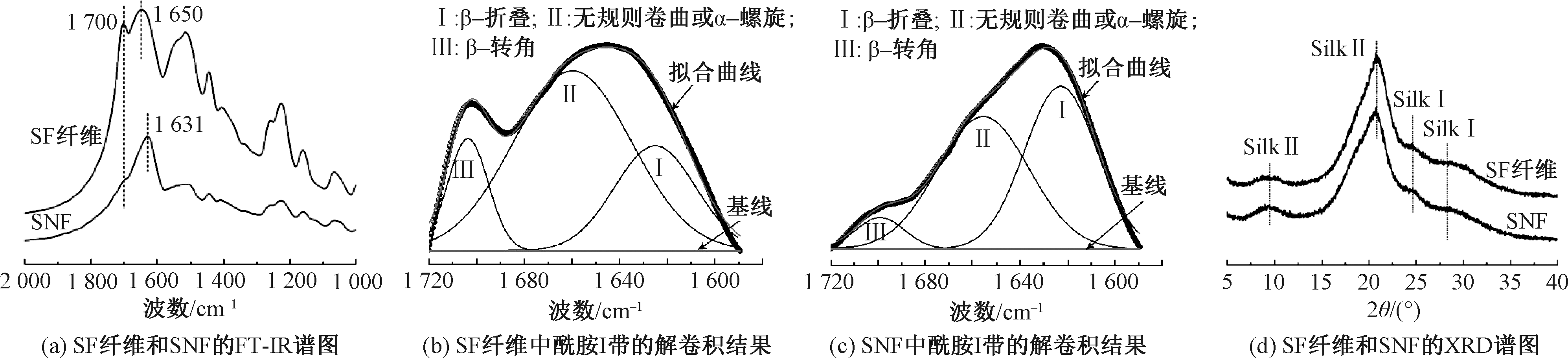
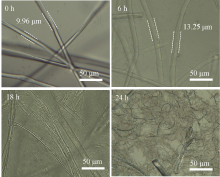
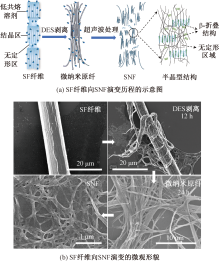
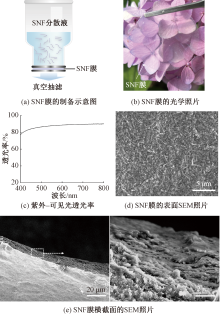
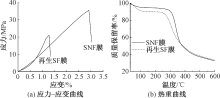
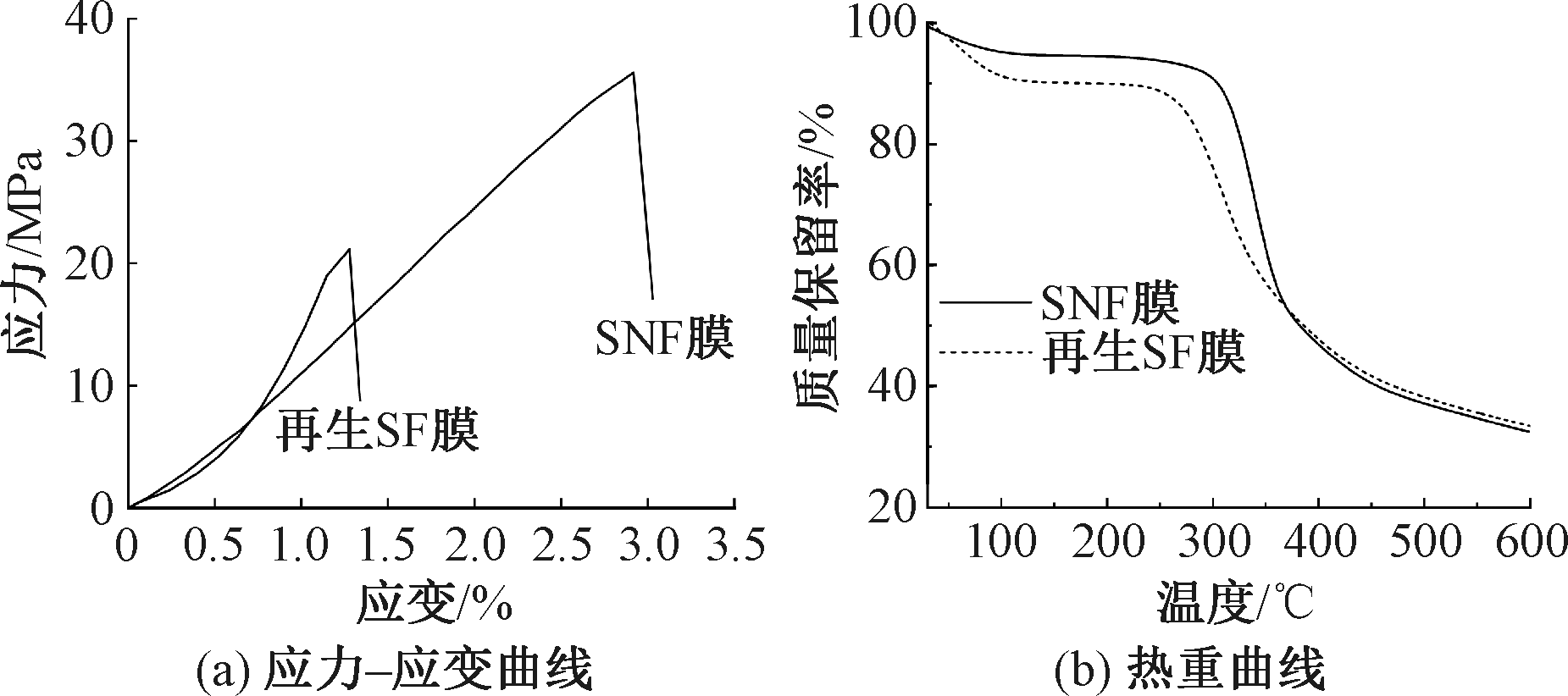
为深入探究丝素蛋白纳米原纤(SNF)的绿色高效提取工艺并得到高性能丝素蛋白(SF)膜材料,采用低共熔溶剂(DES)剥离SF纤维提取SNF,系统研究了DES剥离SF纤维的工艺调控,分析了剥离进程中SF纤维微观形貌和分子构象的变化规律,研究了DES剥离的作用机制,并对其微观形貌、化学结构和热稳定性能进行测试与表征。结果表明:氯化胆碱/尿素DES对SF纤维具有较强的剥离能力,在优化的工艺参数下,经超声波和离心处理可提取直径在20~107 nm区间分散稳定的SNF,且DES可回收,5次循环后的回收率在90%以上;DES主要破坏无定形区域的SF分子网络,导致SF纤维溶胀和松动,进而被剥离成纳米原纤,并保留了原有的β-折叠晶体结构;制备的SNF具有较高的透光率、紧密排列的纳米原纤网络结构,相比再生SF膜,其具有高断裂强度、高韧性和优良的热稳定性。
中图分类号:
| [1] |
YANG H, WANG P, YANG Q, et al. Superelastic and multifunctional fibroin aerogels from multiscale silk micro-nanofibrils exfoliated via deep eutectic solvent[J]. International Journal of Biological Macromolecules, 2023, 224: 1412-1422.
doi: 10.1016/j.ijbiomac.2022.10.228 pmid: 36550790 |
| [2] | LI C, WU J, SHI H, et al. Fiber-based biopolymer processing as a route toward sustainability[J]. Advanced Materials, 2022. DOI: 10.1002/adma.202105196. |
| [3] | WANG Q, LING S, YAO Q, et al. Observations of 3 nm silk nanofibrils exfoliated from natural silkworm silk fibers[J]. ACS Materials Letters, 2020, 2 (2): 153-160. |
| [4] | HUI Z, ZHANG L, REN G, et al. Green flexibleelectronics: natural materials, fabrication, and applications[J]. Advanced Materials, 2023. DOI: 10.1002/adma.202211202. |
| [5] |
SAHOO J K, HASTURK O, FALCUCCI T, et al. Silk chemistry and biomedical material designs[J]. Nature Reviews Chemistry, 2023, 7 (5): 302-318.
doi: 10.1038/s41570-023-00486-x pmid: 37165164 |
| [6] | 王宗乾, 杨海伟, 王邓峰. 脱胶对蚕丝纤维的溶解及丝素蛋白性能的影响[J]. 纺织学报, 2018, 39 (4): 69-76. |
| WANG Zongqian, YANG Haiwei, WANG Dengfeng. Influence of degumming on solution of silk fiber and property of fibroin[J]. Journal of Textile Research, 2018, 39 (4): 69-76. | |
| [7] | WANG Z, YANG H, LI W, et al. Effect of silk degumming on the structure and properties of silk fibroin[J]. The Journal of The Textile Institute, 2019, 110(1): 134-140. |
| [8] | WANG Z, YANG H, ZHU Z. Study on the blends of silk fibroin and sodium alginate: hydrogen bond formation, structure and properties[J]. Polymer, 2019, 163: 144-153. |
| [9] | WANG Y, YANG Z, JIA B, et al. Natural deep eutectic solvent-assisted construction of silk nanofibrils/boron nitride nanosheets membranes with enhanced heat-dissipating efficiency[J]. Advanced Science, 2024. DOI: 10.1002/advs.202403724. |
| [10] | ZHENG K, ZHONG J, QI Z, et al. Isolation of silk mesostructures for electronic and environmental applications[J]. Advanced Functional Materials, 2018. DOI: 10.1002/adfm.201806380. |
| [11] | CHENG B, LEI Z, WU P. Bio-derived crystalline silk nanosheets for versatile macroscopic assemblies[J]. Nano Research, 2022, 15 (6): 5538-5544. |
| [12] | SHI X, WANG Z, LIU S, et al. Scalable production of carboxylated cellulose nanofibres using a green and recyclable solvent[J]. Nature Sustainability, 2024, 7(3): 315-325. |
| [13] | HANSEN B B, SPITTLE S, CHEN B, et al. Deep eutectic solvents: a review of fundamentals and applications[J]. Chemical Reviews, 2020, 121 (3): 1232-1285. |
| [14] | TAN X, ZHAO W, MU T. Controllable exfoliation of natural silk fibers into nanofibrils by protein denaturant deep eutectic solvent: nanofibrous strategy for multifunctional membranes[J]. Green Chemistry, 2018, 20 (15): 3625-3633. |
| [15] |
TAN X, WANG Y, DU W, et al. Top-down extraction of silk protein nanofibers by natural deep eutectic solvents and application in dispersion of multiwalled carbon nanotubes for wearable sensing[J]. ChemSusChem, 2020, 13 (2): 321-327.
doi: 10.1002/cssc.201902979 pmid: 31729788 |
| [16] | HU Y, LIU L, YU J, et al. Preparation of natural multicompatible silk nanofibers by green deep eutectic solvent treatment[J]. ACS Sustainable Chemistry & Engineering, 2020, 8 (11): 4499-4510. |
| [17] | 杨其亮, 杨海伟, 王邓峰, 等. 超疏水弹性丝素蛋白纤维气凝胶的制备及其吸油性能[J]. 纺织学报, 2023, 44 (9): 1-10. |
| YANG Qiliang, YANG Haiwei, WANG Dengfeng, et al. Fabrication and oil absorbency of superhydrophobic and elastic silk fibroin fibrils aerogel[J]. Journal of Textile Research, 2023, 44 (9): 1-10. | |
| [18] |
HU Y, LIU L, YU J, et al. Preparation of silk nanowhisker-composited amphoteric cellulose/chitin nanofiber membranes[J]. Biomacromolecules, 2020, 21 (4): 1625-1635.
doi: 10.1021/acs.biomac.0c00223 pmid: 32212687 |
| [19] | SUN H, ZHANG M, WANG B, et al. Intrinsically self-driven humidity actuators based on silk nanofibers exfoliated using a deep eutectic solvent[J]. ACS Sustainable Chemistry & Engineering, 2024, 12 (18): 6870-6880. |
| [20] | DENG M, PAN J, SUN H, et al. Utilization of deep eutectic solvent as a degumming protocol for raw silk: towards performance and mechanism elucidation[J]. International Journal of Biological Macromolecules, 2024. DOI: 10.1016/j.ijbiomac.2024.132770. |
| [21] |
HU Z, YAN S, LI X, et al. Natural silk nanofibril aerogels with distinctive filtration capacity and heat-retention performance[J]. ACS Nano, 2021, 15 (5): 8171-8183.
doi: 10.1021/acsnano.1c00346 pmid: 33848124 |
| [22] | YANG H, WANG Z, WANG M, et al. Structure and properties of silk fibroin aerogels prepared by non-alkali degumming process[J]. Polymer, 2020. DOI: 10.1016/j.polymer.2020.122298. |
| [23] | 孙奕, 吴伟, 文飘, 等. 基于蒸腾驱动的柞蚕超纤纸电化学传感器的设计, 制备及其溶剂在线鉴别应用研究[J]. 高分子学报, 2024, 55 (8): 954-965. |
| SUN Yi, WU Wei, WEN Piao, et al. Design, preparation, and solvent identification application of Antheraea pernyi silk paper-based electrochemical sensor[J]. Acta Polymerica Sinica, 2024, 55 (8): 954-965. | |
| [24] | WANG Z, YI N, ZHENG Z, et al. Self-powered and degradable humidity sensors based on silk nanofibers and its wearable and human-machine interaction appli-cations[J]. Chemical Engineering Journal, 2024. DOI: 10.1016/j.cej.2024.154443. |
| [25] |
卜凡, 应丽丽, 李长龙, 等. 羽绒在乳酸/半胱氨酸低共熔溶剂中的溶解行为及其机制[J]. 纺织学报, 2023, 44 (10): 24-30.
doi: 10.13475/j.fzxb.20220409201 |
|
BU Fan, YING Lili, LI Changlong, et al. Dissolution behavior and mechanism of down in lactic acid/cysteine deep eutectic solvent[J]. Journal of Textile Research, 2023, 44 (10): 24-30.
doi: 10.13475/j.fzxb.20220409201 |
|
| [26] | LÜ L, HAN X, WU X, et al. Peeling and mesoscale dissociation of silk fibers for hybridization of electrothermic fibrous composites[J]. ACS Sustainable Chemistry & Engineering, 2019, 8 (1): 248-255. |
| [27] | LING S, LI C, JIN K, et al. Liquid exfoliated natural silk nanofibrils: applications in optical and electrical devices[J]. Advanced Materials, 2016, 28 (35): 7783-7790. |
| [28] | YANG H, WANG Z, WANG M, et al. Structure and properties of silk fibroin aerogels prepared by non-alkali degumming process[J]. Polymer, 2020. DOI: 10.1016/j.polymer.2020.122298. |
| [1] | 李亿鸿, 蔡君怡, 诸葛晓洁, 吴东芮, 滕德英, 俞建勇, 丁彬, 李召岭. 羧基化纳米纤维素增强的柔性透明导电弹性体[J]. 纺织学报, 2025, 46(04): 11-19. |
| [2] | 张蕙, 杨海伟, 金鲜花, 杨超, 王宗乾. 氯化胆碱低共熔溶剂在蚕丝绵片脱胶和辅助漂白中的应用[J]. 纺织学报, 2025, 46(04): 103-108. |
| [3] | 李欢, 孟文俊, 张京, 姜哲, 卫艺敏, 周曼, 王强. 低共熔溶剂体系中的羊毛靛蓝染料染色[J]. 纺织学报, 2025, 46(03): 123-130. |
| [4] | 尹祥, 朱恩清, 杨静, 杨海艳, 王大伟, 石纯, 史正军. 可纺性竹原纤维的脱胶工艺及其性能[J]. 纺织学报, 2024, 45(09): 106-112. |
| [5] | 卜凡, 应丽丽, 李长龙, 王宗乾. 羽绒在乳酸/半胱氨酸低共熔溶剂中的溶解行为及其机制[J]. 纺织学报, 2023, 44(10): 24-30. |
|
||
 京公网安备11010502044800号