纺织学报 ›› 2026, Vol. 47 ›› Issue (04): 127-135.doi: 10.13475/j.fzxb.20250604201
王岳川1, 曾安坚1, 张梦菲1, 陈信宇2, 刘连梅1, 谢胜1( )
)
WANG Yuechuan1, ZENG Anjian1, ZHANG Mengfei1, CHEN Xinyu2, LIU Lianmei1, XIE Sheng1()
摘要:
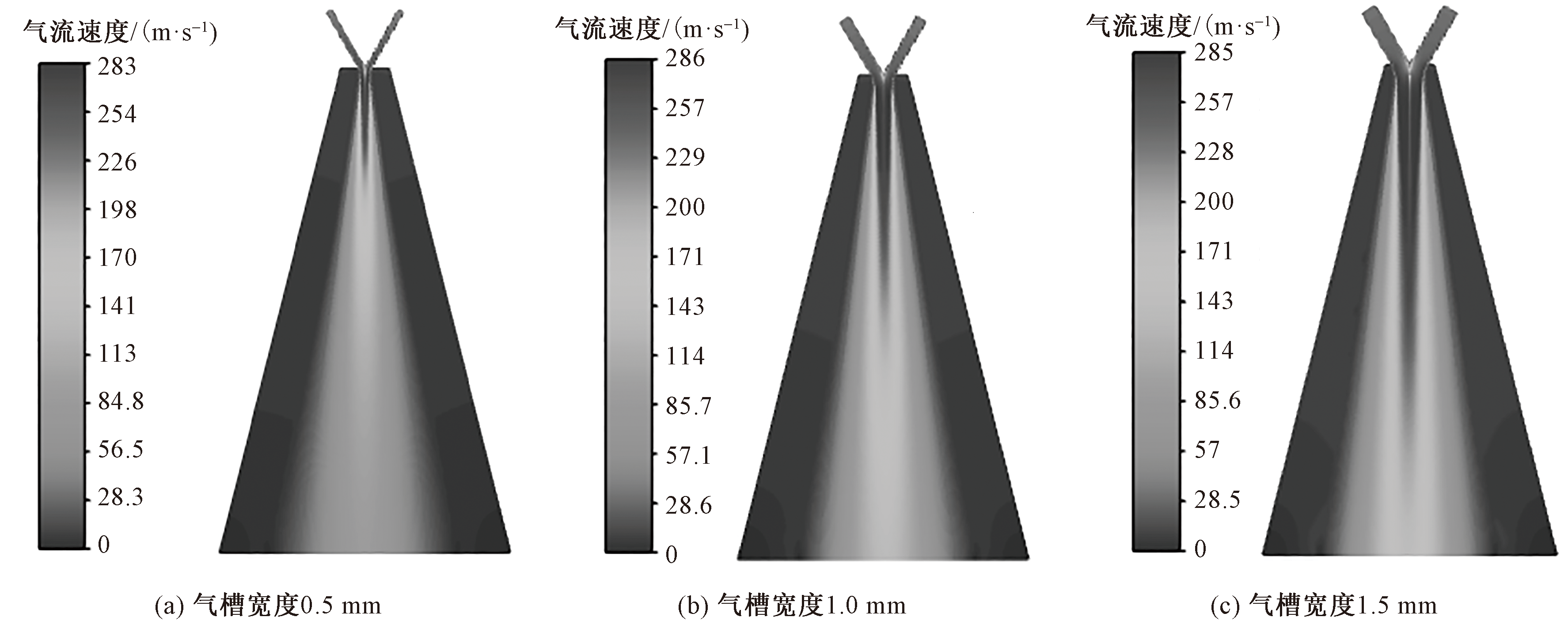
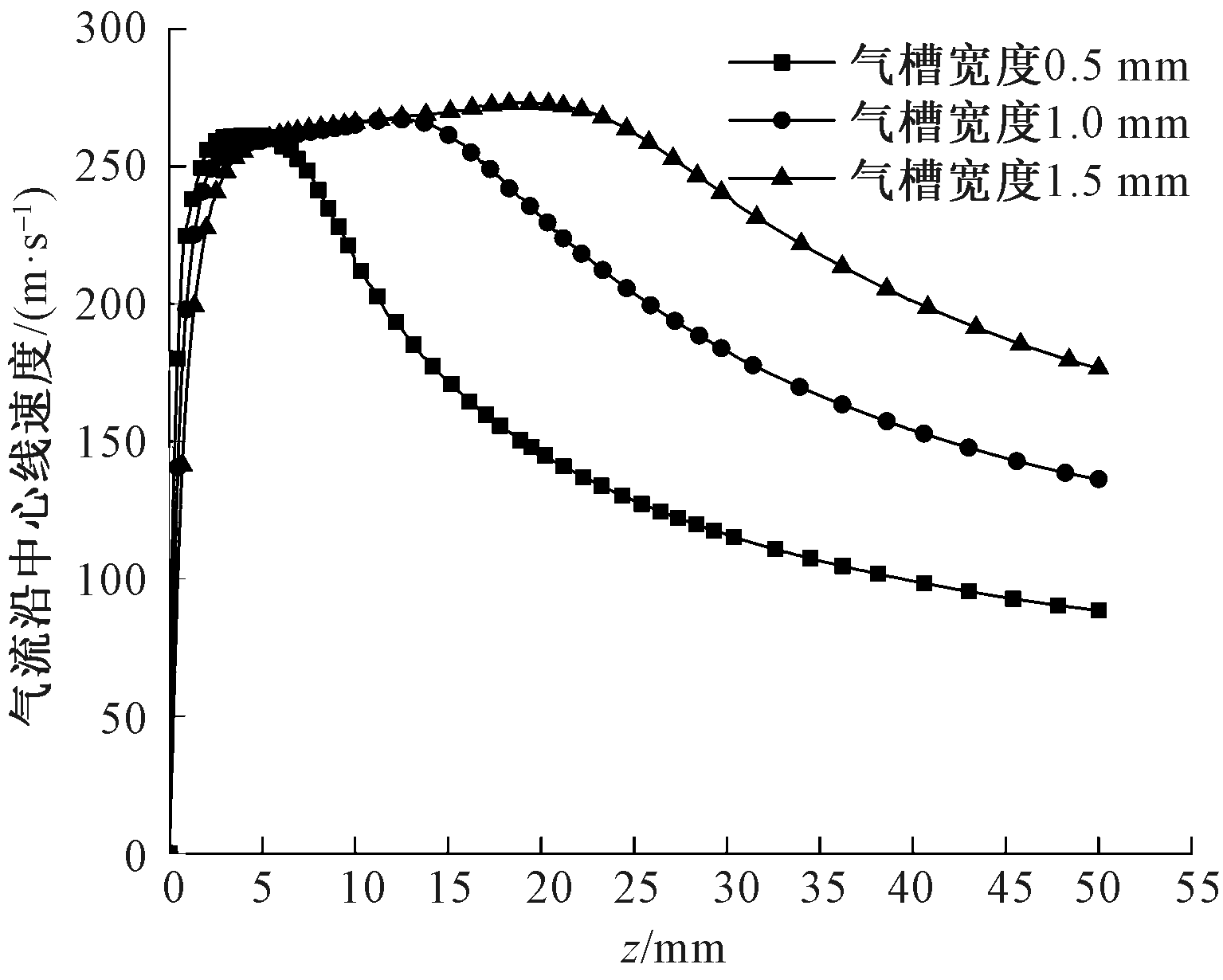
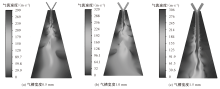
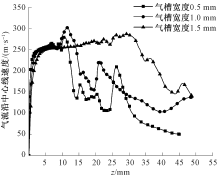
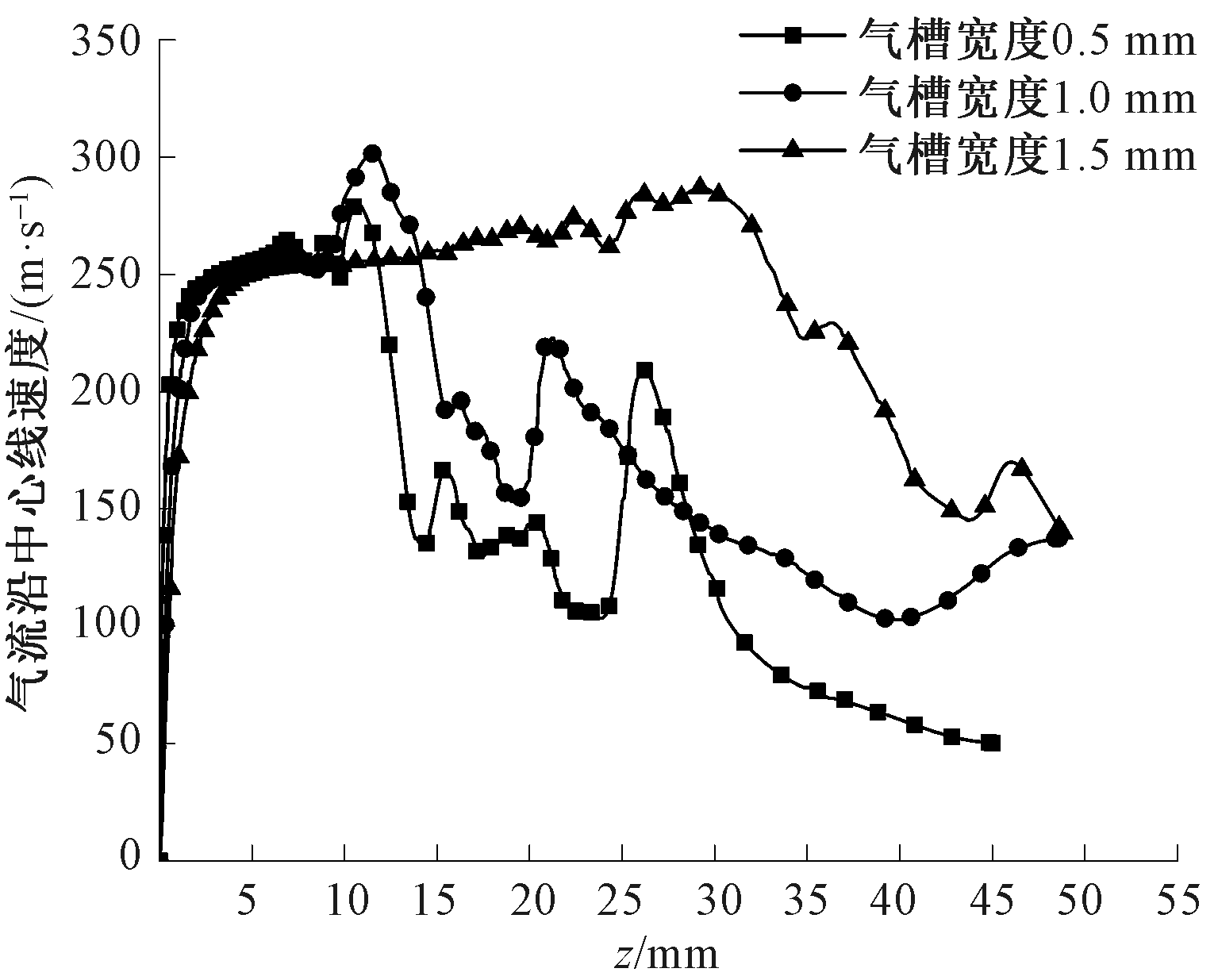
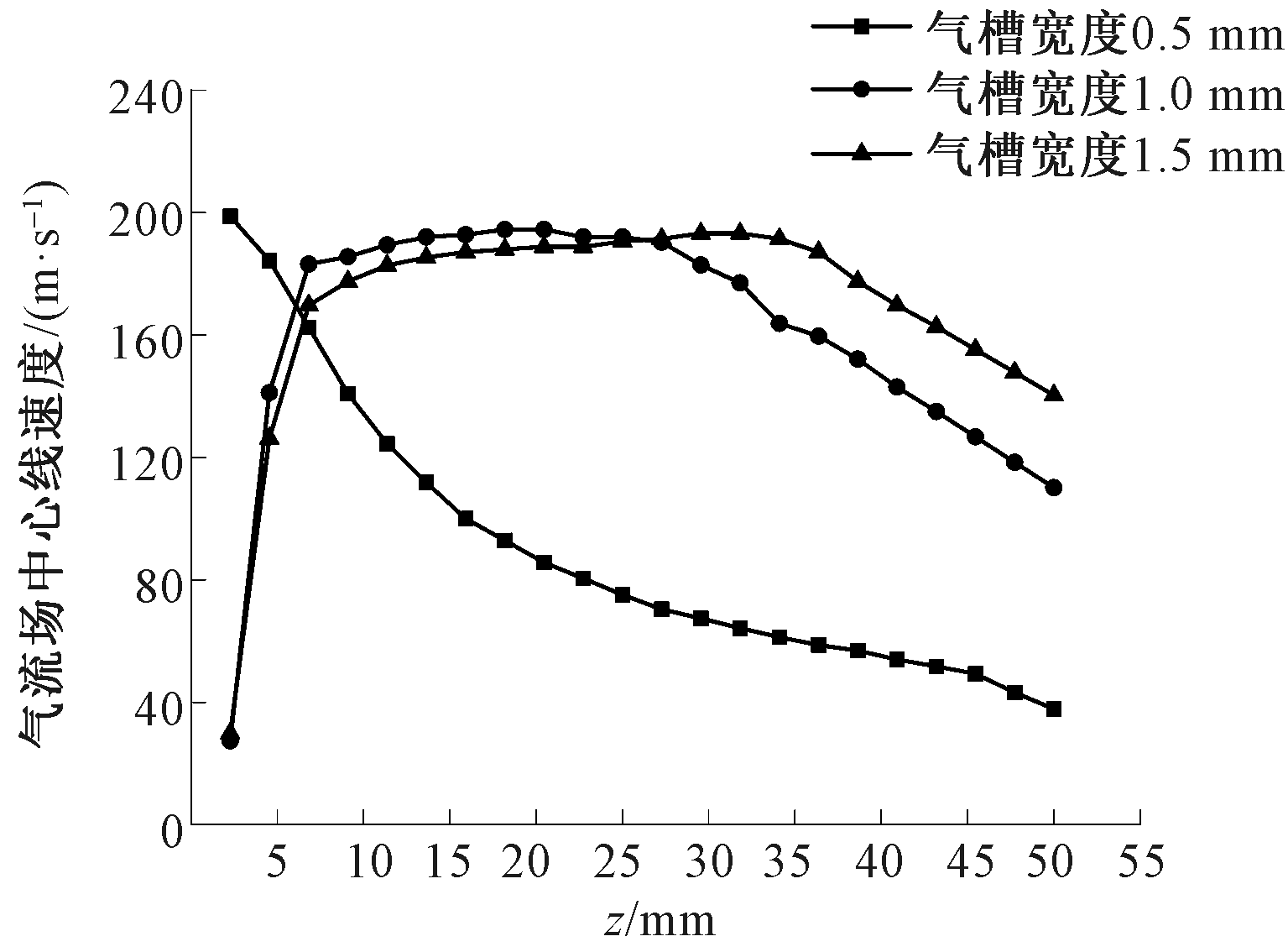
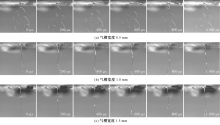
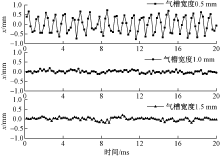
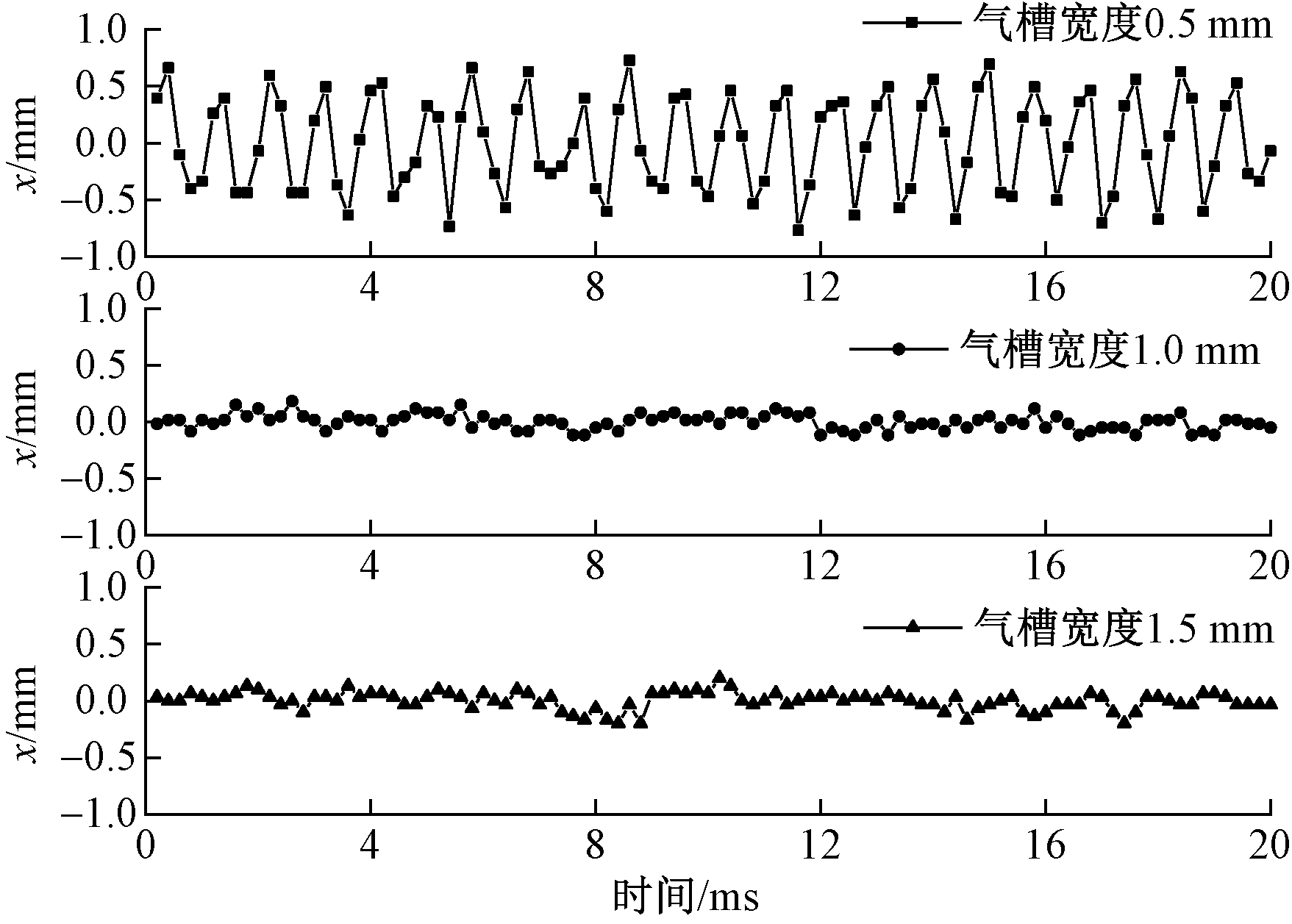
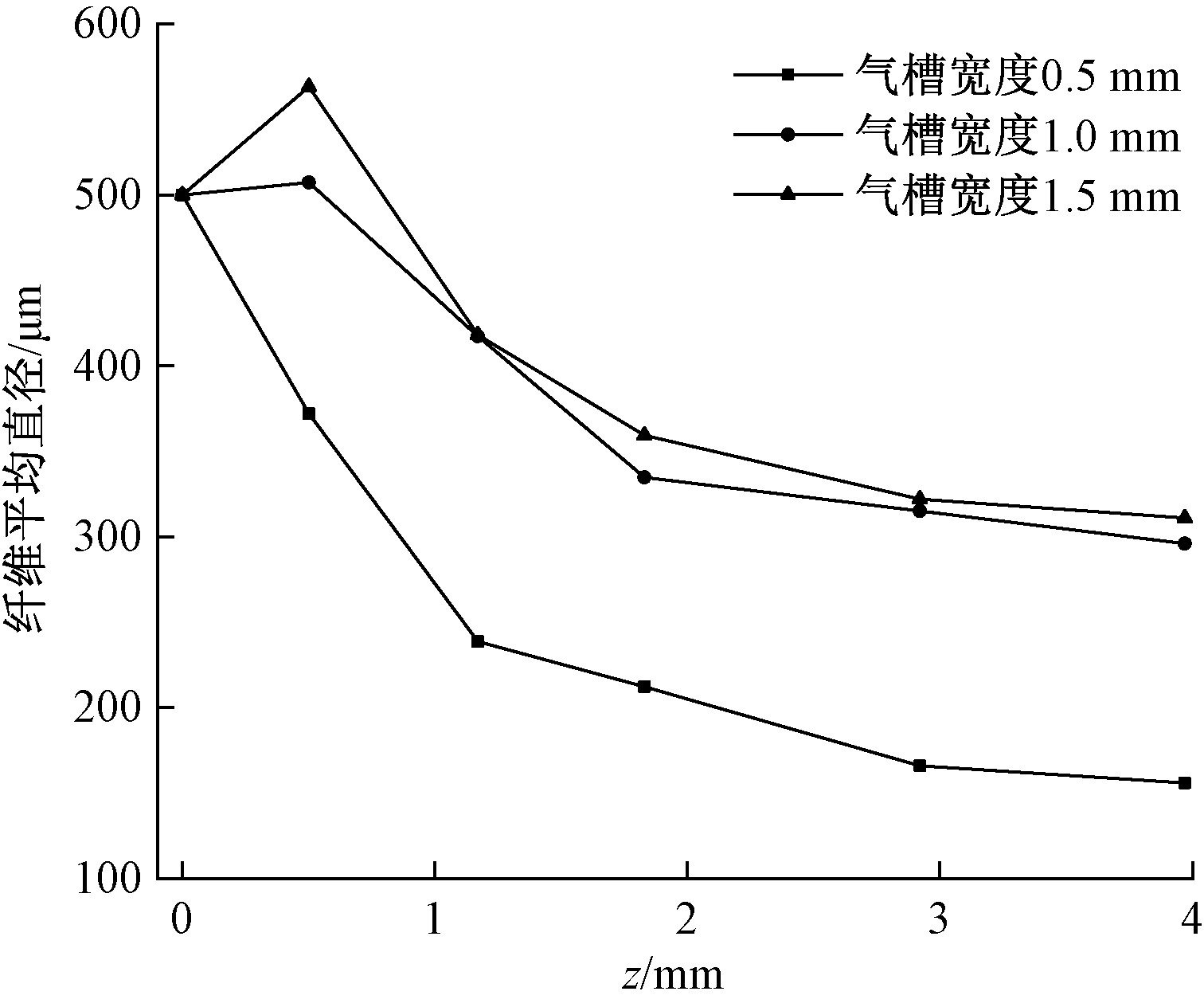
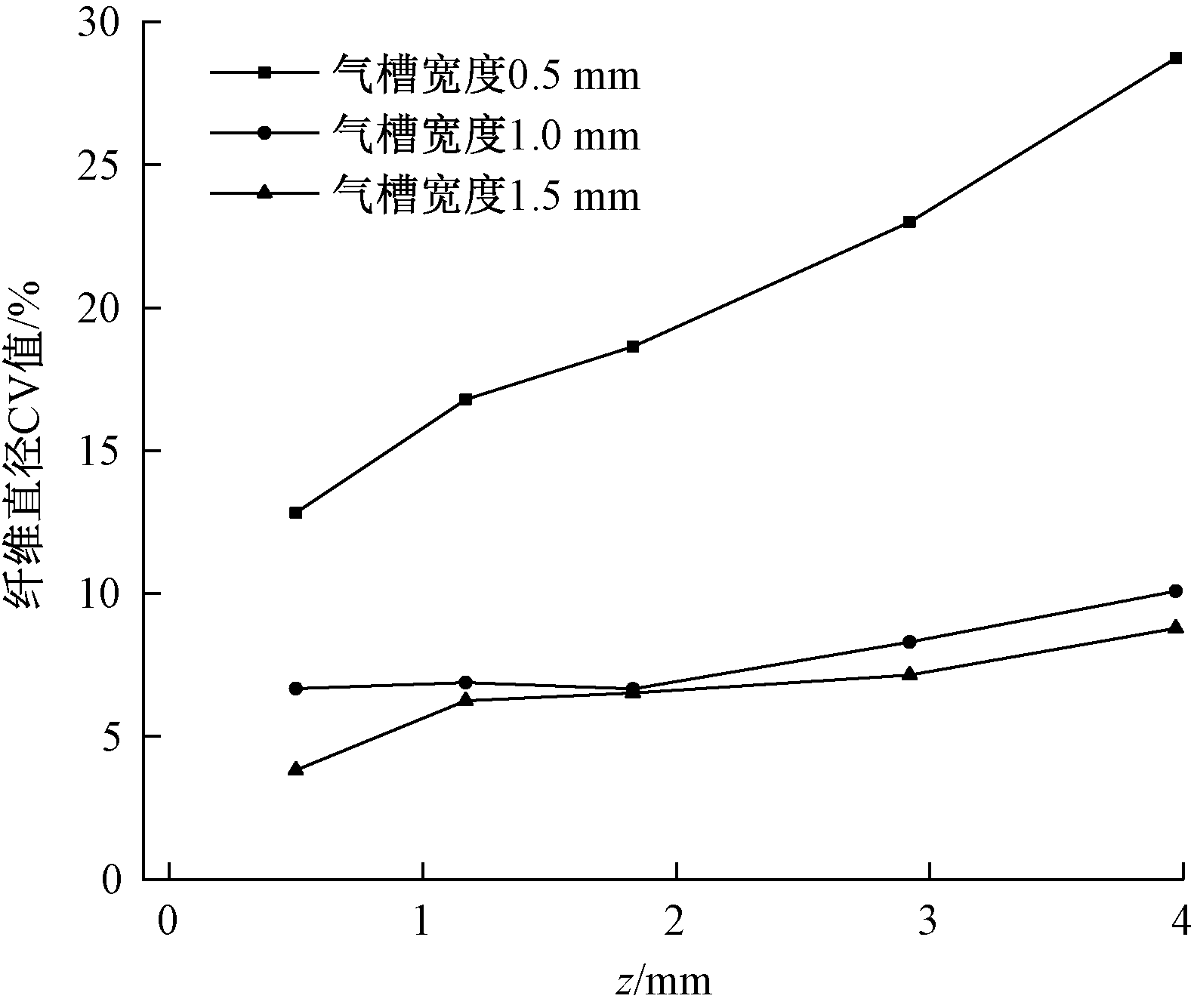
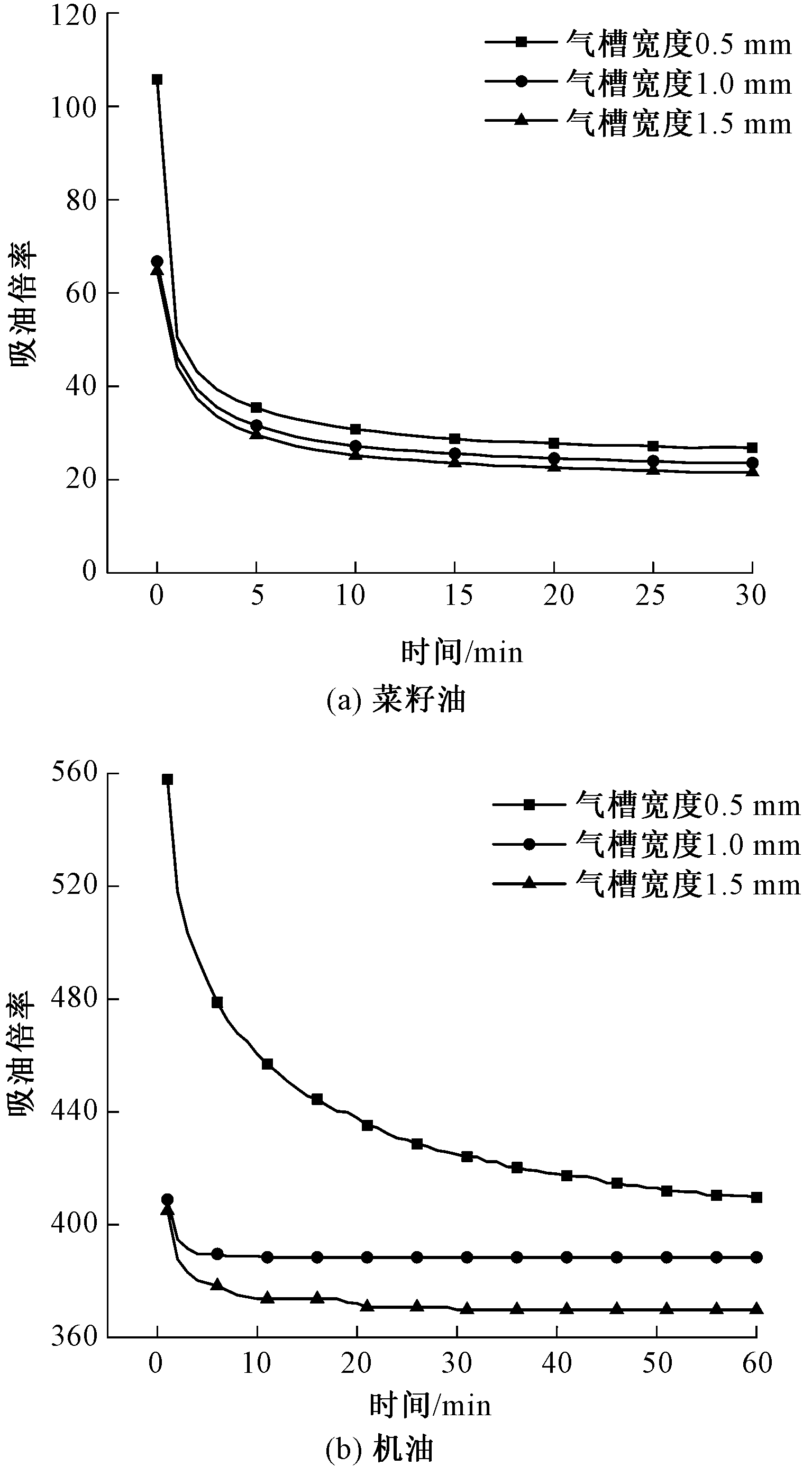
为明确工业化熔喷设备中气槽宽度的调控机制,采用数值模拟、风速测量、高速摄像以及吸油实验相结合的方法,剖析不同气槽宽度下气流场的分布特征及其对纤维牵伸行为的作用机制。研究结果表明:气槽宽度减小会使气流最大速度位置和湍流转捩区向模头方向迁移,一方面促使纤维更早地进入高速气流区域,气流作用力显著增强(提升至原来的 2.5 倍),进而实现纤维直径细化;另一方面提前启动纤维鞭动拉伸机制,强化牵伸效果,但同时加剧纤维非线性波动,导致纤维细度的均匀性劣化(变异系数 CV 值从 8.8% 上升至 28.8%);此外,气槽宽度增大时,气流对纤维集合体的压力作用范围扩大,致使熔喷纤维材料的孔隙率降低,吸油倍率随之下降。综上,随着气槽宽度从大到小变化,湍流效应逐渐显著,纤维鞭动持续增强,最终提升气流对纤维的综合拉伸力。
中图分类号:
| [1] |
HAO X B, ZENG Y C. A review on the studies of air flow field and fiber formation process during melt blowing[J]. Industrial & Engineering Chemistry Research, 2019, 58(27): 11624-11637.
doi: 10.1021/acs.iecr.9b01694 |
| [2] |
ELLISON C J, PHATAK A, GILES D W, et al. Melt blown nanofibers: fiber diameter distributions and onset of fiber breakup[J]. Polymer, 2007, 48(11): 3306-3316.
doi: 10.1016/j.polymer.2007.04.005 |
| [3] |
DRABEK J, ZATLOUKAL M. Meltblown technology for production of polymeric microfibers/nanofibers: a review[J]. Physics of Fluids, 2019, 31(9): 091301.
doi: 10.1063/1.5116336 |
| [4] |
KRUTKA H M, SHAMBAUGH R L, PAPAVASSILIOU D V. Effects of temperature and geometry on the flow field of the melt blowing process[J]. Industrial & Engineering Chemistry Research, 2004, 43(15): 4199-4210.
doi: 10.1021/ie040043e |
| [5] | 陈廷. 熔喷非织造气流拉伸工艺研究[D]. 上海: 东华大学, 2003: 57-61. |
| CHEN Ting. Study on the air drawing in melt blowing nonwoven process[D]. Shanghai: Donghua University, 2003: 57-61. | |
| [6] |
SUN Y F, LIU B W, WANG X H, et al. Air-flow field of the melt-blowing slot die via numerical simulation and multiobjective genetic algorithms[J]. Journal of Applied Polymer Science, 2011, 122(6): 3520-3527.
doi: 10.1002/app.v122.6 |
| [7] |
GUO D J, ZHU Z S, YUAN J. Numerical simulation into influence of airflow channel quantities on melt-blowing airflow field in processing of polymer fiber[J]. e-Polymers, 2023, 23: 20230126.
doi: 10.1515/epoly-2023-0126 |
| [8] |
WANG Y D, JIANG F, NING W E, et al. Investigation on the airflow fields of new melt-blown dies with rectangular jets[J]. Fibers and Polymers, 2022, 23(10): 2732-2739.
doi: 10.1007/s12221-022-0043-4 |
| [9] |
HASSAN M A, ANANTHARAMAIAH N, KHAN S A, et al. Computational fluid dynamics simulations and experiments of meltblown fibrous media: new die designs to enhance fiber attenuation and filtration quality[J]. Industrial & Engineering Chemistry Research, 2016, 55(7): 2049-2058.
doi: 10.1021/acs.iecr.5b04020 |
| [10] |
HAO X B, YANG Y, ZENG Y C. Retarding the decay of temperature in the air flow field during the melt blowing process using a thermal insulation tube[J]. Textile Research Journal, 2020, 90(5/6): 606-616.
doi: 10.1177/0040517519873875 |
| [11] |
SHAMBAUGH R L, KRUTTY J D, SINGLETON S M. Melt blowing dies with louvers[J]. Industrial & Engineering Chemistry Research, 2015, 54(51): 12999-13004.
doi: 10.1021/acs.iecr.5b03400 |
| [12] |
CHENG Y L, WU L L, CHEN T. Numerical simulation of the air flow field in the melt blowing process with the use of an auxiliary nozzle[J]. Heat Transfer Research, 2013, 44(5): 473-482.
doi: 10.1615/HeatTransRes.v44.i5 |
| [13] |
XU H W, ZHOU Z J, LIU J, et al. Preliminary study of the effect of secondary airflow on fiber attenuation during melt blowing[J]. Fibers and Polymers, 2022, 23(11): 3039-3045.
doi: 10.1007/s12221-022-0495-6 |
| [14] |
GUO D J, ZHU Z S. Influence of a meltblown die with a Laval airstream channel on the manufacturing process of a polymer fiber based on an orthogonal test and simulation analysis[J]. ACS Omega, 2023, 8(51): 48742-48755.
doi: 10.1021/acsomega.3c05643 pmid: 38162728 |
| [15] |
HÖHNEMANN T, SCHNEBELE J, ARNE W, et al. Nanoval technology: an intermediate process between meltblown and spunbond[J]. Materials, 2023, 16(7): 2392.
doi: 10.3390/ma16062392 |
| [16] |
UYTTENDAELE M A J, SHAMBAUGH R L. Melt blowing: general equation development and experimental verification[J]. AIChE Journal, 1990, 36(2): 175-186.
doi: 10.1002/aic.v36:2 |
| [17] |
SINHA-RAY S, YARIN A L, POURDEYHIMI B. Meltblowing: I-basic physical mechanisms and threadline model[J]. Journal of Applied Physics, 2010, 108(3): 034912.
doi: 10.1063/1.3457891 |
| [18] |
CHEN T, HUANG X B. Modeling polymer air drawing in the melt blowing nonwoven process[J]. Textile Research Journal, 2003, 73(7): 651-654.
doi: 10.1177/004051750307300715 |
| [19] |
SUN Y F, ZENG Y C, WANG X H. Three-dimensional model of whipping motion in the processing of microfibers[J]. Industrial & Engineering Chemistry Research, 2011, 50(2): 1099-1109.
doi: 10.1021/ie101744q |
| [20] | 韩万里, 谢胜, 王新厚, 等. 熔喷气流场中的纤维运动模拟与分析[J]. 纺织学报, 2023, 44(1): 93-99. |
| HAN Wanli, XIE Sheng, WANG Xinhou, et al. Simulation and analysis of fiber motion in airflow field of melt blowing[J]. Journal of Textile Research, 2023, 44(1): 93-99. | |
| [21] |
HARPHAM A S, SHAMBAUGH R L. Flow field of practical dual rectangular jets[J]. Industrial & Engineering Chemistry Research, 1996, 35(10): 3776-3781.
doi: 10.1021/ie960074c |
| [22] |
MENTER F R. Two-equation eddy-viscosity turbulence models for engineering applications[J]. AIAA Journal, 1994, 32(8): 1598-1605.
doi: 10.2514/3.12149 |
| [23] | 肖志祥, 罗堃宇, 刘健. 宽速域RANS-LES混合方法的发展及应用[J]. 空气动力学学报, 2017, 35(3): 338-353. |
| XIAO Zhixiang, LUO Kunyu, LIU Jian. Developments and applications of hybrid RANS-LES methods for wide-speed-range flows[J]. Acta Aerodynamica Sinica, 2017, 35(3): 338-353. | |
| [24] | 杜若凡, 阎超, 韩政, 等. DDES延迟函数在超声速底部流动中的性能分析[J]. 北京航空航天大学学报, 2017, 43(8): 1585-1593. |
| DU Ruofan, YAN Chao, HAN Zheng, et al. Performance of delayed functions in DDES for supersonic base flow[J]. Journal of Beijing University of Aeronautics and Astronautics, 2017, 43(8): 1585-1593. | |
| [25] |
XIE S, ZENG Y C. Turbulent air flow field and fiber whipping motion in the melt blowing process: experimental study[J]. Industrial & Engineering Chemistry Research, 2012, 51(14): 5346-5352.
doi: 10.1021/ie202938b |
| [26] |
BANSAL V, SHAMBAUGH R L. On-line determination of diameter and temperature during melt blowing of polypropylene[J]. Industrial & Engineering Chemistry Research, 1998, 37(5): 1799-1806.
doi: 10.1021/ie9709042 |
| [27] |
XIE S, ZHENG Y S, ZENG Y C. Influence of die geometry on fiber motion and fiber attenuation in the melt-blowing process[J]. Industrial & Engineering Chemistry Research, 2014, 53(32): 12866-12871.
doi: 10.1021/ie5025529 |
| [28] |
RAO R S, SHAMBAUGH R L. Vibration and stability in the melt blowing process[J]. Industrial & Engineering Chemistry Research, 1993, 32(12): 3100-3111.
doi: 10.1021/ie00024a020 |
| [29] | 柯勤飞, 靳向煜. 非织造学[M]. 3版. 上海: 东华大学出版社, 2016: 295. |
| KE Qinfei, JIN Xiangyu. Nonwovens[M]. 3rd ed. Shanghai: Donghua University Press, 2016: 295. |
| [1] | 王世豪, 徐晓禹, 郑挺, 王金星, 姚德刚, 王俊, 叶翔宇, 田慧, 李婷, 朱斐超. 碳纤维非织造材料的研究应用及展望[J]. 纺织学报, 2026, 47(01): 240-249. |
| [2] | 刘琳, 夏菲菲, 徐晓禹, 赵柳涛, 叶翔宇, 俞森龙, 邵钰, 吴跃, 张兴宏, 朱斐超. 生物降解聚合物非织造材料的降解性能及标准体系研究进展[J]. 纺织学报, 2025, 46(10): 237-246. |
| [3] | 郭燕娜, 黄琪帏, 许锦胜, 丁呈凤, 黄文胜, 李凯, 丁彬, 俞建勇, 王先锋. 熔喷快速热交换技术构建轻质高弹保暖絮片及其性能调控[J]. 纺织学报, 2025, 46(10): 39-45. |
| [4] | 王浩鹏, 张佳文, 牛云蔚, 柯勤飞, 赵奕. 芳香抗菌双包络结构芳樟醇/聚酰胺/玉米醇溶蛋白微纳米非织造材料[J]. 纺织学报, 2025, 46(09): 94-103. |
| [5] | 张新宇, 金小培, 朱金唐, 崔华帅, 吴鹏飞, 崔宁, 史贤宁. 聚乳酸熔喷非织造布热尺寸稳定性提升方法[J]. 纺织学报, 2025, 46(08): 127-135. |
| [6] | 张惠琴, 吴改红, 刘霞, 刘淑强, 赵恒, 刘涛. 生物可降解聚乳酸防护口罩的开发及性能评估[J]. 纺织学报, 2025, 46(03): 116-122. |
| [7] | 赵珂, 张恒, 程文胜, 甄琪, 步青云, 崔景强. 类蒲叶结构聚乳酸熔喷非织造材料的制备及其性能[J]. 纺织学报, 2025, 46(02): 51-60. |
| [8] | 王容容, 周洲, 冯祥, 申莹, 刘峰, 邢剑. 聚酯纤维与聚乙烯/聚丙烯双组分纤维多孔吸声材料的制备及其性能[J]. 纺织学报, 2025, 46(02): 61-68. |
| [9] | 夏梦, 成悦, 刘蓉, 李大伟, 付译鋆. 普鲁士蓝涂层非织造材料在细菌检测中的应用[J]. 纺织学报, 2024, 45(12): 166-171. |
| [10] | 刘文龙, 李好义, 何东洋, 李长金, 张杨, 马秀清, 李满意, 杨卫民. 低密度聚乙烯熔喷工艺及其非织造布性能[J]. 纺织学报, 2024, 45(10): 31-38. |
| [11] | 杨硕, 赵朋举, 程春祖, 李晨暘, 程博闻. 非对称润湿性纤维复合膜的制备及其油水分离性能[J]. 纺织学报, 2024, 45(08): 10-17. |
| [12] | 鲁颖科, 金炳奇, 徐涛, 高一蕾, 邓炳耀, 李昊轩. 基于粘胶纤维非织造材料的太阳能水电联产装置设计及其性能[J]. 纺织学报, 2024, 45(07): 78-85. |
| [13] | 王楠, 孙辉, 于斌, 许磊, 朱祥祥. 基于熔喷非织造材料的温度传感器制备及其传感性能[J]. 纺织学报, 2024, 45(05): 138-146. |
| [14] | 陈荣轩, 孙辉, 于斌. N-TiO2/聚丙烯复合熔喷非织造材料的制备及其光催化性能[J]. 纺织学报, 2024, 45(03): 137-147. |
| [15] | 秦子轩, 张恒, 李晗, 翟倩, 甄琪, 钱晓明. 非溶相共混熔喷非织造技术的研究进展[J]. 纺织学报, 2024, 45(03): 219-226. |
|
||
 京公网安备11010502044800号