Journal of Textile Research ›› 2026, Vol. 47 ›› Issue (03): 272-280.doi: 10.13475/j.fzxb.20250903301

• Sports and Health Textiles • Previous Articles     Next Articles

Dynamic modeling of flow field and equipment design for warp-knitted athletic vamp printing

LIU Yuegang1, MENG Zhuo2(), ZHANG Junling1, XU Liyun3, CAI Gaowei2   

  1. 1 College of Mechanical and Electrical Engineering, Weifang University of Science and Technology, Weifang, Shandong 262700, China
    2 College of Mechanical Engineering, Donghua University, Shanghai 201620, China
    3 College of Textile and Clothing Engineering, Nantong University, Nantong, Jiangsu 226019, China
  • Received:2025-09-06 Revised:2026-01-27 Online:2026-03-15 Published:2026-03-15
  • Contact: MENG Zhuo E-mail:mz@dhu.edu.cn

Abstract:

Objective Warp-knitted fabrics are ideal for athletic vamp by virtue of their perme ability, light weight, and multi-directional stretchability. However, their irregular porous structure makes the dynamic behavior of printing paste extremely complex. The current industry practice remains largely manual and experience-dependent, resulting in high skill barriers, labor intensity, and inconsistent print quality. Given the labor-intensive nature and lack of effective evaluation strategies, it is urgent to investigate printing mechanisms, develop advanced equipment, and enhance automation.

Method Static, dynamic, and transient shear tests of the printing paste were conducted first to characterize its rheological properties, followed by the development of an analytical method to deal with the morphological change of the wedge-shaped variable-section squeegee, providing an analytical solution. Furthermore, based on lubrication theory, a mathematical model of the printing flow field was established, yielding dimensionless velocity and dynamic pressure distributions. A printing mechanism was eventually designed with precise force control and adjustable angle, achieving decoupled control of printing force, angle, and speed.

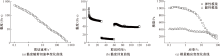
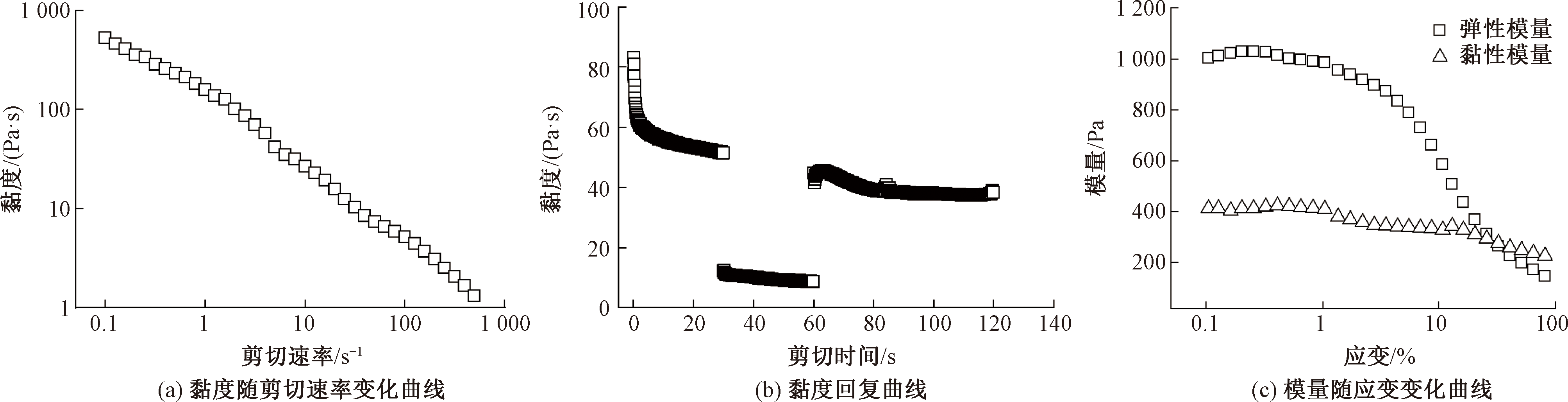
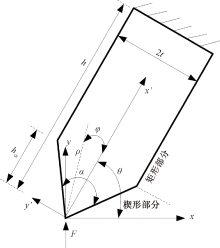
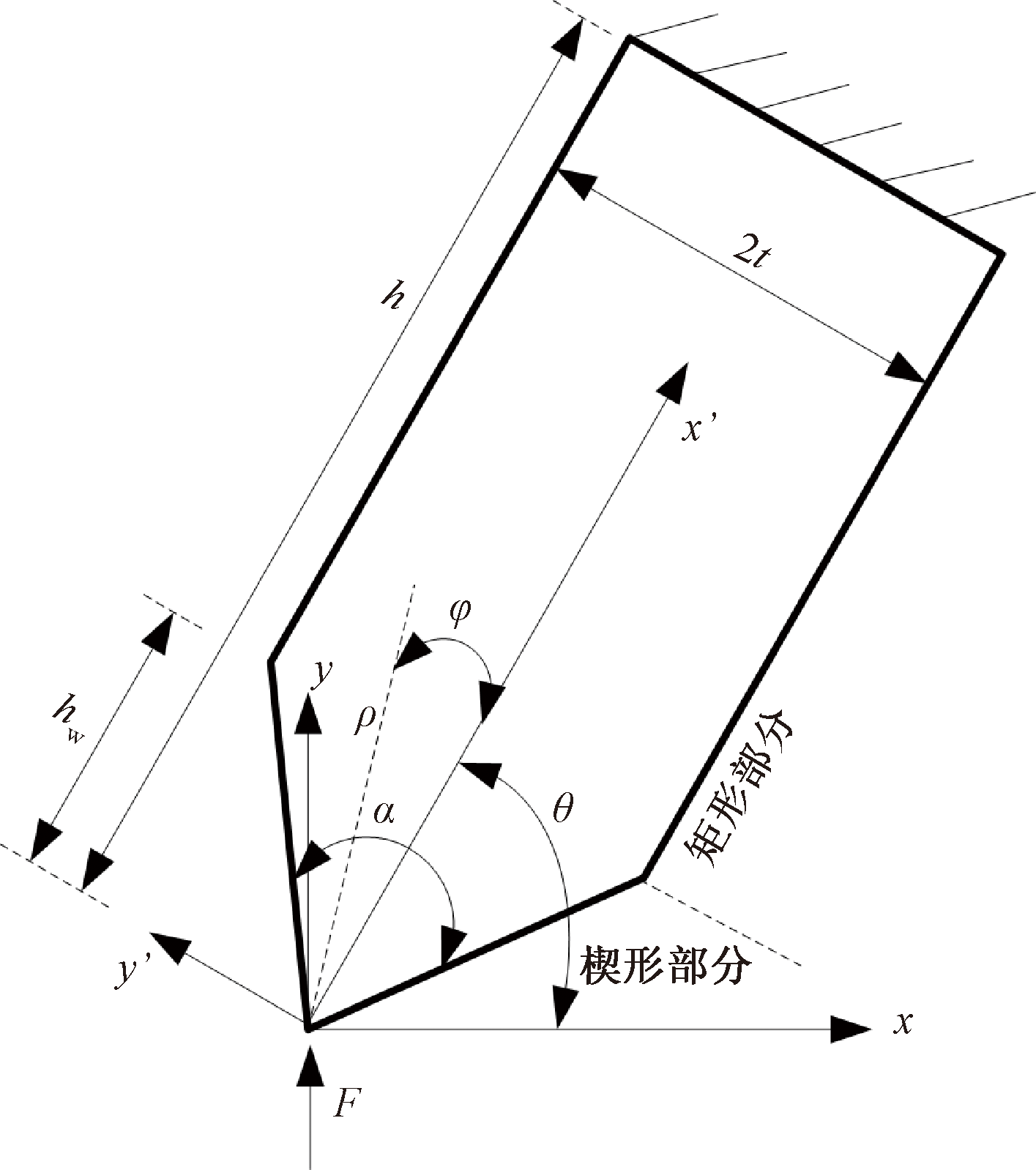
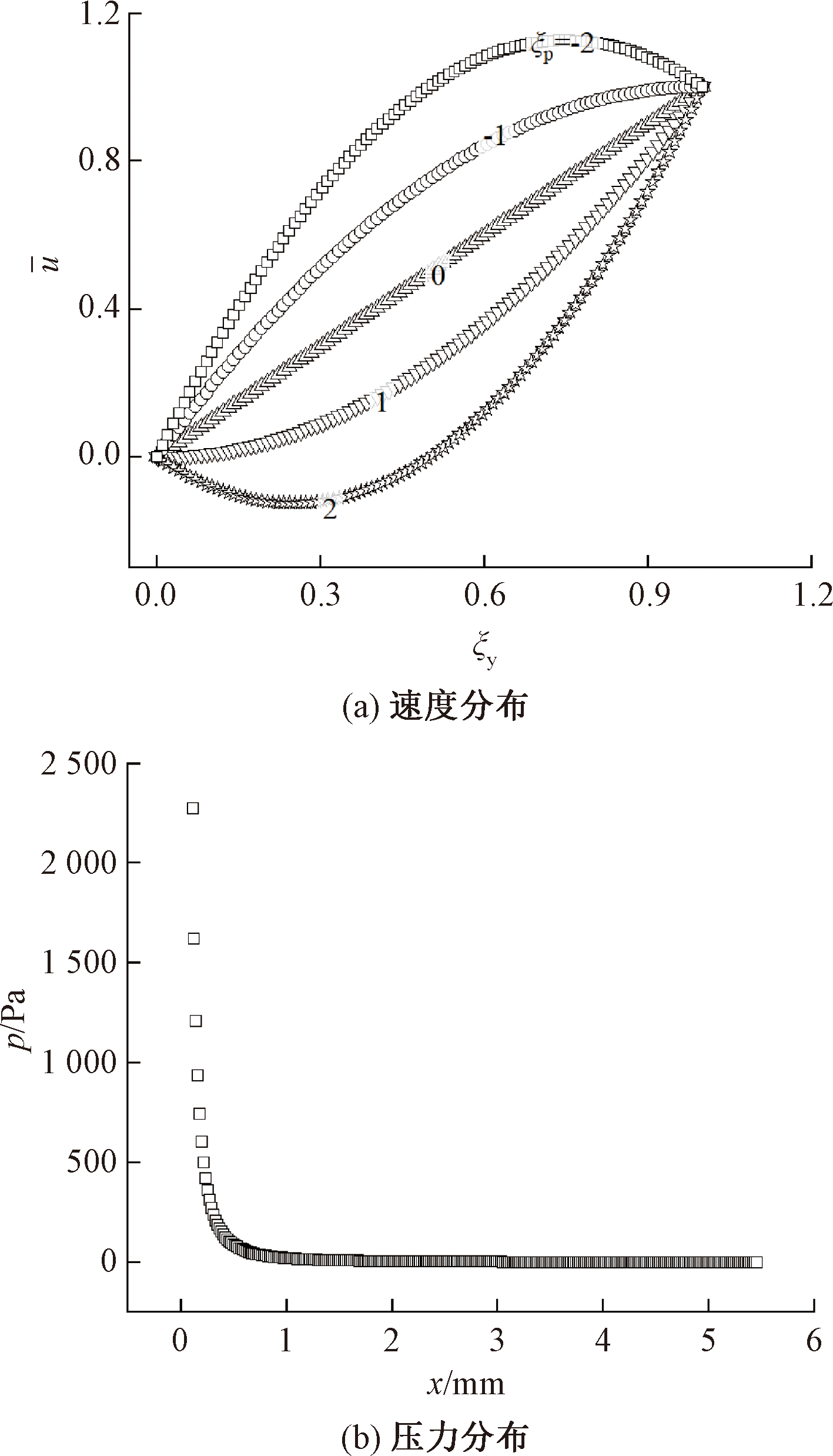
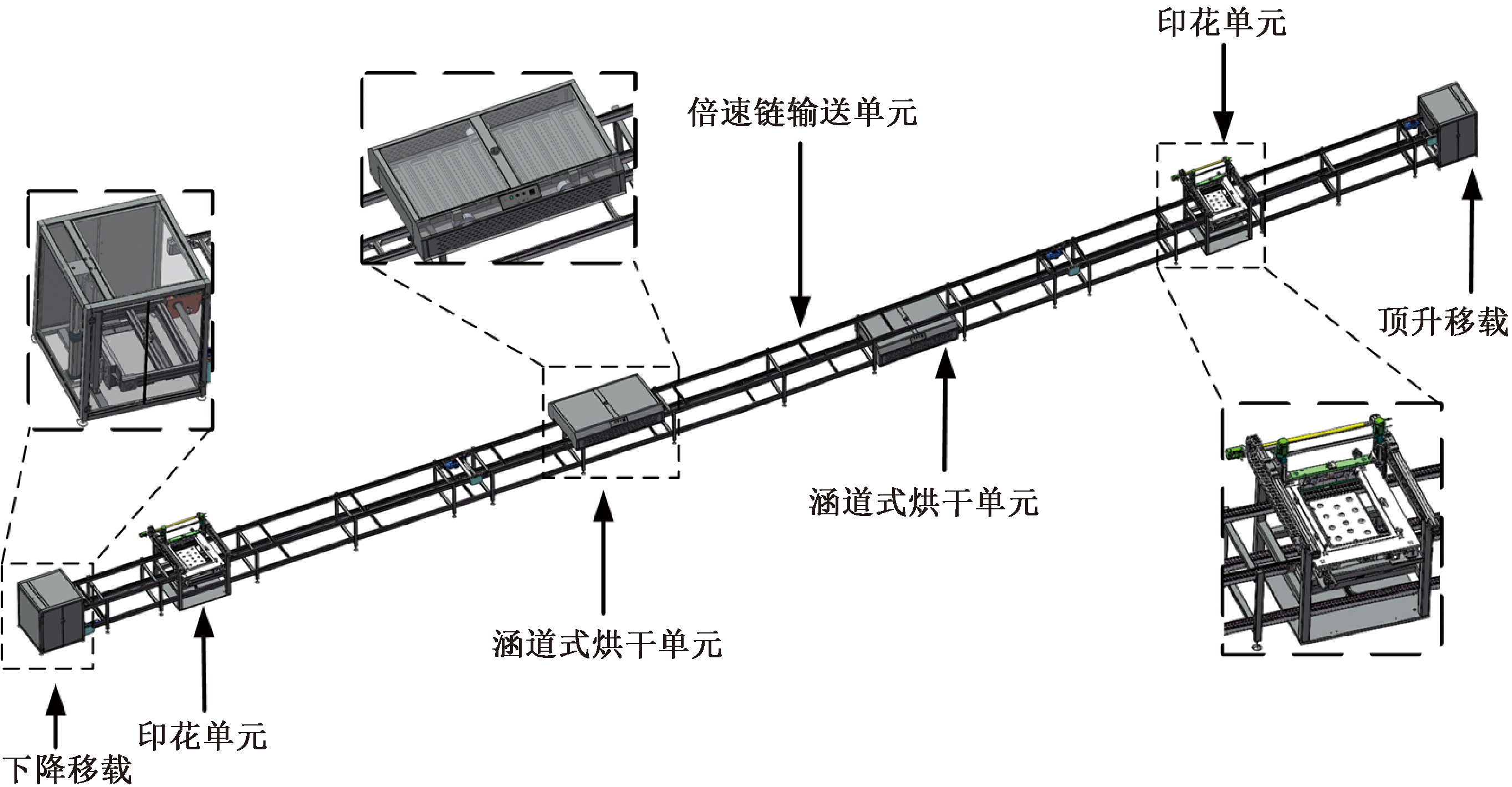
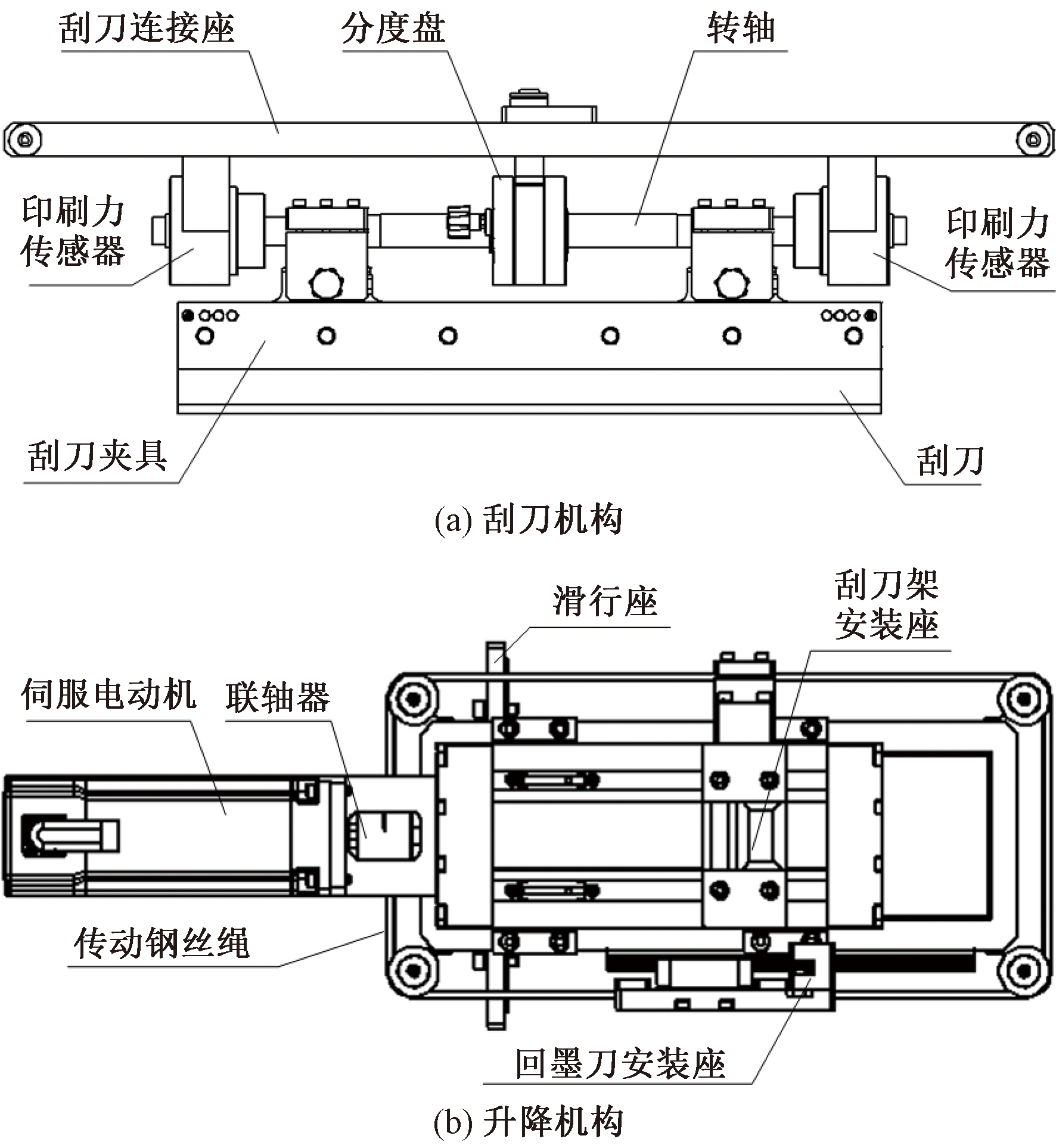
Results Printing paste exhibited high viscosity at low shear rates, with a significant decrease in viscosity as the shear rate increases, characterizing it as a shear-thinning fluid. Thixotropic tests showed a favorable structure recovery rate of 71.05%, which is crucial for pattern clarity. Rheological analysis revealed that both elastic and viscous moduli were strain-dependent. Beyond a critical strain of 24.77%, the elastic modulus decreased more sharply than the viscous modulus, indicating the gradual disintegration of the local elastic structure and a transition to dominant viscous behavior. An analytical method was proposed to solve the morphological change of the wedge-shaped variable cross-section squeegee. The squeegee is divided into a wedge-shaped section and a rectangular section. For the wedge-shaped section, the relationship between displacement and stress was derived from the geometric and constitutive equations in polar coordinates, and the expressions for the displacement components of the wedge-shaped section were obtained. For the rectangular section, a stress function was proposed according to its loading conditions. The geometric and constitutive equations in Cartesian coordinates for the plane strain problem were established, and the displacement components of the rectangular section were obtained. Applying boundary conditions and coordinate transformations provided a complete description of the squeegee's morphological change. The established flow field model demonstrated that fluid velocity distribution depends on the pressure gradient, squeegee speed, and squeegee deformation. Numerical integration of the dynamic pressure equation revealed that pressure on the screen surface increases sharply near the squeegee tip, confirming this zone as the primary driver for paste transfer. Furthermore, a printing equipment with a cyclically moving substrate and fixed printing units was designed. It enables precise control of printing force, adjustable angle, and decoupled regulation of force, angle, and velocity, addressing inconsistencies in manual printing. The flexible printing carrier and positioning system were developed, limiting maximum error to within 0.2 mm.

Conclusion This multidisciplinary study, integrating fluid mechanics, elasticity theory, and mechanical design, provides a comprehensive investigation into printing of warp-knitted athletic vamp. The non-Newtonian behavior and strain threshold of the paste were characterized, and an analytical method for determining the stress, strain, and displacement distributions of a wedge-shaped squeegee with a variable cross-section was proposed. Precise boundaries of the printing flow field were established. Based on lubrication theory, a mathematical model of the flow field was developed, enabling the determination of the velocity and pressure distributions of the printing paste. Furthermore, the dedicated printing equipment for warp-knitted athletic vamp was designed and developed. This research provides significant insights into the printing mechanism, contributes to enhancing the level of automation in the industry, improves the competitiveness of warp-knitted athletic vamp, and supports the realization of green and intelligent manufacturing.

Key words: warp-knitted athletic vamp, size rheology, elasticity mechanics, squeegee form, printing flow field, dynamical mode, printing equipment design, lubrication theory

CLC Number: 

  • TS 194.1

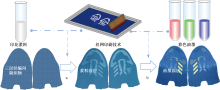
Fig.1

Printing process of warp-knitted athletic vamp"

Fig.2

Rheological properties of printing coatings. (a) Curve of viscosity vs.shear rate; (b) Viscosity recovery curve; (c) Curve of modulus vs.strain"

Fig.3

Force model and coordinate system of squeegee"

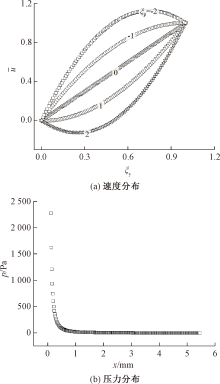
Fig.4

Distribution of dimensionless velocity (a) and pressure (b) in printing flow field"

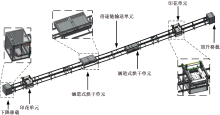
Fig.5

Printing equipment of warp-knitted vamp"

Fig.6

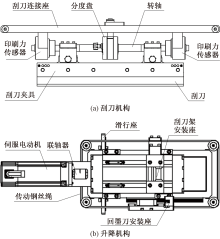
Squeegee (a) and lifting (b) mechanisms"

Fig.7

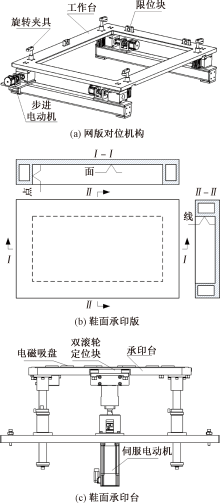
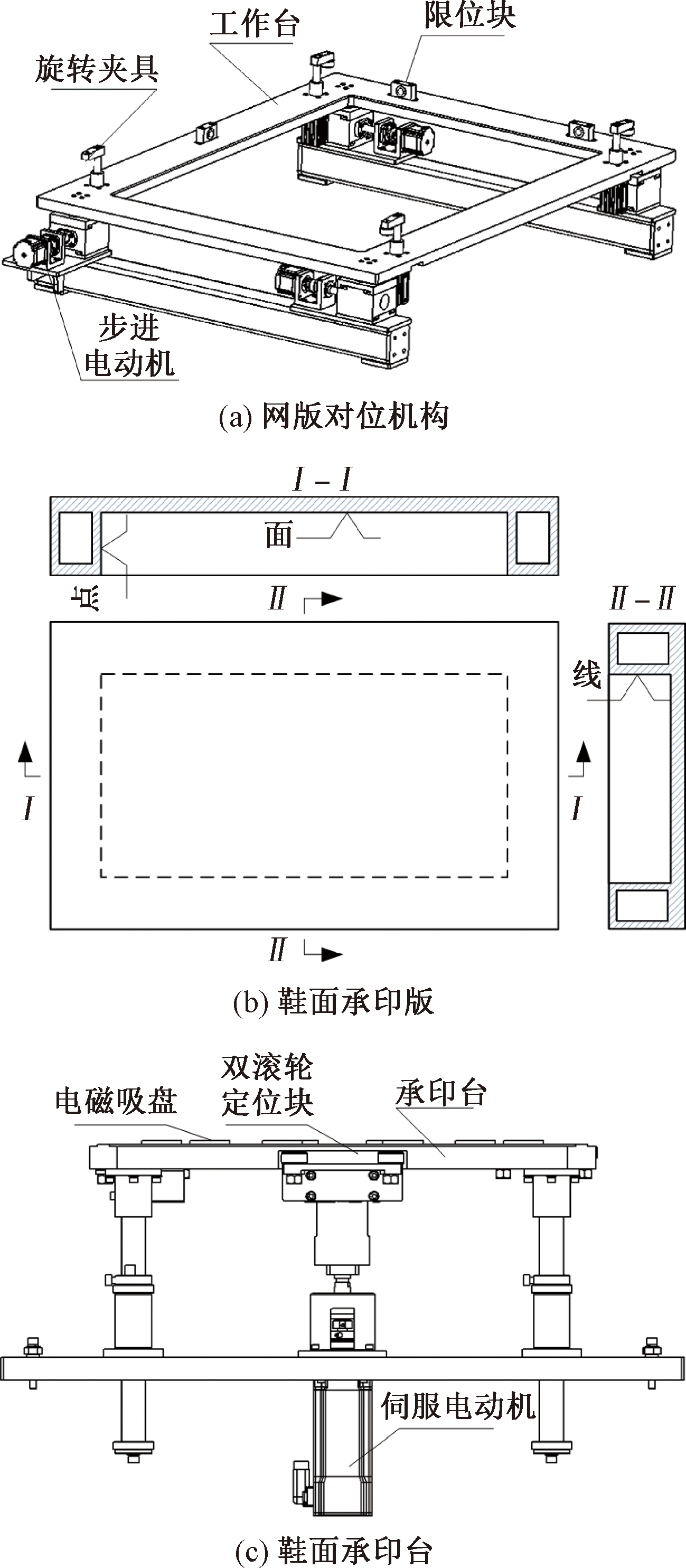
Alignment mechanism of screen (a), vamp printing plate (b) and vamp printing platform (c)"

[1] KUMARI S, MANSHAHIA M. Advancements in smart textiles and ergonomic innovations for athletic footwear: enhancing comfort, performance, and customization[J]. Journal of the Institution of Engineers (India): Series E, 2025, 106(2): 317-324.
doi: 10.1007/s40034-025-00306-5
[2] 凌子超. 再生涤纶经编鞋用间隔织物设计与开发[J]. 针织工业, 2025(6): 12-15.
LING Zichao. Design and development of recycled polyester warp knitted spacer fabric for shoe uppers[J]. Knitting Industries, 2025(6): 12-15.
[3] 沈瑞超, 郗欣甫, 孙以泽. 三维增材鞋面印花机对位平台的冗余驱动控制策略[J]. 纺织学报, 2020, 41(10): 164-169.
doi: 10.13475/j.fzxb.20191104106
SHEN Ruichao, XI Xinfu, SUN Yize. Redundant actuation control strategy of positioning platform for 3-D additive printing machine[J]. Journal of Textile Research, 2020, 41(10): 164-169.
doi: 10.13475/j.fzxb.20191104106
[4] 王晓晖, 刘月刚, 孟婥, 等. 基于遗传算法和神经网络的3D增材印花工艺参数优化[J]. 纺织学报, 2019, 40(11): 168-174.
doi: 10.13475/j.fzxb.20180604807
WANG Xiaohui, LIU Yuegang, MENG Zhuo, et al. Optimization of process parameters for 3D additive screen printing based on genetic algorithm and neural network[J]. Journal of Textile Research, 2019, 40(11): 168-174.
doi: 10.13475/j.fzxb.20180604807
[5] LIU Y G, MENG Z, WANG Y C, et al. Analysis and modeling of viscosity for aqueous polyurethane dispersion as a function of shear rate, temperature, and solid content[J]. ACS Omega, 2020, 5(40): 26237-26244.
doi: 10.1021/acsomega.0c03959 pmid: 33073150
[6] MENG Z, LIU Y G, JI C C, et al. Rheological experiment and fractional derivative model for aqueous polyurethane dispersion[J]. Journal of Applied Polymer Science, 2022, 139(22): 52259.
doi: 10.1002/app.v139.22
[7] RIEMER D E. The theoretical fundamentals of the screen printing process[J]. Hybrid Circuits, 1989, 6(1): 8-17.
[8] HUNTER B. A Stokes flow analysis of the screen printing process[J]. International Journal of Microcircuits and Electronic Packaging, 1994, 17: 21-26.
[9] LIU Y G, MENG Z, JI C C, et al. Mathematical modelling of flow field in 3-dimensional additive printing[J]. International Journal of Mechanical Sciences, 2022, 224: 107326.
doi: 10.1016/j.ijmecsci.2022.107326
[10] DURAIRAJ R, JACKSON G J, EKERE N N, et al. Correlation of solder paste rheology with computational simulations of the stencil printing process[J]. Soldering & Surface Mount Technology, 2002, 14(1): 11-17.
[11] 李培波. 空间太阳电池阵自动贴装工艺机理及系统研究[D]. 上海: 上海交通大学, 2013: 19-26.
LI Peibo. Analysis of auto-mounting process mechanism and system for space solar cell arrays[D]. Shanghai: Shanghai Jiao Tong University, 2013: 19-26.
[12] STICKEL J J, POWELL R L. Fluid mechanics and rheology of dense suspensions[J]. Annual Review of Fluid Mechanics, 2005, 37: 129-149.
doi: 10.1146/fluid.2005.37.issue-1
[13] ASIF A, HUANG C Y, SHI W F. Structure-property study of waterborne, polyurethane acrylate dispersions based on hyperbranched aliphatic polyester for UV-curable coatings[J]. Colloid and Polymer Science, 2004, 283(2): 200-208.
doi: 10.1007/s00396-004-1123-2
[14] 王莉莉, 陆大年. 天然印花糊料流变性能的研究[J]. 印染助剂, 2014, 31(4): 19-23.
WANG Lili, LU Danian. Study on the rheological properties of natural printing pastes[J]. Textile Auxiliaries, 2014, 31(4): 19-23.
[15] IKEDA S, NISHINARI K. ″Weak gel″-type rheological properties of aqueous dispersions of nonaggregated κ-carrageenan helices[J]. Journal of Agricultural and Food Chemistry, 2001, 49(9): 4436-4441.
doi: 10.1021/jf0103065
[16] NAJI-TABASI S, ALI RAZAVI S M. New studies on basil (Ocimum bacilicum L.) seed gum: part III: steady and dynamic shear rheology[J]. Food Hydrocolloids, 2017, 67: 243-250.
doi: 10.1016/j.foodhyd.2015.12.020
[17] ROHM H, KOVAC A. Effects of starter cultures on linear viscoelastic and physical properties of yogurt gels[J]. Journal of Texture Studies, 1994, 25(3): 311-329.
doi: 10.1111/jts.1994.25.issue-3
[18] SIMON V V. Improved mixed elastohydrodynamic lubrication of hypoid gears by the optimization of manufacture parameters[J]. Wear, 2019, 438: 102722.
[19] CHIEN S Y, CRAMER M S. Pressure, temperature, and heat flux in high speed lubrication flows of pressurized gases[J]. Tribology International, 2019, 129: 468-475.
doi: 10.1016/j.triboint.2018.08.030
[20] KIANI SHAHVANDI M. Applications of numerical in-tegration in geodesy and geophysics[J]. Acta Geophys-ica, 2021, 69(1): 29-45.
[21] SEE Y S, LEONG K C. Entropy generation for flow boiling on a single semi-circular minichannel[J]. International Journal of Heat and Mass Transfer, 2020, 154: 119689.
doi: 10.1016/j.ijheatmasstransfer.2020.119689
[22] 刘玉国. 基于机器视觉的精密对准系统研究[D]. 上海: 上海大学, 2007: 7-11.
LIU Yuguo. Research on machine vision-based precision alignment systems[D]. Shanghai: Shanghai University, 2007: 7-11.
Viewed
Full text


Abstract

Cited

  Shared   
  Discussed   
No Suggested Reading articles found!