Journal of Textile Research ›› 2024, Vol. 45 ›› Issue (11): 121-127.doi: 10.13475/j.fzxb.20230506301

• Textile Engineering • Previous Articles     Next Articles

Damage crack repair and performance evaluation of glass fiber reinforced composites

YU Xiaopei1, SHEN Wei1,2, CHEN Lifeng1,2, ZHU Lütao1,2,3()   

  1. 1. College of Textile Science and Engineering (International Institute of Silk), Zhejiang Sci-Tech University, Hangzhou, Zhejiang 310018, China
    2. Zhejiang Sci-Tech University Tongxiang Research Institute, Jiaxing, Zhejiang 314500, China
    3. Shaoxing Baojing Composite Material Co., Ltd., Shaoxing, Zhejiang 312000, China
  • Received:2023-05-25 Revised:2024-08-05 Online:2024-11-15 Published:2024-12-30
  • Contact: ZHU Lütao E-mail:zhult@zstu.edu.cn

Abstract:

Objective Due to impact damage, fatigue, aging, and other factors, composite parts may inevitably experience damage. Interface cracking between the layers of glass fiber reinforced composites (GFRP) can significantly reduce mechanical properties, such as stiffness and compressive strength. To prevent resource wastage and economic loss caused by replacing damaged components, this research focuses on developing cost-effective and simple maintenance procedures for repairing defects.

Method We investigated a simple and convenient GFRP repair technique for the repair of sharp-edge delamination cracks. Pressure was not required, as the resin solution containing acetone penetrated the delamination crack through capillary action. The acetone solution effectively covered and wetted the micro-cracks in the composite laminates during service, allowing the resin to fill the cracks. The prepared resin pre-coating solution was applied to the damaged laminates, followed by the conventional repair solution. Over time, the resin filled the cracks, and the repair effect was evaluated using scanning electron microscopy (SEM) and mechanical property testing.

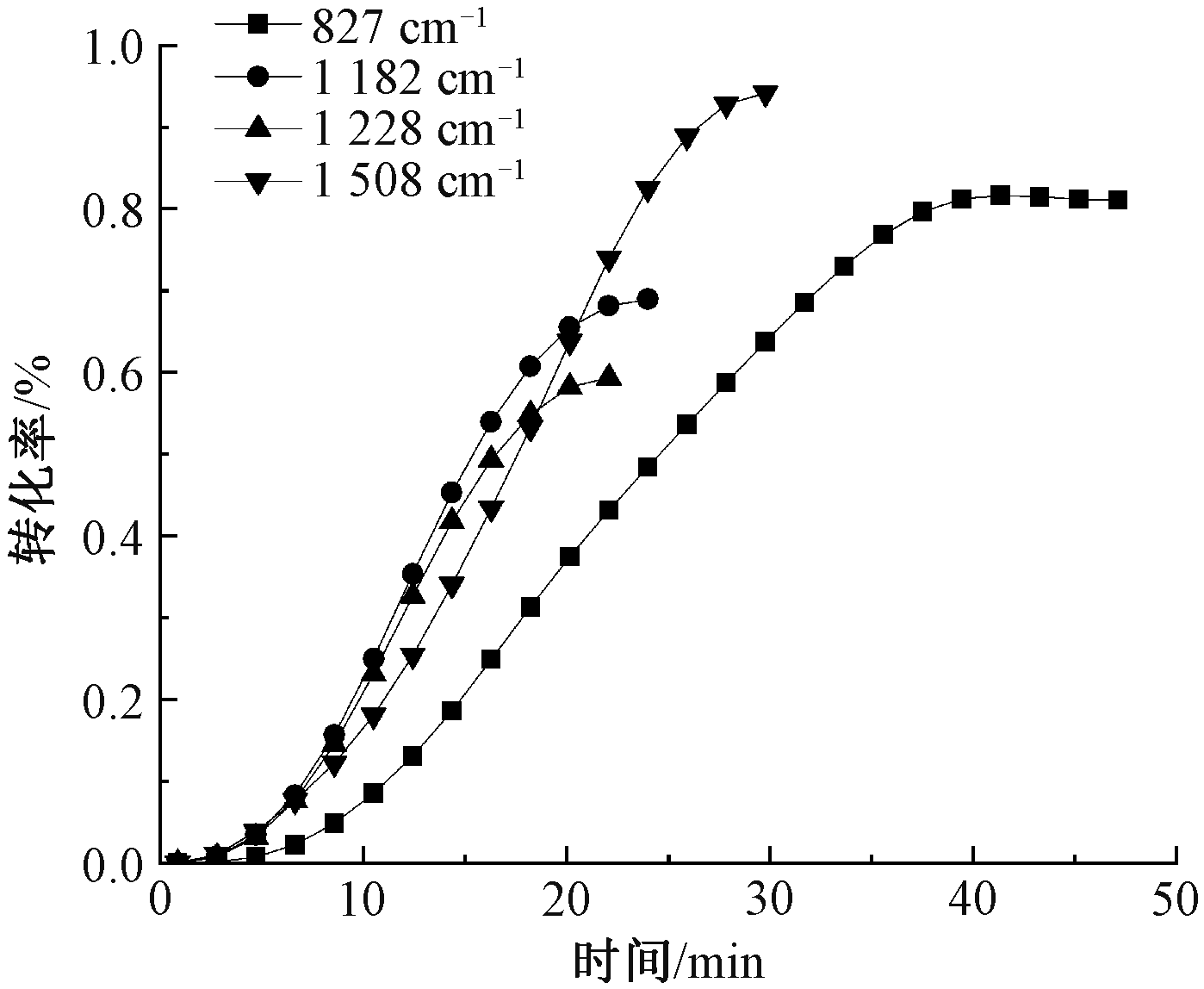
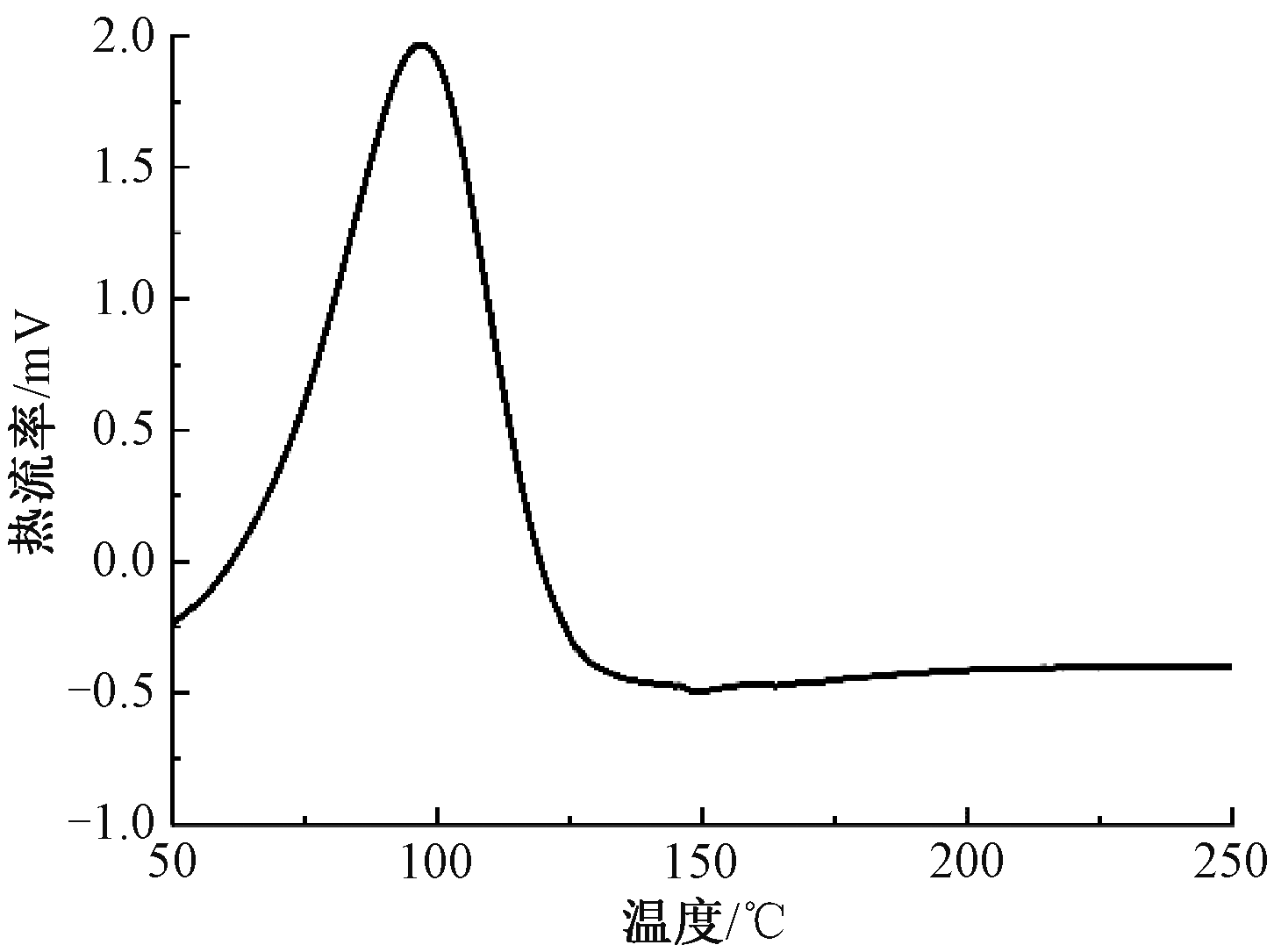
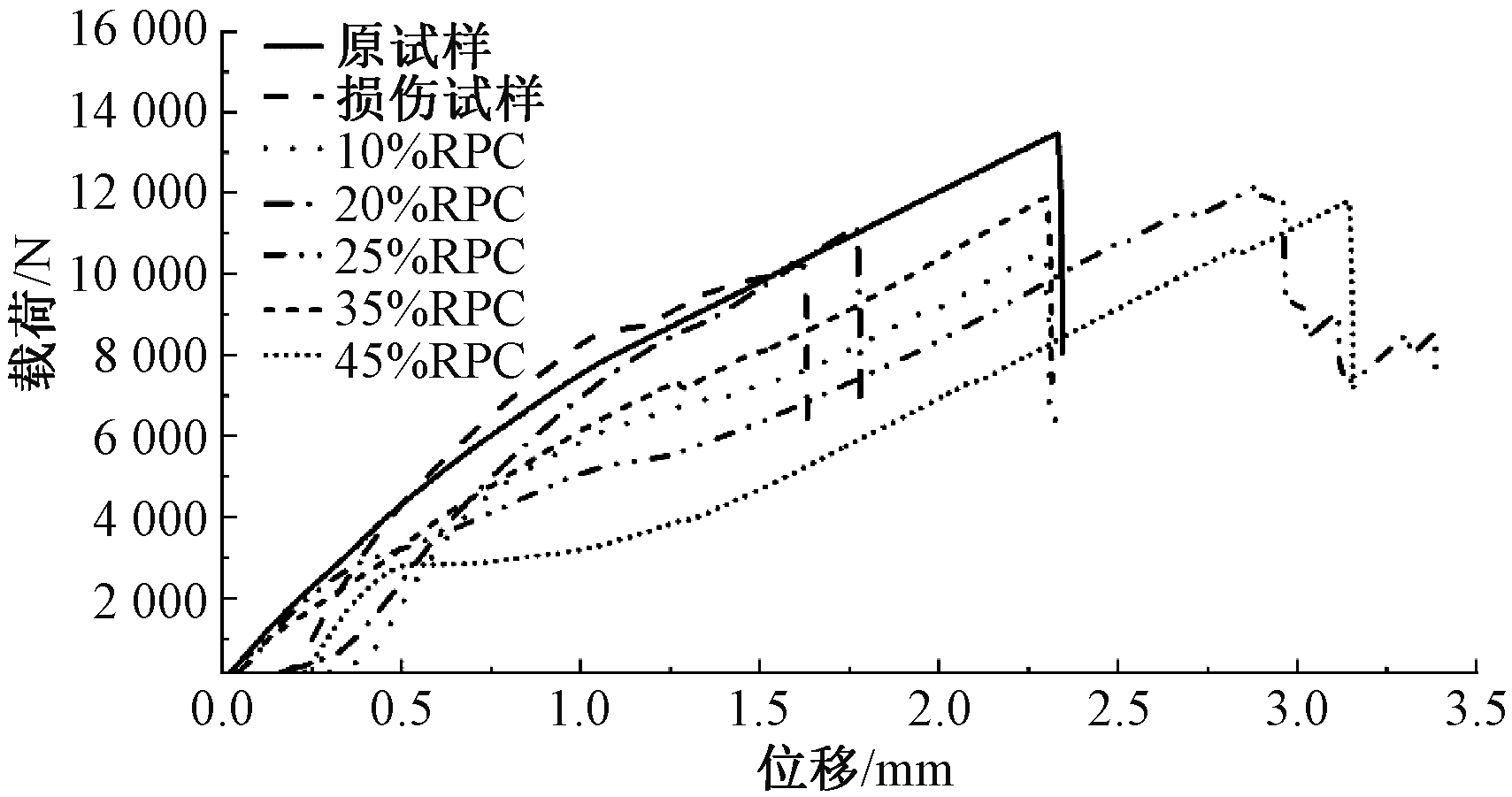
Results Glass fiber composite laminates were prepared using a hot-press pot forming process, and impact damage was induced by the drop hammer method. Five different mass fractions of pre-coat (RPC) solutions were used for the repair: 10% RPC, 20% RPC, 25% RPC, 35% RPC, and 45% RPC. The repair effects were compared with the method without RPC and evaluated at room temperature and 60 ℃. The curing effect of the repair solution was analyzed using Fourier transform infrared (FT-IR) and differential scanning calorimetry (DSC). CT scanning revealed effective repair of the damaged parts, with filling and recombination of the layered damage under the action of resin. The results of FT-IR and DSC showed high conversion of epoxy groups and low curing temperature, indicating good curing performance of the repair liquid. Increasing the temperature was found to enhance the curing of the repair solution, with better repair effects observed at 60 ℃ compared to room temperature, as shown in Tables 2 and 3. The repair rates for the five RPC solutions with different mass fractions at room temperature were 8%, 10%, 17%, 13%, and 12%, respectively. It was found that normal temperature was not conducive to resin permeation, resulting in lower repair rates. At 60 ℃, the repair rates were 11%, 17%, 26%, 20%, and 16%, respectively, which were significantly higher than at room temperature. Among the different concentrations, 25% RPC demonstrated the best performance. After curing at room temperature for 7 days, the compressibility of the repaired specimens recovered by 17%, and this recovery was more pronounced at 60 ℃, reaching 26%. Compressive load-displacement curves were obtained for the specimens cured at 60 ℃ for seven days. After repair with a 25% RPC solution, the composite exhibited significant fluctuations in compressive load with displacement, reaching a maximum of 11 664.57 N, while the compressive load after repair with a 10% RPC solution was relatively low, possibly due to interlaminar fiber fracture. At the point of maximum load, the curve dropped abruptly, indicating complete damage of the specimen under compression. The strain energy was rapidly released, and the composite specimen was no longer subjected to compression load, resulting in a rapid drop in load.

Conclusion Using NPEL-128 epoxy as a component of the repair solution, combined with D230 curing agent, the repair solution demonstrated effective repair, with the resin showing resistance to hydrolysis and strong adhesion to the material. The six repair methods ranked as follows: 25% RPC > 35% RPC > 45% RPC > 20% RPC > 10% RPC > routine repair (without RPC).

Key words: glass fiber reinforced composite, crack repair, interlaminar fracture, resin pre-coating solution, capillary effect

CLC Number: 

  • TB332

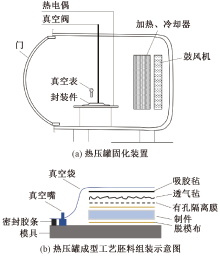
Fig.1

Schematic diagram of autoclave forming.(a) Autoclave curing plant ;(b) Schematic diagram of blank material assembly for hot-press tank forming process"

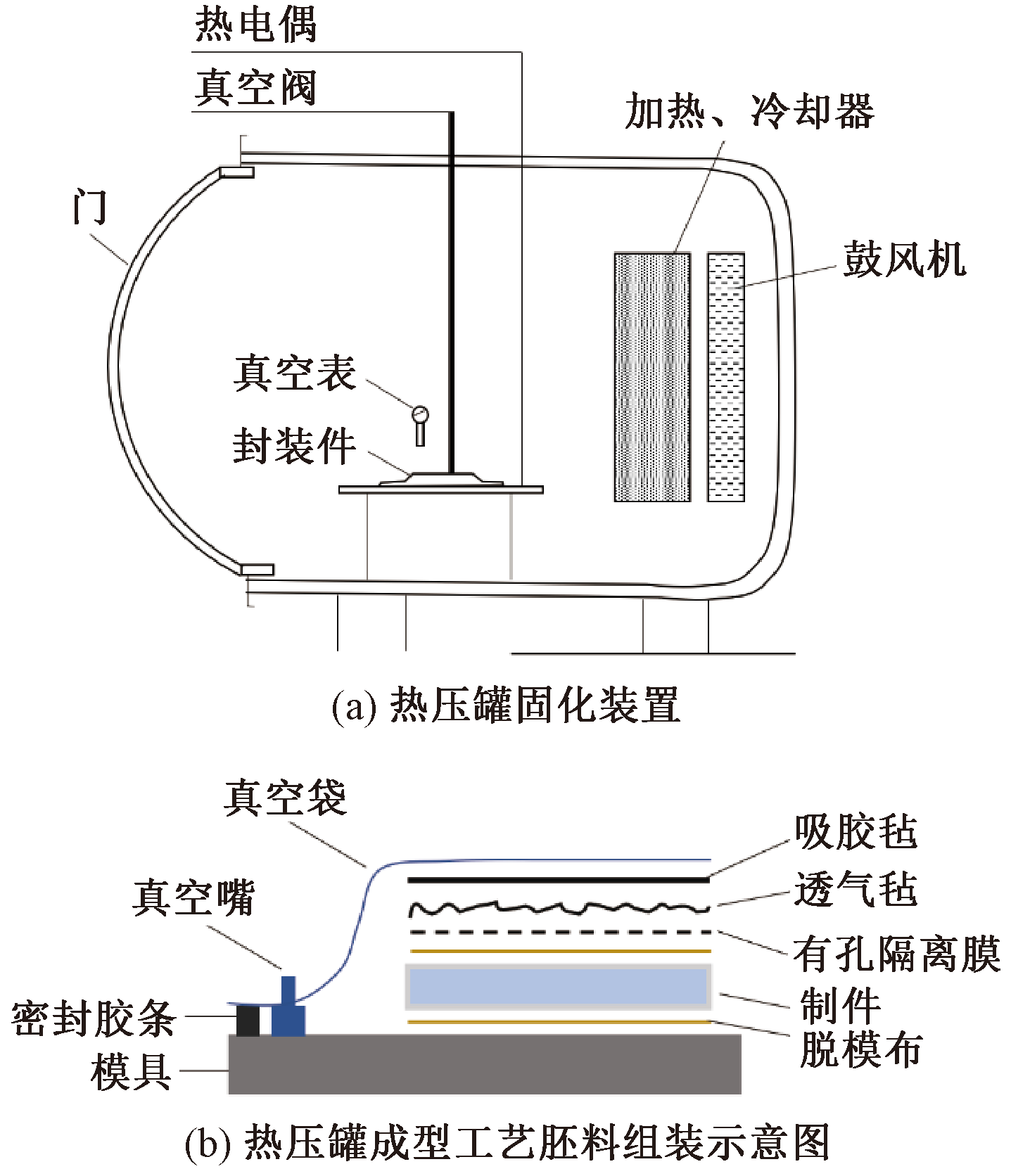
Fig.2

Schematic diagram of pendulum impact method"

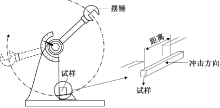
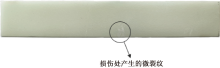
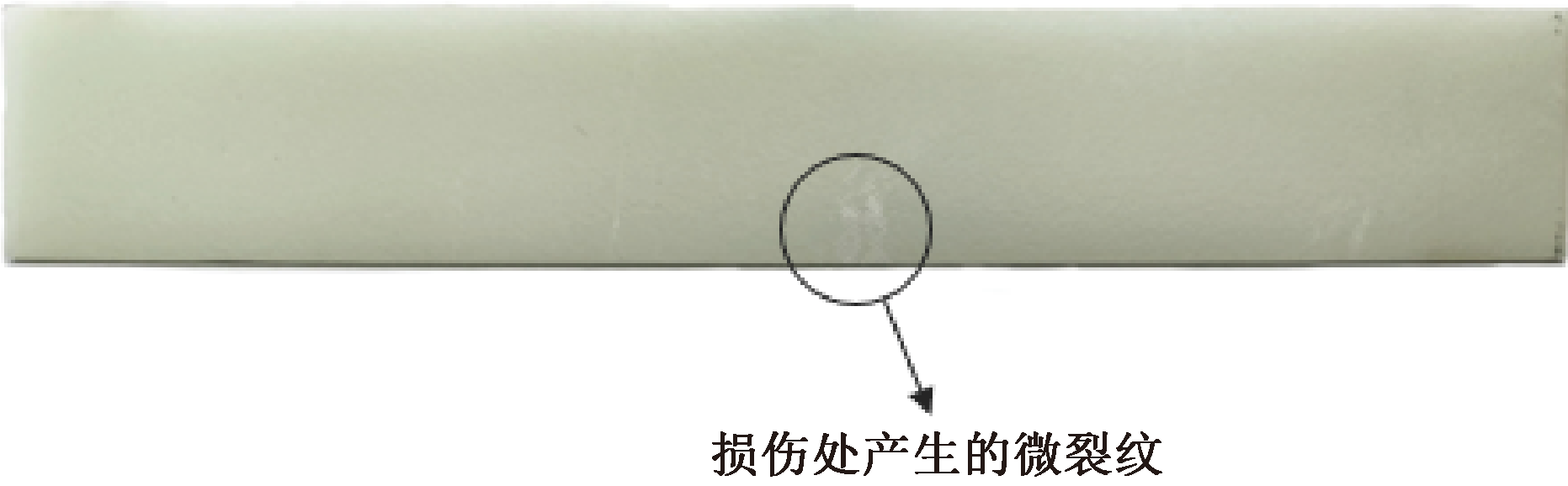
Fig.3

Sample of damage after impact"

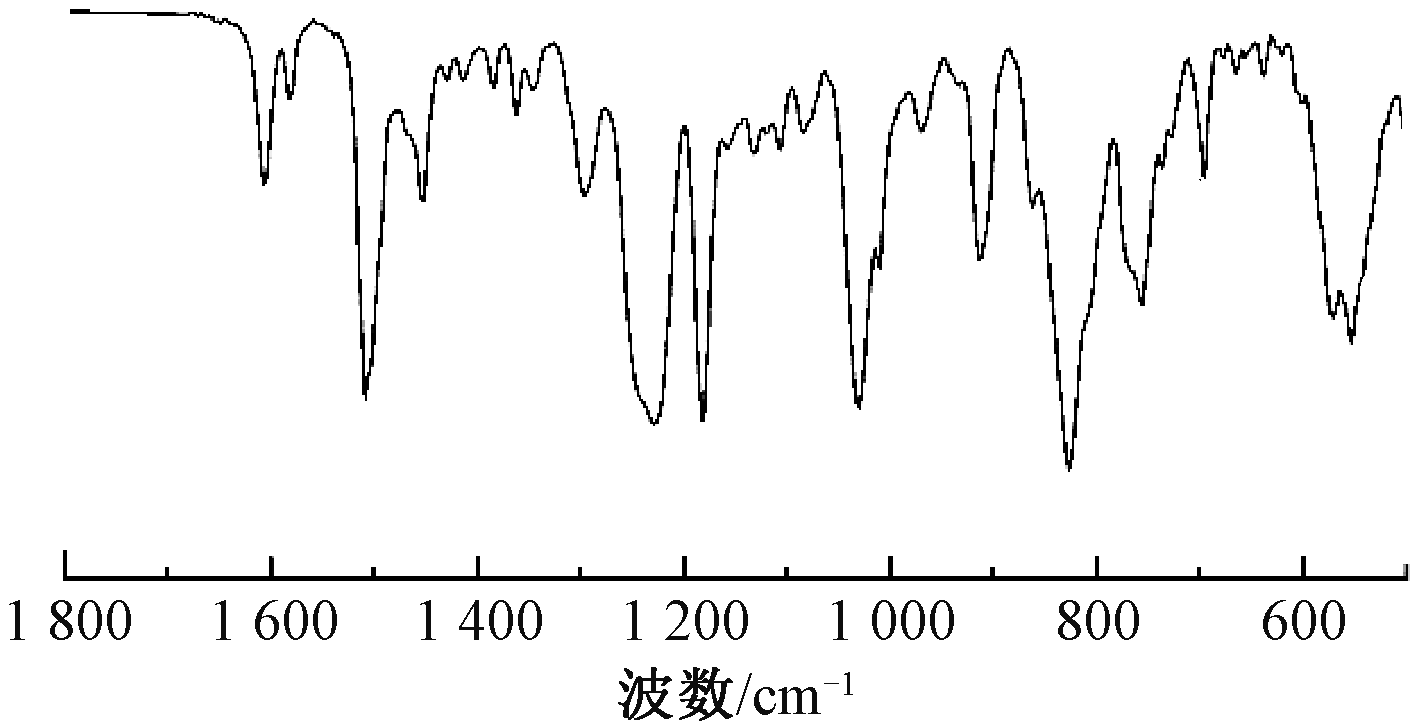
Fig.4

FT-IR spectra of NPEL-128 epoxy"

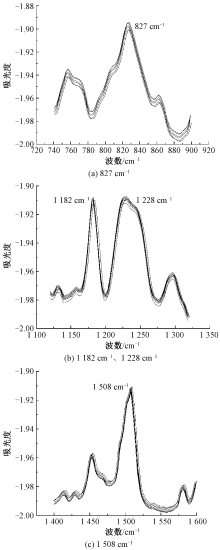
Fig.5

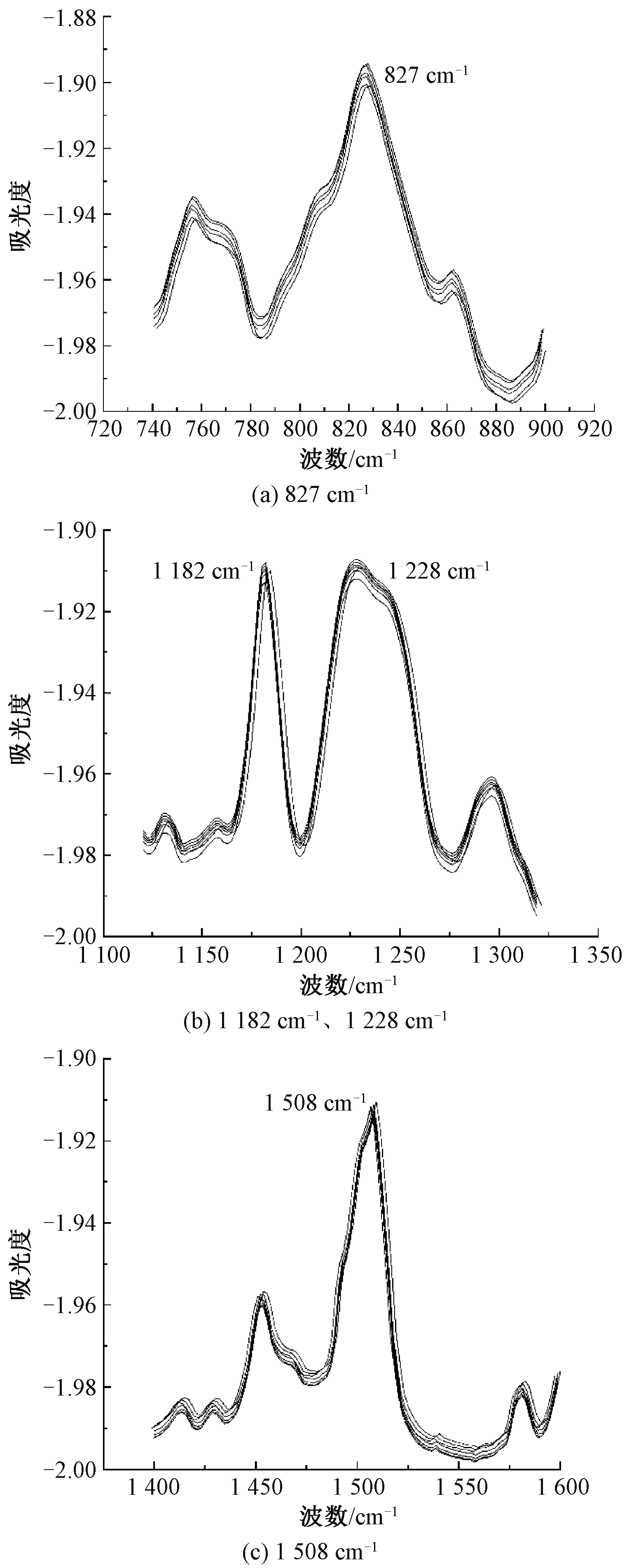
Absorbance at different wavelengths"

Fig.6

Conversion curves of curing reaction of epoxy groups with different characteristic peaks"

Fig.7

DSC curve of resin with heating rate of 10 ℃/min"

Tab.1

Compressive strength of specimens with different repair methods in 25 ℃"

试样 固化
温度/℃
压缩强度/
MPa
标准差 修复率/%
原试样 398.4 20.007
损伤试样 295.4 23.860
常规修复 25 302.4 17.213 7
10% RPC 25 303.6 19.269 8
20%RPC 25 306.2 19.057 10
25%RPC 25 313.4 11.631 17
35%RPC 25 308.8 20.765 13
45%RPC 25 307.8 21.064 12

Tab.2

Compressive strength of specimens with different repair methods in 60 ℃"

试样 固化
温度/℃
压缩
强度/MPa
标准差 修复
率/%
原试样 398.4 20.007
损伤试样 295.4 23.860
常规修复试样 60 305 15.540 9
10%RPC修复试样 60 306.4 13.296 11
20%RPC修复试样 60 312.6 19.919 17
25%RPC修复试样 60 322.6 22.512 26
35%RPC修复试样 60 315.8 8.814 20
45%RPC修复试样 60 311.4 15.565 16

Fig.8

60 ℃ load-displacement curves of different samples"

Fig.9

CT scan of specimen. (a) Uninjured sample;(b) Damaged sample after impact; (c) Repaired sample with 25% RPC solution at 60 ℃ for 7 days"

[1] 李鹏, 杜艺博, 黄培炜, 等. 基于无壁型微脉管的光能损伤自修复复合材料[J]. 材料导报, 2022, 36(2): 204-208.
LI Peng, DU Yibo, HUANG Peiwei, et al. Self-repairing composite material of light energy damage based on microvessel without wall[J]. Materials Report, 2022, 36(2): 204-208.
[2] RAFIEE R. On the mechanical performance of glass-fibre-reinforced thermosetting-resin pipes: a review[J]. Composite Structures, 2016, 143: 151-164.
[3] KHAN M A, KUMAR A S, KUMARAN S T, et al. Effect of tool wear on machining GFRP and AISI D2 steel using alumina based ceramic cutting tools[J]. Silicon, 2019, 11(1): 153-158.
[4] SINGH J, KUMAR M, KUMAR S, et al. Properties of glass-fiber hybrid composites: a review[J]. Polymer-Plastics Technology and Engineering, 2017, 56(5): 455-469.
[5] SHARMA V, MEENA M L, KUMAR M. Mechanical properties of unfilled and particulate filled glass fiber reinforced polymer composites: a review[J]. Advances in Polymer Composite: Mechanics, Characterization and Applications, 2019, 2057(1):1-8.
[6] PRAJAPATI A R, DAVE H K, RAVAL H K. Impact energy absorption and fracture mechanism of FFF made fiberglass reinforced polymer composites[J]. Rapid Prototyping Journal, 2023, 29: 275-287.
[7] WANG HAIJIN, SUN JIE, LI Jianfeng, et al. Investigation on delamination morphology during drilling composite laminates[J]. The International Journal of Advanced Manufacturing Technology, 2014, 74: 257-266.
[8] SAEEDIFAR M, NAJAFABADI M A, ZAROUCHAS D, et al. Barely visible impact damage assessment in laminated composites using acoustic emission[J]. Composites Part B: Engineering, 2018, 152: 180-192.
[9] HAUTIER M, LÉVÊQUE D, HUCHETTE C, et al. Investigation of composite repair method by liquid resin infiltration[J]. Plastics, Rubber and Composites, 2010, 39(3-5): 200-207.
[10] KIM H J, KIM H S, LEE G Y, et al. Three-dimensional carbon fiber composite printer for CFRP repair[J]. Composites Part B: Engineering, 2019, 174: 1-8.
[11] THUNGA M, AKINC M, KESSLER M R. Tailoring the toughness and CTE of high temperature bisphenol E cyanate ester (BECy) resin[J]. Express Polymer Letters, 2014, 8(5): 336-344.
[12] LAI W L, SAEEDIPOUR H, GOH K L. Mechanical properties of low-velocity impact damaged carbon fibre reinforced polymer laminates: effects of drilling holes for resin-injection repair[J]. Composite Structures, 2020, 235: 1-7.
[13] BAUER A E. Injection repair of advanced aircraft composites with a high temperature cyanate ester resin[D]. Ames: Iowa State University, 2013: 4-12.
[14] SHIN J H, CHOE H S, LEE J S, et al. Injection repair of CFRP using a multi-wall carbon nanotubes-modified epoxy resin: flexural and compression behavior[J]. Journal of Composite Materials, 2022, 56(28): 4231-4244.
[15] THUNGA M, BAUER A, OBUSEK K, et al. Injection repair of carbon fiber/bismaleimide composite panels with bisphenol E cyanate ester resin[J]. Composites Science and Technology, 2014, 100: 174-181.
[16] JI Y, YUAN B, HU X, et al. Repairing sharp delamination cracks in CFRP through capillary action of acetone-diluted resin solution[J]. Composites Science and Technology, 2022, 219: 1-8.
[17] WANG B, HU X, LU P. Improvement of adhesive bonding of grit-blasted steel substrates by using diluted resin as a primer[J]. International Journal of Adhesion and Adhesives, 2017, 73: 92-99.
[18] HAN X, YUAN B, TAN B, et al. Repair of subsurface micro-cracks in rock using resin pre-coating technique[J]. Construction and Building Materials, 2019, 196: 485-491.
[1] DING Yuqin, DONG Zhijia, CONG Honglian, GE Meitong. Structural design and performance of unidirectional moisture-transfer weft-knitted forming fabrics [J]. Journal of Textile Research, 2023, 44(11): 83-89.
[2] YIN Ang, CONG Honglian. Design and structure optimization of warp knitted unidirectional moisture conducting fabrics [J]. Journal of Textile Research, 2023, 44(04): 86-91.
[3] YANG Zhensheng, WANG Bingshuai. Preparation and performance of allyl polyalkoxy epoxy ether [J]. Journal of Textile Research, 2022, 43(03): 103-109.
[4] . Development of unidirectional water-transfer fabrics [J]. Journal of Textile Research, 2016, 37(05): 167-172.
[5] . Capillary effect and moisture absorption and liberation property of yarns blended with some environment friendly fibers [J]. JOURNAL OF TEXTILE RESEARCH, 2013, 34(9): 34-0.
[6] FAN Fei;QI Hongjin. Relationship between capillary properties and configurations and wicking capability of fabric [J]. JOURNAL OF TEXTILE RESEARCH, 2007, 28(7): 38-41.
[7] XU Ruichao;ZHANG Yiping;CHEN Li′na. Properties of differential capillary effect of knitted sportswear fabrics [J]. JOURNAL OF TEXTILE RESEARCH, 2007, 28(3): 20-22.
Viewed
Full text


Abstract

Cited

  Shared   
  Discussed   
No Suggested Reading articles found!