Journal of Textile Research ›› 2026, Vol. 47 ›› Issue (06): 196-203.doi: 10.13475/j.fzxb.20251002101

• Machinery & Equipment • Previous Articles     Next Articles

Measurement of pressure distribution in squeezing zone of sizing machine using thin-film pressure sensor

WANG Kuang, PAN Xinming, GUO Mingrui, WANG Jingan, GAO Weidong()   

  1. College of Textile Science and EngineeringJiangnan University, WuxiJiangsu 214122, China
  • Received:2025-10-14 Revised:2026-04-19 Online:2026-06-15 Published:2026-08-19
  • Contact: GAO Weidong E-mail:gaowd@163.com

Abstract:

Objective Warp sizing is a key process for improving weaving efficiency, in which the pressure distribution in the squeezing zone plays a decisive role in size penetration and membrane formation. However, the conventional methods, such as the indentation method, can only estimate squeezing width without being able to characterize the actual pressure distribution. To address this limitation, this study proposes a pressure detection method, based on the use of a thin-film pressure sensor, to characterize the pressure distribution in the squeezing zone.

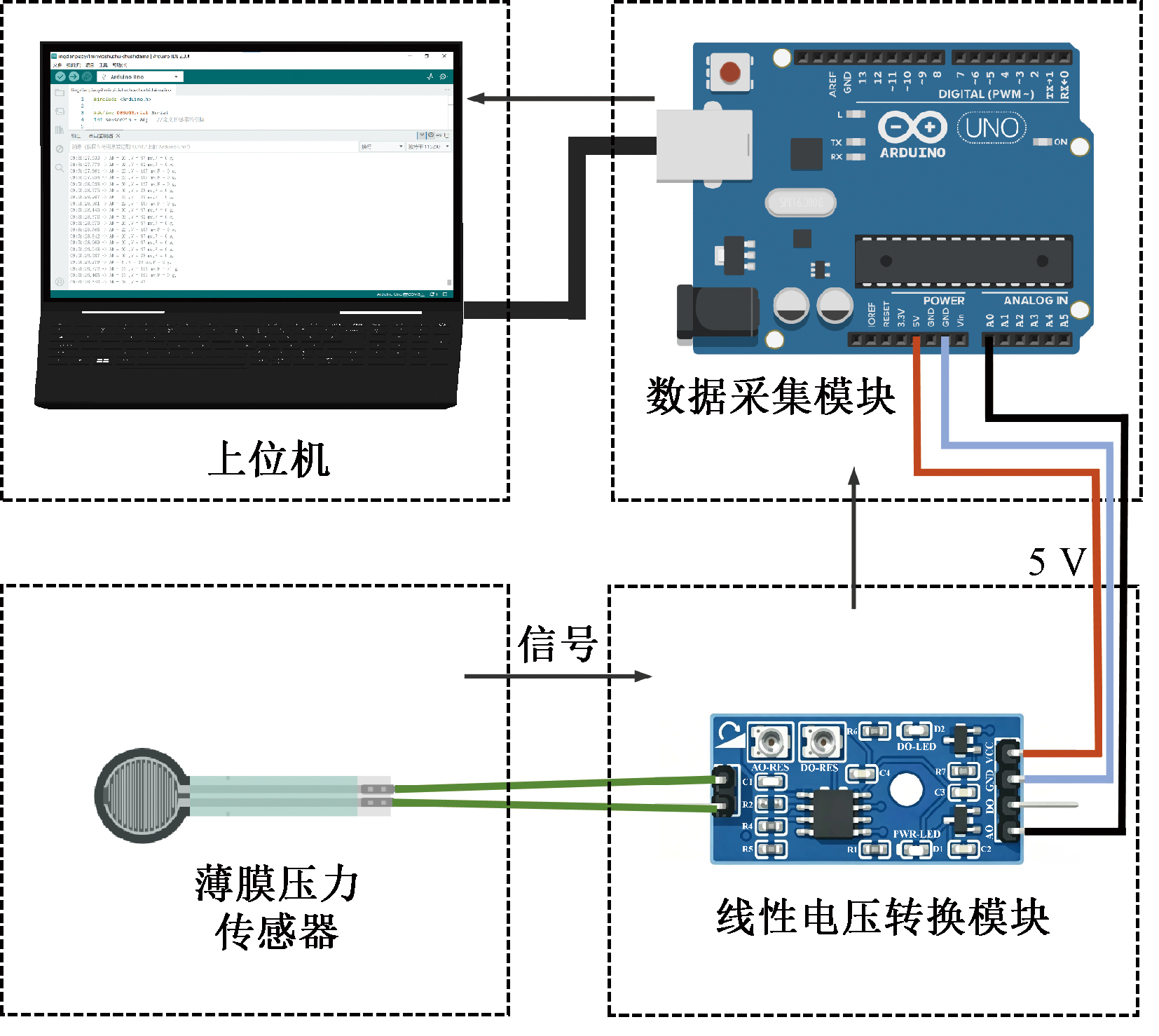
Method A pressure data acquisition system was developed, consisting of a thin-film pressure sensor, a linear voltage conversion module, an Arduino Uno R3, and a host computer data acquisition software. After sensor selection and system calibration, the sensor was mounted on the surface of the squeezing roller to measure the pressure under different levels of squeezing force and hardness and thickness of the rubber covering. The acquired signals were processed using a mean filter for noise reduction. A one-dimensional Gaussian function was then employed to fit the pressure data, from which two characteristic indicators, namely maximum pressure and squeezing time, were extracted to represent the pressure distribution.

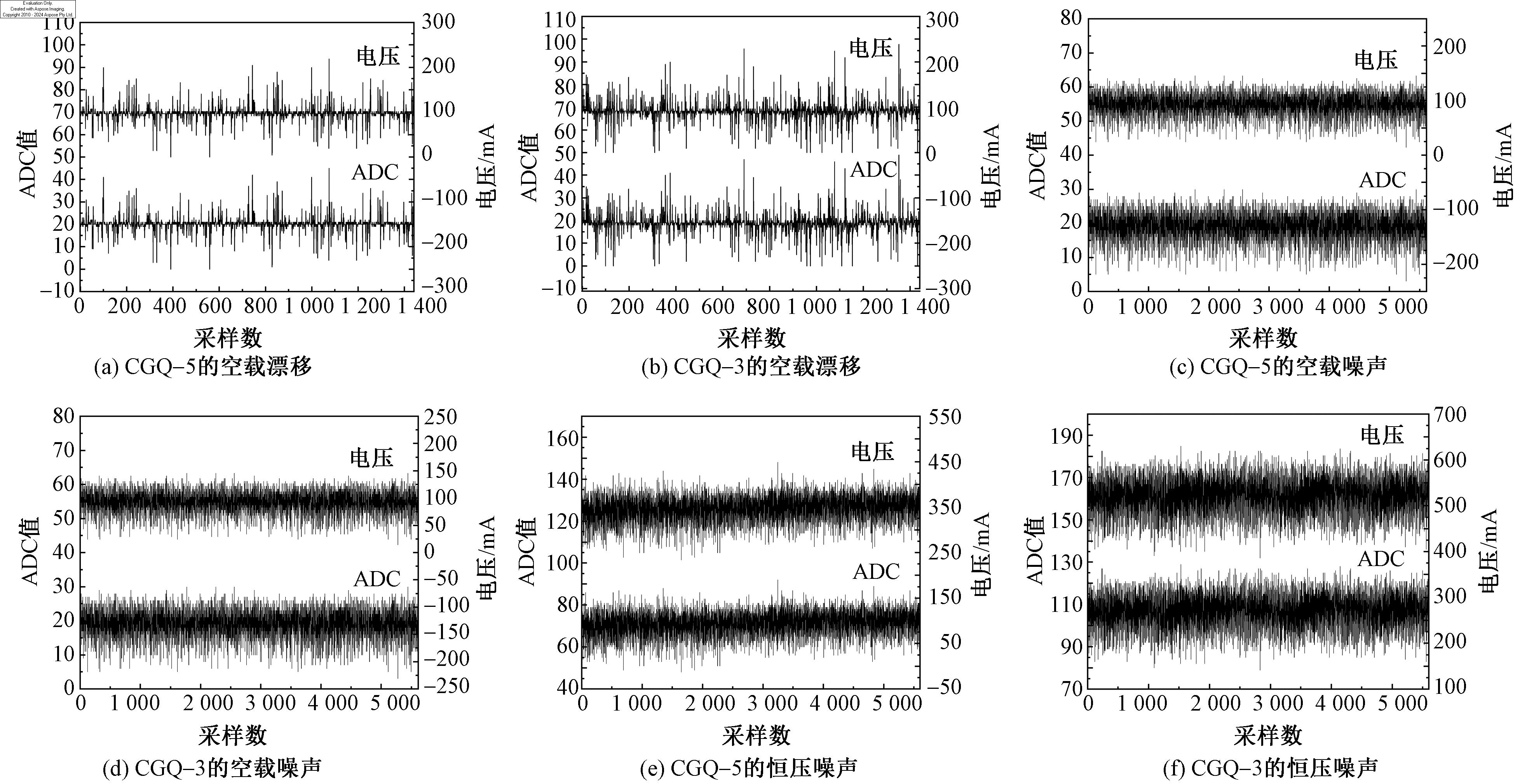
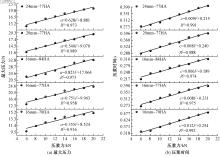
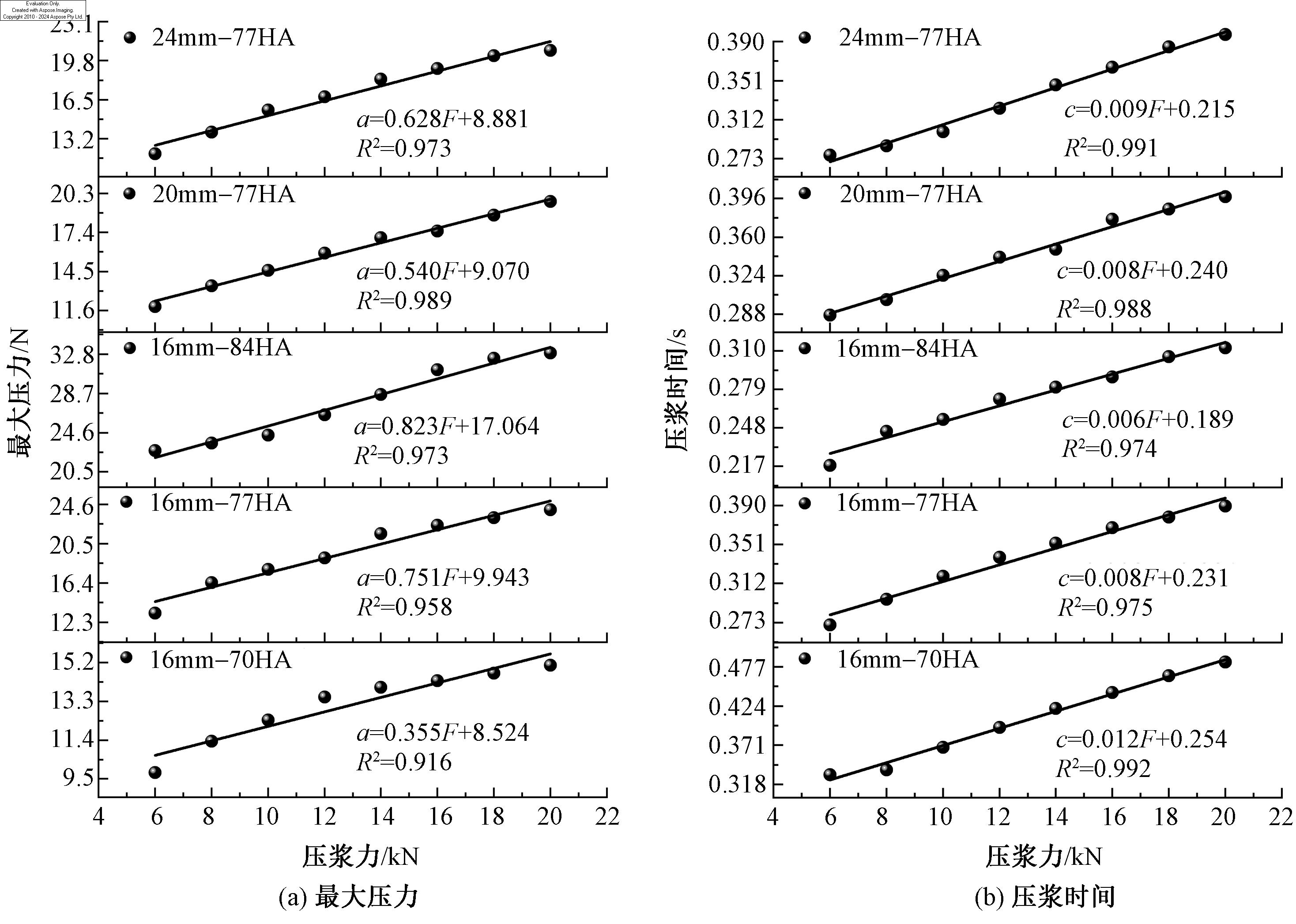
Results The proposed method captured the pressure distribution in the squeezing zone with success under various operating conditions. The CGQ-5 thin-film pressure sensor demonstrated better stability and lower noise than the CGQ-3 sensor, as evidenced by smaller standard deviations in both analog-to-digital converter (ADC) values and voltage signals. For example, in the no-load drift test, the standard deviations of ADC and voltage for the CGQ-5 sensor were 3.69 and 18.06, respectively, compared with 4.86 and 23.74 for the CGQ-3 sensor. Similar advantages were observed in the no-load noise and constant-pressure noise tests. After calibration, the effective voltage range of 110 - 3 300 mV corresponded to a pressure range of 0.294-98.07 N, ensuring reliable voltage-to-pressure conversion. Signal processing results showed that the mean filter achieved a standard deviation of 661.07, a Pearson correlation coefficient of 0.918, and a peak retention of 82.63%, indicating an optimal balance between noise reduction and dynamic response. The one-dimensional Gaussian function fitting achieved coefficients of determination (R2) higher than 0.95, demonstrating that the pressure distribution was well characterized. Compared with the indentation method, the proposed approach was capable of distinguishing subtle differences in pressure distribution. Further analysis revealed that both maximum pressure and squeezing time increased linearly with squeezing force, with average R2 values of 0.961 9 and 0.983 9, respectively. Increasing rubber covering hardness led to higher maximum pressure but reduced squeezing time, whereas increasing rubber covering thickness resulted in a nonlinear trend, with maximum pressure decreasing first and then increasing, and squeezing time showing the opposite tendency. These results are consistent with theoretical expectations, further supporting the capability of the proposed method to characterize the pressure distribution in the squeezing zone.

Conclusion A method for pressure detection in the squeezing zone of a sizing machine was developed based on the use of a thin-film pressure sensor. By integrating sensor selection, system calibration, signal processing, and one-dimensional Gaussian function fitting, the method enables accurate characterization of pressure distribution. The extracted indicators, maximum pressure and squeezing time, effectively reflect variations under different process conditions. Compared with conventional methods, the proposed method provides more comprehen

Key words: sizing machine, pressure distribution measurement, thin-film pressure sensor, squeezing force, squeezing roller rubber covering parameter, squeezing zone

CLC Number: 

  • TS103.6

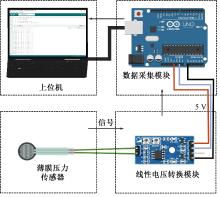
Fig.1

Schematic diagram of pressure data acquisition system"

Tab.1

Main parameters of thin-film pressure sensors"

量程/N 98.07
传感器厚度/mm ≤0.1
传感器总长/mm 150
响应时间/ms <10
工作温度/℃ -30~60
工作湿度/% 0~95
使用寿命/万次 >50

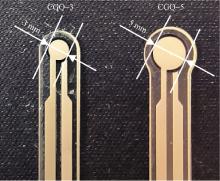
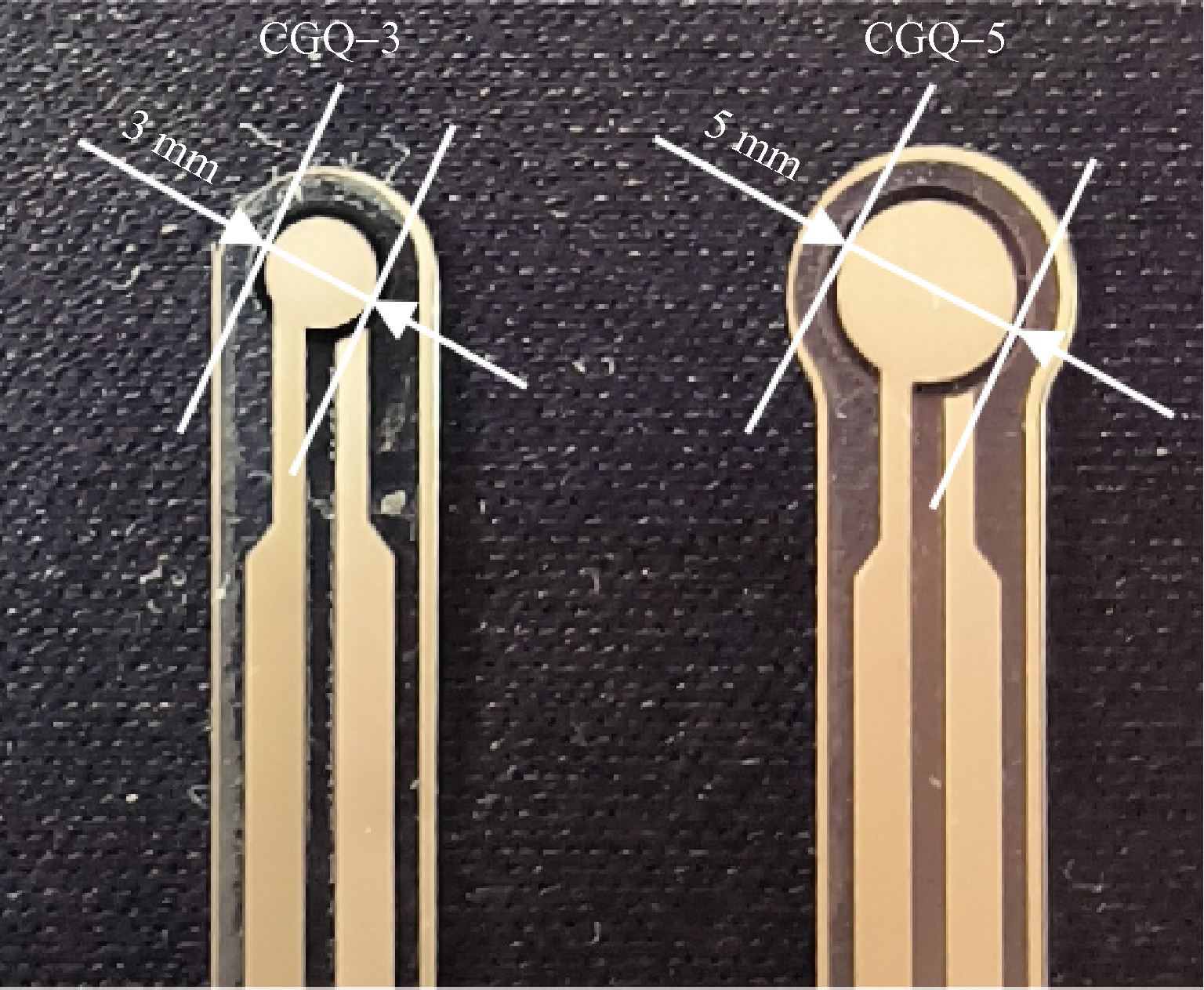
Fig.2

Sensing area of thin-film pressure sensors"

Fig.3

No-load drift, no-load noise, and constant-pressure noise of CGQ-5 and CGQ-3 sensors. (a) No-load drift of CGQ-5; (b) No-load drift of CGQ-3; (c) No-load noise of CGQ-5; (d) No-load noise of CGQ-3; (e) Constant-pressure noise of CGQ-5; (f) Constant-pressure noise of CGQ-3"

Tab.2

Test results of no-load drift, no-load noise, and constant-pressure noise of CGQ-5 and CGQ-3 sensors"

项目 ADC值 电压/mV
CGQ-5 CGQ-3 CGQ-5 CGQ-3
空载漂移 20.16±3.69 18.76±4.86 97.86±18.06 90.99±23.74
空载噪声 19.09±4.02 18.86±4.94 92.76±19.68 91.63±24.14
恒压噪声 74.54±5.66 108.35±7.51 363.88±27.69 529.06±36.69

Tab.3

Smoothing effect, dynamic response, and peak retention performance of different filtering methods"

方法 标准差 皮尔逊相关系数 峰值保持率/%
原始数据 678.845 1 100
均值滤波 661.069 0.918 82.63
中值滤波 670.337 0.901 84.86
高斯滤波 666.371 0.841 84.13
EMA 553.359 0.807 70.03

Fig.4

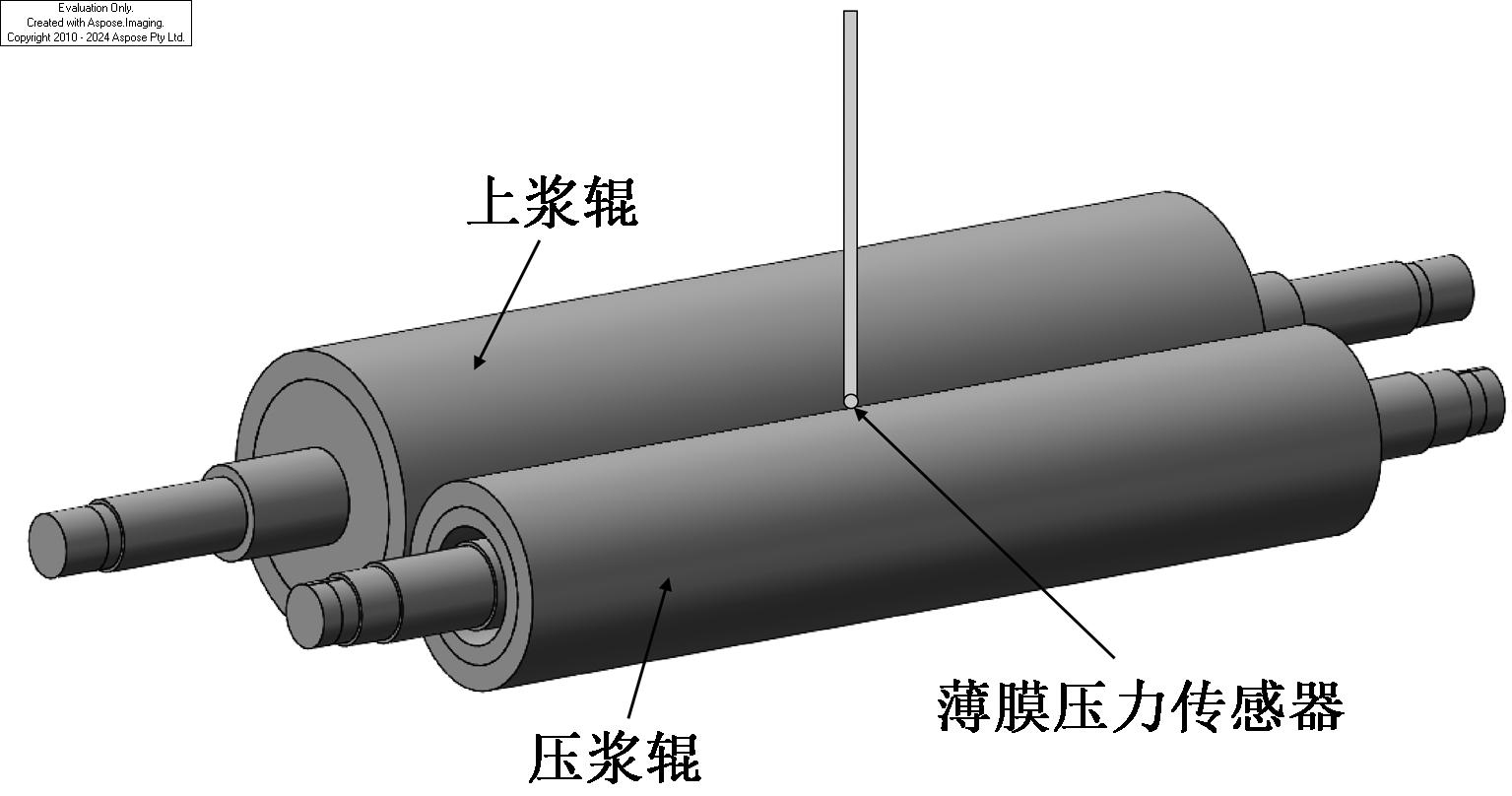
Schematic diagram of pressure distribution measurement in squeezing zone of sizing machine"

Fig.5

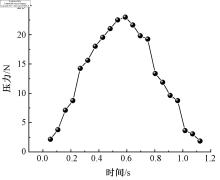
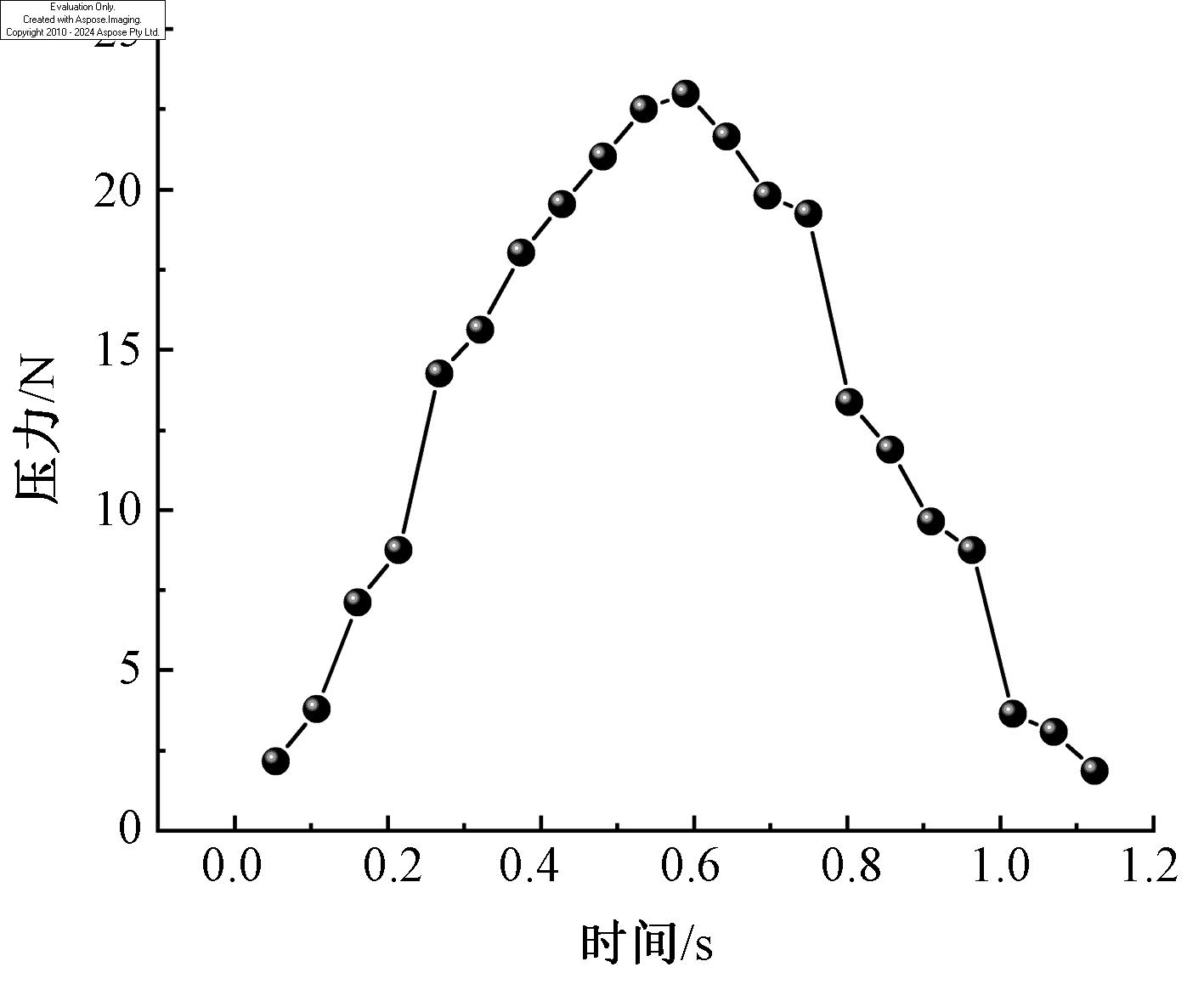
Pressure distribution curve of 16mm-77HA under squeezing force of 16 kN"

Fig.6

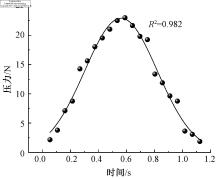
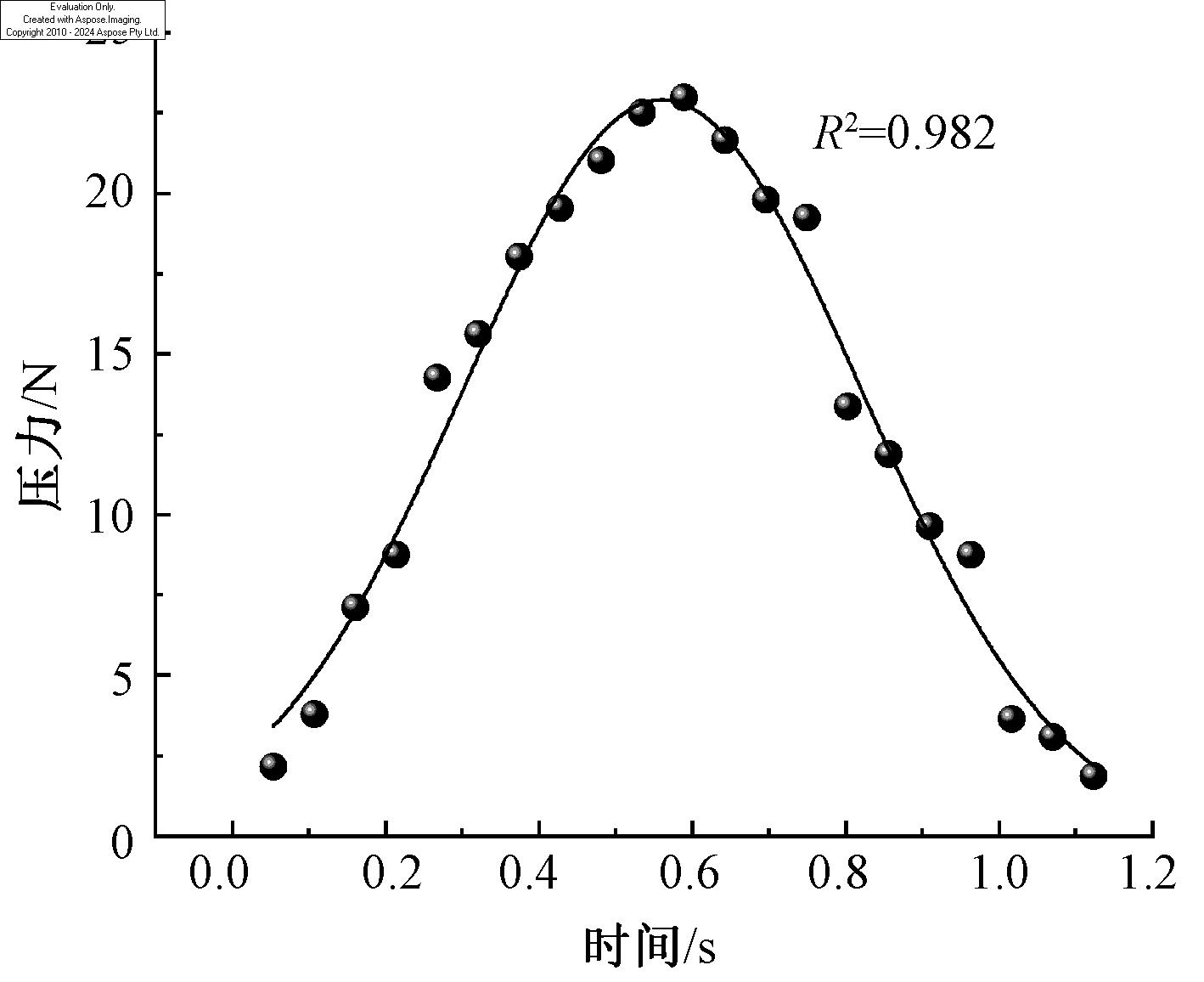
Fitting curve of one-dimensional Gaussian function for pressure data of 16mm-77HA under a squeezing force of 16 kN"

Fig.7

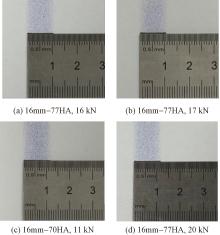
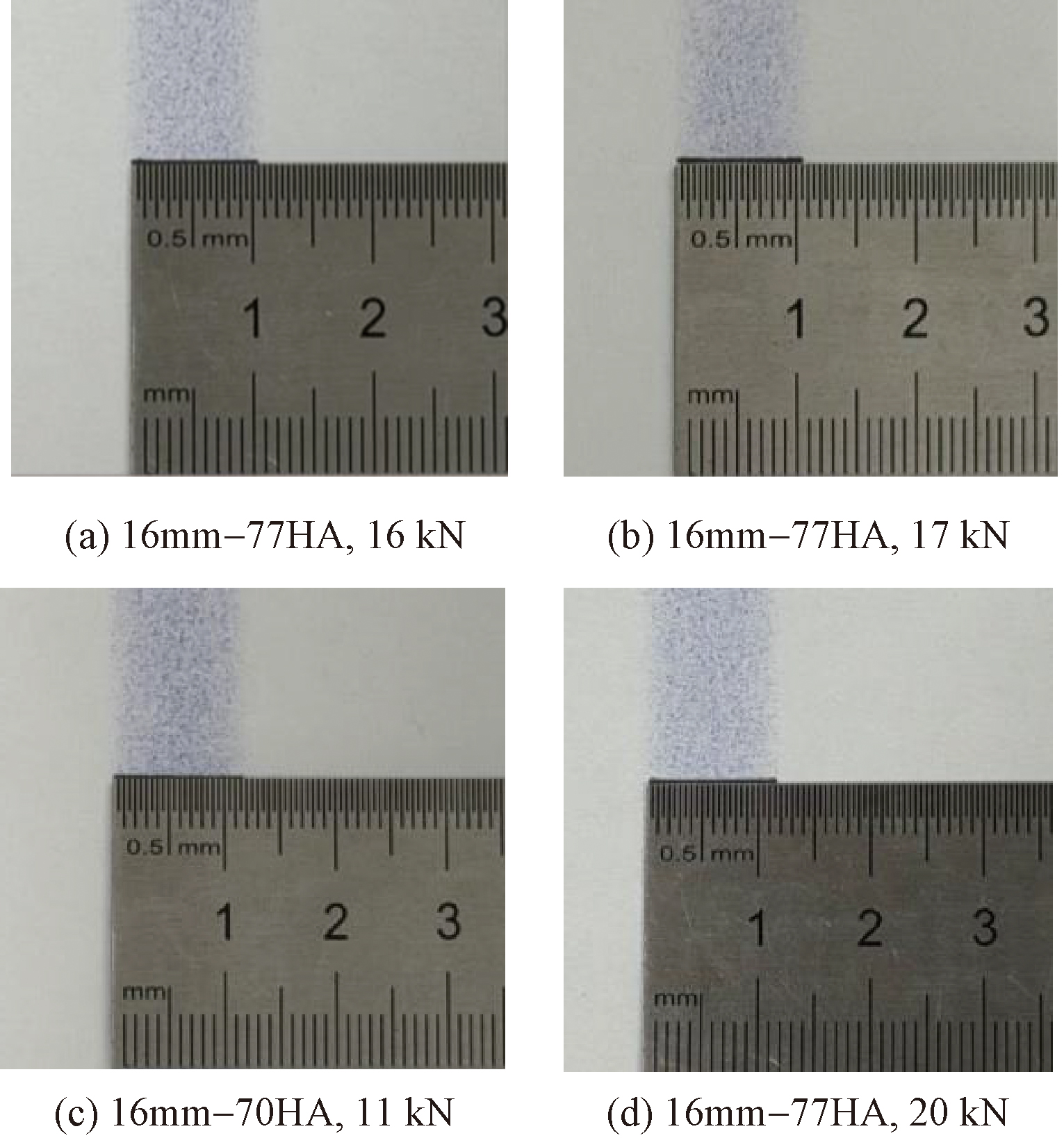
Comparison of indentation width obtained by indentation method under different conditions"

Fig.8

Effect of squeezing force on maximum pressure (a) and squeezing time (b)"

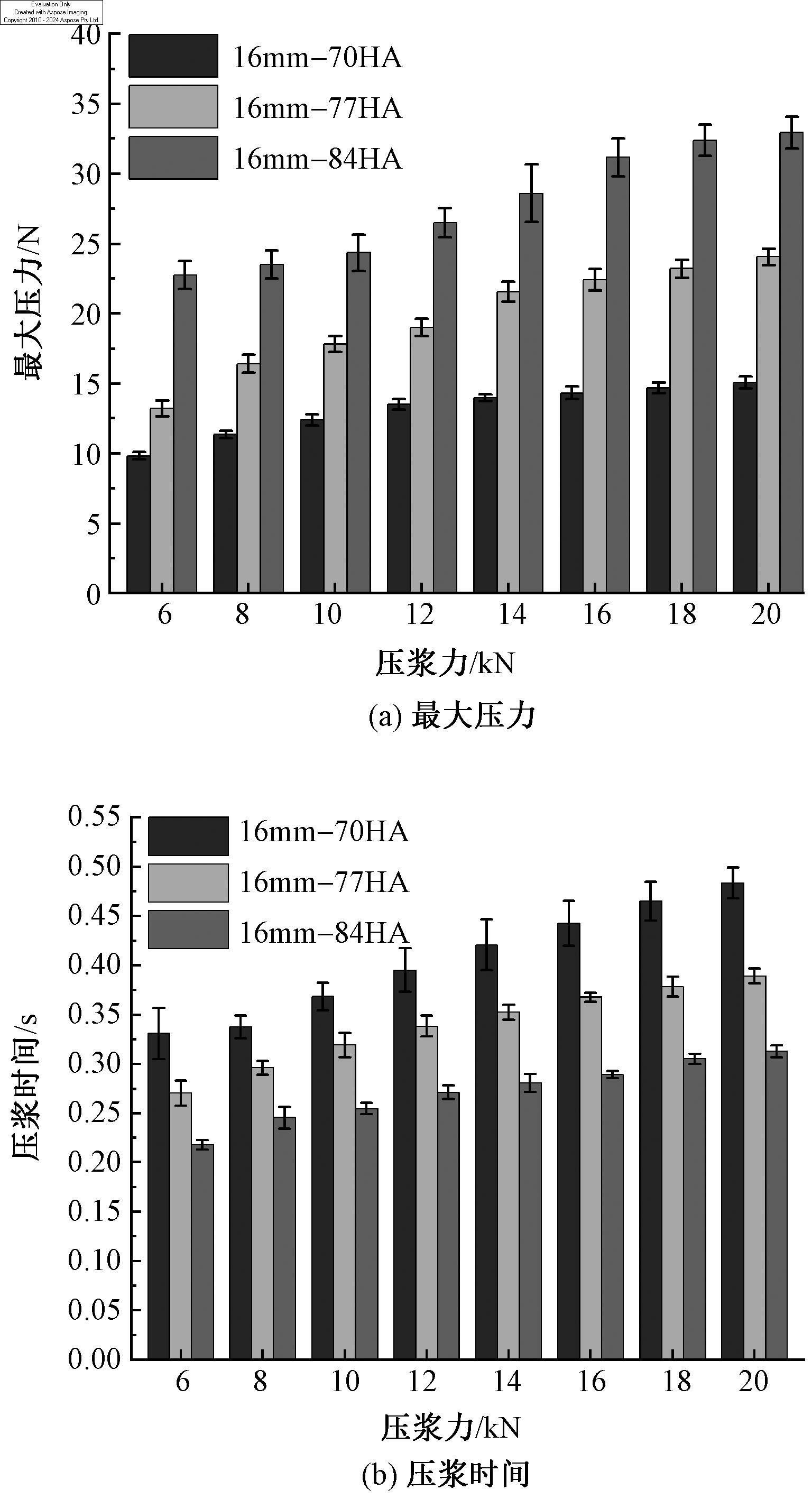
Fig.9

Effect of rubber covering hardness on maximum pressure (a) and squeezing time (b)"

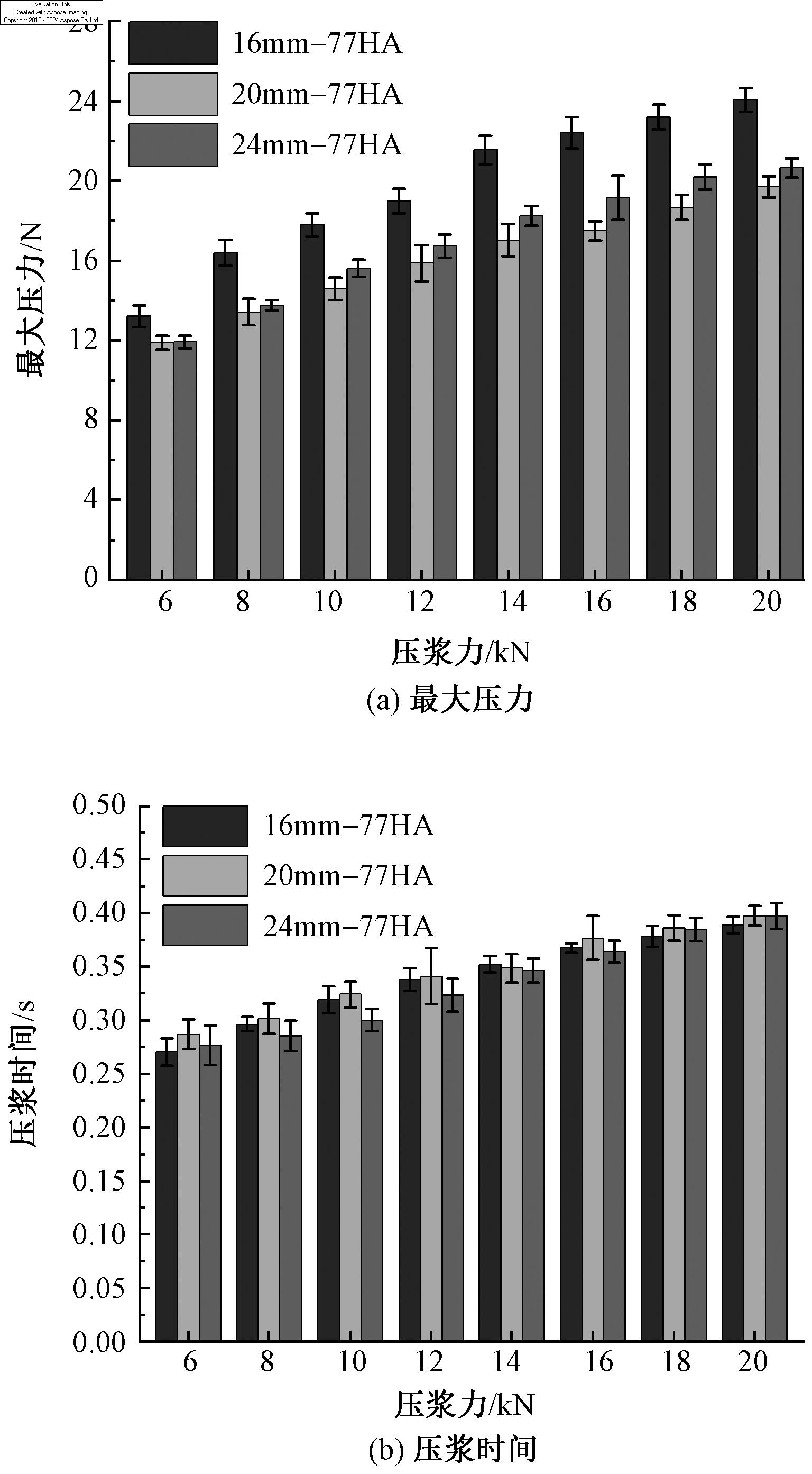
Fig.10

Effect of rubber covering thickness on maximum pressure (a) and squeezing time (b)"

[1] LIMENEH D Y, TESEMA A F, RAJAN K, et al. Comparing the cost-effectiveness and yarn quality improvement with PVA versus conventional maize starch as the sizing agents[J]. The Journal of Textile Institute, 2025, 116(6): 1002-1009.
[2] WANG K, GUO M R, WANG J G, et al. Effect of rubber hardness and thickness of the main squeezing roll on sized yarn performance in warp sizing: experimental and comprehensive evaluation[J]. Journal of Natural Fibers, 2025, 22(1): 2533355.
[3] 史蜜, 王文聪, 范雪荣, 等. 聚乙烯醇聚合度和醇解度对棉浆纱性能的影响[J]. 纺织学报, 2025, 46(9): 181-187.
SHI Mi, WANG Wencong, FAN Xuerong, et al. Influence of polyvinyl alcohol polymerization and alcoholysis degrees on performance of cotton-sized yarns[J]. Journal of Textile Research, 2025, 46(9): 181-187.
[4] WANG K, WANG J G, GAO W D. Enhancing warp sizing effect and quality: a comprehensive review of the squeezing process and future research[J]. Textile Research Journal, 2024, 94(19/20): 2296-2315.
[5] 沈艳琴, 武海良, 钱现. 浆纱机压浆力与压榨宽度的关系[J]. 纺织导报, 2005(7): 73-75.
SHEN Yanqin, WU Hailiang, QIAN Xian. The relation between squeezing pressure and squeezing width of sizing machine[J]. China Textile Leader, 2005(7): 73-75.
[6] 韩爱国. 高压上浆下宽幅浆纱机的结构设计研究[D]. 上海: 东华大学, 2019: 11-12.
HAN Aiguo. Research on structural design of wide width sizing machine under high pressure sizing[D]. Shanghai: Donghua University, 2019: 11-12.
[7] 洪仲秋. 全面理解高压上浆的优越性[J]. 棉纺织技术, 2002, 30(6): 12-15.
HONG Zhongqiu. Overall understanding the superiority of high-pressure sizing[J]. Cotton Textile Technology, 2002, 30(6): 12-15.
[8] 薛振华, 董延东, 丁浩, 等. 薄膜压力传感器在铁路运输行业中的运用[J]. 科学技术创新, 2024(23): 1-4.
XUE Zhenhua, DONG Yandong, DING Hao, et al. The application of thin-film pressure sensor in the railway transportation industry[J]. Scientific and Technological Innovation Information, 2024(23): 1-4.
[9] 刘杰, 高志. 基于柔性薄膜传感器的服装压力检测仪研制[J]. 纺织学报, 2021, 42(12): 159-165.
LIU Jie, GAO Zhi. Development of clothing pressure detector based on flexible film sensor[J]. Journal of Textile Research, 2021, 42(12): 159-165.
[10] 高敏, 张一帆, 洪成雨, 等. 基于FSR压电薄膜传感器鞋垫的足底压力缓冲研究[J]. 中国皮革, 2022, 51(1): 81-85.
GAO Min, ZHANG Yifan, HONG Chengyu, et al. Foot pressure cushioning based on force sensing resistors[J]. China Leather, 2022, 51(1): 81-85.
[11] QIAN L, YU C W. Pressure distribution in the drafting zone measured by film pressure sensors[J]. Textile Research Journal, 2023, 93(7/8): 1815-1823.
[12] HERTZ H R. On the contact of elastic solids[J]. Journal Fur Die Reine Und Angewandte Mathematik, 1882, 92: 156-171.
[13] 沈艳琴. 新型浆纱机浆槽部分性能测试与研究[D]. 西安: 西安工程大学, 2005: 37-38.
SHEN Yanqin. Measurement and study on properties of new sizing machine's size box[D]. Xi'an: Xi'an Polytechnic University, 2005: 37-38.
[14] 杨志清. 橡胶上浆辊与橡胶压浆辊的特点及其应用[J]. 现代纺织技术, 2009, 17(3): 21-24.
YANG Zhiqing. Feature and application of rubber covered sizing roller and squeezing roller[J]. Advanced Textile Technology, 2009, 17(3): 21-24.
[1] SHI Mi, WANG Wencong, FAN Xuerong, GAO Weidong. Influence of polyvinyl alcohol polymerization and alcoholysis degrees on performance of cotton-sized yarns [J]. Journal of Textile Research, 2025, 46(09): 181-187.
[2] XU Lunyou, ZOU Kun, WU Haonan. Broken yarn detection on warp beam zone of sizing machine based on machine vision [J]. Journal of Textile Research, 2025, 46(06): 231-239.
Viewed
Full text


Abstract

Cited

  Shared   
  Discussed   
No Suggested Reading articles found!