Journal of Textile Research ›› 2025, Vol. 46 ›› Issue (06): 212-222.doi: 10.13475/j.fzxb.20240606801

• Machinery & Equipment • Previous Articles     Next Articles

Hierarchical positioning method for wireless signal clustering in winding machine assembly workshops

DING Siyi1,2,3,4(), TONG Huihui5, MAO Xinhua4, ZHANG Jie1,2,3   

  1. 1. Institute of Artificial Intelligence, Donghua University, Shanghai 201620, China
    2. Engineering Research Center of Artificial Intelligence for Textile Industry, Ministry of Education, Donghua University, Shanghai 201620, China
    3. Shanghai Engineering Research Center of Industrial Big Data and Intelligent System, Shanghai 201620, China
    4. Beijing Chonglee Machinery Engineering Co., Ltd., Beijing 101111, China
    5. College of Information Science and Technology, Donghua University, Shanghai 201620, China
  • Received:2024-06-28 Revised:2024-11-22 Online:2025-06-15 Published:2025-07-02

Abstract:

Objective The objective of this research is to develop an efficient and accurate positioning method tailored for the complex environment of winding machine assembly workshops. These workshops present unique challenges due to their large size, intricate layouts, and the high precision required for the accurate placement and movement of materials and equipment. Effective positioning is crucial for optimizing production processes, improving resource allocation, and reducing operational costs. Traditional positioning methods have certain limitations: for instance, global positioning system has low positioning accuracy in indoor environments, while other methods (such as infrared or ultra-wideband (UWB)) can provide higher precision but are costly to deploy and complex to maintain. Therefore, this study selects wireless networks(WiFi) as the foundational positioning technology, as its signals are widely distributed in indoor environments, possess strong penetration capabilities, and offer a more cost-effective and deployable solution compared to other approaches. This research aims to develop a hierarchical positioning method based on WiFi to meet the specific needs of winding machine assembly workshops.

Method The proposed method integrates three key algorithms, i.e., the XGBoost classification model, the K-means clustering algorithm, and the weighted K-nearest neighbors (WKNN) algorithm. The methodology is divided into several stages. ① Analysis of wireless network environment. A thorough analysis of the wireless network environment in the assembly workshop is conducted to understand its characteristics and specific positioning requirements. ② Initial fingerprint database construction. The workshop is divided into functional areas, such as assembly, testing, and processing zones. Reference points are strategically placed throughout these areas, and the received signal strength indicator (RSSI) values are collected to create an initial fingerprint database. ③ Clustering and database refinement: K-means clustering is used to segment the fingerprint database into smaller, more manageable clusters. This step ensures that the RSSI data within each cluster are more homogeneous, improving the accuracy of subsequent localization steps. ④ Model training. The XGBoost classification model is trained using the refined fingerprint database. This model is responsible for coarse localization, identifying the sub-region where the target is located. ⑤ Fine localization. Within the identified sub-region, the WKNN algorithm is applied to achieve precise positioning. This two-tiered approach, combining coarse and fine localization, enhances both the accuracy and efficiency of the positioning process.

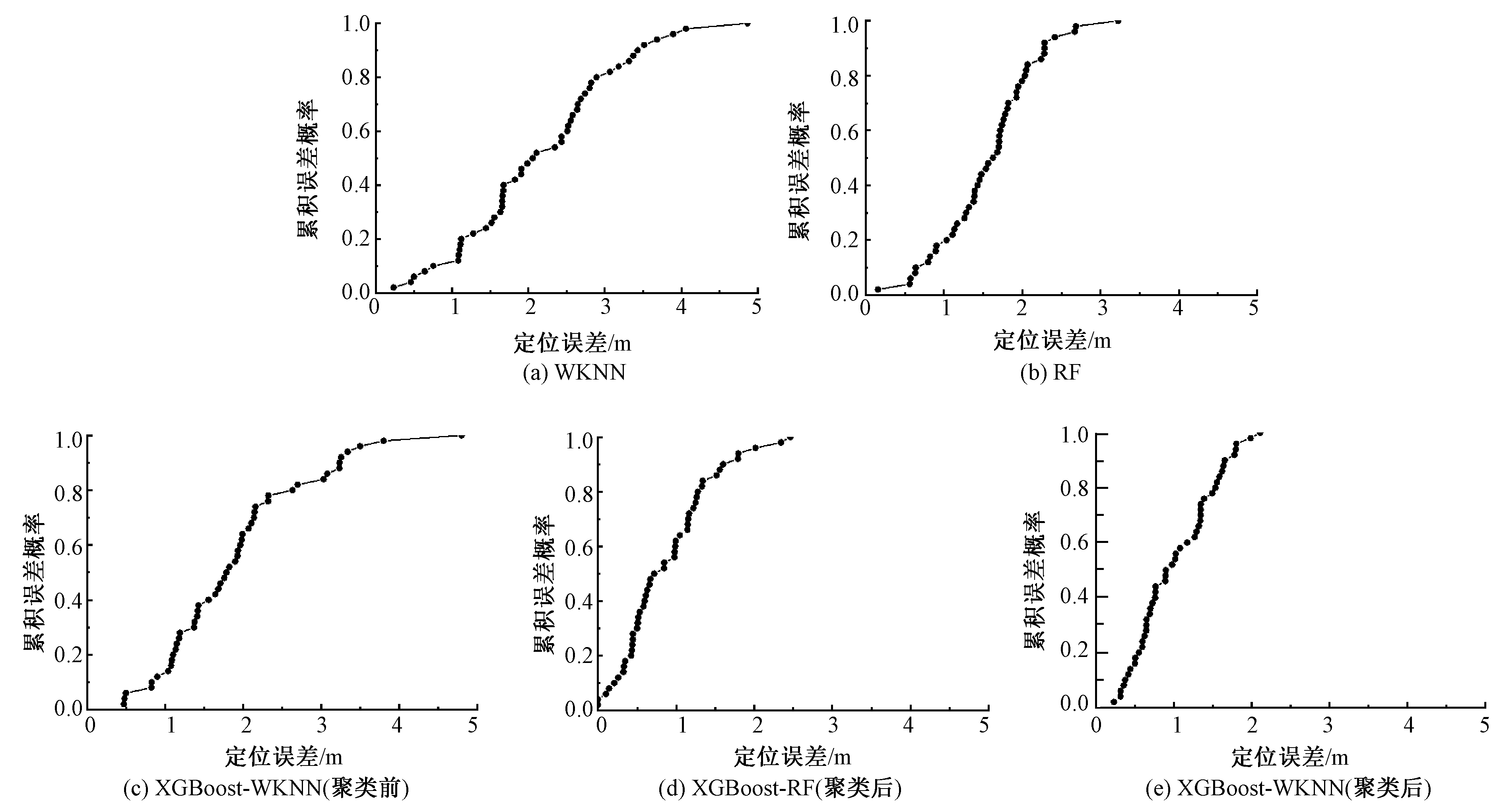
Results The proposed hierarchical WiFi positioning method was evaluated in a simulated workshop environment. The experimental results demonstrate significant improvements in both positioning accuracy and efficiency compared to traditional methods. Specifically, the method achieves a 143.82% improvement in positioning accuracy over conventional WKNN algorithms, with the average positioning error reduced to 0.89 m. Additionally, the average positioning time is shortened to 2.76 ms. Detailed performance metrics, including average positioning errors and cumulative distribution functions (CDF) for various algorithms, highlight the advantages of the proposed method. For instance, when positioning error thresholds are set at 3 m, the proposed method achieves a 100% success rate, significantly outperforming other methods such as RF and unclustered hierarchical algorithms. These results underscore the method's effectiveness in complex and dynamic workshop environments.

Conclusion This study introduces a novel WiFi-based hierarchical positioning algorithm specifically designed for the winding machine assembly workshop environment. By integrating XGBoost, K-means, and WKNN algorithms, the proposed method significantly enhances positioning accuracy and system performance. The hierarchical approach not only improves precision but also reduces the computational load, making real-time positioning feasible in large-scale industrial settings. The improvements in positioning precision and efficiency are particularly beneficial for industrial applications, where accurate and timely location data are critical for optimizing operations and ensuring safety. Future research should focus on testing the algorithm in more varied and complex real-world environments to further validate its robustness. Additionally, strategies to mitigate the impact of environmental changes on positioning accuracy should be explored. A comprehensive cost-benefit analysis of implementing this system in actual industrial settings would also provide valuable insights for practical deployment. Overall, this research contributes to the advancement of wireless network positioning technologies, offering a practical and efficient solution for the challenges faced in winding machine assembly workshops. The proposed method aligns with the goals of Industry 4.0, supporting the transition towards smarter, more automated manufacturing processes.

Key words: winding machine assembly workshop, wireless network, hierarchical positioning method, XGBoost classification model, K-means clustering algorithm, weighted K-nearest neighbors algorithm

CLC Number: 

  • TN99

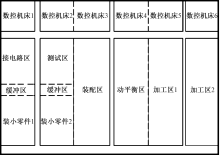
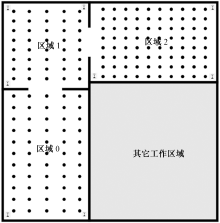
Fig.1

Plan of internal structure of assembly hall of fiberwinding machine"

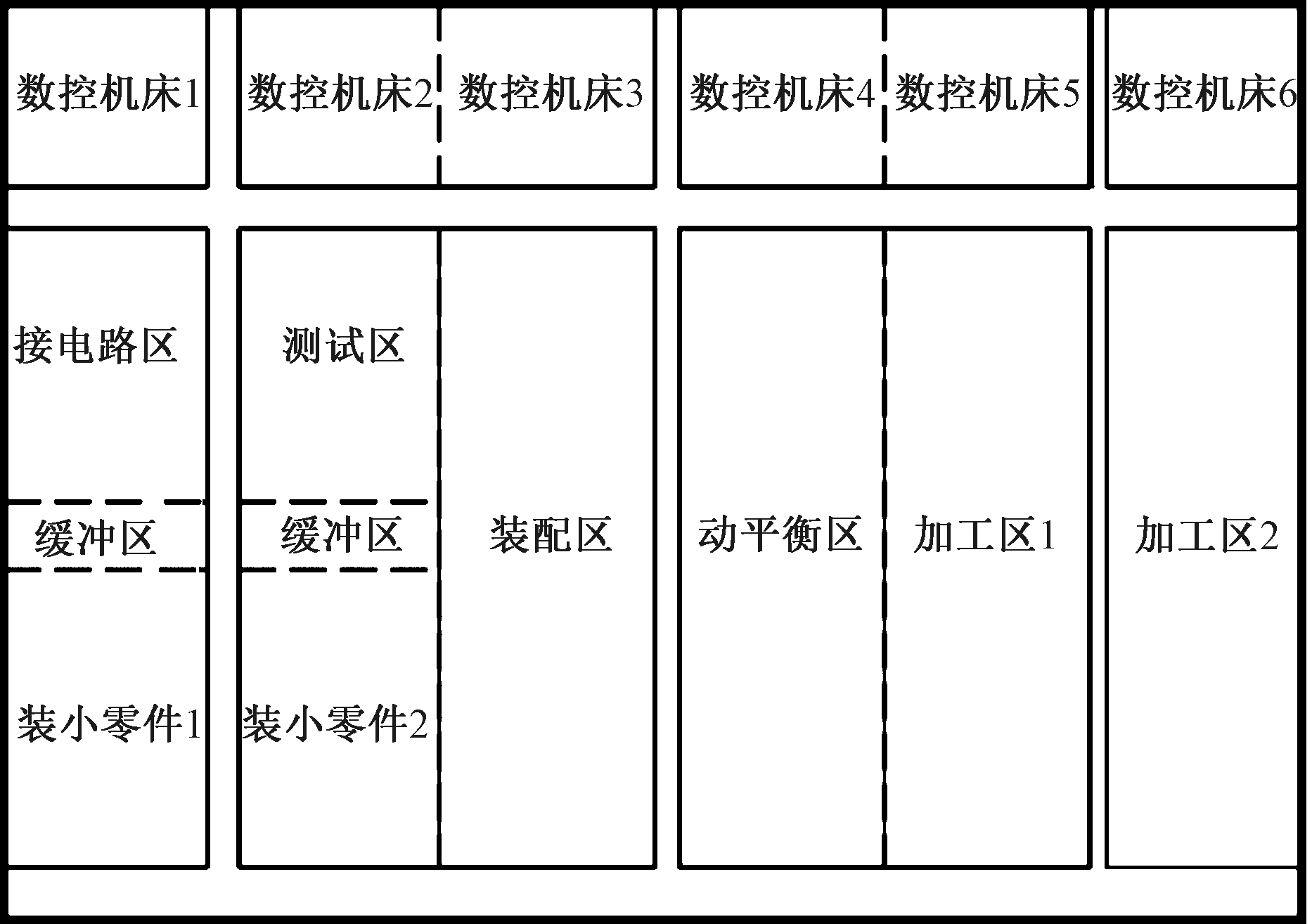
Fig.2

Flow of XGBoost-WKNN-based clustering hierarchical localization method for wireless networks"

Fig.3

Floor plan of experimental scenario"

Tab.1

XGBoost value range"

组别 参数名称 取值范围
第1组 n_estimators [5~200]
第2组 max_depth [1~5]
min_child_weight [1~10]
第3组 gamma [0.05~0.6]
第4组 subsample [0.6~1]
colsample_bytree [0.6~1]
第5组 alpha [0.01~3]
lambda [0.05~4]
第6组 learning_rate [0.01~0.4]

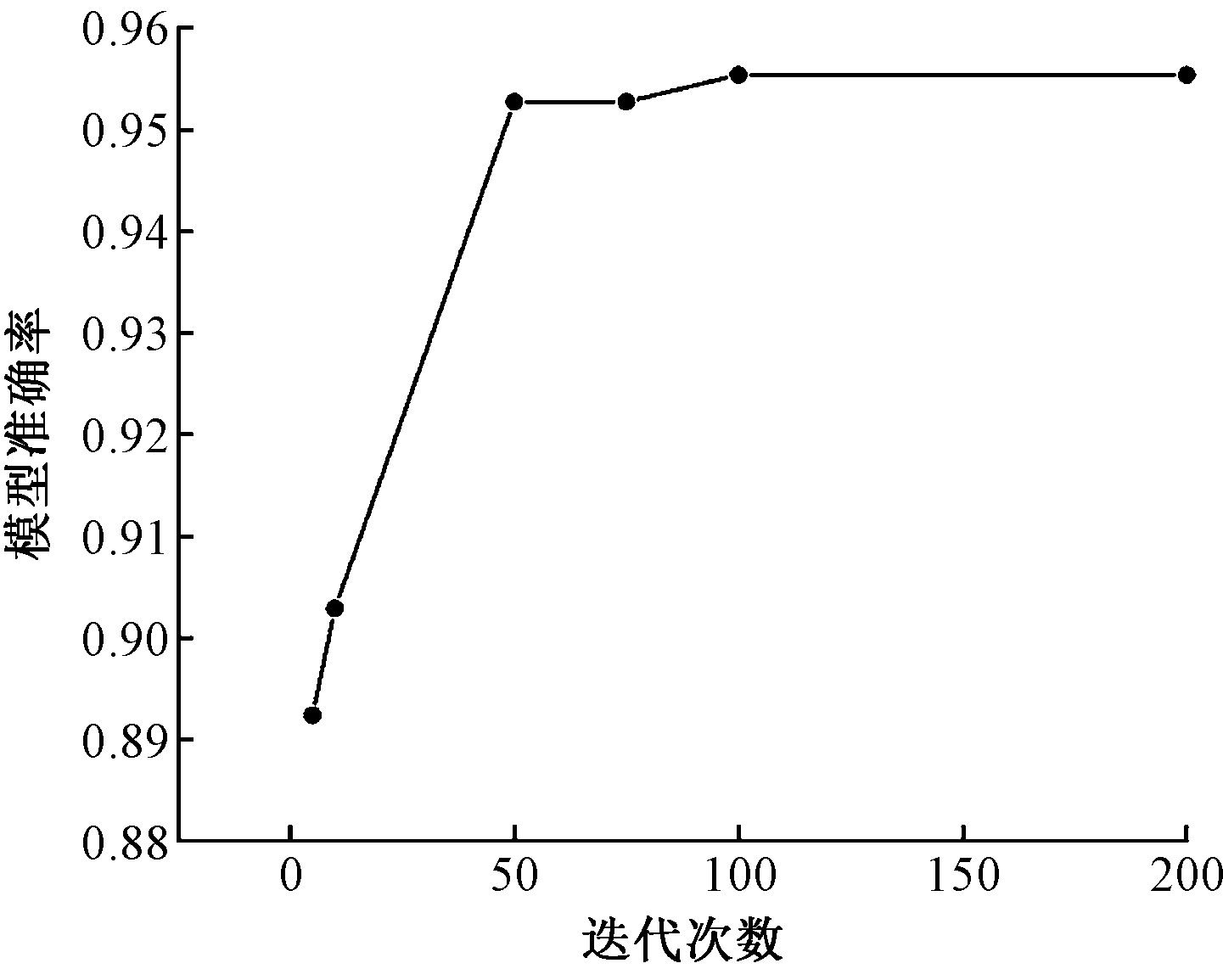
Fig.4

Training results of n_estimators"

Tab.2

Final parameters for XGBoost training"

参数名称 参数值
n_estimators 100
max_depth 8
min_child_weight 2
gamma 0.05
subsample 1
colsample_bytree 0.6
alpha 0.02
lambda 1
learning_rate 0.3

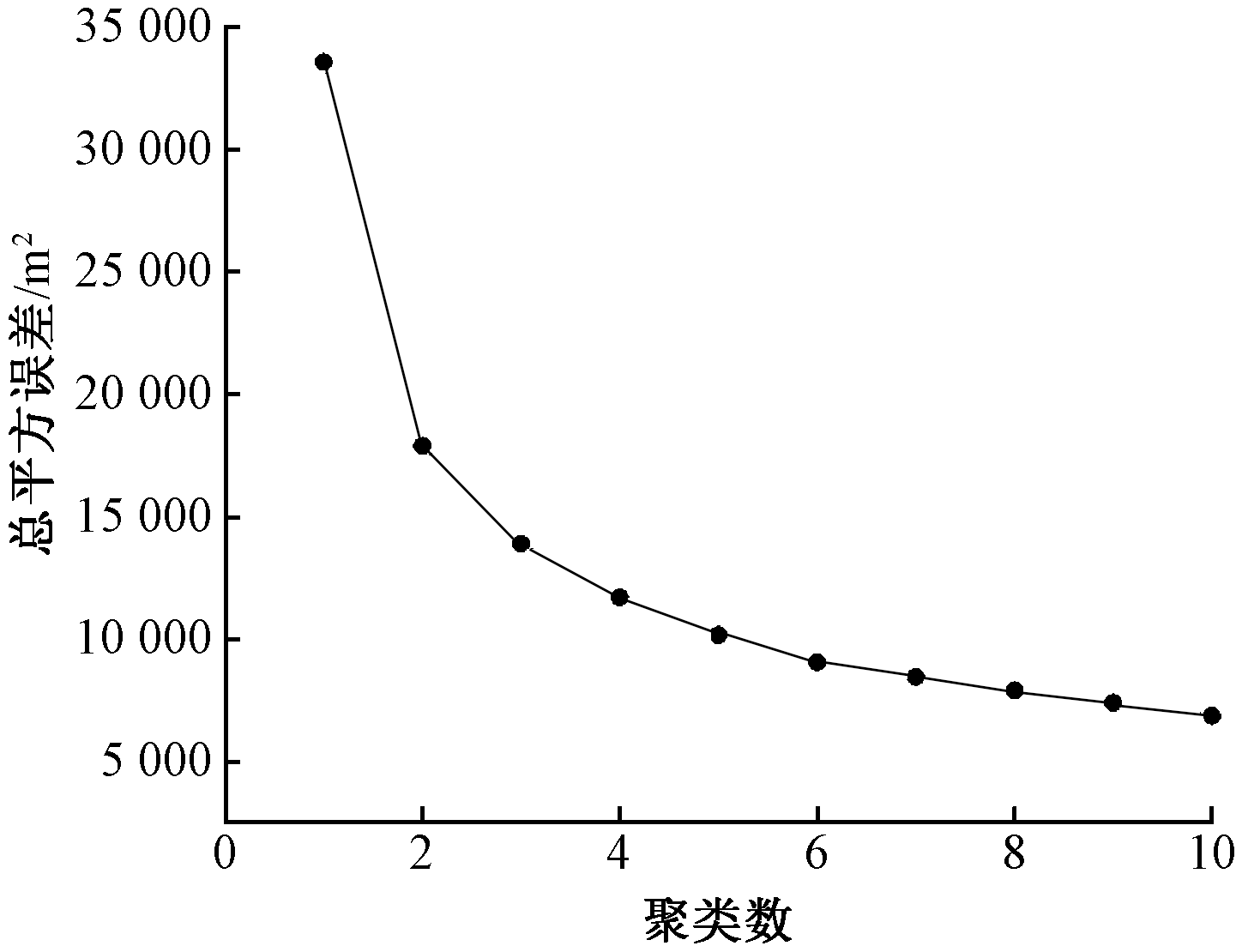
Fig.5

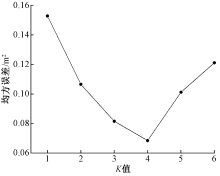
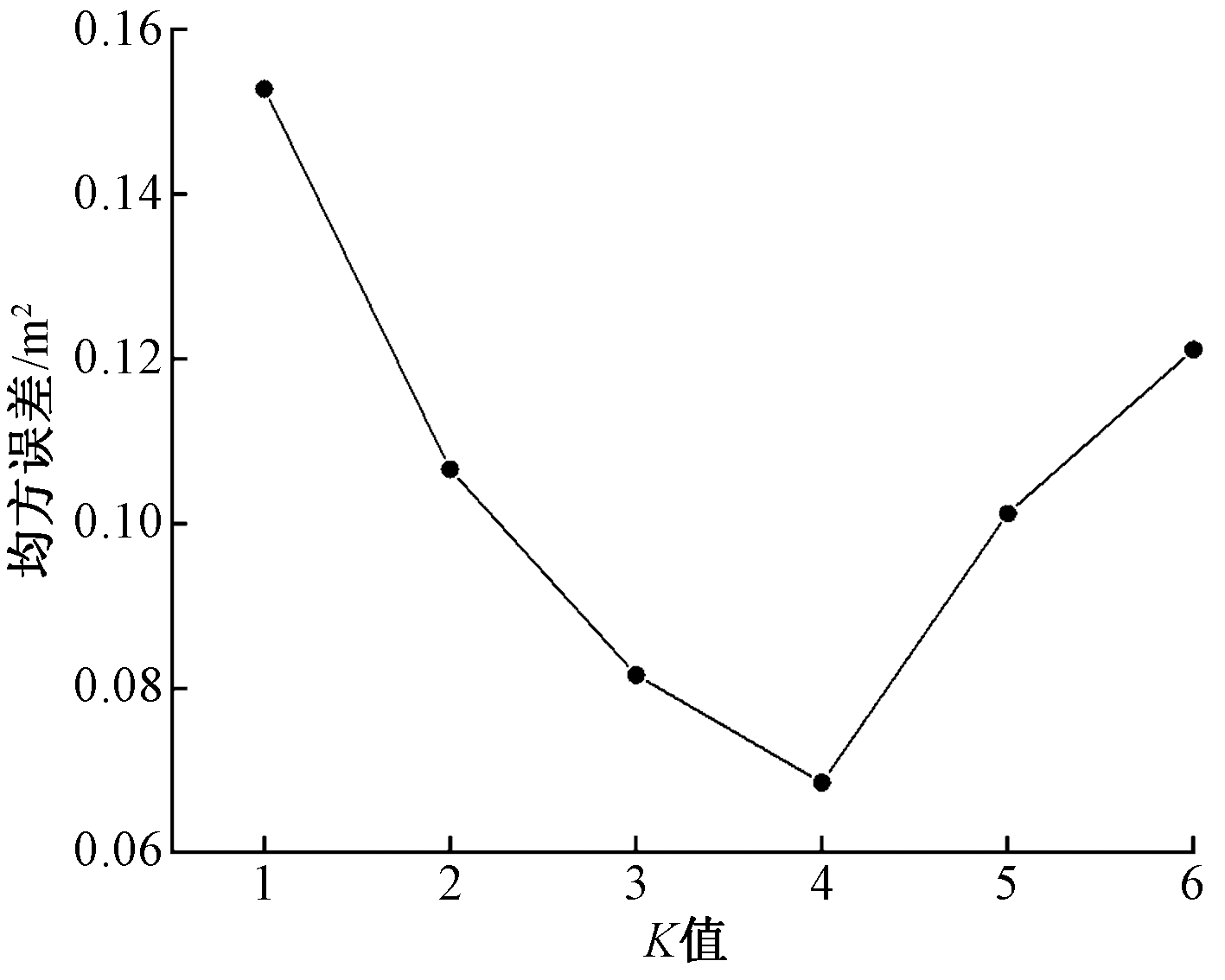
Elbow diagram of K-means algorithm"

Fig.6

Training results of WKNN"

Tab.3

K value for each fingerprint library"

子指纹库标签 00 01 02 10 20 21
K 3 1 3 4 5 5

Fig.7

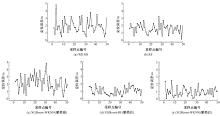
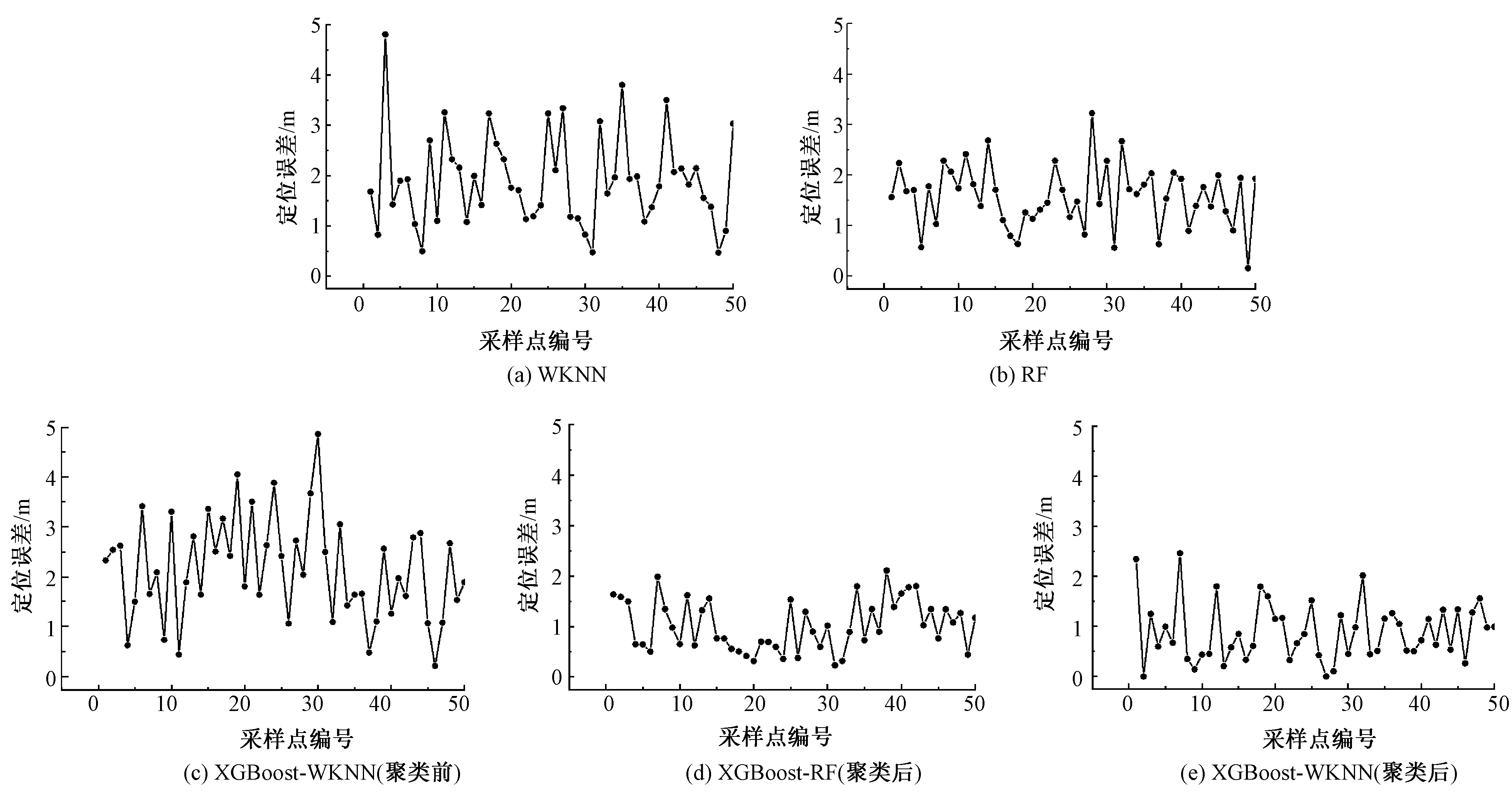
Positioning errors of different positioning algorithms. (a) WKNN; (b) RF; (c)XGBoost-WKNN(before clustering); (d) XGBoost-RT (after clustering); (e) XGBoost-WKNN(after clustering)"

Tab.4

Comparison of positioning accuracy of five positioning algorithms m"

定位技术 平均定位
误差
最大定位
误差
最小定位
误差
WKNN 2.17 4.81 0.23
RF 1.55 3.18 0.41
XGBoost-WKNN(聚类前) 1.77 4.86 0.31
XGBoost-RF(聚类后) 1.21 3.53 0.20
XGBoost-WKNN(聚类后) 0.89 2.46 0

Fig.8

Different cumulative error probability distributions.(a) WKNN; (b) RF; (c)XGBoost-WKNN(before clustering); (d) XGBoost-RF(after clustering); (e) XGBoost-WKNN(after clustering)"

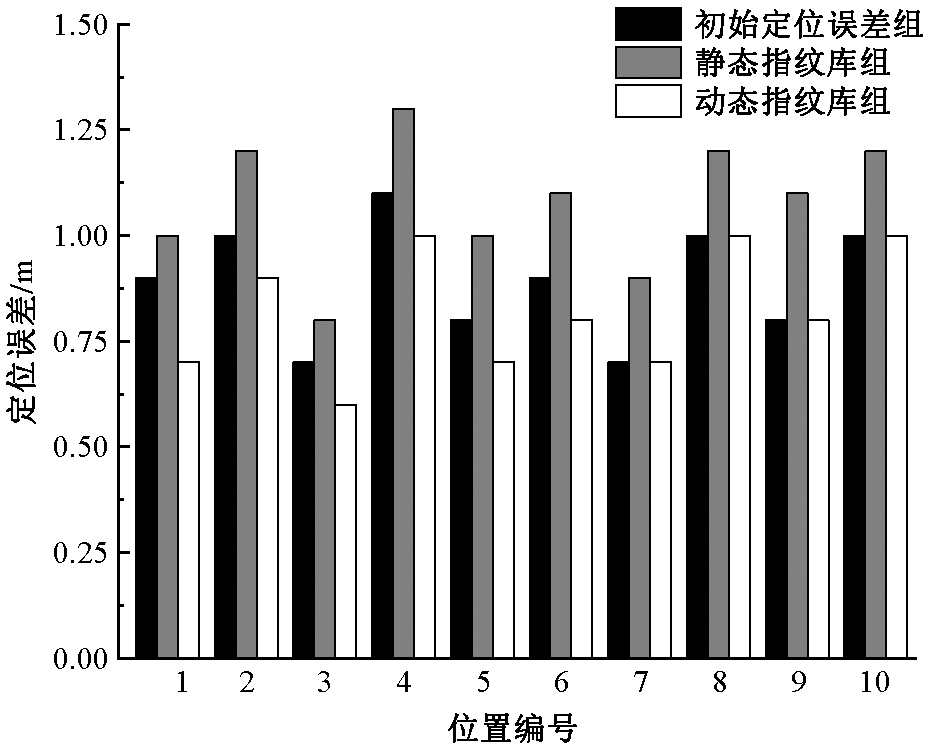
Fig.9

Localization error for three sets of experiments"

Tab.5

Positioning time comparison"

定位技术 训练时间/s 平均定位时间/ms
WKNN 7 3.45
RF 90 3.89
XGBoost-WKNN(聚类前) 98 3.18
XGBoost-RF(聚类后) 150 4.01
XGBoost-WKNN(聚类后) 124 2.76
[1] 袁春妹, 墨影, 夏小云. 化纤和非织造机械:应市场需求而动[J]. 纺织机械, 2023(6):34-35.
YUAN Chunmei, MO Ying, XIA Xiaoyun. Chemical fiber and nonwoven machinery: moving in response to market demand[J]. Textile Machinery, 2023(6):34-35.
[2] 和钰杭. 化纤卷绕机锭轴回转精度预测与优化[D]. 上海: 东华大学,2022:23-24.
HE Yuhang. Prediction and optimization of rotary accuracy of spindle shaft in chemical fiber winding machine[D]. Shanghai: Donghua University,2022:23-24.
[3] 刘甜萌. 高速卷绕锭轴支承系统动力学性能研究[D]. 上海: 东华大学,2022:14-15.
LIU Tianmeng. Research on the dynamic performance of high-speed winding spindle shaft support system[D]. Shanghai: Donghua University,2022:14-15.
[4] 何守磊. 自动落卷输送控制系统研究与开发[D]. 上海: 东华大学,2021:17-18.
HE Shoulei. Research and development of automatic unwinding and conveying control system[D]. Shanghai: Donghua University,2021: 17-18.
[5] 任杰, 张洁, 汪俊亮. 纺织典型装备故障多特征自适应提取方法[J]. 纺织学报, 2024, 45(4): 211-220.
REN Jie, ZHANG Jie, WANG Junliang. Multi-feature adaptive extraction method for textile typical equipment faults[J]. Journal of Textile Research, 2024, 45(4): 211-20.
[6] 任荟颖, 邹鲲, 胡小荣. 化纤长丝自动落卷系统仿真平台开发[J]. 纺织学报, 2019, 40(7): 151-157.
REN Huiying, ZOU Kun, HU Xiaorong. Development of simulation platform for automatic unwinding system of chemical fiber filament[J]. Journal of Textile Research, 2019, 40(7): 151-157.
[7] 李珣, 李哲文, 张婷文, 等. 面向纺织生产环境的移动机器人定位方法[J]. 纺织学报, 2023, 44(12): 170-180.
doi: 10.13475/j.fzxb.20220606701
LI Xun, LI Zhewen, ZHANG Tingwen, et al. A mobile robot localization method for textile production environment[J]. Journal of Textile Research, 2023, 44(12): 170-180.
doi: 10.13475/j.fzxb.20220606701
[8] 丁歆甯. 基于机器视觉的室内定位与地图构建研究[D]. 南京: 南京邮电大学,2021:30-32.
DING Xinning. Research on indoor localization and map construction based on machine vision[D]. Nanjing: Nanjing University of Posts and Telecommunications, 2021: 30-32.
[9] 刘韬, 徐爱功, 隋心. 基于自适应抗差卡尔曼滤波的UWB室内定位[J]. 传感技术学报, 2018, 31(4):567-572.
LIU Tao, XU Aigong, SUI Xin. UWB indoor localization based on adaptive anti-differential Kalman filtering[J]. Journal of Sensing Technology, 2018, 31(4):567-572.
[10] KWOK C Y T, WONG M S, GRIFFITHS S, et al. Performance evaluation of iBeacon deployment for location-based services in physical learning spaces[J]. Applied Sciences: Basel, 2020.DOI:10.3390/app10207126.
[11] CANOVAS O, LOPEZ-DE-TERUEL P E, RUIZ A. Detecting indoor/outdoor places using wifi signals and AdaBoost[J]. IEEE Sensors Journal, 2017, 17(5): 1443-53.
[12] CHON Y, CHA H. Lifemap: a smartphone-based context provider for location-based services[J]. IEEE Pervasive Computing, 2011, 10(2): 58-67.
[13] 刘晨旭, 王兴众, 郭浩年. 基于WiFi指纹的船舶人员定位算法[J]. 船舶物资与市场, 2023, 31(8):106-111.
LIU Chenxu, WANG Xingzhong, GUO Haonian. Ship personnel localization algorithm based on WiFi fingerprint[J]. Ship Materials and Markets, 2023, 31(8):106-111.
[14] 张静. 基于改进K-means聚类和WKNN算法的WiFi室内定位方法研究[D]. 呼和浩特: 内蒙古大学,2022:13-14.
ZHANG Jing. A research on wifi indoor positioning method based on improved K-means clustering and WKNN algorithm[D]. Hohhot: Inner Mongolia University, 2022:13-14.
[1] NIE Zimeng, DU Jinsong, ZHU Jianlong, YUE Chunming, GE Xuguang. Garment group customization sizing mechanism based on simulated size data [J]. Journal of Textile Research, 2023, 44(05): 191-197.
[2] REN Yanbo, JIANG Chao, WANG Jiaoqing, YU Lin, WANG Yuanyuan. Butterfly color analysis and application based on clustering algorithm and color network [J]. Journal of Textile Research, 2021, 42(05): 103-108.
[3] . Key technologies of interconnection of circular knitting machine [J]. JOURNAL OF TEXTILE RESEARCH, 2018, 39(05): 119-124.
Viewed
Full text


Abstract

Cited

  Shared   
  Discussed   
No Suggested Reading articles found!