纺织学报 ›› 2025, Vol. 46 ›› Issue (10): 206-216.doi: 10.13475/j.fzxb.20241104601

• 机械与设备 • 上一篇    下一篇

基于蚁群算法的纺纱车间多自动引导车协同路径规划

刘宜胜, 熊俊康, 戴宁(), 胡旭东   

  1. 浙江理工大学 全省柔性功能材料智能加工装备重点实验室, 浙江 杭州 310018
  • 收稿日期:2024-11-20 修回日期:2025-07-01 出版日期:2025-10-15 发布日期:2025-10-15
  • 通讯作者: 戴宁(1991—),男,讲师,博士。主要研究方向为纺织装备智能控制技术。E-mail:zstudn@zstu.edu.cn
  • 作者简介:刘宜胜(1979—),男,副教授,博士。主要研究方向为机电一体化装备。
  • 基金资助:
    浙江省教育厅科研项目资助项目(Y202455953);浙江理工大学科研启动基金项目(23242083-Y);浙江省“尖兵”“领雁”研发攻关计划资助项目(2022C01065);浙江省“尖兵”“领雁”研发攻关计划资助项目(2022C01202)

Multi-automated guided vehicles collaborative path planning in spinning workshop based on algorithm

LIU Yisheng, XIONG Junkang, DAI Ning(), HU Xudong   

  1. Zhejiang Key Laboratory of Intelligent Manufacturing Equipment for Flexible Functional Materials, Zhejiang Sci-Tech University, Hangzhou, Zhejiang 310018, China
  • Received:2024-11-20 Revised:2025-07-01 Published:2025-10-15 Online:2025-10-15

摘要:

纺纱车间中的多辆自动引导车(AGV)路径规划问题,涉及到单辆AGV的路径规划算法和多辆AGV的冲突策略,基于蚁群算法对单辆AGV进行路径规划,针对该算法易陷入死锁、转角较多和收敛迭代较慢的缺点,提出蚁群路径回溯策略、信息素增量奖惩以及转角引导优化措施。实验结果表明:在复杂环境的同等条件下,改进算法的死锁数量为基础算法的16.4%,收敛迭代次数为27.1%,路线的转角次数均达到全局最优。针对多辆AGV的冲突策略,使用优先级和时间窗融合算法,用优先级分配搬运任务,时间窗算法检测分类冲突类型,对不同的冲突类型进行处理。验证结果表明,融合算法可识别并处理纺纱车间中的多AGV冲突问题。该方法在纺纱车间的多AGV路径协同规划中具有较高的应用价值。

关键词: 改进蚁群算法, 多自动引导车冲突策略, 协同路径规划, 纺纱车间, 路径冲突

Abstract:

Objective To meet the demands for intelligent spinning workshops driven by the widespread use of automated guided vehicles (AGVs), this study addresses critical challenges in AGV path planning. For single-AGV path planning, prevalent issues include a high risk of algorithm stagnation leading to deadlock, excessive redundant turns in planned paths, and slow convergence speed. Concurrently, frequent path conflicts among multiple AGVs require effective resolution strategies. To tackle these problems, this research aims to develop an improved ant colony optimization algorithm combined with a hybrid conflict resolution strategy. The objectives are to enhance the efficiency of individual AGV path planning and achieve conflict-free path coordination for multi-AGV collaborative operation. This integrated approach is expected to significantly improve the overall operational efficiency of AGV systems within spinning workshops.

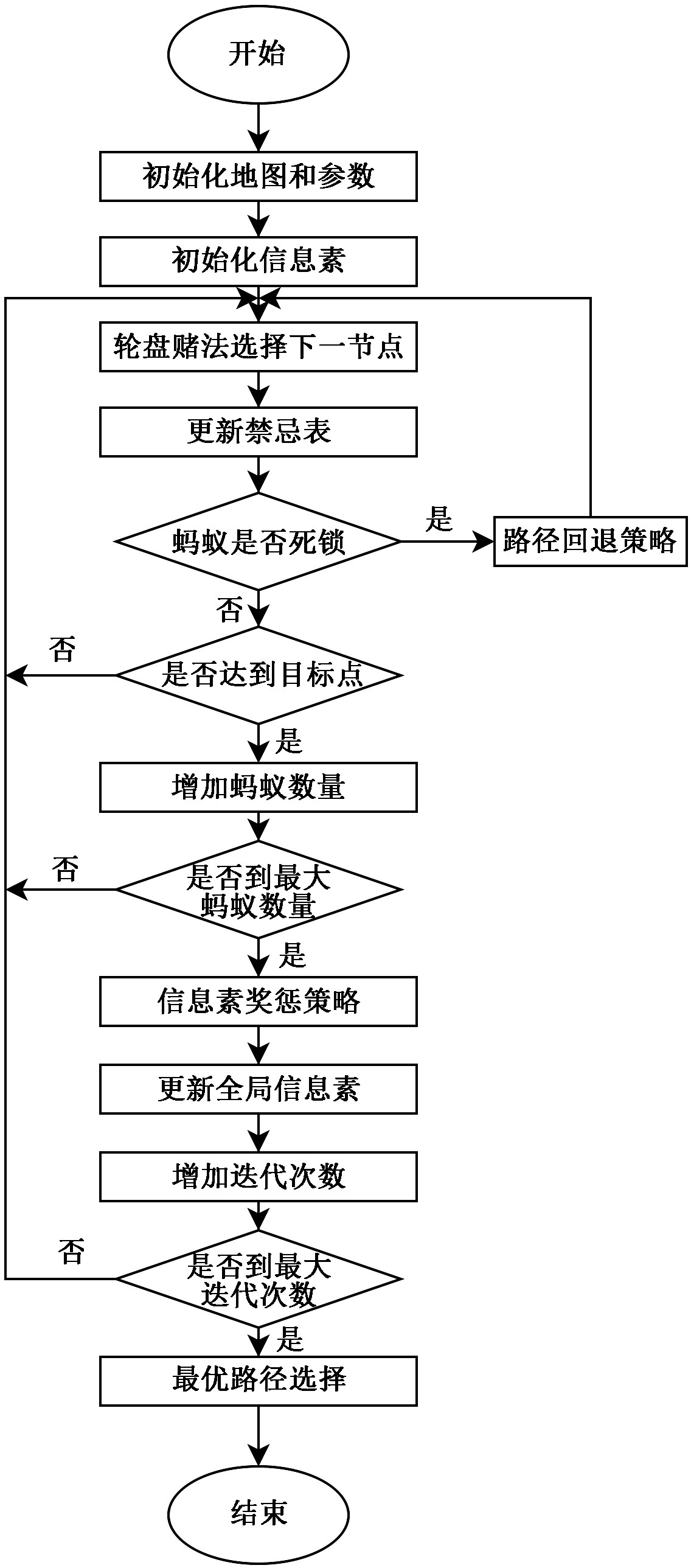
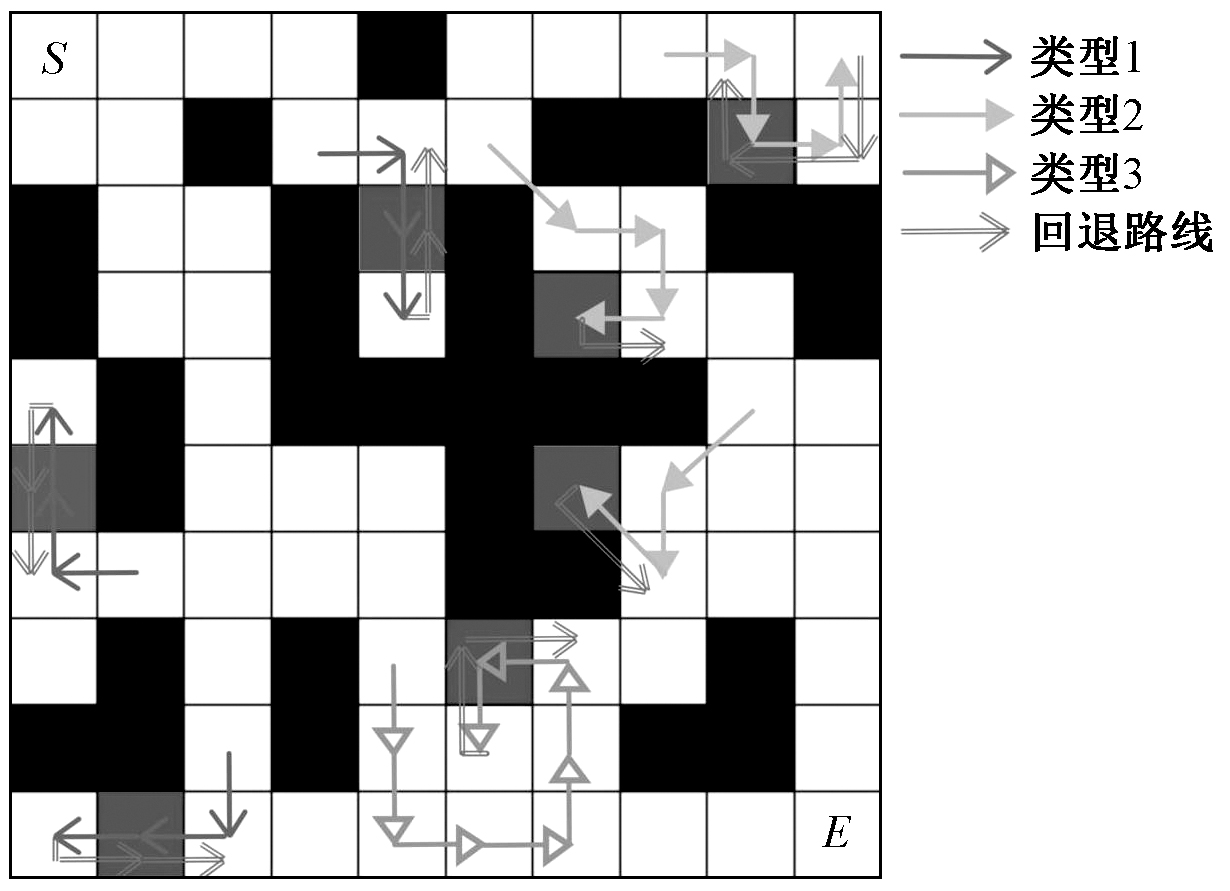
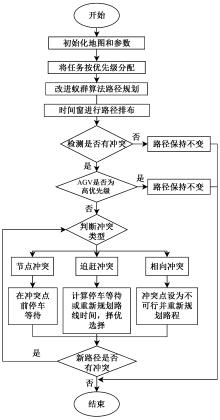
Method This study utilizes grid-based modeling aligned with spinning workshop workflows to address path planning from both single-AGV and multi-AGV collaborative perspectives. For individual AGV path planning, the conventional ant colony algorithm was enhanced through three key innovations; i. implementing a path backtracking mechanism to resolve diverse deadlock scenarios, which actively extracts trapped agents upon deadlock detection; ii. developing a pheromone reward-penalty strategy to evaluate each iteration's solution paths and apply corresponding rewards/penalties; iii. introducing a turning minimization heuristic that guides route selection during iterations through orientation-based optimization in the heuristic function. For multi-AGV conflict resolution, a hybrid priority-time window algorithm was proposed, featuring the priority-based task allocation combined with time window conflict detection to classify conflicts, visual identification of conflict zones through time window rearrangement on conflict segments, and customized resolution strategies for different conflict types (node contention, head-on collisions, and so on). The system iteratively executes this detection-resolution cycle until eliminating all conflicts.

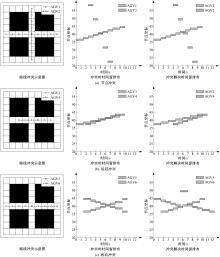
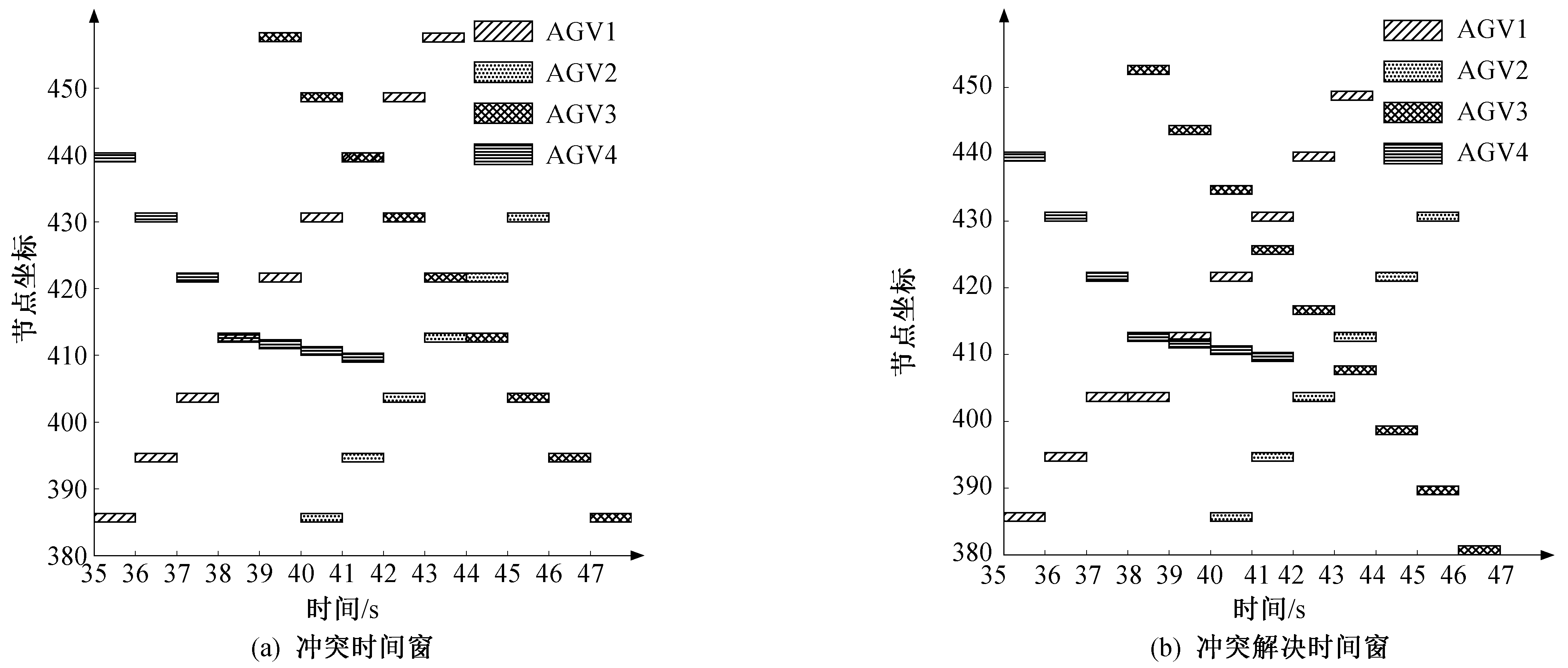
Results Experimental validation confirmed the enhanced algorithm's superior path planning performance for individual AGVs across both simple and complex environments. Comparative analysis against conventional and reference algorithms demonstrated that the improved ant colony optimization consistently identifies the shortest path during each iteration under simple conditions. Notably, deadlock occurrence decreased to 24.8% of conventional algorithm levels (representing a 5.9% reduction versus the reference algorithm), while convergence iterations reduced to 39.7% of traditional method requirements (a 41.3% improvement over the reference approach). The solution achieved significantly faster convergence in average path length compared to the baseline methods. In complex environmental testing, deadlock incidence diminished to 16.4% of benchmark algorithm performance (52.4% lower than the reference standard) with a 60.7% reduction in convergence iterations compared to the reference algorithm. Comprehensive path data analysis confirmed global optimization in turning metrics. For multi-AGV conflict resolution, experimental implementation within the spinning workshop model successfully validated the hybrid strategy. Post-planning graphical analysis precisely identified and categorized three conflict types, i.e., nodal contention, pursuit interference, and head-on collisions. Application of minimum-cost resolution strategies for each category eliminated all conflicts, with temporal analysis of pre- and post-resolution time windows confirming zero repeated node occupancy. These results jointly verify the effectiveness of the algorithm in achieving the dual goals of the efficiency of a single AGV and the coordination of multiple AGVs without conflicts.

Conclusion This research establishes a coordinated path planning framework for multiple automated guided vehicles in spinning workshops, integrating enhanced route planning with dynamic conflict resolution. Experimental validation confirms the improved ant colony algorithm's efficacy, where the path backtracking strategy reduces deadlocked agents to levels below 24.8% of conventional approaches, significantly strengthening global search stability particularly in complex environments. Concurrently, the pheromone reward-penalty mechanism accelerates convergence, evidenced by the solution requiring only 27.2% of traditional iterations under challenging conditions. Further optimization through heuristic function modifications yields paths with minimal travel distance and optimal turning frequency, demonstrating robust adaptability across operational scenarios. The hybrid conflict resolution system complements these advancements by accurately classifying conflict types including nodal contention, pursuit interference, and head-on collisions and implementing context-appropriate resolution strategies. Multi-AGV operational testing confirms uninterrupted workflow maintenance through effective conflict mitigation.Future work will focus on integrating production scheduling systems to optimize multi-AGV coordination and exploring computationally efficient technologies to reduce algorithmic complexity.

Key words: improved ant colony optimization, multi-automated guided vehicles conflict strategy, collaborative path planning, spinning workshop, path conflict

中图分类号: 

  • TS112.7

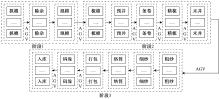
图1

纺纱车间工艺流程图"

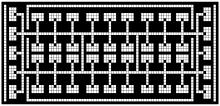
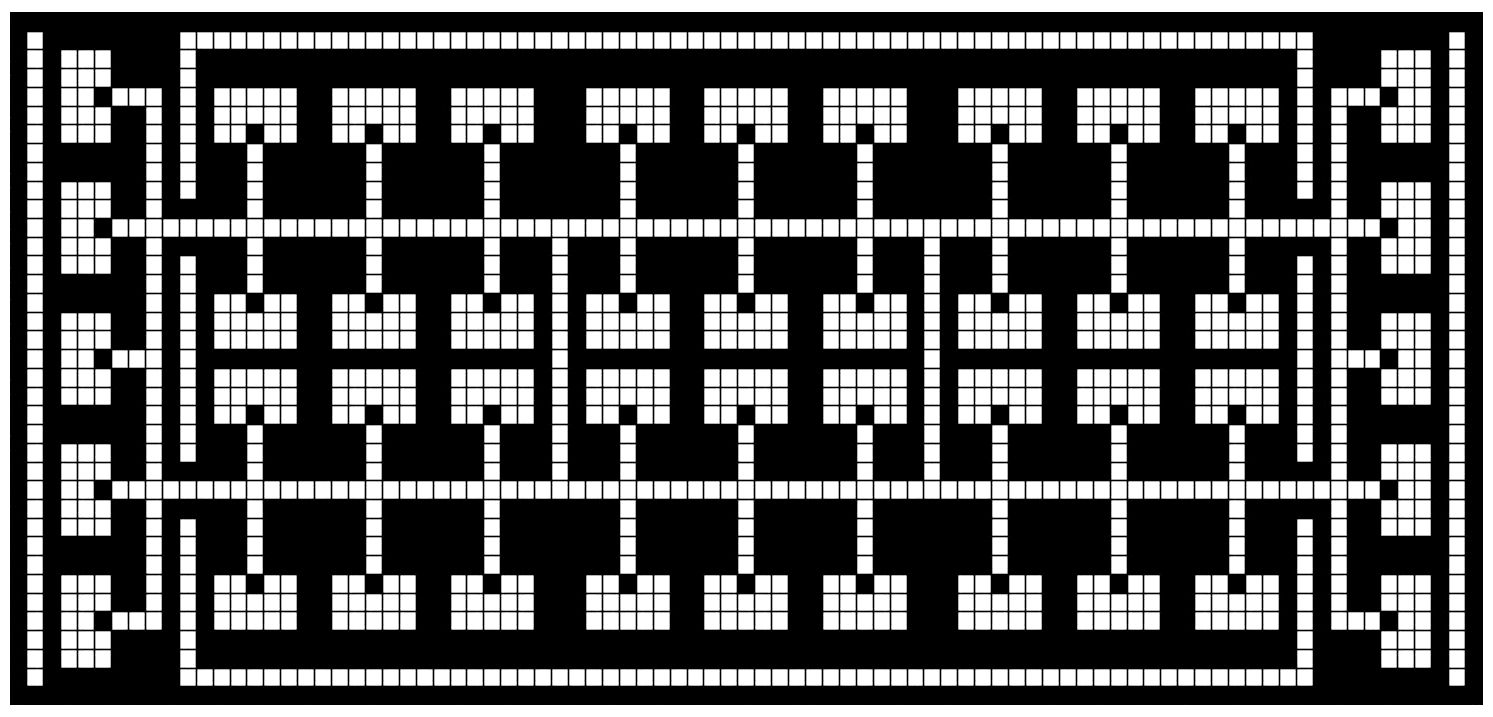
图2

纺纱车间局部地图"

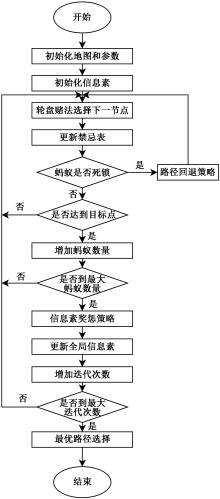
图3

改进蚁群算法流程"

图4

回退策略效果图 注:图中S为起点; E为目标点。"

图5

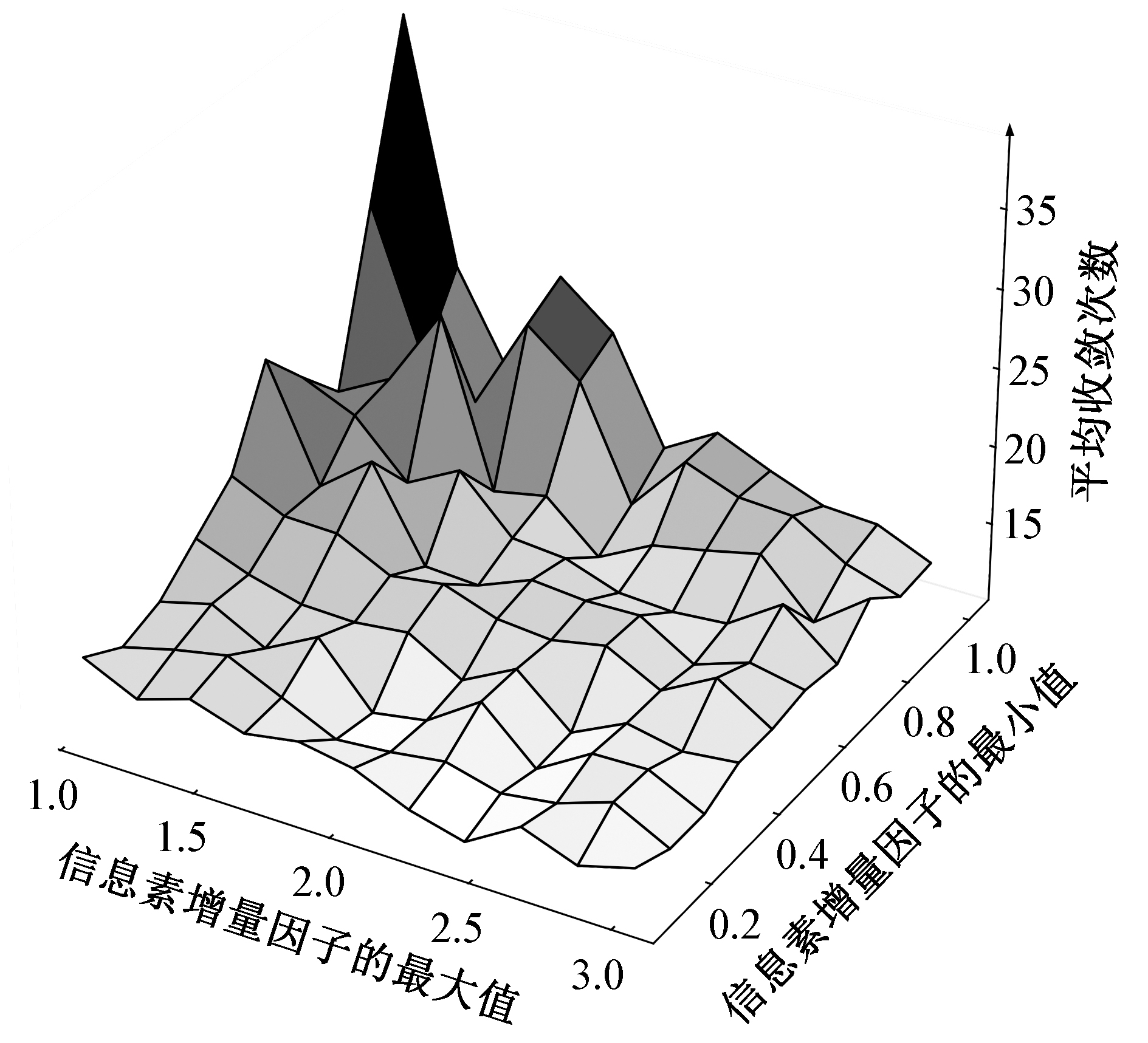
信息素增量因子对算法的影响"

表1

简单环境重复10次实验结果"

算法
种类
平均
长度
最短
长度
最短
长度
次数
平均
收敛
迭代
次数
平均
转角
次数
平均
蚂蚁
死锁
数量
平均
运行
时间/
s
基础算法 31.39 31.15 6 26.1 10 514.25 2.47
参考算法 31.26 31.15 8 13.2 11.5 134.93 3.05
改进算法 31.15 31.15 10 7.75 8 127.43 2.66

图6

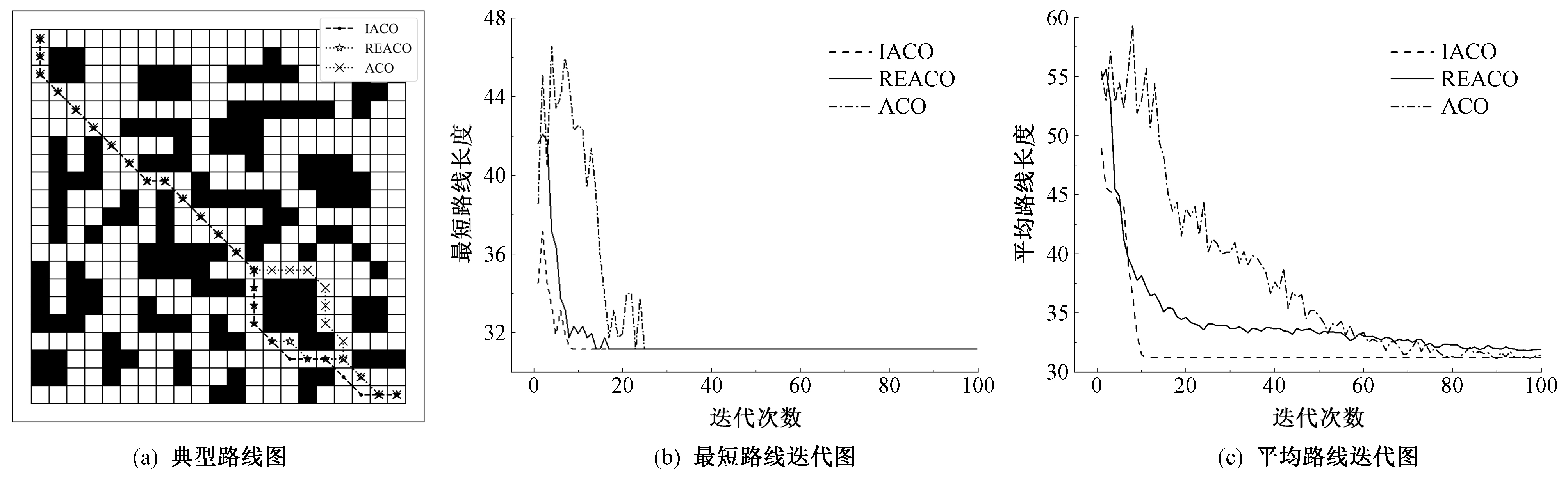
简单环境中的典型实验结果"

表2

复杂环境重复10次实验结果"

算法
种类
平均
长度
最短
长度
最短
长度
次数
平均
收敛
迭代
次数
平均
转角
次数
平均
蚂蚁
死锁
数量
平均
运行
时间/
s
基础算法 48.56 46.43 0 51.12 15.80 705.16 3.89
参考算法 47.60 45.84 2 35.35 19.69 243.83 4.93
改进算法 46.60 45.84 6 13.90 15.30 116.13 4.63

图7

复杂环境中的典型实验结果"

图8

冲突算法流程图"

图9

不同冲突解决策略"

表3

多AGV任务信息表"

任务
编号
AGV
编号
任务
起点
任务
终点
任务优
先级
任务路
径长度
2 1 [6,25] [50,22] 2 47
4 2 [6,18] [72,22] 4 76
3 3 [80,18] [21,22] 3 83
1 4 [80,25] [43,22] 1 40

图10

多AGV冲突解决时间窗"

[1] 高卫东, 孙丰鑫. 棉纺织科技发展现状及展望[J]. 棉纺织技术, 2019, 47(9): 1-6.
GAO Weidong, SUN Fengxin. Current status and prospect of cotton spinning technology development[J]. Cotton Textile Technology, 2019, 47(9): 1-6.
[2] 徐旻. 我国棉纺行业智能制造的发展方向探讨[J]. 棉纺织技术, 2016, 44(5): 76-79.
XU Min. Discussion on the development direction of intelligent manufacturing in China's cotton spinning industry[J]. Journal of Cotton Textile Technology, 2016, 44(5): 76-79.
[3] 陈俊彬. AGV小车的发展现状研究[J]. 科技资讯, 2023, 21(15): 237-240.
CHEN Junbin. Research on the current development status of AGV carts[J]. Science and Technology Information, 2023, 21(15): 237-240.
[4] TAO Q, SANG H, GUO H, et al. Improved particle swarm optimization algorithm for AGV path planning[J]. IEEE Access, 2021, 9: 33522-33531.
doi: 10.1109/ACCESS.2021.3061288
[5] WU L, LIU Q, TIAN X, et al. A new improved fruit fly optimization algorithm IAFOA and its application to solve engineering optimization problems[J]. Knowledge-based Systems, 2018, 144: 153-173.
doi: 10.1016/j.knosys.2017.12.031
[6] LI W, XIA L, HUANG Y, et al. An ant colony optimization algorithm with adaptive greedy strategy to optimize path problems[J]. Journal of Ambient Intelligence and Humanized Computing, 2022, 13(3): 1557-1571.
doi: 10.1007/s12652-021-03120-0
[7] MA Y, MAO Z Y, WANG T, et al. Obstacle avoidance path planning of unmanned submarine vehicle in ocean current environment based on improved firework-ant colony algorithm[J]. Computers & Electrical Engineering, 2020, 87: 106773.
[8] AJEIL F H, IBRAHEEM I K, AZAR A T, et al. Grid-based mobile robot path planning using aging-based ant colony optimization algorithm in static and dynamic environments[J]. Sensors, 2020, 20(7): 880-906.
doi: 10.3390/s20030880
[9] LIU J H, YANG J G, LIU H, et al. An improved ant colony algorithm for robot path planning[J]. Soft Computing, 2016, 21(19): 5829-5839.
doi: 10.1007/s00500-016-2161-7
[10] ZHU S N, ZHU W Y, ZHANG X, et al. Path planning of lunar robot based on dynamic adaptive ant colony algorithm and obstacle avoidance[J]. International Journal of Advanced Robotic Systems, 2020, 17(3): 4149-4171.
[11] WU L, HUANG X, CUI J, et al. Modified adaptive ant colony optimization algorithm and its application for solving path planning of mobile robot[J]. Expert Systems with Applications, 2023, 215: 119410.
doi: 10.1016/j.eswa.2022.119410
[12] MIAO C W, CHEN G Z, YAN C, et al. Path planning optimization of indoor mobile robot based on adaptive ant colony algorithm[J]. Computers and Industrial Engineering, 2021, 156: 107230.
doi: 10.1016/j.cie.2021.107230
[13] LIU C, WU L, XIAO W, et al. An improved heuristic mechanism ant colony optimization algorithm for solving path planning[J]. Knowledge-based Systems, 2023, 271: 110540.
doi: 10.1016/j.knosys.2023.110540
[14] ZHOU S, CHENG G, MENG Q, et al. Development of multi-sensor information fusion and AGV navigation system[C]// 2020 IEEE 4th Information Technology, Networking, Electronic and Automation Control Conference (ITNEC).Chongqing:IEEE, 2020: 2043-2046.
[15] LUO Q, WANG H, ZHENG Y, et al. Research on path planning of mobile robot based on improved ant colony algorithm[J]. Neural Computing and Applications, 2020, 32: 1555-1566.
doi: 10.1007/s00521-019-04172-2
[16] WU G, SUN X. AGV task distribution study[J]. Journal of Physics: Conference Series, 2020, 1486(7): 072016.
doi: 10.1088/1742-6596/1486/7/072016
[17] SMOLIC-ROCAK N, BOGDAN S, KOVACIC Z, et al. Time windows based dynamic routing in multi-AGV systems[J]. IEEE Transactions on Automation Science and Engineering, 2009, 7(1): 151-155.
doi: 10.1109/TASE.2009.2016350
[18] DEMESURE G, DEFOORT M, BEKRAR A, et al. Navigation scheme with priority-based scheduling of mobile agents: application to AGV-based flexible manufacturing system[J]. Journal of Intelligent & Robotic Systems, 2016, 82(3): 495-512.
[1] 纪杰, 韩云龙, 高杰, 汪虎明, 陆彪. 纺纱车间空调系统数学建模及动态仿真[J]. 纺织学报, 2022, 43(03): 176-184.
[2] 张苏宁, 王泽, 马大力. 基于改进蚁群算法的Flexsim衬衣流水线仿真优化[J]. 纺织学报, 2021, 42(03): 155-160.
[3] 郑小虎, 鲍劲松, 马清文, 周衡, 张良山. 基于模拟退火遗传算法的纺纱车间调度系统[J]. 纺织学报, 2020, 41(06): 36-41.
Viewed
Full text


Abstract

Cited

  Shared   
  Discussed   
No Suggested Reading articles found!