纺织学报 ›› 2025, Vol. 46 ›› Issue (07): 177-185.doi: 10.13475/j.fzxb.20250106801

• 服装工程 • 上一篇    下一篇

面向青年男性裤装的下身围度预测方法

宋炜1,2,3, 李新荣1,2,3(), 冯文倩1,2,3, 李兴兴1,2,3, 卫聪1,2,3   

  1. 1 天津工业大学 机械工程学院, 天津 300387
    2 天津市现代机电装备技术重点实验室, 天津 300387
    3 天津工业大学绍兴柯桥研究院, 浙江 绍兴 312030
  • 收稿日期:2025-01-24 修回日期:2025-04-11 出版日期:2025-07-15 发布日期:2025-08-14
  • 通讯作者: 李新荣(1975—),男,教授,博士。主要研究方向为纺织服装智能化装备研究。E-mail: lixinrong7507@hotmail.com
  • 作者简介:宋炜(1999—),男,硕士生。主要研究方向为纺织服装智能化装备研究。
  • 基金资助:
    天津市自然科学基金重点项目(24JCZDJC00670);工信部产业技术基础公共服务平台项目(2021-0173-2-1);国家重点研发计划项目(2018YFB1308801)

New prediction method for lower body circumferences for young male individuals

SONG Wei1,2,3, LI Xinrong1,2,3(), FENG Wenqian1,2,3, LI Xingxing1,2,3, WEI Cong1,2,3   

  1. 1 School of Mechanical Engineering, Tiangong University, Tianjin 300387, China
    2 Key Laboratory of Modern Mechanical and Electrical Equipment Technology, Tianjin 300387, China
    3 Shaoxing Keqiao Institute of Tiangong University, Shaoxing, Zhejiang 312030, China
  • Received:2025-01-24 Revised:2025-04-11 Published:2025-07-15 Online:2025-08-14

摘要:

人体测量是服装生产的首要步骤,其中人体下身围度对精度要求较高且难测量。为解决人体下身围度预测方法精度不佳的问题,针对18~23岁青年男性群体,以腰围、臀围、大腿围、膝围及小腿围共5个围度尺寸为例,提出面向青年男性裤装的人体各部位自适应围度预测方法。首先,自建数据集并进行关联性分析;其次,对与各自变量参数有强线性关系且拟合度高的腰围、臀围及大腿围建立线性回归预测模型;对线性回归模型拟合度不足的小腿围、与各参数具有弱线性关系的膝围,提出将鲸鱼优化算法优化后的随机森林模型(WOA-RF)与线性回归模型结合的方法,分别建立小腿围与膝围的预测模型;最后,对各部位预测模型进行试验验证。结果显示,本文方法预测的腰围、臀围、大腿围、膝围、小腿围的准确率分别为98.56%、98.91%、97.80%、97.80%、97.89%,满足服装企业生产要求。本文研究实现了对男性裤装制造所需下身不同部位的围度预测,可为二维非接触式人体测量系统的建立提供数据支撑。

关键词: 人体测量, 围度预测, 预测模型, 非接触式人体测量, 男性裤装设计

Abstract:

Objective Anthropometric measurement is the primary step in garment production, where the lower body circumferences of the human body have high precision requirements and are difficult to measure. However, current prediction methods for lower body circumferences suffer from poor accuracy and limited applicability. Therefore, a highly accurate, convenient and rapid prediction method suitable for various circumferences required in trouser manufacturing is needed.

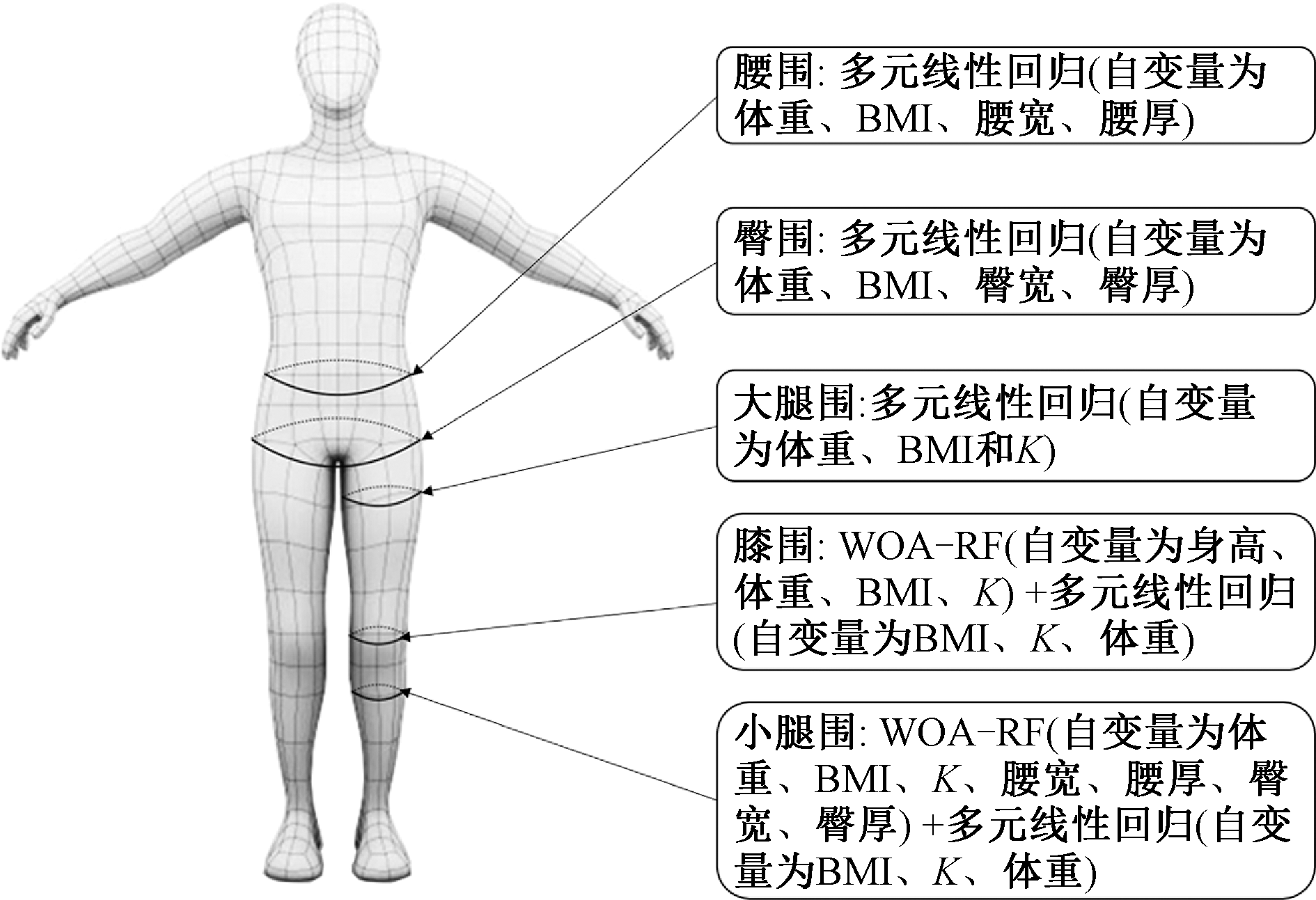
Method Five circumference measurements were considered for male youth aged 18 to 23, i.e. circumferences of waist, hip, thigh, knee and calf. By analyzing 176 manually collected samples in the training dataset, linear relationships among different parameters were identified. Prediction models were established based on these varying degrees of linear relationship different.

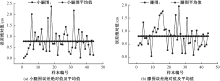
Results A data correlation analysis was conducted on various parts of the lower body required for trousers manufacturing, and the strength of the linear relationships between each part and the corresponding parameters was obtained. Based on the strong linear relationships between waist circumference, hip circumference, body weight, body mass index (BMI), width, and thickness, linear regression prediction models for waist and hip circumferences were established. Considering the strong linear relationships between thigh circumference, body weight, BMI, and the proportional coefficient K (height/weight ratio), a linear regression prediction model for thigh circumference was developed. In response to the insufficient fitting of the linear regression model for calf circumference and the weak linear relationships between knee circumference and various parameters, a method combining the random forest RF prediction model optimized by the whale optimization algorithm (WOA-RF) with the multiple linear regression prediction model was proposed. Hybrid prediction models for calf and knee circumferences were established respectively. Finally, the prediction models for each part and 44 samples were validated. A comparative discussion was carried out on the classified and unclassified body types for waist and hip circumferences, as well as the single prediction models and hybrid prediction models for calf and knee circumferences. The results showed that in the validation of waist and hip circumferences, the prediction accuracies of the unclassified method were 98.56% and 98.91%, respectively, higher than the results after classification by the width-to-thickness ratio. In the validation of thigh circumference, the prediction model achieved an accuracy of 97.80%. In the validation of calf and knee circumferences, the prediction accuracies of the hybrid model with the introduction of the proportional coefficient K were 97.89% and 97.80%, respectively, which were better than those of the single prediction model and the hybrid model without the introduction of the proportional coefficient K. The results meet the production requirements of garment enterprises.

Conclusion Taking the five circumference measurements required for customized male trousers in a garment enterprise as the main parameters, an adaptive circumference prediction method for each body part is proposed. This method can quickly predict the lower-body circumferences with a small amount of human body information. Compared with conventional methods, it has higher applicability and accuracy and can provide theoretical references for human body circumference prediction and two-dimensional non-contact anthropometric systems.

Key words: anthropometric measurement, circumference prediction, prediction model, non-contact body measurement, male trouser design

中图分类号: 

  • TP391.4

图1

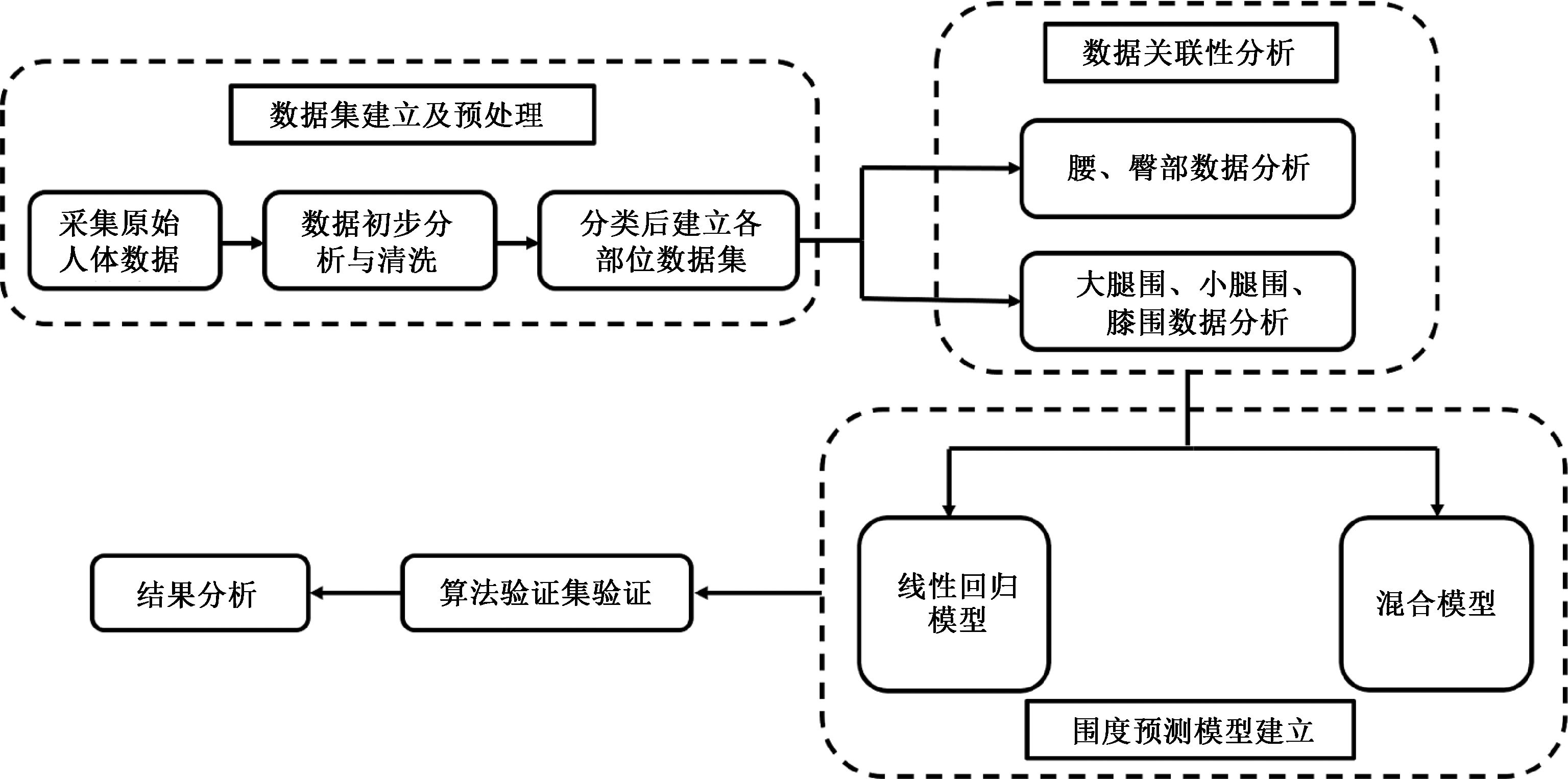
裤装设计所需围度的预测方法研究流程"

表1

测量部位具体定义"

参数类型 参数名称 具体定义及测量方法
主要尺寸 身高 使用身高尺测量
体重 使用统一的固定位置的体重秤测量
腰围 腰部最细部位,取肚脐上方2 cm处测量
臀围 被测者直立,两脚并拢,正常呼吸,腹部放松,在臀部最丰满处测量水平围长
大腿围 被测者直立,两脚分开与肩同宽,腿部放松,用软尺量取大腿最粗部位的围度
膝围 被测者直立,两脚分开与肩同宽,腿部放松,测量膝部的水平围长,测量时软尺上缘与胫骨点(膝部)对齐
小腿围 张开双腿,与肩同宽,待身体自然站直后,使用软皮尺沿小腿最粗位置绕1周进行测量
辅助尺寸 腰宽 与腰围测量处于同一水平面,但仅测量最左端到最右端的直线距离
腰厚 与腰围测量处于同一水平面,腰部前、后最突出部位间厚度方向上的水平直线距离
臀宽 与臀围测量处于同一水平面,仅测量从最左端到最右端的直线距离
臀厚 与臀围测量处于同一水平面,仅测量从最前端到最后端的直线距离

表2

各参数与对应围度的相关性系数"

部位 身高 体重 BMI 宽度 厚度
腰围 0.233 1 0.905 4 0.905 0 0.904 4 0.914 9
臀围 0.348 2 0.913 6 0.873 9 0.812 1 0.825 5

图2

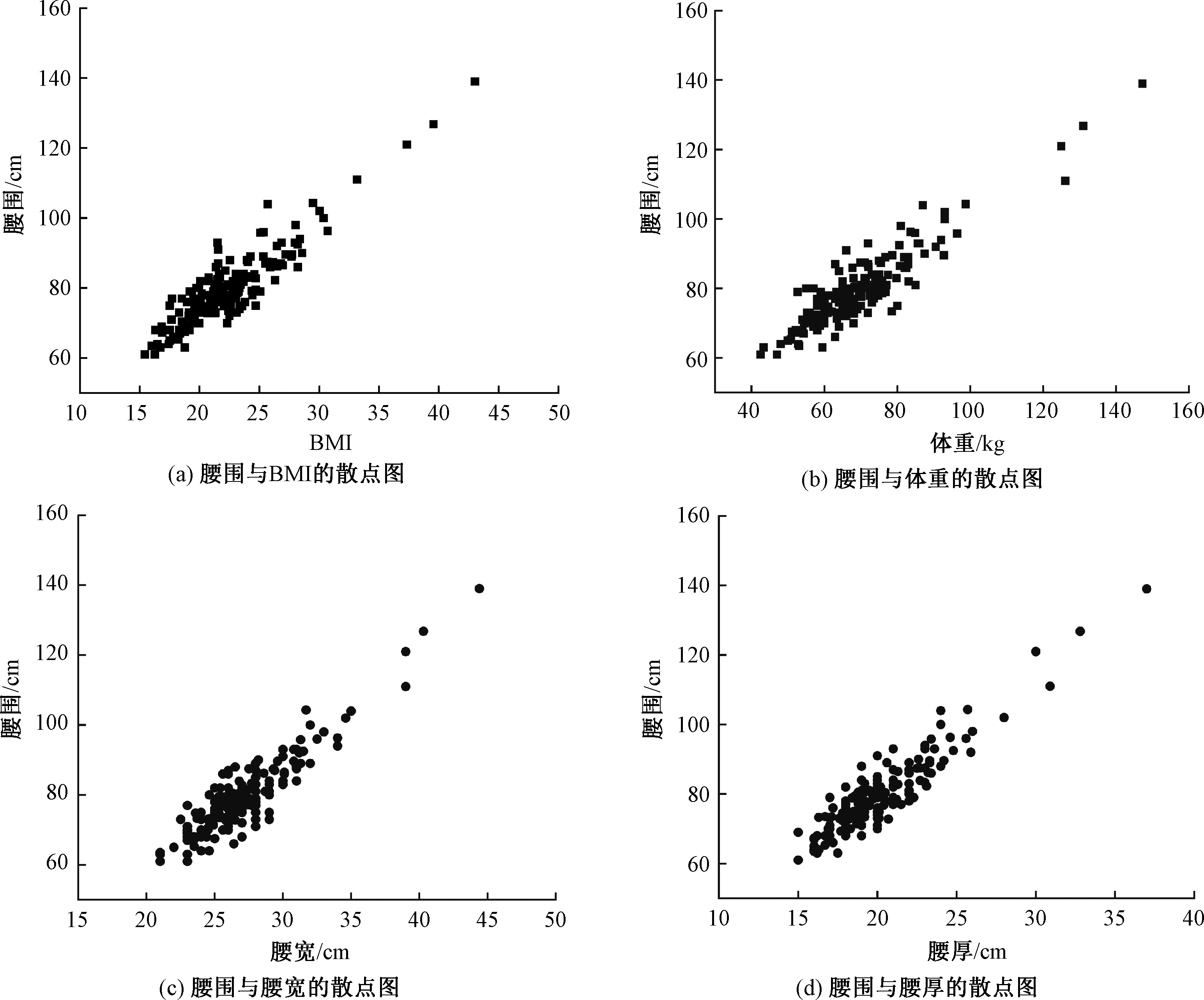
BMI、体重、腰宽、腰厚与腰围的散点图"

表3

各因素与各围度的相关性系数"

部位 体重 BMI K 身高
大腿围 0.873 2 0.857 3 -0.868 2 0.256 6
膝围 0.752 4 0.689 0 -0.725 7 0.358 5
小腿围 0.800 4 0.800 9 -0.817 2 0.223 1

表4

各部位线性关系强弱性"

部位 体重 BMI 宽度 厚度 K
腰围
臀围
大腿围
膝围
小腿围

图3

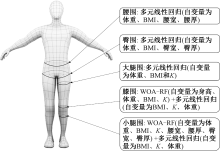
下身各围度采用的算法"

表5

各方案的F检验结果及拟合程度"

部位 自变量 F Sig. R2 调整后R2
腰围 腰宽、腰厚 643.0 0.000 0.881 0.880
体重、BMI 498.9 0.000 0.852 0.851
腰宽、腰厚、体重 579.3 0.000 0.910 0.908
腰宽、腰厚、体重、BMI 449.5 0.000 0.913 0.911
臀围 臀宽、臀厚 281.6 0.000 0.775 0.772
体重、BMI 457.7 0.000 0.851 0.849
臀宽、臀厚、体重 332.9 0.006 0.863 0.861
臀宽、臀厚、体重、BMI 256.0 0.000 0.877 0.874
大腿围 K、体重 20.01 0.000 0.797 0.795
体重、BMI 35.73 0.000 0.790 0.788
K、BMI 27.50 0.000 0.781 0.779
K、体重、BMI 8.45 0.004 0.821 0.817
小腿围 K、体重 21.92 0.000 0.681 0.677
体重、BMI 13.15 0.000 0.667 0.663
K、BMI 20.61 0.000 0.680 0.676
K、体重、BMI 10.10 0.002 0.685 0.680

表6

各部位回归预测模型"

部位 回归预测模型 R2 P1 P2 P3 P4 P5 P6
腰围 y1=8.87+0.19x1+0.46x2+x3+0.98x4 0.913 0.000 0.000 0.013 0.000 0.000
臀围 y2=43.47+0.27x1+0.34x2+0.55x3+0.34x4 0.877 0.000 0.000 0.003 0.002 0.046
大腿围 y3=48.73+0.16x1+0.26x2-4.34x5 0.821 0.000 0.000 0.092 0.004

图4

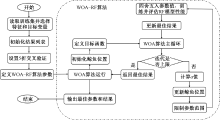
WOA-RF模型流程"

表7

不同自变量下小腿围和膝围WOA-RF模型准确性"

部位 自变量 树的数量 树的最大深度 均方误差 R2
小腿围 身高、体重、BMI、K 14 3 5.044 0.567
身高、体重、BMI、K、腰宽、腰厚、臀宽、臀厚 14 3 4.971 0.574
体重、BMI、K、腰宽、腰厚、臀宽、臀厚 10 3 4.816 0.588
膝围 身高、体重、BMI、K 12 3 4.177 0.518
身高、体重、BMI、K、腰宽、腰厚、臀宽、臀厚 39 3 4.296 0.506
体重、BMI、K、腰宽、腰厚、臀宽、臀厚 13 3 4.265 0.509

表8

小腿围与膝围线性回归模型"

部位 回归预测模型 R2 P1 P2 P3 P6
小腿围 y4=38.53+0.06x1+0.18x2-3.62x5 0.685 0.000 0.081 0.134 0.002
膝围 y5=36.54+0.14x1-0.15x2-2.25x5 0.576 0.000 0.000 0.200 0.050

图5

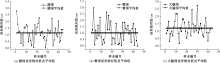
腰围与臀围和大腿围的预测误差"

表9

腰围与臀围算法验证误差分析"

部位 平均误差/cm 准确率/%
腰围 1.129 8 98.56
腰围分类 1.348 6 98.26
臀围 1.032 0 98.91
臀围分类 1.403 0 98.53
大腿围 1.191 9 97.80

图6

小腿围与膝围预测模型误差对比"

表10

小腿围与膝围预测模型误差分析"

部位 预测模型 平均误差/cm 准确率/%
小腿围 WOA-RF预测模型 0.856 8 97.68
多元线性回归预测模型 0.898 6 97.55
混合模型(引入K) 0.775 0 97.89
混合模型(未引入K) 0.973 9 97.36
膝围 WOA-RF预测模型 0.866 1 97.64
多元线性回归预测模型 0.812 7 97.78
混合模型(引入K) 0.804 6 97.80
混合模型(未引入K) 0.967 9 97.31
[1] GRAYBEAL A J, BRANDNER C F, TINSLEY G M. Evaluation of automated anthropometrics produced by smartphone-based machine learning: a comparison with traditional anthropometric assessments[J]. British Journal of Nutrition, 2023, 130(6): 1077-1087.
[2] WANG L N, LEE T J, BAVENDIEK J, et al. A data-driven approach towards the full anthropometric measurements prediction via generalized regression neural networks[J]. Applied Soft Computing, 2021. DOI:10.1016/j.asoc.2021.107551.
[3] SEO D, KANG E, KIM Y M, et al. SVM-based waist circumference estimation using kinect[J]. Computer Methods and Programs in Biomedicine, 2020. DOI:10.1016/j.cmpb.2020.105418.
[4] 马燕, 殷志昂, 黄慧, 等. 结合卷积神经网络与曲线拟合的人体尺寸测量[J]. 中国图象图形学报, 2022, 27(10):3068-3081.
MA Yan, YIN Zhiang, HUANG Hui, et al. The convolution neural network and curve fitting based human body size measurement[J]. Journal of Image and Graphics, 2022, 27(10):3068-3081.
[5] 杨晓文, 李雅婷, 韩燮, 等. 融合GBWO与ENN的人体尺寸预测模型[J]. 计算机技术与发展, 2024, 34(6):132-139.
YANG Xiaowen, LI Yating, HAN Xie, et al. A body size prediction model incorporating GBWO and ENN[J]. Computer Technology and Development, 2024, 34(6):132-139.
[6] 石金泽, 谷林. 基于智能优化的动态人体特征部位尺寸预测[J]. 纺织高校基础科学学报, 2023, 36(2):86-92.
SHI Jinze, GU Lin. Intelligent optimization-based dynamic human characteristic parts size prediction[J]. Basic Sciences Journal of Textile Universities, 2023, 36(2):86-92.
[7] CHOUDHARY S, IYER G, SMITH B M, et al. Development and validation of an accurate smartphone application for measuring waist-to-hip circumference ratio[J]. npj Digital Medicine, 2023. DOI:10.1038/s41746-023-00909-5.
[8] BAO Chen, MIAO Yongwei, CHEN Jiazhou, et al. Developing a generalized regression forecasting network for the prediction of human body dimensions[J]. Applied Sciences-basel, 2023. DOI:10.3390/app131810317.
[9] 刘咏梅, 刘思忆, 于晓坤, 等. 中国东部地区中老年女性体型特征与分类[J]. 纺织学报, 2023, 44(7):184-191.
LIU Yongmei, LIU Siyi, YU Xiaokun, et al. Body shape characteristics and classification of middle-aged and elderly women in eastern China[J]. Journal of Textile Research, 2023, 44(7):184-191.
[10] FENG Wenqian, LI Xinrong, LI Xingxing, et al. The construction of a three-dimensional human body based on semantic-driven parameters to improve virtual fitting[J]. Textile Research Journal, 2024, 94(3-4):451-462.
[11] 杨柳, 李羽佳, 俞琰, 等. 基于纽介堡方程的色纺织物颜色预测[J]. 纺织学报, 2024, 45(1):83-89.
YANG Liu, LI Yujia, YU Yan, et al. Color prediction of fiber-colored fabrics based on Neugebauer equation[J]. Journal of Textile Research, 2024, 45(1):83-89.
[12] 梁兴堃. 图情档研究中的回归分析:基本原理[J]. 图书情报知识, 2021, 38(3):154-164.
LIANG Xingkun. Fundamental principles of regression analysis in library, information and archives management[J]. Documentation,Information & Knowledge, 2021, 38(3): 154-164.
[13] 王海宾, 贾传伟, 张思华, 等. 彬长矿区矿井涌水量与开采参数关联性分析及预测研究[J]. 采矿与安全工程学报, 2025, 42(1):73-84.
WANG Haibin, JIA Chuanwei, ZHANG Sihua, et al. Analysis and prediction of the correlation between mine water inflow and mining parameters in the Binchang Mining area[J]. Journal of Mining & Safety Engineering, 2025, 42(1):73-84.
[14] 任柯, 周衡书, 魏瑾瑜, 等. 基于机器视觉技术的百褶裙动态美感评价[J]. 纺织学报, 2024, 45(12):189-198.
doi: 10.13475/j.fzxb.20240305501
REN Ke, ZHOU Hengshu, WEI Jinyu, et al. Dynamic aesthetic evaluation of pleated skirts based on machine vision technology[J]. Journal of Textile Research, 2024, 45(12):189-198.
doi: 10.13475/j.fzxb.20240305501
[15] 陈佳豪, 杨建蒙, 翟永杰, 等. 基于平均灰度值与随机森林算法的光伏组件积灰程度预测[J]. 太阳能学报, 2024, 45(12):107-114.
CHEN Jiahao, YANG Jianmeng, ZHAI Yongjie, et al. Prediction of ash accumulation degree of photovoltaic modules based on average grayscale value and random forest algorithm[J]. Acta Energiae Solaris Sinica, 2024, 45(12):107-114.
[16] 鞠宇, 王朝晖, 李博一, 等. 基于机器学习的服装生产线员工效率预测[J]. 纺织学报, 2024, 45(5):183-192.
JU Yu, WANG Zhaohui, LI Boyi, et al. Employee efficiency prediction of garment production line based on machine learning[J]. Journal of Textile Research, 2024, 45(5):183-192.
[17] MIRJALILI S, LEWIS A. The whale optimization algorithm[J]. Advances in Engineering Software, 2016, 95:51-67.
[18] DENG Lingyun, LIU Sanyang. Deficiencies of the whale optimization algorithm and its validation method[J]. Expert Systems with Applications, 2024. DOI: 10.1016/jeswa.2023.121544.
[19] AMIRIEBRAHIMABADI M, MANSOURI N. A comprehensive survey of feature selection techniques based on whale optimization algorithm[J]. Multimedia Tools and Applications, 2023, 83:47775-47846.
[1] 梁金星, 李东盛, 李壹帆, 周景, 罗航, 陈佳, 胡新荣. 基于照相测色的纺织品色牢度评级方法[J]. 纺织学报, 2025, 46(04): 119-128.
[2] 程子琪, 卢业虎, 许静娴. 电热织物系统热传递模拟及其参数设计[J]. 纺织学报, 2024, 45(02): 206-213.
[3] 董智佳, 郭燕雨秋, 刘海桑, 姚思宏. 经编全成形镂空紧身衣的结构设计与实现[J]. 纺织学报, 2023, 44(12): 130-137.
[4] 王中昱, 苏云, 王云仪. 机器学习建立的个体热舒适模型及其在服装领域的应用展望[J]. 纺织学报, 2023, 44(05): 228-236.
[5] 吴佳庆, 王怡婷, 何欣欣, 郭亚飞, 郝新敏, 王迎, 宫玉梅. 混纺比对生物基锦纶56短纤/棉混纺纱力学性能的影响[J]. 纺织学报, 2023, 44(03): 49-54.
[6] 于学智, 张明光, 曹继鹏, 张月, 王晓燕. 捻度对锦纶/棉混纺纱质量指标的影响[J]. 纺织学报, 2023, 44(01): 106-111.
[7] 钟泽君, 张贝贝, 徐凯忆, 王若雯, 顾冰菲. 基于特征参数的青年女性乳房形态分析[J]. 纺织学报, 2022, 43(10): 148-154.
[8] 张亚琦, 李小辉. 运动时关节部位皮肤形变量预测方法[J]. 纺织学报, 2022, 43(06): 140-144.
[9] 郑雯洁, 张爱丹. 基于图像光影重构的缎纹影光织物明度预测方法[J]. 纺织学报, 2022, 43(05): 97-103.
[10] 王利君, 马希明, 丁殷佳, 陈诚毅. 风速对单双层着装状态下运动服针织面料湿阻的影响[J]. 纺织学报, 2021, 42(07): 151-157.
[11] 赵倩, 邓咏梅. 基于层次分析法的三维人体扫描仪的选择[J]. 纺织学报, 2021, 42(04): 155-161.
[12] 杨阳, 俞欣, 章为敬, 张佩华. 针织面料凉爽性能的评价方法及其预测模型[J]. 纺织学报, 2021, 42(03): 95-101.
[13] 张晓侠, 刘凤坤, 买巍, 马崇启. 基于BP神经网络及其改进算法的织机效率预测[J]. 纺织学报, 2020, 41(08): 121-127.
[14] 黄倩倩, 李俊. 环境温度突变时人体热感觉变化机制研究进展[J]. 纺织学报, 2020, 41(04): 188-194.
[15] 余佳佳, 李健. 基于不同人体测量方法的数据一致性和可替换性研究[J]. 纺织学报, 2019, 40(09): 167-172.
Viewed
Full text


Abstract

Cited

  Shared   
  Discussed   
No Suggested Reading articles found!