纺织学报 ›› 2026, Vol. 47 ›› Issue (06): 223-232.doi: 10.13475/j.fzxb.20250706501
李翔宇1,2, 董九志1,2( ), 陈晓霞1,2, 陈云军3, 李锐1,2
LI Xiangyu1,2, DONG Jiuzhi1,2(), CHEN Xiaoxia1,2, CHEN Yunjun3, LI Rui1,2
摘要:
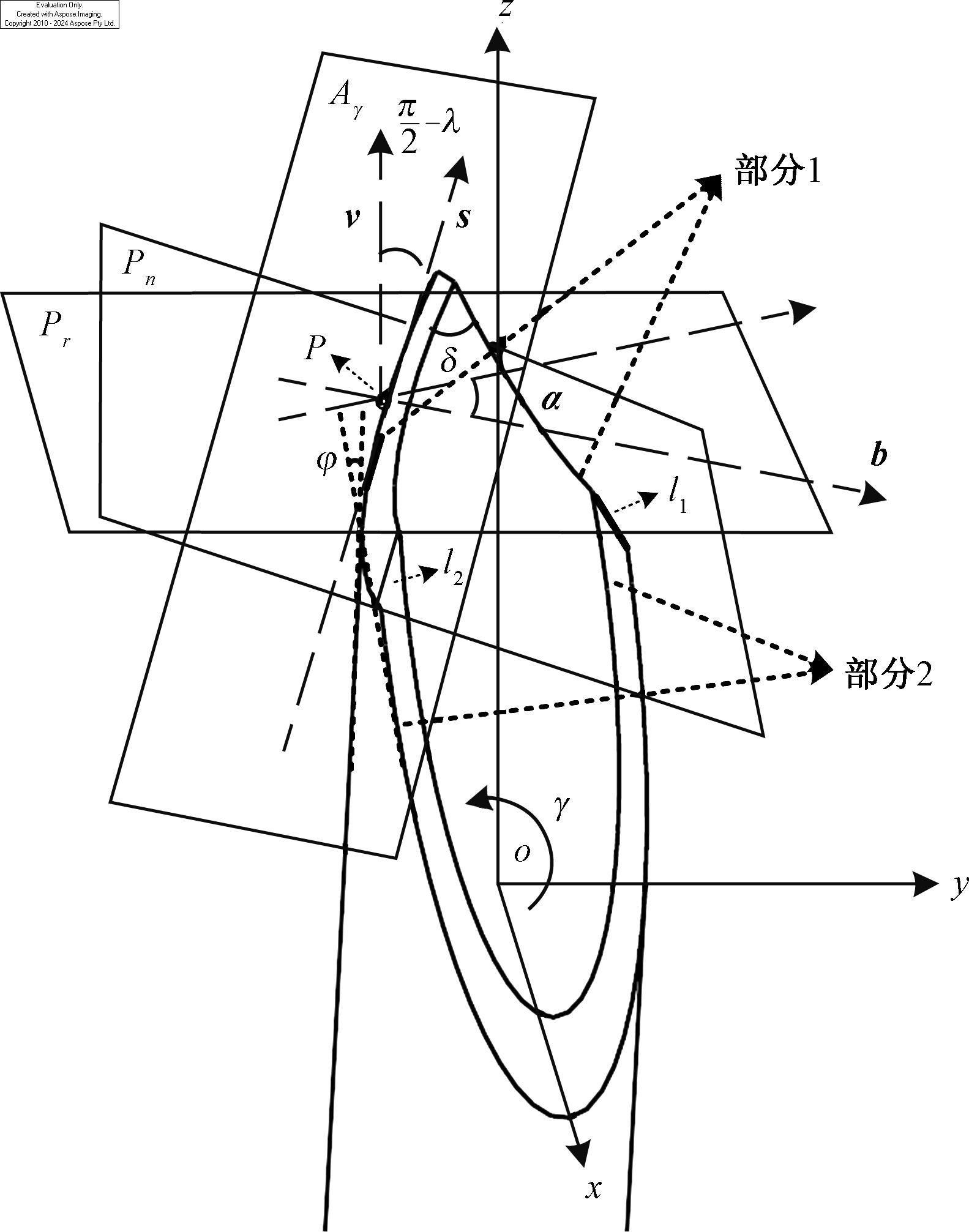
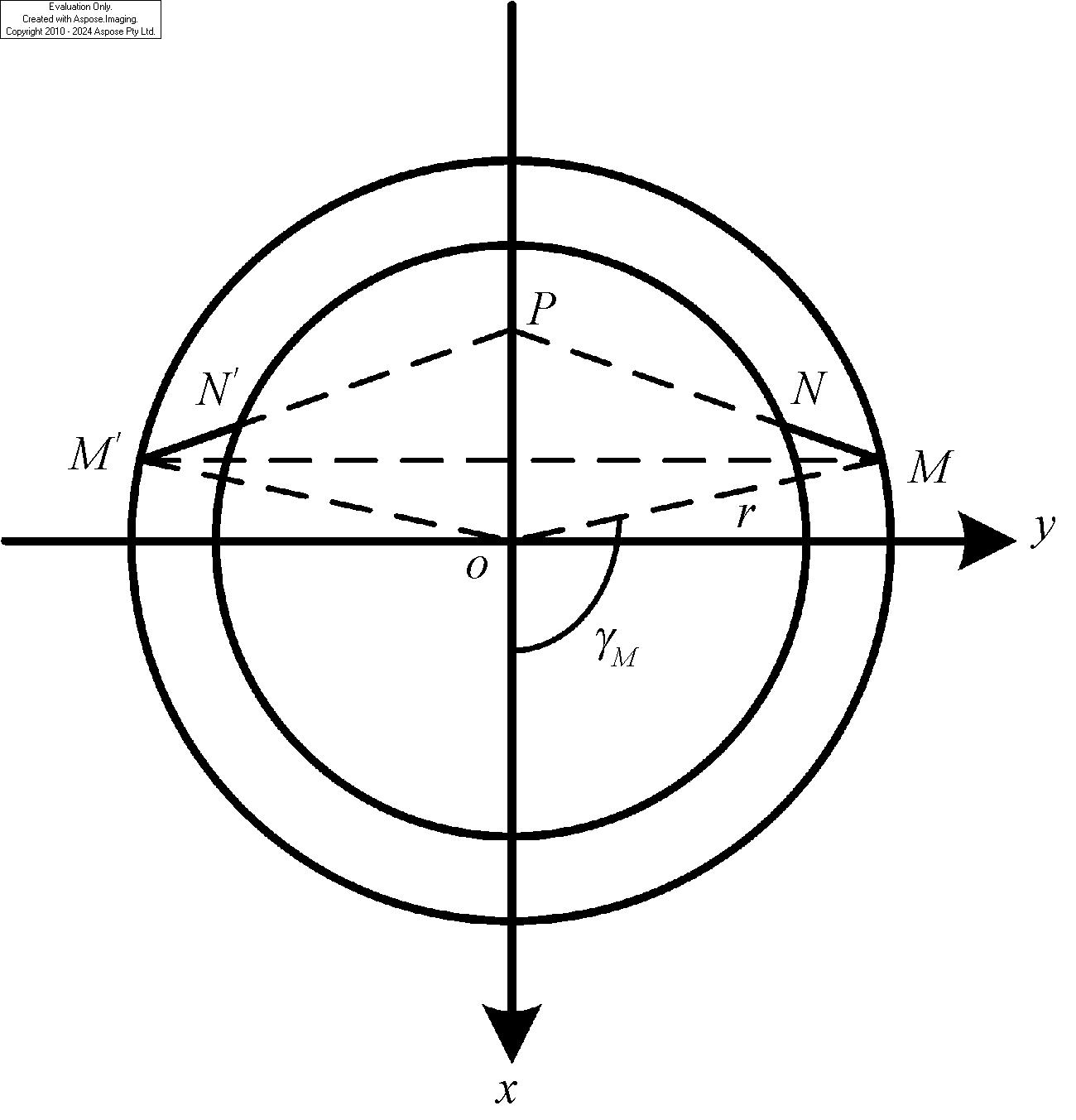
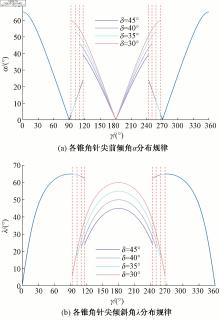
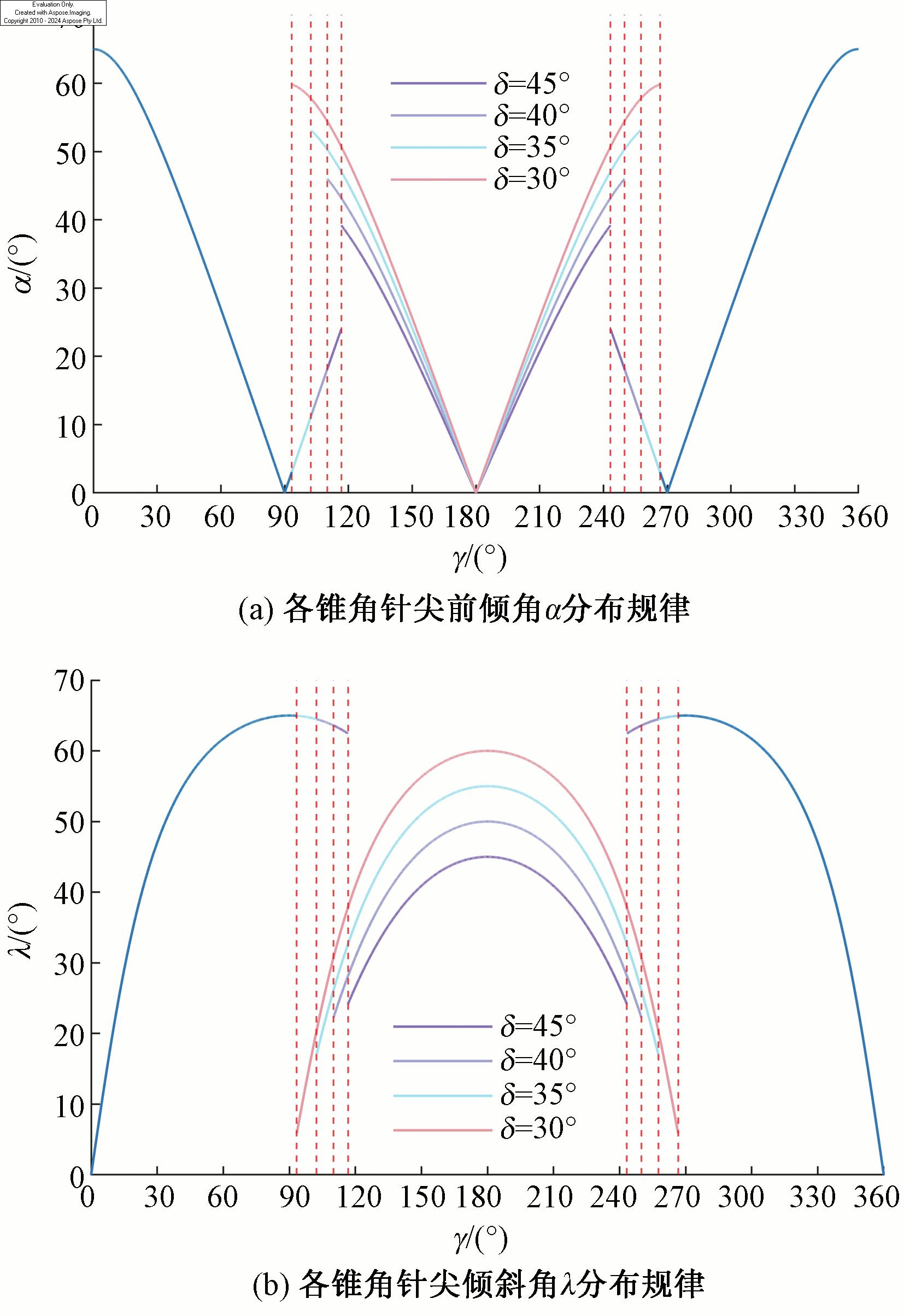
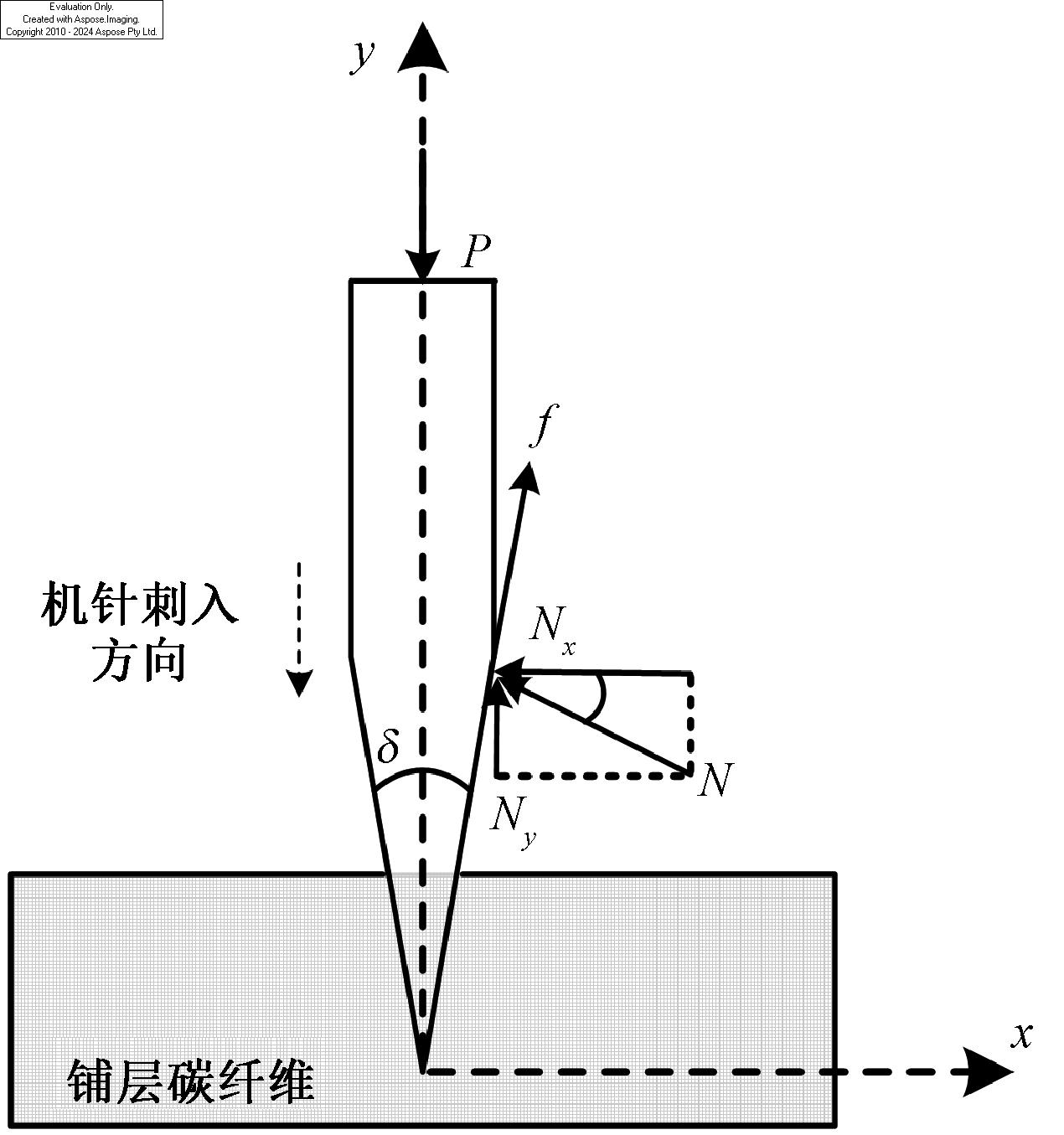
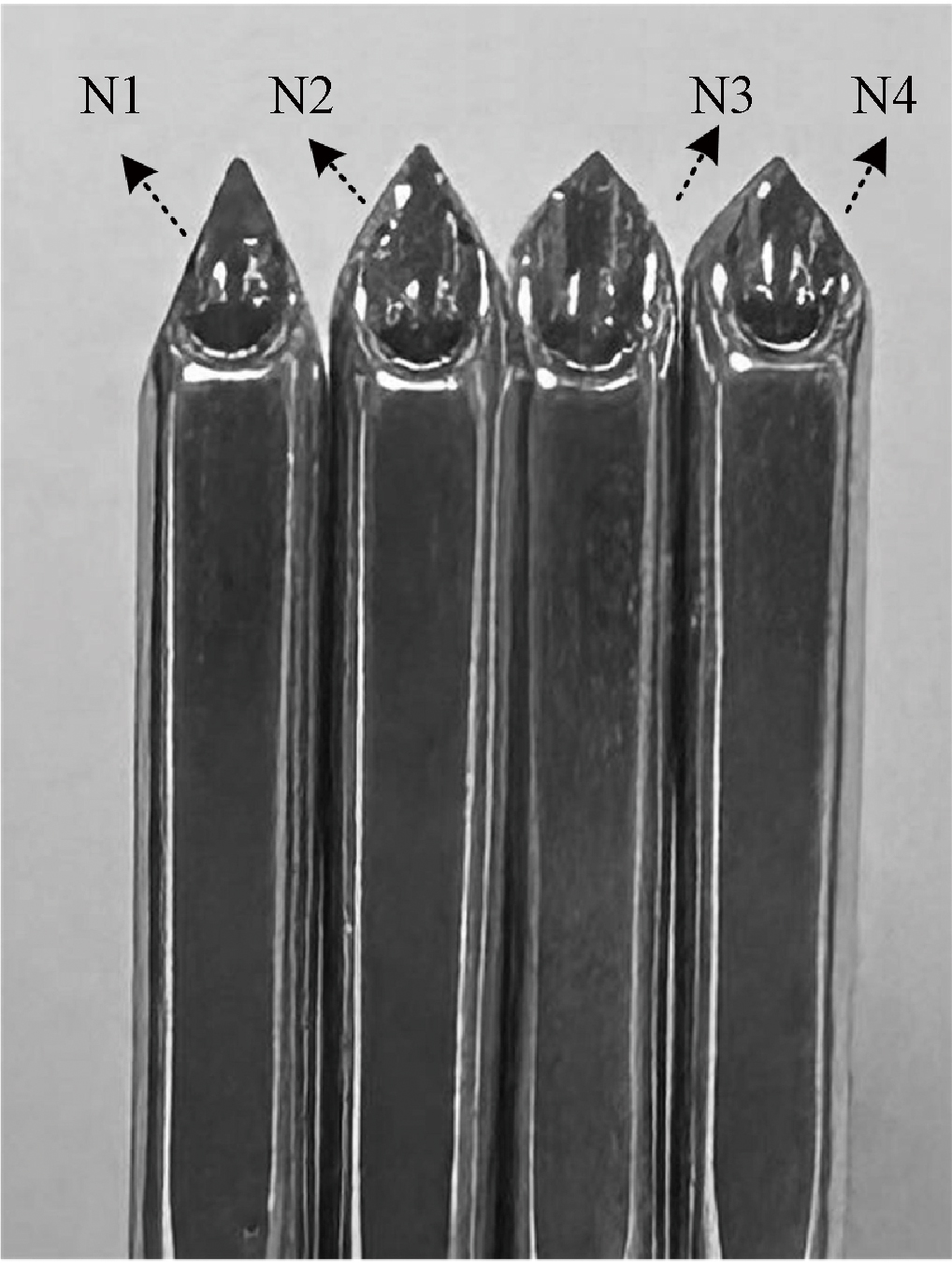
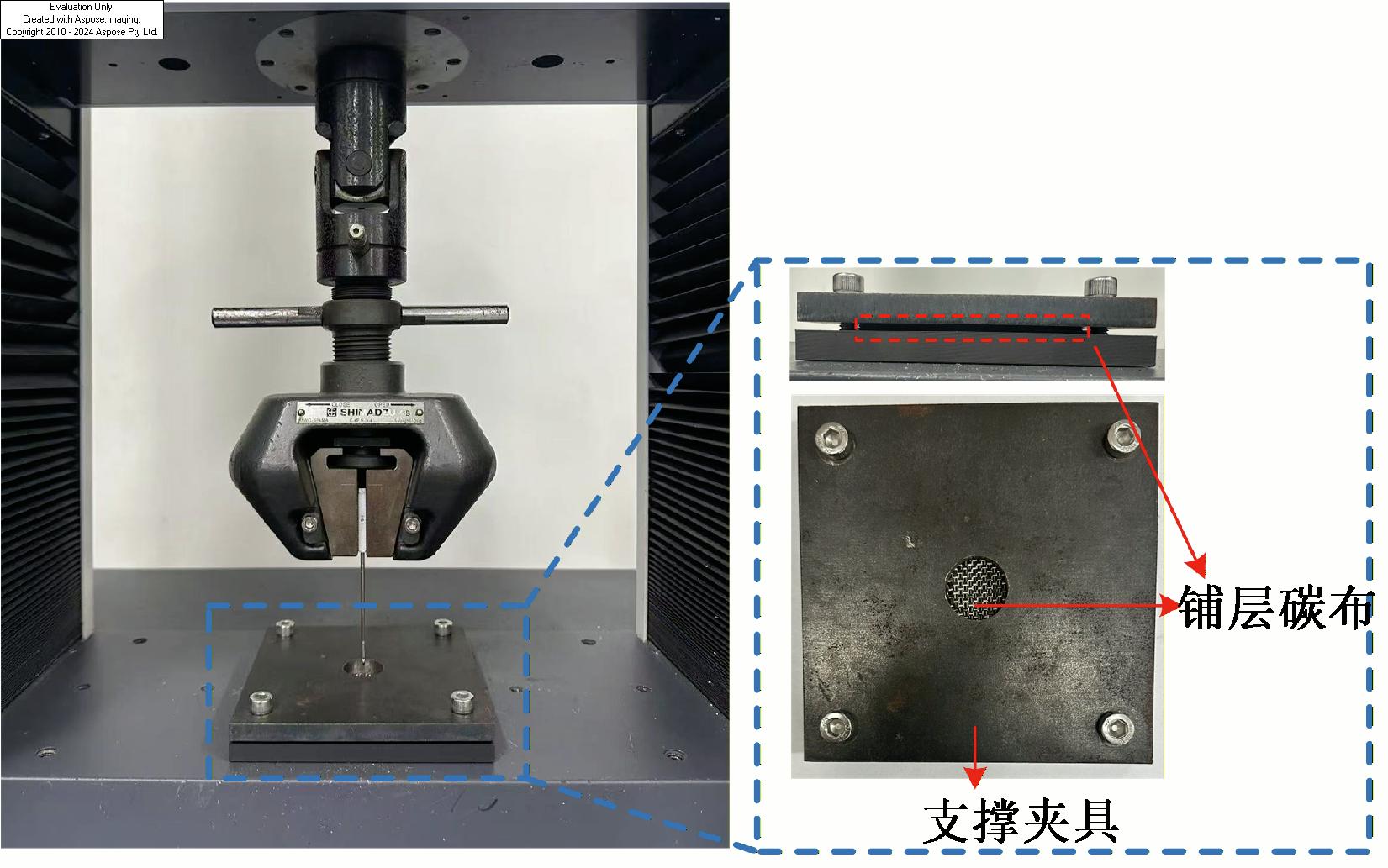
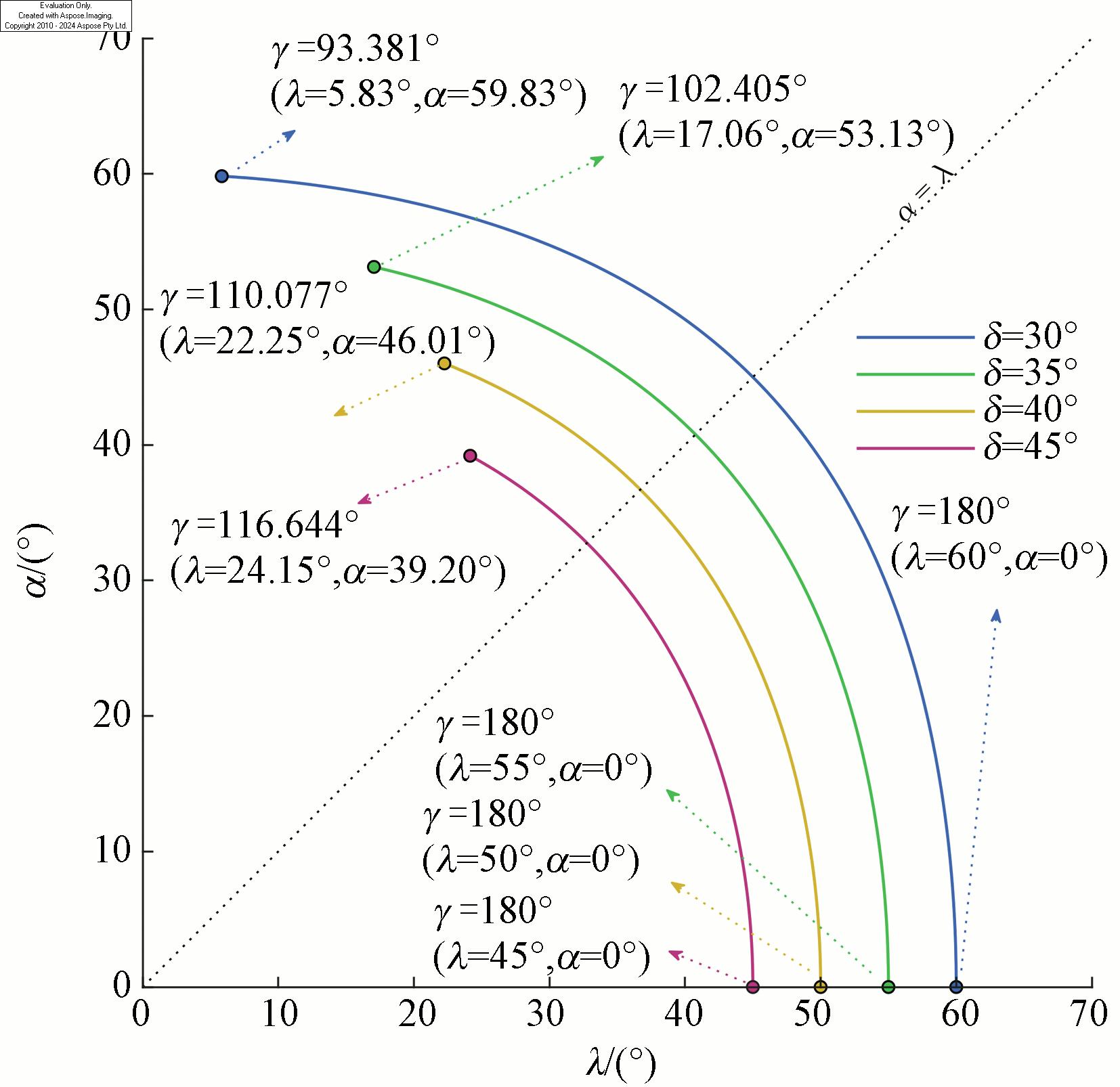
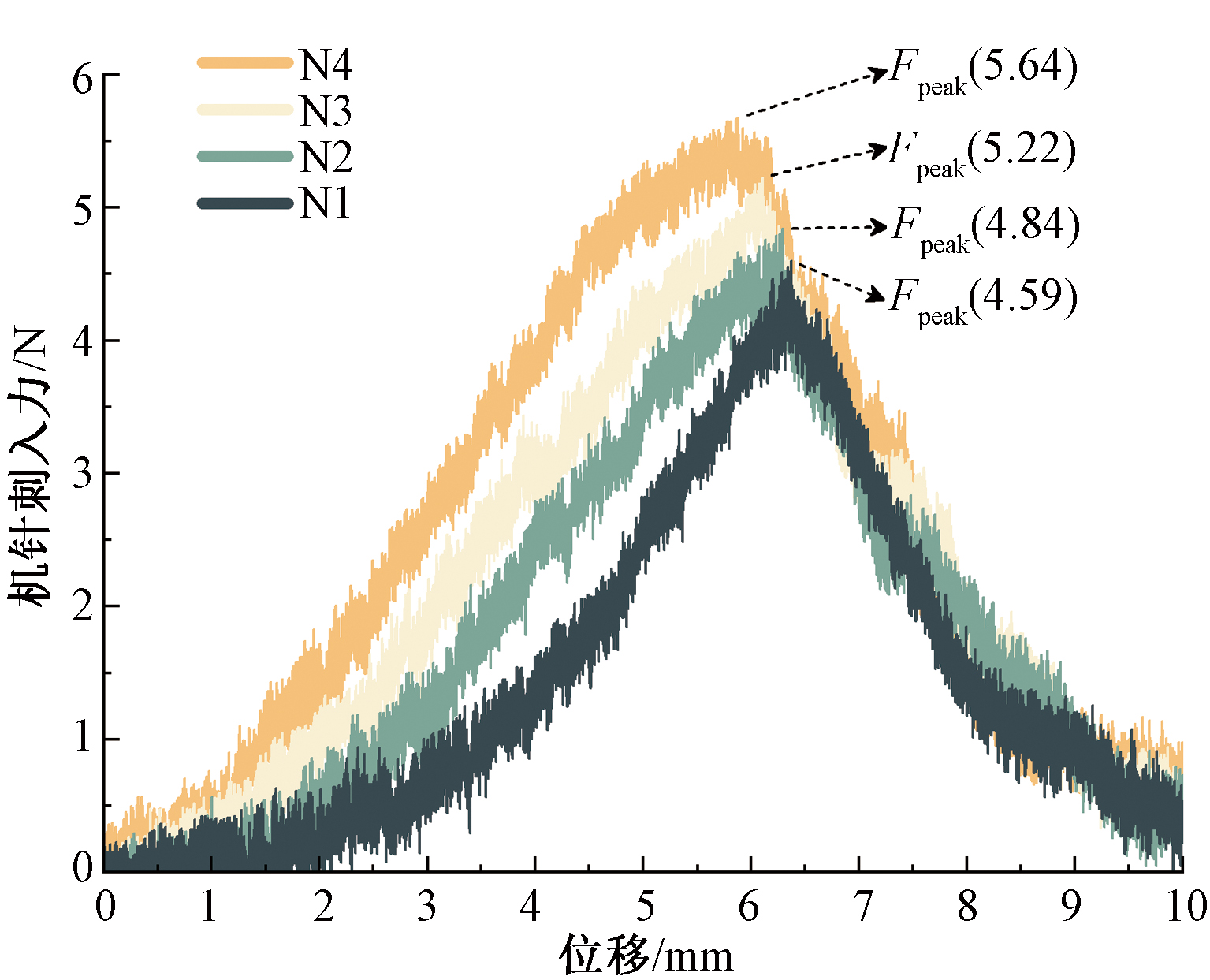
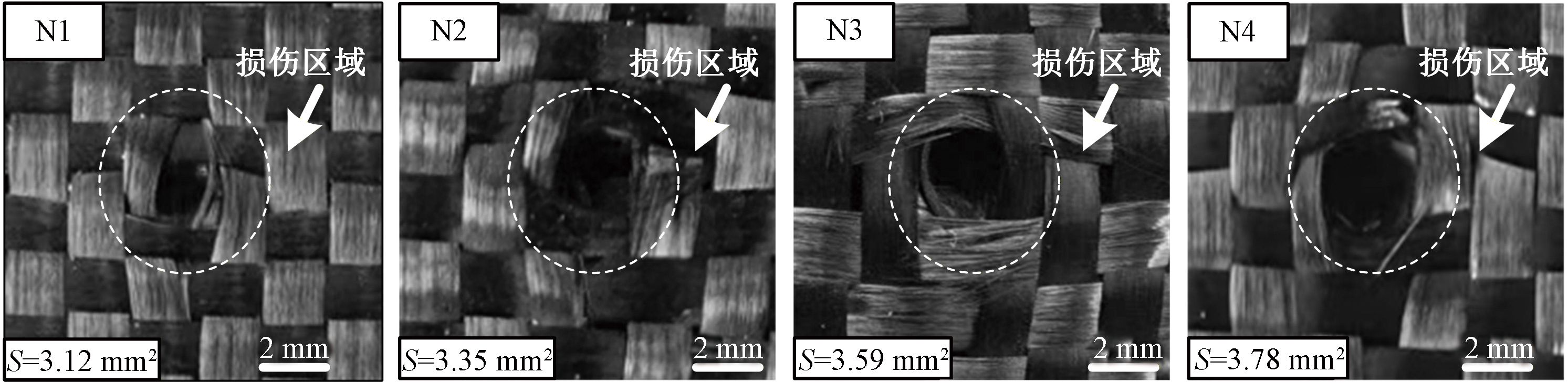
为解决簇绒机针针尖形态与受力研究不足且其对碳纤维复合材料缝合成型质量影响规律不明的问题,建立了描述机针针尖形态的特征角度数学模型,揭示了特征角度与形态参数的映射关系,结合簇绒机针受力建立簇绒机针针尖峰值刺入力模型并完成其影响因素分析。利用万能拉伸试验机对不同针尖锥角的簇绒机针进行机针穿刺实验。结果表明:各锥度簇绒机针峰值刺入力预测结果与实测值的最大平均相对误差为6.34%(对应最大均方误差为0.15 N2),实验验证了簇绒机针峰值刺入力模型的有效性,簇绒机针针尖锥角与针尖刺入力、缝料损伤面积呈现出较高的正相关性;同时,减小机针的针尖锥角有助于提高针尖各角位置的特征角度,形成更锋利的切削刃形态以降低刺入阻力、抑制缝合过程中的纤维损伤,从而提升预制体簇绒缝合成型质量。
中图分类号:
| [1] | HE Y J, MEI M, YU S Y, et al. Drop-weight impact behaviour of stitched composites: influence of stitching pattern and stitching space[J]. Composites Part A: Applied Science and Manufacturing, 2023, 172: 107612. |
| [2] | 吕庆涛, 赵世波, 杜培健, 等. 树脂基纺织复合材料疲劳性能表征与分析方法研究现状[J]. 纺织学报, 2021, 42(1): 181-189. |
| LÜ Qingtao, ZHAO Shibo, DU Peijian, et al. Research status of fatigue properties characterization and analysis methods of resin matrix composites[J]. Journal of Textile Research, 2021, 42(1): 181-189. | |
| [3] | 申皓, 李志辉, 等. 玛日耶姆·阿卜力米提, Tufting复合材料预制体成形及数值仿真研究进展[J]. 复合材料学报, 2024, 41(9): 4701-4719. |
| SHEN Hao, ABULIMITI Mariyemu, LI Zhihui, et al. Advances in forming and numerical simulation research of tufted composite preforms[J]. Acta Materiae Compositae Sinica, 2024, 41(9): 4701-4719. | |
| [4] | YUDHANTO A, WATANABE N, IWAHORI Y, et al. Effect of stitch density on tensile properties and damage mechanisms of stitched carbon/epoxy composites[J]. Composites Part B: Engineering, 2013, 46: 151-165. |
| [5] | VERMA K K, PADMAKARA G, GADDIKERI K M, et al. The key role of thread and needle selection towards 'through-thickness reinforcement' in tufted carbon fiber-epoxy laminates[J]. Composites Part B: Engineering, 2019, 174: 106970. |
| [6] | 刘苏骅, 严钰轩, 嵇阿琳, 等. Tufting缝合C/C复合材料制备与力学性能[J]. 复合材料学报, 2025, 42(5): 2547-2556. |
| LIU Suhua, YAN Yuxuan, JI A'lin, et al. Preparation and mechanical properties of tufting C/C composites[J]. Acta Materiae Compositae Sinica, 2025, 42(5): 2547-2556. | |
| [7] | QIN Z W, SONG X F, LIAO C C, et al. In-plane compressive responses and failure behaviors of composite sandwich plates with resin reinforced foam core[J]. Heliyon, 2024, 10(5): e26679. |
| [8] | LOI G, AYMERICH F. Effect of stitching on the static and fatigue properties of fibre-dominated and matrix-dominated composite laminates[J]. Composites Part A: Applied Science and Manufacturing, 2023, 173: 107648. |
| [9] | 刘苏骅, 李崇俊, 嵇阿琳. Tufting缝合复合材料预制体的成型与研究进展[J]. 航空制造技术, 2017, 60(14): 88-92, 96. |
| LIU Suhua, LI Chongjun, JI A'lin. Manufacture and advances of tufting composite preform[J]. Aeronautical Manufacturing Technology, 2017, 60(14): 88-92, 96. | |
| [10] | WANG Y C, LI W S, HAN P D, et al. Contributions in medical needle technologies: geometry, mechanics, design, and manufacturing[J]. Machining Science and Technology, 2016, 20(1): 1-43. |
| [11] | EHMANN K, MALUKHIN K. A generalized analytical model of the cutting angles of a biopsy needle tip[J]. Journal of Manufacturing Science and Engineering, 2012, 134(6): 061001. |
| [12] | MOORE J Z, ZHANG Q H, MCGILL C S, et al. Modeling of the plane needle cutting edge rake and inclination angles for biopsy[J]. Journal of Manufacturing Science and Engineering, 2010, 132(5): 051005. |
| [13] | MOORE J Z, ZHANG Q H, MCGILL C S, et al. Modeling cutting edge geometry for plane and curved needle tips[J]. Proceedings of the Institution of Mechanical Engineers, Part B: Journal of Engineering Manufacture, 2012, 226(5): 861-869. |
| [14] | MOORE J Z, MCLAUGHLIN P W, SHIH A J. Novel needle cutting edge geometry for end-cut biopsy[J]. Medical Physics, 2012, 39(1): 99-108. |
| [15] | XU Y, QIN X, LIU G, et al. A new method for evaluating the normal rake angle and inclination angle on medical needles[J]. Proceedings of the Institution of Mechanical Engineers, Part H: Journal of Engineering in Medicine, 2018, 232(1): 24-32. |
| [16] | LIN C L, HUANG Y M, LUO Z Y, et al. A novel biopsy needle with double concave-curved cutting edges[J]. IRBM, 2023, 44(5): 100783. |
| [17] | QI Y C, JIN J F, CHEN T K, et al. Modeling of geometry and insertion force of a new lancet medical needle[J]. Science Progress, 2020, 103(1): 1-19. |
| [18] | HAN P D, CHE D M, PALLAV K, et al. Models of the cutting edge geometry of medical needles with applications to needle design[J]. International Journal of Mechanical Sciences, 2012, 65(1): 157-167. |
| [19] | STYLIOS G, XU Y M. An investigation of the pen-etration force profile of the sewing machine needle point[J]. The Journal of Textile Institute, 1995, 86(1): 148-163. |
| [20] | GOTLIH K. Sewing needle penetration force study[J]. International Journal of Clothing Science and Technology, 1997, 9(3): 241-248. |
| [21] | HAGHIGHAT E, ETRATI S M, SHAIKHZADEH NAJAR S, et al. Theoretical prediction of the needle penetration force in denim fabric part 1: yarn tensile extension component[J]. International Journal of Clothing Science and Technology, 2015, 27(3): 397-416. |
| [22] | 王龙龙, 戴惠良, 梁庆. 基于ANSYS LS-DYNA的簇绒针刺底布动态响应[J]. 东华大学学报(自然科学版), 2020, 46(6): 935-939, 951. |
| WANG Longlong, DAI Huiliang, LIANG Qing. Dynamic response of carpet backing during tufting needling process based on ANSYS LS-DYNA[J]. Journal of Donghua University (Natural Science), 2020, 46(6): 935-939, 951. | |
| [23] | HAGHIGHAT E, SHAIKHZADEH NAJAR S, ETRATI S M, et al. Theoretical predicting of the needle penetration force in denim fabric, part 2: the role of yarn bending energy variations[J]. International Journal of Clothing Science and Technology, 2015, 27(4): 477-494. |
| [1] | 李顺, 贾彦军, 李新荣, 冯文倩, 文嘉琪. 基于屈曲变形的压板式缝合机器人驱动力建模[J]. 纺织学报, 2025, 46(04): 215-225. |
|
||
 京公网安备11010502044800号