纺织学报 ›› 2025, Vol. 46 ›› Issue (11): 230-237.doi: 10.13475/j.fzxb.20250200801

• 机械与设备 • 上一篇    下一篇

多种类重载盘轴货架式立体库设计及调度优化

刘健1,2(), 尹兆松1, 潘山山1, 赵庆浩1, 任康佳1   

  1. 1.天津工业大学 机械工程学院, 天津 300387
    2.天津工业大学 工程教学实习训练中心, 天津 300387
  • 收稿日期:2025-02-05 修回日期:2025-07-13 出版日期:2025-11-15 发布日期:2025-11-15
  • 作者简介:刘健(1985—),男,高级实验师,博士。主要研究方向为CAD/CAM一体化技术、新型纺织机械设计及自动化。E-mail:liujian3286@tiangong.edu.cn
  • 基金资助:
    天津市技术创新引导专项基金企业科技特派员项目(23YDTPJC00280)

Three-dimensional design and scheduling optimization of warehouses with multi-type heavy-duty reel-axle shelves

LIU Jian1,2(), YIN Zhaosong1, PAN Shanshan1, ZHAO Qinghao1, REN Kangjia1   

  1. 1. School of Mechanical Engineering, Tiangong University, Tianjin 300387, China
    2. Center of Engineering Practice Training, Tiangong University, Tianjin 300387, China
  • Received:2025-02-05 Revised:2025-07-13 Published:2025-11-15 Online:2025-11-15

摘要:

为解决纺织企业智能工厂建设中,重载盘轴因尺寸多样、载重量大导致的存储占用空间大、管理困难的问题,提出配备通用托盘承载重载物料的货架式立体库设计方案,以满足对多种类重载盘轴的存储需求及直接调度管理;针对重载盘轴调度优化问题,以迭代次数为依据设计交叉和变异动态调整参数,对遗传算法进行改进以增强其探索能力;同时,设计存储最优矩阵保证最优解在迭代过程中不被淘汰,并将其应用于货架式立体库的出入库路径优化;开展4组不同工况的调度实验,与常用于路径规划的模拟退火算法进行对比。结果表明:优化后的遗传算法具备更强的探索能力和收敛性,优化调度时间最大缩短了21%,提升了立体库的运行效率,为纺织企业智能化仓储管理和智能工厂建设提供了理论和技术参考。

关键词: 重载盘轴, 货架式立体库, 通用托盘, 遗传算法, 调度优化, 智能纺织工厂, 仓储管理

Abstract:

Objective Warp beams in a textile mill occupy large storage space and are difficult to manage due to their dimensional diversity and heavy-duty characteristics, representing an urgent problem to be solved in the intelligent manufacturing process in textile enterprises. An automated warehouse together with a suitable scheduling algorithm need to be designed and implemented.
Method A next generation of algorithm solution was developed through genetic, cross, mutation and other operations, which aimed to eliminate the solution with lower fitness function value and maintain the solution with higher fitness function value. By improving the mutual variation function, the exploration ability of the algorithm was improved, and the optimal storage matrix was designed to ensure that the optimal task result would not be eliminated by the algorithm, and the convergence condition of the algorithm is improved. For the task under different working conditions, the most reasonable iteration times are designed to ensure that the optimal solution is obtained while reducing the operation time, so that the algorithm time is shorter and the optimization ability is stronger.
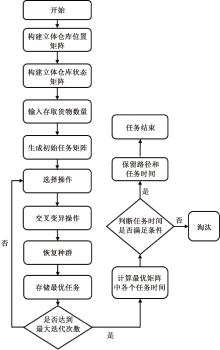
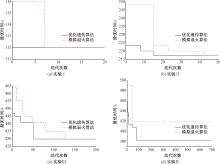
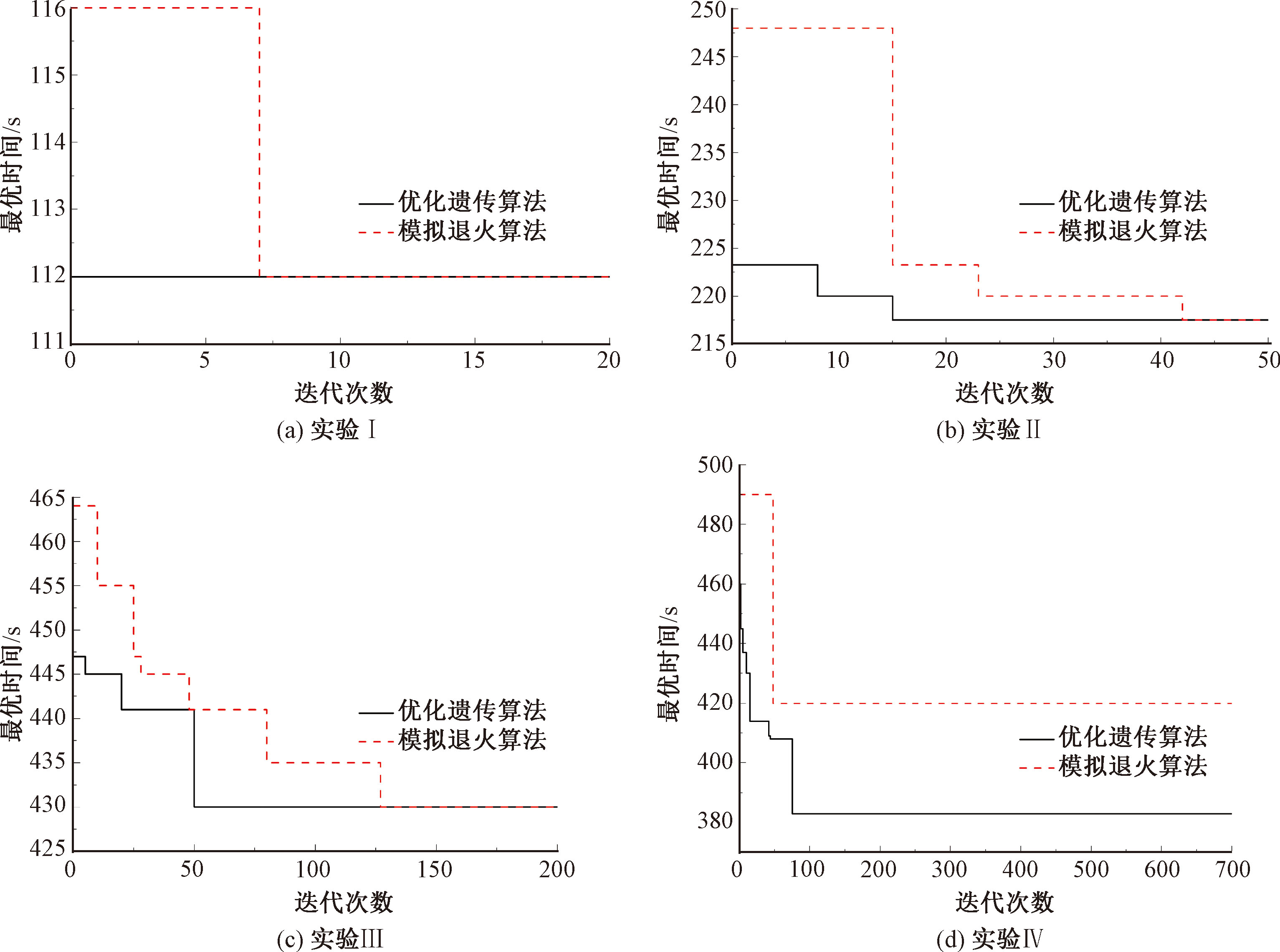
Results On the basis of the traditional stereoscopic warehouse, the structure of the designed side-flow dual station rack significantly improves the storage density of materials. The warehouse layout is reorganized, and the rack area is reasonably divided, including large pallet head, small pallet head and independent parts of yarn shaft, so as to ensure the efficient classified storage of various pallet shaft types. This structural improvement not only optimizes space utilization, but also facilitates fast access and management of stored materials. The application of dynamic adjustment genetic algorithm greatly improves the operation efficiency of the crane. In the actual task test, the algorithm was applied to four different scenarios, including 2 inbound and 4 outbound tasks, 8 inbound tasks and 6 outbound tasks, 10 inbound tasks and 12 outbound tasks, 15 inbound tasks and 10 outbound tasks. In the four experiments, the optimization scheduling time is reduced by about 21% at most, and compared with the simulated annealing algorithm scheduling strategy under four sets of different working conditions, the first three experiments show that the optimized genetic algorithm has stronger exploration ability and faster iteration speed, with the increasing complexity of the working conditions, the initial working time is 490 s, the optimization result of the optimized genetic algorithm is 383 s, and the result of the simulated annealing algorithm is 420 s, and the optimization genetic algorithm makes the algorithm have a stronger ability to jump out of the suboptimal solution, which can effectively improve the efficiency of the warehouse outbound operation. The algorithm simplifies the material handling process by carefully adjusting crane movements and sequencing task sequences, and reducing the frequency of cross-region scheduling.
Conclusion In order to solve the problem that the circular warp warehouse of large textile enterprises cannot meet the effective scheduling requirements of multiple goods, a side-flow shelf type stereoscopic warehouse was proposed. At the same time, the optimization problem of in/out route was solved, and the optimization strategy of dynamic adjustment genetic algorithm was applied. The problem of low operation efficiency and low utilization of storage space of the stacker crane was solved by optimizing the warehouse management and the inbound/outbound operation path. The optimized algorithm can avoid local optimization in genetic algorithm, ensure search efficiency and optimal iteration times under different working conditions. The experimental results show that the improved algorithm has a higher exploration ability, and can effectively improve the efficiency of operations. The optimization scheme provides theoretical and technology support for improving production efficiency and intelligent warehouse management.

Key words: heavy-duty flange and warp beam, shelf type stereoscopic warehouse, universal tray, genetic algorithm, scheduling optimization, intelligent textile factory, warehouse management

中图分类号: 

  • TH122

图1

多种类重载盘轴 单位:mm。"

表1

整经机种类及生产能力"

整经设备 物料 生产时间/h
经轴整经机 绒经轴 3.5
地经轴 5.5
大盘头整经机 大盘头 1
小盘头整经机 小盘头 1

表2

织造设备及物料需求"

织造设备 物料 数目/个 更换时间/d
盘头经编机 大盘头 4 2
小盘头 16 10
纱筒经编机 小盘头 28 10
平织机 绒经轴 1 2
上地经轴 1 20
下地经轴 1 60

图2

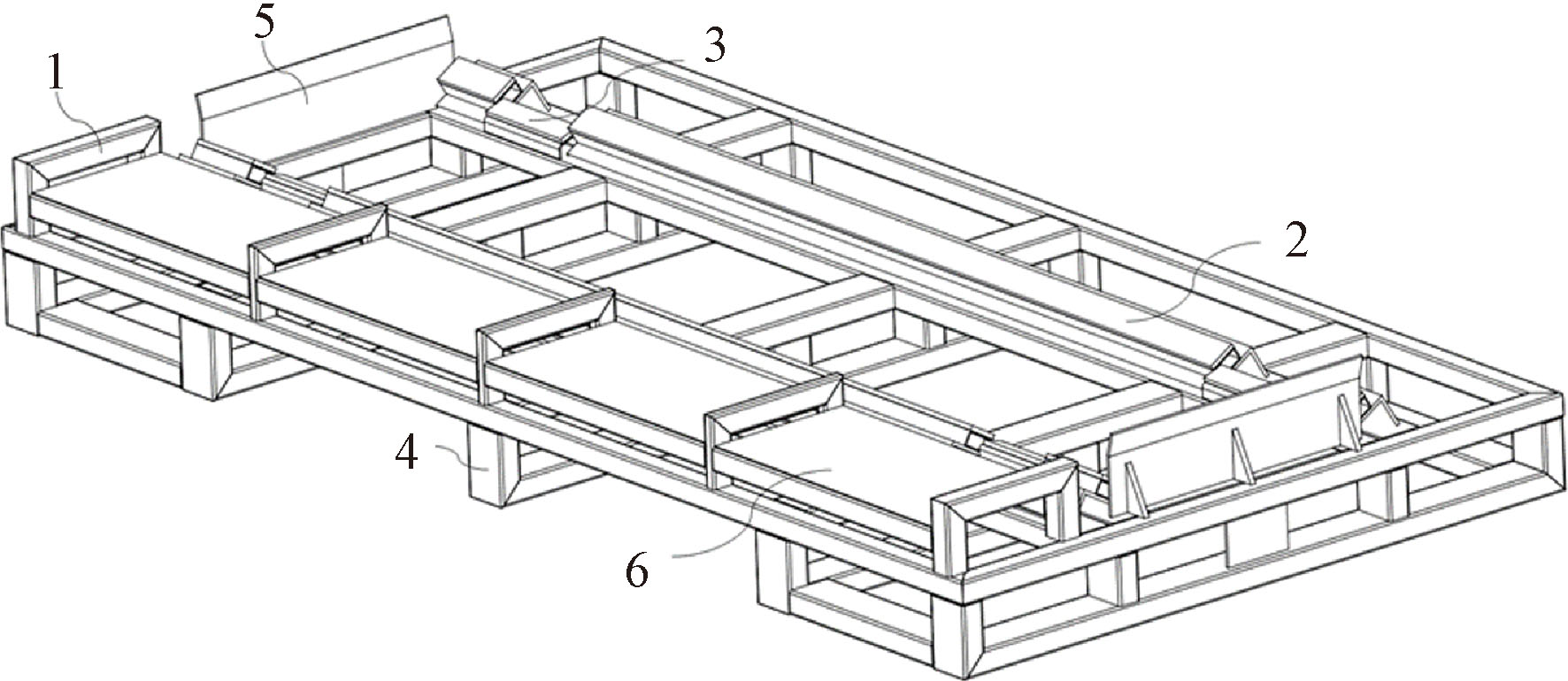
通用托盘 1—盘头引导壁;2—盘头支撑壁;3—经轴支撑壁;4—叉车插槽壁;5—侧面挡板;6—经轴初始放置平台。"

图3

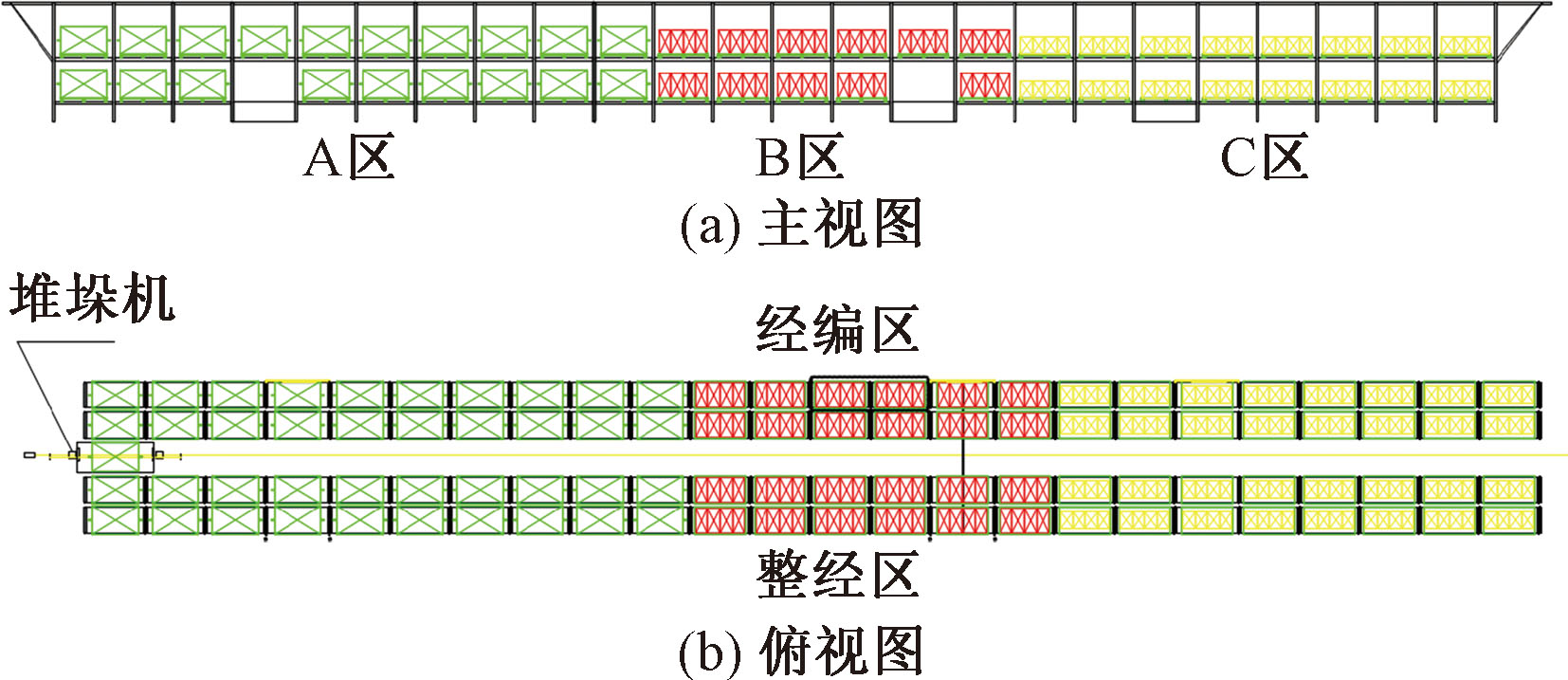
整体规划布局图"

图4

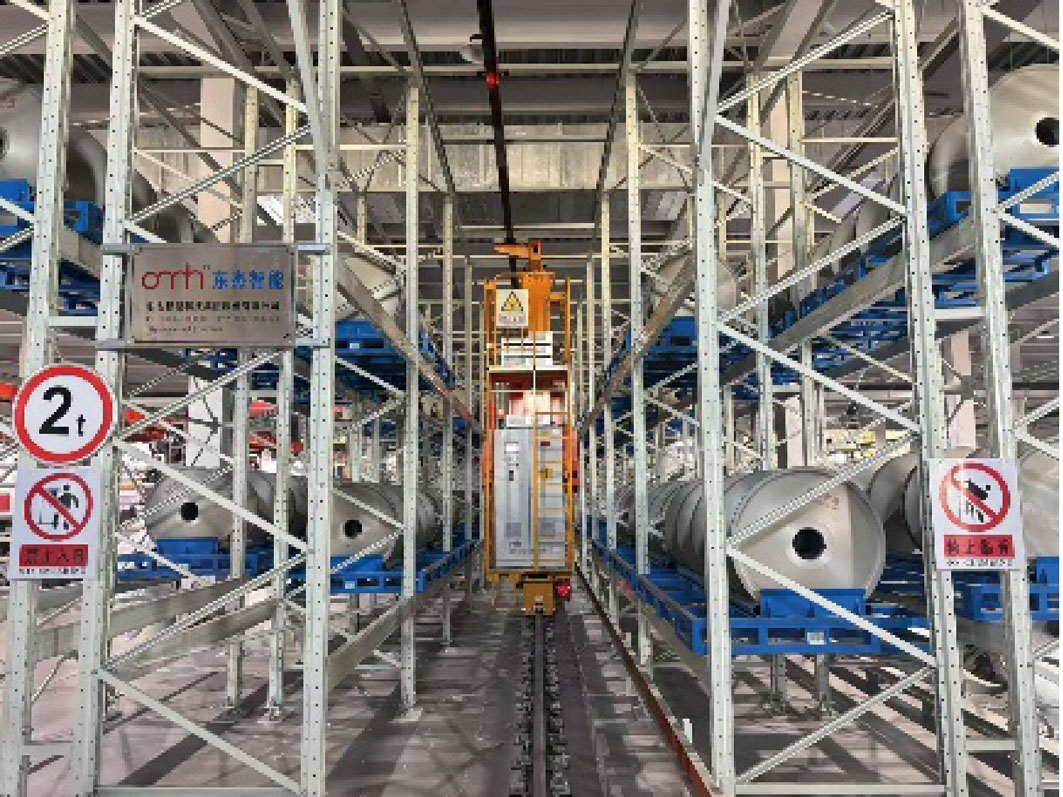
货架式立体库现场实物图"

图5

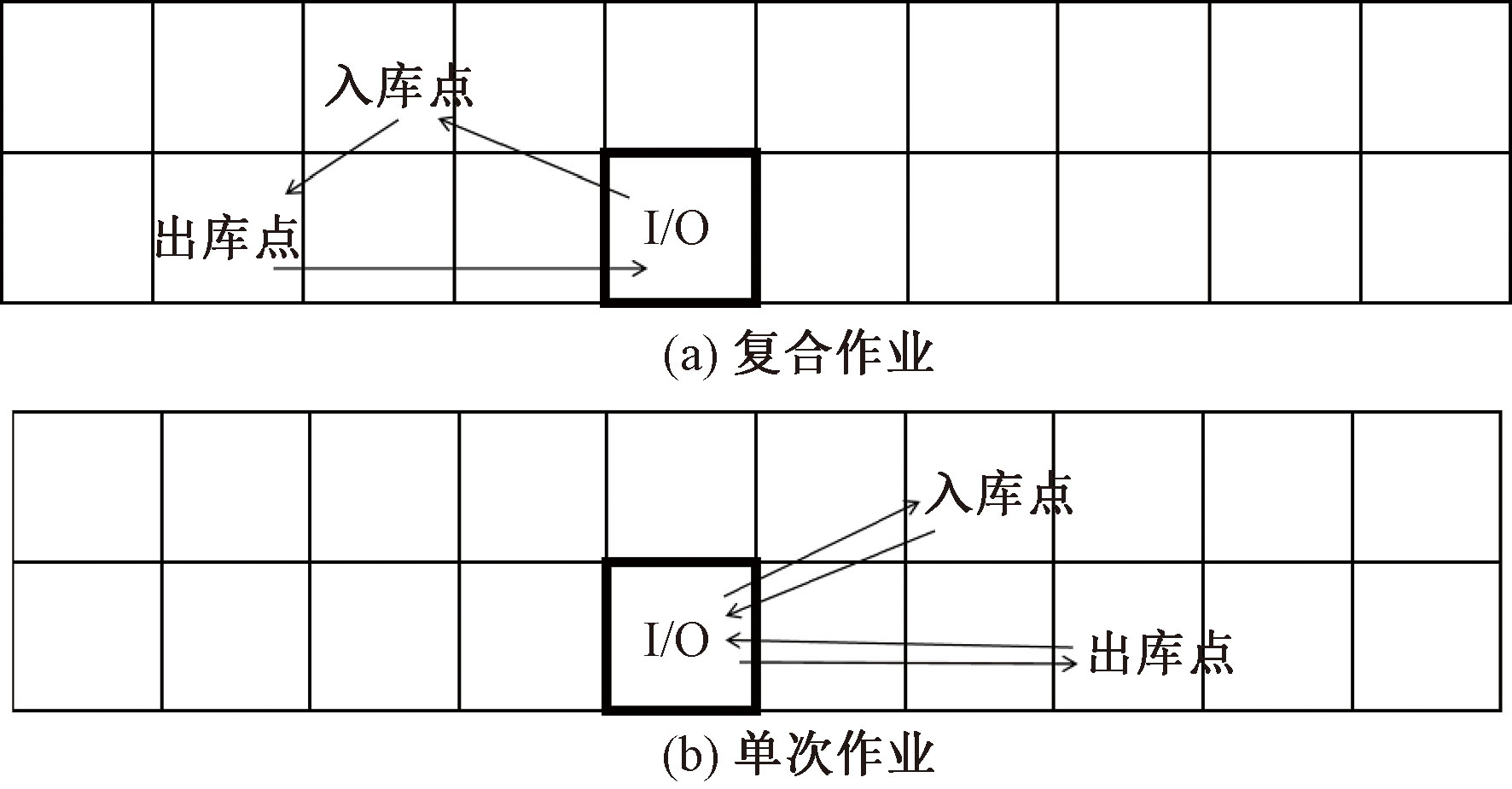
堆垛机作业流程"

表3

各阶段参数区间与作用效果"

阶段 参数范围 作用 效果
初期 cr≈0.5
mr≈0.2
保护优良基因,
稳定收敛
快速定位有
潜力的解区域
中期 cr∈(0.5,0.8)
mr∈(0.2,0.25)
逐步增加探索能力,
重组优质路径
平衡探索
后期 cr≈0.8
mr≈0.3
通过高频变异
跳出局部最优
发现全局
最优解

图6

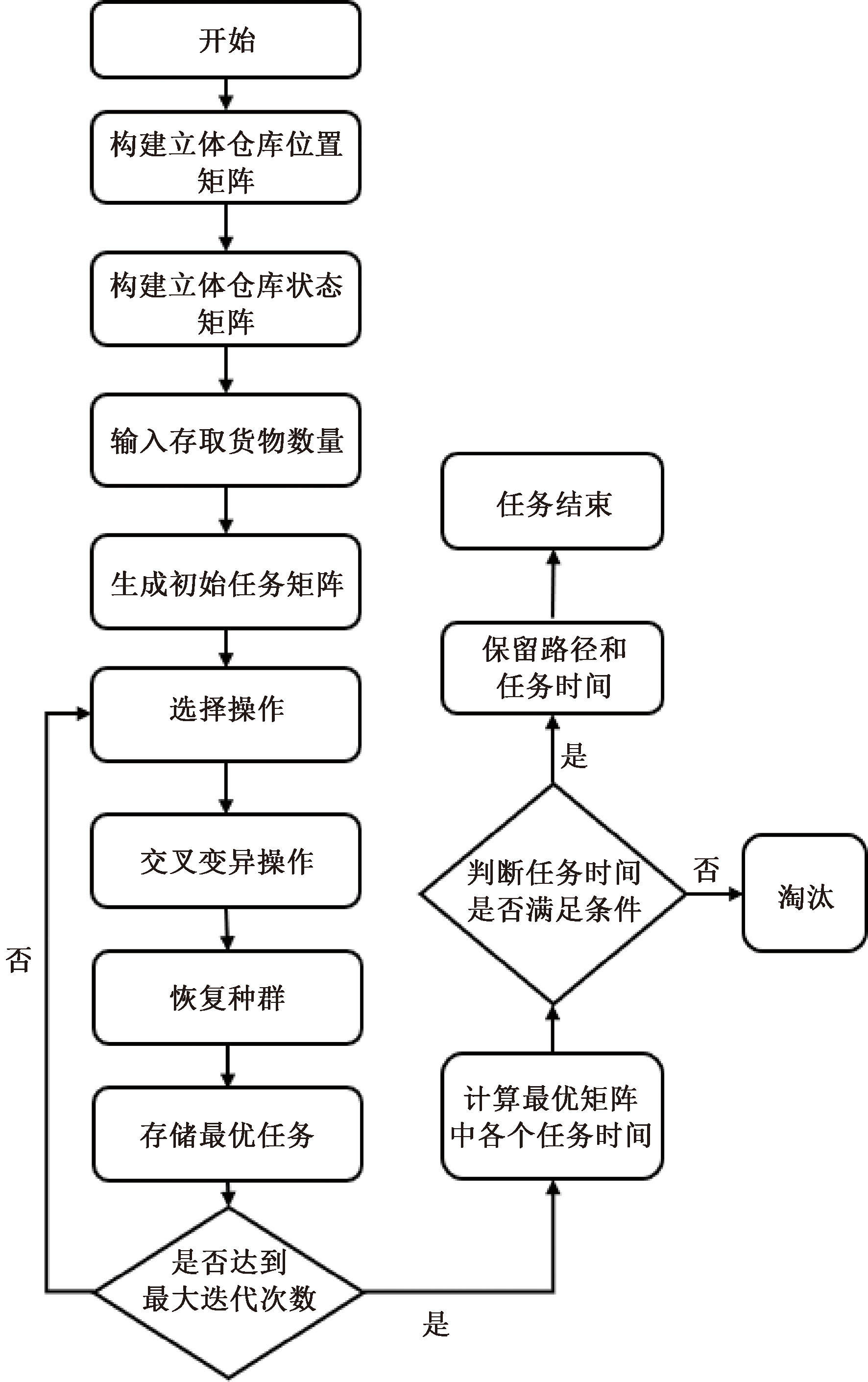
优化算法流程图"

表4

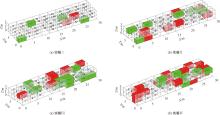
出入库任务及调度实验结果"

实验
编号
选择货位编号 任务数/个 随机调度实验 本文算法优化调度结果
入库 出库 复合作业 单次作业 复合作业 单次作业
实验Ⅰ 60、51、1、65、53、22 2 4 60-1、51-65 53、22
(出库)
60-22、51-53 65、1
(出库)
实验Ⅱ 56、35、75、42、11、12、79、9、71、22、77、6、54、1 8 6 56-71、35-22、
75-77、42-6、
11-54、12-1
79、9
(入库)
42-22、35-1、
12-6、56-71、
9-77、11-54
79、75
(入库)
实验Ⅲ 80、46、59、63、48、60、64、42、4、36、49、67、50、70、43、65、73、52、20、21、24、44 10 12 80-49、46-67、
59-50、63-70、
48-43、60-65、
64-73、42-52、
4-20、36-21
24、44
(出库)
63-20、46-21、
80-49、4-44、
63-65、64-67、
48-24、63-50、
36-52、42-43
70、73
(出库)
实验Ⅳ 42、15、14、62、45、48、3、39、12、4、78、57、72、75、76、54、52、38、49、37、61、68、57、74、77 15 10 42-54、15-52、
14-38、62-49、
45-37、48-61、
3-68、39-57、
12-74、4-77
78、57、72、75、76
(入库)
57-49、78-68、
4-57、45-61、
14-74、62-37、
39-54、3-52、
72-77、15-38
48、42、
76、12、75
(入库)

图7

实验任务图"

图8

优化调度算法运行情况"

[1] 蔡宏, 梁然然. 智能技术在纺织服装行业的应用[J]. 天津纺织科技, 2022(6): 6-8.
CAI Hong, LIANG Ranran. Application of intelligent technology in textile and garment industry[J]. Tianjin Textile Science & Technology, 2022(6): 6-8.
[2] 曾海宁, 钱春芳. 纺织工厂智能化设计浅析[J]. 合成纤维, 2022, 51(5): 41-45.
ZENG Haining, QIAN Chunfang. Analysis on intelligent design of textile factory[J]. Synthetic Fiber in China, 2022, 51(5): 41-45.
[3] 吴秀丽. 智慧仓内的智能算法应用现状综述[J]. 物流技术与应用, 2019, 24(8): 118-123.
WU Xiuli. A summary of the application of intelligent algorithms in intelligent warehouse[J]. Logistics & Material Handling, 2019, 24(8): 118-123.
[4] 杜星祝, 梁东凯, 李铬, 等. 经轴立体库系统设计[J]. 上海纺织科技, 2017, 45(4): 59-61.
DU Xingzhu, LIANG Dongkai, LI Ge, et al. System design of three-dimensional library for warp beam[J]. Shanghai Textile Science & Technology, 2017, 45(4): 59-61.
[5] 杜星祝. 经轴自动存取与自动上落系统设计[D]. 郑州: 中原工学院, 2017:1-20.
DU Xingzhu. Design of warp beam automatic access and automatic loading and unloading system[D]. Zhengzhou: Zhongyuan University of Technology, 2017:1-20.
[6] 刘建升. 自动化立体仓库状态监控及货物智能存取问题研究[D]. 沈阳: 沈阳工业大学, 2022:2-18.
LIU Jiansheng. Research on condition monitoring and intelligent access of goods in automated three-dimensional warehouse[D]. Shenyang: Shenyang University of Technology, 2022:2-18.
[7] 耿赛. 自动化立体仓库出入库调度策略优化研究[D]. 芜湖: 安徽工程大学, 2022:3-20.
GENG Sai. Research on optimization of warehousing and dispatching strategy for automated warehouse[D]. Wuhu: Anhui Polytechnic University, 2022:3-20.
[8] 范贤光, 吴俊涛, 尹艺玲, 等. 基于改进鱼群算法的双向式立体库货位优化研究[J]. 计算机仿真, 2023, 40(5): 353-357,373.
FAN Xianguang, WU Juntao, YIN Yiling, et al. Research on storage location optimization of bidirectional stereoscopic warehouse based on improved fish swarm algorithm[J]. Computer Simulation, 2023, 40(5): 353-357,373.
[9] 王清云. 基于改进遗传算法的立体库货位优化研究[D]. 长春: 长春工业大学, 2023: 56-74.
WANG Qingyun. Research on storage location optimization in an automated stereoscopic warehouse based on an improved genetic algorithm[D]. Changchun: Changchun University of Technology, 2023: 56-74.
[10] 陈娟, 郑旺, 刘倩倩, 等. 基于动态储位分配策略的自动化立库多目标优化[J]. 系统仿真学报, 2025, 37(6): 1435-1448.
doi: 10.16182/j.issn1004731x.joss.24-0210
CHEN Juan, ZHENG Wang, LIU Qianqian, et al. Automatic multi-objective optimization based on dynamic storage location allocation strategy[J]. Journal of System Simulation, 2025, 37(6): 1435-1448.
doi: 10.16182/j.issn1004731x.joss.24-0210
[11] SHIAU J Y, LEE M C. A warehouse management system with sequential picking for multi-container deliveries[J]. Computers & Industrial Engineering, 2010, 58(3): 382-392.
doi: 10.1016/j.cie.2009.04.017
[12] MA H P, SU S F, SIMON D, et al. Ensemble multi-objective biogeography-based optimization with application to automated warehouse scheduling[J]. Engineering Applications of Artificial Intelligence, 2015, 44: 79-90.
doi: 10.1016/j.engappai.2015.05.009
[13] 朱文真, 唐敦兵, 王雷. 基于遗传禁忌搜索算法的自动化立体仓库出入库路径优化研究[J]. 机械科学与技术, 2011, 30(7): 1202-1206.
ZHU Wenzhen, TANG Dunbing, WANG Lei. Optimization of the loading/unloading of an automated warehouse based on genetic algorithm and tabu search[J]. Mechanical Science and Technology for Aerospace Engineering, 2011, 30(7): 1202-1206.
[14] 龚强. 基于多目标优化算法的自动化缓存库货位分配优化与仿真[D]. 绵阳: 西南科技大学, 2023:10-15.
GONG Qiang. Optimization and simulation of automatic cache location allocation based on multi-objective optimization algorithm[D]. Mianyang: Southwest University of Science and Technology, 2023:10-15.
[1] 黄超, 张剑铭, 陈豪, 刘维琦, 张浩宇, 郭萌. 经编车间高级计划排程系统及调度算法[J]. 纺织学报, 2024, 45(08): 225-233.
[2] 孙磊, 屠佳佳, 毛慧敏, 王俊茹, 史伟民. 针织智能车间自动换筒任务调度技术[J]. 纺织学报, 2023, 44(12): 189-196.
[3] 陈莎, 修毅, 李雪飞. 基于遗传算法的服装大规模定制生产线平衡优化[J]. 纺织学报, 2022, 43(12): 144-150.
[4] 杨晓波. 基于交互式遗传算法的三维服装款式研究[J]. 纺织学报, 2022, 43(06): 145-150.
[5] 潘佳豪, 周其洪, 岑均豪, 李姝佳, 周申华. 服装企业包装订单分配排序优化模型及其快速非支配遗传算法求解[J]. 纺织学报, 2022, 43(05): 156-162.
[6] 邵景峰, 石小敏. 基于非支配排序遗传算法的细纱工艺参数优化[J]. 纺织学报, 2022, 43(01): 80-88.
[7] 谢子昂, 杜劲松, 余雅芸, 陈清婷, 费中华. 西服定制吊挂生产线的筛选秩序优化[J]. 纺织学报, 2021, 42(10): 150-156.
[8] 许雪梅. 基于模拟退火算法改进遗传算法的织物智能配色[J]. 纺织学报, 2021, 42(07): 123-128.
[9] 周亚勤, 王攀, 张朋, 张洁. 纬编织造车间生产调度方法研究[J]. 纺织学报, 2021, 42(04): 170-176.
[10] 张卓, 丛洪莲, 蒋高明, 董智佳. 基于交互式遗传算法的Polo衫快速款式推荐系统[J]. 纺织学报, 2021, 42(01): 138-144.
[11] 李亮, 倪俊芳. 绗缝机花样加工代码自动生成算法[J]. 纺织学报, 2020, 41(11): 162-167.
[12] 谢子昂, 杜劲松, 赵国华. 衬衫吊挂流水线的自适应动态调度[J]. 纺织学报, 2020, 41(10): 144-149.
[13] 张晓侠, 刘凤坤, 买巍, 马崇启. 基于BP神经网络及其改进算法的织机效率预测[J]. 纺织学报, 2020, 41(08): 121-127.
[14] 黄珍珍, 莫碧贤, 温李红. 基于遗传算法及仿真技术的服装生产流水线平衡[J]. 纺织学报, 2020, 41(07): 154-159.
[15] 郑小虎, 鲍劲松, 马清文, 周衡, 张良山. 基于模拟退火遗传算法的纺纱车间调度系统[J]. 纺织学报, 2020, 41(06): 36-41.
Viewed
Full text


Abstract

Cited

  Shared   
  Discussed   
No Suggested Reading articles found!