纺织学报 ›› 2026, Vol. 47 ›› Issue (03): 233-239.doi: 10.13475/j.fzxb.20250803701
李瑞瑞1, 文鹏1, 张勇1, 陈学军2( )
)
LI Ruirui1, WEN Peng1, ZHANG Yong1, CHEN Xuejun2()
摘要:
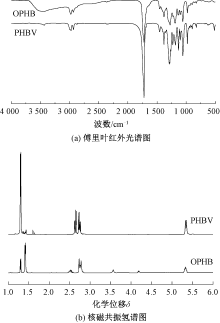
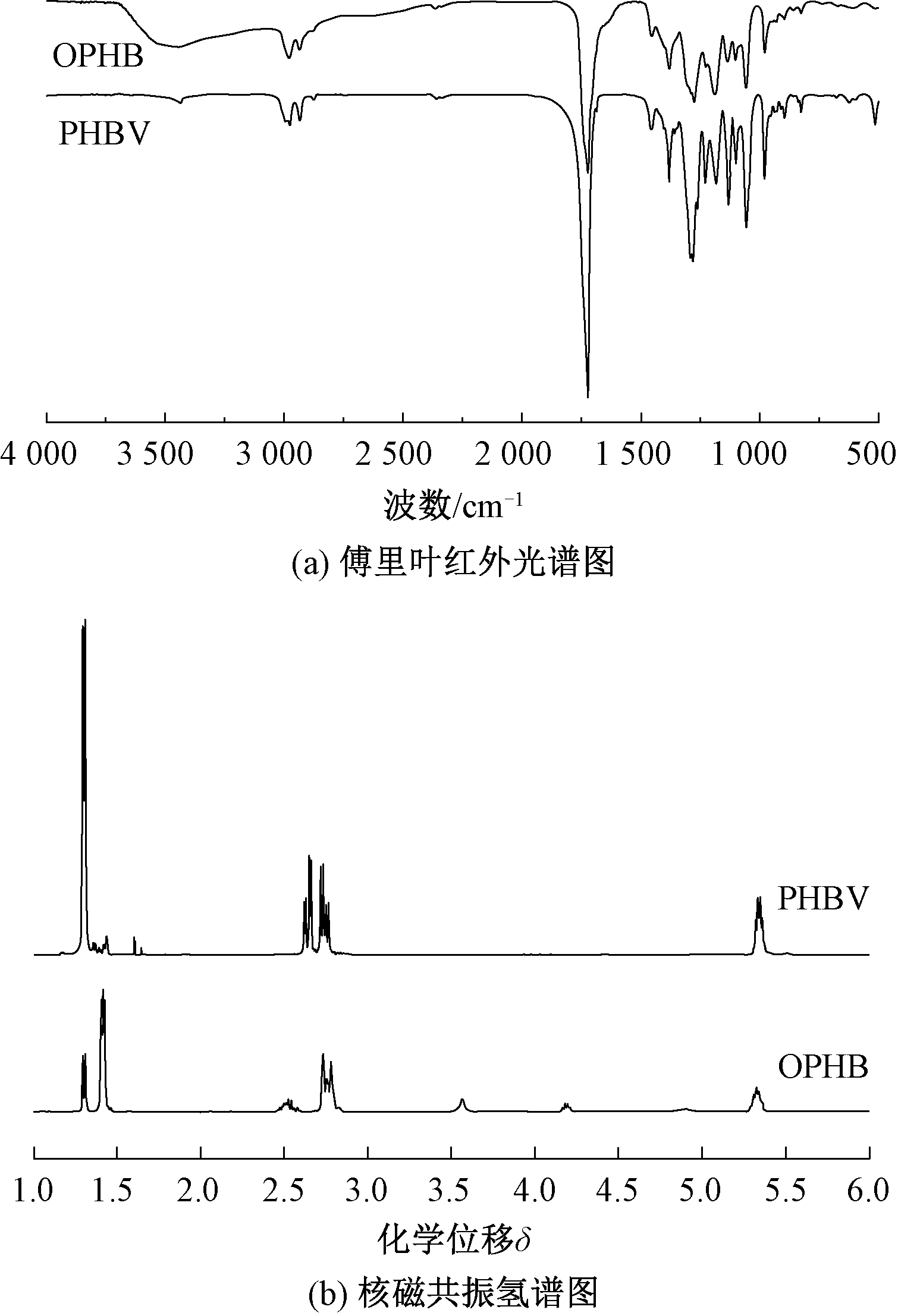
针对传统抗菌纤维制备过程中出现的环境污染、使用阶段的重金属离子缓释迁移及耐洗性不足等问题,以来源于生物基高分子材料聚3-羟基丁酸戊酸酯(PHBV)的低聚物(OPHB)为抗菌剂,结合超临界流体技术,成功制备出新型抗菌纤维:OPHB抗菌纤维,并系统分析了该纤维及其经纺纱、织造和染色处理后的织物性能。核磁共振和红外光谱表征结果证实,OPHB为PHBV低聚物;安全性测试结果表明,该物质无毒、无刺激性,无致突变风险。当纤维中OPHB添加量为0.5%时,OPHB抗菌纤维兼具高效抗菌性、耐水洗性和安全性,且对纤维原有力学性能无显著影响。溶出性检测结果显示,该纤维抑菌圈宽度均为0或1 mm,属于完全非溶出型抗菌产品。此外,OPHB抗菌纤维所制得的织物仍可保持优异的抗菌性能,对大肠埃希菌、金黄色葡萄球菌和白念珠菌的抑菌率均达到90%以上。
中图分类号:
| [1] | 龙思宇, 曾舒, 钟安澜, 等. 抗菌聚丙烯的制备及应用研究进展[J]. 工程塑料应用, 2023, 51(10): 186-191. |
| LONG Siyu, ZENG Shu, ZHONG Anlan, et al. Research progress in preparation and application of antimicrobial polypropylene[J]. Engineering Plastics Application, 2023, 51(10): 186-191. | |
| [2] | 王璐, 关国平, 王富军, 等. 生物医用纺织材料及其器件研究进展[J]. 纺织学报, 2016, 37(2): 133-140. |
| WANG Lu, GUAN Guoping, WANG Fujun, et al. Research progress on biomedical textile materials and devices[J]. Journal of Textile Research, 2016, 37(2): 133-140. | |
| [3] |
YILMAZ F. Application of achillea millefolium as a natural antibacterial agent in finishing of textile[J]. Fibers and Polymers, 2023, 24(9): 3175-3182.
doi: 10.1007/s12221-023-00309-2 |
| [4] |
GAO S M, GUO H Y, JIN Q P, et al. Development of a poly(cation-π) antibacterial agent for thermal and moisture managing in PET fabrics[J]. Advanced Functional Materials, 2025, 35(23): 2420340.
doi: 10.1002/adfm.v35.23 |
| [5] | 陈蓉, 邱赛飞, 游雨欣, 等. 纳米氢氧化镁对茶叶黑斑病原真菌活性的抑制效应研究[J]. 农业生物技术学报, 2019, 27(8): 1460-1466. |
| CHEN Rong, QIU Saifei, YOU Yuxin, et al. Study on the inhibition effect of nano-Mg (OH)2 to tea blackspot disease pathogenic fungi activity[J]. Journal of Agricultural Biotechnology, 2019, 27(8): 1460-1466. | |
| [6] | 张濛, 孟光, 张广伟, 等. 纳米银抗菌卫生巾抗菌效果及安全性研究[J]. 现代预防医学, 2015, 42(3): 560-562. |
| ZHANG Meng, MENG Guang, ZHANG Guangwei, et al. Antibacterial effects and security for nano-silver antibacterial sanitary napkins[J]. Modern Preventive Medicine, 2015, 42(3): 560-562. | |
| [7] |
SOLIHAT N N, HIDAYAT A F, ILYAS R A, et al. Recent antibacterial agents from biomass derivatives: characteristics and applications[J]. Journal of Bioresources and Bioproducts, 2024, 9(3): 283-309.
doi: 10.1016/j.jobab.2024.02.002 |
| [8] |
ZHANG Y N, ZHENG M J, WANG Z, et al. Discovery of novel antibacterial agent for the infected wound treatment: all-hydrocarbon stapling optimization of LL-37[J]. Theranostics, 2024, 14(3): 1181-1194.
doi: 10.7150/thno.87916 pmid: 38323312 |
| [9] |
曹聪聪, 汤龙世, 刘元军, 等. 无机抗菌织物的研究进展[J]. 纺织学报, 2022, 43(11): 203-211.
doi: 10.13475/j.fzxb.20210309409 |
|
CAO Congcong, TANG Longshi, LIU Yuanjun, et al. Research progress of inorganic antibacterial fabrics[J]. Journal of Textile Research, 2022, 43(11): 203-211.
doi: 10.13475/j.fzxb.20210309409 |
|
| [10] |
CHAI S, XIE Y T, YANG L H. Antibacterial applications of elemental nanomaterials[J]. Current Opinion in Solid State and Materials Science, 2022, 26(6): 101043.
doi: 10.1016/j.cossms.2022.101043 |
| [11] |
ZHOU Z Y, ZHOU S G, ZHANG X R, et al. Quaternary ammonium salts: insights into synthesis and new directions in antibacterial applications[J]. Bioconjugate Chemistry, 2023, 34(2): 302-325.
doi: 10.1021/acs.bioconjchem.2c00598 pmid: 36748912 |
| [12] |
KANDOTH N, GUPTA S, RAKSHA K, et al. Harnessing multi-modal exciton migration in hybrid halide perovskite for photocatalytic amplification of nitric oxide and hydroxyl radicals toward bacterial killing and biofilm disruption[J]. Advanced Functional Materials, 2024, 34(28): 2400998.
doi: 10.1002/adfm.v34.28 |
| [13] |
LIU Q P, GAO S B, FANG J, et al. Novel fungal diphenyl ether biosynthetic gene clusters encode a promiscuous oxidase for elevated antibacterial activities[J]. Chemical Science, 2024, 15(35): 14248-14253.
doi: 10.1039/D4SC01435A |
| [14] | 高雪, 李政, 巩继贤, 等. 新型纺织用生物基抗菌整理剂的研究进展[J]. 纺织学报, 2020, 41(2): 187-192. |
|
GAO Xue, LI Zheng, GONG Jixian, et al. Research progress on new bio-antibacterial agents for textiles[J]. Journal of Textile Research, 2020, 41(2): 187-192.
doi: 10.1177/004051757104100301 |
|
| [15] |
LI Y, LIU X, XIANG S F, et al. Fabrication of perm-inspired Janus polyester fabric via unilateral surface engineering for unidirectional water transport and antibacterial properties[J]. Chemical Engineering Journal, 2025, 503: 158456.
doi: 10.1016/j.cej.2024.158456 |
| [16] |
OH I, YANG W Y, PARK J, et al. In vitro Na+/K+-ATPase inhibitory activity and antimicrobial activity of sesquiterpenes isolated from Thujopsis dolabrata[J]. Archives of Pharmacal Research, 2011, 34(12): 2141-2147.
doi: 10.1007/s12272-011-1218-5 |
| [17] |
HELANDER I M, NURMIAHO-LASSILA E L, AHVENAINEN R, et al. Chitosan disrupts the barrier properties of the outer membrane of gram-negative bacteria[J]. International Journal of Food Microbiology, 2001, 71(2/3): 235-244.
doi: 10.1016/S0168-1605(01)00609-2 |
| [18] |
IQBAL S, RAFIQUE M S, IQBAL N, et al. Synergistic effect of silver-nanodiamond composite as an efficient antibacterial agent against E. coli and S. aureus[J]. Heliyon, 2024, 10(9): e30500.
doi: 10.1016/j.heliyon.2024.e30500 |
| [19] | 刘海弟, 张婧坤, 薛杨, 等. 海泡石负载离子液体制备高热稳定性抗菌剂[J]. 中国粉体技术, 2022, 28(6): 1-9. |
| LIU Haidi, ZHANG Jingkun, XUE Yang, et al. Preparation of high thermal-stable antibacterial material with sepiolite droped ionic liquid[J]. China Powder Science and Technology, 2022, 28(6): 1-9. | |
| [20] |
LU J, GUO J H. Disinfection spreads antimicrobial resistance[J]. Science, 2021, 371(6528): 474.
doi: 10.1126/science.abg4380 pmid: 33510019 |
| [21] |
BUCATARU C, CIOBANASU C. Antimicrobial peptides: opportunities and challenges in overcoming resistance[J]. Microbiological Research, 2024, 286: 127822.
doi: 10.1016/j.micres.2024.127822 |
| [22] |
MA L L, ZHANG Z H, LI J, et al. A new antimicrobial agent: poly (3-hydroxybutyric acid) oligomer[J]. Macromolecular Bioscience, 2019, 19(5): 1970014.
doi: 10.1002/mabi.v19.5 |
| [23] | 彭晶. 服装用无机抗菌剂改性PET纤维研究进展[J]. 合成树脂及塑料, 2025, 42(1): 76-79, 86. |
| PENG Jing. Research progress on PET fiber modified with inorganic antibacterial agents for clothing[J]. China Synthetic Resin and Plastics, 2025, 42(1): 76-79, 86. | |
| [24] | 任鹤宁, 马林玉. 功能性纺织品研究进展[J]. 纺织标准与质量, 2023(3): 5-11. |
| REN Hening, MA Linyu. Research progress on functional textiles[J]. Textile Standards and Quality, 2023(3): 5-11. | |
| [25] |
GAO Y, CRANSTON R. Recent advances in antimicrobial treatments of textiles[J]. Textile Research Journal, 2008, 78(1): 60-72.
doi: 10.1177/0040517507082332 |
| [26] |
SILVER L L. Challenges of antibacterial discovery[J]. Clinical Microbiology Reviews, 2011, 24(1): 71-109.
doi: 10.1128/CMR.00030-10 pmid: 21233508 |
| [27] |
GUPTA A, MUMTAZ S, LI C H, et al. Combatting antibiotic-resistant bacteria using nanomaterials[J]. Chemical Society Reviews, 2019, 48(2): 415-427.
doi: 10.1039/c7cs00748e pmid: 30462112 |
| [1] | 王琎祺, 翟倩, 俞森龙, 朱倩沁, 周哲, 相恒学, 朱美芳. 聚乙烯微细纤维医疗防护应用研究进展[J]. 纺织学报, 2026, 47(03): 156-165. |
| [2] | 孙鹤情, 赵聪颖, 吴冰雪, 张幼维. 长效型抗菌聚酰胺 66 纤维的制备及其性能[J]. 纺织学报, 2025, 46(09): 66-73. |
| [3] | 刘婷, 闫涛, 潘志娟. 香蕉茎秆纤维/抗菌纤维混纺纱的制备及其性能[J]. 纺织学报, 2024, 45(10): 48-54. |
| [4] | 徐豫松, 周杰, 甘佳怡, 张涛, 张先明. 含磷氮水性聚氨酯的制备及其在涤纶织物阻燃整理中应用[J]. 纺织学报, 2024, 45(07): 112-120. |
| [5] | 帅旗, 孙硕, 成世杰, 张宏伟, 左丹英. 氮硼掺杂碳量子点/异氰酸酯型微胶囊复合整理棉织物及其防紫外线性能[J]. 纺织学报, 2023, 44(08): 126-132. |
| [6] | 葛佳慧, 毛志平, 张琳萍, 钟毅, 隋晓锋, 徐红. 基于二维碳化钛材料修饰的功能棉针织物制备及其性能[J]. 纺织学报, 2023, 44(04): 132-138. |
| [7] | 陈欢欢, 陈凯凯, 杨慕容, 薛昊龙, 高伟洪, 肖长发. 聚乳酸/百里酚抗菌纤维的制备与性能[J]. 纺织学报, 2023, 44(02): 34-43. |
| [8] | 曲连艺, 刘江龙, 徐英俊, 王玉忠. 仿贻贝型耐久抗菌织物的制备及其性能[J]. 纺织学报, 2023, 44(02): 176-183. |
| [9] | 朱燕龙, 谷英姝, 谷潇夏, 董振峰, 汪滨, 张秀芹. 抗菌和防紫外线双效功能聚乳酸/ZnO纤维的制备及其性能[J]. 纺织学报, 2022, 43(08): 40-47. |
| [10] | 黄效华, 周家良, 池姗, 刘彦明, 伏广伟, 胡泽旭, 相恒学, 朱美芳. 聚酯/二氧化硅/橙活性成分改性纤维的制备及其性能[J]. 纺织学报, 2021, 42(12): 21-27. |
| [11] | 刘可, 陈爽, 肖茹. 磷杂菲基共聚协效阻燃聚酰胺6纤维的制备及其性能[J]. 纺织学报, 2021, 42(07): 11-18. |
| [12] | 徐凯, 田星, 曹英, 何雅琦, 夏延致, 全凤玉. 阻燃涤纶/海藻酸钙纤维复合材料的制备及其性能[J]. 纺织学报, 2021, 42(07): 19-24. |
| [13] | 顾伟文, 王文庆, 魏丽菲, 孙晨颖, 郝聃, 魏建斐, 王锐. 碳点对阻燃聚对苯二甲酸乙二醇酯性能的影响[J]. 纺织学报, 2021, 42(07): 1-10. |
| [14] | 马跃, 郭静, 殷聚辉, 赵秒, 宫玉梅. 纤维素/氧化纤维素/南极磷虾蛋白复合抗菌纤维的制备与表征[J]. 纺织学报, 2020, 41(11): 34-40. |
| [15] | 王岩, 王连军, 陈建芳. 含胍抗菌聚酯纤维的制备及其性能[J]. 纺织学报, 2019, 40(04): 26-31. |
|
||
 京公网安备11010502044800号