纺织学报 ›› 2025, Vol. 46 ›› Issue (04): 244-254.doi: 10.13475/j.fzxb.20241003202
严艺, 朱达辉( )
)
YAN Yi, ZHU Dahui()
摘要:
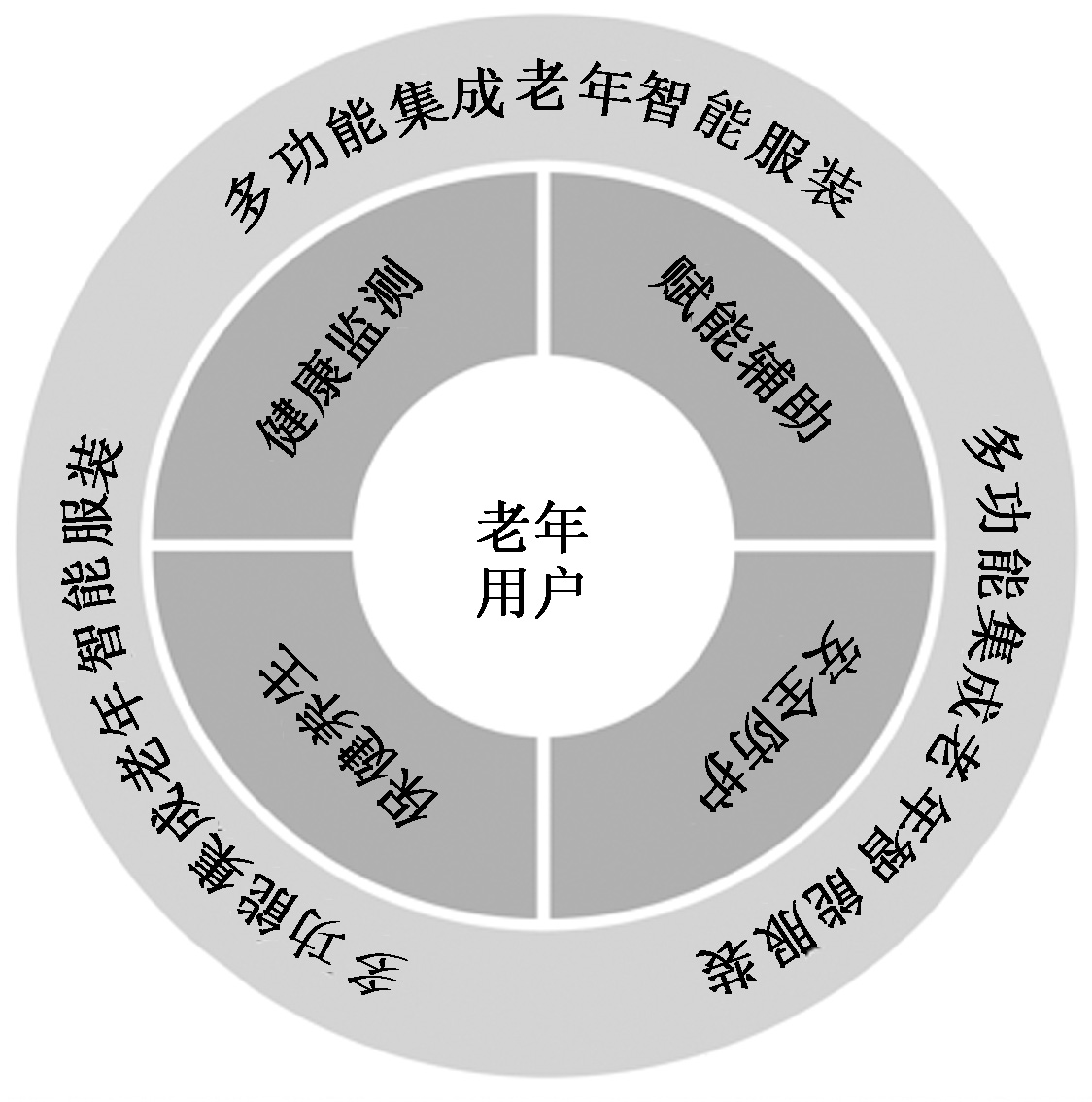
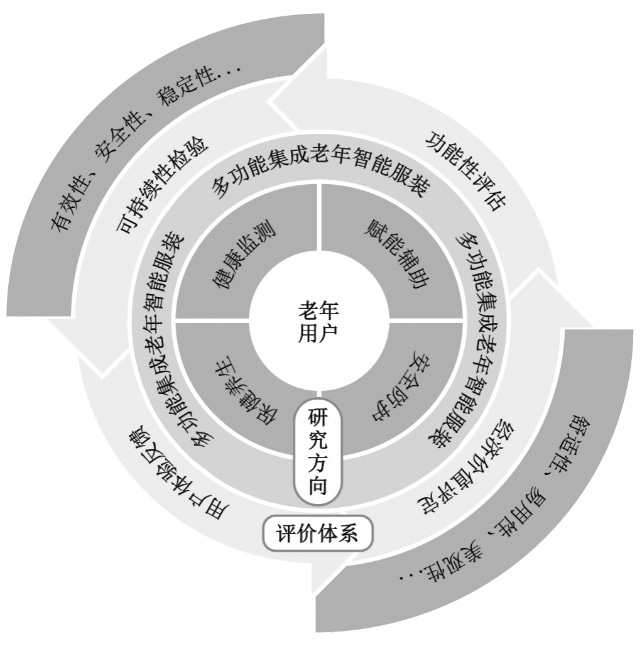
为进一步增强对老年智能服装研究现状及其未来趋势的理解,采用系统性文献综述法,回顾了近十年老年智能服装研究进展。通过严格的文献筛选流程,从6大数据库中最终纳入了44篇文献,围绕主要研究方向和评价体系2个核心维度进行了深入分析。识别并探讨了近年来国内外老年智能服装在健康监测、赋能辅助、安全防护和保健养生等主要研究方向的技术革新与发展趋势。鉴于功能和用户多样性导致的评价体系缺失,健全了针对老年智能服装的评价体系。从老年用户视角出发,讨论了当前老年智能服装在功能性评估、用户体验反馈、经济价值评定和可持续性检验等维度的现状与挑战。最终,通过明晰未来研究的创新路径,并提出针对老年群体的评价优化建议,推动老年智能服装在更广泛场景下的应用,满足老年人群日益增长的多样化需求。
中图分类号:
| [1] | 翟振武, 陈佳鞠, 李龙. 中国人口老龄化的大趋势、新特点及相应养老政策[J]. 山东大学学报(哲学社会科学版), 2016 (3): 27-35. |
| ZHAI Zhenwu, CHEN Jiaju, LI Long. Aging in China: general trends, new characteristics and corresponding policies[J]. Journal of Shandong Univer-sity (Philosophy and Social Sciences), 2016 (3): 27-35. | |
| [2] | 卫生健康委, 教育部, 科技部, 等. 关于印发“十四五”健康老龄化规划的通知[EB]. 2022-02-07. |
| National Health and Welfare Commission, Ministry of Education, Ministry of Science and Technology, et al. Circular on the issuance of the 14th Five-Year Plan for Healthy Ageing [EB]. 2022-02-07. | |
| [3] | 蔡伟图. 中老年智能服装的现状与推广应用[J]. 纺织报告, 2017 (7):68-71. |
| CAI Weitu. Present situation and application of intelligent clothing for middle and old aged people[J]. Textile Reports, 2017 (7): 68-71. | |
| [4] | 吴云, 刘茜. 可穿戴智能纺织品研究现状及展望[J]. 棉纺织技术, 2018, 46(6): 79-84. |
| WU Yun, LIU Qian. Research status and prospect of wearable intelligent textiles[J]. Cotton Textile Technology, 2018, 46(6): 79-84. | |
| [5] |
CHEN G, XIAO X, ZHAO X, et al. Electronic textiles for wearable point-of-care systems[J]. Chemical Reviews, 2021, 122(3): 3259-3291.
doi: 10.1021/acs.chemrev.1c00502 pmid: 34939791 |
| [6] | 杨秀月, 吴天宇, 马妮妮. 智能服装的技术研究与分类[J]. 纺织检测与标准, 2024, 10(3): 48-51. |
| YANG Xiuyue, WU Tianyu, MA Nini. Technology studies and product categories of smart (intelligent) garments[J]. Textile Testing and Standard, 2024, 10(3): 48-51. | |
| [7] |
MOHER D, LIBERATI A, TETZLAFF J, et al. Preferred reporting items for systematic reviews and meta-analyses: the PRISMA statement[J]. Annals of Internal Medicine, 2009, 151(4): 264-269.
doi: 10.7326/0003-4819-151-4-200908180-00135 pmid: 19622511 |
| [8] | HIGGINS J P, ALTMAN D G. Cochrane handbook for systematic reviews of interventions[M]. Hoboken: Wiley Online Library, 2008:187-241. |
| [9] | 沈雷, 桑盼盼. 不同领域技术下智能服装的发展现状及趋势[J]. 丝绸, 2019, 56(3): 45-53. |
| SHEN Lei, SANG Panpan. Research on development status and trend of smart clothing under technologies of different fields[J]. Journal of Silk, 2019, 56(3): 45-53. | |
| [10] | 胡亦雯, 唐虹, 葛睿. 健康监测智能服装的发展现状及趋势[J]. 针织工业, 2023 (6): 82-85. |
| HU Yiwen, TANG Hong, GE Rui. Development status and prospect of health monitoring smart clothing[J]. Knitting Industries, 2023 (6): 82-85. | |
| [11] | 严妮妮, 张辉, 邓咏梅. 可穿戴医疗监护服装研究现状与发展趋势[J]. 纺织学报, 2015, 36(6): 162-168. |
| YAN Nini, ZHANG Hui, DENG Yongmei. Research progress and development trend of wearable medical monitoring clothing[J]. Journal of Textile Research, 2015, 36(6): 162-168. | |
| [12] | 侯星宇, 郭传飞. 柔性压力传感器的原理及应用[J]. 物理学报, 2020, 69(17): 70-85. |
| HOU Xingyu, GUO Chuanfei. Sensing mechanisms and applications of flexible pressure sensors[J]. Acta Physica Sinica, 2020, 69(17): 70-85. | |
| [13] | 邵明刚, 吴水才, 周著黄, 等. 基于穿戴式智慧衣的心电远程实时监护系统设计[J]. 医疗卫生装备, 2020, 41(5): 41-46. |
| SHAO Minggang, WU Shuicai, ZHOU Zhuhuang, et al. Real-time ECG telemonitoring system based on wearable smart clothing[J]. Chinese Medical Equipment Journal, 2020, 41(5): 41-46. | |
| [14] | 周伟, 刘伟, 邱清富, 等. 生物医用电极制造技术及应用研究进展[J]. 科学通报, 2015, 60(15): 1352-1360. |
| ZHOU Wei, LIU Wei, QIU Qingfu, et al. Development, fabrication, and applications of biomedical electrodes[J]. Chinese Science Bulletin, 2015, 60(15): 1352-1360. | |
| [15] | 陈泓瑜, 王在浩, 孟龙, 等. 柔性可穿戴传感系统设计[J]. 生物医学工程学杂志, 2023, 40(6): 1071-1083. |
| CHEN Hongyu, WANG Zaihao, MENG Long, et al. Engineering design of flexible wearable sensing systems[J]. Journal of Biomedical, 2023, 40(6): 1071-1083. | |
| [16] | 王适, 闫笑涵. 老年人睡眠呼吸智能监测服的设计研究[J]. 针织工业, 2023 (8): 63-66. |
| WANG Shi, YAN Xiaohan. Design of sleep breathing intelligent monitoring clothing for the elderly[J]. Knitting Industries, 2023 (8): 63-66. | |
| [17] | KIAGHADI A, HOMAYOUNFAR S Z, GUMMESON J, et al. Phyjama: physiological sensing via fiber-enhanced pyjamas[J]. Getmobile: Mobile Computing & Communications Review, 2020, 24(1): 33-37. |
| [18] | 赵利端, 刘丽妍, 何崟, 等. 基于碳纳米管的可穿戴柔性传感器研究进展[J]. 针织工业, 2021 (2): 87-91. |
| ZHAO Lirui, LIU Liyan, HE Yin, et al. Research progress on carbon nanotube flexible sensors[J]. Knitting Industries, 2021(2): 87-91. | |
| [19] | 席涛, 杨国胜, 汤池. 呼吸信号检测技术的研究进展[J]. 医疗卫生装备, 2004 (12): 26-28. |
| XI Tao, YANG Guosheng, TANG Chi. Progress of the detection technology of the respiratory signal[J]. Chinese Medical Equipment Journal, 2004 (12): 26-28. | |
| [20] | 杨璨. 基于户外运动监测功能的老年服装设计[J]. 上海纺织科技, 2020, 48(5): 42-45. |
| YANG Can. Research on the design of aged clothing based on outdoor sports monitoring function[J]. Shanghai Textile Science & Technology, 2020, 48(5): 42-45. | |
| [21] | 俞阿龙. 基于遗传算法的RBF神经网络在热敏电阻温度传感器非线性补偿中的应用[J]. 电工技术学报, 2005 (8): 99-102. |
| YU Along. A new approach to non-linearity compensation of thermistor temperature transducer based on genetic algorithm and RBF neural network[J]. Transactions of China Electrotechnical Society, 2005(8): 99-102. | |
| [22] | 刘伯荣, 陈世栋, 朱琴. 慢性病老年人智能监护服设计研究[J]. 针织工业, 2022 (12): 71-75. |
| LIU Borong, CHEN Shidong, ZHU Qin. Design of intelligent monitoring clothes for the elderly with chronic diseases[J]. Knitting Industries, 2022 (12): 71-75. | |
| [23] | 许家岩, 洪文进. 辅助老年人行走的智能安全内衣设计[J]. 针织工业, 2020 (4): 62-65. |
| XU Jiayan, HONG Wenjin. Design of intelligent safety underwear for assisting the elderly in walking[J]. Knitting Industries, 2020(4): 62-65. | |
| [24] | 谢峥, 王明江, 黄武龙, 等. 基于实时步态分析的行走辅助外骨骼机器人系统[J]. 生物医学工程学杂志, 2017, 34(2): 265-270. |
|
XIE Zheng, WANG Mingjiang, HUANG Wulong, et al. Exoskeleton robot system based on real-time gait analysis for walking assist[J]. Journal of Biomedical Engineering, 2017, 34(2): 265-270.
doi: 10.7507/1001-5515.201607075 pmid: 29745584 |
|
| [25] | 李光林, 郑悦, 吴新宇, 等. 医疗康复机器人研究进展及趋势[J]. 中国科学院院刊, 2015, 30(6): 793-802. |
| LI Guanglin, ZHENG Yue, WU Xinyu, et al. State of the art of medical and rehabilitation robotics and their perspective[J]. Bulletin of Chinese Academy of Sciences, 2015, 30(6): 793-802. | |
| [26] | KOO S H, LEE Y B, KIM C, et al. Development of gait assistive clothing-typed soft wearable robot for elderly adults[J]. International Journal of Clothing Science and Technology, 2021, 33(4): 513-541. |
| [27] | PIAO J, KIM Y, HAN R, et al. Explorations of clothing-typed wearable platforms: satisfaction evaluations and displacement measurements[J]. International Journal of Clothing Science and Technology, 2024, 36(1): 68-83. |
| [28] | CARRASCO V B, VIDAL J M, CAPARRÓS-MANOSALVA C. Vibration motor stimulation device in smart leggings that promotes motor performance in older people[J]. Med Biol Eng Comput, 2023, 61(3): 635-649. |
| [29] | 董珂, 訚珺. 老年智能服装研究现状综述[J]. 浙江纺织服装职业技术学院学报, 2021, 20(3): 32-36. |
| DONG Ke, YIN Jun. Review of the research status of intelligent clothing for the elderly[J]. Journal of Zhejiang Fashion Institute of Technology, 2021, 20(3): 32-36. | |
| [30] | WANG Z, YANG Z, DONG T. A review of wearable technologies for elderly care that can accurately track indoor position, recognize physical activities and monitor vital signs in real time[J]. Sensors, 2017. DOI:10.3390/s17070341. |
| [31] | 苏静, 朱碧晨, 蔡依桐, 等. 基于GPS定位技术设计的老年智能服装[J]. 纺织报告, 2024, 43(6): 62-65. |
| SU Jing, ZHU Bichen, CAI Yitong, et al. Elderly intelligent clothing designed based on GPS positioning technology[J]. Textile Reports, 2024, 43(6): 62-65. | |
| [32] | 王璐, 孟小峰. 位置大数据隐私保护研究综述[J]. 软件学报, 2014, 25(4): 693-712. |
| WANG Lu, MENG Xiaofeng. Location privacy preservation in big data era: a survey[J]. Journal of Software, 2014, 25(4): 693-712. | |
| [33] |
KHOSRAVI P, GHAPANCHI A H. Investigating the effectiveness of technologies applied to assist seniors: a systematic literature review[J]. International journal of medical informatics, 2016, 85(1): 17-26.
doi: 10.1016/j.ijmedinf.2015.05.014 pmid: 26216463 |
| [34] | 朱达辉, 于晓坤, 关娟娟. 老年人防摔倒智能服装研究现状及发展趋势[J]. 纺织导报, 2019 (6): 112-115. |
| ZHU Dahui, YU Xiaokun, GUAN Juanjuan. Research progress and development trend of anti-fall smart clothing for the elderly[J]. China Textile Leader, 2019(6): 112-115. | |
| [35] | 康婷, 沈雷, 周帅. 具有防摔检测预警的老人智能服装设计研究[J]. 毛纺科技, 2021, 49(4): 70-75. |
| KANG Ting, SHEN Lei, ZHOU Shuai. Research on intelligent clothing design for the elderly with fall prevention detection and early warning[J]. Wool Textile Journal, 2021, 49(4): 70-75. | |
| [36] | 李艳梅, 王伟. 老年防跌伤材料应用及防护服装发展趋势[J]. 服装学报, 2021, 6(3): 189-195. |
| LI Yanmei, WANG Wei. Application of protective materials for falls in the elderly and development trend of protective clothing[J]. Journal of Clothing Research, 2021, 6(3): 189-195. | |
| [37] | 訚珺, 陶辉, 张晶晶, 等. 老年人跌倒防护智能服装设计[J]. 服装设计师, 2020, 6(9): 88-93. |
| YIN Jun, TAO Hui, ZHANG Jingjing, et al. Seniors fall protection smart clothing design[J]. Fashion China, 2020, 6(9): 88-93. | |
| [38] | 李萍, 蒋晓文. 智能电加热服的研究进展[J]. 棉纺织技术, 2019, 47(9): 79-84. |
| LI Ping, JIANG Xiaowen. Research progress of intelligent electronic heating clothing[J]. Cotton Textile Technology, 2019, 47(9): 79-84. | |
| [39] | 曾祥鹤, 任海东, 郭浩. 中老年智能可穿戴自加热服装设计[J]. 开封大学学报, 2023, 37(4): 89-93. |
| ZENG Xianghe, REN Haidong, GUO Hao. Intelligent wearable self-heating clothing design for middle-aged and elderly[J]. Journal of Kaifeng University, 2023, 37(4): 89-93. | |
| [40] | 朱达辉, 罗森. 基于以用户为中心设计的老年智能感应温控发热服设计[J]. 装饰, 2022 (9): 142-144. |
| ZHU Dahui, LUO Sen. Design of intelligent induction temperature-controlled electric heating clothing for the elderly based on user-centered design[J]. Art&Design, 2022 (9): 142-144. | |
| [41] | 方纾, 刘皓, 刘莉. 柔性电加热元件与智能加热服装服饰研究进展[J]. 北京服装学院学报(自然科学版), 2019, 39(2): 83-94. |
| FANG Shu, LIU Hao, LIU Li. Research progress of flexible electric heating element and smart heating garments[J]. Journal of Beijing Institute of Fashion Technology (Natural Science Edition), 2019, 39(2): 83-94. | |
| [42] | 高炯文, 王衍, 刘木森. 基于石墨烯发热薄膜的智能理疗助老围脖设计[J]. 上海纺织科技, 2022, 50(1): 25-27. |
| GAO Jiongwen, WANG Yan, LIU Musen. Design of smart physiotherapy elderly scarf based on graphene fever membrane[J]. Shanghai Textile Science & Technology, 2022, 50(1): 25-27. | |
| [43] | DANG Q H, CHEN S J, RANASINGHE D C, et al. Modular integration of a passive RFID sensor with wearable textile antennas for patient monitoring[J]. Ieee Transactions on Components Packaging and Manufacturing Technology, 2020, 10(12): 1979-1988. |
| [44] | LUNA-PEREJON F, MUNOZ-SAAVEDRA L, CASTELLANO-DOMINGUEZ JM, et al. IoT garment for remote elderly care network[J]. Biomed Signal Process Control, 2021, 69: 102848-102848. |
| [45] | 顾伟, 侯成义, 张青红, 等. 智能服装的现状及其发展趋势[J]. 东华大学学报(自然科学版), 2019, 45(6): 837-843. |
| GU Wei, HOU Chengyi, ZHANG Qinghong, et al. Present situation and development trend of intelligent garment[J]. Journal of Donghua University (Natural Science), 2019, 45(6): 837-843. | |
| [46] | 田苗, 李俊. 智能服装的设计模式与发展趋势[J]. 纺织学报, 2014, 35(2): 109-115. |
| TIAN Miao, LI Jun. Design mode and development tendency of smart clothing[J]. Journal of Textile Research, 2014, 35(2): 109-115. | |
| [47] | 朱国庆, 周小进, 郭建峰. 智能服装标准化现状与标准体系的构建[J]. 棉纺织技术, 2022, 50(7): 74-78. |
| ZHU Guoqing, ZHOU Xiaojin, GUO Jianfeng. Status of smart clothing standardization and construction of standard system[J]. Cotton Textile Technology, 2022, 50(7): 74-78. | |
| [48] | CANALI S, FERRETTI A, SCHIAFFONATI V, et al. Wearable technologies for healthy ageing: prospects, challenges, and ethical considerations[J]. The Journal of Frailty & Aging, 2024, 13(2): 149-156. |
| [49] | TEIXEIRA E, FONSECA H, DINIZ-SOUSA F, et al. Wearable devices for physical activity and healthcare monitoring in elderly people: a critical review[J]. Geriatrics (Basel), 2021.DOI:10.3390/geriatrics6020028. |
| [50] | 吕秀君, 孙艳丽, 齐晓晓, 等. 智能服装技术发展现状及建议[J]. 毛纺科技, 2020, 48(8): 96-99. |
| LV Xiujun, SUN Yanli, QI Xiaoxiao, et al. Development status and suggestions of intelligent clothing technology[J]. Wool Textile Journal, 2020, 48(8): 96-99. | |
| [51] | 王朝晖, 程宁波. 智能服装的应用现状及发展方向[J]. 服装学报, 2021, 6(5): 451-456. |
| WANG Zhaohui, CHENG Ningbo. Application and development trends of smart clothing[J]. Journal of Clothing Research, 2021, 6(5): 451-456. | |
| [52] | 刘欢欢, 孟虎, 王朝晖. 适老化智能可穿戴设计研究进展及发展趋势[J]. 纺织学报, 2024, 45(3): 236-243. |
| LIU Huanhuan, MENG Hu, WANG Zhaohui. Progress and trends in application of wearable technology for elderly population[J]. Journal of Textile Research, 2024, 45(3): 236-243. | |
| [53] | 谢霜, 洪文进, MOHD·TAJUDDIN R. 新型智能老年人冲锋衣的研制与性能评价[J]. 上海纺织科技, 2023, 51(3): 39-42. |
| XIE Shuang, HONG Wenjin, MOHD·TAJUDDIN R. Development and performance evaluation of new intelligent outdoor jacket for the elderly[J]. Shanghai Textile Science & Technology, 2023, 51(3): 39-42. | |
| [54] | 佘望瑶, 洪文进. 适老化智能冲峰衣设计与性能评价[J]. 针织工业, 2022 (12): 86-89. |
| SHE Wangyao, HONG Wenjin. Design and performance evaluation of intelligent outdoor jackets for the elderly[J]. Knitting Industries, 2022 (12): 86-89. | |
| [55] | 范利, 邹晓. 我国老年慢性病管理及预防保健的重要意义[J]. 中国临床保健杂志, 2020, 23(2): 145-147. |
| FAN Li, ZOU Xiao. The importance of management and prevention of chronic diseases in the elderly in China[J]. Chinese Journal of Clinical Healthcare, 2020, 23(2): 145-147. | |
| [56] | LIN C C, YANG C T, SU P L, et al. Implementation difficulties and solutions for a smart-clothes assisted home nursing care program for older adults with dementia or recovering from hip fracture[J]. Bmc Medical Informatics and Decision Making, 2024. DOI: 10.1186/s12911-024-02468-5. |
| [57] | WU Y, WANG Z, XIAO P, et al. Development of smart heating clothing for the elderly[J]. Journal of The Textile Institute, 2022, 113(11): 2358-2368. |
| [58] | 任祥放, 沈雷, 薛哲彬, 等. 老年人智能可穿戴服装协同设计系统构筹[J]. 装饰, 2020 (4): 112-115. |
| REN Xiangfang, SHEN Lei, XUE Zhebin, et al. Research on collaborative design system of intelligent wearable garments for the elderly people[J]. Art&Design, 2020 (4): 112-115. | |
| [59] | 刘明月, 李金强, 马建伟. 智能服装的应用现状及展望[J]. 棉纺织技术, 2021, 49(9): 80-84. |
| LIU Mingyue, LI Jinqiang, MA Jianwei. Application status and prospect of smart clothing[J]. Cotton Textile Technology, 2021, 49(9): 80-84. |
| [1] | 罗梦颖, 陈慧君, 夏明, 王栋, 李沐芳. 弹性导电复合纤维的制备及其应变与温度传感性能[J]. 纺织学报, 2024, 45(10): 9-15. |
| [2] | 汪宇佳, 王怡, 王雅思, 代方银, 李智. 基于家蚕平板丝结构的柔性压力传感器制备及其传感性能[J]. 纺织学报, 2024, 45(09): 10-17. |
| [3] | 施楚, 李俊, 王云仪. 基于温度监测的糖尿病足预防性智能鞋袜研究进展[J]. 纺织学报, 2024, 45(07): 240-247. |
| [4] | 刘欢欢, 孟虎, 王朝晖. 适老化智能可穿戴设计研究进展及发展趋势[J]. 纺织学报, 2024, 45(03): 236-243. |
| [5] | 陈露, 石宝, 魏赛男, 贾立霞, 阎若思. 三维一体针织结构超级电容器的储能性能[J]. 纺织学报, 2024, 45(02): 126-133. |
| [6] | 贾丽萍, 黎明, 李威龙, 冉建华, 毕曙光, 李时伟. 基于长银纳米线的应变传感与电热双功能包芯纱的制备及其性能[J]. 纺织学报, 2023, 44(10): 113-119. |
| [7] | 李龙, 张弦, 吴磊. 导电纱线制备方法与应用的研究进展[J]. 纺织学报, 2023, 44(07): 214-221. |
| [8] | 刘欢欢, 王朝晖, 叶勤文, 陈子唯, 郑婧瑾. 可穿戴技术在情绪识别中的应用进展及发展趋势[J]. 纺织学报, 2022, 43(08): 197-205. |
| [9] | 虞茹芳, 洪兴华, 祝成炎, 金子敏, 万军民. 还原氧化石墨烯涂层织物的电加热性能[J]. 纺织学报, 2021, 42(10): 126-131. |
| [10] | 方剑, 任松, 张传雄, 陈钱, 夏广波, 葛灿. 智能可穿戴纺织品用电活性纤维材料[J]. 纺织学报, 2021, 42(09): 1-9. |
| [11] | 荣凯, 樊威, 王琪, 张聪, 于洋. 二维过渡金属碳/氮化合物复合纤维在智能可穿戴领域的应用进展[J]. 纺织学报, 2021, 42(09): 10-16. |
| [12] | 闫涛, 潘志娟. 轻薄型取向碳纳米纤维膜的应变传感性能[J]. 纺织学报, 2021, 42(07): 62-68. |
| [13] | 马丕波, 孙亚鑫. 针织结构材料在安全防护领域的应用研究进展[J]. 纺织学报, 2019, 40(06): 176-181. |
|
||
 京公网安备11010502044800号