纺织学报 ›› 2025, Vol. 46 ›› Issue (09): 19-26.doi: 10.13475/j.fzxb.20250301501

• 纺织科技新见解学术沙龙专栏:伪装与电磁屏蔽技术及应用 • 上一篇    下一篇

模拟绿叶颜色变化的温致变色织物制备及其性能

赵捷清, 王瑧, 秦孝天, 王成成, 张丽平()   

  1. 江南大学 纺织科学与工程学院, 江苏 无锡 214122
  • 收稿日期:2025-03-10 修回日期:2025-06-26 出版日期:2025-09-15 发布日期:2025-11-12
  • 通讯作者: 张丽平(1985—),女,教授,博士。主要研究方向为功能纺织材料。E-mail:zhanglp@jiangnan.edu.cn
  • 作者简介:赵捷清(2000—),女,硕士生。主要研究方向为温致变色纺织品。
  • 基金资助:
    中央高校基本科研业务费专项资金资助项目(JUSRP202501047)

Preparation and properties of thermochromic camouflage fabrics simulating color changing of leaves

ZHAO Jieqing, WANG Zhen, QIN Xiaotian, WANG Chengcheng, ZHANG Liping()   

  1. College of Textile Science and Engineering, Jiangnan University, Wuxi, Jiangsu 214122, China
  • Received:2025-03-10 Revised:2025-06-26 Published:2025-09-15 Online:2025-11-12

摘要: 为提升视觉变色伪装材料的温度响应灵敏度,首先合成了一种新型荧烷变色染料,并与相变材料共混制备了高灵敏度温致变色复配物;其次,利用溶剂挥发法制备了快速温度响应性的变色微胶囊,并将其与普通分散染料进行配色,制备出绿色树叶(春季)-黄绿色树叶(秋季)可逆温致变色色浆;最后,采用丝网印花技术将其整理到涤纶/棉织物表面,制备了仿绿叶颜色变化的温致变色织物。表征分析了染料分子结构、复配物变色性能、温致变色微胶囊的表观形貌、粒径尺寸、热稳定性以及熔融-结晶性能;探究了仿绿叶颜色变化的温致变色织物的微观形貌、驱动温度、颜色对比度和响应性。结果表明:温致变色微胶囊的平均粒径为12 μm,耐热稳定性优良;温致变色织物变色区间为35~37 ℃,响应速率快,具有良好的循环耐久性(>100次),耐皂洗色牢度达3~4级,耐干、湿摩擦色牢度均达到4级,且成功模拟出树叶颜色自然随季节变化。

关键词: 荧烷染料, 微胶囊, 温致变色织物, 仿绿叶颜色, 仿生织物, 智能纺织品

Abstract:

Objective Conventional camouflage is achieved by the use of camouflage net or camouflage clothing with static color patterns. Although it can provide a certain camouflage effect for specific environment, it is difficult for it to adapt to complex and changeable environment. In order to overcome the disadvantage that static camouflage is easy to be identified in a changeable background, a study on adaptive discoloration camouflage fabrics was proposed, aiming to respond quickly to external changes and intelligently adjust its own characteristics to achieve a high degree of integration with the background.

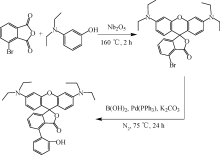
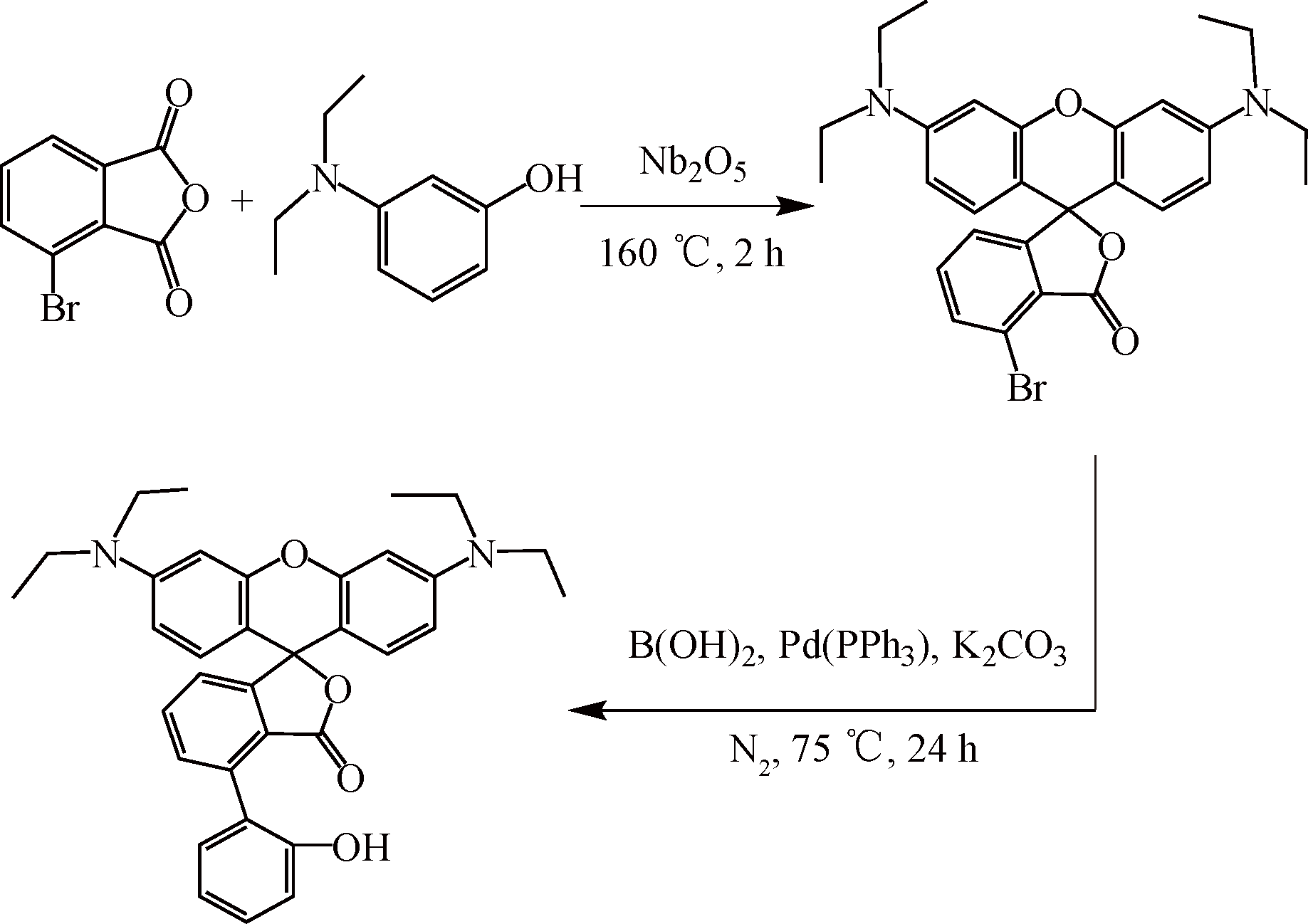
Method In order to solve this problem, a new type of fluorane dye was designed and synthesized, and a highly sensitive two-component thermochromic system was prepared by physical blending of the fluorane dye and a phase change material. Microcapsule packaging technology was adopted to maintain the thermoal stability at high temperature, so as to provide the basis for realization of fast response discoloration camouflage. The thermochromic paste which can be used in natural environment camouflage was prepared by compounding discoloration microcapsules with ordinary disperse dyes in different proportions, and was screen printed on fabrics to produce thermochromic intelligent textiles.

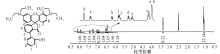
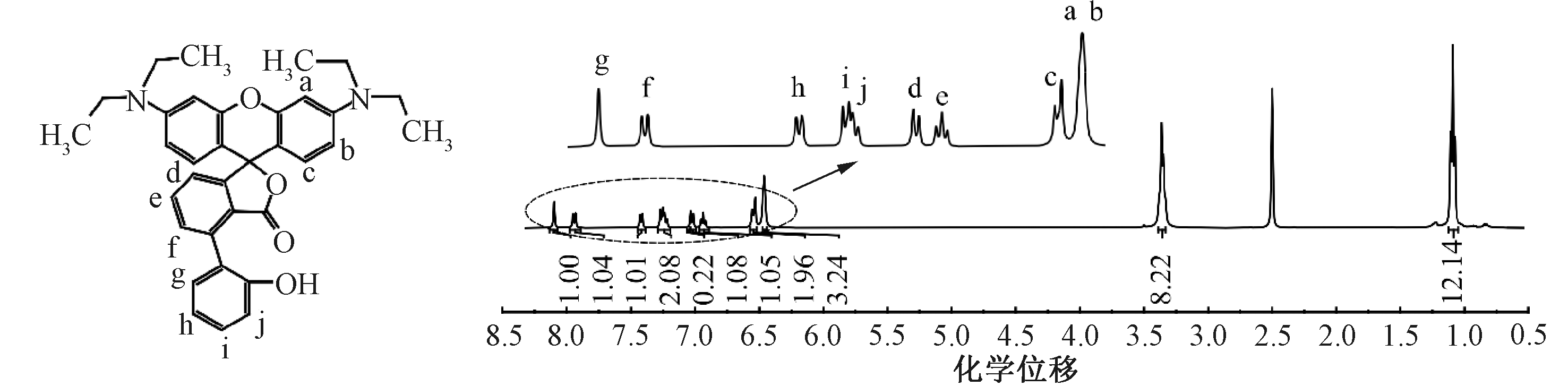
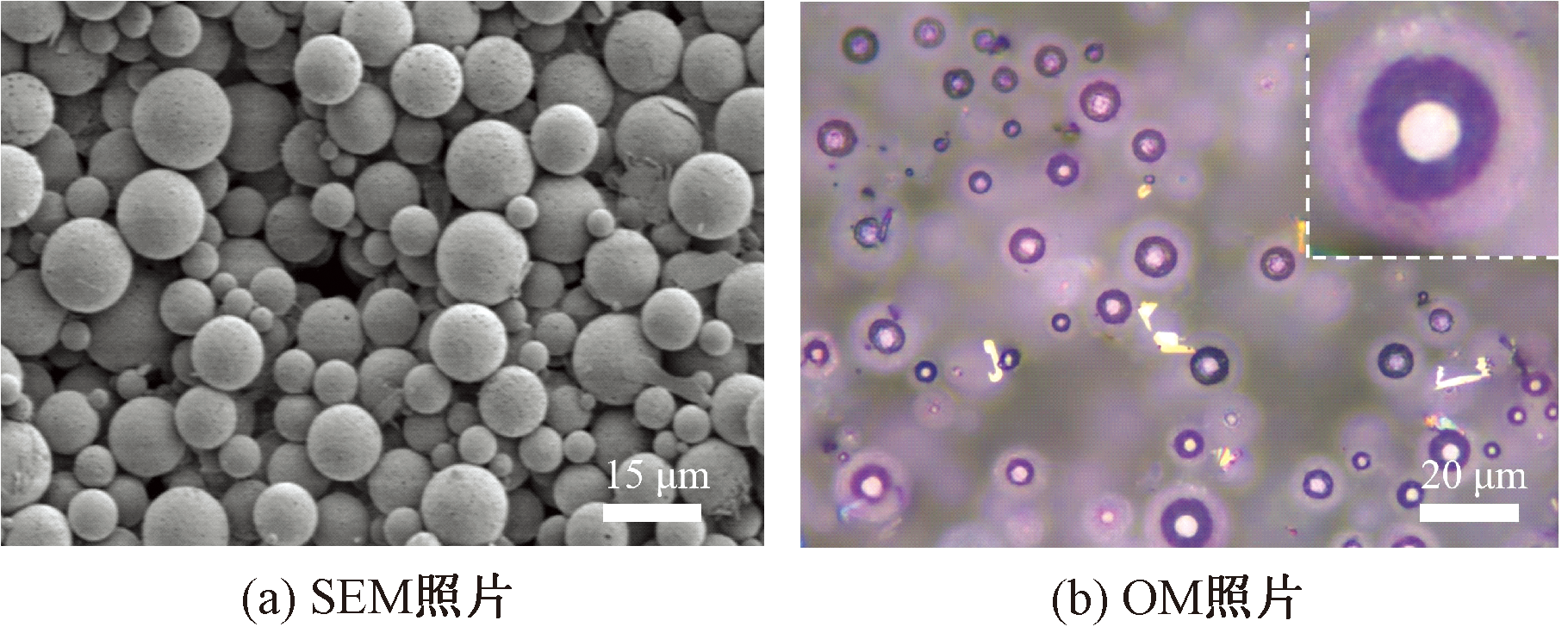
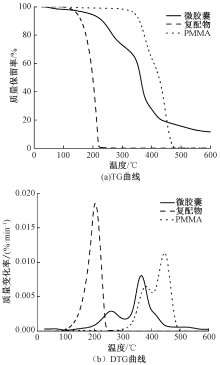
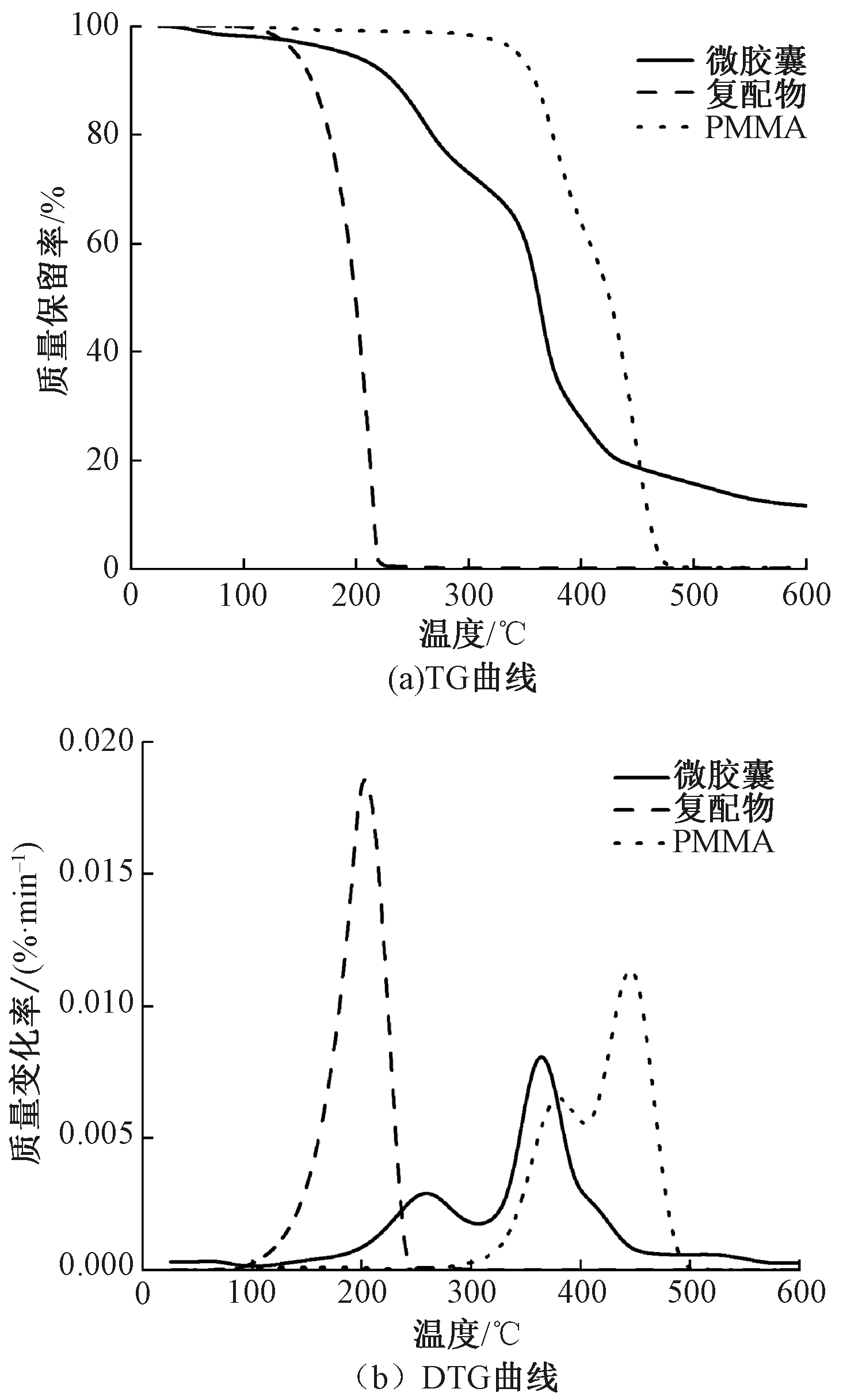
Results The molecular structure of the dye was characterized and analyzed by 1H NMR and high resolution mass spectrometry, and the apparent morphology and particle size of thermochromic microcapsules were observed by polarizing microscope and scanning electron microscope. The results showed that the sample was regular spherical, the surface was relatively smooth, and the average particle size was about 12 μm. The thermal stability and melting-crystallization properties of thermochromic microcapsules were also investigated. The thermogravimetric characteristic peaks of thermochromic microcapsules appeared at 220-340 ℃ and 360-500 ℃, corresponding to the thermal decomposition of core material composite and shell material polymethyl methacrylate (PMMA), respectively. The results showed that PMMA successfully encapsulated the thermochromic compound in the microcapsule and had a certain protective effect.

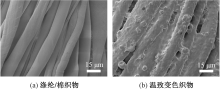
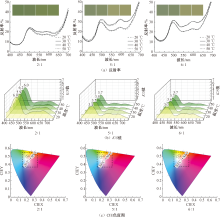
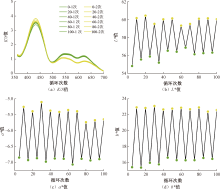
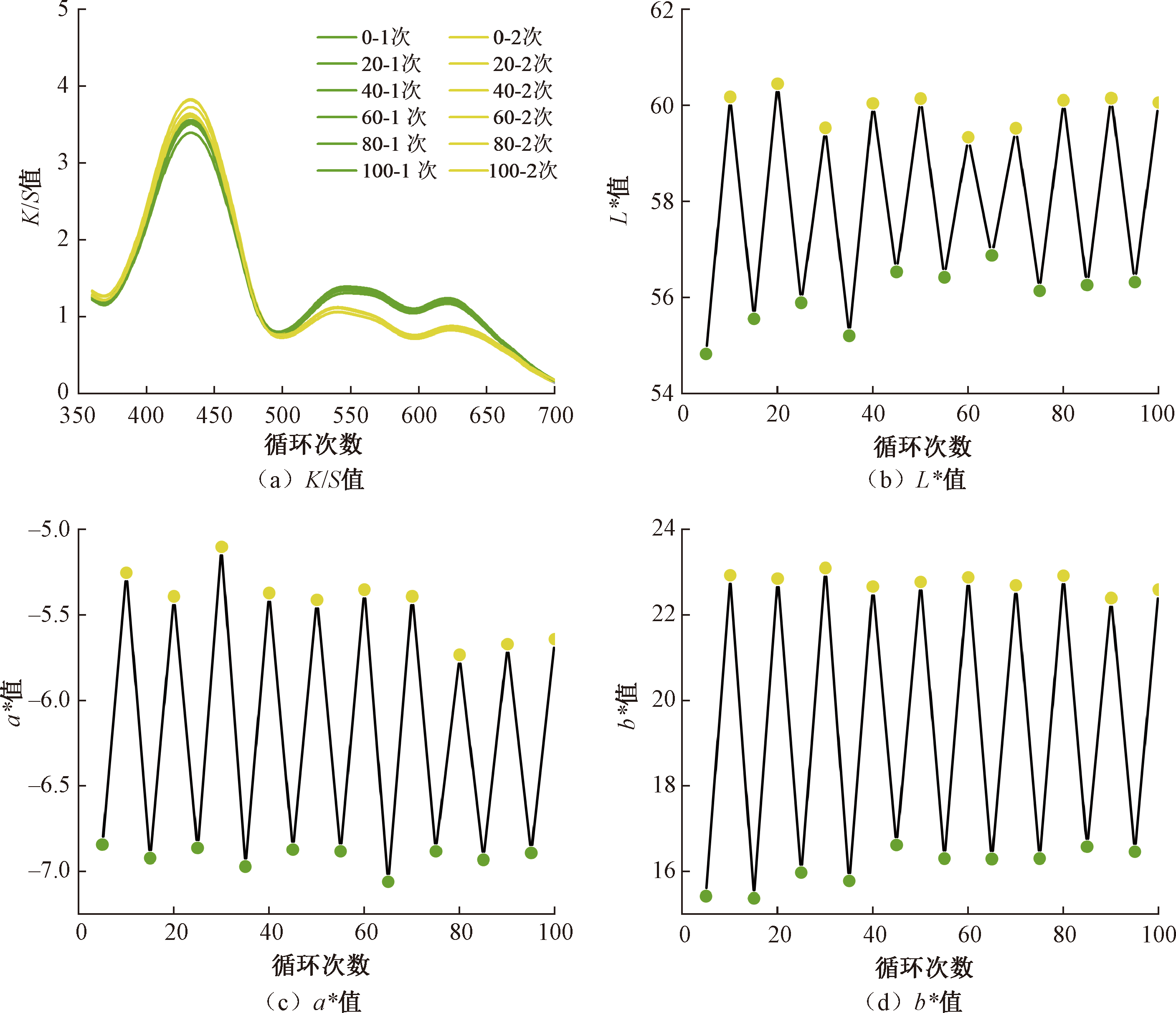
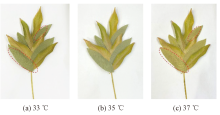
The micromorphology of ordinary polyester/cotton fabric and thermochromic cotton fabric was characterized by scanning electron microscope. The surface of the original polyester/cotton fabric was smooth, while the surface of the polyester/cotton fabric after layer printing was rough and the surface morphology changed obviously. A large number of microcapsules was attached to the surface of the fabric. In addition, the color performance of the fabric was explored. With the increase of the amount of thermochromic paste in the compound color paste, the fabric gradually turned yellow, the K/S value gradually decreased. The fabric color demonstrated an obvious lighter trend, which was kept stable when it reached a certain proportion. Secondly, owing to the increase of thermochromic paste, the response of the fabric to temperature change became more sensitive and more obviously. The discoloration cycle of the fabric was also tested, and the fabric showed excellent reversible discoloration performance in 100 cycles of rising and falling temperature. The camouflage fabric designed by screen printing was compared with the vegetation in nature, showing a good camouflage effect.

Conclusion A highly sensitive fluorane dye was designed and synthesized. The compound prepared by mixing with phase change material (tetradecyl alcohol) achieved color transformation at 2.5 ℃, and thermochromic microcapsules were prepared by solvent volatilization method. Using disperse dyes and thermochromic microcapsules as colorants, different proportions of green-yellow thermochromic pastes were prepared and finished on polyester/cotton fabrics by screen printing. With the increase of the ratio of thermochromic microcapsule pastes to disperse dye pastes, the color difference of the fabric before and after discoloration gradually increased. The discoloration range of the fabric is 35-37 ℃, still maintaining a narrow discoloration temperature range. After 100 discoloration cycles, the performance of the fabric kept consustancy, and the natural leaf color was successfully simulated. The material mainly realizes the change of its own color by adjusting the temperature, and has a color similar to that of different vegetation (such as green, yellow), which breaks the limitation of fixed color in traditional anti-reconnaissance methods and improves its applicability in different environments.

Key words: fluorane dye, microcapsule, thermochromic fabric, imitation green leaf color, biomimetic fabric, smart textile

中图分类号: 

  • TS194.2

图1

Flu-1的合成路线"

图2

Flu-1的1H NMR谱"

图3

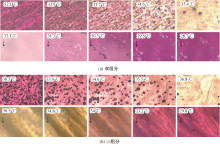
双组分和三组分复配物在升/降温过程中颜色变化"

图4

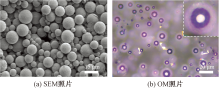
温致变色微胶囊的电镜照片和显微镜照片"

图5

温致变色微胶囊的TG和DTG曲线"

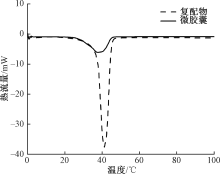
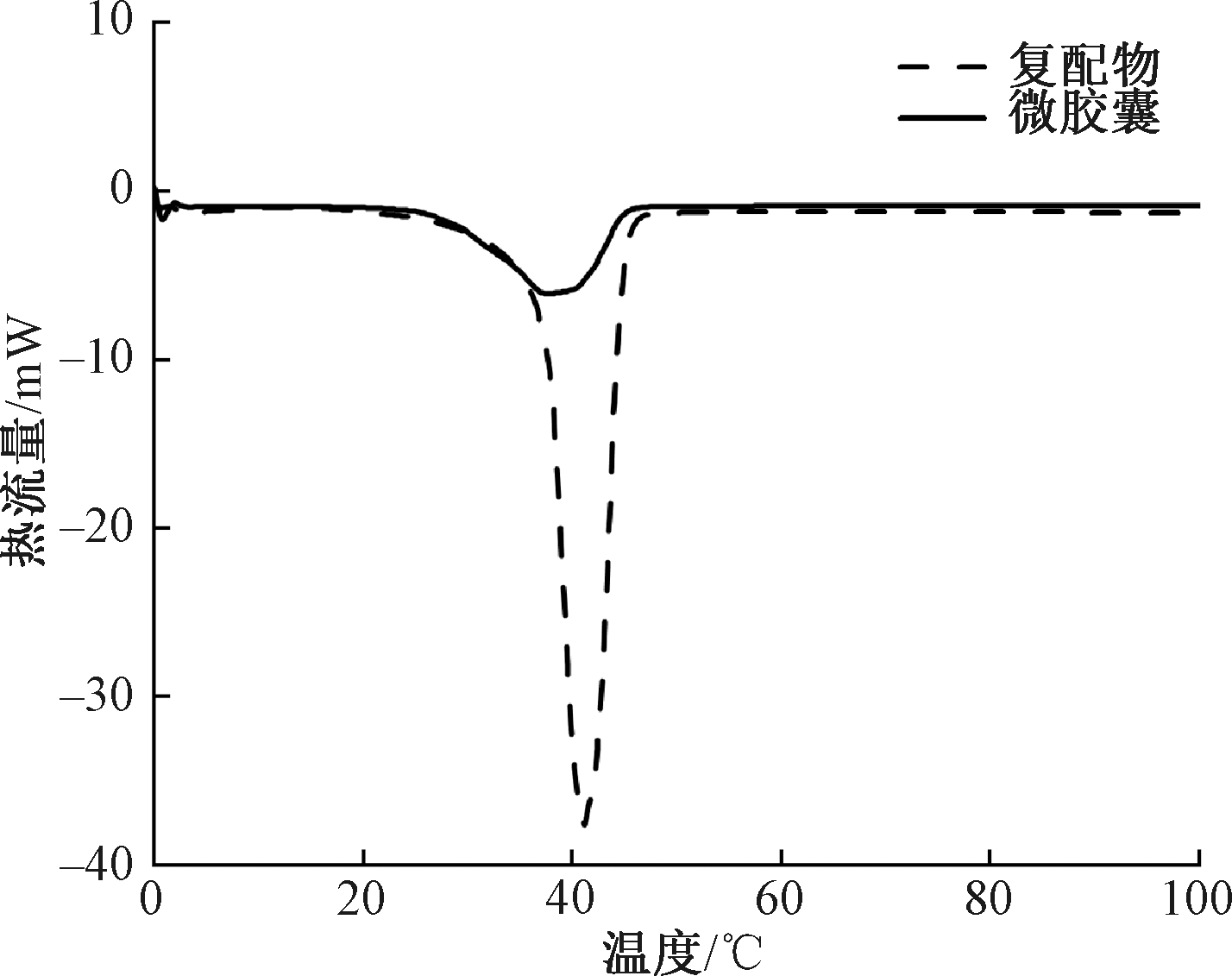
图6

温致变色微胶囊的DSC曲线"

图7

涤纶/棉织物和温致变色织物的电镜照片"

图8

2∶1、5∶1和6∶1复配色浆织物在不同温度下的反射率、K/S值和CIE色度图"

图9

温致变色织物在100次冷热循环下的测试值"

图10

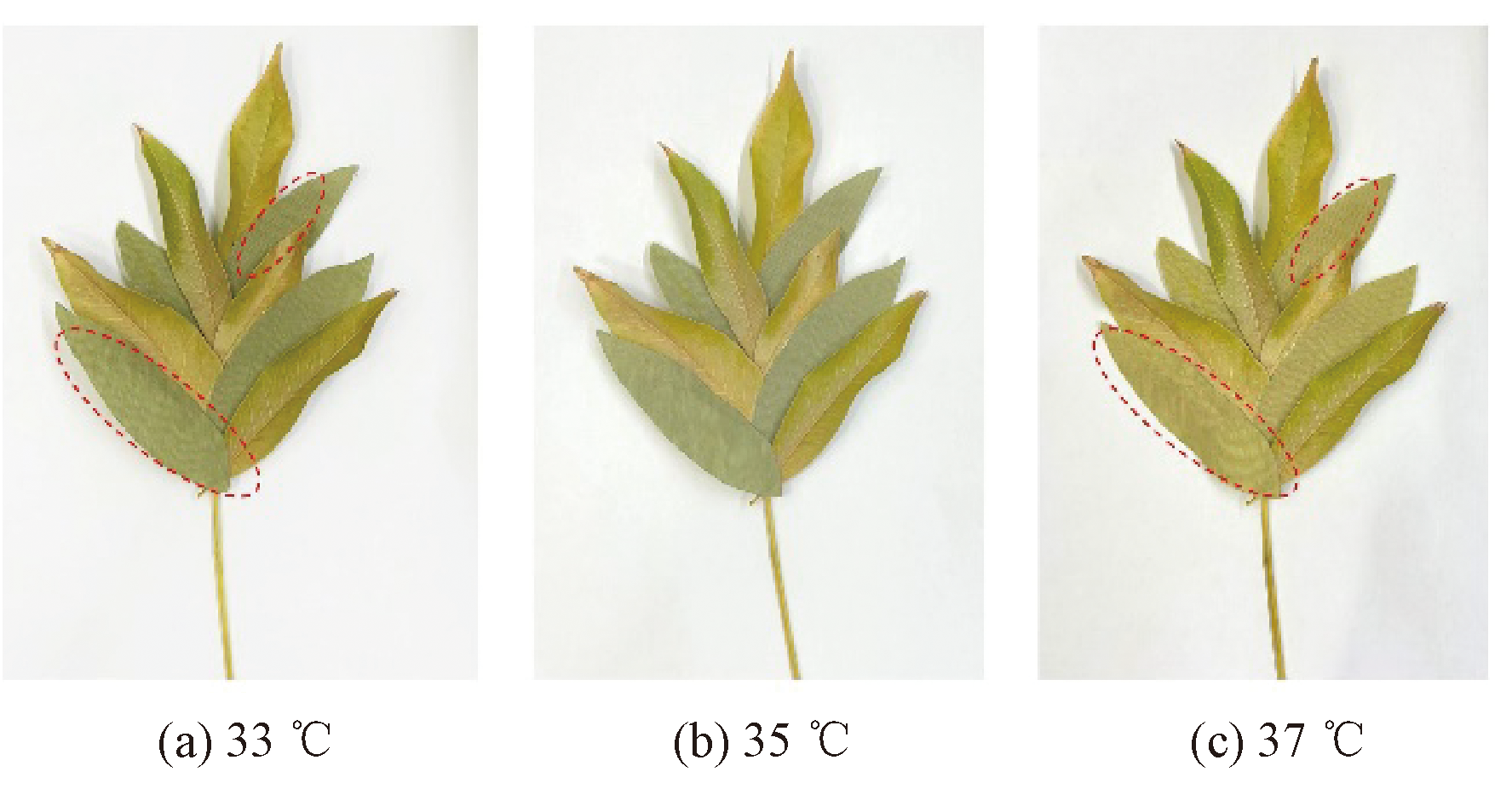
仿绿叶温致变色织物"

[1] BU H H, XU C, XU G Y, et al. Thermochromic and tunable emissivity properties of BCG/CaCl2/PEG-g-CDA composites for smart adaptive camouflage in visible and infrared wavebands[J]. Optical Materials, 2018, 84: 109-14.
doi: 10.1016/j.optmat.2018.06.061
[2] LI B X, LUO Z, YANG W G, et al. Adaptive and adjustable mxene/reduced graphene oxide hybrid aerogel composites integrated with phase-change material and thermochromic coating for synchronous visible/infrared camouflages[J]. ACS Nano, 2023, 17(7): 6875-6885.
doi: 10.1021/acsnano.3c00573
[3] 张典典, 李敏, 关玉, 等. 仿植被可见光-近红外反射光谱特征的分散染料印花织物制备及其性能[J]. 纺织学报, 2023, 44(1): 142-150.
ZHANG Diandian, LI Min, GUAN Yu, et al. Preparation and performance of disperse dye printed fabrics with characteristics of vegetation-like Vis-NIR reflectance spectrum[J]. Journal of Textile Research, 2023, 44(1): 142-150.
[4] 罗巧玲, 付少海, 王冬, 等. 生物基锦纶56弱酸性染料仿绿色植被染色[J]. 纺织学报, 2025, 46(2): 130-137.
LUO Qiaoling, FU Shaohai, WANG Dong, et al. Dyeing of bio-based polyamide 56 with weak acidic dyes for green vegetation imitation. Journal of Textile Research, 2025, 46(2): 130-137.
[5] LI H H, YANG T H, LI L J, et al. A Camouflaged film imitating the chameleon skin with color-changing microfluidic systems based on the color information identification of background[J]. J Bionic Eng, 2021, 18(5): 1137-46.
doi: 10.1007/s42235-021-00091-y
[6] 吴昱, 金青君, 崔志峰, 等. 仿生自主变色伪装材料的研究进展[J]. 中国表面工程, 2020, 33(3): 1-17.
WU Yu, JIN Qingjun, CUI Zhifeng, et al. Research progress on biomimetic autonomous color-changing camouflage materials[J]. China Surface Engineering, 2020, 33(3): 1-17.
[7] QU Y, LI Q, CAI L, et al. Thermal camouflage based on the phase-changing material GST[J]. Light: Science & Applications, 2018, 7(1): 26.
[8] HUANG Z Z, LONG L S, GAO Y F, et al. A color-changing biomimetic material closely resembling the spectral characteristics of vegetation foliage[J]. Small, 2024, 20(10):2303966.
doi: 10.1002/smll.v20.10
[9] 张传茹, 刘怡君, 王金凤, 等. 针织物的感温变色涂层整理及性能研究[J]. 丝绸, 2024, 61(2): 67-75.
ZHANG Chuanru, LIU Yijun, WANG Jinfeng, et al. Research on thermochromic coating treatment and properties of knitted fabrics[J]. Journal of Silk, 2024, 61(2): 67-75.
[10] KARPAGAM K, SARANYA K, GOPINATHAN J, et al. Development of smart clothing for military applications using thermochromic colorants[J]. The Journal of the Textile Institute, 2017, 108(7): 1122-1127.
[11] XUE D, ZHAO T. The electrothermal color-changing fabric based on high-sensitivity thermochromic microcapsules[J]. Colloids and Surfaces A: Physicochemical and Engineering Aspects, 2023, 678-692.
[12] PU Y, FANG J. Preparation and thermochromic behavior of low-temperature thermochromic microcapsule temperature indicators[J]. Colloids and Surfaces A: Physicochemical and Engineering Aspects, 2022, 653-661.
[13] WANG C C, GONG X D, LI J S, et al. Ultrahigh-sensitivity thermochromic smart fabrics and flexible temperature sensors based on intramolecular proton-coupled electron transfer[J]. Chemical Engineering Journal, 2022, 446-454.
[14] KIM I J, RAMALINGAM M, SON Y A. Investigation of reversible self-thermochromism in microencapsulated fluoran-based materials[J]. Dyes and Pigments, 2018, 151: 64-74.
doi: 10.1016/j.dyepig.2017.12.047
[1] 傅林, 钱建华, 单江音, 林灵, 卫梦蓉, 翁可欣, 吴晓睿. 银纳米线/聚氨酯纳米纤维膜柔性传感器制备及其性能[J]. 纺织学报, 2025, 46(09): 74-83.
[2] 林思伶, 刘赋瑶, 张成, 侯琳, 徐炎炎, 付冉迁, 樊威. 双向调温阻燃防静电纺织品的制备及其性能[J]. 纺织学报, 2025, 46(06): 38-44.
[3] 刘烨, 王俊胜, 金星. 消防员个人防护装备用智能纺织品研究进展[J]. 纺织学报, 2025, 46(05): 105-115.
[4] 陈枭, 赵继忠, 董凯. 基于接触起电效应的新型机电转化纤维性能提升策略[J]. 纺织学报, 2025, 46(05): 41-48.
[5] 韩力杰, 刘樊, 张其冲. 纤维状水系锌离子电池的研究进展与展望[J]. 纺织学报, 2025, 46(05): 59-69.
[6] 毛丽芬, 肖红, 毛庆辉, 麻伍军, 梁志结, 李敏. 双稳态温致变色印花织物的制备及其光谱兼容性能[J]. 纺织学报, 2025, 46(03): 141-150.
[7] 梁雯宇, 季东晓, 覃小红. 微纳米纤维包芯纱制备及其电致发光性能[J]. 纺织学报, 2025, 46(01): 42-51.
[8] 鲁辉, 蔡钦泽, 张国庆, 周岚, 刘国金, 邵敏. 多元色素光敏变色微胶囊的制备及其在织物中的变色性能[J]. 纺织学报, 2025, 46(01): 111-118.
[9] 张曼, 权英, 冯宇, 李甫, 张爱琴, 刘淑强. 纺织基可穿戴柔性应变传感器的研究进展[J]. 纺织学报, 2024, 45(12): 225-233.
[10] 刘霞, 吴改红, 闫子豪, 王彩柳. 智能相变调温聚乳酸纤维膜的制备及其性能[J]. 纺织学报, 2024, 45(12): 18-24.
[11] 刘文静, 张欣睿, 赵晓曼, 洪剑寒, 王鸿博, 韩潇. 相变材料微胶囊的研究进展[J]. 纺织学报, 2024, 45(09): 235-243.
[12] 杨辰晖, 陈檬迪, 关艳, 肖红. 基于光栅动画图案合成光纤织物的设计及其实现[J]. 纺织学报, 2024, 45(07): 40-46.
[13] 卢妍, 洪岩, 方剑. 智能背景下机器学习在柔性应变传感器中的应用研究进展[J]. 纺织学报, 2024, 45(05): 228-238.
[14] 孙浪涛, 杨宇珊. 调温抗菌微胶囊的制备及其在棉织物上的应用[J]. 纺织学报, 2024, 45(02): 171-178.
[15] 董凯, 吕天梅, 盛非凡, 彭晓. 面向个性化健康医疗的智能纺织品研究进展[J]. 纺织学报, 2024, 45(01): 240-249.
Viewed
Full text


Abstract

Cited

  Shared   
  Discussed   
No Suggested Reading articles found!