纺织学报 ›› 2025, Vol. 46 ›› Issue (11): 147-154.doi: 10.13475/j.fzxb.20241006001

• 纺织工程 • 上一篇    下一篇

经编双轴向碳纤维织物增强复合材料的冲击损伤特性

高龙威1,2, 蒋金华1,2, 陈南梁1,2, 邵慧奇1,3()   

  1. 1.东华大学 产业用纺织品教育部工程研究中心, 上海 201620
    2.东华大学 纺织学院, 上海 201620
    3.东华大学 纺织科技创新中心, 上海 201620
  • 收稿日期:2024-10-29 修回日期:2025-07-07 出版日期:2025-11-15 发布日期:2025-11-15
  • 通讯作者: 邵慧奇(1990—),男,副研究员,博士。主要研究方向为航空航天产业用纺织品。E-mail:hqshao@dhu.edu.cn
  • 作者简介:高龙威(2000—),男,硕士生。主要研究方向为纺织复合材料。
  • 基金资助:
    国家重点研发计划项目(2022YFB3704502);中央高校基本科研业务费专项资金(2232020G-06);中国航天科技集团有限公司第八研究院产学研合作基金项目(SAST2022-027)

Impact damage characteristics of warp-knitted biaxial carbon fiber reinforced composites

GAO Longwei1,2, JIANG Jinhua1,2, CHEN Nanliang1,2, SHAO Huiqi1,3()   

  1. 1. Engineering Research Center of Technical Textiles, Ministry of Education, Donghua University, Shanghai 201620, China
    2. College of Textiles, Donghua University, Shanghai 201620, China
    3. Innovation Center for Textile Science and Technology, Shanghai 201620, China
  • Received:2024-10-29 Revised:2025-07-07 Published:2025-11-15 Online:2025-11-15

摘要:

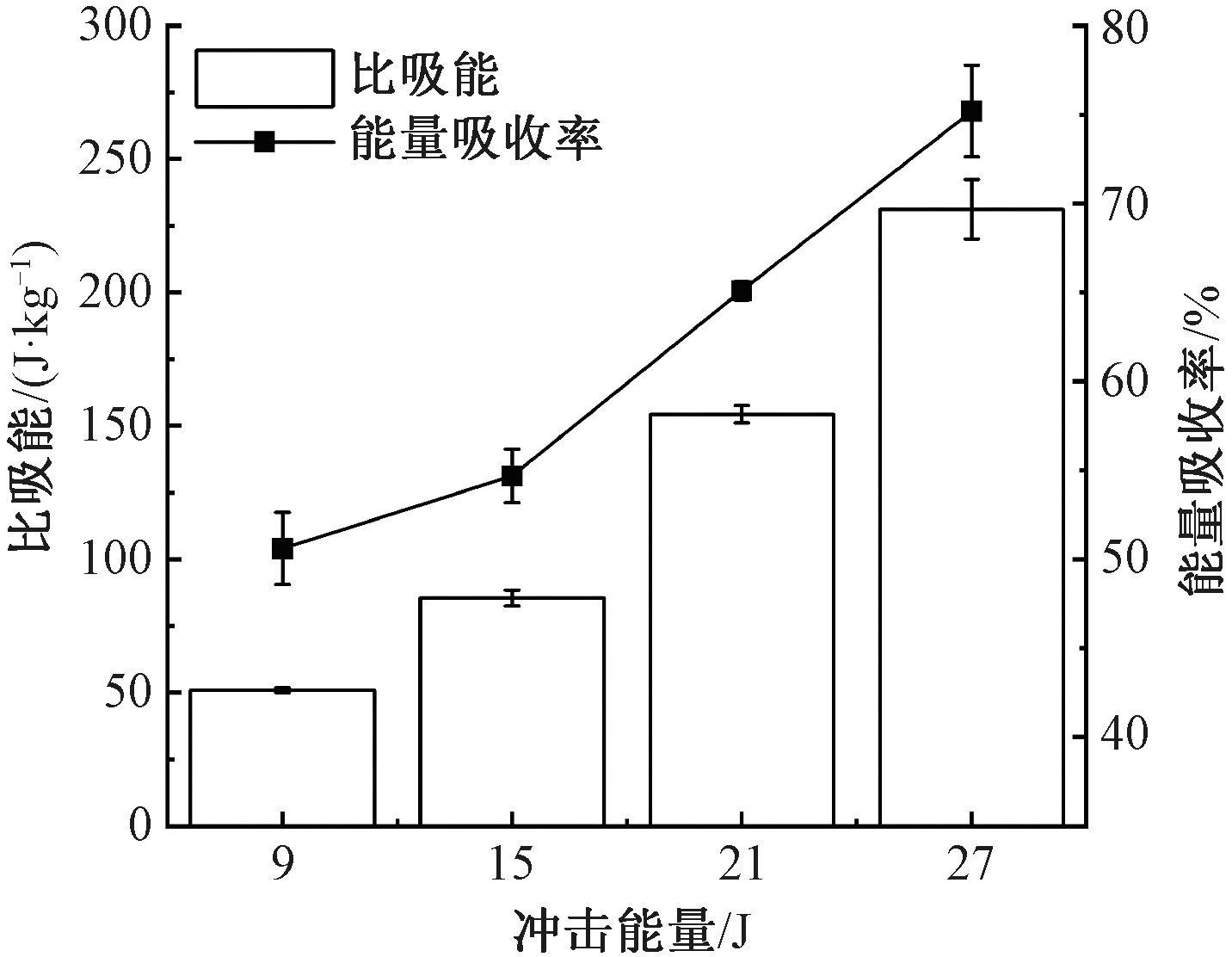
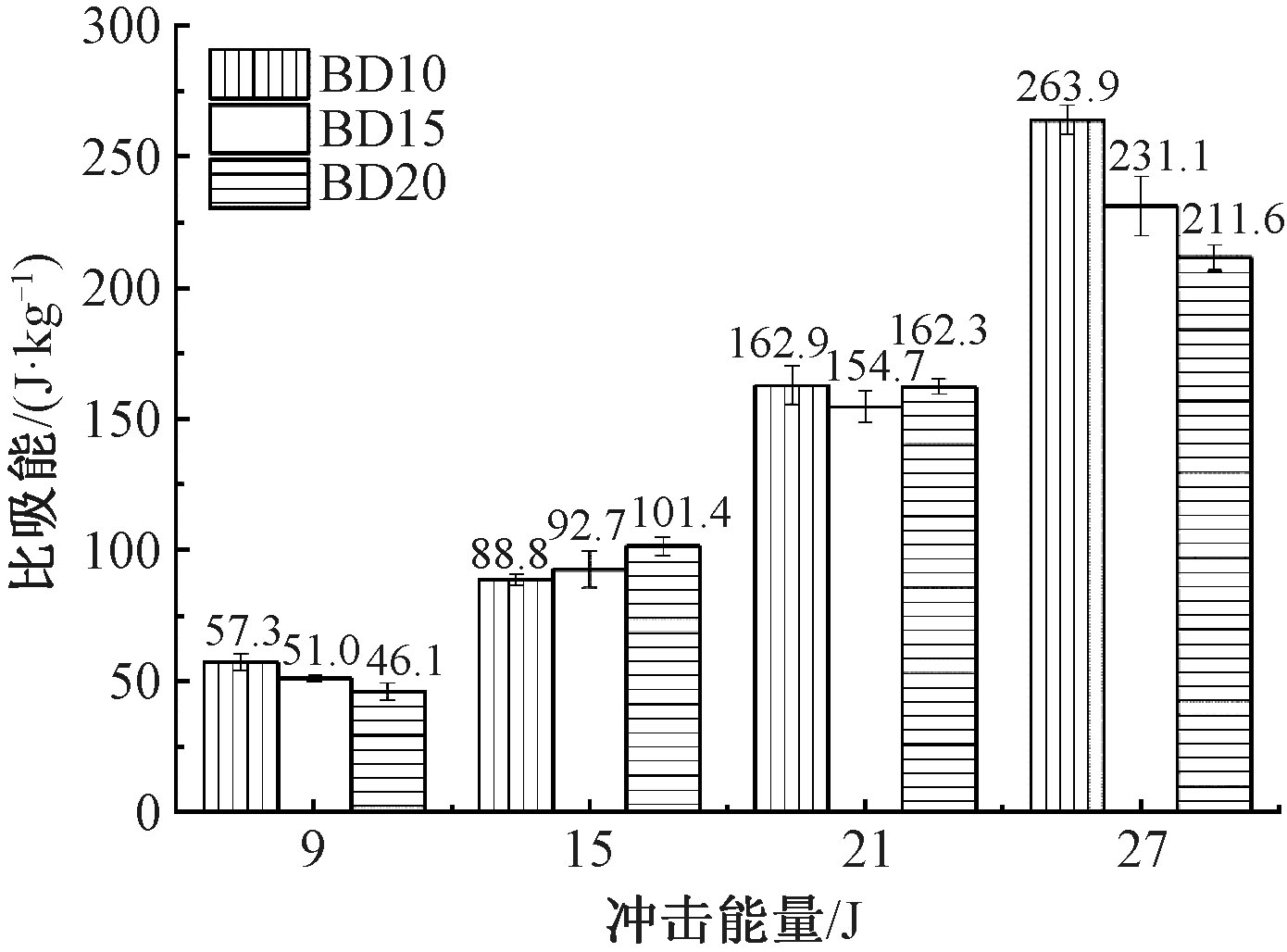
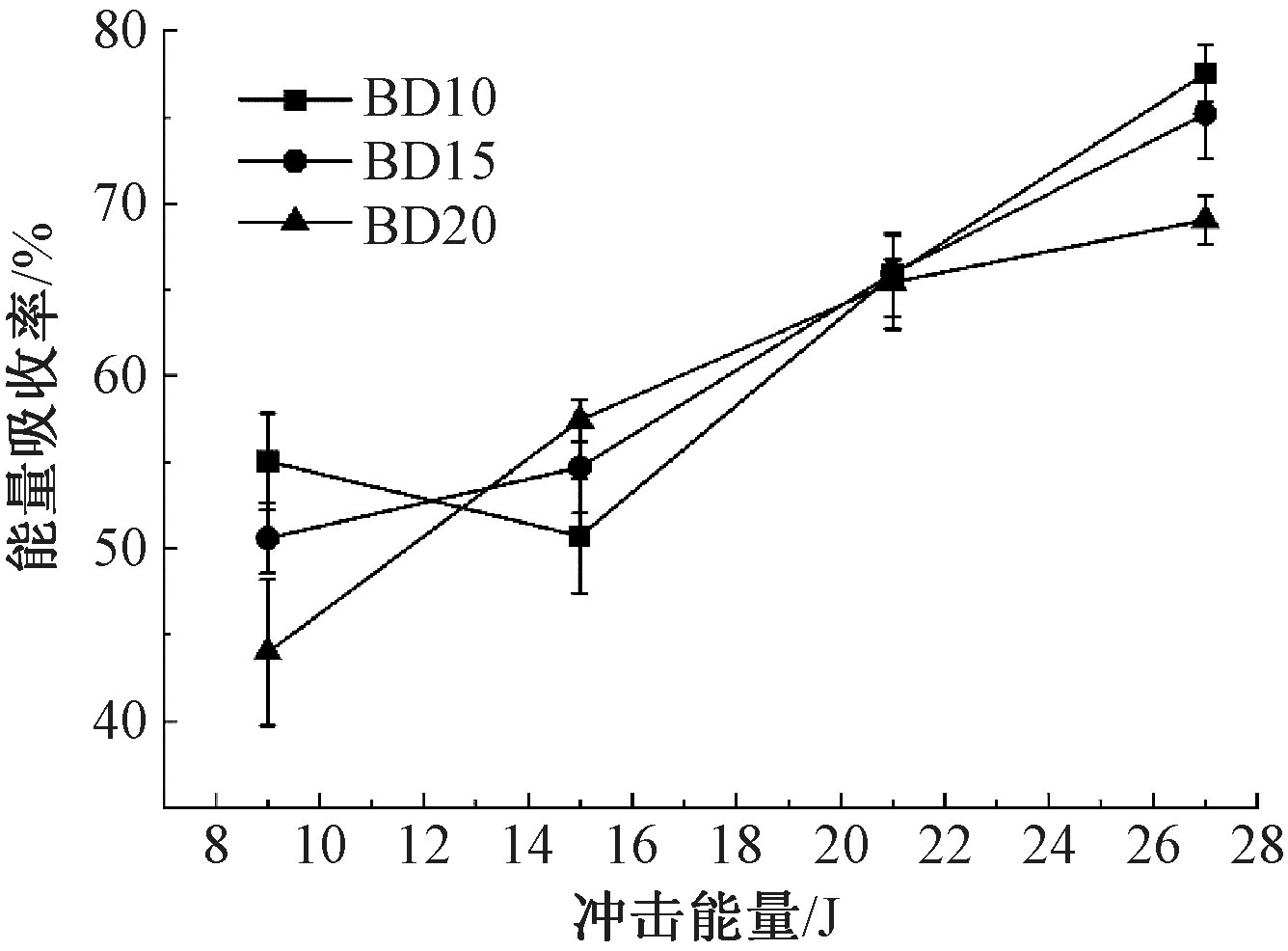
为明确经编双轴向碳纤维织物增强复合材料在冲击作用下的损伤情况,探究其冲击响应与吸能机制,以碳纤维经编双轴向织物为增强体制备层合板,在9、15、21、27 J能量冲击下进行渐进式落锤冲击测试,分析冲击响应曲线特性,对冲击后样品进行损伤形貌的可视化检测,并研究不同织物面密度对经编双轴向碳纤维层合板抗冲击性能的影响。结果表明:经编双轴向碳纤维织物增强层合板在渐进冲击过程中逐渐发生树脂的压缩破坏、纤维的抽拔与断裂、织物的分层破坏等,随冲击能量增加,层合板损伤越严重,能量吸收越多,能量吸收率从50.6%增至75.2%,比吸能从51.01 J/kg增至231.14 J/kg;层合板刚度从15 J冲击后开始退化,从1 579 N/mm降至27 J冲击时的952.8 N/mm;冲击能量沿试样厚度及纤维轴向传递,背面纤维最先发生断裂,裂口呈T字或十字状,最终27 J冲击后累积比吸能值为521.89 J/kg时,背凸高度约2 mm;织物面密度降低有利于提高层合板的吸能上限,150 g/m2织物的层合板比300 g/m2织物的层合板比吸能降低19.8%,能量吸收率降低11%。

关键词: 经编双轴向织物, 碳纤维复合材料, 低速冲击响应, 渐进式冲击, 损伤机制, 真空辅助树脂传递袋压成型工艺

Abstract:

Objective Carbon fiber warp-knitted biaxial fabrics have increasingly captured attention and gained widespread use in aerospace, automotive and other industries due to exceptional mechanical properties. Such fabrics consist of two layers of carbon fiber bundles arranged at ±45°, with the warp threads bundling together. This design ensures that the fiber alignment is similar to that of unidirectional fabric. However, the inherent low toughness of carbon fiber necessitates enhancements in its impact resistance. While current research predominantly focuses on unidirectional fabrics, it is essential to also assess the impact protection performance of carbon fiber warp-knitted biaxial fabrics.
Method This study is aimed at elucidating the damage characteristics of warp-knitted biaxial carbon fiber reinforced composites subjected to low-velocity impact, while also analyzing their impact response and energy absorption mechanisms. The laminates were fabricated using warp-knitted biaxial carbon fiber fabric through the vacuum-assisted resin transfer bag molding, and progressive low-velocity impact tests were conducted at impact energies of 9, 15, 21 and 27 J to analyze their features of impact response curves. After the low-velocity impact tests, the damage morphology of the samples was characterized. This paper also examined the influence of varying fabric surface densities on laminates' impact resistance.
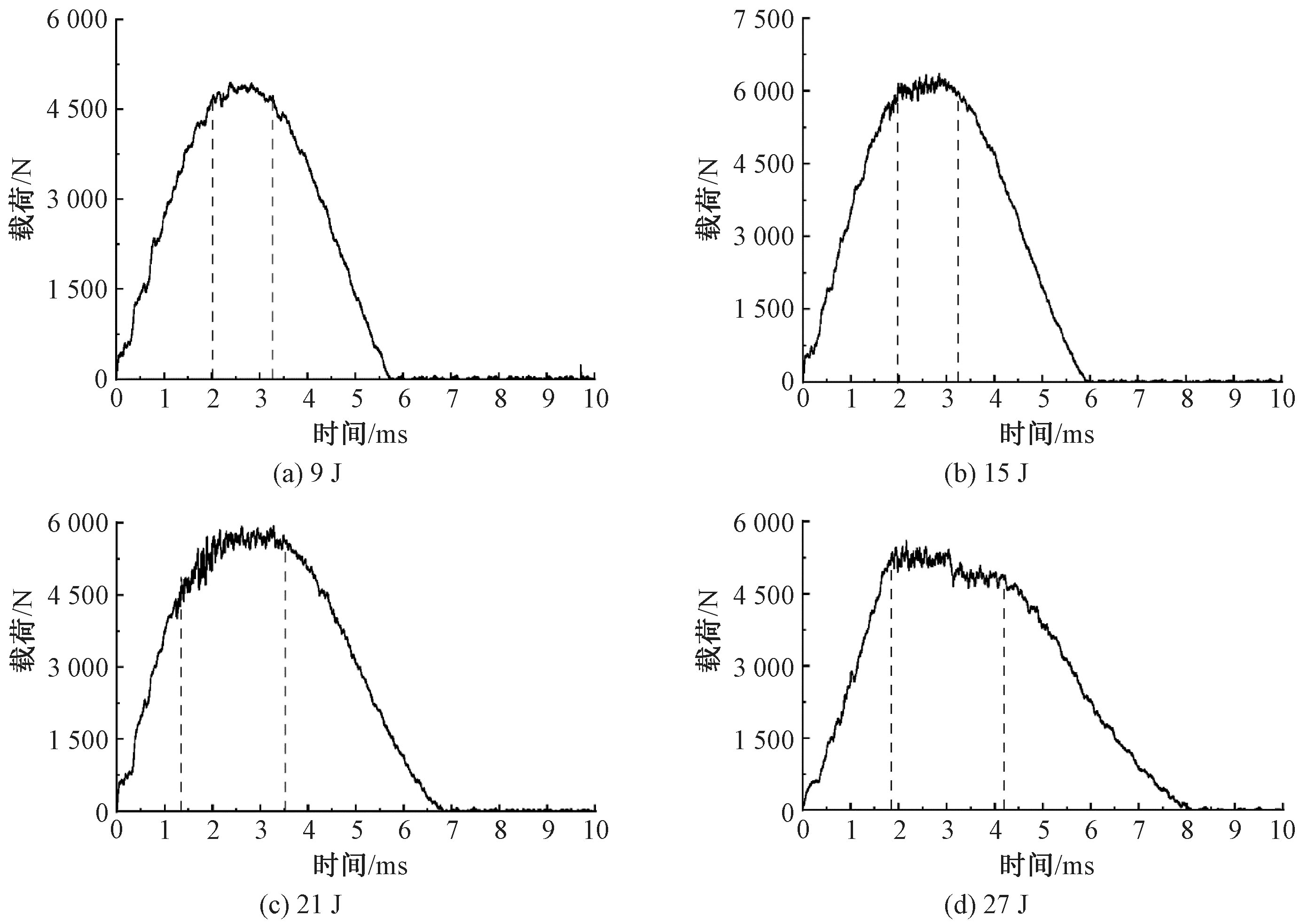
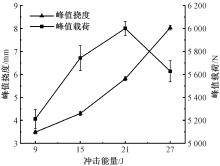
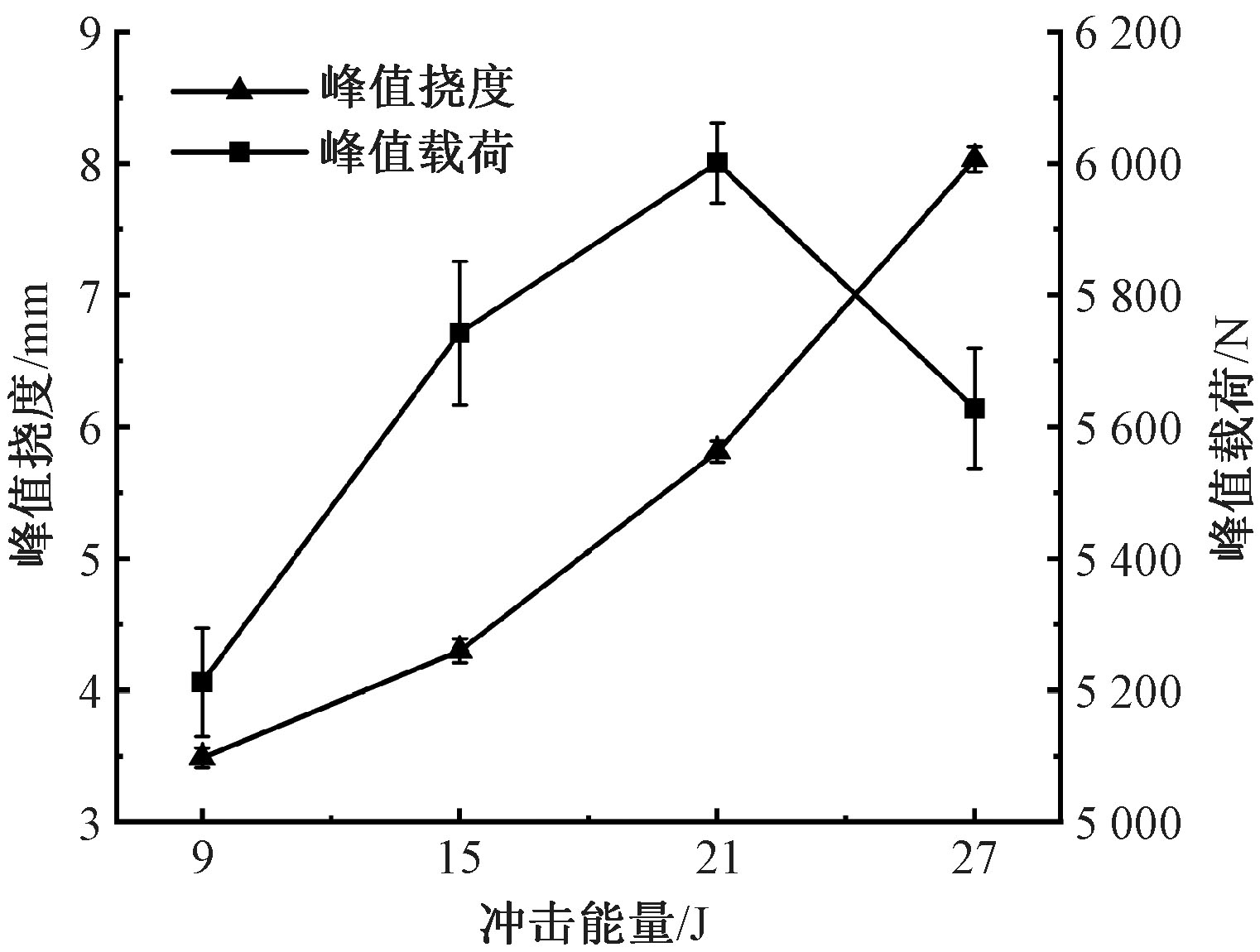
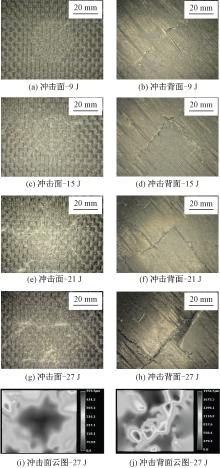
Results The results show that during the progressive impact process, the compression failure of the resin, fiber extraction and fracture, and hierarchical damage to the fabric occurred sequentially. As the impact energy increased, the severity of laminate damage also escalated, resulting in a greater energy absorption, which was demonstrated by the energy absorption rate rising from 50.6% to 75.2% and specific energy absorption increasing from 51.01 J/kg to 231.14 J/kg. The peak load initially rose and then fell as the impact energy increased, reaching its maximum of approximately 6 001.08 N at 21 J impact. The stiffness of the laminates started to diminish under 15 J impact, dropping from 1 579 N/mm to 952.8 N/mm at 27 J impact. During the progressive impact process, damage accumulated and expanded through the thickness of the samples, causing the front to develop white pits due to stress whitening. After the 27 J impact, the pit depth was approximately 0.55 mm. On the back, T-shaped or X-shaped cracks appeared, characterized by clean fractures at the fiber break points and fiber protrusions, clearly illustrating tensile fracture and layered damage. After the final impact of 27 J, when the cumulative energy absorption reached 521.89 J/kg, the specific energy absorption still increased to 231.14 J/kg and the back convex height measured approximately 2 mm. When the laminate's surface density was fixed, the influence of fabric surface density on the laminate's impact resistance became complex and multifaceted. When the resin sustained primary damage, a lower fabric surface density-indicating a greater number of layers-resulted in decreased specific energy absorption and energy absorption rate. As impact energy increased, interface damage became more pronounced. Laminates with more fabric layers absorbed greater amounts of energy because of the presence of additional interfaces. Meanwhile, laminates with fewer layers started to rely on fiber destruction to dissipate energy. When fiber destruction was the primary failure mechanism, laminates with more layers exhibited better elastic recovery and lower energy absorption. In contrast, laminates with fewer layers tended to absorb more energy and sustained more severe damage due to the accumulation of fiber damage.
Conclusion In conclusion, this study has analyzed the impact response and energy absorption mechanisms of warp-knitted biaxial carbon fiber laminates under progressive impact conditions. Warp-knitted biaxial carbon fiber reinforced composites demonstrates outstanding impact protection performance and enhanced resistance to delamination. Additionally, reducing the fabric surface density can effectively raise the upper limit of energy absorption. In comparison to the laminate made from 300 g/m2 fabric, the laminate composed of 150 g/m2 fabric exhibits a 19.8% reduction in specific energy absorption and an 11% decrease in energy absorption rate.

Key words: warp-knitted biaxial fabric, carbon fiber reinforced composite, low-velocity impact response, progressive impact, mechanism of impact damage, vacuum assisted resin transfer molding with bagging process

中图分类号: 

  • TS186.1

表1

碳纤维及树脂体系的物理力学性能"

类型 密度/
(g·cm-3)
线密度/
tex
拉伸
强度/
MPa
弹性
模量/
GPa
断裂
伸长率/
%
SYT45 12K 1.8 198 4 000 230 1.8
YTCC 302s 1.15 51.72 1.10 8.75

图1

真空辅助树脂传递袋压成型工艺示意图"

表2

制备样品的结构参数"

样品 铺层
层数
织物
取向/
(°)
厚度/
mm
质量/
g
密度/
(g·cm-3)
纤维体积
分数/
%
BD10 10 0/90 3.86±0.28 77.43±2.42 1.34±0.01 52.93±3.31
BD15 15 0/90 4.06±0.07 84.68±1.17 1.35±0.01 51.38±2.04
BD20 20 0/90 4.23±0.18 87.01±1.26 1.36±0.01 52.32±3.51

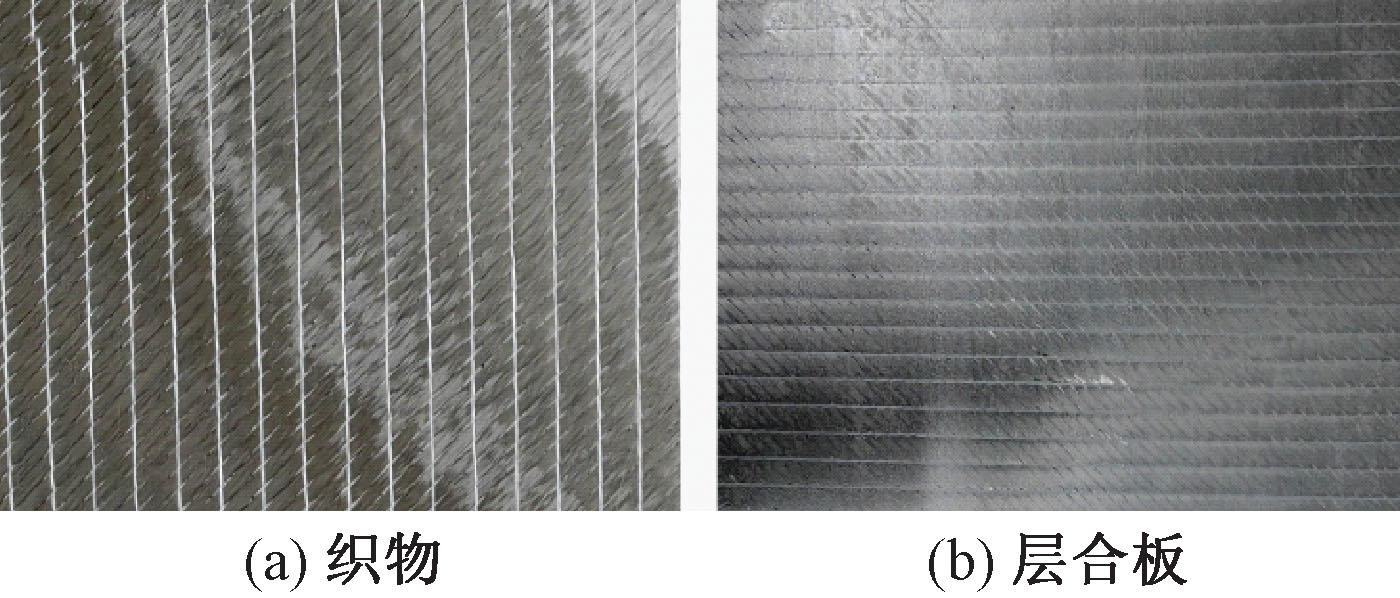
图2

碳纤维经编双轴向织物及其层合板形貌"

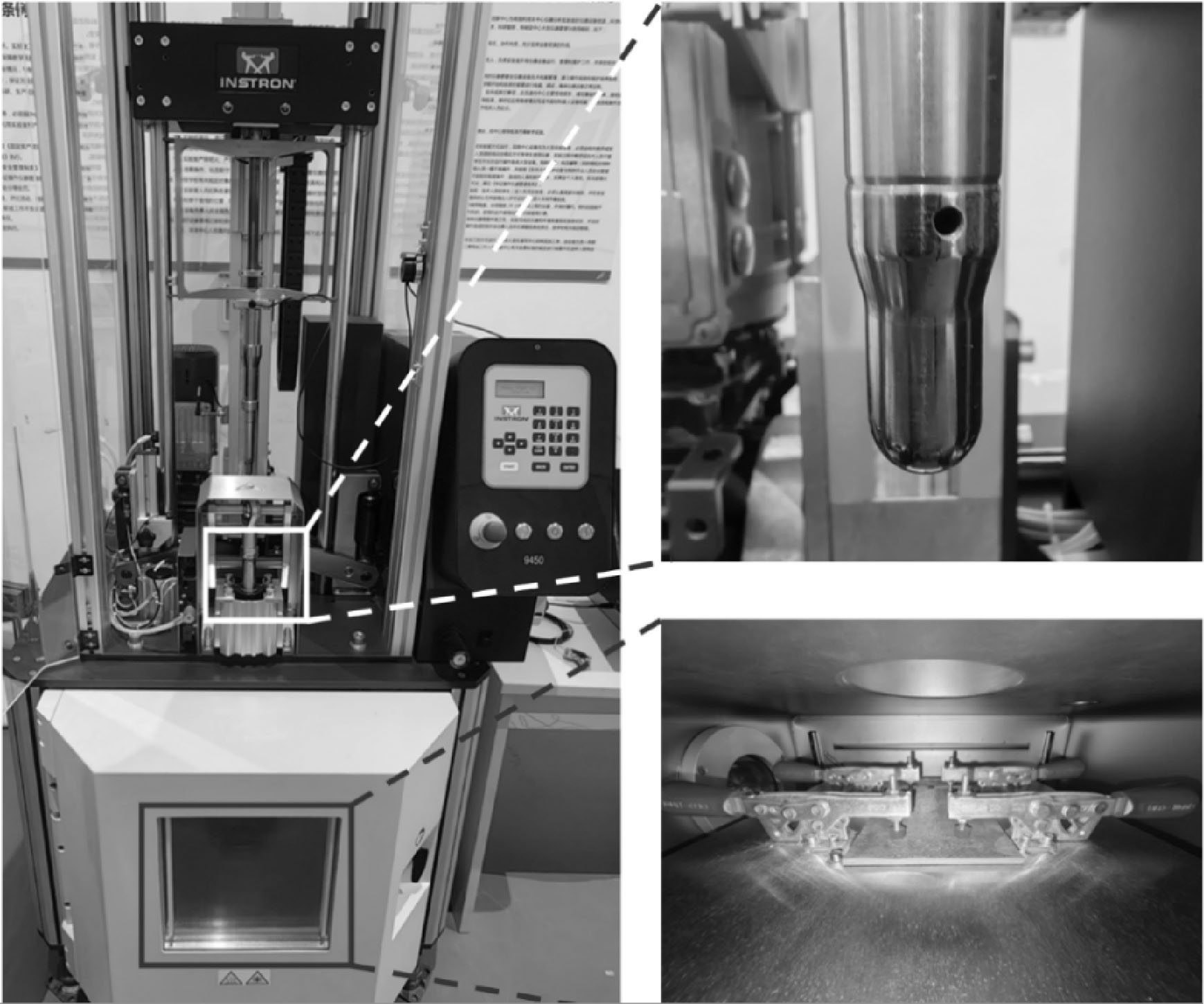
图3

落锤冲击试验机"

图4

不同冲击能量下的载荷-时间曲线"

图5

不同冲击能量下的载荷-位移曲线"

图6

渐进冲击过程中峰值载荷和峰值挠度的变化"

图7

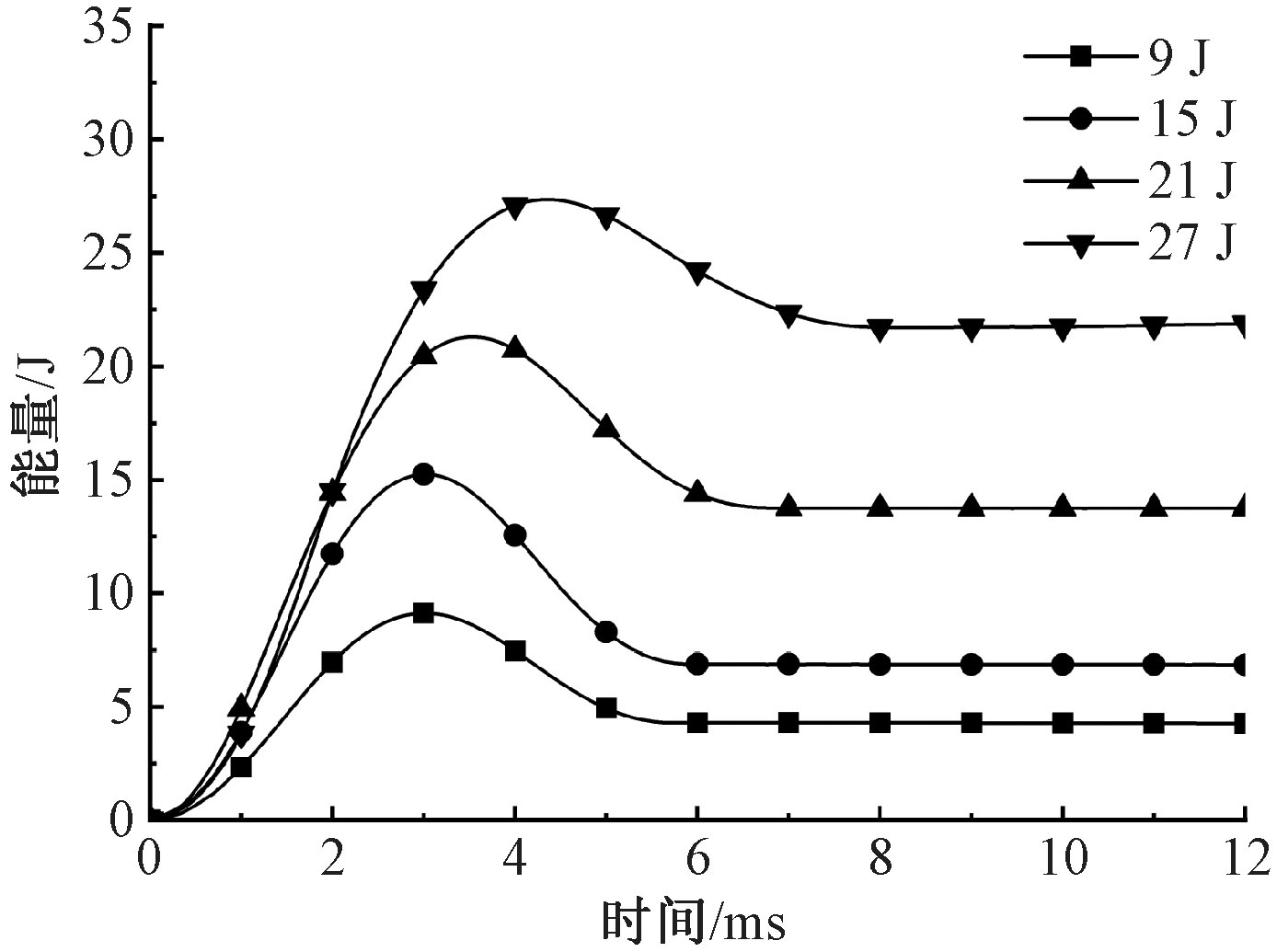
不同冲击能量下的能量-时间曲线"

图8

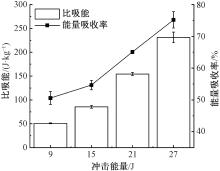
渐进冲击过程中的比吸能和能量吸收率"

图9

经编双轴向碳纤维织物增强复合材料正反面损伤形貌"

图10

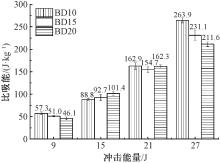
不同织物面密度层合板的比吸能"

图11

不同织物面密度层合板的能量吸收率"

[1] 李明, 李志文, 韩晶珠, 等. 碳纤维复合材料在轨道交通领域的研究与应用进展[J]. 合成纤维, 2024, 53(9): 19-25, 39.
LI Ming, LI Zhiwen, HAN Jingzhu, et al. Research and application progress of carbon fiber composites in the field of rail transit[J]. Synthetic Fiber in China, 2024, 53(9): 19-25, 39.
[2] DAS T K, GHOSH P, DAS N C. Preparation, development, outcomes, and application versatility of carbon fiber-based polymer composites: a review[J]. Advanced Composites and Hybrid Materials, 2019, 2(2): 214-233.
doi: 10.1007/s42114-018-0072-z
[3] ALSHAMMARI B A, ALSUHYBANI M S, ALMUSHAIKEH A M, et al. Comprehensive review of the properties and modifications of carbon fiber-reinforced thermoplastic composites[J]. Polymers, 2021, 13(15): 2474.
doi: 10.3390/polym13152474
[4] 胡建海, 唐鋆磊, 李湉, 等. 碳纤维和芳纶纤维的蚀刻改性及其复合材料界面结合性能研究进展[J]. 表面技术, 2021, 50(10): 94-116.
HU Jianhai, TANG Junlei, LI Tian, et al. Research progress on etching modification of carbon fiber and aramid fiber and the interface bonding performance of their composite materials[J]. Surface Technology, 2021, 50(10): 94-116.
[5] AL-FURJAN M S H, SHAN L, SHEN X, et al. A review on fabrication techniques and tensile properties of glass, carbon, and Kevlar fiber reinforced rolymer composites[J]. Journal of Materials Research and Technology, 2022, 19: 2930-2959.
doi: 10.1016/j.jmrt.2022.06.008
[6] 孙杰, 赵娟. 纤维增强防弹复合材料的应用及研究现状[J]. 化纤与纺织技术, 2021, 50(1): 7-11,53.
SUN Jie, ZHAO Juan. Application and research status of fiber-reinforced bulletproof composites[J]. Chemical Fiber & Textile Technology, 2021, 50(1): 7-11,53.
[7] 楚艳艳, 李施辰, 陈超, 等. 柔性抗冲击纺织材料及其结构的研究进展[J]. 纺织学报, 2022, 43(12): 203-212.
doi: 10.13475/j.fzxb.20210607910
CHU Yanyan, LI Shichen, CHEN Chao, et al. Research progress in bulletproof flexible textile materials and structures[J]. Journal of Textile Research, 2022, 43(12): 203-212.
doi: 10.13475/j.fzxb.20210607910
[8] 应志平, 王伟青, 吴震宇, 等. 三维正交机织复合材料的冲后压缩性能[J]. 纺织学报, 2023, 44(1): 129-135.
YING Zhiping, WANG Weiqing, WU Zhenyu, et al. Compression after impact performance of three-dimensional orthogonal woven composites[J]. Journal of Textile Research, 2023, 44(1): 129-135.
[9] 陈晓钢. 纺织基防弹防穿刺材料的研究回顾[J]. 纺织学报, 2019, 40(6): 159-165.
CHEN Xiaogang. Trend of research in textile-based protective materials against ballistic and stabbing[J]. Journal of Textile Research, 2019, 40(6): 159-165.
[10] MA B L, CAO X F, FENG Y, et al. A comparative study on the low velocity impact behavior of UD, woven, and hybrid UD/woven FRP composite laminates[J]. Composites Part B: Engineering, 2024, 271: 111133.
doi: 10.1016/j.compositesb.2023.111133
[11] OLHAN S, BEHERA B K. Mechanical, thermogravimetric, and dynamic mechanical behavior of high-performance textile structural composite panels for automotive applications[J]. Journal of Manufacturing Processes, 2023, 102: 608-621.
doi: 10.1016/j.jmapro.2023.08.003
[12] 李倩, 李志强, 李广斌, 等. 碳纤维多轴向织物的特点及其发展趋势[J]. 染整技术, 2024, 46(1): 9-12.
LI Qian, LI Zhiqiang, LI Guangbin, et al. Characteristics and application of carbon fiber multi-axial fabric[J]. Textile Dyeing and Finishing Journal, 2024, 46(1): 9-12.
[13] 肖遥, 蒋金华, 陈南梁. 碳纤维多轴向经编织物的应用及其制备工艺研究进展[J]. 东华大学学报(自然科学版), 2025, 51(2):16-25.
XIAO Yao, JIANG Jinhua, CHEN Nanliang. Research progress on the applications and fabrication processes of carbon fiber multi-axial warp knitted fabric[J]. Journal of Donghua University(Natural Science), 2025, 51(2):16-25.
[14] 王贝贝, 谈昆伦, 邵慧奇, 等. 碳纤维双轴向经编织物铺层工艺对其复合材料力学性能的影响[J]. 纺织科学与工程学报, 2022, 39(4): 1-6.
WANG Beibei, TAN Kunlun, SHAO Huiqi, et al. Effects of laying process of carbon fiber biaxial warp knitted fabric on mechanical properties of its compo-sites[J]. Journal of Textile Science and Engineering, 2022, 39(4): 1-6.
[15] 乔灿灿, 姜亚明, 齐业雄, 等. 冲击波在陶瓷增强纬编双轴向多层衬纱织物及机织物复合材料中传递的表征[J]. 纺织学报, 2021, 42(5): 84-89.
QIAO Cancan, JIANG Yaming, QI Yexiong, et al. Characterization of shock wave propagation in ceramic reinforced weft-knitted biaxial multilayer yarnlining fabric and woven fabrics composites[J]. Journal of Textile Research, 2021, 42(5): 84-89.
[16] 赵紫昱. 双轴向经编织物增强柔性膜材低速冲击性能及破坏机理[D]. 无锡: 江南大学, 2021:3-8.
ZHAO Ziyu. Low-speed impact performance and failure mechanism of biaxial warp knitted fabric reinforced flexible membrane[D]. Wuxi: Jiangnan University, 2021:3-8.
[1] 费旌源, 徐乃库, 肖长发. 水可溃散砂质芯模设计及其在中空异形碳纤维复合材料成型中的应用[J]. 纺织学报, 2025, 46(11): 137-146.
[2] 黎靖康, 黄亮, 陈诗诗, 毕曙光, 冉建华, 唐加功. 苄基缩水甘油醚改性环氧类玻璃高分子材料的自修复与再加工性能[J]. 纺织学报, 2025, 46(04): 20-28.
[3] 吕丽华, 庞现柯, 刘澳. 变厚度三维机织复合材料的抗冲击性能[J]. 纺织学报, 2024, 45(09): 91-96.
[4] 王遵钦, 刘东炎, 王晓旭, 张典堂. 机织角联锁变密度复合材料的面外压缩力学特性[J]. 纺织学报, 2024, 45(07): 63-71.
[5] 方周倩, 苗沛源, 金肖克, 祝成炎, 田伟. 碳纤维复合材料孔洞损伤超声波C扫描无损检测[J]. 纺织学报, 2022, 43(10): 71-76.
[6] 吴瑕, 姚菊明, 王琰, RIPON Das, JIRI Militky, MOHANAPRIYA Venkataraman, 祝国成. 碳纤维复合材料无人机叶片的仿真与分析[J]. 纺织学报, 2022, 43(08): 80-87.
[7] 袁琼, 邱海鹏, 谢巍杰, 王岭, 王晓猛, 张典堂, 钱坤. 三维六向编织SiCf/SiC复合材料的力学行为及其损伤机制[J]. 纺织学报, 2021, 42(12): 81-89.
[8] 杨甜甜, 王岭, 邱海鹏, 王晓猛, 张典堂, 钱坤. 三维机织角联锁SiCf/SiC复合材料弯曲性能及损伤机制[J]. 纺织学报, 2020, 41(12): 73-80.
[9] 王旭;晏雄. 聚乙烯自增强复合材料损伤行为的声发射特征[J]. 纺织学报, 2010, 31(3): 27-31.
Viewed
Full text


Abstract

Cited

  Shared   
  Discussed   
No Suggested Reading articles found!