Journal of Textile Research ›› 2025, Vol. 46 ›› Issue (04): 129-137.doi: 10.13475/j.fzxb.20240504501

• Dyeing and Finishing Engineering • Previous Articles     Next Articles

2-D image and 3-D model generation method of Badayun patterns based on artificial intelligence generated content technology

MAO Jiayi1,2,3, SU Miao1,2,3()   

  1. 1. College of Textile Science and Engineering(International Institute of Silk), Zhejiang Sci-Tech University, Hangzhou, Zhejiang 310018, China
    2. International Center for Silk and Silk Road Studies, Hangzhou, Zhejiang 310018, China
    3. Zhejiang Sci-Tech University Shengzhou Innovation Research Institute, Shaoxing, Zhejiang 311800, China
  • Received:2024-05-20 Revised:2024-09-14 Online:2025-04-15 Published:2025-06-11
  • Contact: SU Miao E-mail:sumiao2008@qq.com

Abstract:

Objective Badayun pattern has a long history and contains rich traditional artistic attainments. However, due to the relatively fixed theme and form, its development in the field of modern design is limited. At present, the digital innovation of traditional patterns shows a trend of diversification. This research aims to inherit and activate the formal beauty and cultural meaning of Badayun pattern, and proposes a generation design path based on artificial intelligence-generated content(AIGC) technology to transform the pattern from 2-D image generation to 3-D model transformation, using modern technology to creatively inherit silk culture.

Method Firstly, the development process and artistic style of the Badayun pattern were analyzed, and the data set of its unit pattern was redrawn. Then, on the basis of training the LoRA model, combining with canny edge detection and depth algorithm in controlnet network, the innovation generation of 2-D Badayun pattern was realized on stable diffusion, and the IP-adapter model was used to complete the color style transfer of pattern. The 3-D model conversion of innovative patterns was completed based on 3-D large model Tripo, and the literature record, historical origin and 3-D model of the Badayun pattern to the AR display of fabrics were applied using virtual reality technology.

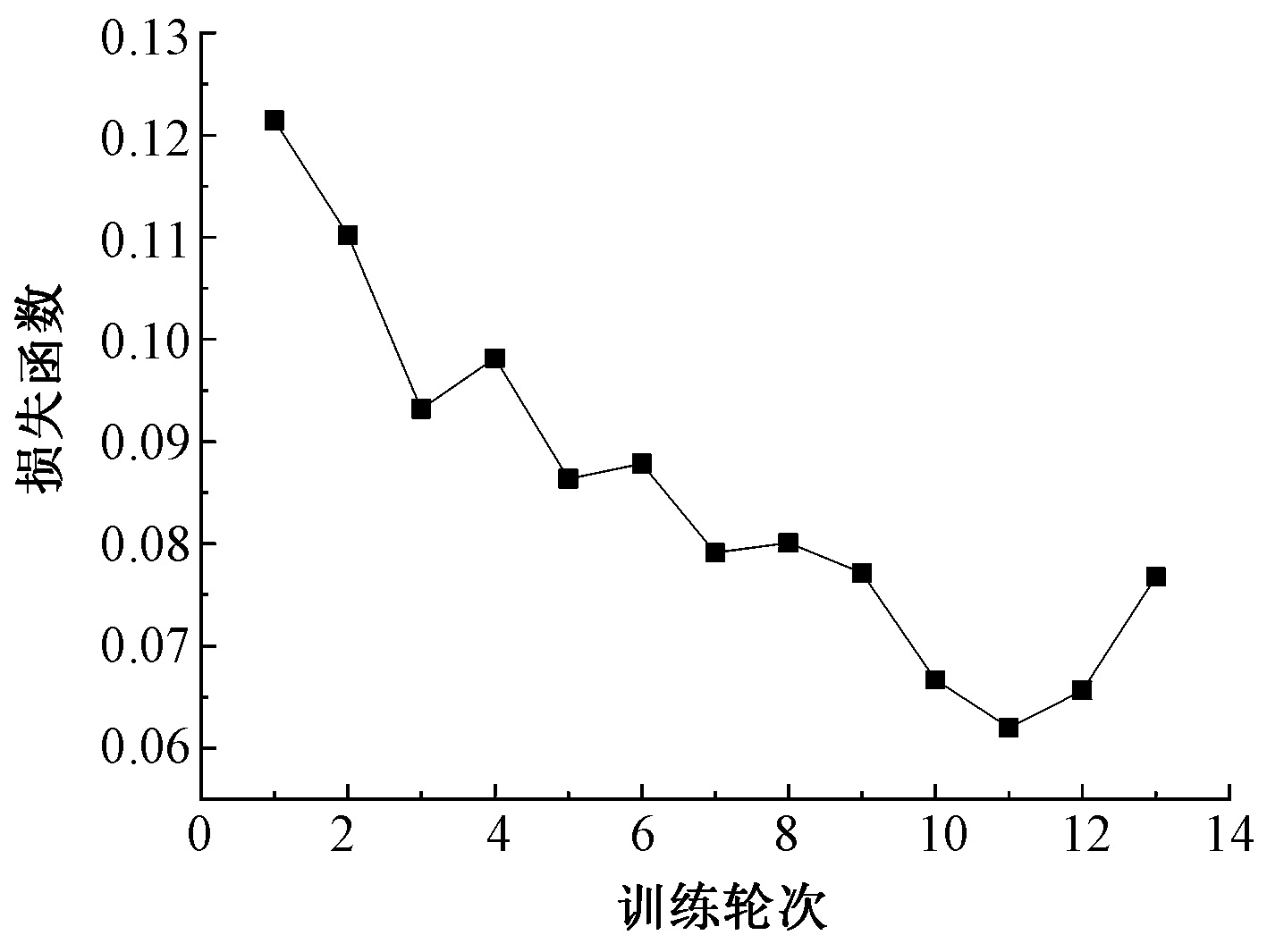
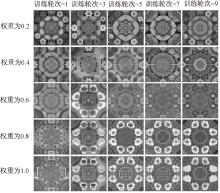
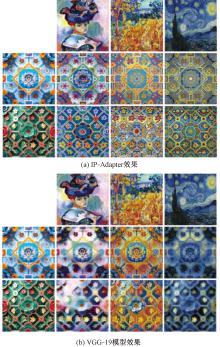
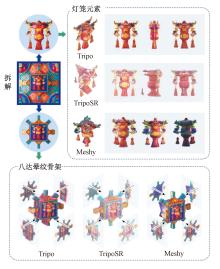
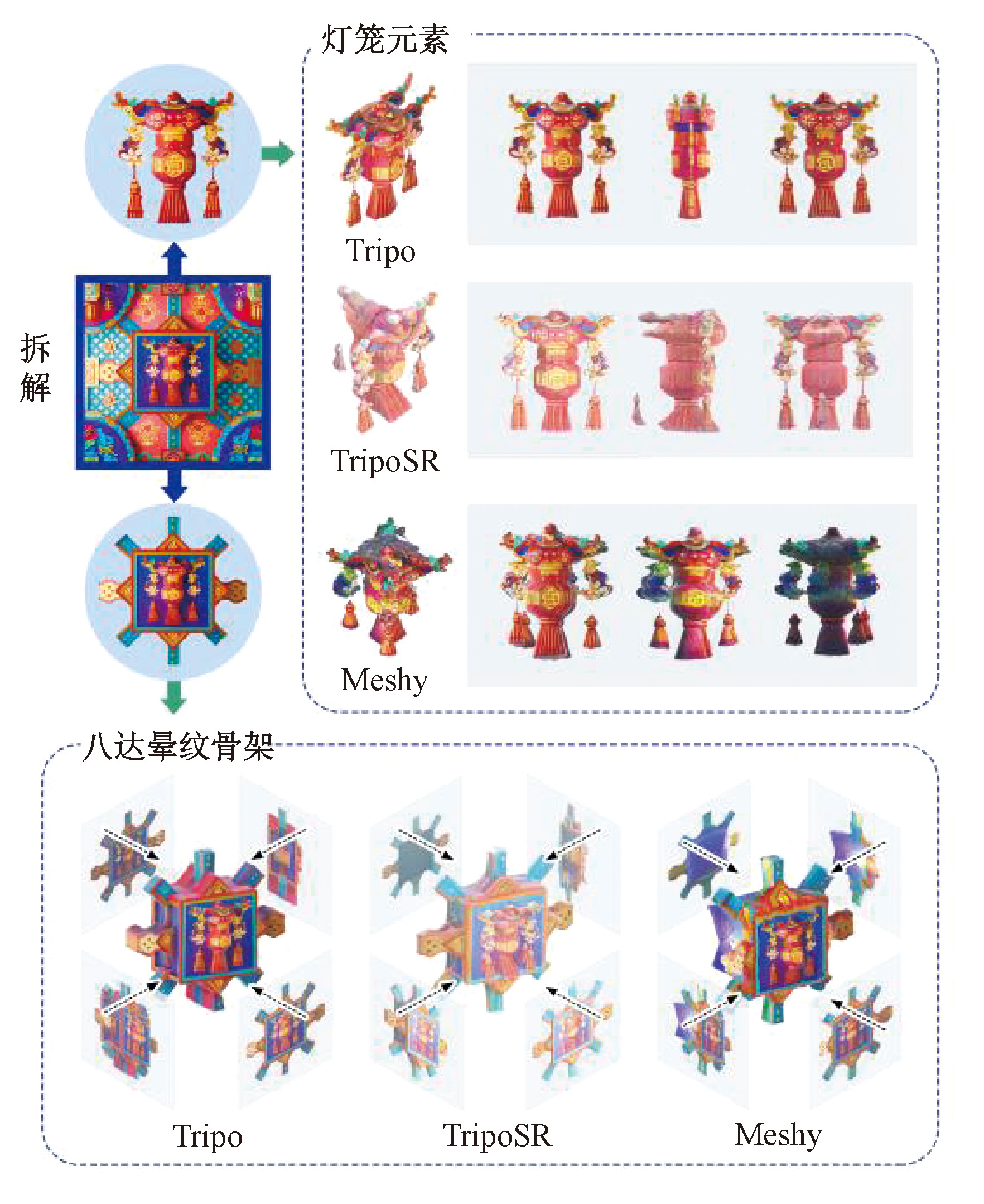
Results This research facilitated the effect of text to image, image to image, image to 3-D model and 3-D model to AR display, and this method was used to achieve the personalized and intelligent generation of Badayun pattern. In the process of preparing the training set of Badayun pattern, 35 unit structure patterns of 2 400×2 400 pixels were restored in the procreate drawing software, and they were input to the LoRA model training after the normalization of the images. The experimental results showed that in the training process of LoRA model, deepbooru generates labels and processes them manually, which were superior to BLIP labeling processing. In the aspect of traditional theme pattern generation, the XYZ chart finds that the results Epochs=9 training rounds were better than that with lower LOSS version. In the aspect of innovative theme pattern generation, ControlNet assisted the generation of effects to achieve the integration of modern elements. In the aspect of style transfer, when western modern art style brutalism and expressionism painting works were transferred to the Badayun pattern, the generation effect of the IP adapter was better than that of the convolutional neural network VGG-19 network, which offered insights of the elements to be fused, and retained the shape and structure of the Badayun pattern. The selection of random seeds made the generation result diverse. In the aspect of 3-D Badayun pattern generation, three types of 3-D generation models, Tripo, TripoSR, and Meshy, were compared. The results showed that the Tripo model was more suitable for the model generation from a single image to 3-D model from the perspective of texture, geometric structure, and fineness. Finally, the 3-D Badayun pattern was applied to the virtual AR interaction on the fabric based on the Kivicube platform. This intelligent generation path contributes to the continuity of silk culture and the inheritance of silk weaving skills and has important reference significance for the digital innovation generation of other traditional patterns.

Conclusion The pattern generation method based on AIGC technology has achieved the transformation of Badayun patterns from “flat to three-dimensional to scene”. This digital presentation of patterns with the characteristics of the times has promoted the further development of silk pattern design in the field of fashion and technology. With the continuous breakthrough and iteration of artificial intelligence technology, the diversified innovative ways of Badayun patterns have ignited the inheritance fire, making the patterns glow with new vitality. In the future research, multi-modal interaction can be introduced into the application of generating patterns, and sensors can be embedded in the innovative theme Badayun brocade to carry out the design and development of traditional silk pattern theme games with the combination of virtual and real. Connecting history and future through virtual 3-D technology, it expands the application field of traditional patterns, and spreads the beauty of patterns across thousands of years to the world while enriching cultural heritage.

Key words: Badayun pattern, inheritance and activation, pattern digitization, generating design, artificial intelligence-generated content, 3-D digital technology, printed pattern

CLC Number: 

  • TS941.26

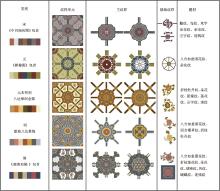
Fig.1

Pattern unit analysis of Badayun patterns"

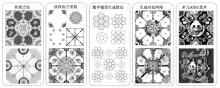
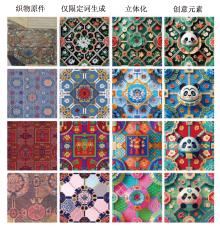
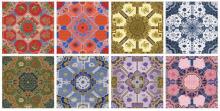
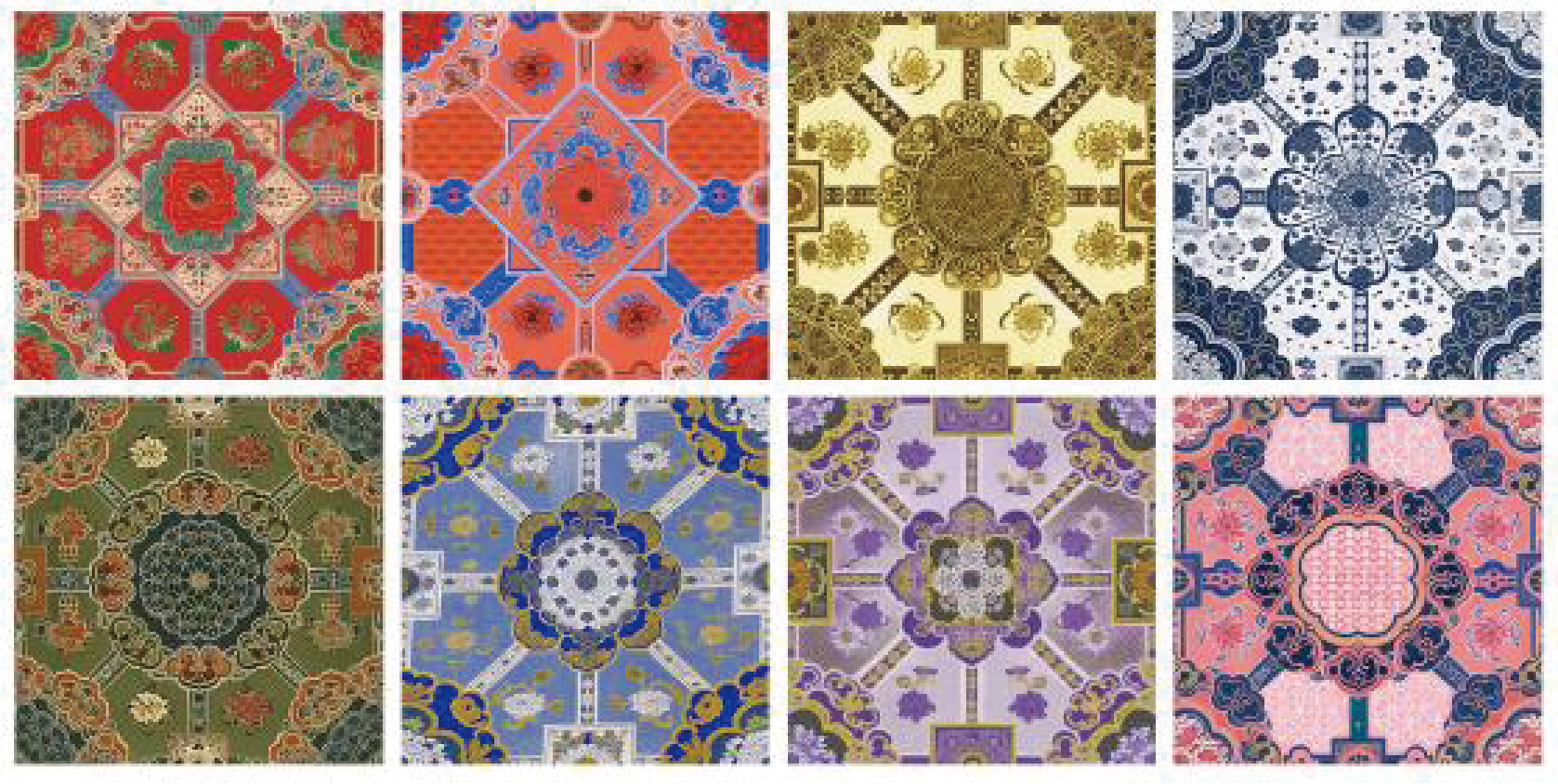
Fig.2

Badayun patterns effect with different generation methods"

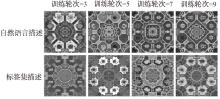
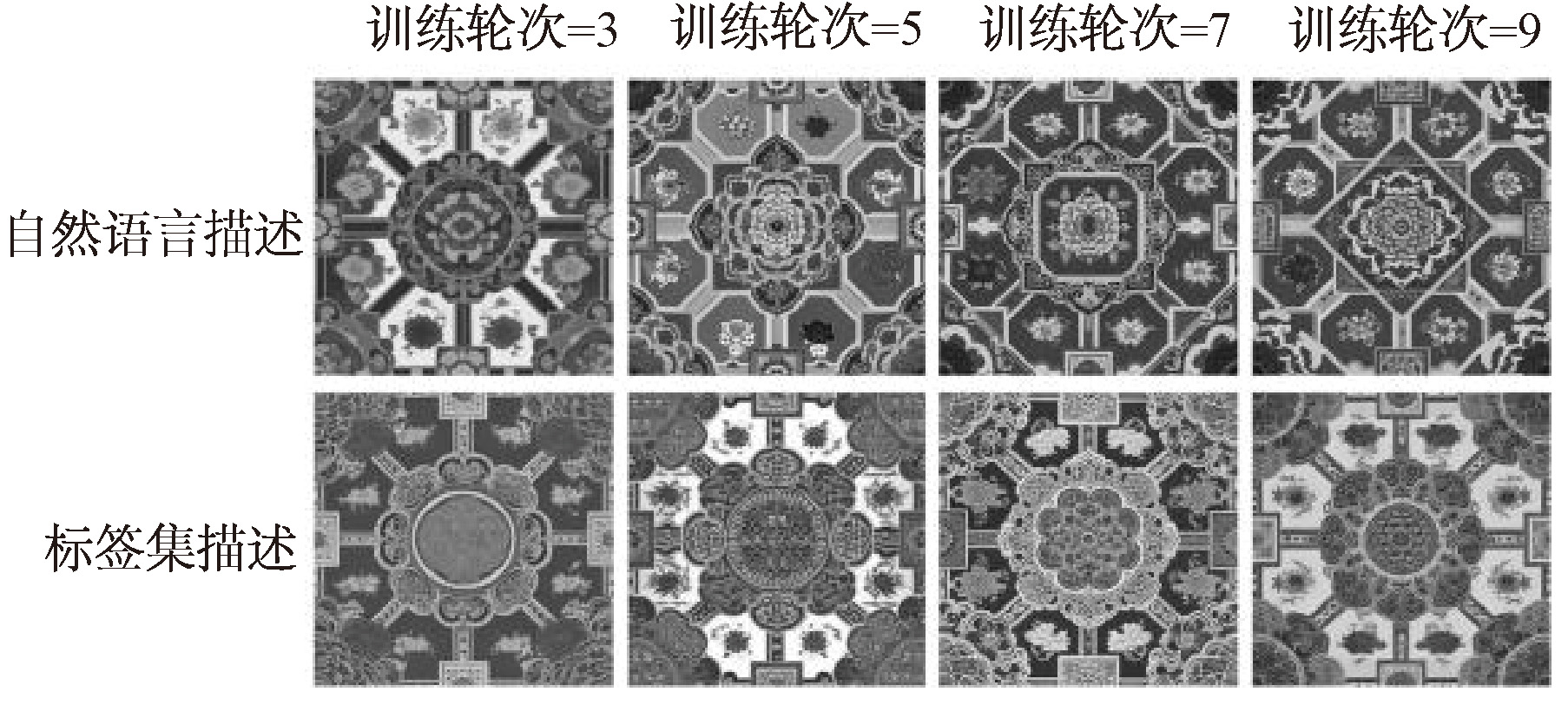
Fig.3

Comparison of different annotation methods"

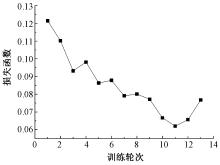
Fig.4

Relationship between loss and epochs"

Fig.5

Original theme LoRA model generation effects"

Fig.6

Creative theme generation effects"

Fig.7

Different colour theme generation effects"

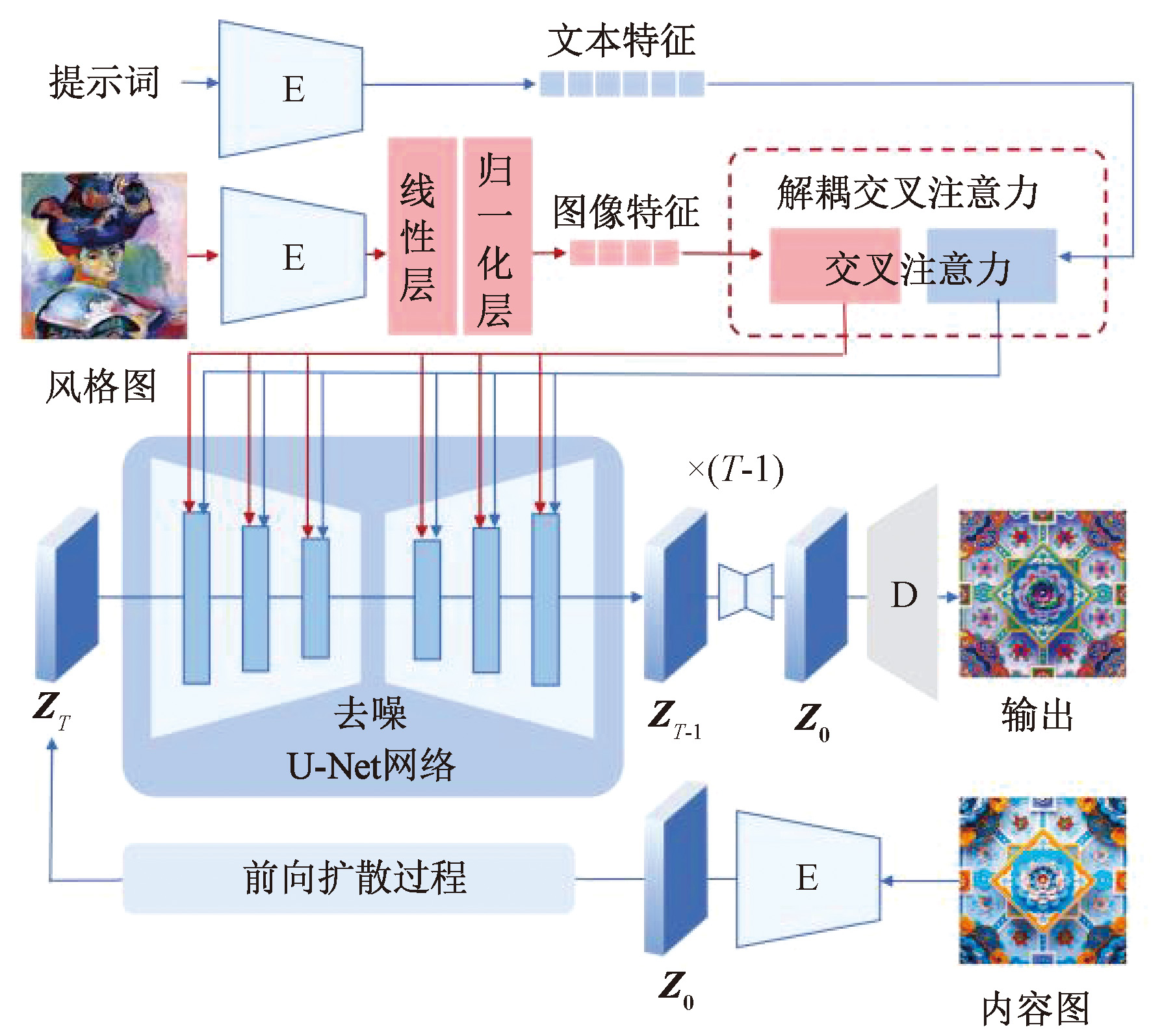
Fig.8

Badayun pattern style transfer architecture based on IP-Adapter"

Fig.9

Style transfer effects of different methods.(a)IP-Adapter effect;(b)VGG-19 model effect"

Fig.10

Different 3-D generation model effects"

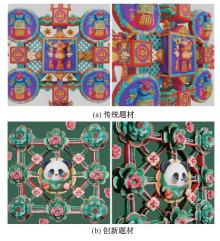
Fig.11

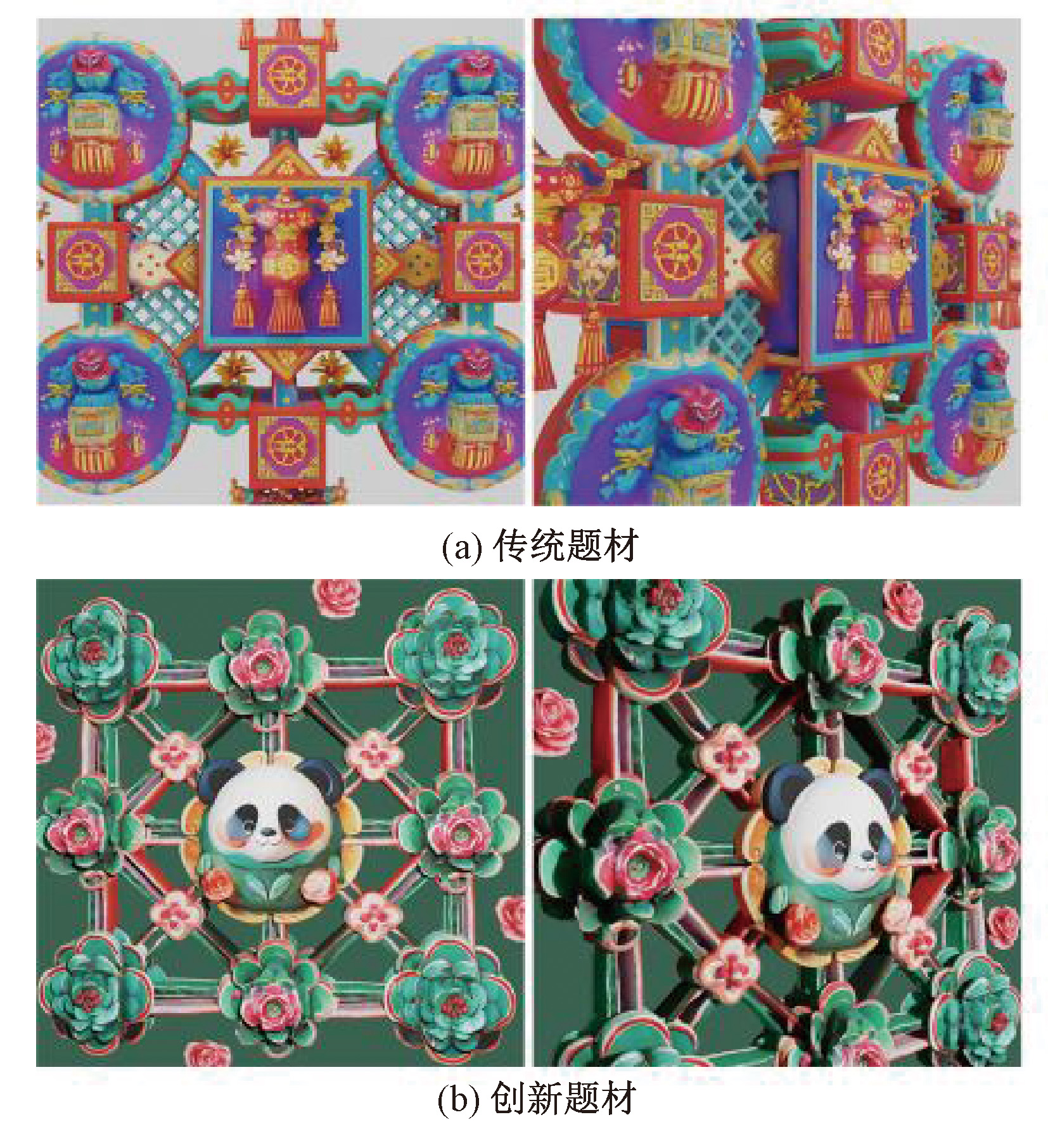
3-D Badayun pattern model effects.(a)Traditional theme;(b)Innovative theme"

Fig.12

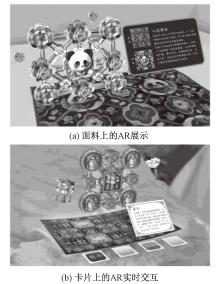
Application of virtual reality technology in 3-D pattern.(a)AR display on fabric;(b)AR interaction on card"

[1] 顾春华. 古书画装裱中八达晕锦图案的研究与设计[J]. 丝绸, 2013, 50(8):36-42.
GU Chunhua. Research on age of silk fabrics for mounting traditional Chinese calligraphy and painting based on silk patterns[J]. Journal of Silk, 2013, 50(8):36-42.
[2] 张玉杰, 李欣华. 八答晕纹样研究与现代设计传播平台构建[J]. 丝绸, 2021, 58(5):130-139.
ZHANG Yujie, LI Xinhua. A study on Badayun patterns and modern design communication platform construc-tion[J]. Journal of Silk, 2021, 58(5):130-139.
[3] 王伟伟, 彭晓红, 杨晓燕. 形状文法在传统纹样演化设计中的应用研究[J]. 包装工程, 2017, 38(6):57-61.
WANG Weiwei, PENG Xiaohong, YANG Xiaoyan. Application study of shape grammar in evolutionary design of traditional patterns[J]. Packaging Engineering, 2017, 38 (6): 57-61.
[4] TIAN G D, YUAN Q N, HU T, et al. Auto-generation system based on fractal geometry for batik pattern de-sign[J]. Applied Sciences, 2019.DOI:10.3390/app9112383.
[5] 解光鹏. 面向传统纹样数字化重构方法研究与实现[D]. 北京: 北京邮电大学,2022:23-29.
XIE Guangpeng. Research and implementation of digital reconstruction methods for traditional patterns[D]. Beijing: Beijing University of Posts and Telecommunications, 2022:23-29.
[6] 朱苗苗, 吕健, 刘翔, 等. 交互式遗传算法在民族图案创新设计中的应用[J]. 计算机工程与设计, 2019, 40(11):3342-3348.
ZHU Miaomiao, LV Jian, LIU Xiang, et al. Application of interactive genetic algorithm in innovativedesign method of national pattern[J]. Computer Engineering and Design, 2019, 40(11):3342-3348.
[7] 侯宇康, 吕健, 刘翔, 等. 基于神经风格迁移网络的民族图案创新方法[J]. 图学学报, 2020, 41(4):606-613.
doi: 10.11996/JG.j.2095-302X.2020040606
HOU Yukang, LÜ Jian, LIU Xiang, et al. Innovative method of ethnic pattern based on neural style transfer network[J]. Journal of Graphics, 2019, 41(4):606-613.
[8] DENG Z R, BAI S J, MA F X, et al. Zhuang national costume images generation method based on deep convolutional generative adversarial network[C]//2019 Eleventh International Conference on Advanced Computational Intelligence (ICACI). Guilin:ICACI, 2019: 314-319.
[9] 何文泽. 基于生成式对抗网络的民族图案生成研究[D]. 长春: 吉林大学,2022:26-41.
HE Wenze. Research on ethnic pattern generation based on generative adversarial networks[D]. Changchun: Jilin University, 2022:26-41.
[10] BORJI A. Generated faces in the wild: quantitative comparison of Stable Diffusion, Midjourney and DALL-E2[J]. ArXiv, 2022.DOI:10.48550/arXiv.2210.00586.
[11] 侯云鹏, 彭涵, 刘育晖. 基于LoRA模型的非遗数字化传承:以楚漆器为例[J]. 设计艺术研究, 2024, 14(1):14-18.
HOU Yunpeng, PENG Han, LIU Yuhui. Digital inheritance of intangible cultural heritage based on the LoRA model : a case study of chu lacquerware[J]. Design Research, 2024, 14(1):14-18.
[12] 于鹏, 张毅. 从特征辨识到图像生成:基于AIGC范式的苗族服饰设计[J]. 丝绸, 2024, 61(3):1-10.
YU Peng, ZHANG Yi. From feature recognition to image generation: Miao ethnic costume design based on the AIGC paradigm[J]. Journal of Silk, 2024, 61(3):1-10.
[13] 李叶红, 吴洪. 传统“八达晕”图案的多元化创新设计研究[J]. 丝绸, 2022, 59(4):102-109.
LI Yehong, WU Hong. Research on diversified innovation and design of the traditional "Badayun" pattern[J]. Journal of Silk, 2022, 59(4):102-109.
[14] 张帆, 苏艺, 崔强, 等. 传统服饰纹样生成设计研究[J]. 包装工程, 2023, 44(4):1-8,42.
ZHANG Fan, SU Yi, CUI Qiang, et al. Generation design of traditional costume pattern[J]. Packaging Engineering, 2023, 44(4):1-8,42.
[15] 杨航, 陈瑞, 安仕鹏, 等. 深度学习背景下的图像三维重建技术进展综述[J]. 中国图象图形学报, 2023, 28(8):2396-2409.
YANG Hang, CHEN Rui, AN Shipeng, et al. Advan-ces in 3D image reconstruction under deep learning background[J]. Journal of Image and Graphics, 2023, 28(8):2396-2409.
[16] 李吉洋, 程乐超, 何靖璇, 等. 神经辐射场的研究现状与展望[J]. 计算机辅助设计与图形学学报, 2024, 36(7):995-1013.
LI Jiyang, CHENG Lechao, HE Jingxuan, et al. Curr-ent status and prospects of research on neural radi-ance fields[J]. Journal of Computer: Aided Design & Computer Graphics, 2024, 36(7):995-1013.
[17] 王露芳, 何潇湘. 传统锦纹样的演变及传承设计[J]. 国际纺织导报, 2016, 44(2):53-58.
WANG Lufang, HE Xiaoxiang. Evolution and inheritance design of Chinese traditional brocade patterns[J]. Melliand China, 2016, 44(2):53-58.
[18] RUIZ N, LI Y Z, JAMPANI V, et al. Dreambooth: fine tuning text-to-image diffusion models for subject-driven generation[C]// Proceedings of the IEEE/CVF Conference on Computer Vision and Pattern Recognition. Canada: Vancouver, 2023: 22500-22510.
[19] HU E J, SHEN Y, WALLIS P, et al. Lora: low-rank adaptation of large language models[J]. ArXiv, 2021. DOI:10.48550/arXiv.2106.09685.
[20] YE H, ZHANG J, LIU S, et al. IP-Adapter: text compatible image prompt adapter for text-to-image diffusion models[J]. ArXiv, 2023. DOI: 10.48550/arXiv.2308.06721.
[1] ZHANG Suya, CUI Rongrong, WANG Zhicheng, JIANG Wenqin, XU Pinghua. Parametric and regeneration design of Badayun patterns [J]. Journal of Textile Research, 2024, 45(06): 165-172.
Viewed
Full text


Abstract

Cited

  Shared   
  Discussed   
No Suggested Reading articles found!