Journal of Textile Research ›› 2026, Vol. 47 ›› Issue (1): 231-239.doi: 10.13475/j.fzxb.20250504401

• Machinery & Equipment • Previous Articles     Next Articles

Development of virtual simulation software for three-dimensional braiding machines

FU Ruiyun1(), WU Yinzhou2   

  1. 1. East Pudong Branch, Shanghai Open University, Shanghai 201200, China
    2. College of Intelligent Design and Manufacturing, Hangzhou Xiaoshan Technician College, Hangzhou, Zhejiang 311201, China
  • Received:2025-05-26 Revised:2025-08-25 Online:2026-01-15 Published:2026-01-15

Abstract:

Objective In view of the problems existing in the current three-dimensional braiding virtual simulation technology, such as the asynchrony between reverse modeling and the actual manufacturing process, the difficulty of conventional yarn models adapting to multi-layer and multi-yarn braiding, and the disconnection between algorithms and electromechanical systems, a yarn finite element processing method based on the dual states of winding and unwinding is proposed to achieve real-time synchronization of the braiding process and the simulation model, and then a mechatronic simulation system suitable for hexagonal and rotary braiding machines is developed, so as to enhance the universality and practicability of virtual braiding software in engineering applications.

Method The principles of hexagonal and rotary braiding were analyzed. Based on the commonalities of these two braiding methods, a mathematical model of the braiding machine base was established using the Cartesian coordinate system. The motion matrix of the yarn carrier on the base was derived, thereby obtaining the motion data of the yarn. Then, the braiding process was transformed into the position change information of the yarn carriers, and a pressing matrix was constructed to provide a basis for the interlacing judgment of the yarn on the mandrel. Based on the above analysis, the shape of the yarn was accurately expressed using NURBS curves. A yarn finite element processing method based on winding and unwinding states was proposed for the generation of yarn on the mandrel, enabling the three-dimensional dynamic generation of yarn. Taking a real braiding machine composed of 32 angle wheels and 32 dials as the development object, a virtual three-dimensional braiding software suitable for both braiding processes was developed using the Qt Toolkit. Finally, the three-dimensional theoretical models of 10 sets of braided materials produced by the prototype machine were compared with the actual products using industrial Computed Tomography equipment.

Results The yarn generated using NURBS curves can change the local curvature of the yarn with a small number of control points, meeting the multi-layered development requirements of the fabric. The proposed winding and unwinding yarn finite element generation methods can simply and quickly achieve the three-dimensional dynamic generation of yarn. The comparison of 10 sets of three-dimensional theoretical models of braided materials with the actual products showed a high degree of consistency in yarn pressing, with an average error of only 3%-6% in diameter and length.

Conclusion The accuracy of the software algorithm was verified through practical examples, achieving the application of one machine in hexagonal and rotary braiding. The software can also be integrated with other conventional industrial software for secondary development, enabling it to be endowed with material properties and pre-assessment performance, thereby realizing the integrated electromechanical simulation design of three-dimensional braiding.

Key words: three-dimensional braiding, rotary braiding, hexagonal braiding, yarn expression, virtual simulation

CLC Number: 

  • TP273

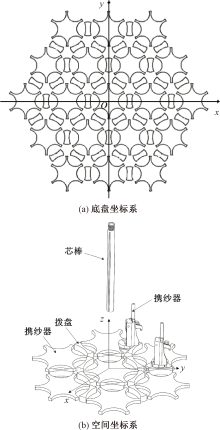
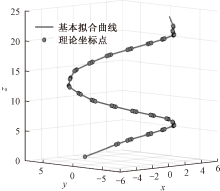
Fig.1

Hexagonal braiding machine coordinating. (a) Chassis coordinate system;(b) Spatial coordinate system"

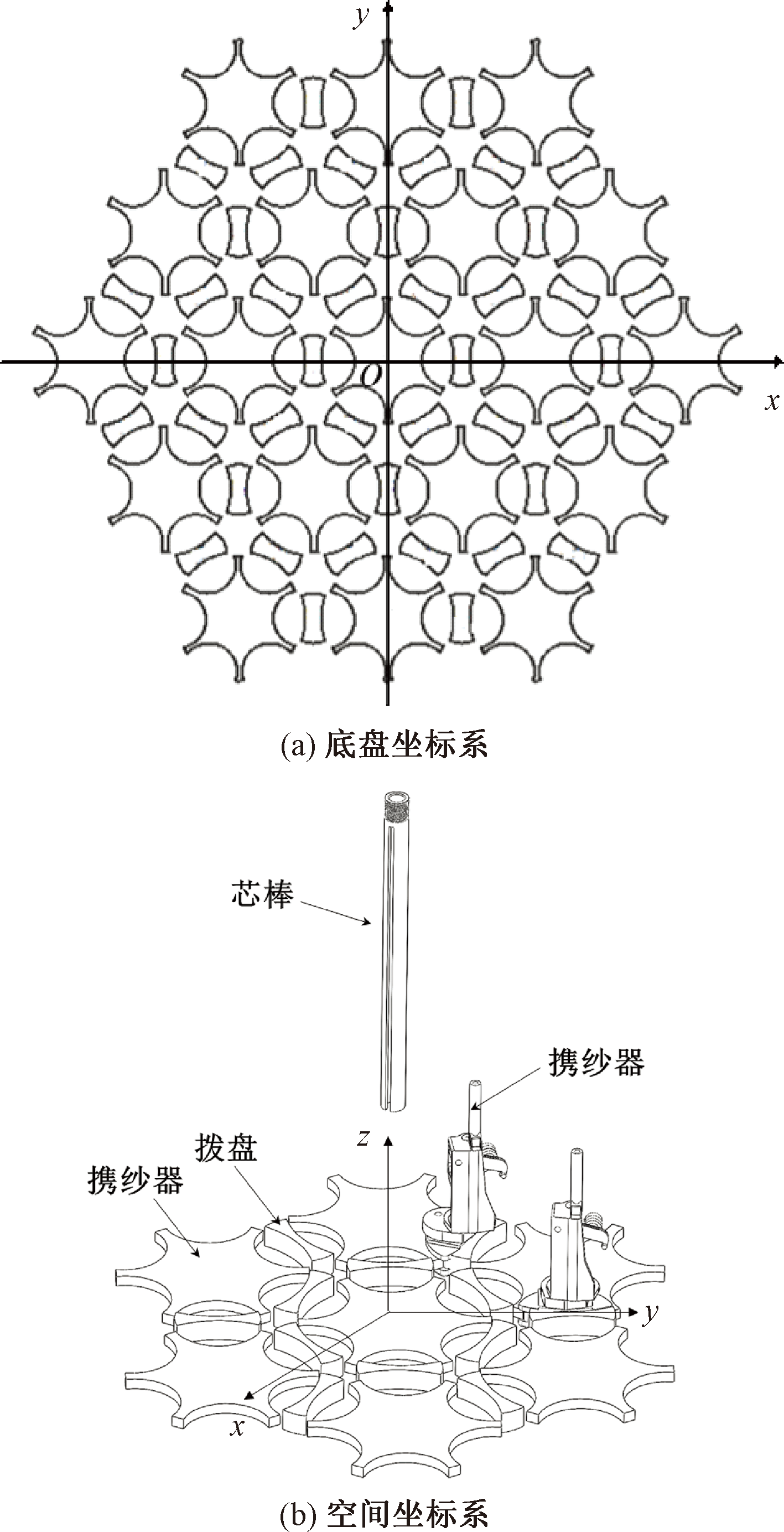
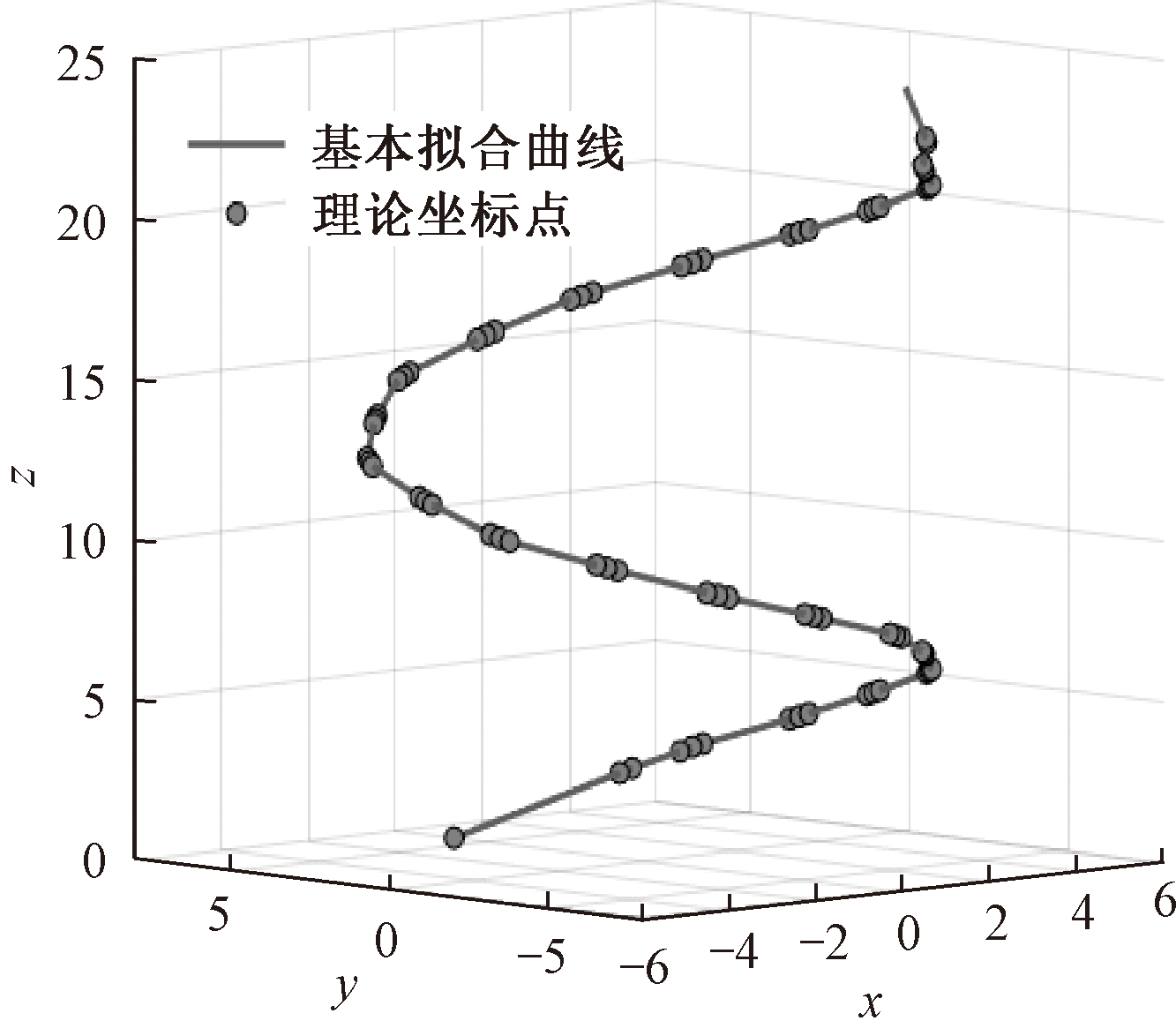
Fig.2

Spatial trajectory of single yarn"

Fig.3

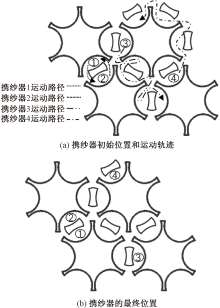
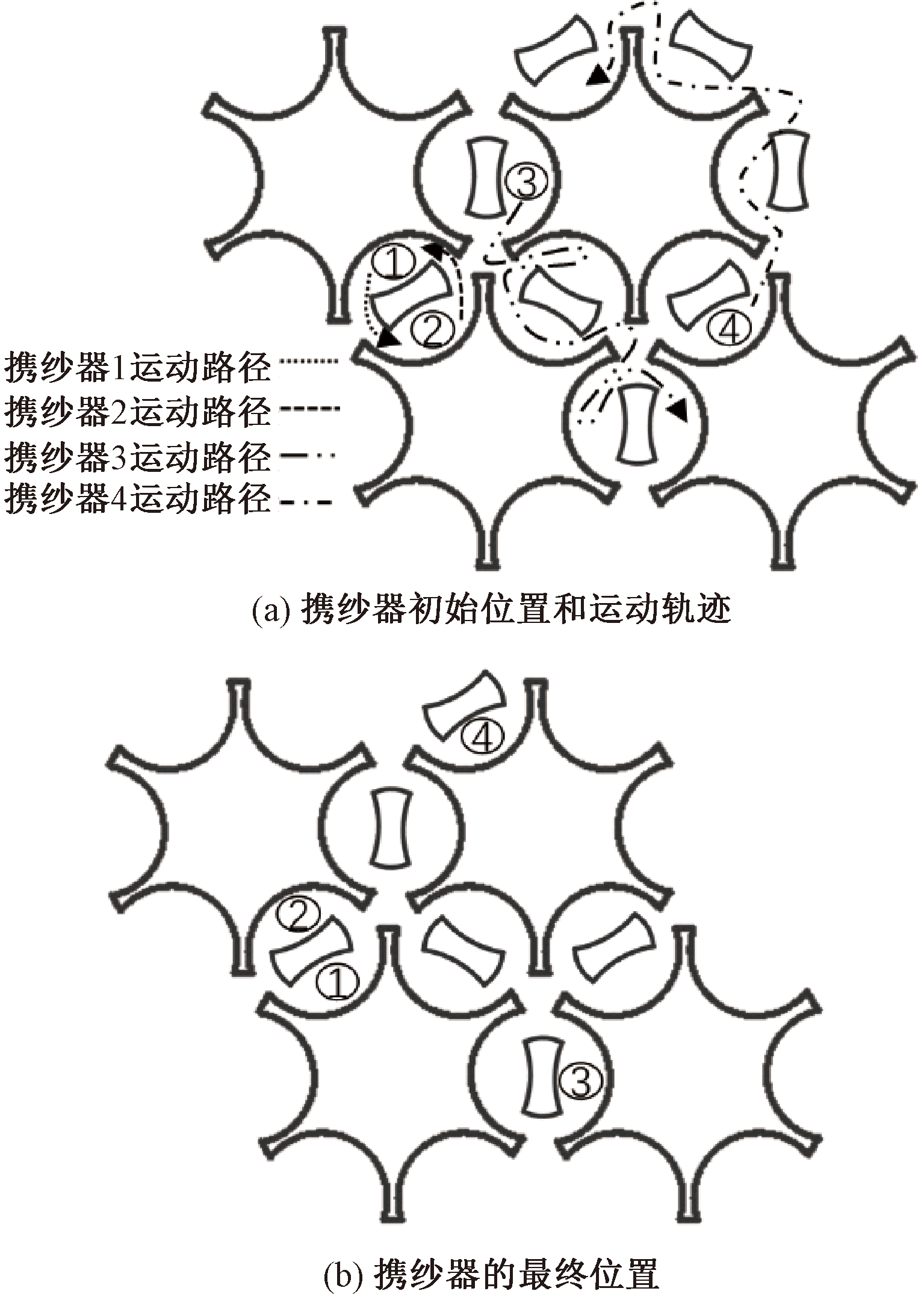
Description of relative motion matrix of yarn carrier. (a) Initial position and movement trajectory;(b) Final position"

Fig.4

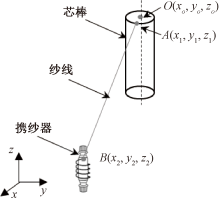
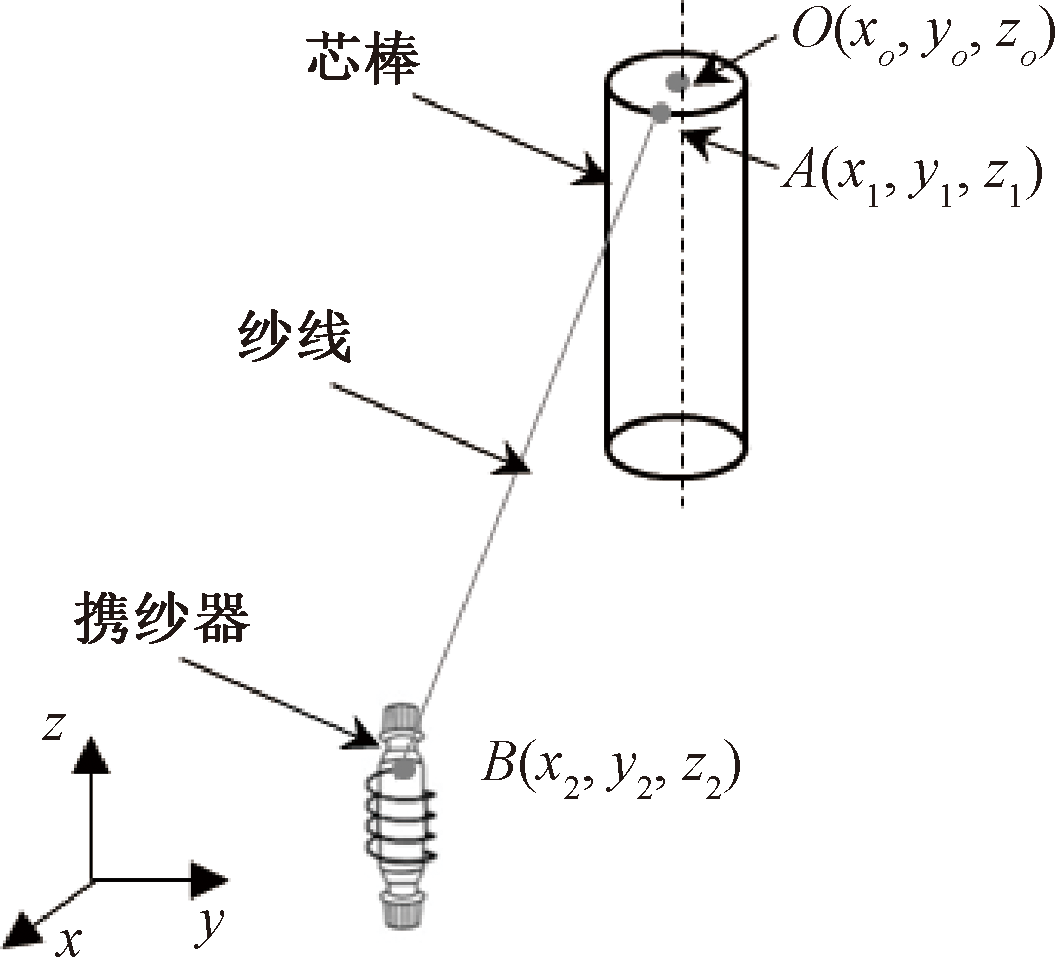
Yarn drawing diagram in simulation software"

Fig.5

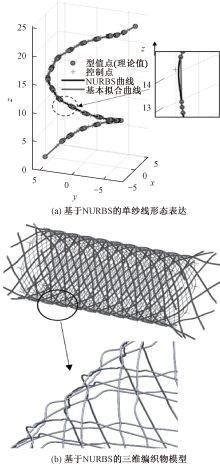
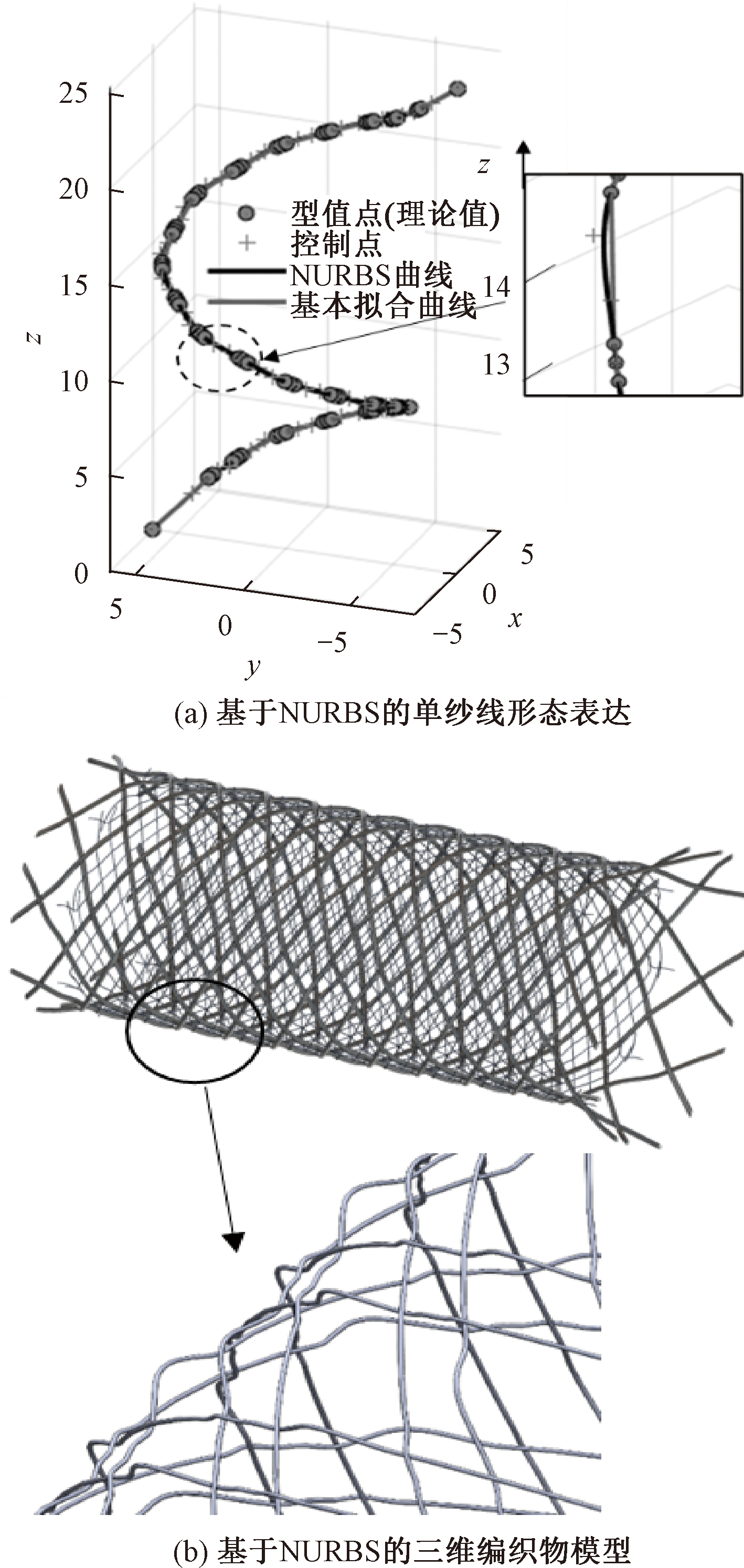
Morphological expression of yarn based on NURBS. (a) Single yarn morphology expression;(b) Three-dimensional braided fabric model"

Fig.6

Initial state of yarn"

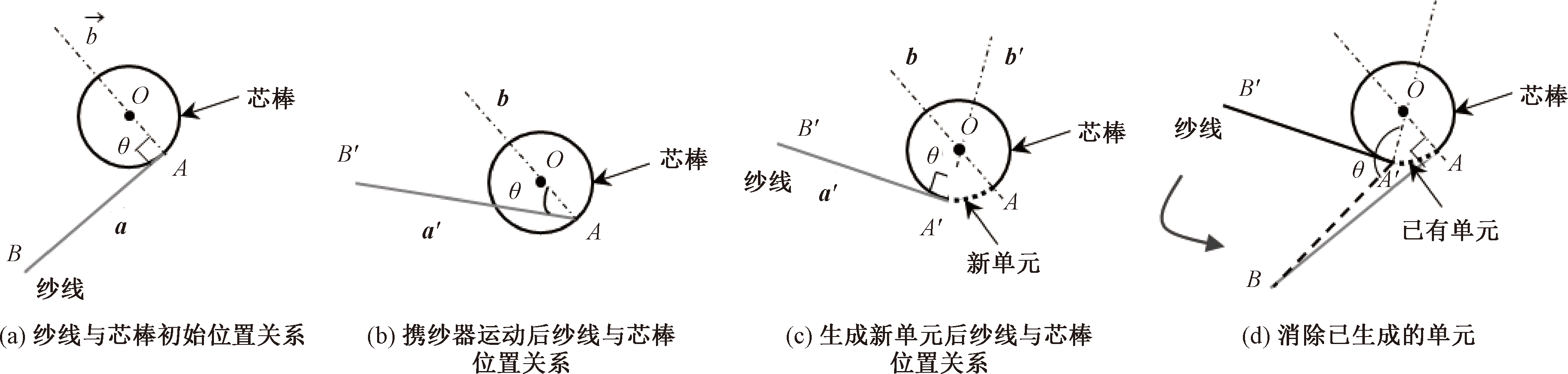
Fig.7

Yarn generation unit processing. (a) Initial position of yarn and mandril; (b) Position of yarn and mandril after yarn carrier movement; (c) Position of yarn and mandril after generating new unit; (d) Elimination of generated units"

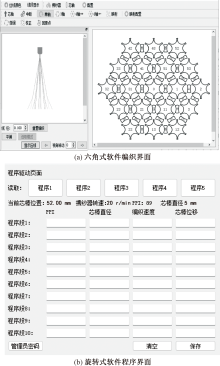
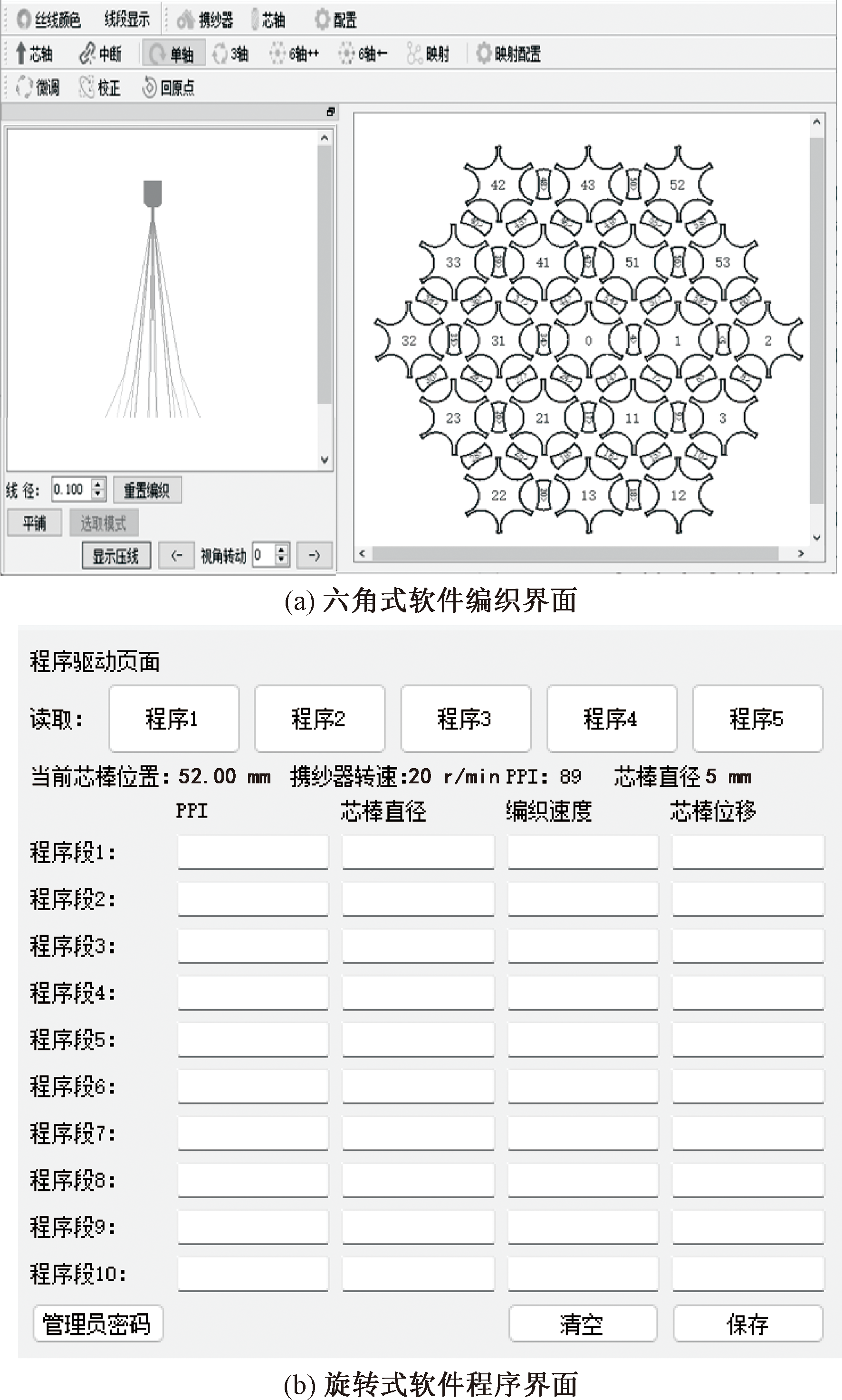
Fig.8

Virtual braiding interface. (a) Hexagonal software braided interface; (b) Rotary software braiding interface"

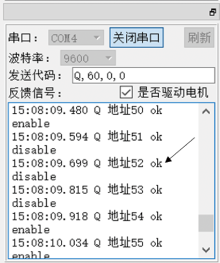
Fig.9

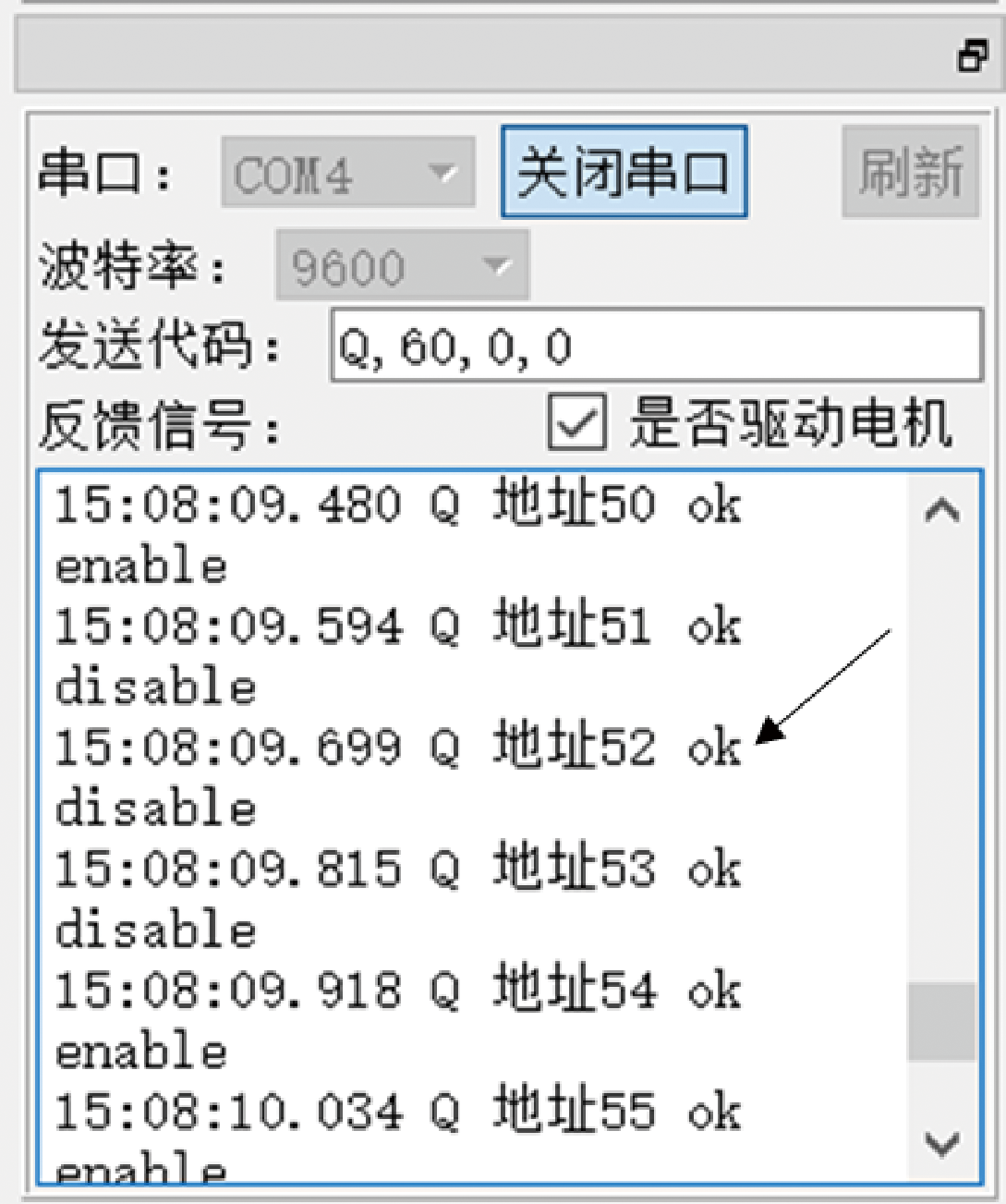
Communication result diagram of motor establishment"

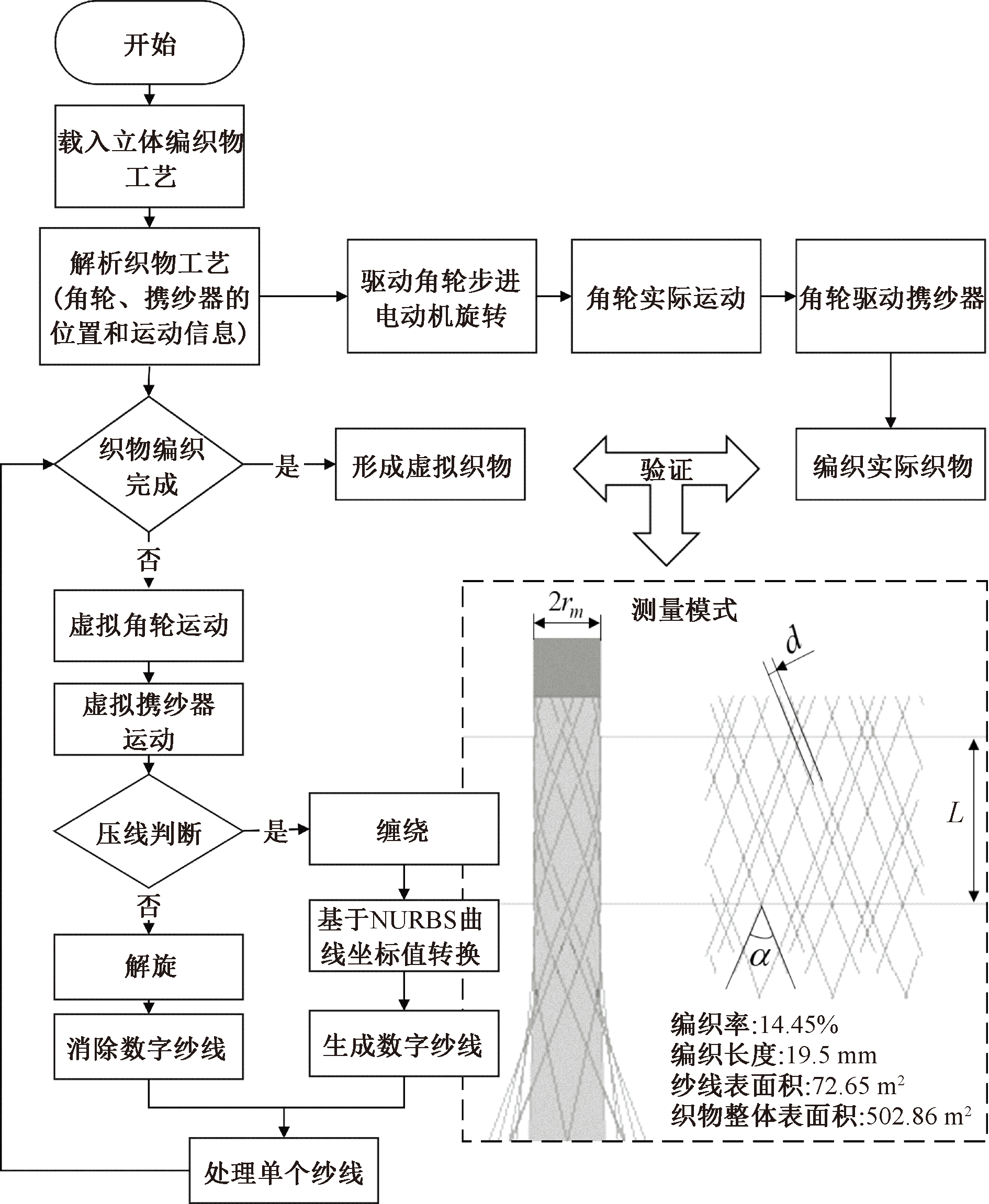
Fig.10

Flow chart of software operation program"

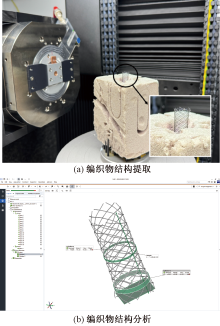
Fig.11

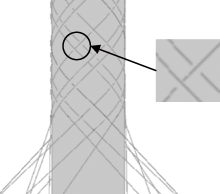
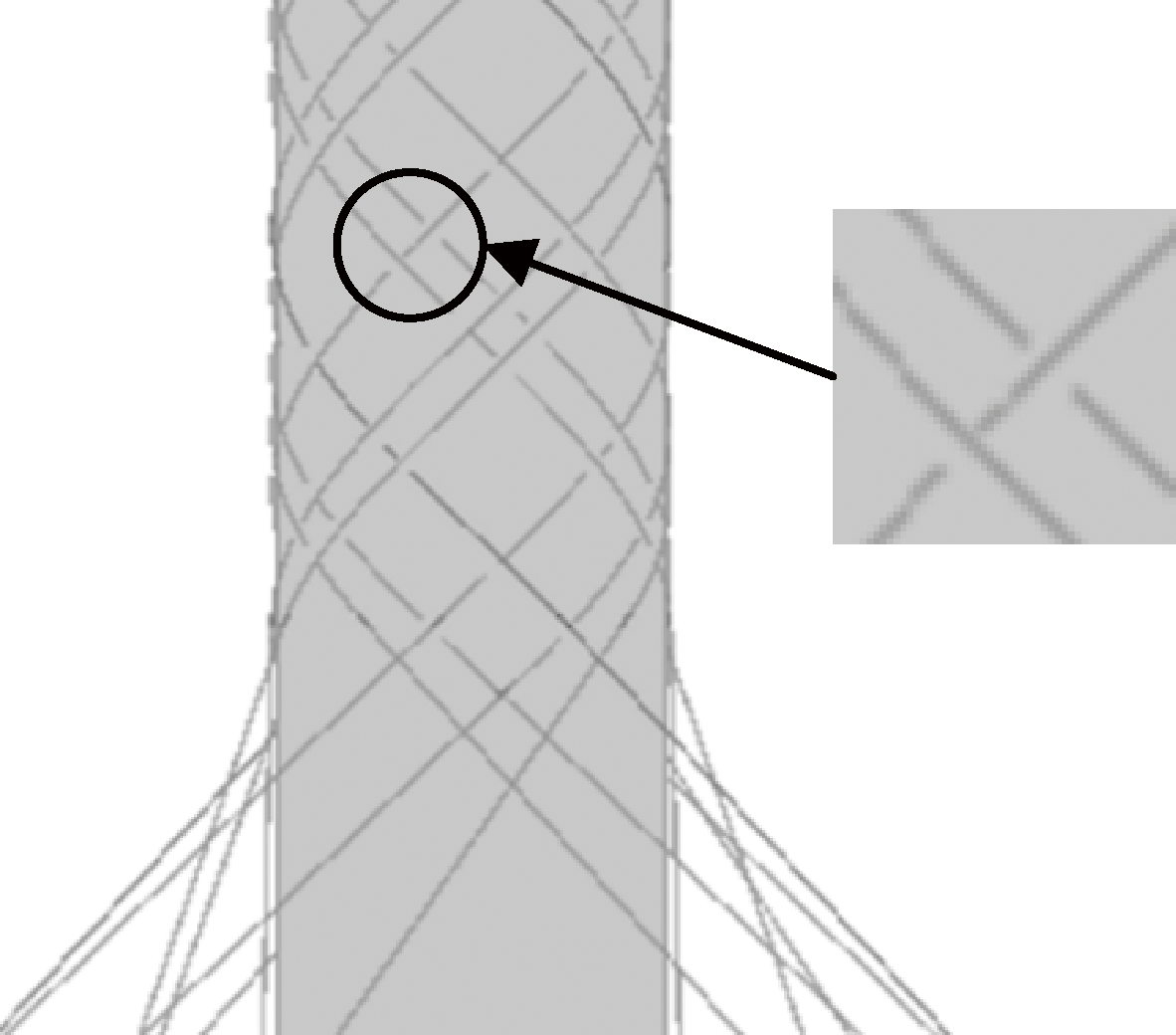
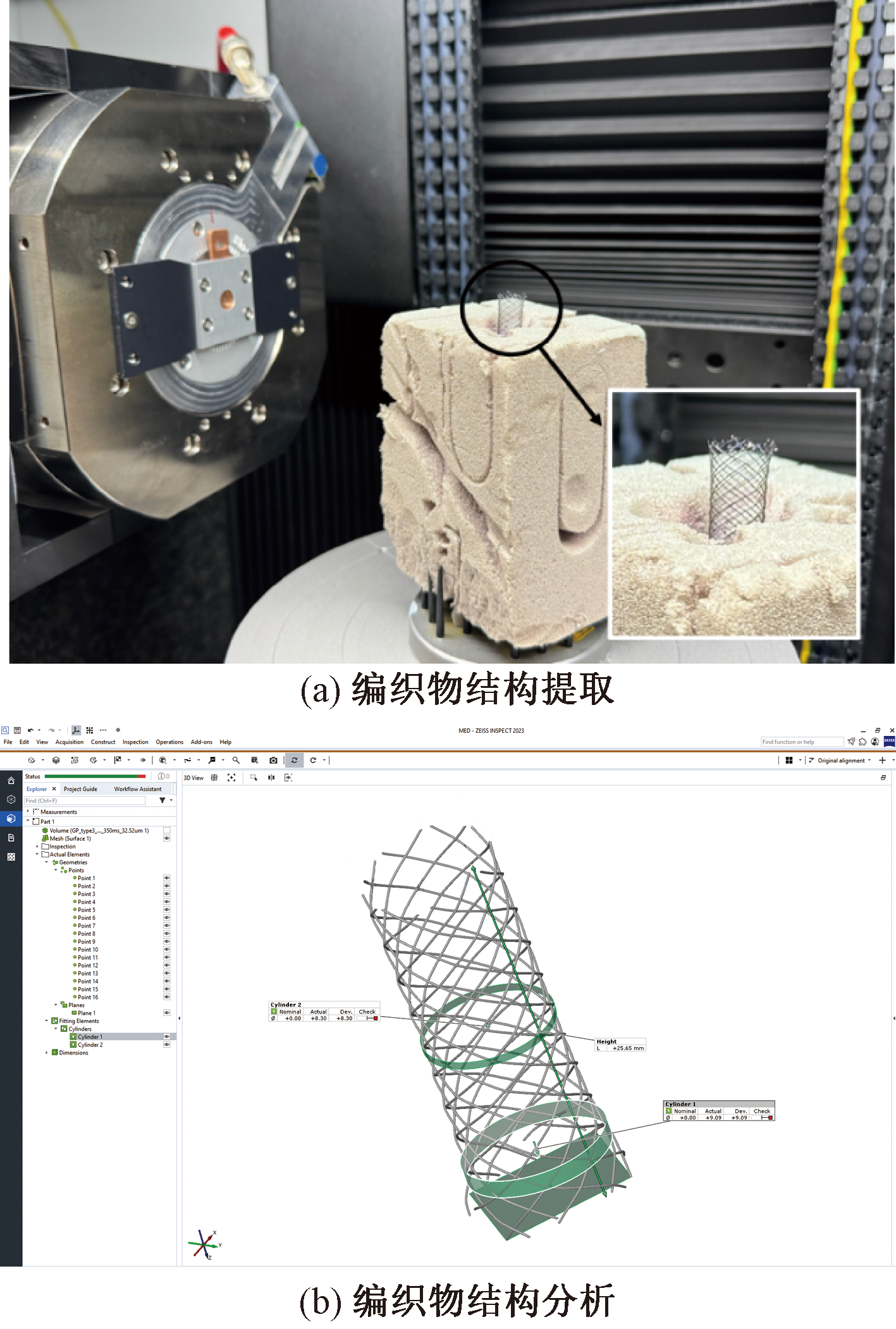
CT equipment inspection of braided fabric structure. (a) Extraction of braided fabric structure; (b) Analyzation of braided fabric structure"

Fig.12

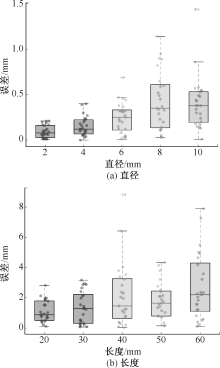
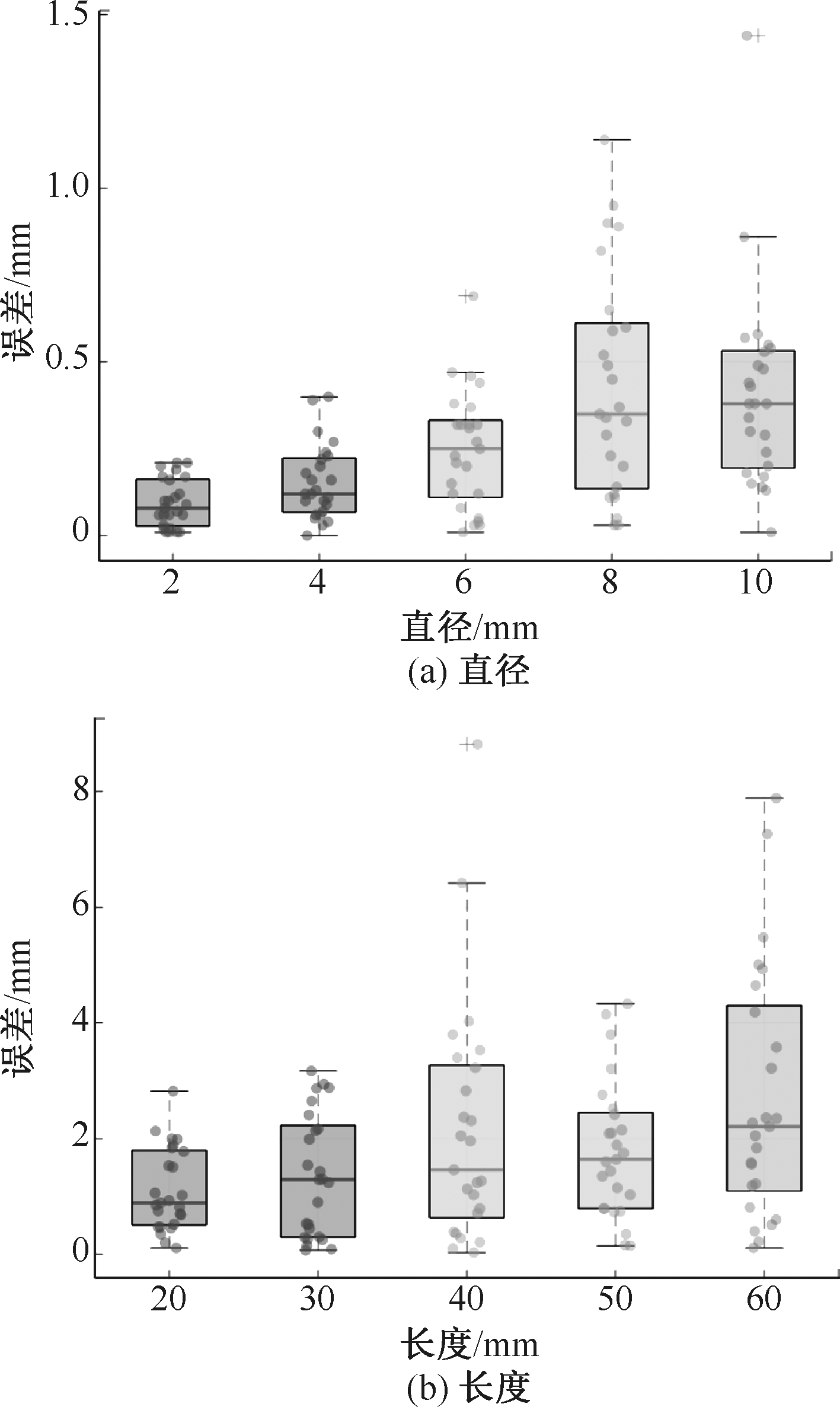
Error box and scatter diagrams of woven fabric. (a) Diameter; (b) Length"

[1] 徐杰. T型截面三维编织关键技术的研究和编织设备的设计[D]. 上海: 东华大学, 2019: 10-12.
XU Jie. Research on the key technology of T-section therr-dimensional braiding and design the braiding equipeng[D]. Shanghai: Donghua University, 2019: 10-12.
[2] KYOSEV Y. Braiding technology for textiles[M]. Cambridge: Elsevier/Woodhead Publish, 2015:1-23.
[3] 吕海辰, 李政宁, 陈革, 等. 六角形三维编织物结构的MatLab仿真及优化[J]. 东华大学学报(自然科学版), 2020, 46(1): 23-28, 59.
LÜ Haichen, LI Zhengning, CHEN Ge, et al. Model simulation and optimization of hexagonal three-dimensional braiding fabric based on MatLab[J]. Journal of Donghua University (Natural Science), 2020, 46(1): 23-28, 59.
[4] 丁彩红, 顾馨, 卢晨雨. 血管支架预制件的六角形三维虚拟编织[J]. 纺织学报, 2024, 45(3): 65-73.
DING Caihong, GU Xin, LU Chenyu. Hexagonal three-dimensional virtual braiding of vascular stent preforms[J]. Journal of Textile Research, 2024, 45(3): 65-73.
[5] 吴皓, 丁彩红, 顾馨. 管状织物的六角形三维虚拟编织技术[J]. 现代纺织技术, 2025, 33(3): 70-80.
WU Hao, DING Caihong, GU Xin. Hexagonal three-dimensional virtual braiding technology for tubular braiding[J]. Advanced Textile Technology, 2025, 33(3): 70-80.
[6] 李政宁. 六角形编织立体织物成形原理及其复合材料性能研究[D]. 上海: 东华大学, 2019: 55-59.
LI Zhengning. Study on the forming principles of 3D hexagonal braided fabric and its composite proper-ties[D]. Shanghai: Donghua University, 2019: 55-59.
[7] ALPYILDIZ T. 3D geometrical modelling of tubular braids[J]. Textile Research Journal, 2012, 82(5): 443-453.
doi: 10.1177/0040517511427969
[8] 付睿云, 周炯, 吴垠舟. 基于BP神经网络的六角编织机控制策略[J]. 毛纺科技, 2025, 53(1): 104-110.
FU Ruiyun, ZHOU Jiong, WU Yinzhou. Control strategy of hexagonal braiding machine based on BP neural network[J]. Wool Textile Journal, 2025, 53(1): 104-110.
[9] LAGRECA R, DANIEL M, BAC A. Local deformation of NURBS curves[J]. Mathematical Methods for Curves and Surfaces, 2004(243):1-10.
[10] CHOI B K, YOO W S, LEE C S. Matrix representation for NURB curves and surfaces[J]. Computer-Aided Design, 1990, 22(4): 235-240.
doi: 10.1016/0010-4485(90)90052-E
[11] 常辰玉, 卢致文, 刘锋, 等. NURBS曲线反算不同参数取值法在纬平针织物仿真中的比较[J]. 毛纺科技, 2023, 51(1): 99-105.
CHANG Chenyu, LU Zhiwen, LIU Feng, et al. Comparison of NURBS curve inverse calculation with different parameter values in simulation of jersey fabric[J]. Wool Textile Journal, 2023, 51(1): 99-105.
[1] DING Caihong, HE Shaoxu. Design of hexagonal three-dimensional braiding technology for tubular fabrics [J]. Journal of Textile Research, 2025, 46(03): 216-224.
[2] DING Caihong, GU Xin, LU Chenyu. Hexagonal three-dimensional virtual braiding of vascular stent preforms [J]. Journal of Textile Research, 2024, 45(03): 65-73.
[3] DONG Zhijia, SUN Fei, CONG Honglian, YU Xuliang. Structural design and modeling of low-waste weft knitting fully fashioned female vests [J]. Journal of Textile Research, 2022, 43(07): 129-134.
[4] YANG Xin, SHAO Huiqi, JIANG Jinhua, CHEN Nanliang. Meso-structure simulation of hexagonal braiding preforms [J]. Journal of Textile Research, 2021, 42(04): 85-92.
[5] . Motion simulation analysis and track optimal design for three-dimensional braiding machine [J]. JOURNAL OF TEXTILE RESEARCH, 2017, 38(04): 134-139.
[6] . Study on virtual simulation of 2-D patterns [J]. JOURNAL OF TEXTILE RESEARCH, 2014, 35(10): 141-0.
[7] GUO Yunfei;LI Jialu . Ultrasonic on-line testing of the thickness of 3-D braided preforms [J]. JOURNAL OF TEXTILE RESEARCH, 2008, 29(5): 55-58.
[8] LOU Ya-fang;ZHANG Zu-fang. Optimization of garment sewing lines scheduling based on virtual simulation [J]. JOURNAL OF TEXTILE RESEARCH, 2006, 27(6): 55-57.
Viewed
Full text


Abstract

Cited

  Shared   
  Discussed   
No Suggested Reading articles found!