Journal of Textile Research ›› 2025, Vol. 46 ›› Issue (05): 23-29.doi: 10.13475/j.fzxb.20250203901

• Invited Column: Intelligent Fiber and Fabric Device • Previous Articles     Next Articles

Preparation of melt-electrospun filament yarns and their applications in triboelectric nanogenerators

YAN Jing1,2(), WANG Yaqian1,2, LIU Jingjing1,2, LI Haoyi3, YANG Weimin3, KANG Weimin1,2, ZHUANG Xupin1,2, CHENG Bowen1,2,4   

  1. 1. Ministry of Education Key Laboratory for Advanced Textile Composite Materials, Tiangong University, Tianjin 300387, China
    2. School of Textile Science and Engineering, Tiangong University, Tianjin 300387, China
    3. College of Mechanical and Electrical Engineering, Beijing University of Chemical Technology, Beijing 100029, China
    4. School of Light Industry Science and Engineering, Tianjin University of Science and Technology, Tianjin 300457, China
  • Received:2025-02-20 Revised:2025-03-12 Online:2025-05-15 Published:2025-06-18

Abstract:

Objective In order to enhance the electrical output performance of fabric-based triboelectric nano-generators (TENGs) by addressing the issue of insufficient effective working area due to large fiber diameters, melt-electrospinning technology was utilized to fabricate polypropylene (PP) and polyamide-6 (PA6) filament yarns, because electrospinning, as an efficient fiber fabrication technique, enables the formation of micro/nanoscale polymer fibers through electric field-induced elongation, which have established its pivotal role in developing high-performance TENGs. The work highlights the importance of optimizing fiber structure to improve TENG performance for practical applications in energy harvesting and self-powered wearable electronics.
Method Melt-electrospinning was utilized to fabricate PP and PA6 filament yarns, specifically focusing on precise regulation of fiber diameter through the application of a high-voltage electric field. The filament yarns were then woven with stainless steel yarns to create the TENGs. Performance tests were conducted to evaluate mechanical properties, water contact angle, and electrical output. The electrical performance of TENGs was measured under different pressures and frequencies, and after multiple washing cycles. Commercial PP and PA6 filament yarns were used as a comparison for performance evaluation.
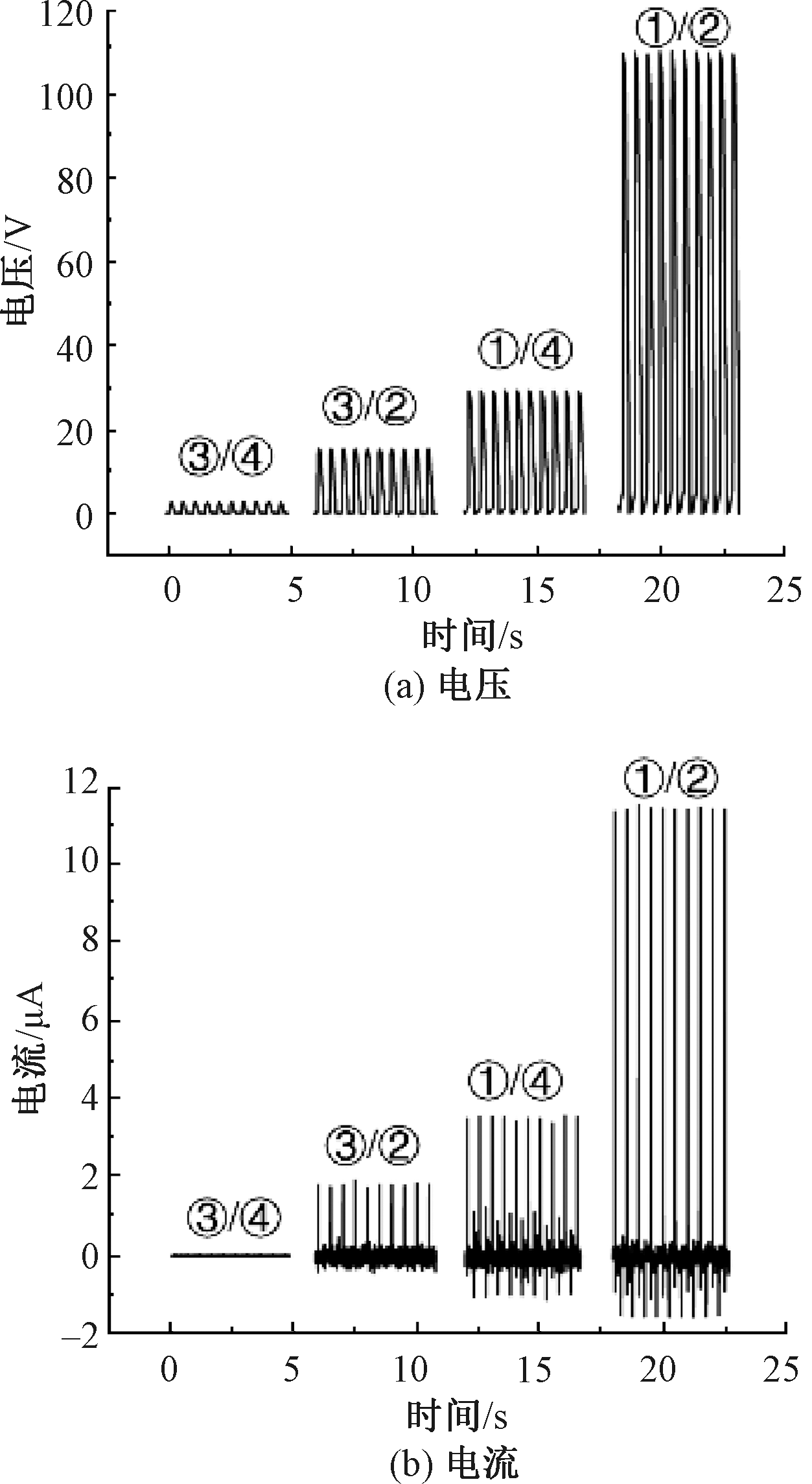
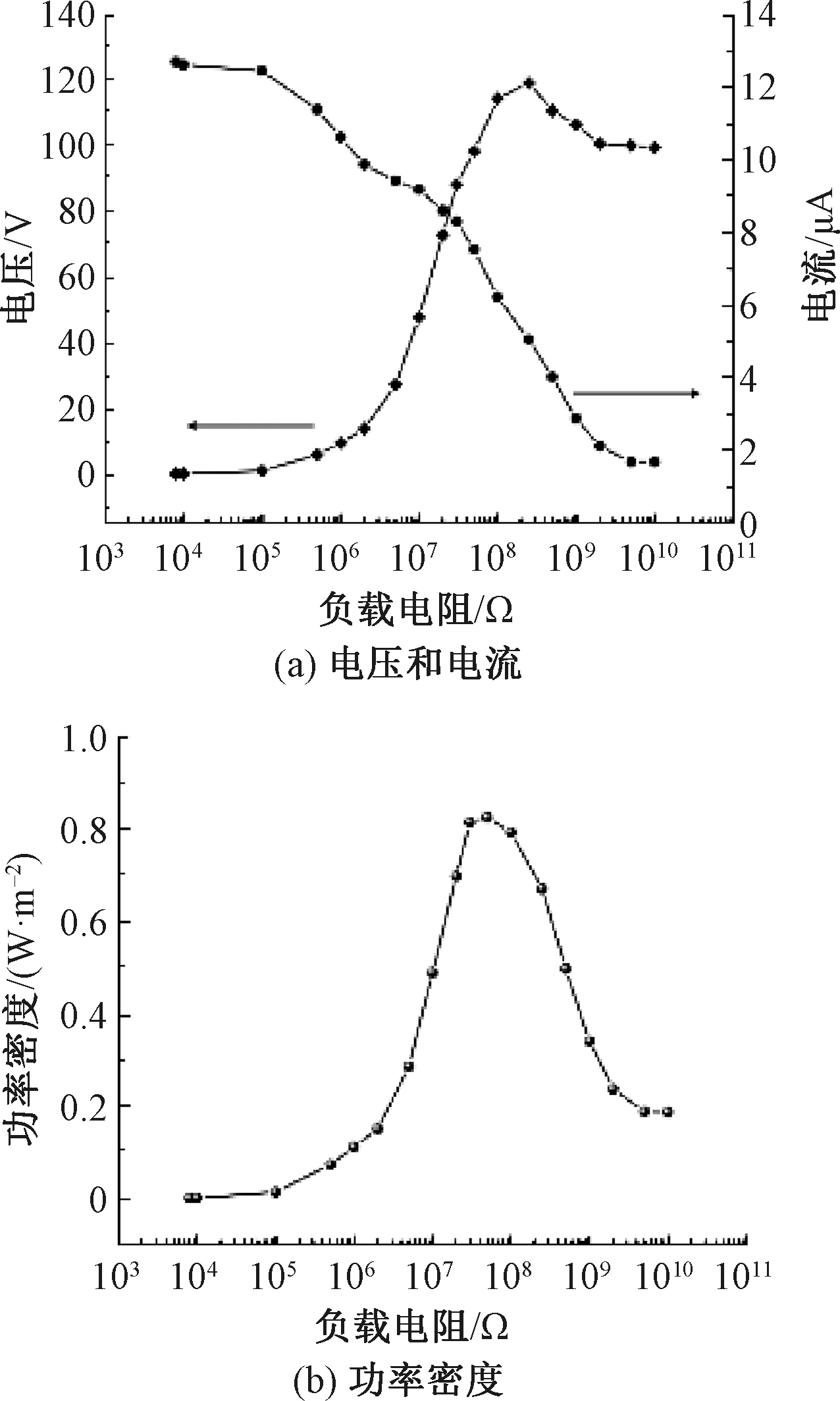
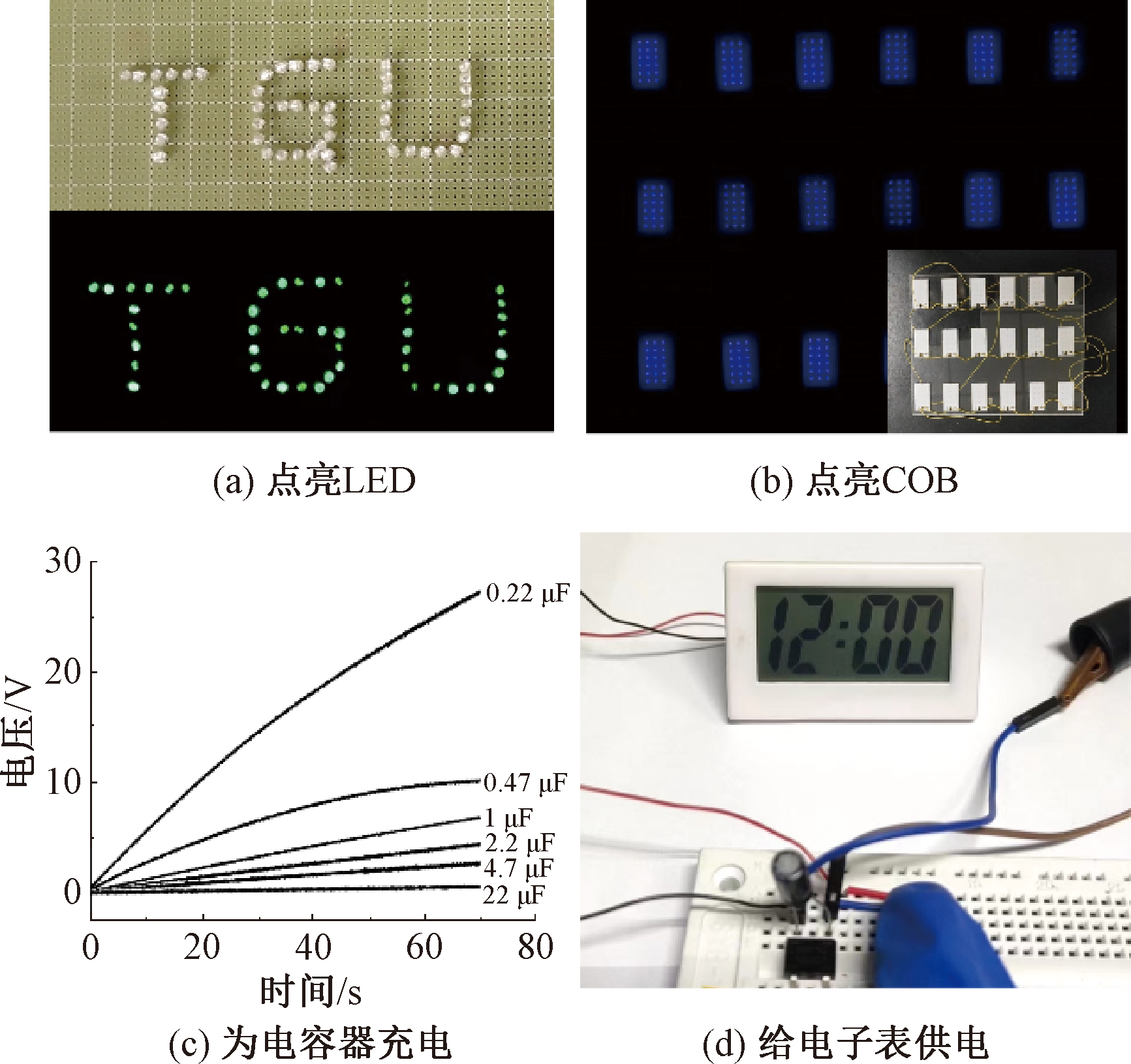
Results The melt-electrospun PP yarns and PA6 filament yarns demonstrated average fiber diameters of 3.84 μm and 12.25 μm, which significantly increased the contact area and enhanced the triboelectric effect. In addition, the PP yarns and PA6 filament yarns exhibited excellent mechanical properties which are suitable for demanding weaving process and practical applications. Compared to TENGs made of commercial yarns, the melt-electrospun filament yarns improved the electrical output performance dramatically. Under the experimental conditions, the TENG made of melt-electrospun PP yarns and PA6 filament yarns produced a voltage of 110 V and a current of 11.4 μA, which are 41 times and 95 times higher than the commercial filament yarn-based TENG, respectively. The TENG also showed stable performance under varying pressures and frequencies. Even after 5 000 s of continuous operation and multiple washing cycles, the electrical output performance did not degrade significantly. Furthermore, the TENG demonstrated a maximum power density of 0.82 W/m2 under a 50 MΩ load, with the capability to power microelectronic devices like LEDs and electronic watches, indicating its practical potential for wearable electronics and self-powered systems.
Conclusion Melt-electrospinning is an effective technique for improving the performance of fabric-based triboelectric nanogenerators by reducing fiber diameter and enhancing the triboelectric effect. The results show that the melt-electrospun PP and PA6 filament yarns significantly outperform commercial yarns in terms of triboelectric performance. The TENGs made of these filament yarns exhibit high voltage, current, and power density, along with good long-term stability and resistance to washing. These findings suggest that melt-electrospinning-based fabrics could serve as efficient energy harvesters for wearable electronic devices and self-powered systems. Future work could explore optimizing the process further reducing the fiber diameter to nanoscale and investigating the scalability of this approach for real-world applications.

Key words: melt-electrospinning, polypropylene filament yarn, polyamide-6 filament yarn, triboelectric nanogenerator, energy harvesting

CLC Number: 

  • TS156

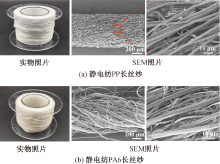
Fig.1

Real photoes and SEM images of melt-electrospun PP filament yarn (a) and PA6 filament yarn (b)"

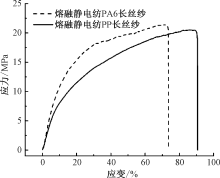
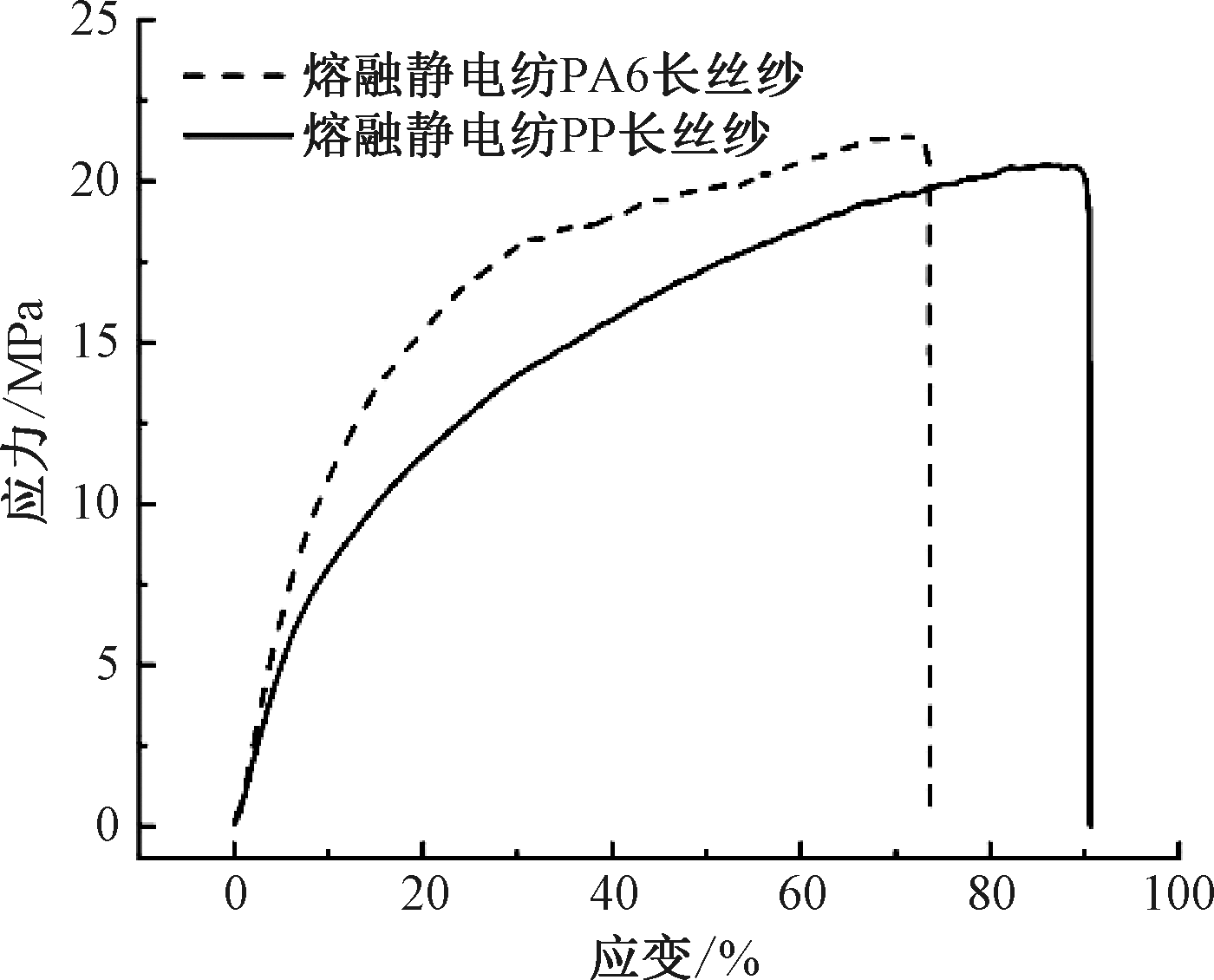
Fig.2

Stress-strain curves of melt-electrospun PP and PA6 filament yarns"

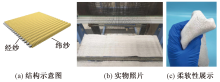
Fig.3

Fabric structure and display. (a) Schematic diagram of fabric structure; (b) Real photo; (c) Demonstration of flexibility"

Fig.4

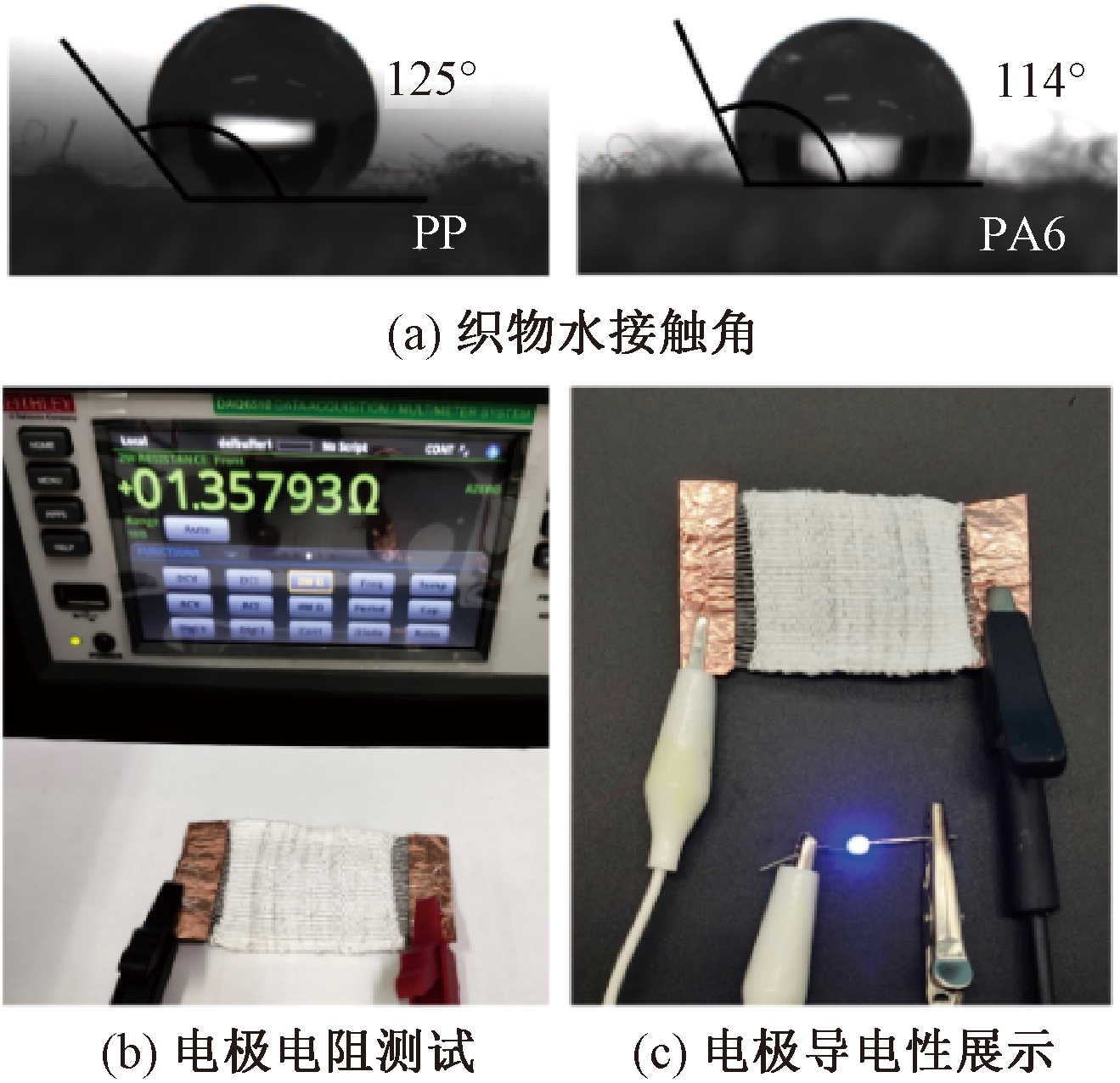
Water contact angle of fabric and conductivity of electrode. (a) Water contact angle of fabric; (b) Resistance test of electrode; (c) Demonstration of electrode conductivity"

Fig.5

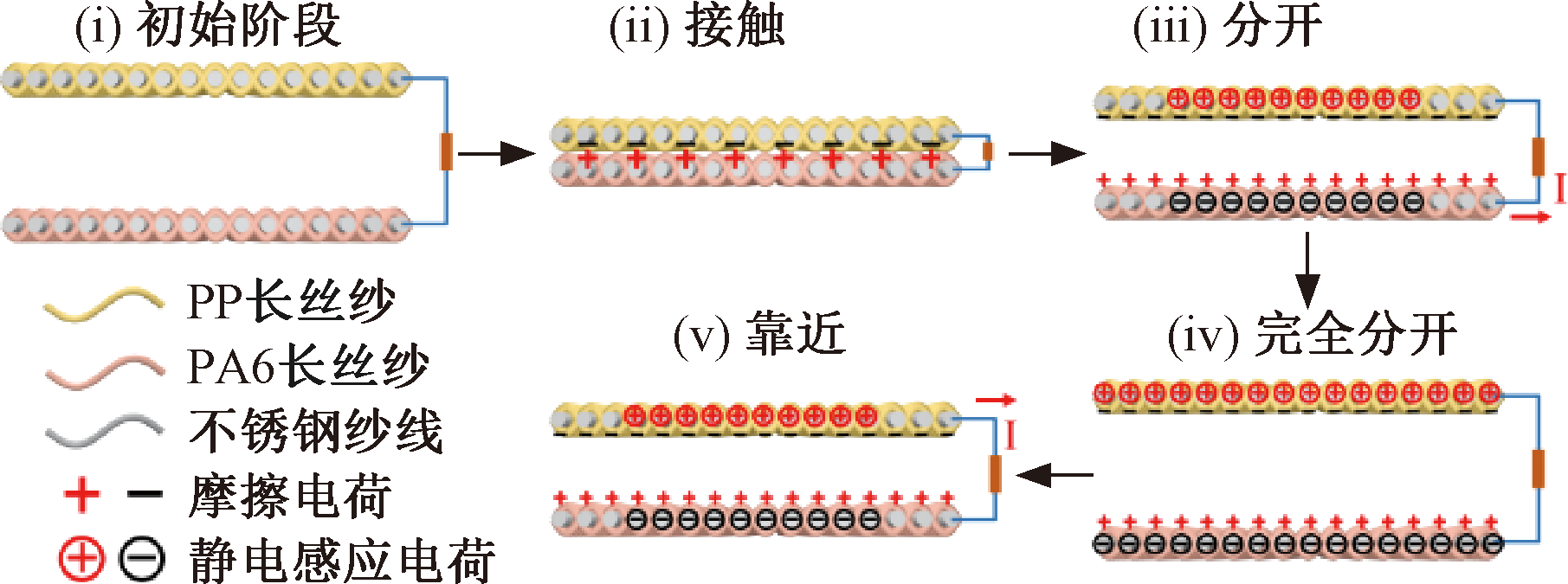
Working mechanism of TENG"

Fig.6

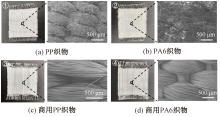
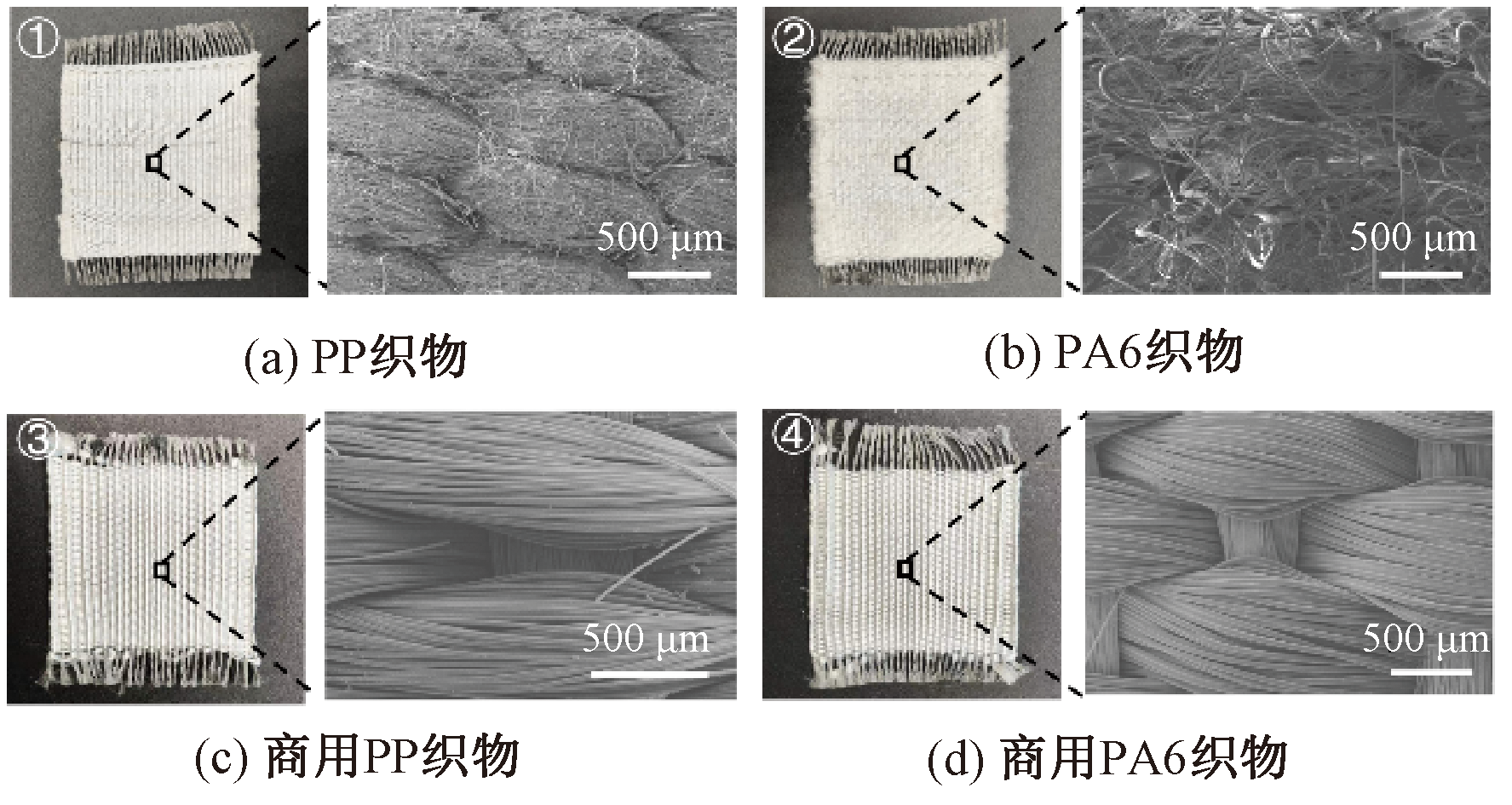
Real photoes and SEM images of four fabrics. (a) PP fabric; (b) PA6 fabric; (c) Commercial PP fabric; (d) Commercial PA6 fabric"

Fig.7

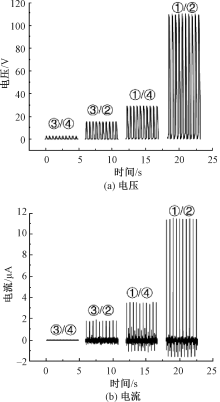
Electrical output performance of four TENGs. (a) Voltage; (b) Current"

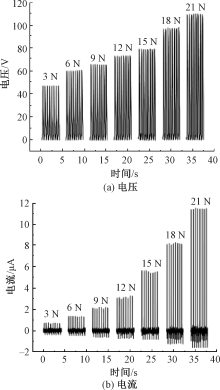
Fig.8

Output performance of TENG under different pressures. (a) Voltage; (b) Current"

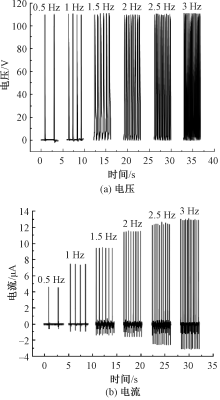
Fig.9

Output performance of TENG under different frequencies. (a) Voltage; (b) Current"

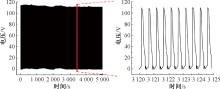
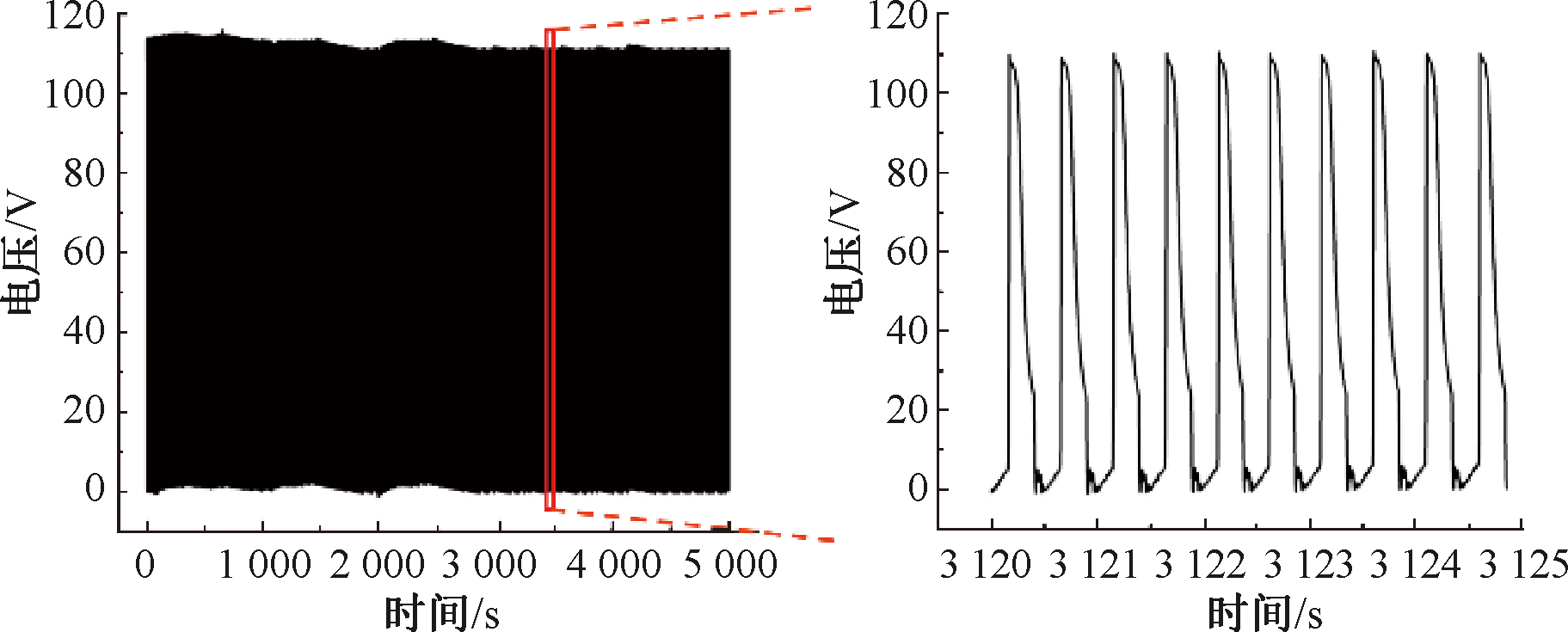
Fig.10

Long-time durability of TENG"

Fig.11

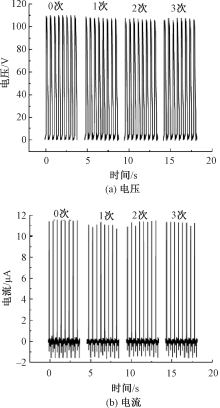
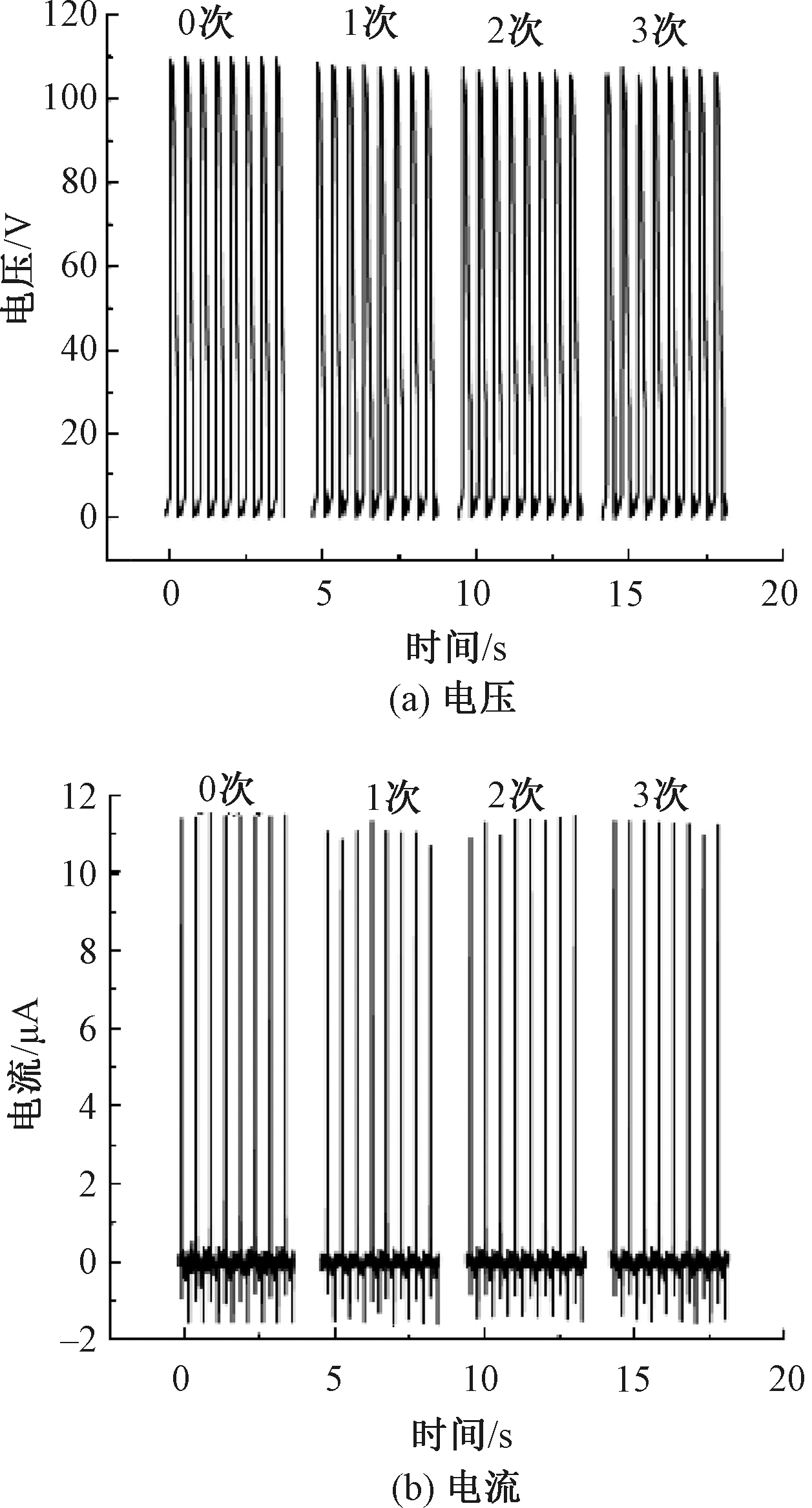
Washing durability of TENG under different washing cycles. (a) Voltage; (b) Current"

Fig.12

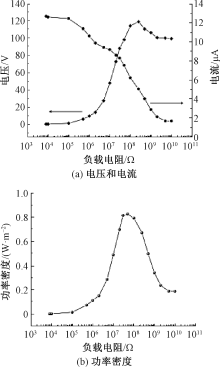
Output voltage and current (a) and power density (b) of TENG under different load resistances"

Fig.13

Application of TENG. (a) Lighting LED; (b) Lighting COB; (c) Charging capacitor; (d) Charging digital watch"

[1] DONG K, HU Y, YANG J, et al. Smart textile triboelectric nanogenerators: current status and perspectives[J]. MRS Bulletin, 2021, 46(6): 512-521.
[2] YAN J, LIU J, LI Y, et al. High-performance textile-based triboelectric nanogenerators with damage insensitivity and shape tailorability[J]. Nano Energy, 2024. DOI: 10.1016/j.nanoen.2024.109675.
[3] YANG G, LI H, XING R, et al. Thermal-triggered ″on-off″ switchable triboelectric nanogenerator based on two-way shape memory polymer[J]. Advanced Functional Materials, 2023. DOI: 10.1002/adfm.202214001.
[4] TAO R, MAO Y, GU C, et al. Integrating all-yarn-based triboelectric nanogenerator/supercapacitor for energy harvesting, storage and sensing[J]. Chemical Engineering Journal, 2024. DOI: 10.1016/j.cej.2024.154358.
[5] 王宁, 龚维, 王宏志. 面向可穿戴电子产品的自供能摩擦电纺织品研究进展[J]. 纺织学报, 2024, 45(4): 41-49.
WANG Ning, GONG Wei, WANG Hongzhi. Review on self-powered triboelectric textiles for wearable electro-nics[J]. Journal of Textile Research, 2024, 45(4): 41-49.
[6] PU X, LI L, SONG H, et al. A self-charging power unit by integration of a textile triboelectric nanogenerator and a flexible lithium-ion battery for wearable electronics[J]. Advanced Materials, 2015, 27(15): 2472-2478.
[7] NIU S, WANG Z L. Theoretical systems of triboelectric nanogenerators[J]. Nano Energy, 2015, 14(6): 161-192.
[8] FAN F R, TIAN Z Q, WANG Z L. Flexible triboelectric generator[J]. Nano Energy, 2012, 1(2): 328-334.
[9] YAN J, WANG H, WANG K, et al. Thermally robust hierarchical nanofiber triboelectric yarns for efficient energy harvesting in firefighting E-textiles[J]. Chemical Engineering Journal, 2024. DOI: 10.1016/j.cej.2024.156188.
[10] CHEN K, LI Y, YANG G, et al. Fabric-based TENG woven with bio-fabricated superhydrophobic bacterial cellulose fiber for energy harvesting and motion detection[J]. Advanced Functional Materials, 2023. DOI: 10.1002/adfm.202304809.
[11] LI Y, XIAO S, LUO Y, et al. Advances in electrospun nanofibers for triboelectric nanogenerators[J]. Nano Energy, 2022. DOI: 10.1016/j.nanoen.2022.107884.
[12] ZHOU M, XU F, MA L, et al. Continuously fabricated nano/micro aligned fiber based waterproof and breathable fabric triboelectric nanogenerators for self-powered sensing systems[J]. Nano Energy, 2022. DOI: 10.1016/j.nanoen.2022.107885.
[13] WANG Y, TAN J, XU J, et al. Green and highly efficient preparation of superfine fiber yarns via vortex airflow-assisted melt differential electrospinning[J]. Composites Part A: Applied Science and Manufacturing, 2025. DOI: 10.1016/j.compositesa.2024.108552.
[14] 李辉, 王娇娜, 赵树宇, 等. 柔性全编织摩擦纳米发电织物的制备[J]. 纺织学报, 2018, 39(9): 34-38.
LI Hui, WANG Qiaona, ZHAO Shuyu, et al. Preparation of flexible all-braiding triboelectric nanogenerator[J]. Journal of Textile Research, 2018, 39(9): 34-38.
[15] YAN J, WANG K, WANG Y, et al. Polyimide nanofiber-based triboelectric nanogenerators using piezoelectric carbon nanotube@barium titanate nanoparticles[J]. ACS Applied Nano Materials, 2024, 7: 13156-13165.
[1] CHEN Xiao, ZHAO Jizhong, DONG Kai. Strategies for enhancing performance of novel mechano-electric conversion fibers based on contact electrification effect [J]. Journal of Textile Research, 2025, 46(05): 41-48.
[2] LIU Ye, WANG Junsheng, JIN Xing. Research progress in intelligent textiles for firefighter's personal protective equipment [J]. Journal of Textile Research, 2025, 46(05): 105-115.
[3] YU Mengfei, GAO Wenli, REN Jing, CAO Leitao, PENG Ruoxuan, LING Shengjie. Preparation and properties of core-sheath fiber for triboelectric nanogenerator [J]. Journal of Textile Research, 2025, 46(05): 1-9.
[4] FANG Jian, REN Song, ZHANG Chuanxiong, CHEN Qian, XIA Guangbo, GE Can. Electroactive fibrous materials for intelligent wearable textiles [J]. Journal of Textile Research, 2021, 42(09): 1-9.
[5] MA Liyun, WU Ronghui, LIU Sai, ZHANG Yuze, WANG Jun. Preparation and electrical properties of triboelectric nanogenerator based on wrapped composite yarn [J]. Journal of Textile Research, 2021, 42(01): 53-58.
[6] . Preparation of flexible all-braiding triboelectric nanogenerator [J]. Journal of Textile Research, 2018, 39(09): 34-38.
[7] . Preparation and properties of gradient filter materials with different packing density [J]. JOURNAL OF TEXTILE RESEARCH, 2017, 38(07): 23-27.
Viewed
Full text


Abstract

Cited

  Shared   
  Discussed   
No Suggested Reading articles found!