Journal of Textile Research ›› 2026, Vol. 47 ›› Issue (02): 1-9.doi: 10.13475/j.fzxb.20250906901

• Fiber Materials •     Next Articles

Preparation and performance modulation of polytetrafluoroethylene/polyperfluoroethylene propylene composite fiber membrane with swelling resistance to non-polar organic solvents

WANG Sisi1, MAO Shuying2, FANG Chuanjie3, LI Chengcai1,4, ZHU Hailin1,4, LIU Guojin1()   

  1. 1 International Joint Laboratory on Green Textile, Zhejiang Sci-Tech University, Hangzhou, Zhejiang 310018, China
    2 Zhejiang Juhua Technology Center Co., Ltd., Quzhou, Zhejiang 324004, China
    3 School of Polymer Science and Engineering, Zhejiang University, Hangzhou, Zhejiang 310020, China
    4 Zhejiang Provincial Innovation Center of Advanced Textile Technology, Shaoxing, Zhejiang 312000, China
  • Received:2025-09-19 Revised:2025-11-20 Online:2026-02-15 Published:2026-04-24
  • Contact: LIU Guojin E-mail:guojin900618@163.com

Abstract:

Objective Polytetrafluoroethylene (PTFE) fiber membranes are widely used in non-polar solvent filtration due to their excellent chemical inertness, superhydrophobicity, and broad resistance to solvent corrosion, including various strong polar solvents over extended periods. However, due to the weak intermolecular forces between PTFE chains, these membranes are prone to molecular chain slip under dynamic pressure or continuous solvent immersion conditions. This results in membrane creep, swelling, and structural deformation, ultimately leading to a gradual decline in filtration precision and a shortened service life. This limitation severely restricts the application of PTFE membranes in precision filtration scenarios that require long-term stable operation. To address the insufficient solvent swelling resistance of PTFE fiber membranes in non-polar solvent environments, a strategy of modifying PTFE fiber membranes with thermoplastic fluoropolymer polyperfluoroethylene propylene (FEP), which possesses thermoplastic properties, is proposed to enhance their stability and filtration performance.

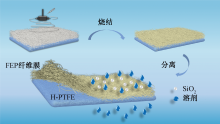
Method The study uses PTFE fiber membranes pre-impregnated with FEP emulsion as a supporting matrix. An FEP micro-nanofiber membrane is further prepared on the surface of the PTFE fiber membrane using electrostatic centrifugal spinning technology. This results in a PTFE/FEP composite membrane with a more developed porosity and ultrafiltration characteristics. The preparation strategy of the PTFE/FEP composite membrane is analyzed, the FEP fiber membrane fabrication process is optimized, and the interface bonding strength, solvent swelling resistance, separation performance, and reuse properties of the PTFE/FEP composite membrane are investigated.

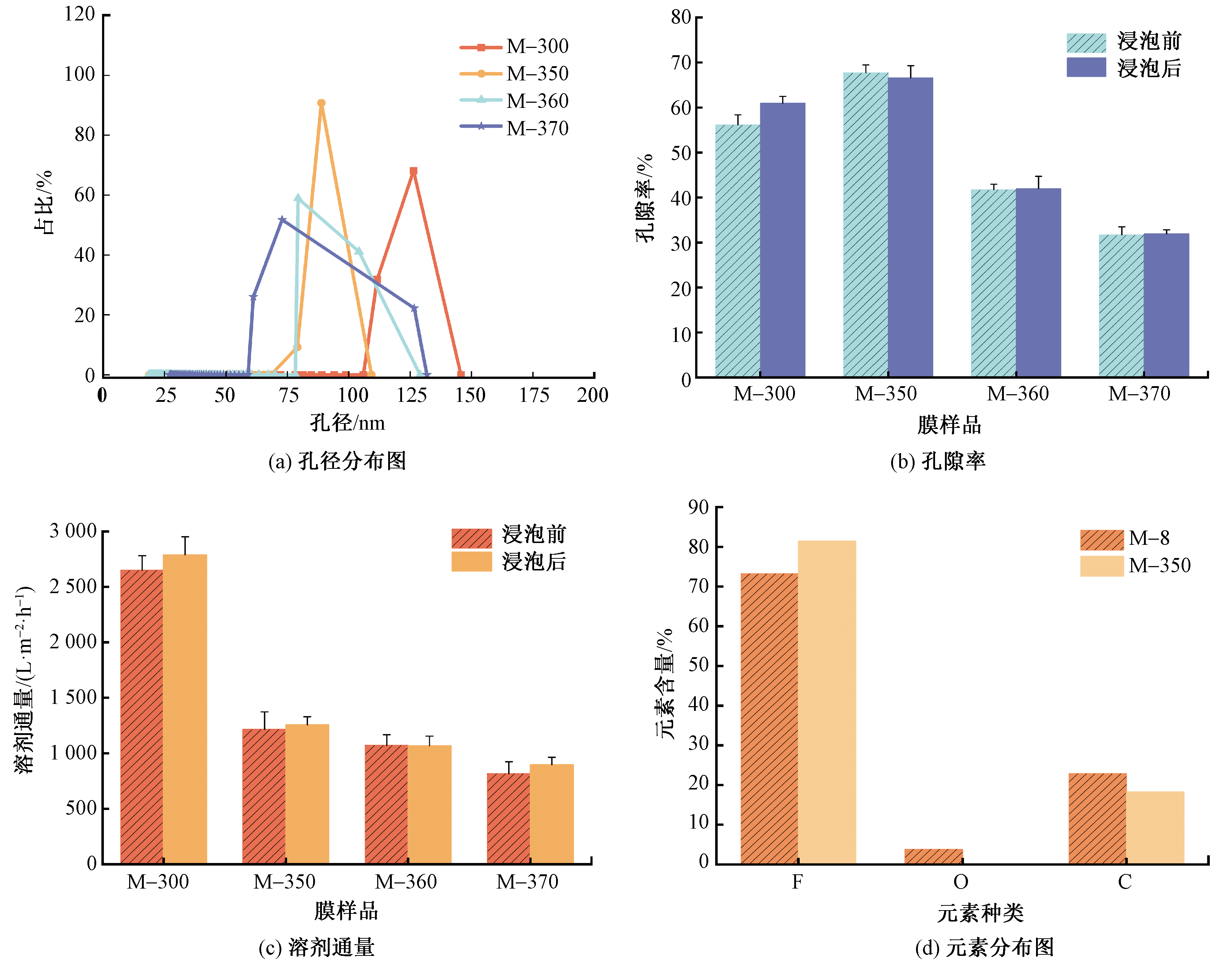
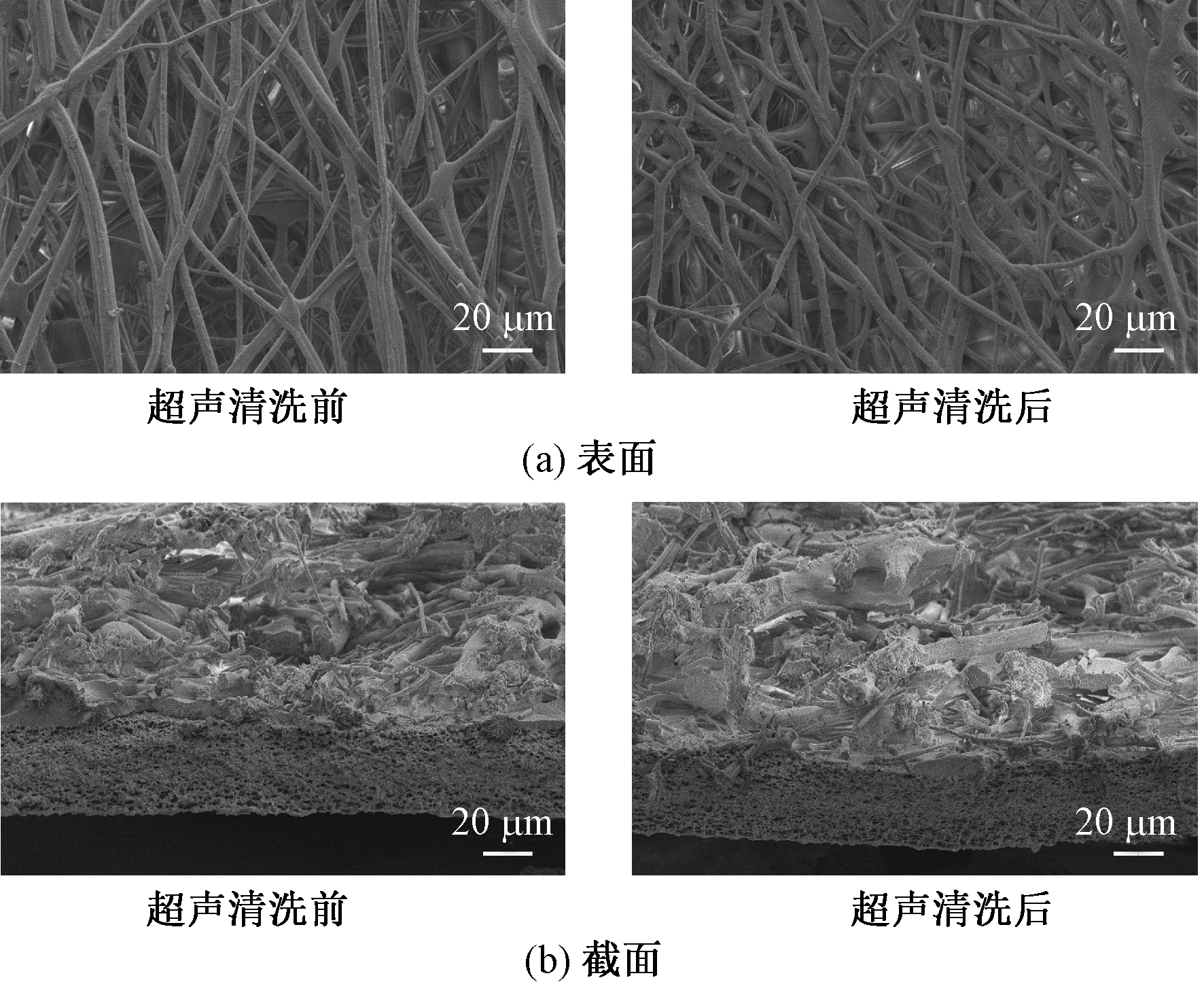
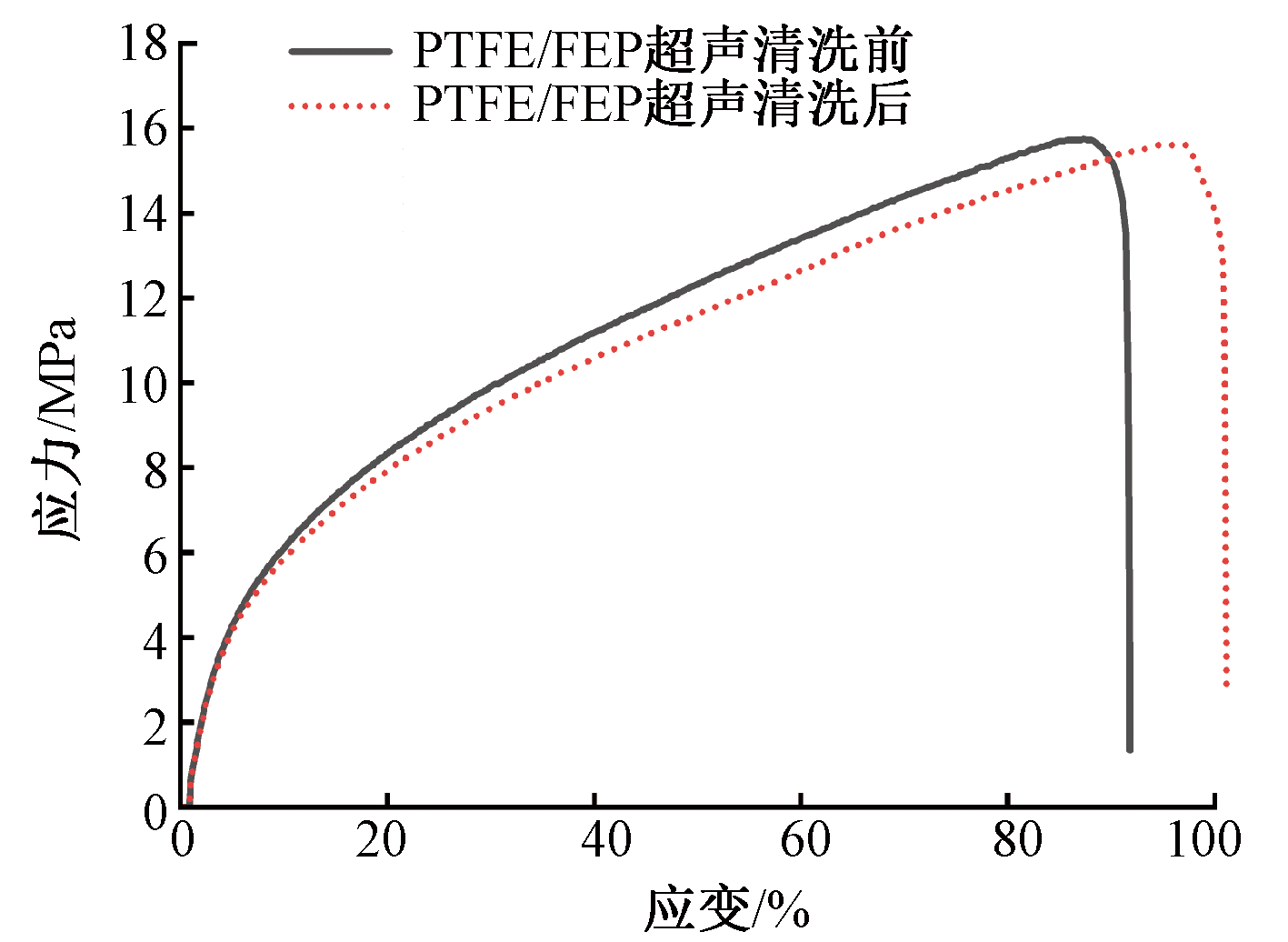
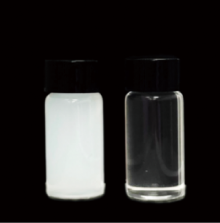
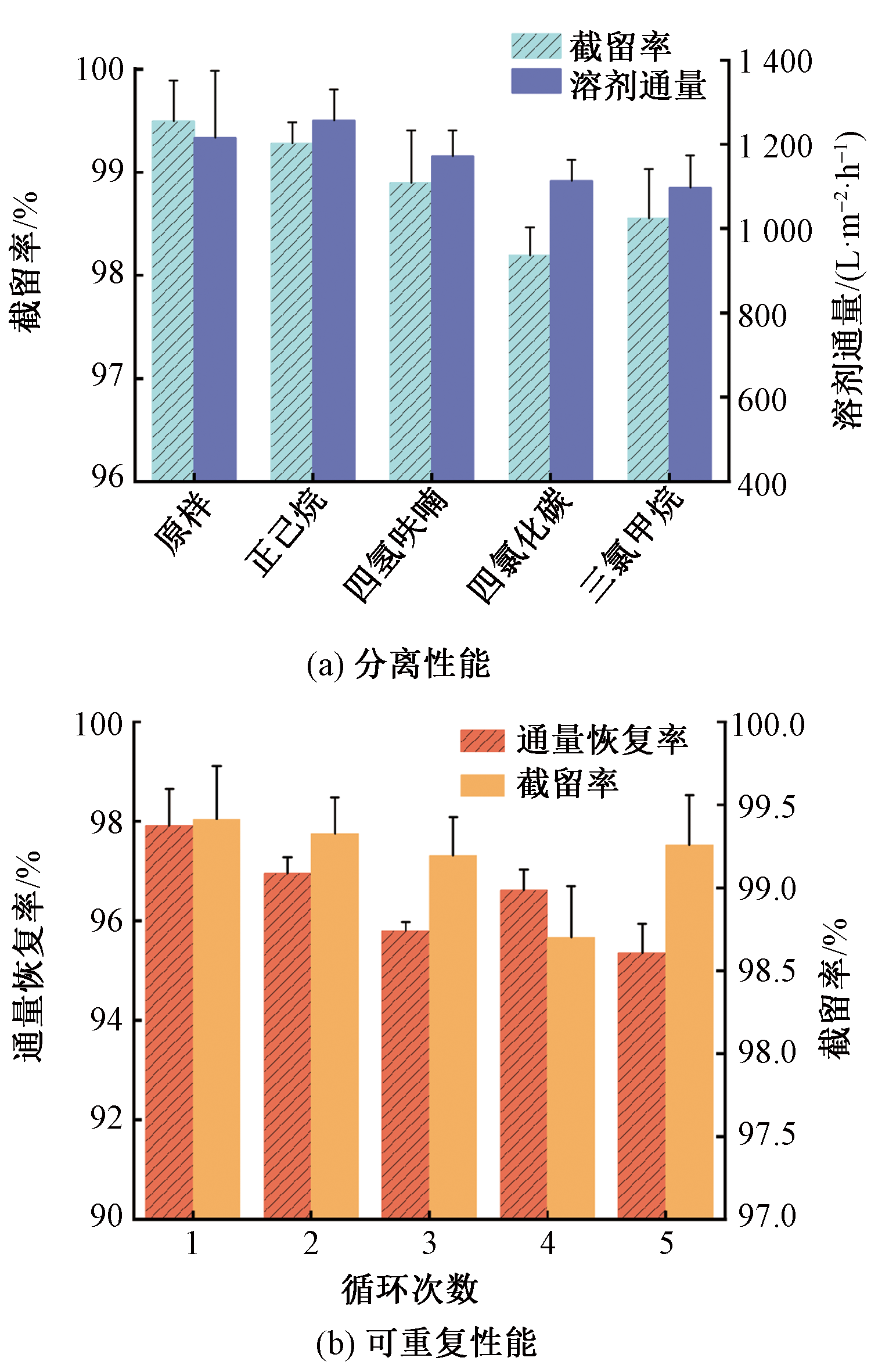
Results Introducing FEP significantly improves the solvent swelling resistance of pure PTFE fiber membranes. Under the optimal preparation process parameters, the FEP fibers formed by electrostatic centrifugal spinning are stacked layer by layer and combined with the supporting matrix. High-temperature sintering ensures chemical bonding between the fiber layers and the base membrane, as well as pore size refinement, with the average pore size reduced from 267 nm to 87.9 nm, reaching ultrafiltration-level pore dimensions. This structure maintains a porosity of 67.7% while forming a dense screening network that effectively inhibits swelling deformation caused by solvent penetration. The PTFE/FEP composite membrane showed no observable changes in its morphology after 7 days of swelling testing in n-hexane. The porosity and solvent flux variation rates were 1.63% and 3.37%, respectively. After five cycles of ultrasonic cleaning, the average mass loss rate was only 0.48%, and the tensile strength variation rate was only 0.76%, demonstrating excellent bonding strength and interface compatibility. The PTFE/FEP composite membrane exhibited a retention rate of 99.49% for 127 nm SiO2 contaminants, with only minor variations in the retention rate of microspheres over seven days in four non-polar solvent environments, all remaining above 98%, confirming its excellent solvent resistance and filtration performance. After five cycles of solvent-emulsion circulation, the solvent flux of the PTFE/FEP ultrafiltration membrane showed a slight decrease, but its Flux Recovery Rate (FRR) was 95.36%, and the SiO2 contaminant retention rate remained as high as 99.26%, demonstrating good reusability.

Conclusion In non-polar solvent separation applications, PTFE fiber membranes are prone to swelling due to the weak intermolecular forces between the molecular chains in their fibril network, which leads to performance degradation. This study proposes a strategy of optimizing membrane structure through electrostatic centrifugal spinning and sintering technology, aiming to maintain the solvent swelling resistance of the PTFE base membrane while enhancing its porosity. The successful development of a PTFE/FEP composite membrane with a more developed porosity and ultrafiltration characteristics, which is resistant to solvent swelling in non-polar solvents, provides a new approach to addressing the swelling and precision degradation problems of PTFE membranes in non-polar solvents. This research offers strategic support for the development of high-performance PTFE separation membranes for solvent separation and purification.

Key words: polytetrafluoroethylene fiber membrane, separation membrane, nonpolar solvent filtration, swelling resistance, polyperfluoroethylene propylene, electrostatic centrifugal spinning

CLC Number: 

  • TQ028

Tab.1

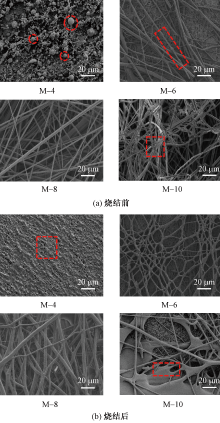
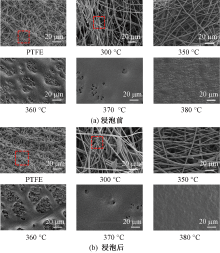
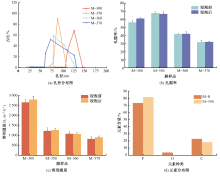
Preparation parameters for series of PTFE/FEP composite membranes"

膜样品 PEO与FEP的质量比 烧结温度/℃
M-4 4∶96 340
M-6 6∶94 340
M-8 8∶92 340
M-10 10∶90 340
M-300 8∶92 300
M-350 8∶92 350
M-360 8∶92 360
M-370 8∶92 370
M-380 8∶92 380

Tab.2

Comparison of membrane properties"

膜样品 孔隙率/% 平均孔径/nm 厚度/μm
PTFE 85.62 345.40 24
H-PTFE 30.95 267.66 31
PTFE/FEP 67.70 87.93 69

Fig.1

Schematic diagram of PTFE/FEP composite membrane design"

Fig.2

FESEM images of different ratio membrane samples. (a) Before sintering; (b) After sintering"

Fig.3

FESEM images of different membrane samples. (a) Before soaking; (b) After soaking"

Fig.4

Performance analysis of PTFE/FEP composite film at different sintering temperatures. (a) Pore size distribution; (b) Porosity; (c) Solvent flux; (d) Elemental distribution"

Tab.3

Rates of change of various properties of membranes after 7 d immersion in hexane"

膜样品 孔隙率变
化率/%
溶剂通量
变化率/%
FESEM图像
观察结果
PTFE 12.93 32.34 发生明显溶胀
H-PTFE 1.72 4.07 稳定,未发现明显溶胀
PTFE/FEP 1.63 3.37 稳定,未发现明显溶胀

Fig.5

FESEM images of PTFE/FEP composite membrane. (a) Surface; (b) Cross-section"

Fig.6

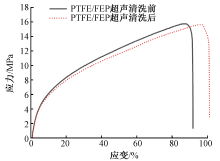
Stress-strain curve of PTFE/FEP composite film"

Fig.7

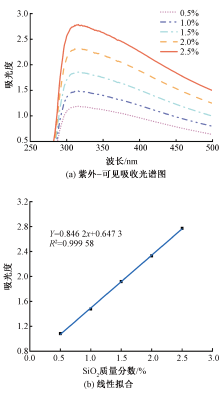
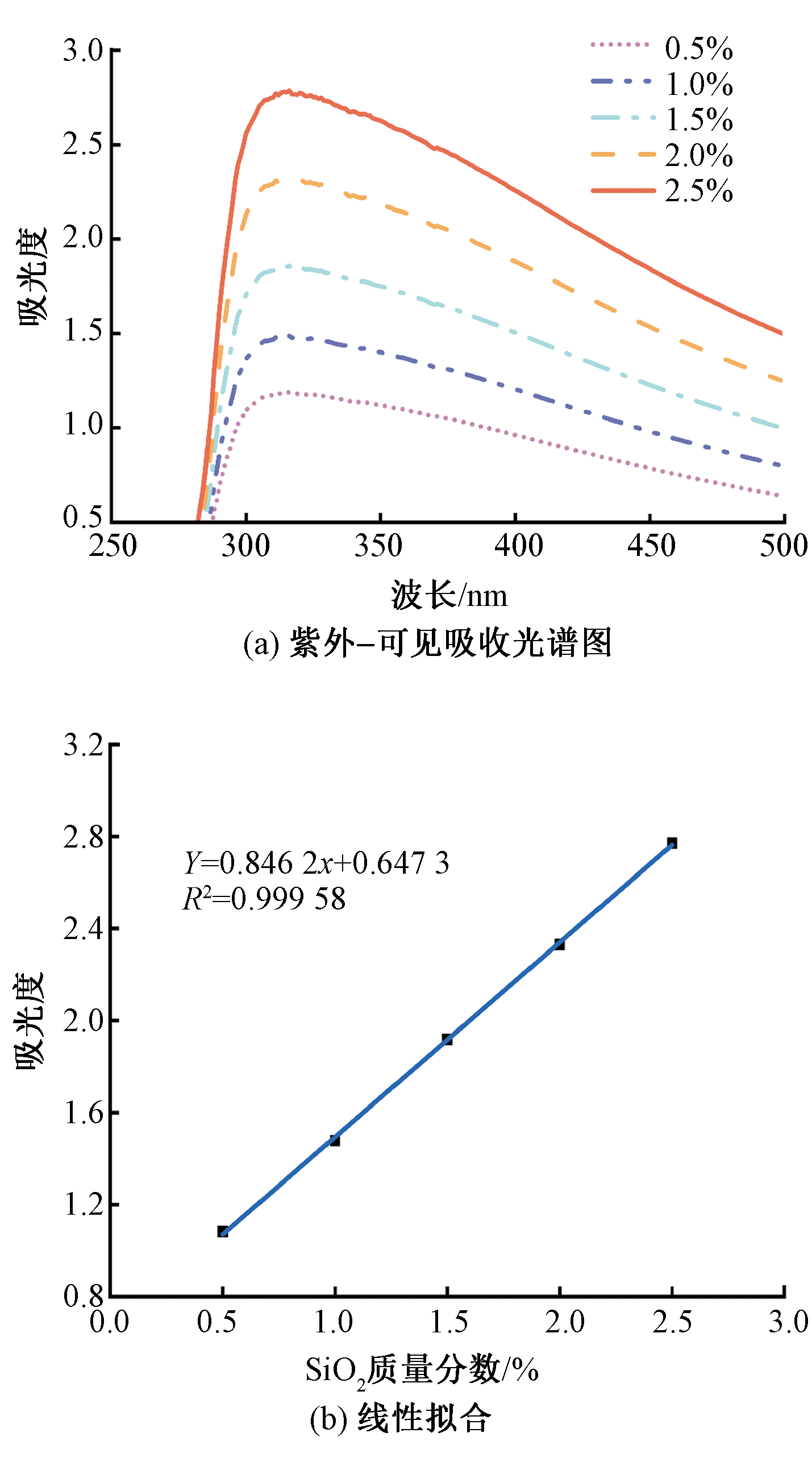
Linear relationship between absorbance and concentration of SiO2 microsphere emulsion. (a) UV-Vis absorption spectra; (b) Fitted linear curves"

Fig.8

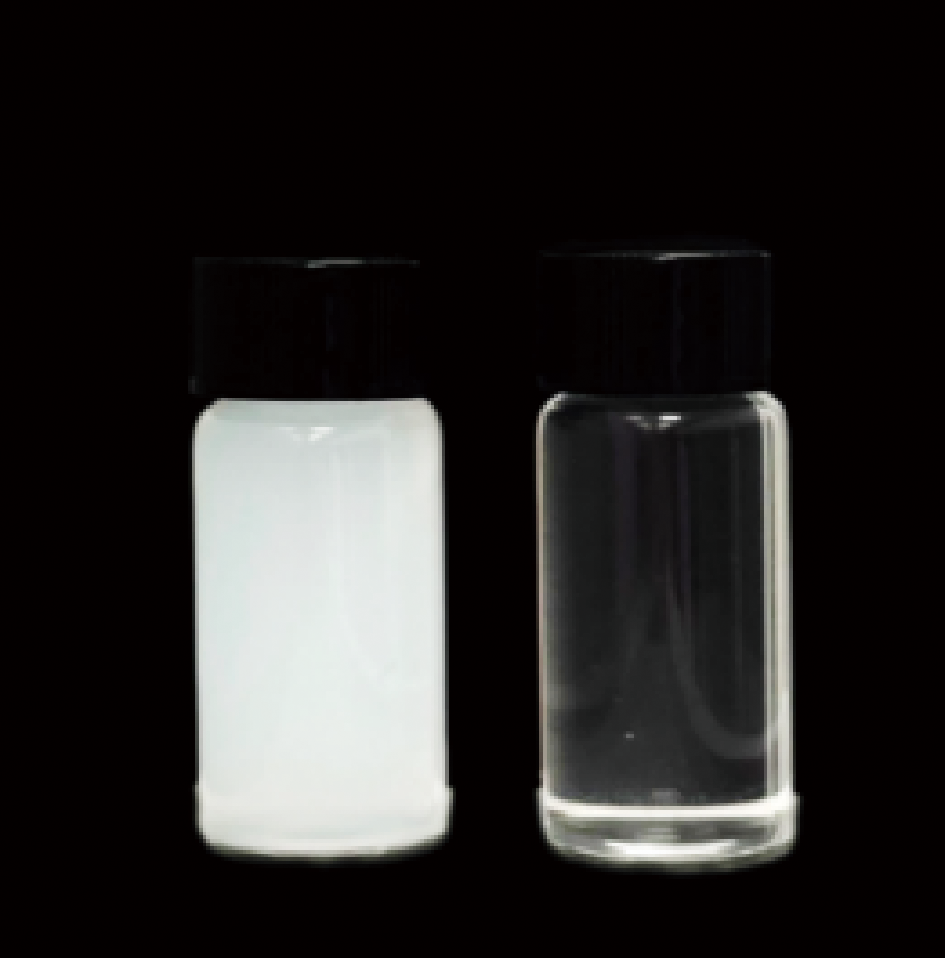
Comparison chart of SiO2 microsphere emulsion before and after filtration"

Fig.9

Separation performance(a) and reproducibility(b) of PTFE/FEP composite membranes"

[1] LI S Y, DONG R J, MUSTEATA V E, et al. Hydrophobic polyamide nanofilms provide rapid transport for crude oil separation[J]. Science, 2022, 377(6614): 1555-1561.
doi: 10.1126/science.abq0598 pmid: 36173852
[2] BRENNECKE J F, FREEMAN B. Reimagining petroleum refining[J]. Science, 2020, 369(6501): 254-255.
doi: 10.1126/science.abd1307 pmid: 32675363
[3] GU S Y, LI S Y, XU Z. Organic solvent nanofiltration membranes for separation in non-polar solvent system[J]. Green Energy & Environment, 2025, 10(2): 244-267.
[4] 王思思, 赵洋, 程羽君, 等. 耐有机溶剂型分离膜的制备及应用研究进展[J]. 高分子材料科学与工程, 2024, 40(1):159-167.
WANG Sisi, ZHAO Yang, CHENG Yujun, et al. Progress in research of preparation and application of organic solvent resistant separation membranes[J]. Polymer Materials Science & Engineering, 2024, 40(1):159-167.
[5] MA K K, LI X S, XIA X E, et al. Fluorinated solvent resistant nanofiltration membrane prepared by alkane/ionic liquid interfacial polymerization with excellent solvent resistance[J]. Journal of Membrane Science, 2023, 673: 121486.
doi: 10.1016/j.memsci.2023.121486
[6] KIM S, NGUYEN THI H, KANG J, et al. Sustainable fabrication of solvent resistant biodegradable cellulose membranes using green solvents[J]. Chemical Engineering Journal, 2024, 494:153201.
doi: 10.1016/j.cej.2024.153201
[7] MERLET R, WINNUBST L, NIJMEIJER A, et al. Comparing the performance of organic solvent nanofiltration membranes in non-polar solvents[J]. Chemie Ingenieur Technik, 2021, 93(9): 1389-1395.
doi: 10.1002/cite.v93.9
[8] GNANI PEER MOHAMED S I, NEJATI S, BAVARIAN M. All-polymeric thin-film nanocomposite membrane for organic solvent nanofiltration[J]. ACS Applied Polymer Materials, 2021, 3(12): 6040-6044.
doi: 10.1021/acsapm.1c01291
[9] AKDUMAN C. Preparation and comparison of electrospun PEO/PTFE and PVA/PTFE nanofiber membranes for syringe filters[J]. Journal of Applied Polymer Science, 2023, 140(35): e54344.
doi: 10.1002/app.v140.35
[10] CHAI J L, WANG G L, ZHANG A M, et al. Robust polytetrafluoroethylene (PTFE) nanofibrous membrane achieved by shear-induced in-situ fibrillation for fast oil/water separation and solid removal in harsh solvents[J]. Chemical Engineering Journal, 2023, 461: 141971.
doi: 10.1016/j.cej.2023.141971
[11] QIU F X, SUN Y M, ZHANG Y X, et al. Electrospun PTFE nanofibrous composite membranes featuring a fiber network structure for organic solvent nanofiltra-tion (OSN)[J]. Separation and Purification Technology, 2024, 330: 125416.
doi: 10.1016/j.seppur.2023.125416
[12] GUSTAFSON R D, MCGAUGHEY A L, DING W J, et al. Morphological changes and creep recovery behavior of expanded polytetrafluoroethylene (ePTFE) membranes used for membrane distillation[J]. Journal of Membrane Science, 2019, 584: 236-245.
doi: 10.1016/j.memsci.2019.04.068
[13] SHI C, LIU T L, CHEN W D, et al. Interaction, structure and tensile property of swollen Nafion® membranes[J]. Polymer, 2021, 213: 123224.
doi: 10.1016/j.polymer.2020.123224
[14] SHI X B, WU C L, RONG M Z, et al. Improvement of creep resistance of polytetrafluoroethylene films by nano-inclusions[J]. Chinese Journal of Polymer Science, 2013, 31(3): 377-387.
doi: 10.1007/s10118-013-1225-8
[15] 王思思, 方传杰, 李成才, 等. 耐溶胀型聚全氟乙丙烯/聚四氟乙烯复合膜的制备及其性能[J]. 复合材料学报, 2025, 42(6): 3169-3180.
WANG Sisi, FANG Chuanjie, LI Chengcai, et al. Preparation and properties of swelling-resistant polyperfluoroethylene propylene/polytetrafluoroethylene composite film.[J]. Acta Materiae Compositae Sinica, 2025, 42(6): 3169-3180.
[16] XU H Z, YAGI S, ASHOUR S, et al. A review on current nanofiber technologies: electrospinning, centrifugal spinning, and electro-centrifugal spinning[J]. Macromolecular Materials and Engineering, 2023, 308(3): 2200502.
doi: 10.1002/mame.v308.3
[17] GU J C, YAGI S, MENG J, et al. High-efficiency production of core-sheath nanofiber membrane via co-axial electro-centrifugal spinning for controlled drug release[J]. Journal of Membrane Science, 2022, 654: 120571.
doi: 10.1016/j.memsci.2022.120571
[18] ZHANG Y Q, WANG P, SHI Q F, et al. Research progress and prospect of centrifugal electrospinning and its application[J]. Journal of Alloys and Compounds, 2024, 990: 174433.
doi: 10.1016/j.jallcom.2024.174433
[19] CHEN J, YU Z X, LI C X, et al. Review of the principles, devices, parameters, and applications for centrifugal electrospinning[J]. Macromolecular Materials and Engineering, 2022, 307(8): 2200057.
doi: 10.1002/mame.v307.8
[20] YU S W, HUANG Q L, CHENG J X, et al. Pore structure optimization of electrospun PTFE nanofiber membrane and its application in membrane emulsification[J]. Separation and Purification Technology, 2020, 251: 117297.
doi: 10.1016/j.seppur.2020.117297
[1] LIU Qingqing, MAO Xiaohui, YAO Yan, SUN Ying, CHEN Yu, ZHANG Xiaozhe, ZHU Liping, WANG Xuefen. Recent advances in fibrous separation membranes for functional modification and applications [J]. Journal of Textile Research, 2025, 46(12): 39-48.
[2] LI Chengcai, ZHU Denghui, ZHU Hailin, GUO Yuhai. Research progress of superhydrophobic modification and application of polytetrafluoroethylene membrane [J]. Journal of Textile Research, 2024, 45(08): 65-71.
[3] GAO Qiang, WANG Xiao, GUO Yajie, CHEN Ru, WEI Ju. Preparation and performance of cotton based Ti3C2Tx oil-water separation membrane [J]. Journal of Textile Research, 2022, 43(01): 172-177.
[4] MEI Shuo, LI Jinchao, LU Shiyan, XIAO Changfa, YANG Yong, FENG Xiangwei. Preparation and properties of high strength polyvinyl chloride hollow fiber membrane [J]. Journal of Textile Research, 2020, 41(09): 16-20.
[5] . Influence of UV radiation on structure and properties of polypropylene asymmetric solid-liquid separation membrane [J]. JOURNAL OF TEXTILE RESEARCH, 2014, 35(4): 26-0.
Viewed
Full text


Abstract

Cited

  Shared   
  Discussed   
No Suggested Reading articles found!