Journal of Textile Research ›› 2026, Vol. 47 ›› Issue (07): 202-208.doi: 10.13475/j.fzxb.20260203901

• Dyeing and Finishing Engineering • Previous Articles     Next Articles

Preparation of film-forming crosslinkable elastic silicone emulsion and its fabric-finishing performance

WANG Jianjun1,2,3, HU Liu1,2,3, CHEN Tianyi4, SHEN Junyan2,3, YANG Lei1,2,3()   

  1. 1 School of Textile Science and Engineering, Zhejiang Sci-Tech University (International Institute of Silk), Hangzhou, Zhejiang 310018, China
    2 Zhejiang Modern Textile Technology Innovation Center(Jianhu Laboratory), Shaoxing, Zhejiang 312033, China
    3 Shaoxing-Keqiao Research Institute, Zhejiang Sci-Tech University, Shaoxing, Zhejiang 312000, China
    4 Chuanhua Zhilian Co., Ltd., Hangzhou, Zhejiang 311200, China
  • Received:2026-02-28 Revised:2026-05-11 Online:2026-07-15 Published:2026-07-29
  • Contact: YANG Lei E-mail:yanglei@zstu.edu.cn

Abstract:

Objective In order to address the market demand for elastic textile finishing and to overcome the instability and performance limitations of polyurethane-silicone hybrid systems, a novel strategy is proposed based on emulsion polymerization, blending, and post-crosslinking to prepare elastic silicone oil emulsions, aiming to develop a stable, effective elastic silicone finishing agent that is capable of providing elasticity for textiles.

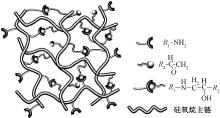
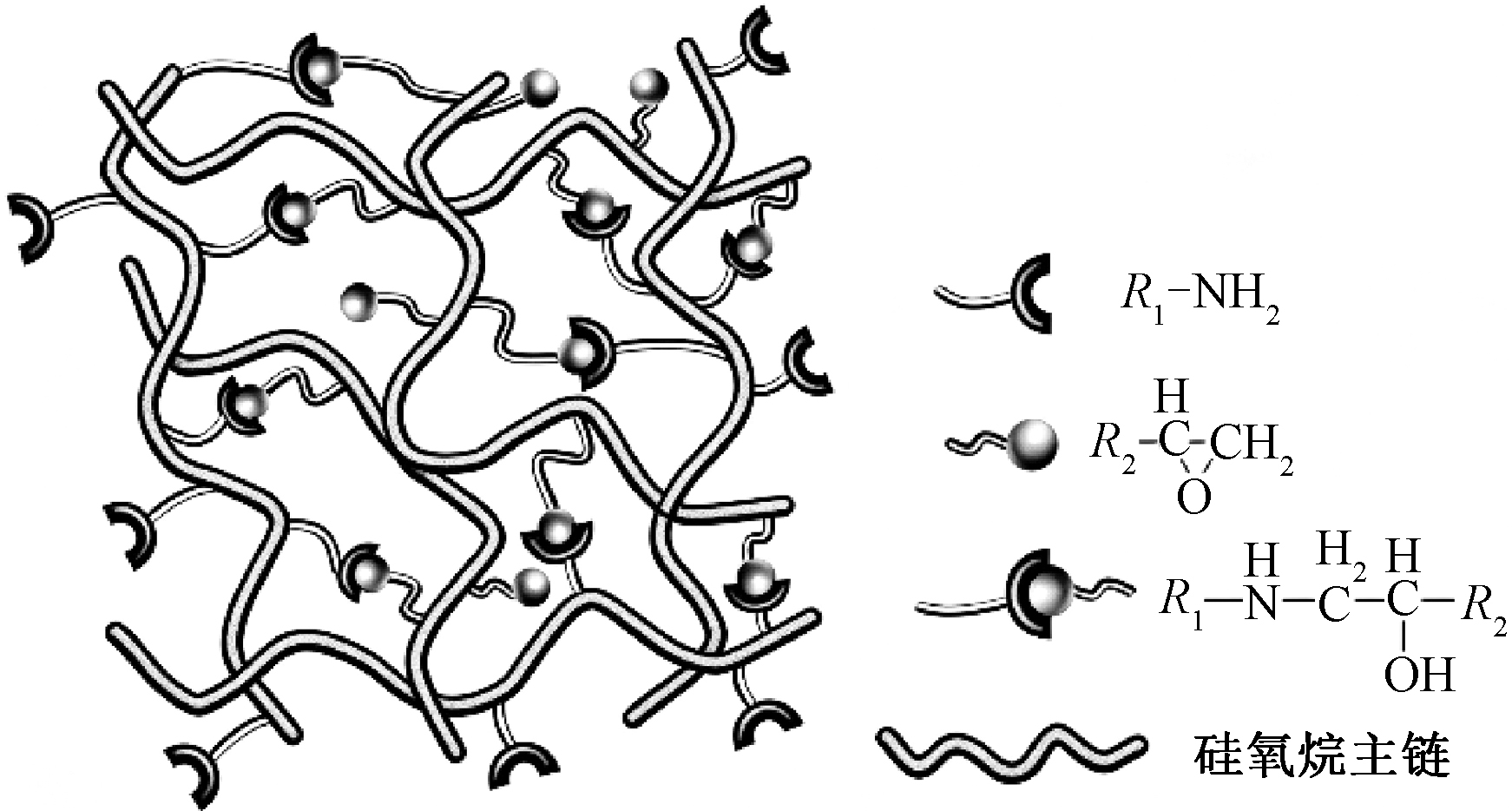
Method Within the emulsion system, octamethylcyclotetrasiloxane (D4) is copolymerized with coupling agents containing epoxy and amino groups, respectively, yielding two types of organosilicon emulsions functionalized with epoxy and amino groups. These two emulsions are then blended and applied to fabric finishing. During the curing stage, the epoxy and amino groups in the emulsion undergo interparticle crosslinking reactions, forming a three-dimensional network that imparts the fabric with elastic handling. The influences of blending ratio and curing temperature on the post-crosslinking reaction were systematically investigated using infrared spectroscopy and differential scanning calorimetry, intending to optimize the emulsion blend composition.

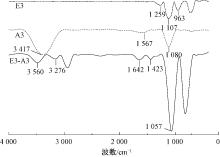
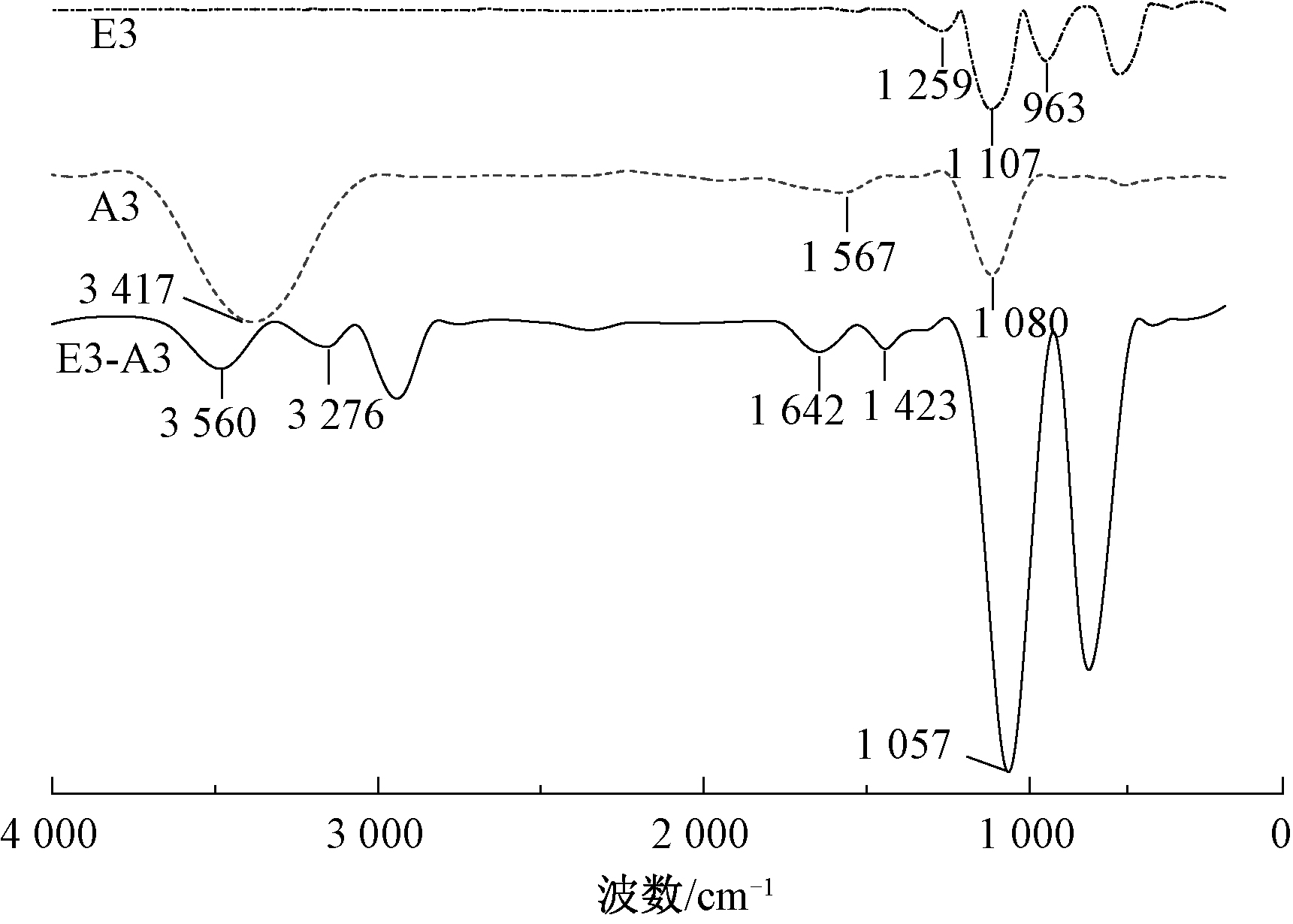
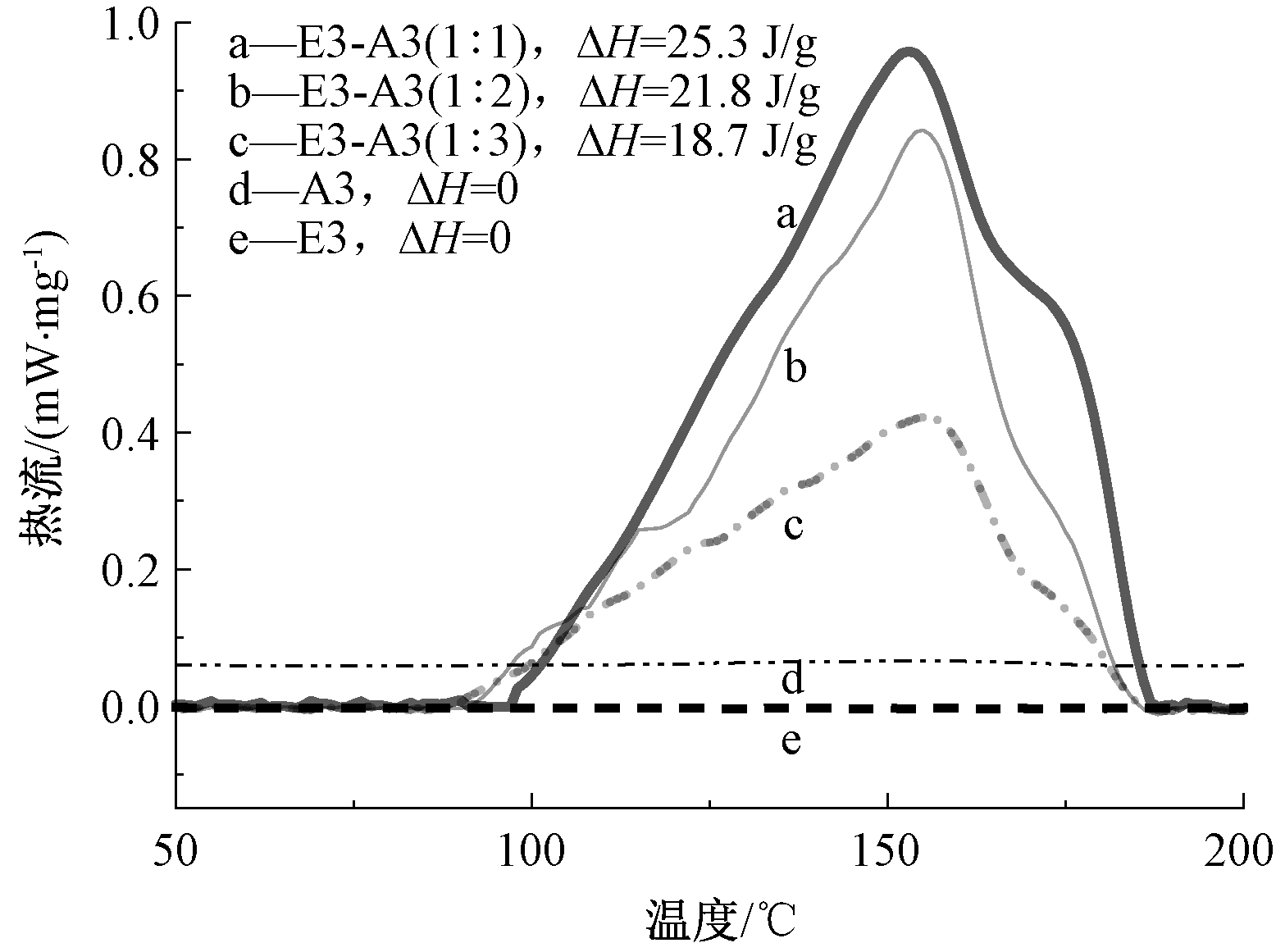
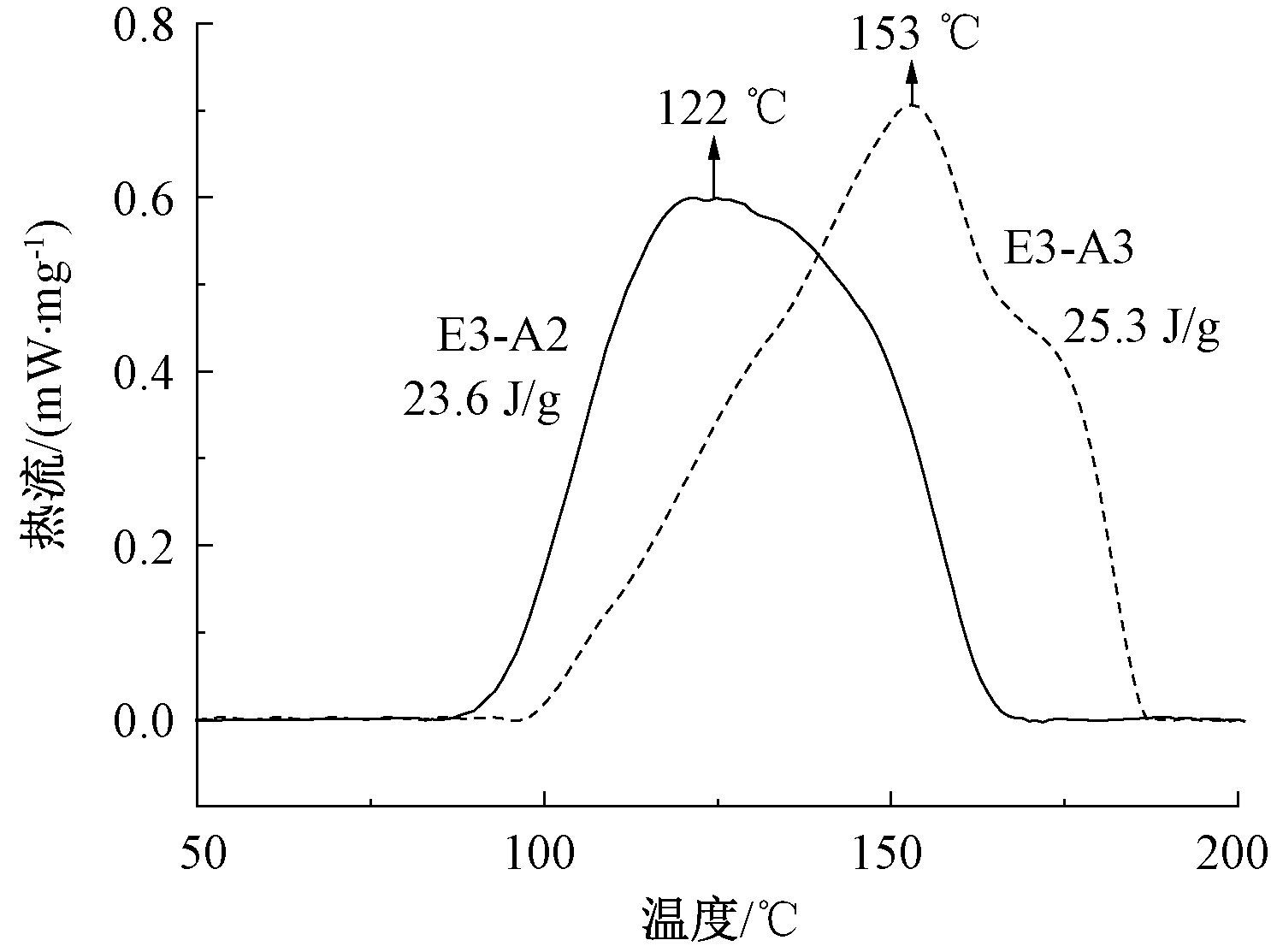
Results When the triethoxy groups of the amino coupling agent were replaced with dimethoxy groups during emulsion copolymerization, the polysiloxane chains transformed from a crosslinked structure to a linear structure, reducing the crosslinking temperature peak of the blended emulsion by 30 ℃. This enabled the development of a low-temperature crosslinking solution. Fourier transform infrared spectroscopy (FT-IR) analysis confirmed the successful ring-opening reaction between amino and epoxy groups of the emulsion blends during the high-temperature film formation process. Differential scanning calorimetry (DSC) results showed that the maximum crosslinking enthalpy was 25.3 J/g at the mass ratio of E3 to A3 of 1∶1, corresponding to an equimolar functional group ratio of amino and epoxy groups. The crosslinking reaction was sensitive to the curing temperature as well as chain structure. The increase of curing temperature from 120 ℃ to 180 ℃ led to the extent of reaction growing from 24.3% to 93.5%, as a result of enhanced polymer chain diffusion among particles at high temperature. The replacement of crosslinked chain structure amino silicone with linear one resulted in a 30 ℃ decrease in the reaction peak temperature, which benefits the finishing of heat-sensitive fabrics like nylon. The amino-epoxy blended emulsion also showed excellent chemical and disperse stability. The blend emulsion with a 1∶1 mixing was applied to finish polyester fabric, endowing a 45°increment of the elastic recovery angle to the finished fabric.

Conclusion Amino and epoxy functionalized silicone emulsion were successfully prepared by emulsion copolymerization of D4 with amino and epoxy coupling agents. The high efficiency curing reaction between amino and epoxy functionalities occurred during the film formation process of the blend latex at an increased temperature of 180 ℃. The reactivity of the blend emulsion was successfully maneuvered by blending ratio as well as chain structure of amino silicon emulsion. The measurement of reaction enthalpy indicated that the maximum value was achieved at 1∶1 blending ratio. Compared to the blend emulsion engaging amino silicon with crosslinked chain structure, the one blended with a linear chain structured amino silicon exhibited a significant decrease in the curing reaction temperature. The blend emulsion had excellent chemical and shear stability. All the above findings indicated the blend emulsion was applicable for fabric elastic finishing, which was further confirmed by the significant improvement in polyester fabric elastic recovery angle. In conclusion, a new and stable platform was demonstrated for developing high-performance silicone-based finishing agents showing elastic handling.

Key words: emulsion polymerization, elastic silicone emulsion, amino silicone oil, epoxy silicone oil, latex film formation, post-crosslinking reaction, silicone finishing agent

CLC Number: 

  • TS195.2

Fig.1

FT-IR spectra of latex films prepared from E3, A3 and E3-A3"

Fig.2

Schematic diagram of cross-linking network formed in E3-A3 compound latex film"

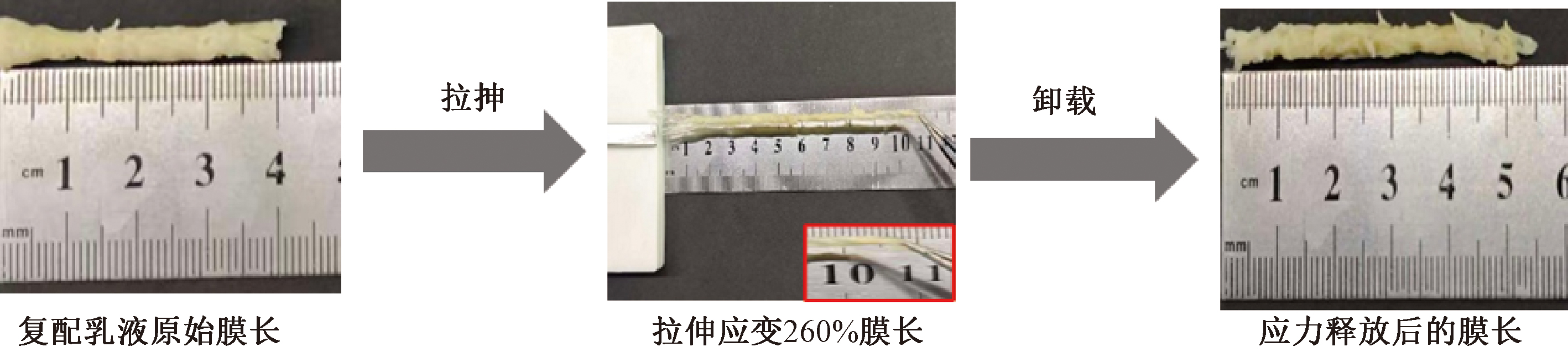
Fig.3

Photos of E3-A3 compound latex film, stretched film and film after unloading"

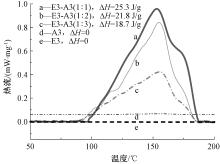
Fig.4

Influence of mass ratio of E3 to A3 on reaction enthalpy for compound emulsions"

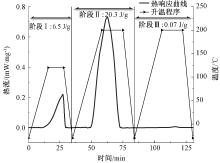
Fig.5

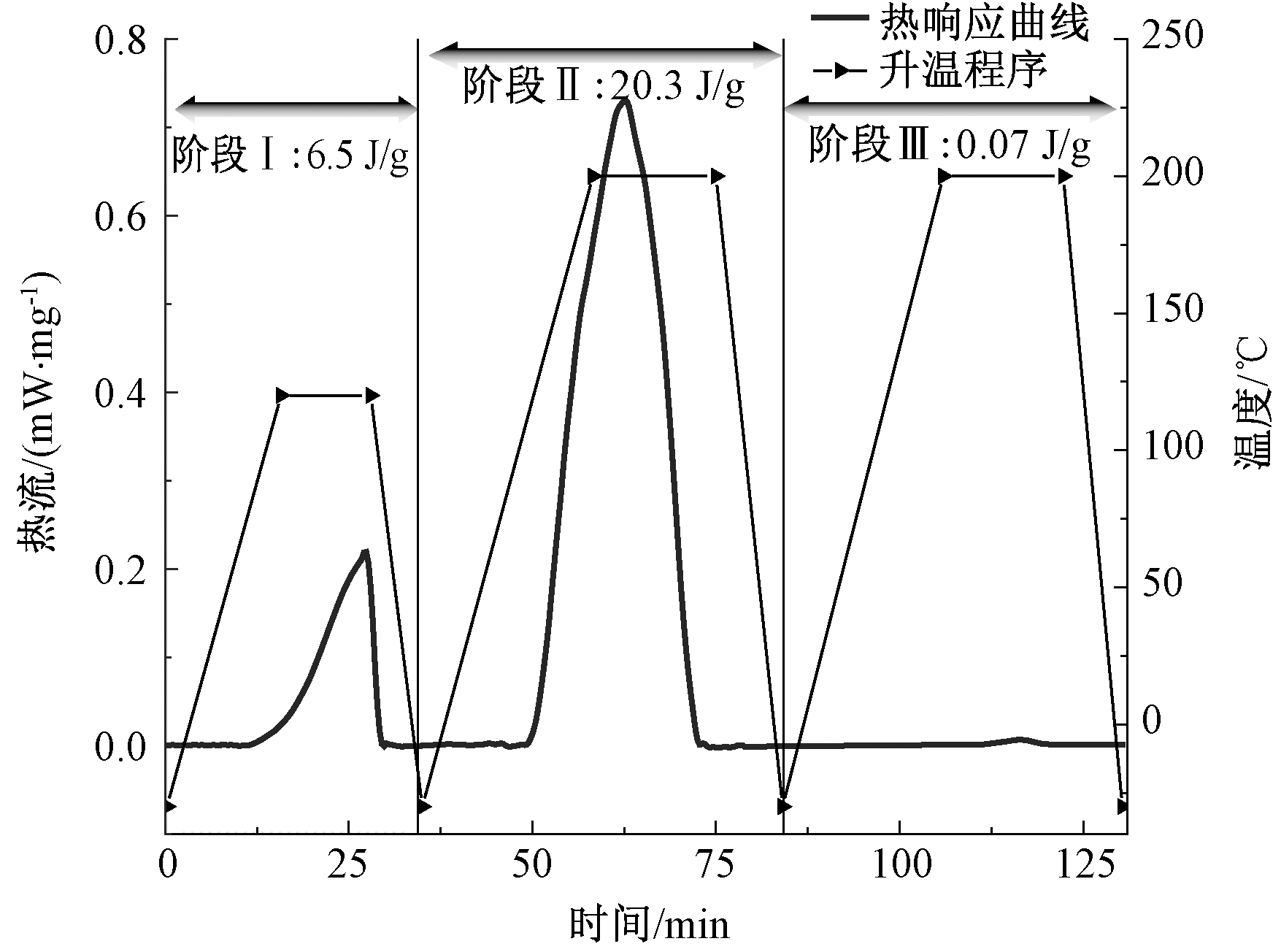
Thermal heating curves of three-stage curing reaction of E3-A3 (1∶1) emulsion as Tmax was 120 ℃"

Fig.6

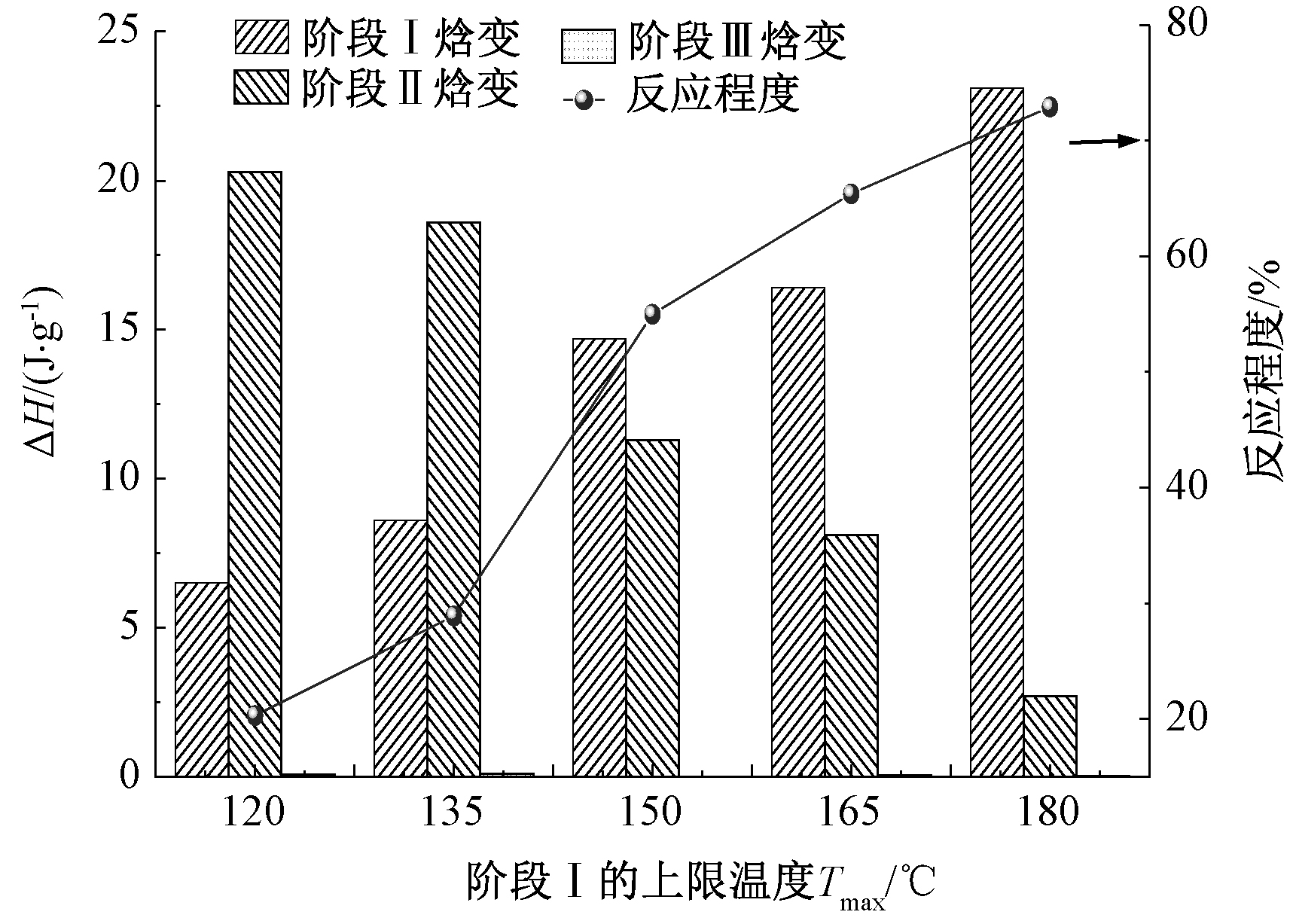
Influence of Tmax of stage Ⅰ on enthalpy change and reaction extent between epoxy groups and amino groups during three-stage heating process"

Fig.7

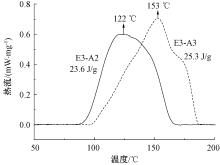
Influence of amino silicone oil chain structure on reaction of compound emulsions"

Fig.8

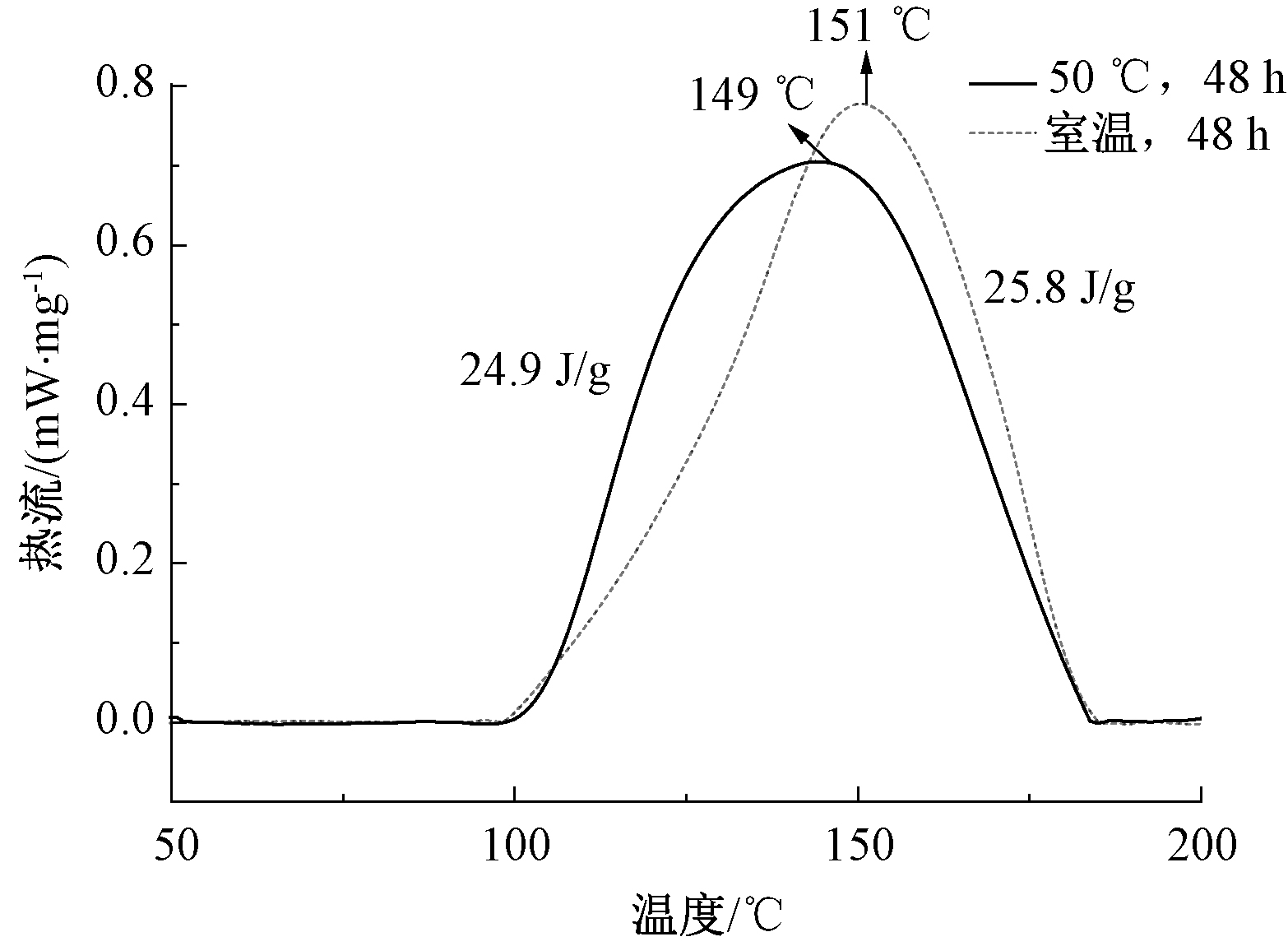
Influence of temperature on reactivity stability of E3-A3 compound emulsions"

Fig.9

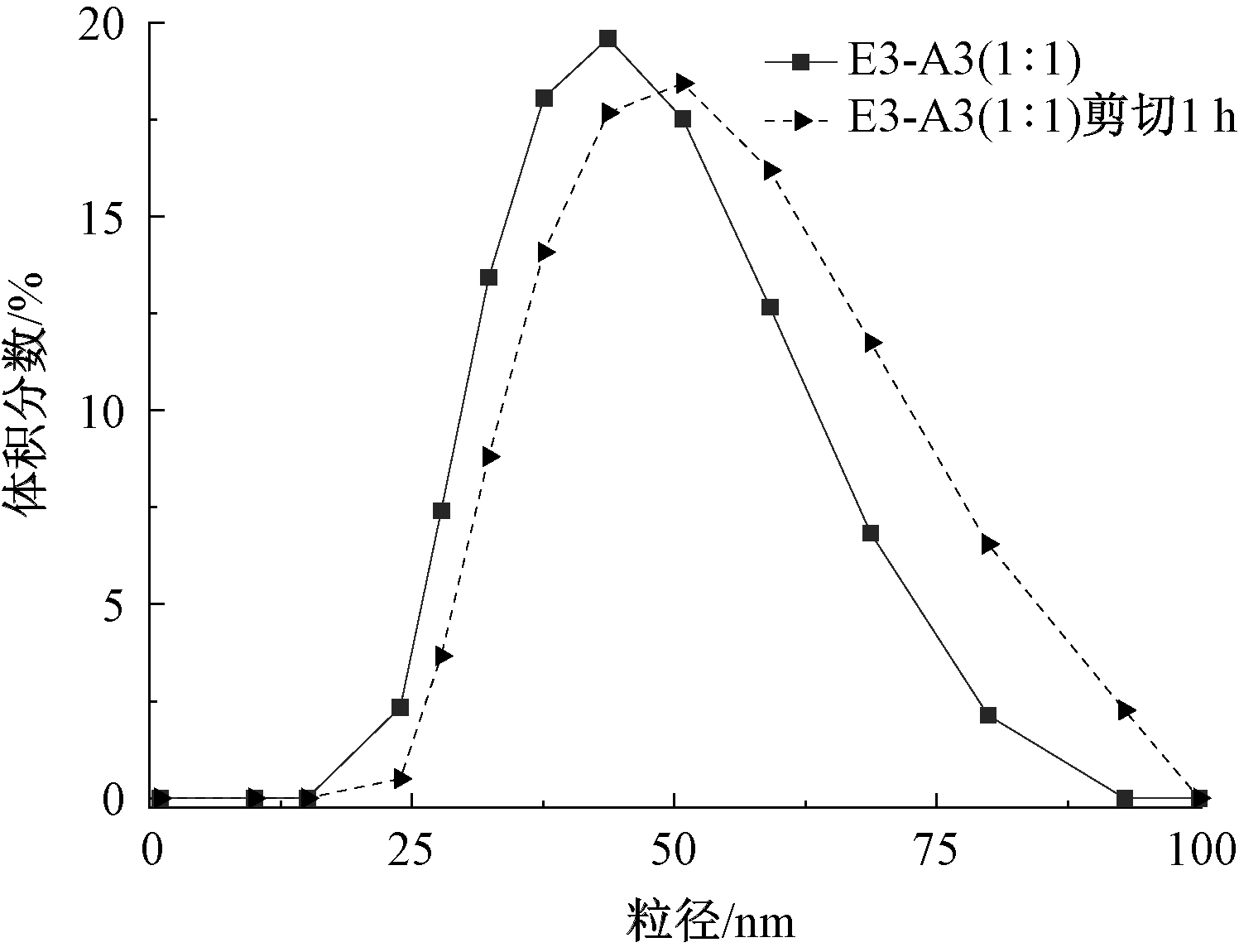
Particle size distribution of E3-A3 (1∶1)composite emulsion before and after shearing"

Fig.10

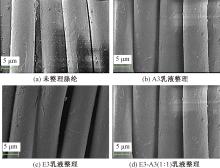
Surface morphologies of polyester fabrics. (a) Unfinished polyester;(b) Fabric finished with A3 emulsion; (c) Fabric finished with E3 emulsion; (d) Fabric finished with E3-A3 (1∶1) emulsion"

Tab.1

Elastic recovery angles of fabric treated with different emulsions"

整理工作
液组成
回复角/(°)
急弹 缓弹 总回复
未整理 115 139 254
E3 127 141 268
A3 120 137 257
E3-A3(1∶1) 143 156 299
E3-A3(1∶2) 137 152 289
E3-A3(1∶3) 130 147 277
[1] 沈萍萍, 冯钦邦, 吴利民, 等. 甲基硅油乳液的制备研究[J]. 有机硅材料, 2017, 31(2): 107-110.
SHEN Pingping, FENG Qinbang, WU Limin, et al. Preparation of methyl silicone oil emulsion[J]. Silicone Material, 2017, 31(2): 107-110.
[2] 权衡, 钱赛龙, 刘诗楠, 等. 非线性阳离子聚氨酯改性有机硅柔软剂的制备及其应用性能[J]. 纺织学报, 2024, 45(5): 121-128.
QUAN Heng, QIAN Sailong, LIU Shinan, et al. Preparation and application performance of nonlinear cationic polyurethane modified silicone softener[J]. Journal of Textile Research, 2024, 45(5): 121-128.
[3] 王豫, 危想平, 蒲一菲, 等. 氨基改性有机硅微乳液合成研究[J]. 山东化工, 2022, 51(4): 1-2, 6.
WANG Yu, WEI Xiangping, PU Yifei, et al. Synthesis of amino modified organosilicon microemulsion[J]. Shandong Chemical Industry, 2022, 51(4): 1-2, 6.
[4] 权衡, 任敬之, 陈文龙, 等. 有机硅及其共混物在锦纶/氨纶织物上的迁移与分布[J]. 纺织学报, 2022, 43(6): 115-120.
QUAN Heng, REN Jingzhi, CHEN Wenlong, et al. Migration and distribution of organic silicon and its blends on polyamide/polyurethane fabrics[J]. Journal of Textile Research, 2022, 43(6): 115-120.
doi: 10.1177/004051757304300209
[5] APREM A S, JOSEPH K, THOMAS S. Recent developments in crosslinking of elastomers[J]. Rubber Chemistry and Technology, 2005, 78(3): 458-488.
doi: 10.5254/1.3547892
[6] 罗正鸿, 詹晓力, 陈丰秋, 等. 阴离子本体共聚合成氨基硅油的研究[J]. 功能高分子学报, 2002, 15(1): 63-66.
LUO Zhenghong, ZHAN Xiaoli, CHEN Fengqiu, et al. Anion-bulk copolymerization role of octamethylcy-clotetrasiloxane and amio-silicone monomer[J]. Journal of Functional Polymers, 2002, 15(1): 63-66.
[7] TAKEUCHI T, HARA T, HASEGAWA Y, et al. Silicone oil/water Pickering emulsions with surface-hydrophobized cellulose nanofibers formed via in situ homogenization with amino-silicone[J]. ACS Applied Polymer Materials, 2024, 6(14): 8150-8158.
doi: 10.1021/acsapm.4c01033
[8] 潘科学, 梁广强, 钟炜洪, 等. 改性氨基硅油乳液的制备及性能研究[J]. 有机硅材料, 2023, 37(4): 11-15.
PAN Kexue, LIANG Guangqiang, ZHONG Weihong, et al. Preparation and properties of modified amino silicone oil emulsion[J]. Silicone Material, 2023, 37(4): 11-15.
[9] MORA A S, TAYOUO R, BOUTEVIN B, et al. A perspective approach on the amine reactivity and the hydrogen bonds effect on epoxy-amine systems[J]. European Polymer Journal, 2020, 123: 109460.
doi: 10.1016/j.eurpolymj.2019.109460
[10] STEWARD P A, HEARN J, WILKINSON M C. An overview of polymer latex film formation and properties[J]. Advances in Colloid and Interface Science, 2000, 86(3): 195-267.
pmid: 10997764
[11] HUANG Y C, WANG L T, HSU S W, et al. Amphiphilic thermoresponsive poly(hydroxyamino-ethers) as effective emulsifiers for preparation of waterborne epoxy resins[J]. Macromolecular Materials and Engineering, 2022, 307(2): 2100668.
doi: 10.1002/mame.v307.2
[1] CAI Liyun, OUYANG Chenghui, HUANG Zeyang, WANG Chengcheng, GUAN Yu, FU Shaohai, ZHANG Liping. Preparation of colored latex particles and their application in printing of polyester-cotton fabrics [J]. Journal of Textile Research, 2025, 46(10): 135-142.
[2] KE Wentao, CHEN Ming, ZHENG Chuntian, SHI Xiaoli, ZHU Xinsheng. Preparation and properties of paraffin Pickering emulsion and its microcapsule phase change nonwoven materials [J]. Journal of Textile Research, 2024, 45(07): 130-139.
[3] LIU Xinyu, LI Jianhao, WANG Zhen, SHEN Junyan, YANG Lei. Preparation and waterproof properties of fluorine-free polyacrylate latex composites [J]. Journal of Textile Research, 2023, 44(04): 124-131.
[4] MEI Min, QIAN Jianhua, ZHOU Yukai, YANG Jingjing. Preparation and application of nano-SiO2/fluorine-containing silicon waterproof and moisture-permeable finishing agent [J]. Journal of Textile Research, 2022, 43(12): 118-124.
[5] ZHANG Diandian, YU Mengnan, LI Min, LIU Mingming, FU Shaohai. Preparation and antifouling properties of super-slip cotton fabric based on polymer microspheres grafted with silicone oil [J]. Journal of Textile Research, 2022, 43(10): 119-125.
[6] CAI Lu, KANG Jialiang, LÜ Cun, HE Xuemei. Preparation of self-crosslinking fluorinated polyacrylate emulsion and its application properties [J]. Journal of Textile Research, 2021, 42(02): 161-167.
[7] SHENG Mingfei, ZHANG Liping, FU Shaohai. Preparation and property of dye-doped liquid crystal microcapsules for electro-stimulated responsive smart textiles [J]. Journal of Textile Research, 2020, 41(08): 63-68.
[8] ZHANG Zhibin, LI Gang, MAO Senxian, LI Xunxun, CHEN Yushuang, MAO Qingshan, LI Yi, PAN Zhijuan, WANG Xiaoqin. Preparation and antibacterial activity of silk fibroin/chitosan microspheres [J]. Journal of Textile Research, 2019, 40(10): 7-12.
[9] XIANG Wei, YANG Honglin, QUAN Qiongying. Preparation and application of polyacrylate/rhodamine B composite latex by miniemulsion polymerization [J]. Journal of Textile Research, 2019, 40(09): 122-127.
[10] . Preparation and characterization of photodynamic antimicrobial polymethyl methacrylate-co-methacrylic acid electrospun nanofibers [J]. JOURNAL OF TEXTILE RESEARCH, 2017, 38(03): 18-22.
[11] . Preparation of self-adhesive submicron organic pigment-containing capsules by miniemulsion polymerization for paint coloring [J]. JOURNAL OF TEXTILE RESEARCH, 2017, 38(03): 91-98.
[12] . Preapration and characterization of photodynamic antimicrobial poly(methyl mecthacrylate-co-methacrylic acid) electrospun nanofibrous membrane [J]. JOURNAL OF TEXTILE RESEARCH, 2017, 38(02): 1-6.
[13] . Dyeing process of nanoscale latex fluorescent pigment on cationic cotton fabrics [J]. JOURNAL OF TEXTILE RESEARCH, 2016, 37(10): 56-61.
[14] . Preparation of fluorinated acrylate emulsion by micro-jet pre-emulsification [J]. JOURNAL OF TEXTILE RESEARCH, 2014, 35(2): 47-0.
[15] . Synthesis and application of environmentally friendly modifier for heat transfer printing of cotton fabrics [J]. JOURNAL OF TEXTILE RESEARCH, 2013, 34(3): 87-92.
Viewed
Full text


Abstract

Cited

  Shared   
  Discussed   
No Suggested Reading articles found!