纺织学报 ›› 2024, Vol. 45 ›› Issue (11): 199-206.doi: 10.13475/j.fzxb.20231006101

• 机械与设备 • 上一篇    下一篇

基于送茧小车的煮熟茧输送装置设计

娄浩1, 吕汪洋1,2, 陈文兴2, 江文斌1,2()   

  1. 1.浙江理工大学 纺织科学与工程学院(国际丝绸学院), 浙江 杭州 310018
    2.纺织纤维材料与加工技术国家地方联合工程实验室, 浙江 杭州 310018
  • 收稿日期:2023-10-17 修回日期:2024-05-26 出版日期:2024-11-15 发布日期:2024-12-30
  • 通讯作者: 江文斌(1967—),男,教授级高级工程师。主要研究方向为丝纤维加工技术及设备研发。E-mail:hfjjwb@163.com
  • 作者简介:娄浩(1999—),男,硕士生。主要研究方向为智能化纺织机械及数字化技术。
  • 基金资助:
    国家桑蚕产业技术体系建设专项资助(CARS-18-ZJ0502)

Design of cooked cocoon conveying device based on cocoon feeding trolley

LOU Hao1, LÜ Wangyang1,2, CHEN Wenxing2, JIANG Wenbin1,2()   

  1. 1. College of Textile Science and Engineering (International Institute of Silk), Zhejiang Sci-Tech University, Hangzhou, Zhejiang 310018, China
    2. National and Local Joint Engineering Laboratory of Textile Fiber Materials and Processing Technology, Hangzhou, Zhejiang 310018, China
  • Received:2023-10-17 Revised:2024-05-26 Published:2024-11-15 Online:2024-12-30

摘要: 为解决缫丝企业煮熟茧的自动输送问题以及改进送茧小车在输送过程中的安全性、稳定性及能源供给,设计了煮熟茧输送小车和送茧小车的运行机构以及供能方式。将送茧小车固定在工字钢轨道上完成送茧,根据工字钢的“工”形结构,设计钢架卡槽和8轮定位结构以防止送茧小车脱离轨道并保证其运行中的稳定性;运行机构采用电动机驱动齿轮组将动力传递至2个锦纶轮,锦纶轮在与轨道的摩擦力作用下运行,采用滑触线移动供电的方式为送茧小车供能。结果表明:本文设计方案稳定可靠,自动化煮熟茧输送方式可明显提高生丝加工的自动化程度。本文设计可为企业技术改革和茧丝绸行业发展提供有效参考。

关键词: 滑触线, 移动供电, 煮熟茧, 摩擦驱动, 缫丝, 送茧小车

Abstract:

Objective In recent years, the development of China's cocoon and silk industry has stagnated due to the lack of production equipment. In the process of raw silk processing, some problems exists, such as low degree of automation, high labor cost, untimely delivery of cocoons and unbalanced distribution in the transportation of cooked cocoons. Therefore, it is important to develop a device that can replace manual labor to facilitate automatic conveying of cooked cocoons.

Method In order to solve the conveying problem of cooked cocoons and improve the production efficiency, an automatic conveying device for cooked cocoons was designed. By analyzing the convenional cocoon feeding method, the necessary conditions of the cocoon feeding process were obtained and analyzed. According to the theory of mechanical principles, the mechanism and device to replace the manual cocoon feeding action were designed. The feasibility and structural parameters of the device were determined by calculation and analysis.

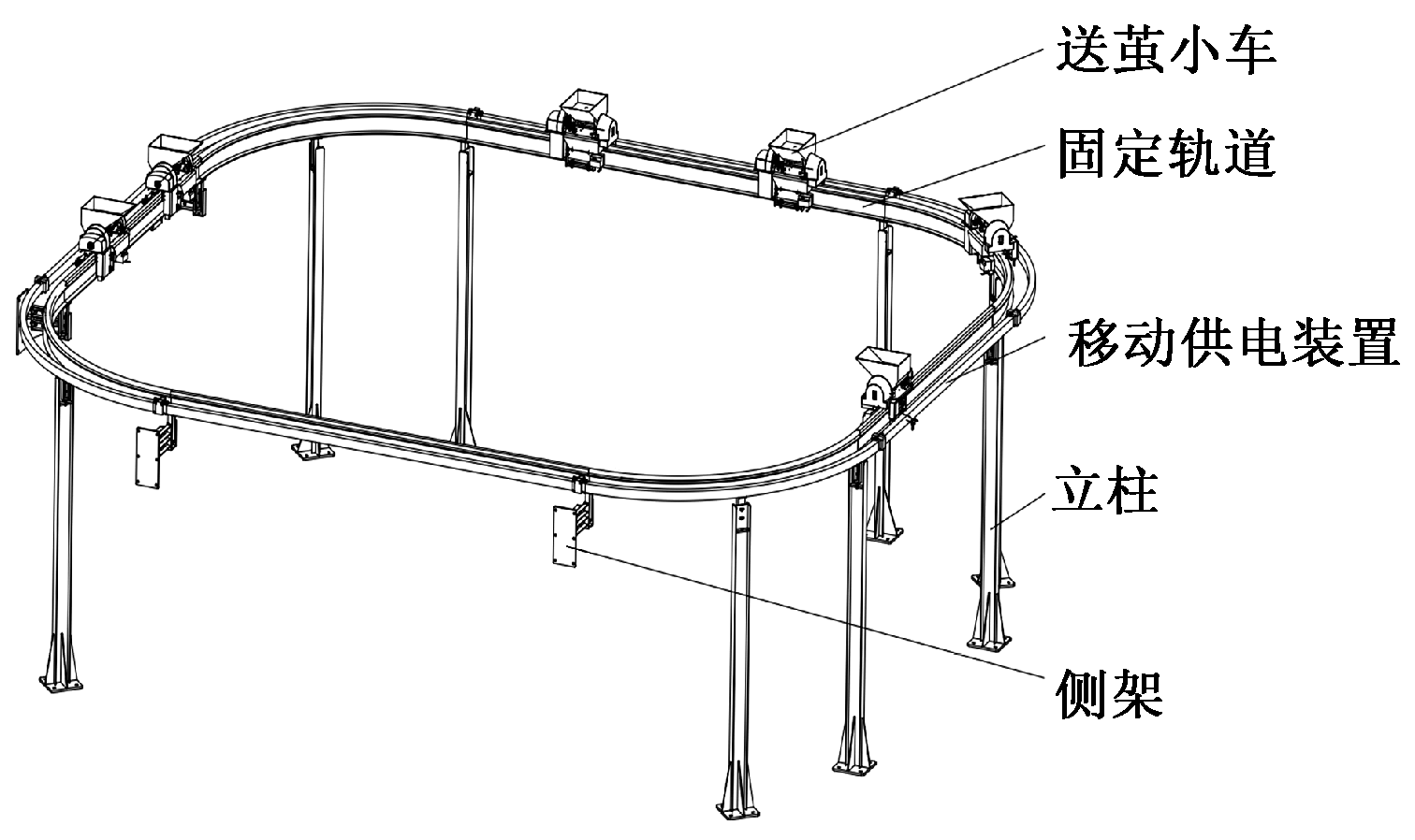
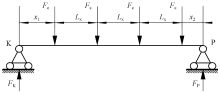
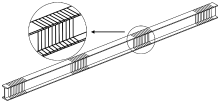
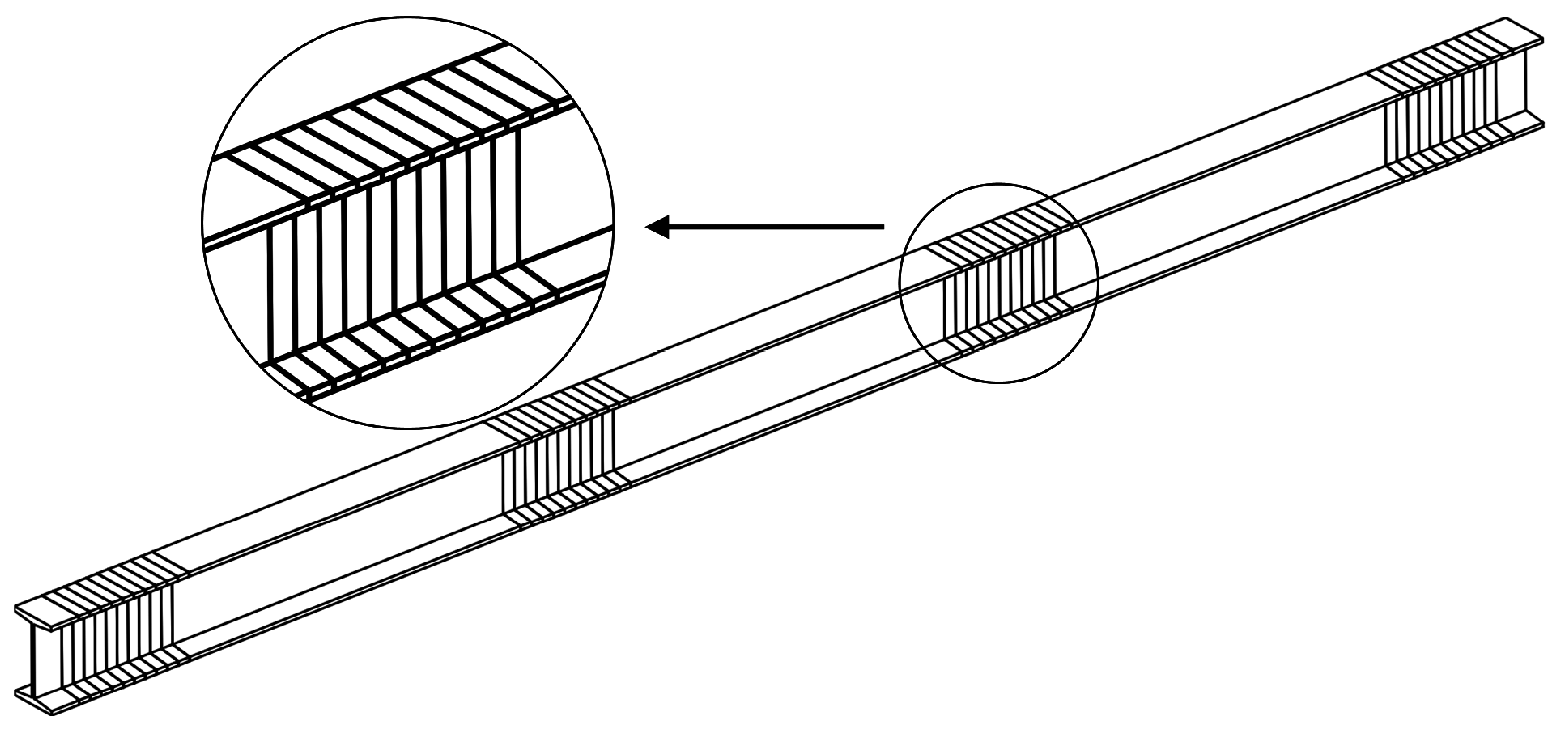
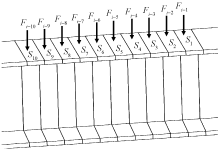
Results The automatic conveying device of cooked cocoon was mainly composed of cocoon feeding trolleys, sliding contact line, a fixed track, columns and side frames. The communication between the components of the device and the operation of the control device were carried out by programmable logic controller (PLC) controller. A conveying device with a set of PLC controller, equipped with N cocoon cart, together for 6 groups of automatic silk reeling machine was responsible for supplying cooked cocoon. According to the production process of the silk reeling workshop and the structural characteristics of the automatic conveying device, the operation flow of the automatic conveying device was formulated, including the operation logic of the cocoon feeding trolley. By comparing different power supply modes and transmission modes, the sliding contact line was selected as the power supply mode of the cocoon feeding trolley, and a motor was used as the driving part of the cocoon feeding trolley. The cocoon feeding trolley was mainly composed of a positioning mechanism, a collector driving mechanism, a running mechanism, a tipping bucket mechanism and a single-chip microcomputer controller. The parameters of the running mechanism of the cocoon feeding trolley were determined by calculation, and the functions of independent on-orbit operation, automatic loading and unloading of cooked cocoons and communication of the cocoon feeding trolley were realized. Finite element analysis of the stiffness and strength of the fixed track was carried out using ANSYS, and the stiffness and strength of the track were verified to be within the safe range.

Conclusion The structure design of the automatic conveying device for cooked cocoon is proved reasonable. The design of the suspended track improves the utilization rate of the workshop space. The sliding contact line mobile power supply device can realize the whole process of continuous power supply for the cocoon cart. The design of the running mechanism of the polyamide fiber friction wheel improves the mobility of the cocoon cart. The structural design of the track reduces the length of the contact line between the polyamide fiber friction wheel and the track, and reduces the wear caused by the speed difference between the inside and outside of the polyamide fiber friction wheel during operation. The design of the positioning mechanism of the cocoon feeding trolley ensures the safety and stability of the cocoon feeding trolley running on the track. The cocoon feeding trolley can replace 6 cocoon feeding workers, thus improving production efficiency and reducing costs. Compared with the conventional way of sending cocoons, the automatic conveying device of cooked cocoons effectively solves the problems of untimely supply of cooked cocoons in the head position of automatic silk reeling machine and unbalanced distribution of cooked cocoons in different positions, and realizes the on-demand distribution and timely supply of cooked cocoons.

Key words: sliding contact line, mobile power supply, cook cocoon, friction drive, silk reeling, cocoon feeding trolley

中图分类号: 

  • TS142.3

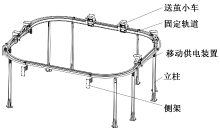
图1

煮熟茧输送装置整备示意图"

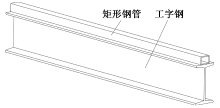
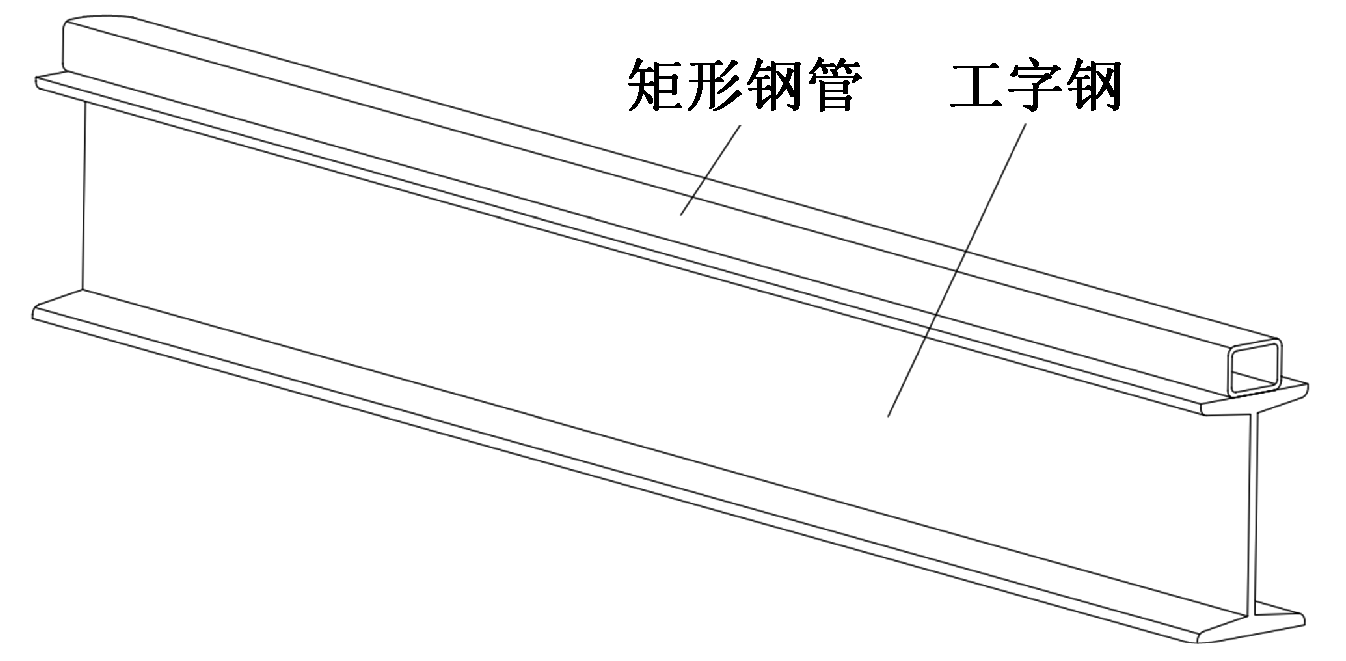
图2

轨道结构"

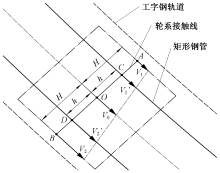
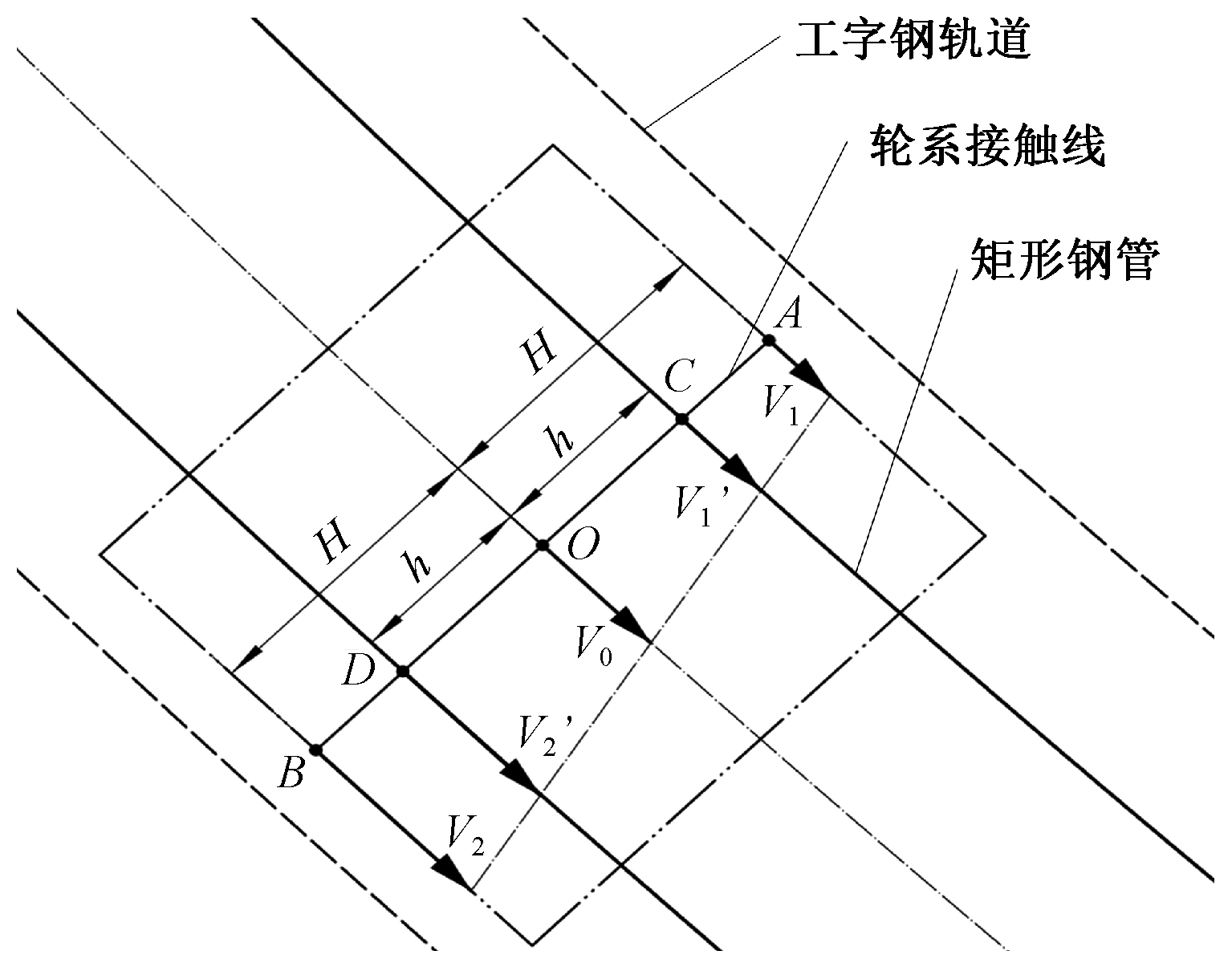
图3

轨道转弯处轮系速度差异"

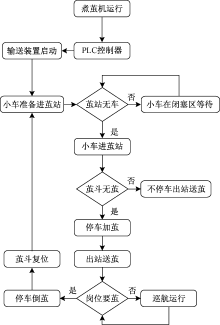
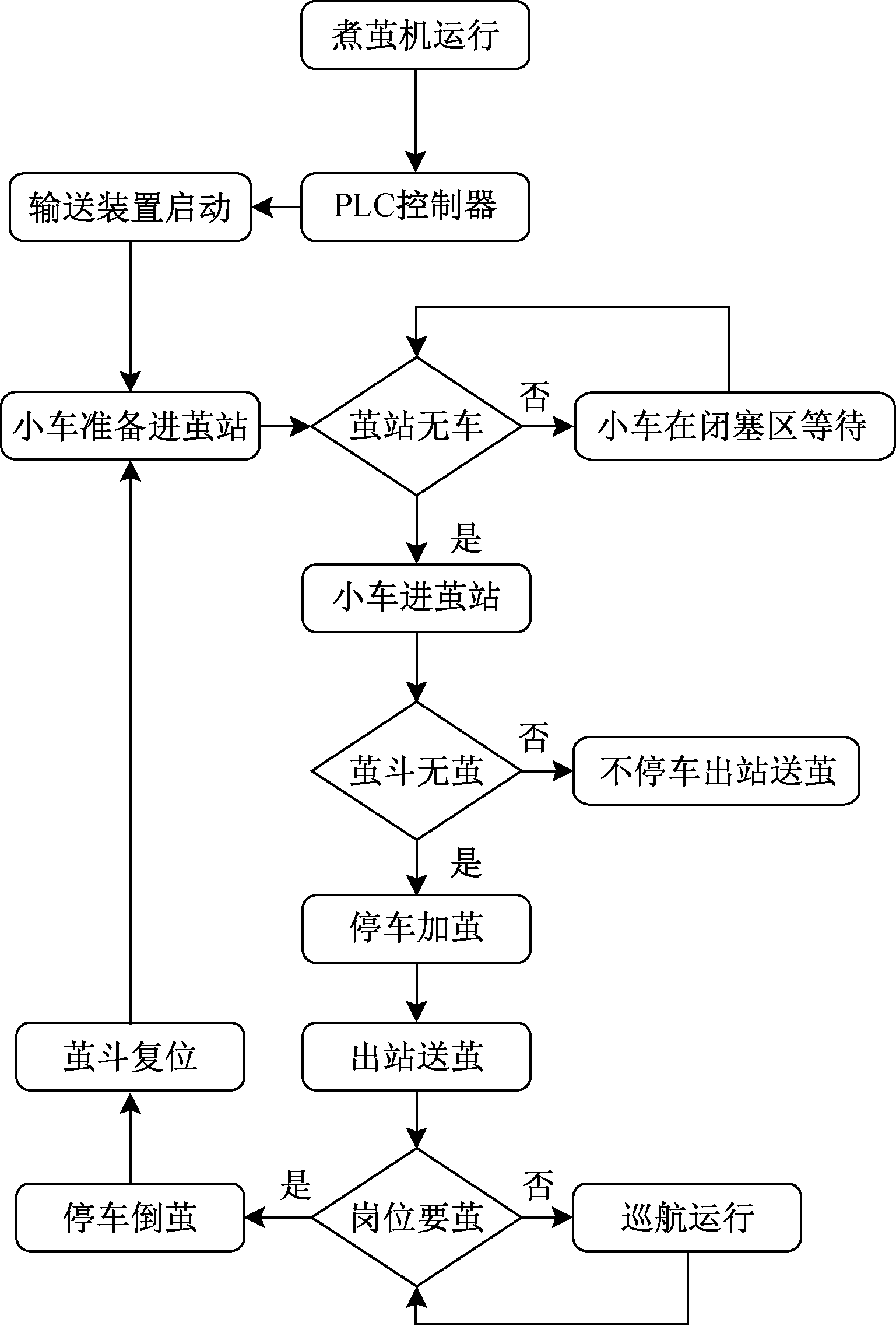
图4

输送装置运行原理图"

表1

不同驱动方式特性"

驱动方式 供能时效/h 噪声 寿命/a 成本 污染
铅酸蓄电池供电 6~8 3~6 一般
钛酸锂电池供电 8~12 8~10
镉镍蓄电池供电 5~8 15~20 较高
滑触线供电 持续 50
链传动 2
带传动 3~10
齿轮传动 2
电动机 10~15

图5

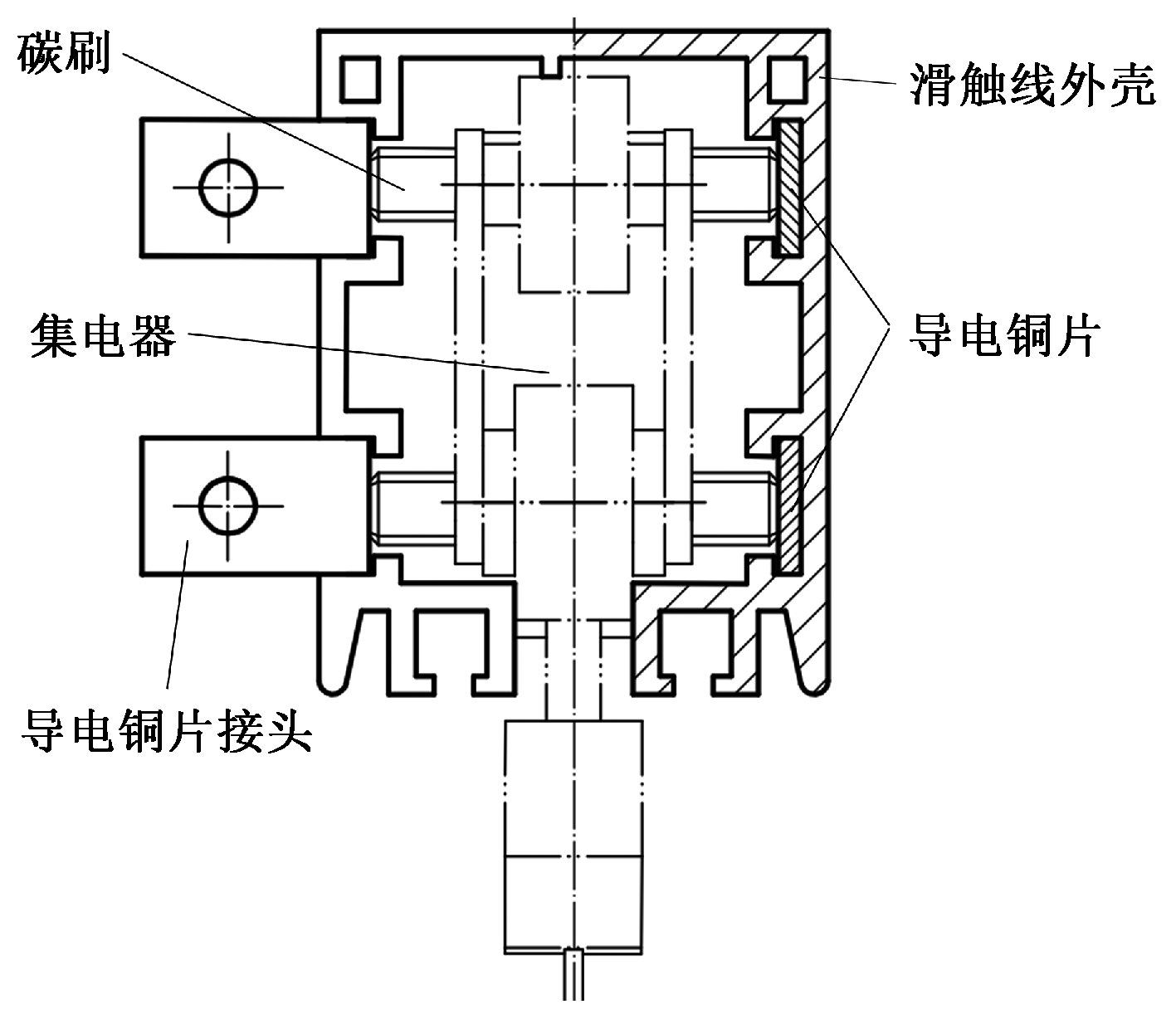
滑触线结构"

图6

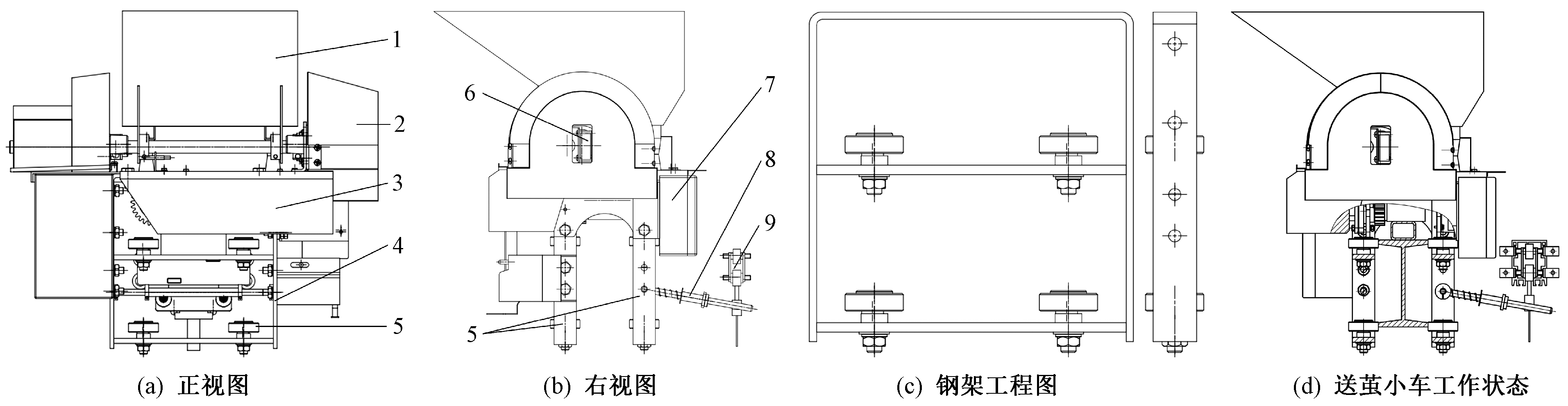
送茧小车结构图 1—物料斗;2—防水罩壳;3—电动机罩壳;4—定位钢架;5—定位导轮;6—防撞传感器;7—信号盒;8—集电器驱动机构;9—集电器。"

图7

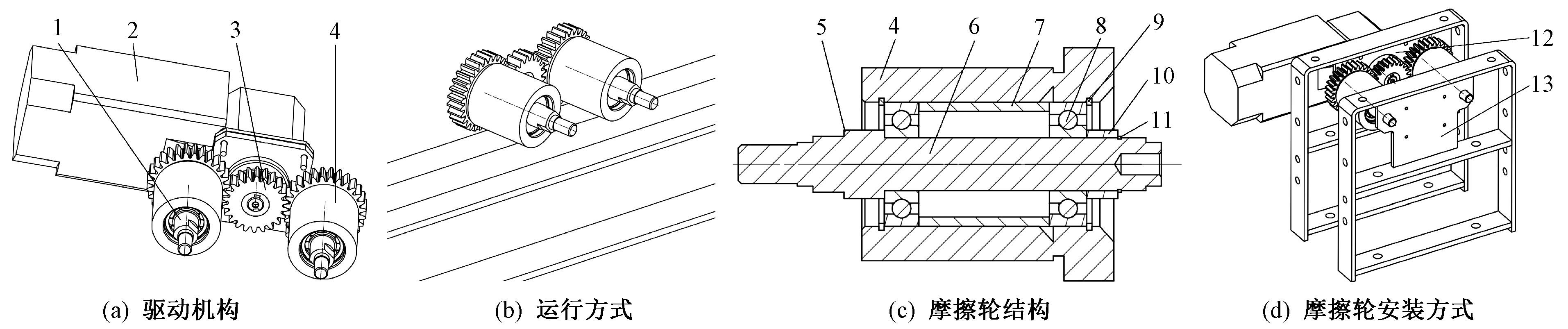
运行机构 1—摩擦轮轴;2—驱动电动机;3—主动齿轮;4—PA轮;5—轴肩;6—轮轴;7—挡套;8—轴承;9—挡圈1;10—轴套;11—挡圈2;12—前安装板;13—后安装板。"

表2

运行机构传动齿轮参数"

类型 模数
m
齿数
z
压力角
α/(°)
分度圆直
d/mm
主动齿轮 2.5 22 20 55
从动齿轮 2.5 28 20 70

图8

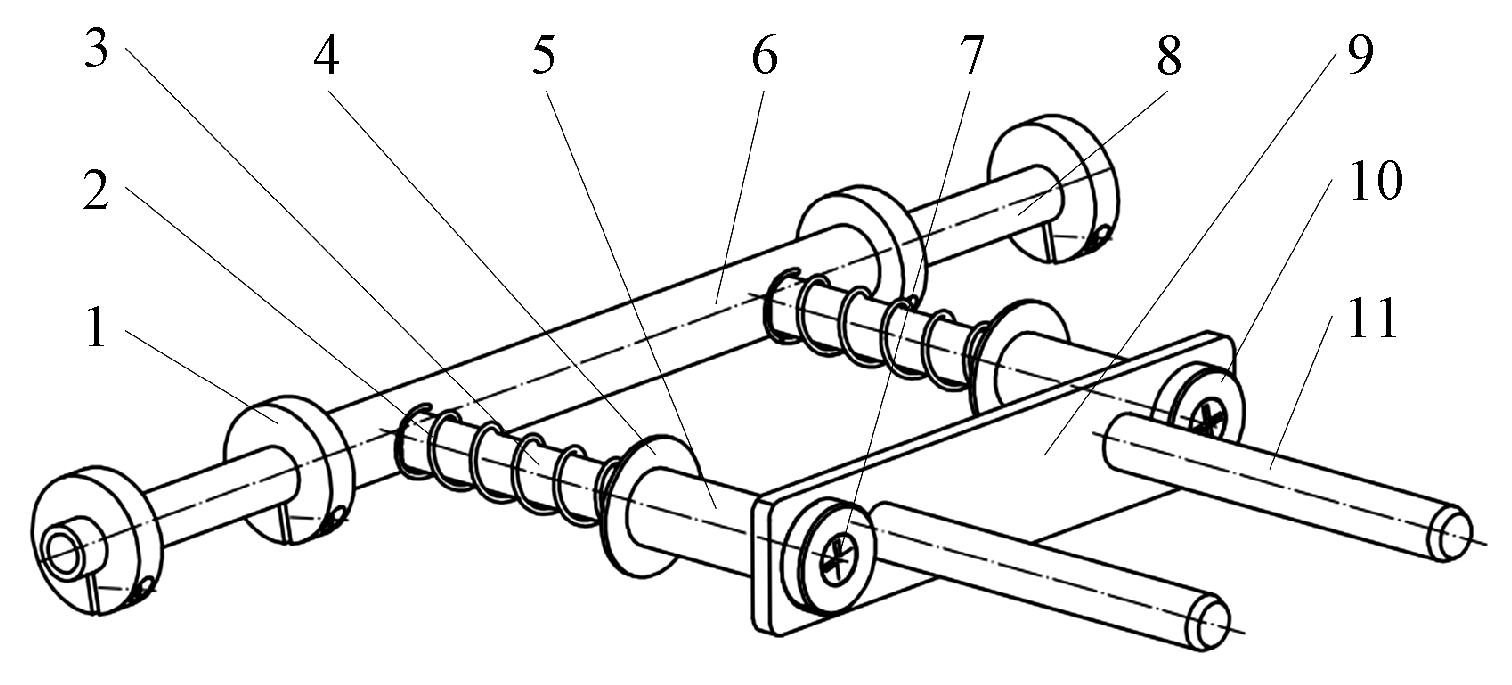
集电器驱动机构 1—胀紧联结套;2—弹簧;3—支架杆;4—弹簧挡片;5—滑动套管;6—驱动机构轴套管;7—支架杆螺钉;8—驱动机构轴;9—连接板;10—连接板挡片;11—驱动杆。"

图9

轨道载荷简化图"

图10

轨道数字模型前处理"

图11

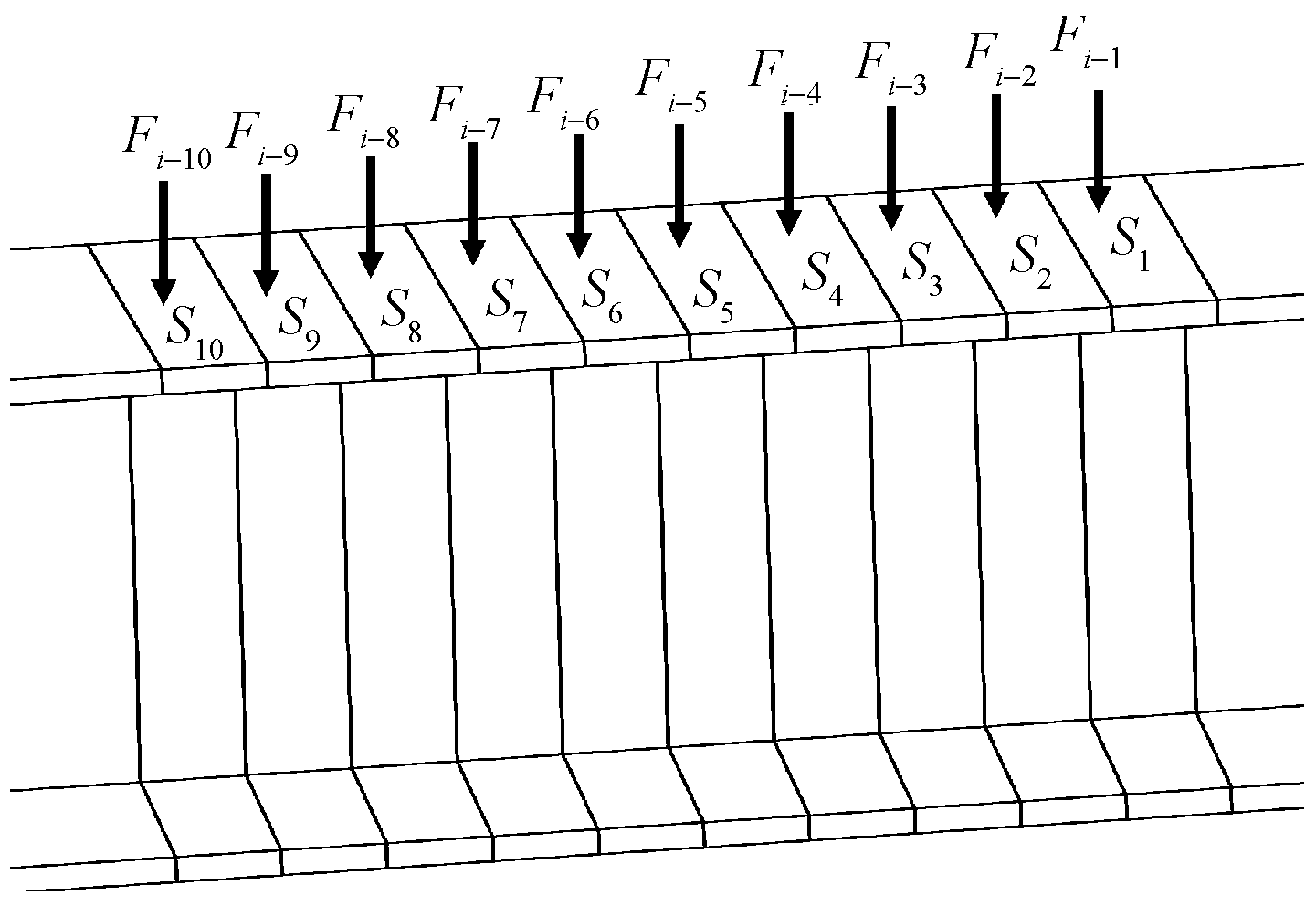
多步载荷作用顺序 注:F i-t中F为送茧小车等效载荷,i∈(1,2,3,4)表示小车序号,t表示时间,F i-t表示第i辆送茧小车的等效载荷F在时间t时作用在第t步位置;St表示小车第t步位置。"

表3

轨道的应力及挠度变化"

时间/
s
最小应力/
MPa
最大应力/
MPa
最小挠度/
mm
最大挠度/
mm
1 7.53×10⁻⁴ 147.31 0 582.36×10⁻³
2 9.69×10⁻⁴ 147.33 0 582.42×10⁻³
3 1.08×10⁻³ 147.33 0 582.48×10⁻³
4 1.71×10⁻³ 147.33 0 582.51×10⁻³
5 9.40×10⁻⁴ 147.31 0 582.53×10⁻³
6 9.40×10⁻⁴ 147.31 0 582.53×10⁻³
7 1.71×10⁻³ 147.33 0 582.51×10⁻³
8 1.08×10⁻³ 147.33 0 582.48×10⁻³
9 9.69×10⁻⁴ 147.33 0 582.42×10⁻³
10 7.53×10⁻⁴ 147.31 0 582.36×10⁻³

图12

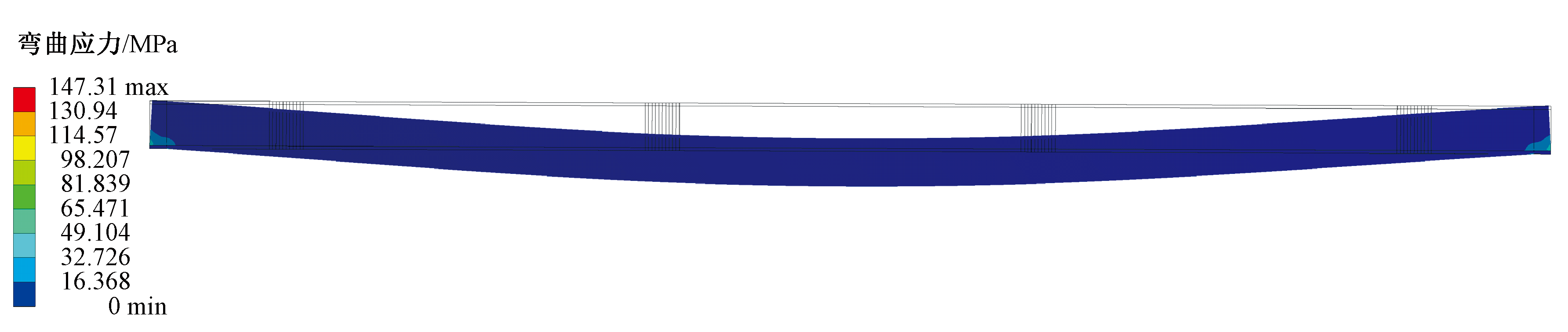
弯曲应力云图"

[1] 夏逸村. 煮熟茧管道程序输送装置[J]. 丝绸, 1983(8): 13-15.
XIA Yicun. Procedural conveying device for cooked cocoon pipeline[J]. Journal of Silk, 1983(8): 13-15.
[2] 陈永新. 煮熟茧管道输送做小缫折的措施[J]. 丝绸, 1983(4): 20-21.
CHEN Yongxin. Measures for pipeline transportation of cooked cocoons for small reeling fold[J]. Journal of Silk, 1983(4): 20-21.
[3] 许才定, 张平菊. 制丝厂应慎用管道输送煮熟茧装置[J]. 国外丝绸, 2004(2): 5-6.
XU Caiding, ZHANG Pingju. Silk mills should be careful to use pipeline transport cooked cocoon device[J]. Modern Silk Science & Technology, 2004(2): 5-6.
[4] 娄浩, 吕汪洋, 陈文兴, 等. 送茧小车翻斗装置的设计与仿真[J]. 现代纺织技术, 2023, 31(5): 132-141.
LOU Hao, LÜ Wangyang, CHEN Wenxing, et al. Design and simulation of a bucket-tipping device for cocoon feeding trolleys[J]. Advanced Textile Technology, 2023, 31(5): 132-141.
[5] 张翼飞, 田石钟. 铅酸蓄电池的选用[J]. 智能建筑与城市信息, 2015(4): 92-96.
ZHANG Yifei, TIAN Shizhong. Selection of lead-acid battery[J]. Intelligent Building & Smart City, 2015(4): 92-96.
[6] 李联益. 铅酸蓄电池维护探讨[J]. 湖北科技学院学报, 2013, 33(7): 181-182.
LI Lianyi. Discussion on maintenance of lead-acid battery[J]. Journal of Hubei University of Science and Technology, 2013, 33(7): 181-182.
[7] 李静, 李吉刚, 孙冬冬, 等. 动车组蓄电池的应用现状和发展方向[J]. 铁道车辆, 2023, 61(1): 1-6.
LI Jing, LI Jigang, SUN Dongdong, et al. Application status and development direction of battery for EMUs[J]. Rolling Stock, 2023, 61(1): 1-6.
[8] MEKONNEN Y, ABURBU H, SARWAT A. Life cycle prediction of sealed lead acid batteries based on a Weibull model[J]. The Journal of Energy Storage, 2018, 18: 467-475.
[9] LI M L, LIU J S, HAN W. Recycling and management of waste lead-acid batteries: a mini-review[J]. Waste Management & Research, 2016, 34(4): 298-306.
[10] 田玉芸. 滑触线在SC型施工升降机中的应用[J]. 现代工业经济和信息化, 2022, 12(1): 164-166.
TIAN Yuyun. Application of sliding contact line in SC type construction hoist[J]. Modern Industrial Economy and Informatization, 2022, 12(1): 164-166.
[11] 焦亚男, 杨志, 张世浩. 实验参数对高性能石英纤维摩擦性能的影响[J]. 纺织学报, 2019, 40(7): 38-43,50.
JIAO Yanan, YANG Zhi, ZHANG Shihao. Effects of experimental parameters on friction properties of high performance quartz fibers[J]. Journal of Textile Research, 2019, 40(7): 38-43,50.
[12] 向忠, 刘杨, 钱淼, 等. 纤维及其制品摩擦性能测试方法的研究进展[J]. 纺织学报, 2018, 39(11): 168-175.
doi: 10.13475/j.fzxb.20171202708
XIANG Zhong, LIU Yang, QIAN Miao, et al. Research progress in testing methods of friction properties of fibers and their products[J]. Journal of Textile Research, 2018, 39(11): 168-175.
doi: 10.13475/j.fzxb.20171202708
[13] 杨小龙, 李胜, 江文斌. 给茧机无绪茧自动抓取装置设计与分析[J]. 现代纺织技术, 2023, 31(3): 21-26.
YANG Xiaolong, LI Sheng, JIANG Wenbin. Design and analysis of automatic grabbing device for cocoon feeding machine[J]. Advanced Textile Technology, 2023, 31(3): 21-26.
[14] 戴宁, 彭来湖, 胡旭东, 等. 基于轴向运动悬臂梁理论的无缝内衣机织针横向振动特性[J]. 纺织学报, 2021, 42(2): 193-200.
DAI Ning, PENG Laihu, HU Xudong, et al. Transverse vibration characteristics of needle in seamless underwear machine based on the theory of axially moving cantilever beam[J]. Journal of Textile Research, 2021, 42(2): 193-200.
[15] 温泽峰, 金学松, 肖新标. 多步非稳态载荷下钢轨滚动接触应力和弹塑性变形分析[J]. 工程力学, 2007(12):158-163,168.
WEN Zefeng, JIN Xuesong, XIAO Xinbiao. Analysis of rolling contact stress and elastic-plastic deformation of rail under multi-step unsteady load[J]. Engineering Mechanics, 2007(12): 158-163,168.
[16] 吕磊, 董淑超, 孔德龙, 等. 火车车厢余煤智能清理机器人龙门架有限元分析[J]. 科学技术创新, 2023(27): 193-196.
LV Lei, DONG Shuchao, KONG Delong, et al. Finite element analysis of gantry of intelligent cleaning robot for residual coal in train compartment[J]. Scientific and Technological Innovation, 2023(27): 193-196.
[17] 孙玥, 周凌芳, 周祺旋, 等. 运动内衣承托及其动态舒适性能的有限元分析[J]. 纺织学报, 2023, 44(9): 180-187.
SUN Yue, ZHOU Lingfang, ZHOU Qixuan, et al. Finite element analysis of supportive performance and dynamic comfort of sports bra[J]. Journal of Textile Research, 2023, 44(9):180-187.
[1] 罗海林, 苏健, 金万慧, 傅雅琴. 新型缫丝成筒技术的工艺优化[J]. 纺织学报, 2023, 44(04): 46-54.
[2] 罗海林, 傅雅琴, 刘柯. 直接成筒缫丝的自动缫丝机结构设计[J]. 纺织学报, 2020, 41(08): 115-120.
[3] 周贤, 王英, 陈建能, 汪锐, 陶德华. 缫丝机卷绕机构参数优化及其试验验证[J]. 纺织学报, 2019, 40(06): 97-105.
[4] 黄继伟, 宁晚娥, 张锋, 左保齐. 基于组合学的茧丝落绪分拆模拟与分析[J]. 纺织学报, 2019, 40(01): 32-39.
[5] 罗军;费万春. 生丝中各层次茧丝数的概率分布[J]. 纺织学报, 2006, 27(2): 1-4.
[6] 徐回祥;王建民. 定粒模拟缫丝中影响生丝纤度偏差的因素[J]. 纺织学报, 2002, 23(06): 39-40.
[7] 徐回祥. 定粒缫丝的计算机模拟试验[J]. 纺织学报, 2002, 23(05): 37-38.
[8] 傅雅琴. 制丝过程中丝条塑性变形的研究[J]. 纺织学报, 2000, 21(02): 46-48.
[9] 凌荣根. 关于当前自缫丝洁净成绩差的原因剖析[J]. 纺织学报, 2000, 21(02): 44-45.
Viewed
Full text


Abstract

Cited

  Shared   
  Discussed   
No Suggested Reading articles found!