纺织学报 ›› 2025, Vol. 46 ›› Issue (06): 96-102.doi: 10.13475/j.fzxb.20240804901
秦建锋( ), 史书伟, 孟永法, 李梦辉, 夏彬
QIN Jianfeng(), SHI Shuwei, MENG Yongfa, LI Menghui, XIA Bin
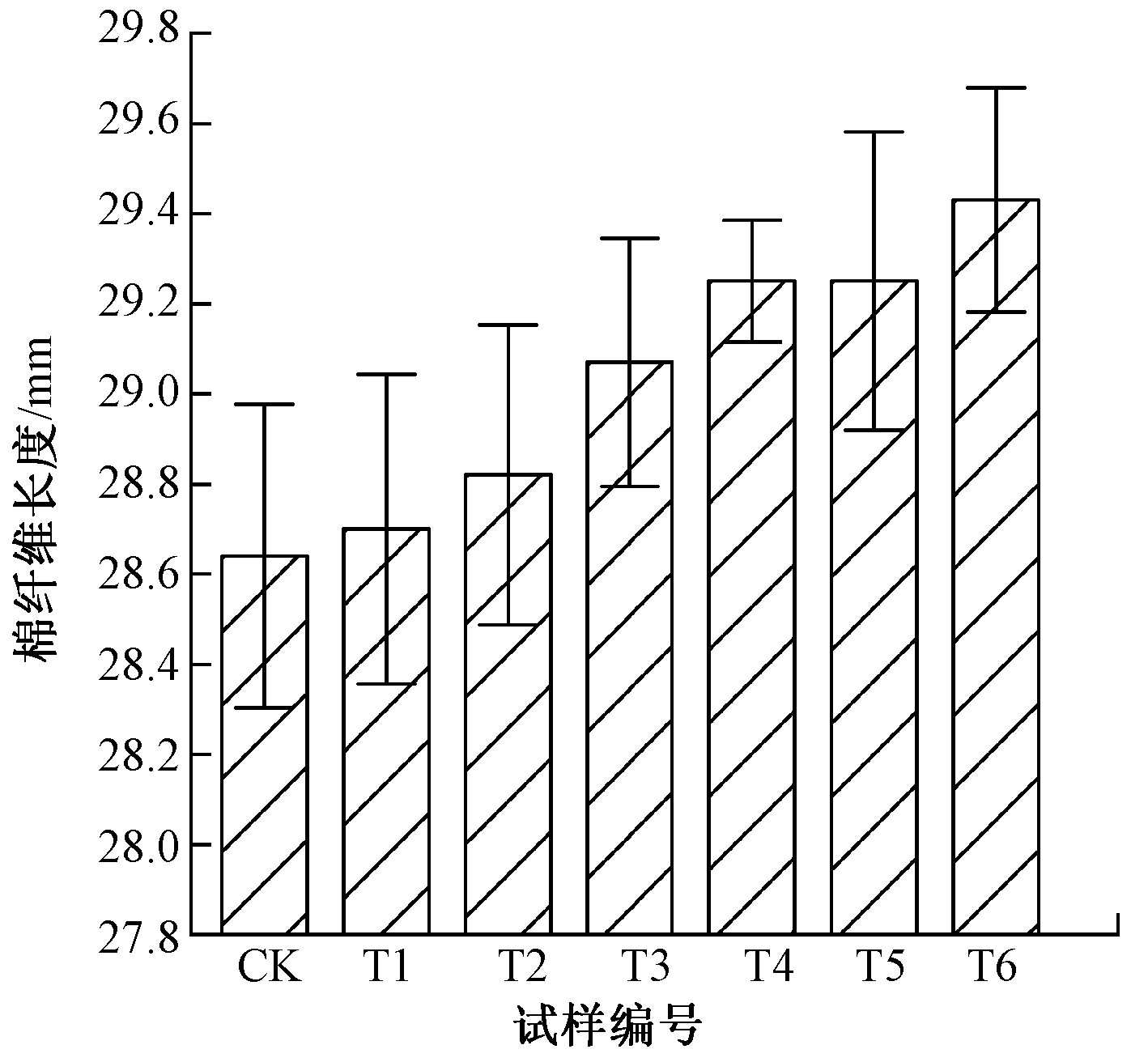
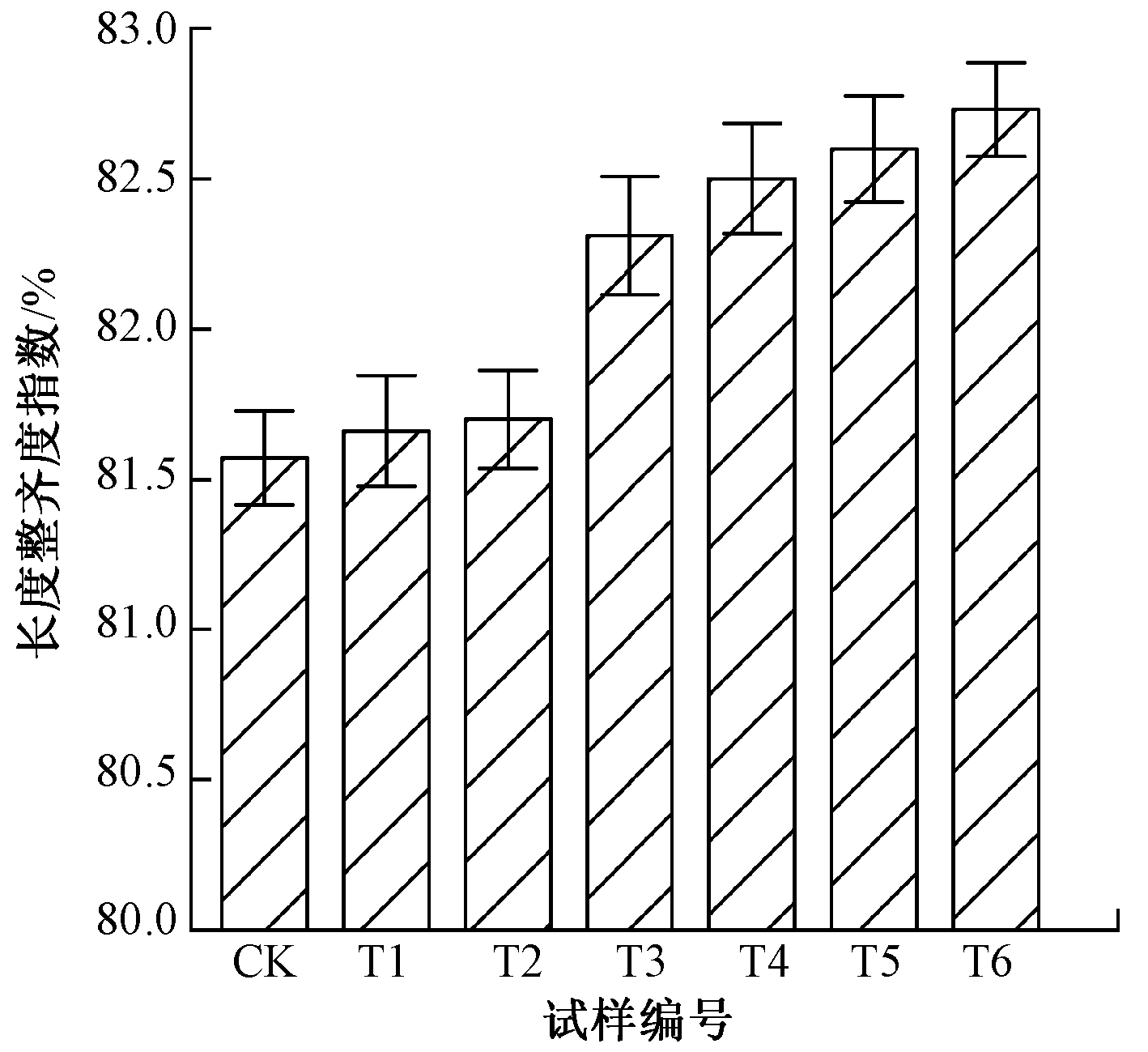
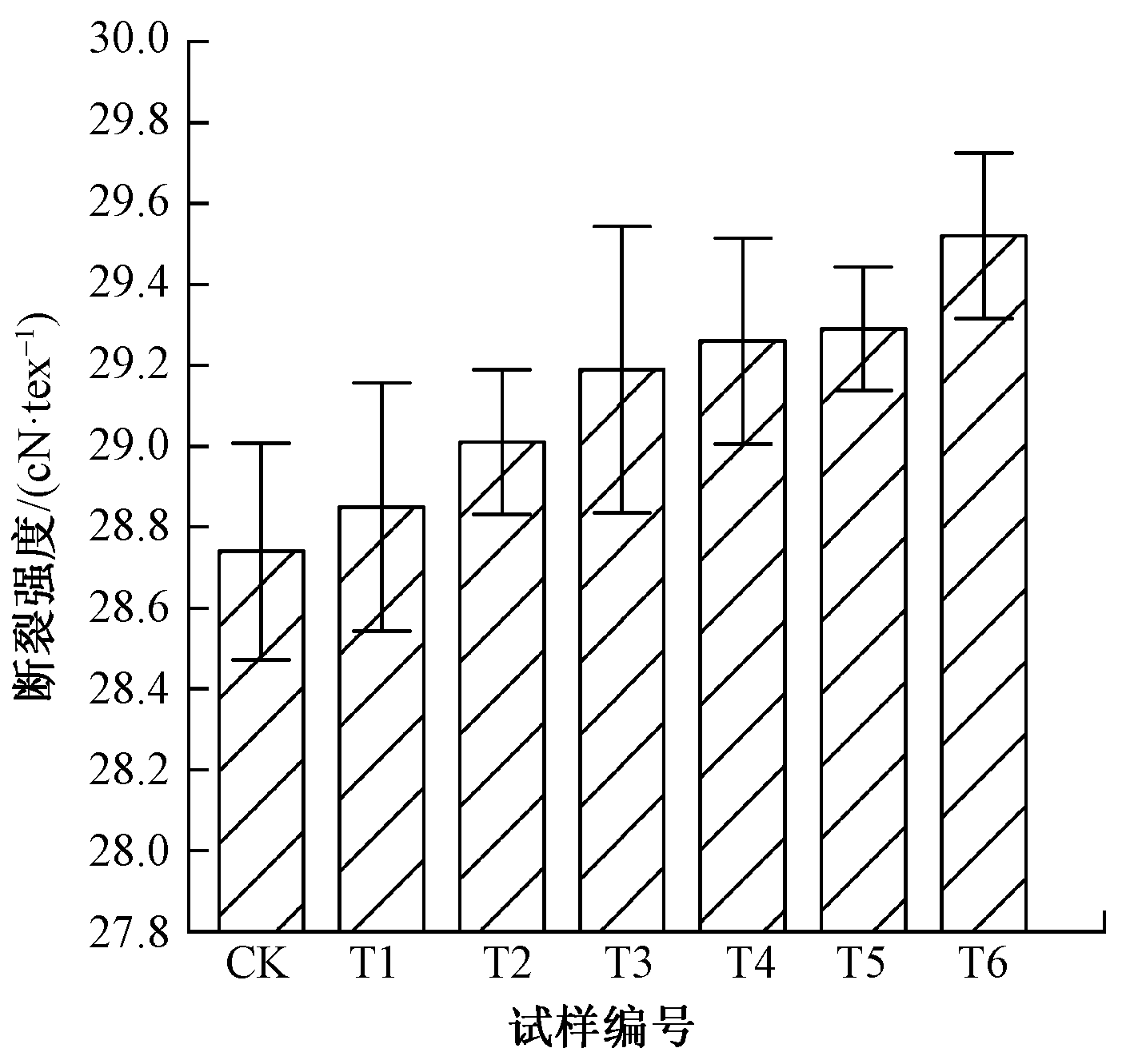
摘要: 为探究我国新疆北部棉区机采细绒棉加工过程中轧花前籽棉加湿对皮棉加工质量的影响,选取奎屯市某机采棉加工生产线,改造二道干燥单元为调湿单元,采用同一块地同一时段采摘、储存条件相同的籽棉为试验材料,以二道调湿环节空气温度为试验因素,以回潮率、含杂率、棉纤维长度、长度整齐度指数和断裂强度为棉加工质量指标,设计单因素试验分析因素对评价指标的影响。结果表明:轧花前籽棉加湿对棉花回潮率影响显著,且回潮率增加,但相比籽棉回潮率的增加量,皮棉回潮率提升的量较小;轧花前籽棉加湿对皮棉含杂率影响不显著,对皮棉棉纤维长度、长度整齐度指数及断裂强度的影响显著,且棉纤维长度、长度整齐度指数及断裂强度与棉花回潮率增加量呈正相关。
中图分类号:
| [1] |
兰雅琦, 高雷, 王秀东. 我国棉花生产集聚水平变化及影响因素分析[J]. 棉花学报, 2024, 36 (2): 101-113.
doi: 10.11963/cs20240006 |
| LAN Yaqi, GAO Lei, WANG Xiudong. Analysis of cotton production agglomeration level and influencing factors in China[J]. Cotton Science, 2024, 36 (2): 101-113. | |
| [2] | 国家统计局. 国家统计局关于2024年棉花产量的公告[EB/OL]. (2024-12-25) [2025-06-16]. https://www.stats.gov.cn/sj/zxfb/202412/t20241225_1957879.html. |
| National Bureau of Statistics. Announcement of the National Bureau of Statistics on cotton production in 2024[EB/OL]. (2024-12-25) [2024-06-16]. https://www.stats.gov.cn/sj/zxfb/202412/t20241225_1957879.html. | |
| [3] |
麻向阳, 丁宸旸, 吕新, 等. 机采棉种植模式对脱叶剂雾滴截获、脱叶效果和产量的影响[J]. 石河子大学学报(自然科学版), 2023, 41 (2): 177-185.
doi: 10.13880/j.cnki.65-1174/n.2023.23.007 |
| MA Xiangyang, DING Chenyang, LÜ Xin, et al. Effects of planting patterns on the interception of defoliant droplets, the defoliation efficiency and yield of machine-picked cotton[J]. Journal of Shihezi Univer-sity(Natural Science), 2023, 41 (2): 177-185. | |
| [4] |
龙瑶, 宋玉兰. 中国棉花补贴政策:历史演变与未来趋势[J]. 中国棉花, 2023, 50 (7): 1-7.
doi: 10.11963/cc20220226 |
| LONG Yao, SONG Yulan. China's cotton subsidy policy: historical evolution and future trend[J]. China Cotton, 2023, 50 (7): 1-7. | |
| [5] |
毛树春, 马小艳, 程思贤, 等. 我国高品质棉花产需分析与发展建议[J]. 中国棉花, 2020, 47(3):1-5.
doi: 10.11963/1000-632X.mscmsc.20200309 |
|
MAO Shuchun, MA Xiaoyan, CHENG Sixian, et al. Analysis and strategy for the production and demand of high quality cotton in China[J]. China Cotton, 2020, 47(3):1-5.
doi: 10.11963/1000-632X.mscmsc.20200309 |
|
| [6] | 鲁伟东, 颜丹丹. 试验:棉花纤维品质对纱线质量的影响[J]. 中国纤检, 2018(1):60-61. |
| LU Weidong, YAN Dandan. Effect of cotton fiber quality on properties of yarn[J]. China Fiber Inspection, 2018(1):60-61. | |
| [7] |
毛树春, 杜远仿, 张宁宁, 等. 加快建设农业强国/棉花强国的思考:走适度规模、质量兴棉和绿色兴棉的高质量可持续发展之路[J]. 中国棉花, 2024, 51(4): 1-8.
doi: 10.11963/cc20230177 |
|
MAO Shuchun, DU yuanfang, CHENG Ningning, et al. Reflections on accelerating the building of China's strength in agriculture/cotton:taking the way of moderate scale, high quality cotton prosperity and green cotton prosperity for high quality and sustainable develop-ment[J]. China Cotton, 2024, 51 (4): 1-8.
doi: 10.11963/cc20230177 |
|
| [8] | 史书伟, 向天明, 刘伟刚, 等. 棉花加工过程中回潮率对皮棉质量的影响[J]. 棉纺织技术, 2020, 48(8):19-23. |
| SHI Whuwei, XIANG Tianming, LIU Weigang, et al. Influence of moisture regain on ginned cotton quality in cotton processing[J]. Cotton Textile Technology, 2020, 48(8):19-23. | |
| [9] | 何启平. 浅谈棉花加工回潮率对棉纤维长度的影响[J]. 中国纤检, 2020(7):38-39. |
| HE Qiping. Discussion on the influence of processing moisture regain rate on cotton fiber length[J]. China Fiber Inspection, 2020(7):38-39. | |
| [10] |
谷国富. 新疆机采棉加工过程中棉花品质变化分析[J]. 中国棉花, 2017, 44(9):22-24.
doi: 10.11963/1000-632X.ggfggf.20170925 |
|
GU Guofu. Analysis of cotton quality changes during processing of machine-picked cotton in Xinjiang[J]. China Cotton, 2017, 44(9):22-24.
doi: 10.11963/1000-632X.ggfggf.20170925 |
|
| [11] | 梁后军, 谢睿, 周万怀, 等. 机采棉加工过程对棉纤维长度及短纤维指数的影响[J]. 中国纤检, 2017(12):127-130. |
| LIANG Houjun, XIE Rui, ZHOU Wanhuai, et al. The effect of machine picking cotton processing technic on cotton length and short fiber index[J]. China Fiber Inspection, 2017(12):127-130. | |
| [12] | 冯永新, 王志新, 王拥政. 奎屯地区干旱气候变化的特征分析[J]. 新疆气象, 2006(2):6-7. |
| FENG Yongxin, WANG Zhixin, WANG Yongzheng. Characters of drought climate changing in Kuitun area[J]. Bimonthly of Xinjiang Meteorology, 2006(2):6-7. | |
| [13] | 史书伟, 秦建锋. 籽棉含水率控制[J]. 中国棉花加工, 2018(1): 26-31. |
| SHI Shuwei, QIN Jianfeng. Seed cotton moisture control[J]. China Cotton Processing, 2018(1): 26-31. | |
| [14] | HARDIN R G I, BARNES E M, VALCO T D, et al. Engineering and ginning: effects of gin machinery on cotton quality[J]. Journal of Cotton Science, 2018, 22(1):36-46. |
| [15] | 徐红, 单小红. 棉花检验与加工[M]. 北京: 中国纺织出版社, 2006:180-196. |
| XU Hong, SHAN Xiaohong. Cotton inspection and processing[M]. Beijing: China Textile & Apparel Press, 2006:180-196. | |
| [16] | BYLER R K. Historical review on the effect of moisture content and the addition of moisture to seed cotton before ginning on fiber length[J]. Journal of Cotton Science, 2006, 10(4):107-156. |
| [1] | 朱蕾, 李勇, 陈晓川, 汪军. 基于分形与三维编织理论的棉纤维集合体梳理过程有限元建模与仿真[J]. 纺织学报, 2024, 45(11): 65-72. |
| [2] | 魏喜梅, 张莹洁, 张宏文, 王军, 王蒙. 压缩籽棉对棉籽破碎率及纤维品质的影响[J]. 纺织学报, 2024, 45(10): 39-47. |
| [3] | 胡胜, 王紫悦, 张守京. 异纤分拣机输棉通道结构对气流稳定性的影响[J]. 纺织学报, 2024, 45(09): 194-203. |
| [4] | 白恩龙, 张周强, 郭忠超, 昝杰. 基于机器视觉的棉花颜色检测方法[J]. 纺织学报, 2024, 45(03): 36-43. |
| [5] | 师红宇, 位营杰, 管声启, 李怡. 基于残差结构的棉花异性纤维检测算法[J]. 纺织学报, 2023, 44(12): 35-42. |
| [6] | 高波, 吴菊明, 朱博, 王静安, 高卫东. 浆纱烘燥过程改善毛羽贴伏的方法及其效果[J]. 纺织学报, 2023, 44(12): 67-72. |
| [7] | 周宇阳, 王旭斌, 曹巧丽, 李豪, 钱丽莉, 郁崇文. 双组分混纺纱断裂比功与混纺比的关系[J]. 纺织学报, 2023, 44(10): 39-47. |
| [8] | 李久刚, 金鑫鹏, 邓文韬, 秦雪, 张贺, 黄丛, 刘可帅. 氧化铝纱线的合股数与捻度对其强度的影响[J]. 纺织学报, 2023, 44(10): 48-52. |
| [9] | 胡亦雯, 唐虹, 唐天一, 魏书涛. 仿松球叶片结构面料的制备及其调湿性能[J]. 纺织学报, 2023, 44(08): 118-125. |
| [10] | 吴佳庆, 王怡婷, 何欣欣, 郭亚飞, 郝新敏, 王迎, 宫玉梅. 混纺比对生物基锦纶56短纤/棉混纺纱力学性能的影响[J]. 纺织学报, 2023, 44(03): 49-54. |
| [11] | 张青青, 倪远, 汪军, 张玉泽, 江慧. 转轮集聚纺纱装置与工艺设计[J]. 纺织学报, 2023, 44(02): 83-89. |
| [12] | 陆浩杰, 李曼丽, 金恩琪, 张宏伟, 周赳. 基于弧形电容器的浆纱回潮率在线测量[J]. 纺织学报, 2023, 44(01): 201-208. |
| [13] | 杜璇, 丁长坤, 岳程飞, 苏杰梁, 闫旭焕, 程博闻. 凝固浴对再生胶原纤维结构与性能的影响[J]. 纺织学报, 2022, 43(09): 58-63. |
| [14] | 吴帆, 李勇, 陈晓川, 汪军, 徐敏俊. 基于三维编织模型的棉纤维集合体压缩过程有限元建模与仿真[J]. 纺织学报, 2022, 43(09): 89-94. |
| [15] | 倪敬达. 给棉方式对高产梳棉机刺辊梳理效果的影响[J]. 纺织学报, 2022, 43(08): 7-11. |
|
||
 京公网安备11010502044800号