纺织学报 ›› 2026, Vol. 47 ›› Issue (1): 231-239.doi: 10.13475/j.fzxb.20250504401

• 机械与设备 • 上一篇    下一篇

立体编织机虚拟仿真软件的开发

付睿云1(), 吴垠舟2   

  1. 1.上海开放大学 浦东东校, 上海 201200
    2.杭州萧山技师学院 智能设计与制造学院, 浙江 杭州 311201
  • 收稿日期:2025-05-26 修回日期:2025-08-25 出版日期:2026-01-15 发布日期:2026-01-15
  • 作者简介:付睿云(1991—),男,讲师,硕士。主要研究方向为编织机控制系统及机械设计。E-mail:fu.ruiyun@qq.com
  • 基金资助:
    上海市浦东新区教育科学研究课题项目(2024D055)

Development of virtual simulation software for three-dimensional braiding machines

FU Ruiyun1(), WU Yinzhou2   

  1. 1. East Pudong Branch, Shanghai Open University, Shanghai 201200, China
    2. College of Intelligent Design and Manufacturing, Hangzhou Xiaoshan Technician College, Hangzhou, Zhejiang 311201, China
  • Received:2025-05-26 Revised:2025-08-25 Published:2026-01-15 Online:2026-01-15

摘要:

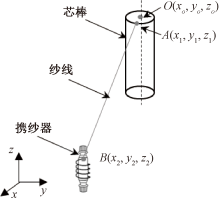
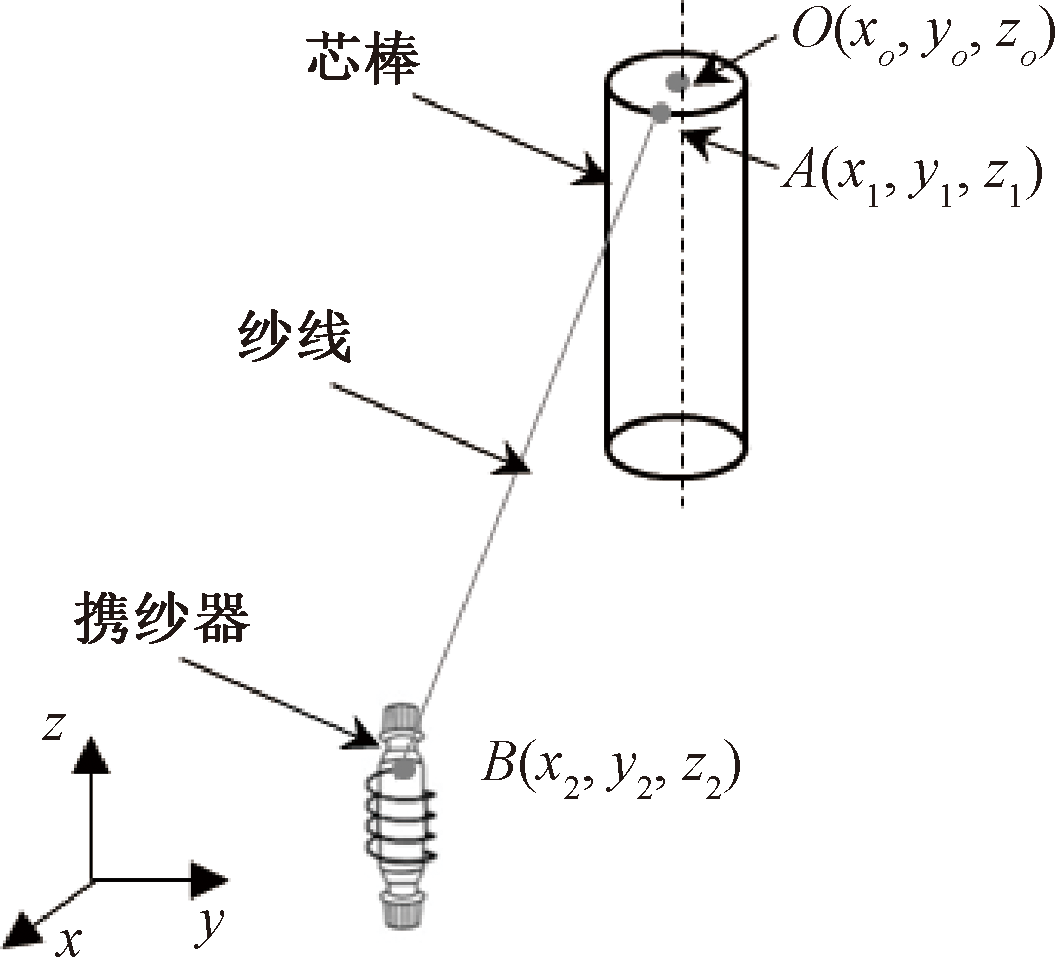
为快速、高效实现立体编织技术机电仿一体化设计,对六角式与旋转式编织原理进行分析,根据2种编织方式的共性,基于笛卡尔坐标系对编织机底盘进行建模,推导出携纱器在底盘上的运动矩阵,进而获取纱线的运动数据。在此基础上,将编织工艺转换为携纱器在底盘上的位置变换信息,构建了压线矩阵,为纱线在芯棒上的交织判断提供了依据,并利用NURBS曲线对纱线形态实现精确表达。针对芯棒上纱线的生成方式,提出了一种基于缠绕和解旋2种状态的纱线有限单元处理方法,实现纱线三维动态生成。接着,以实际编织机为对象,采用Qt Toolkit开发适用于2种编织工艺的虚拟立体编织软件。最后,利用工业Computed Tomography设备,对10种编织物的三维理论模型与实际产物对比分析,结果显示纱线压线情况高度一致,且在直径和长度方面的平均误差为3%~6%,从而验证了所提算法的准确性,为立体编织技术的推广奠定了坚实基础。

关键词: 立体编织, 旋转式编织, 六角式编织, 纱线形态, 虚拟仿真

Abstract:

Objective In view of the problems existing in the current three-dimensional braiding virtual simulation technology, such as the asynchrony between reverse modeling and the actual manufacturing process, the difficulty of conventional yarn models adapting to multi-layer and multi-yarn braiding, and the disconnection between algorithms and electromechanical systems, a yarn finite element processing method based on the dual states of winding and unwinding is proposed to achieve real-time synchronization of the braiding process and the simulation model, and then a mechatronic simulation system suitable for hexagonal and rotary braiding machines is developed, so as to enhance the universality and practicability of virtual braiding software in engineering applications.

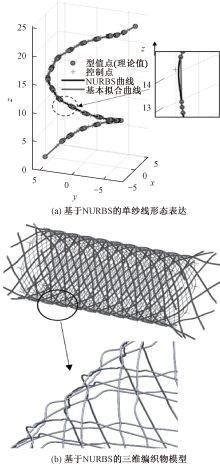
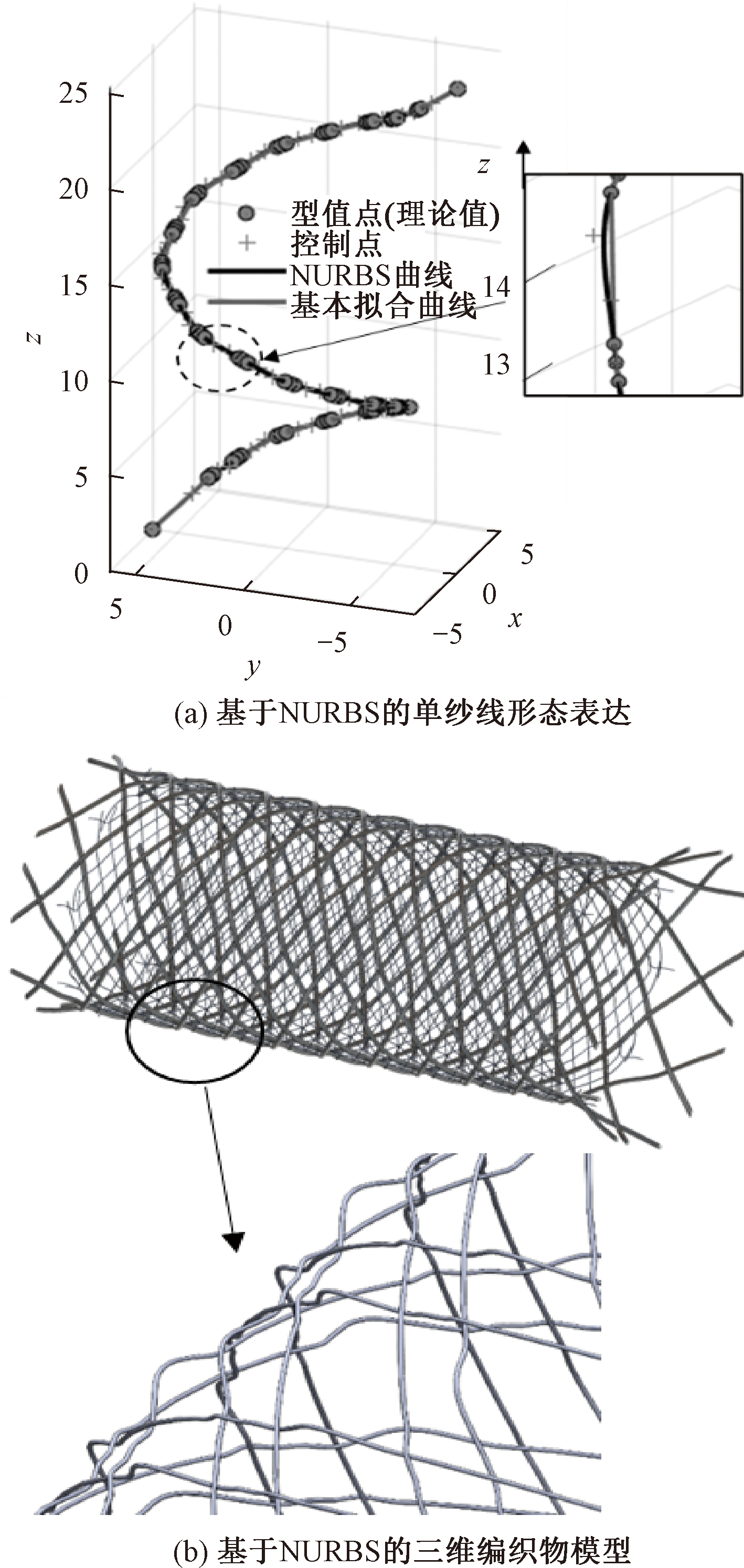
Method The principles of hexagonal and rotary braiding were analyzed. Based on the commonalities of these two braiding methods, a mathematical model of the braiding machine base was established using the Cartesian coordinate system. The motion matrix of the yarn carrier on the base was derived, thereby obtaining the motion data of the yarn. Then, the braiding process was transformed into the position change information of the yarn carriers, and a pressing matrix was constructed to provide a basis for the interlacing judgment of the yarn on the mandrel. Based on the above analysis, the shape of the yarn was accurately expressed using NURBS curves. A yarn finite element processing method based on winding and unwinding states was proposed for the generation of yarn on the mandrel, enabling the three-dimensional dynamic generation of yarn. Taking a real braiding machine composed of 32 angle wheels and 32 dials as the development object, a virtual three-dimensional braiding software suitable for both braiding processes was developed using the Qt Toolkit. Finally, the three-dimensional theoretical models of 10 sets of braided materials produced by the prototype machine were compared with the actual products using industrial Computed Tomography equipment.

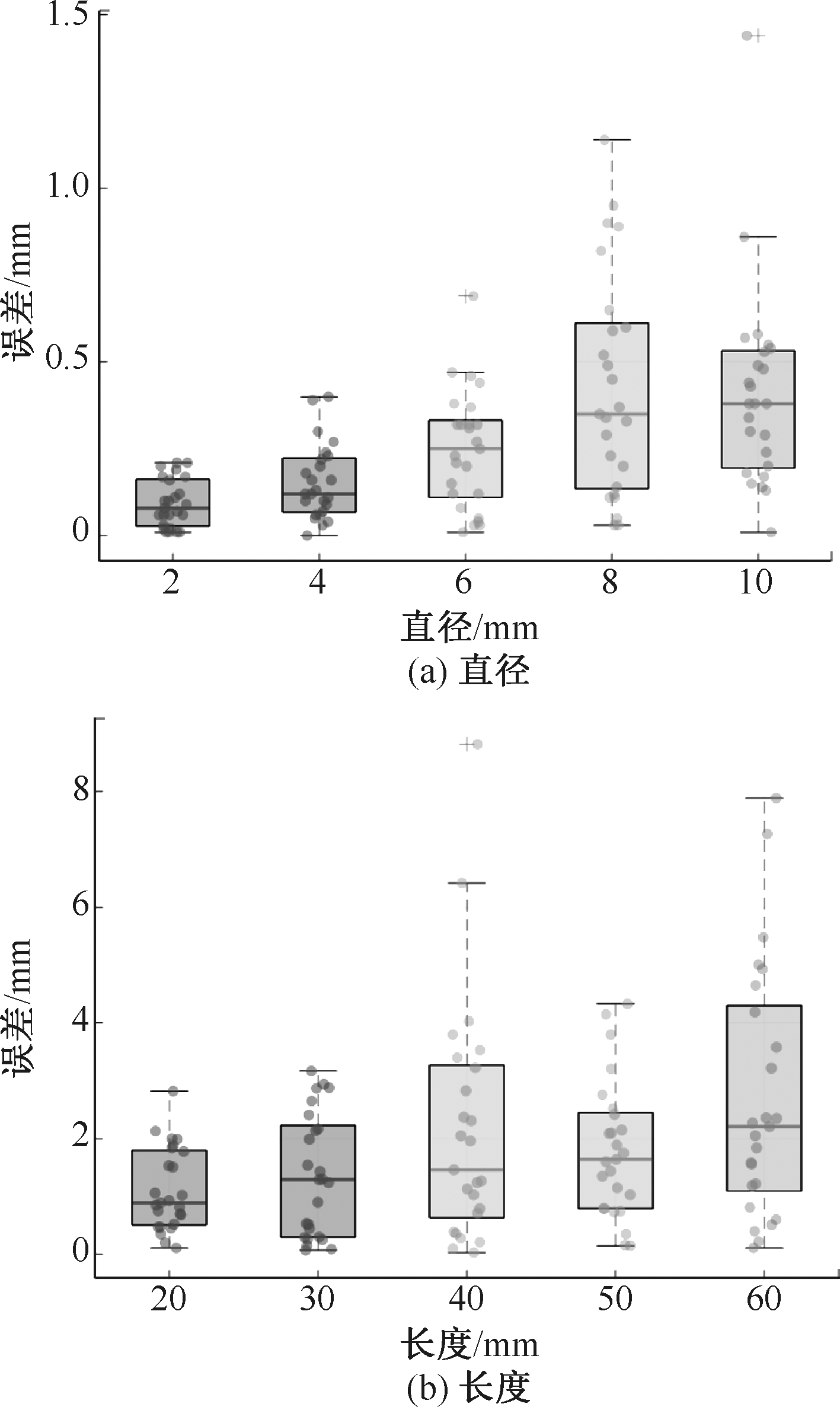
Results The yarn generated using NURBS curves can change the local curvature of the yarn with a small number of control points, meeting the multi-layered development requirements of the fabric. The proposed winding and unwinding yarn finite element generation methods can simply and quickly achieve the three-dimensional dynamic generation of yarn. The comparison of 10 sets of three-dimensional theoretical models of braided materials with the actual products showed a high degree of consistency in yarn pressing, with an average error of only 3%-6% in diameter and length.

Conclusion The accuracy of the software algorithm was verified through practical examples, achieving the application of one machine in hexagonal and rotary braiding. The software can also be integrated with other conventional industrial software for secondary development, enabling it to be endowed with material properties and pre-assessment performance, thereby realizing the integrated electromechanical simulation design of three-dimensional braiding.

Key words: three-dimensional braiding, rotary braiding, hexagonal braiding, yarn expression, virtual simulation

中图分类号: 

  • TP273

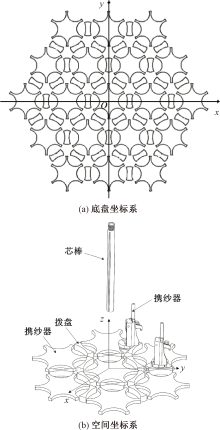
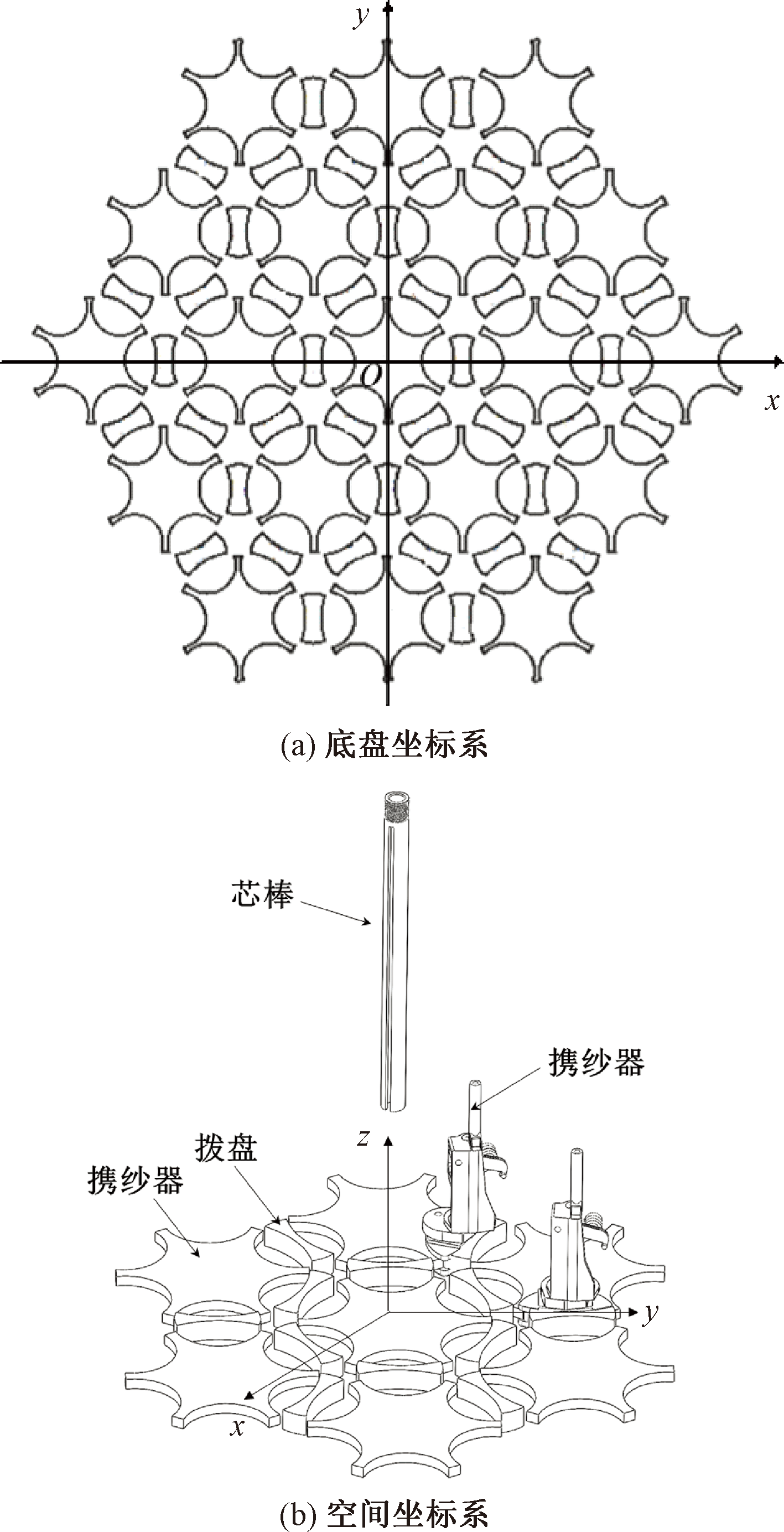
图1

六角编织机坐标化"

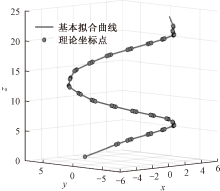
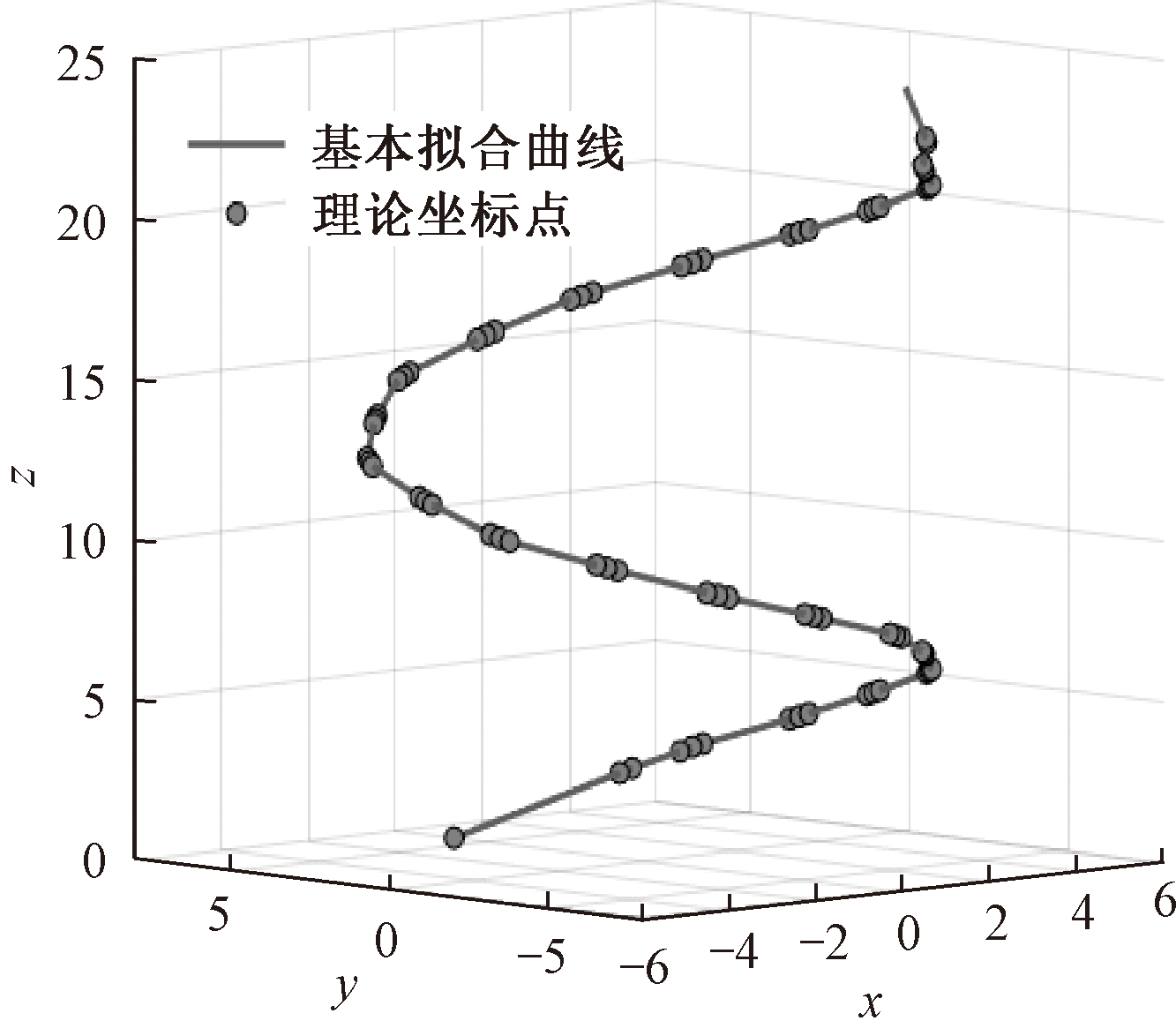
图2

单根纱线的空间轨迹"

图3

携纱器相对运动矩阵说明"

图4

仿真软件中纱线压线示意图"

图5

基于NURBS的纱线表达"

图6

纱线初始状态"

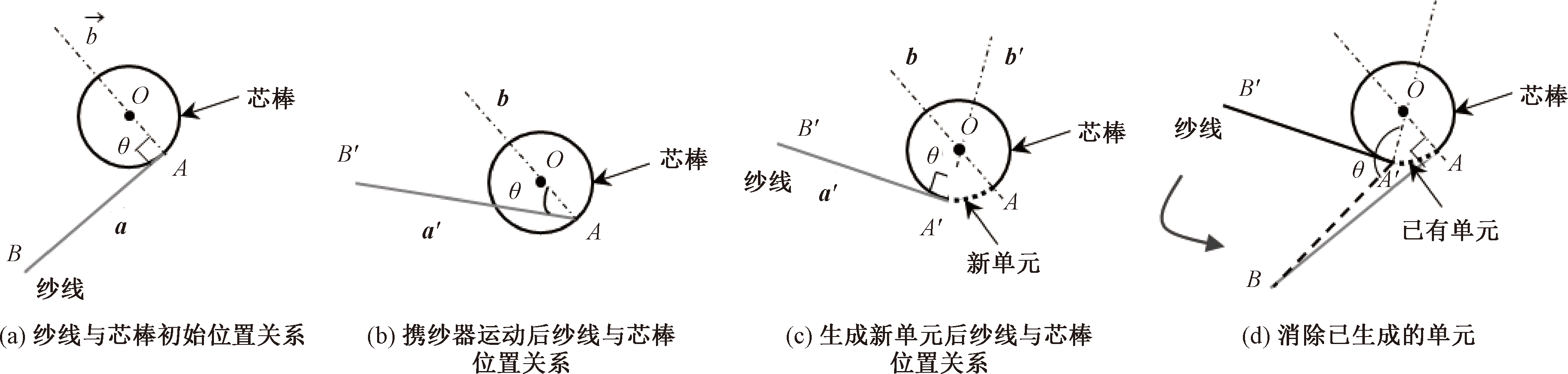
图7

纱线单元处理"

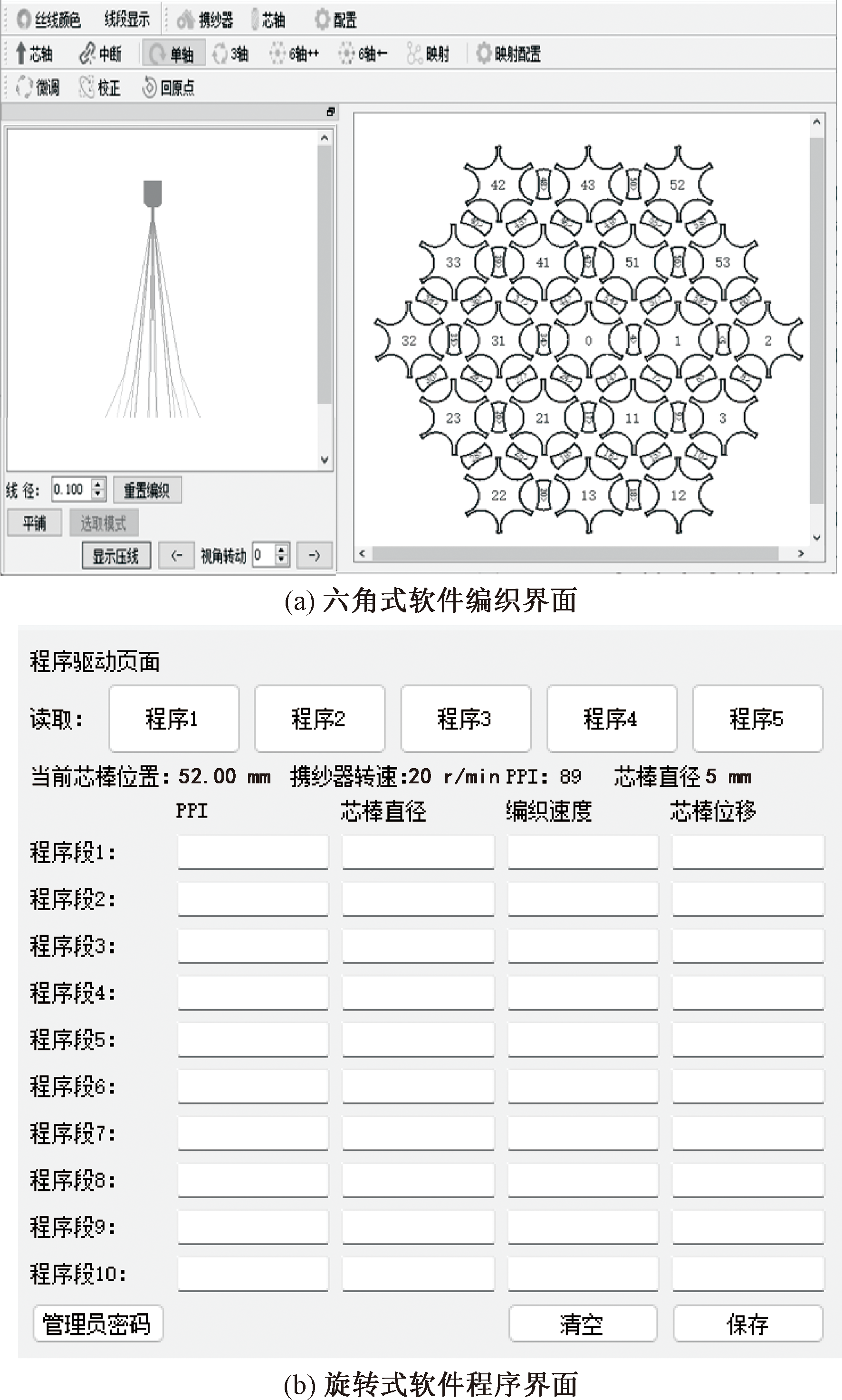
图8

虚拟编织界面"

图9

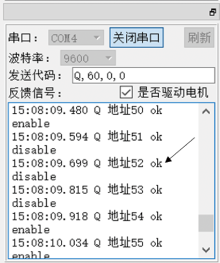
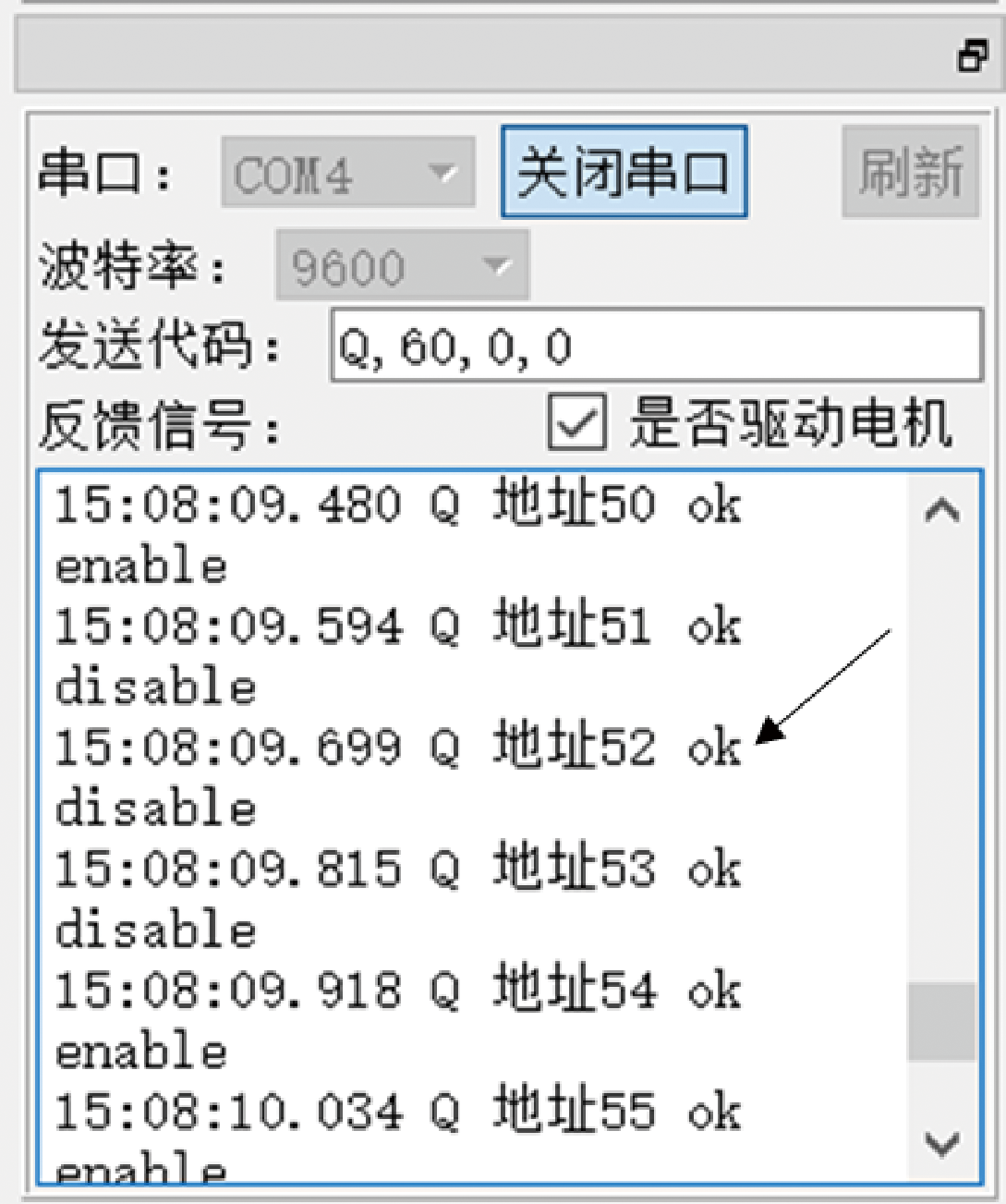
电动机建立通信结果"

图10

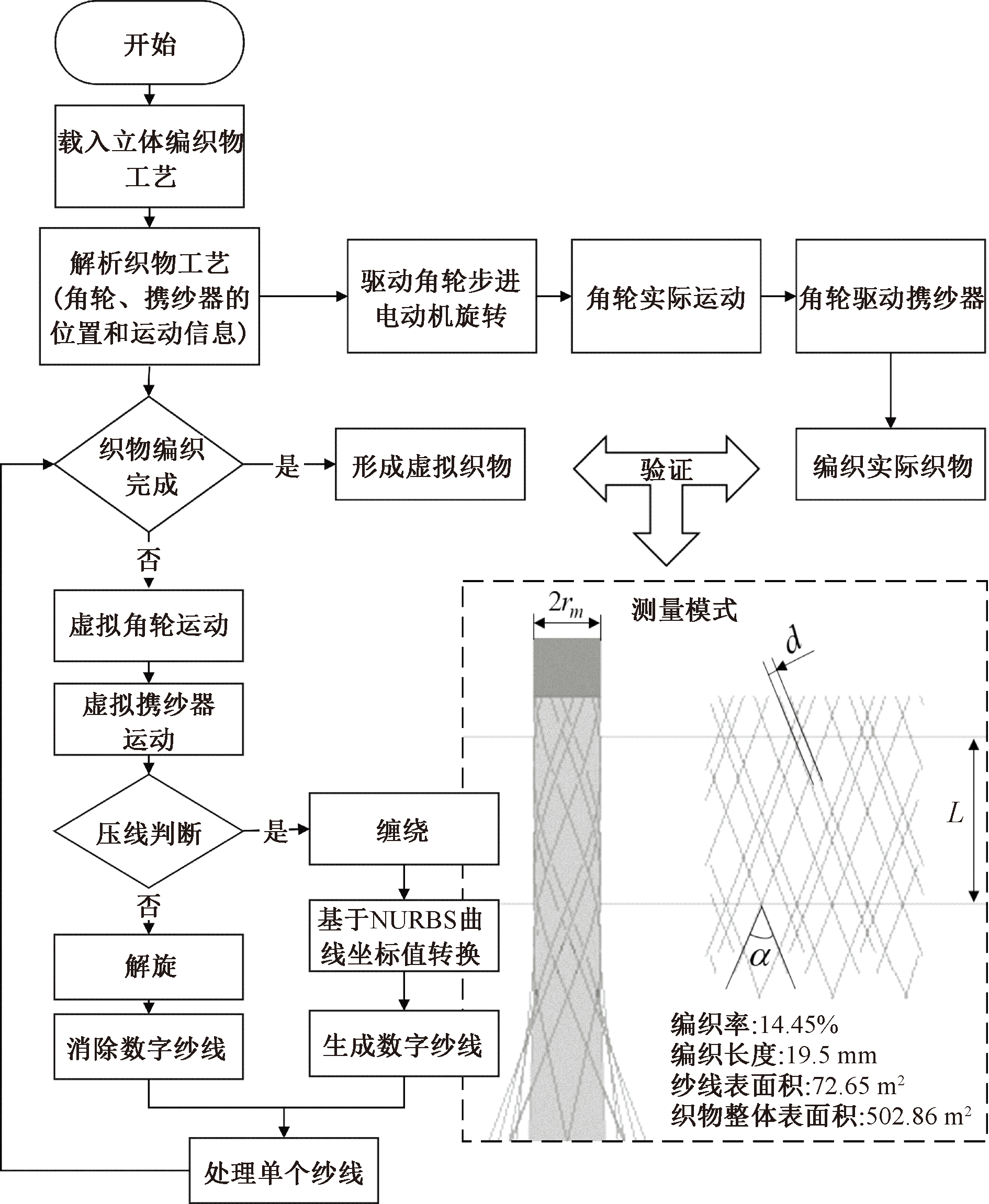
软件运行程序流程图"

图11

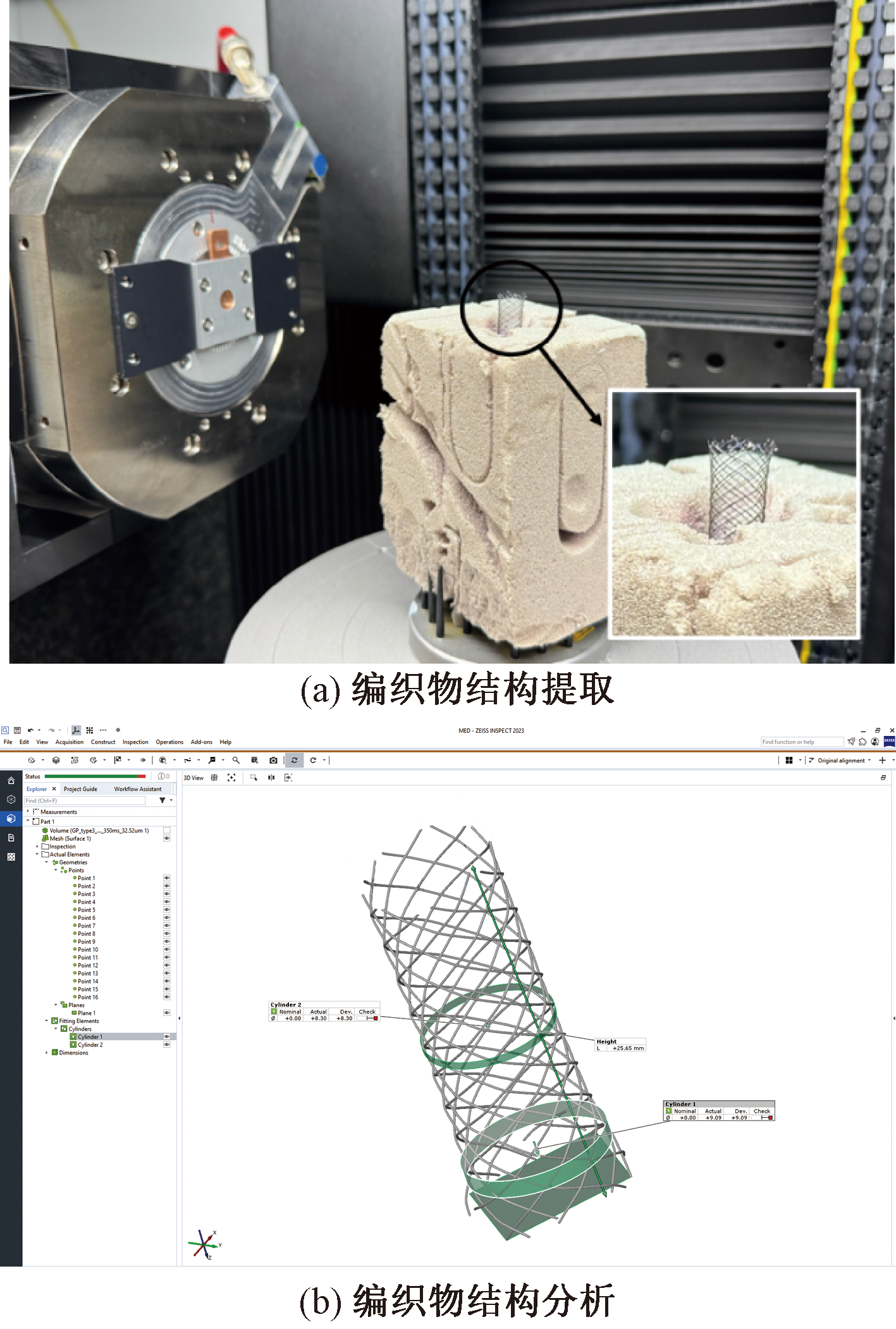
CT设备检测编织物结构"

图12

编织物误差箱图及散点图"

[1] 徐杰. T型截面三维编织关键技术的研究和编织设备的设计[D]. 上海: 东华大学, 2019: 10-12.
XU Jie. Research on the key technology of T-section therr-dimensional braiding and design the braiding equipeng[D]. Shanghai: Donghua University, 2019: 10-12.
[2] KYOSEV Y. Braiding technology for textiles[M]. Cambridge: Elsevier/Woodhead Publish, 2015:1-23.
[3] 吕海辰, 李政宁, 陈革, 等. 六角形三维编织物结构的MatLab仿真及优化[J]. 东华大学学报(自然科学版), 2020, 46(1): 23-28, 59.
LÜ Haichen, LI Zhengning, CHEN Ge, et al. Model simulation and optimization of hexagonal three-dimensional braiding fabric based on MatLab[J]. Journal of Donghua University (Natural Science), 2020, 46(1): 23-28, 59.
[4] 丁彩红, 顾馨, 卢晨雨. 血管支架预制件的六角形三维虚拟编织[J]. 纺织学报, 2024, 45(3): 65-73.
DING Caihong, GU Xin, LU Chenyu. Hexagonal three-dimensional virtual braiding of vascular stent preforms[J]. Journal of Textile Research, 2024, 45(3): 65-73.
[5] 吴皓, 丁彩红, 顾馨. 管状织物的六角形三维虚拟编织技术[J]. 现代纺织技术, 2025, 33(3): 70-80.
WU Hao, DING Caihong, GU Xin. Hexagonal three-dimensional virtual braiding technology for tubular braiding[J]. Advanced Textile Technology, 2025, 33(3): 70-80.
[6] 李政宁. 六角形编织立体织物成形原理及其复合材料性能研究[D]. 上海: 东华大学, 2019: 55-59.
LI Zhengning. Study on the forming principles of 3D hexagonal braided fabric and its composite proper-ties[D]. Shanghai: Donghua University, 2019: 55-59.
[7] ALPYILDIZ T. 3D geometrical modelling of tubular braids[J]. Textile Research Journal, 2012, 82(5): 443-453.
doi: 10.1177/0040517511427969
[8] 付睿云, 周炯, 吴垠舟. 基于BP神经网络的六角编织机控制策略[J]. 毛纺科技, 2025, 53(1): 104-110.
FU Ruiyun, ZHOU Jiong, WU Yinzhou. Control strategy of hexagonal braiding machine based on BP neural network[J]. Wool Textile Journal, 2025, 53(1): 104-110.
[9] LAGRECA R, DANIEL M, BAC A. Local deformation of NURBS curves[J]. Mathematical Methods for Curves and Surfaces, 2004(243):1-10.
[10] CHOI B K, YOO W S, LEE C S. Matrix representation for NURB curves and surfaces[J]. Computer-Aided Design, 1990, 22(4): 235-240.
doi: 10.1016/0010-4485(90)90052-E
[11] 常辰玉, 卢致文, 刘锋, 等. NURBS曲线反算不同参数取值法在纬平针织物仿真中的比较[J]. 毛纺科技, 2023, 51(1): 99-105.
CHANG Chenyu, LU Zhiwen, LIU Feng, et al. Comparison of NURBS curve inverse calculation with different parameter values in simulation of jersey fabric[J]. Wool Textile Journal, 2023, 51(1): 99-105.
[1] 董智佳, 孙菲, 丛洪莲, 俞旭良. 低损耗纬编成形女士背心的结构设计与建模[J]. 纺织学报, 2022, 43(07): 129-134.
[2] 蒋高明 高哲. 针织新技术发展现状与趋势[J]. 纺织学报, 2017, 38(12): 169-176.
[3] 张玉井 孟婥 苏柳元 孙以泽. 立体编织机机头工况设计与声振耦合仿真[J]. 纺织学报, 2017, 38(02): 170-176.
[4] 楼亚芳;张祖芳. 基于虚拟仿真的服装缝制流水线优化[J]. 纺织学报, 2006, 27(6): 55-57.
[5] 曹红蓓;王君泽;瞿畅;刘春元. 管状立体编织物三维动画仿真探索[J]. 纺织学报, 2004, 25(05): 71-73.
[6] 王瑞;王广峰. 纯棉弹力织物及其弹性伸长率的预测[J]. 纺织学报, 2002, 23(05): 13-14.
Viewed
Full text


Abstract

Cited

  Shared   
  Discussed   
No Suggested Reading articles found!