纺织学报 ›› 2025, Vol. 46 ›› Issue (03): 56-63.doi: 10.13475/j.fzxb.20240301901
白雨薇, 徐健( ), 朱耀麟, 丁展博, 刘晨雨
BAI Yuwei, XU Jian(), ZHU Yaolin, DING Zhanbo, LIU Chenyu
摘要:
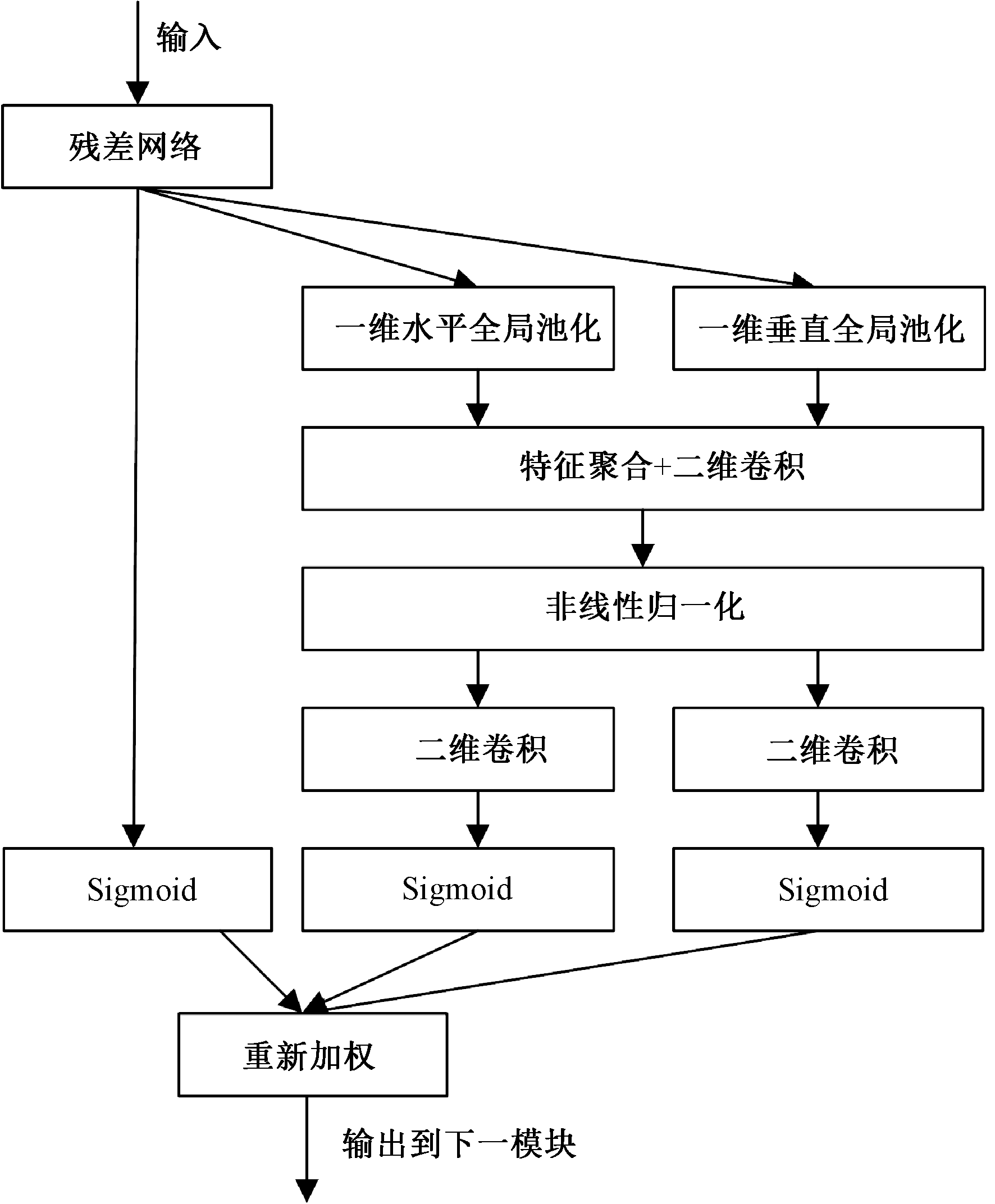
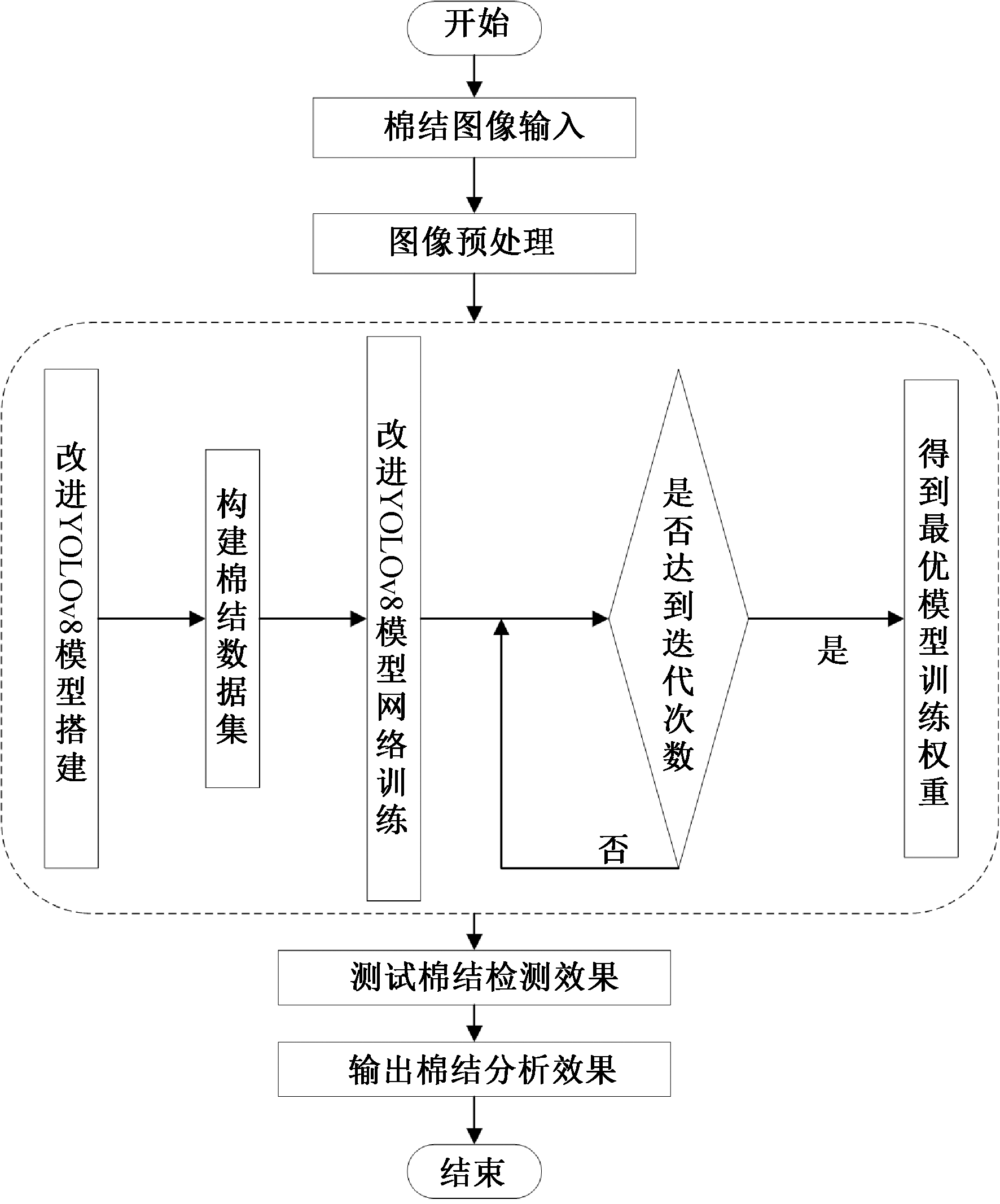
针对基于深度学习的棉结目标检测模型占用过多计算资源、难以满足嵌入式设备及移动端的实时在线检测的问题,提出基于改进型YOLOv8的梳棉机棉网上棉结检测方法。首先,将轻量型网络MobileNetv3_Small用作YOLOv8n骨干网络,降低计算参数量;其次,在MobileNetv3网络中使用自改进协调注意力机制(coordinate attention)模块替换原有的压缩和激励(squeeze-and-excitation) 注意力机制模块,提升对棉结的检测精度;最后,使用EIoU损失函数取代原YOLOv8n中的CIoU损失函数,在处理数据时保留更多有效信息。在自制棉结图像数据集上验证改进型YOLOv8算法的检测效果,结果表明:基于改进型YOLOv8的检测方法平均准确率均值达到95.8%,相较于改进前提升了2.6%;参数量减少了34.2%。改进后算法的检测效果更好,且模型更加轻量,可满足嵌入式设备的使用。
中图分类号:
| [1] | 董奎勇. 中国棉纺织工业发展历程与创新之路[J]. 棉纺织技术, 2023, 51(10):5-13. |
| DONG Kuiyong. Development course and innovation road of china cotton textile industry[J]. Cotton Textile Technology, 2023, 51 (10):5-13. | |
| [2] | 倪锦文. 纱线棉结形成原因的研究与减少措施的探索[D]. 天津: 天津工业大学, 2017:10. |
| NI Jinwen. Study on the causes of yarn neps formation and exploration of measures to reduce them[D]. Tianjin: Tiangong University, 2017:10. | |
| [3] | 陈玉峰, 周茂榕. 梳棉工序棉结与短绒控制的矛盾分析[J]. 棉纺织技术, 2018, 46 (12): 9-12. |
| CHEN Yufeng, ZHOU Maorong. Contradiction analysis of nep and short fiber control in carding process[J]. Cotton Textile Technology, 2018, 46 (12): 9-12. | |
| [4] | 王延蒙, 付晓艳, 张朝彪. 基于线阵CCD的纱线常发性疵点检测研究[J]. 纺织器材, 2022, 49 (6): 5-8. |
| WANG Yanmeng, FU Xiaoyan, ZHANG Chaobiao. Research on yarn recurrent defect detection based on linear CCD[J]. Textile Accessories, 2022, 49 (6): 5-8. | |
| [5] | 周建, 潘如如, 高卫东. 机器视觉在纺织中的应用现状与发展趋势[J]. 棉纺织技术, 2019, 47(2):15-17. |
| ZHOU Jian, PAN Ruru, GAO Weidong. Application status and development trend of machine vision in textile industry[J]. Cotton Textile Technology, 2019, 47 (2):15-17. | |
| [6] | 陈俊琰. 梳棉机棉网质量计算机视觉检测系统研究[D]. 上海: 东华大学, 2014:53. |
| CHEN Junyan. Study on computer vision inspection system for web quality of carding machine[D]. Shanghai: Donghua University, 2014:53. | |
| [7] | HOWARD A, SANDLER M, CHU G, et al. Searching for MobileNetV3[C]// Proceedings of the IEEE/CVF International Conference on Computer Vision (ICCV). Seoul: IEEE, 2019:1314-1324. |
| [8] |
HU J, SHEN L, ALBANIE S, et al. Squeeze-and-Excitation networks[J] IEEE Transactions on Pattern Analysis and Machine Intelligence, 2020, 42(8): 2011-2023.
doi: 10.1109/TPAMI.2019.2913372 pmid: 31034408 |
| [9] | ZHENG Zhaohui, WANG Ping, REN Dongwei, et al. Enhancing geometric factors in model learning and inference for object detection and instance segmentation[J]. IEEE Transactions on Cybernetics, 2021, 52(8): 8574-8586. |
| [10] | ZHANG Yifan, REN Weiqiang, ZHANG Zhang, et al. Focal and efficient IOU loss for accurate bounding box regression[J]. Neurocomputing, 2022, 506: 146-157. |
| [11] | 徐健, 胡道杰, 刘秀平, 等. 基于改进型RFB-MobileNetV3的棉杂图像检测[J]. 纺织学报, 2023, 44(1):179-187. |
| XU Jian, HU Daojie, LIU Xiuping, et al. Cotton clutter detection based on improved RFB-MobileNetV3[J]. Journal of Textile Research, 2023, 44(1):179-187. | |
| [12] | 陈海永, 刘新如. 交叉门控融合的改进语义分割网络及应用[J]. 重庆理工大学学报(自然科学), 2023, 37(6):187-195. |
| CHEN Haiyong, LIU Xinru. Improved semantic segmentation network based on cross-gated fusion and its application[J]. Journal of Chongqing University of Technology (Natural Science Edition), 2023, 37(6):187-195. |
| [1] | 黄小源, 侯珏, 杨阳, 刘正. 基于改进深度学习模型的高精度服装样板自动生成[J]. 纺织学报, 2025, 46(02): 236-243. |
| [2] | 蔡丽玲, 王梅, 邵一兵, 陈炜, 曹华卿, 季晓芬. 基于改进堆叠生成对抗网络的传统汉服智能定制推荐[J]. 纺织学报, 2024, 45(12): 180-188. |
| [3] | 刘燕萍, 郭佩瑶, 吴莹. 面向织物疵点检测的深度学习技术应用研究进展[J]. 纺织学报, 2024, 45(12): 234-242. |
| [4] | 李杨, 张永超, 彭来湖, 胡旭东, 袁嫣红. 基于改进甲壳虫全域搜索算法的机织物疵点检测[J]. 纺织学报, 2024, 45(10): 89-94. |
| [5] | 陆寅雯, 侯珏, 杨阳, 顾冰菲, 张宏伟, 刘正. 基于姿态嵌入机制和多尺度注意力的单张着装图像视频合成[J]. 纺织学报, 2024, 45(07): 165-172. |
| [6] | 朱凌云, 王晨宇, 赵悦莹. 基于多度量多模型图像投票的织物表面瑕疵检测方法[J]. 纺织学报, 2024, 45(06): 89-97. |
| [7] | 文嘉琪, 李新荣, 冯文倩, 李瀚森. 印花面料的边缘轮廓快速提取方法[J]. 纺织学报, 2024, 45(05): 165-173. |
| [8] | 陆伟健, 屠佳佳, 王俊茹, 韩思捷, 史伟民. 基于改进残差网络的空纱筒识别模型[J]. 纺织学报, 2024, 45(01): 194-202. |
| [9] | 池盼盼, 梅琛楠, 王焰, 肖红, 钟跃崎. 基于边缘填充的单兵迷彩伪装小目标检测[J]. 纺织学报, 2024, 45(01): 112-119. |
| [10] | 李学良, 杜玉红, 任维佳, 左恒力. 基于近红外光谱和残差神经网络的异性纤维分类识别[J]. 纺织学报, 2023, 44(05): 84-92. |
| [11] | 杨宏脉, 张效栋, 闫宁, 朱琳琳, 李娜娜. 一种高鲁棒性经编机上断纱在线检测算法[J]. 纺织学报, 2023, 44(05): 139-146. |
| [12] | 顾冰菲, 张健, 徐凯忆, 赵崧灵, 叶凡, 侯珏. 复杂背景下人体轮廓及其参数提取[J]. 纺织学报, 2023, 44(03): 168-175. |
| [13] | 李杨, 彭来湖, 李建强, 刘建廷, 郑秋扬, 胡旭东. 基于深度信念网络的织物疵点检测[J]. 纺织学报, 2023, 44(02): 143-150. |
| [14] | 王斌, 李敏, 雷承霖, 何儒汉. 基于深度学习的织物疵点检测研究进展[J]. 纺织学报, 2023, 44(01): 219-227. |
| [15] | 徐健, 胡道杰, 刘秀平, 韩琳, 闫焕营. 基于改进型RFB-MobileNetV3的棉杂图像检测[J]. 纺织学报, 2023, 44(01): 179-187. |
|
||
 京公网安备11010502044800号