纺织学报 ›› 2025, Vol. 46 ›› Issue (04): 47-55.doi: 10.13475/j.fzxb.20240603201
张文丽1,2, 刘鑫1,2, 张俏俏1,2, 支超1,2, 李建伟2,3, 樊威1,2( )
)
ZHANG Wenli1,2, LIU Xin1,2, ZHANG Qiaoqiao1,2, ZHI Chao1,2, LI Jianwei2,3, FAN Wei1,2()
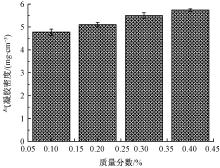
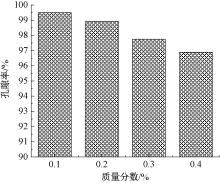
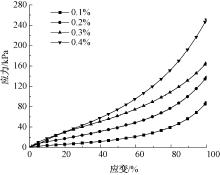
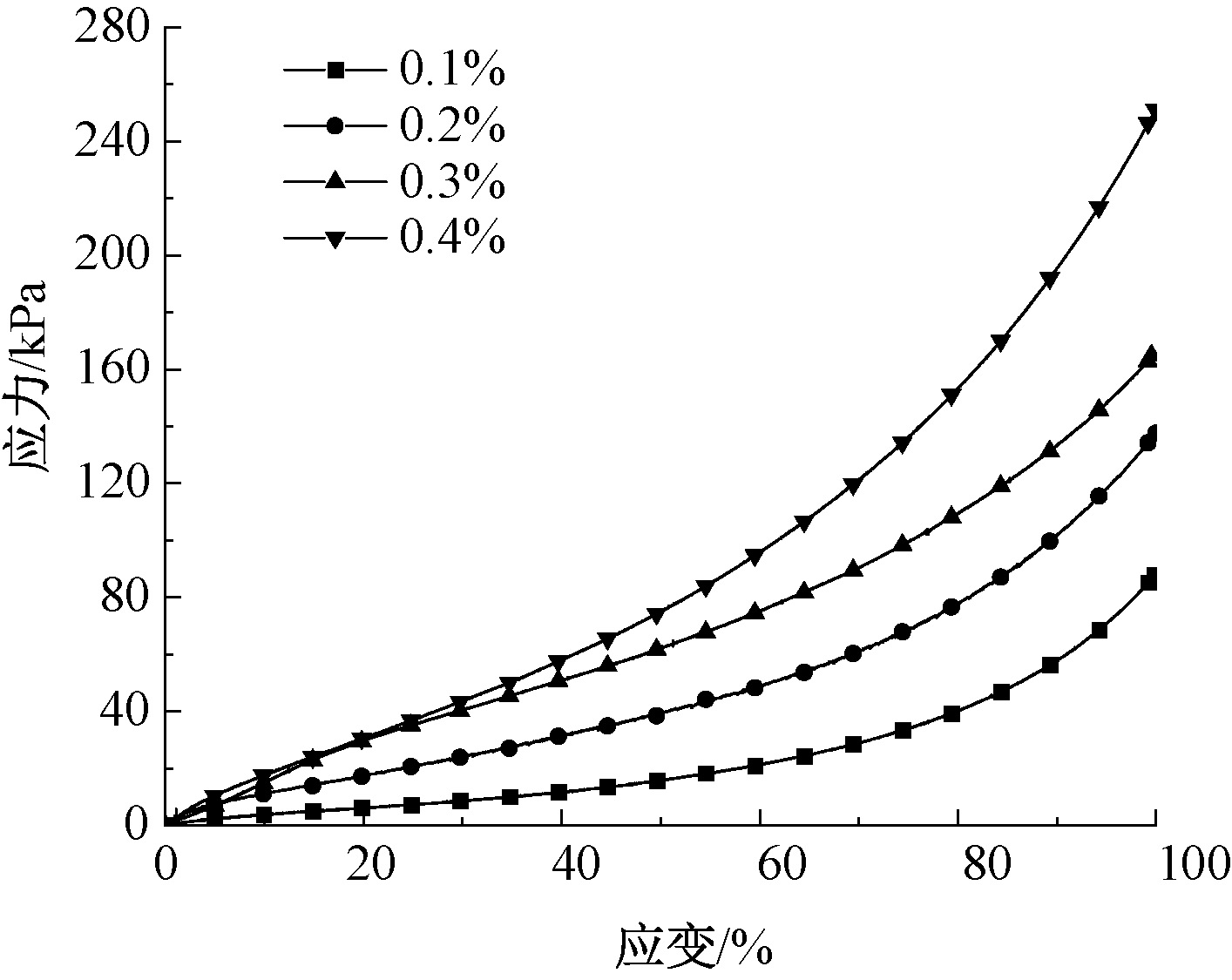
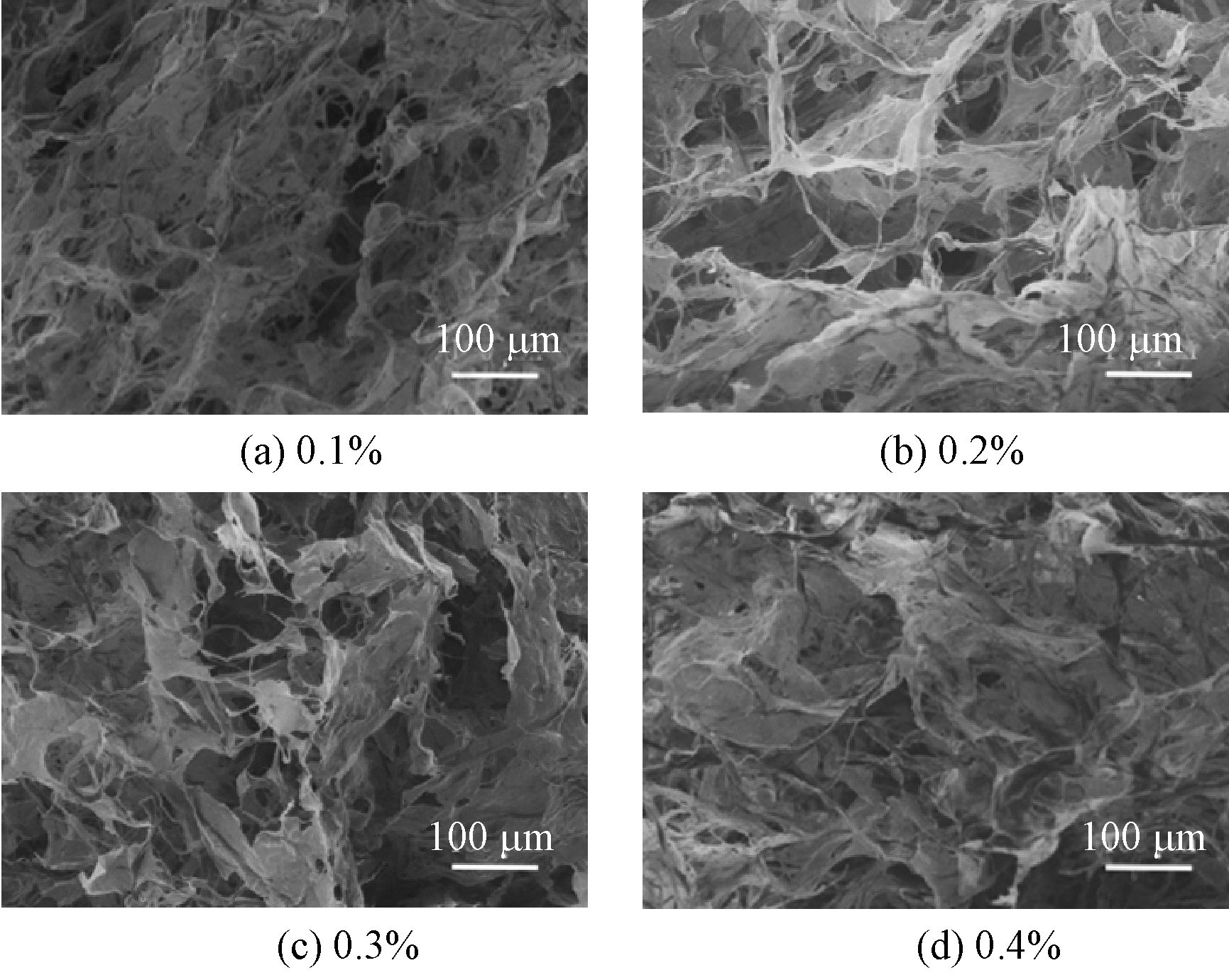
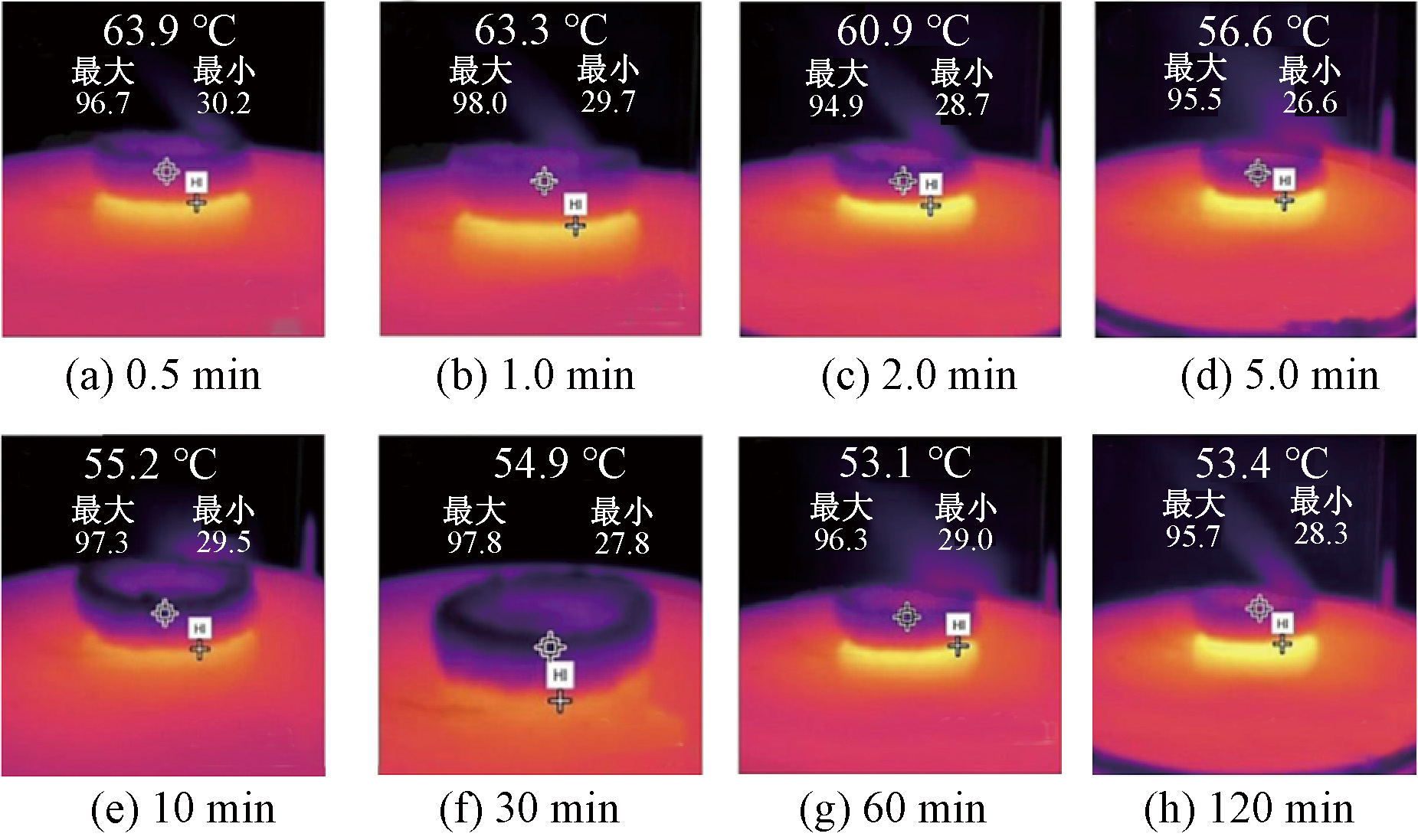
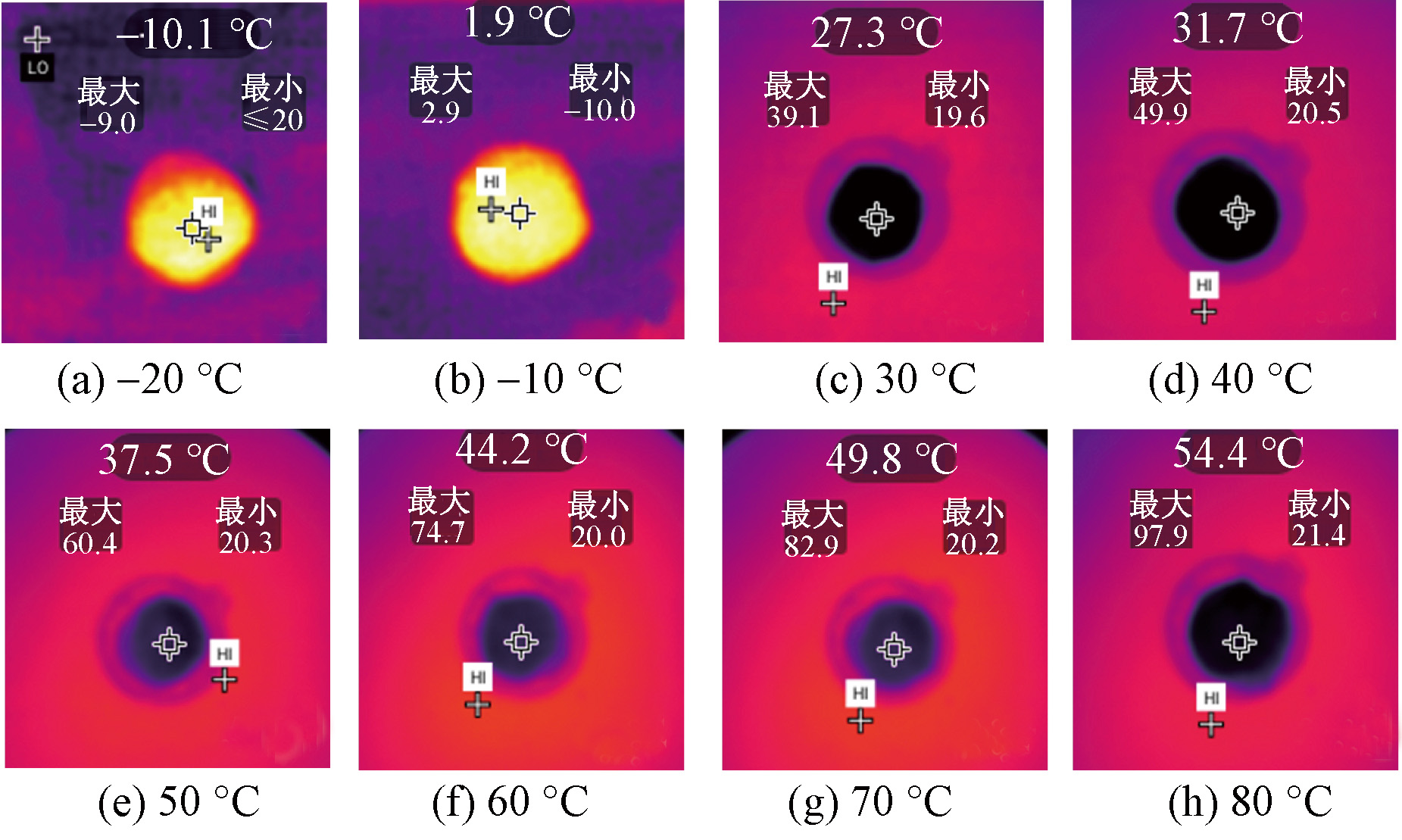
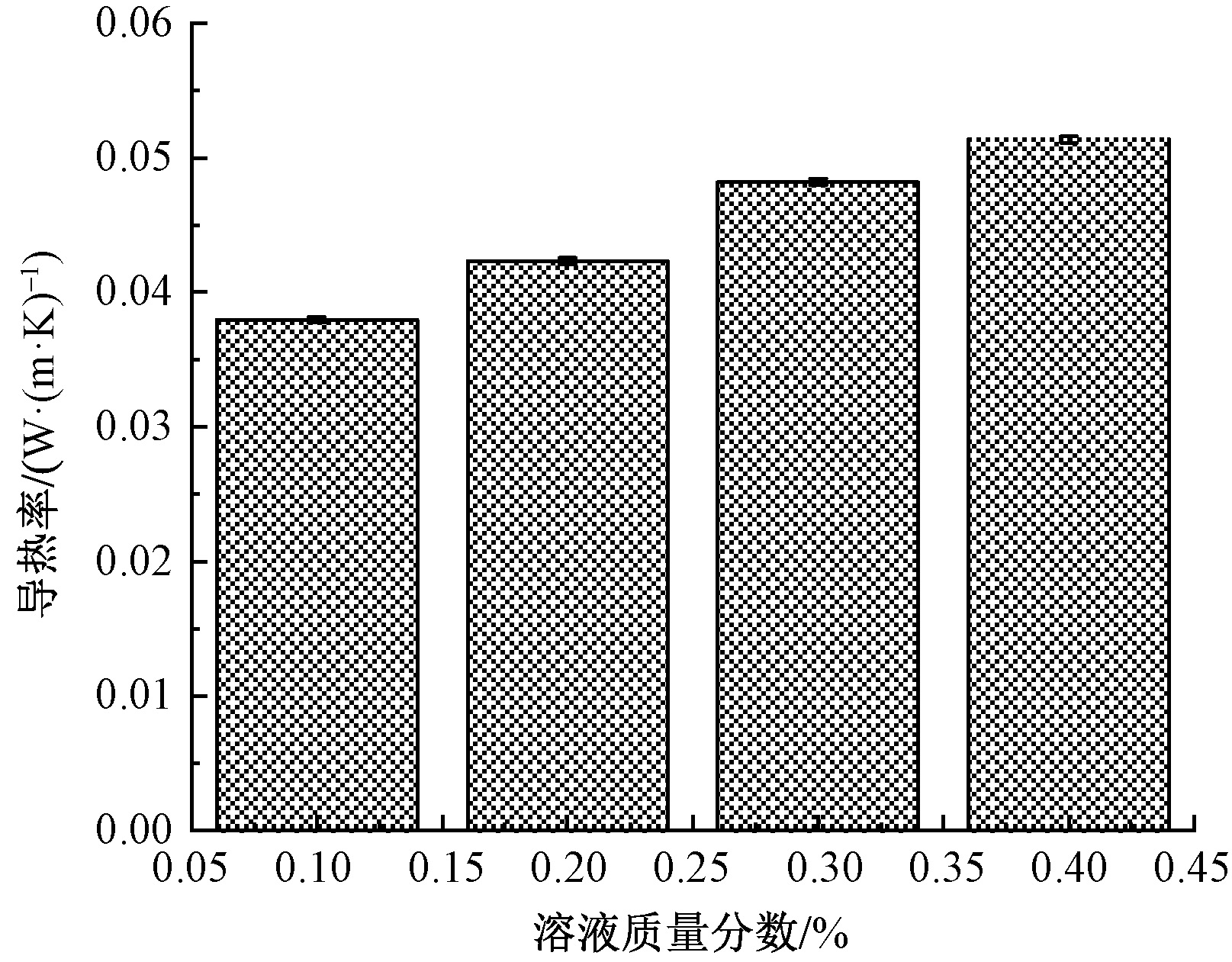
摘要: 针对气凝胶材料制备成本高、强度低、韧性低和结构稳定性较弱的问题,对废旧麻织物进行回收再利用,将获取的亚麻纤维进行预处理后获得分散良好的纤维悬浮液,运用冷冻干燥、高温交联的研究方法制备纤维素气凝胶,并对其形貌、弹性和隔热性能进行分析与研究。结果表明:当悬浮液中纤维溶液质量分数为0.2%时,所制备的亚麻纤维素气凝胶质量轻且弹性好,密度仅为5.13 mg/cm3,在50%形变压力下循环压缩60次后,其仍可回复至初始形状。同时,亚麻纤维素气凝胶还具有优良的隔热性能,可在80 ℃的加热台上长久保持温度在53 ℃,导热率为(0.038 2 ± 0.000 2)W/(m·K)。
中图分类号:
| [1] |
赵伦玉, 隋晓锋, 毛志平, 等. 气凝胶材料在纺织品上的应用研究进展[J]. 纺织学报, 2022, 43(12): 181-189,196.
doi: 10.13475/j.fzxb.20210501210 |
|
ZHAO Lunyu, SUI Xiaofeng, MAO Zhiping, et al. Research progress in aerogel materials application for textiles[J]. Journal of Textile Research, 2022, 43(12): 181-189,196.
doi: 10.13475/j.fzxb.20210501210 |
|
| [2] | 陶丹丹, 白绘宇, 刘石林, 等. 纤维素气凝胶材料的研究进展[J]. 纤维素科学与技术, 2011, 19(2): 64-75. |
| TAO Dandan, BAI Huiyu, LIU Shilin, et al. Research progress in the cellulose based aerogels materials[J]. Journal of Cellulose Science and Technology, 2011, 19(2): 64-75. | |
| [3] | FAROOQ A, FAHEEM A, ZEYNEP U, et al. The role and applications of aerogels in textiles[J]. Advances in Materials Science and Engineering, 2022.DOI: 10.1155/2022/2407769. |
| [4] | 史文路, 张波, 曲丽君, 等. 气凝胶纤维制备及其智能纺织品应用进展[J]. 棉纺织技术, 52(12):91-97. |
| SHI Wenlu, ZHANG Bo, QU Lijun, et al. Advances in aerogel fiber preparation and its smart textile applications[J]. Cotton Textile Technology, 52(12):91-97. | |
| [5] | 朱浩彤, 刘玲伟, 闫铭, 等. 纤维气凝胶的分类、制备工艺及应用现状[J]. 材料导报, 2021, 35(23): 23057-23067. |
| ZHU Haotong, LIU Lingwei, YAN Ming, et al. Classification, preparation process and application of fibre aerogel: a review[J]. Materials Reports, 2021, 35(23): 23057-23067. | |
| [6] | WEI H, XIE X, LI X, et al. Preparation and characterization of capric-myristic-stearic acid eutectic mixture/modified expanded vermiculite composite as a form-stable phase change material[J]. Applied Energy, 2016, 178: 616-623. |
| [7] | LIU Z, DING Y, WANG F, et al. Thermal insulation material based on SiO2 aerogel[J]. Construction and Building Materials, 2016, 122: 548-555. |
| [8] | LIU B, GAO M, LIU X, et al. Thermally stable nanoporous ZrO2/SiO2 hybrid aerogels for thermal insulation[J]. ACS Applied Nano Materials, 2019, 2(11): 7299-7310. |
| [9] | GAO B, CAO J, YAO C, et al. High thermally insulating and lightweight Cr2O3-Al2O3 aerogel with rapid-cooling property[J]. Applied Surface Science, 2022.DOI: 10.1016/j.apsusc.2022.153044. |
| [10] | XING S, JI Q, JIAO X, et al. A two-step route to SiO2 nanofiber-reinforced aerogel composites with lightweight and high temperature resistance for thermal insula-tion[J]. ACS Applied Nano Materials, 2023, 6(11): 9939-9948. |
| [11] | ZHANG X, ZHAO X, XUE T, et al. Bidirectional anisotropic polyimide/bacterial cellulose aerogels by freeze-drying for super-thermal insulation[J]. Chemical Engineering Journal, 2020. DOI:10.1016/j.cej.2019.123963. |
| [12] |
GONG C, NI J, TIAN C, et al. Research in porous structure of cellulose aerogel made from cellulose nanofibrils[J]. International Journal of Biological Macromolecules, 2021, 172: 573-579.
doi: 10.1016/j.ijbiomac.2021.01.080 pmid: 33454335 |
| [13] | ZHANG H, ZHANG G, ZHU H, et al. Multiscale kapok/cellulose aerogels for oil absorption: the study on structure and oil absorption properties[J]. Industrial Crops and Products, 2021.DOI: 10.1016/j.indcrop.2021.113902. |
| [14] | ZHU P, YU Z, SUN H, et al. 3D printed cellulose nanofiber aerogel scaffold with hierarchical porous structures for fast solar-driven atmospheric water harvesting[J]. Advanced Materials, 2024. DOI:10.1002/adma.202306653. |
| [15] | FREITAS P A V, GONZÁLEZ-MARTÍNEZ C, CHIRALT A. Influence of the cellulose purification process on the properties of aerogels obtained from rice straw[J]. Carbohydrate Polymers, 2023.DOI: 10.1016/j.carbpol.2023.120805. |
| [16] | SU G, JIANG P, GUO L, et al. Robust cellulose composite aerogels with enhanced thermal insulation and mechanical properties from cotton waste[J]. Industrial Crops and Products, 2024, 211: 118242. |
| [17] | ZHU G, WANG J, WANG X, et al. Aerogels fabricated from wood-derived functional cellulose nanofibrils for highly efficient separation of microplastics[J]. ACS Sustainable Chemistry & Engineering, 2023, 11(38): 13928-13938. |
| [18] | PEREIRA A L S, FEITOSA J P A, MORAIS J P S, et al. Bacterial cellulose aerogels: influence of oxidation and silanization on mechanical and absorption proper-ties[J]. Carbohydrate Polymers, 2020. DOI:10.1016/j.carbpol.2020.116927. |
| [19] | BERA T, MANNA S, SHARMA A K, et al. Repurposing the single-used-plastic for development of hydrophobic aerogels for remediation of oil spill and organic solvents[J]. Science of the Total Environment, 2023. DOI:10.1016/j.scitotenv.2023.166670. |
| [20] |
AZANAW A, HAILE A, GIDEON R K. Extraction and characterization of fibers from yucca elephantine plant[J]. Cellulose, 2019, 26: 795-804.
doi: 10.1007/s10570-018-2103-x |
| [21] | ZHANG Z, CAI S, LI Y, et al. High performances of plant fiber reinforced composites-a new insight from hierarchical microstructures[J]. Composites Science and Technology, 2020. DOI:10.1016/j.compscitech.2020.108151. |
| [22] | ZHAO T, XIA W, LI B, et al. A novel eco-friendly solid-state degumming method for extraction of hemp fibers[J]. Journal of Cleaner Production, 2024. DOI:10.1016/j.jclepro.2023.140549. |
| [23] | ZHU J, ZHU Y, YE Y, et al. Superelastic and ultralight aerogel assembled from hemp microfibers[J]. Advanced Functional Materials, 2023.DOI: 10.1002/adfm.202300893. |
| [24] | KULMA A, SKÓRKOWSKA-TELICHOWSKA K, KOSTYN K, et al. New flax producing bioplastic fibers for medical purposes[J]. Industrial Crops and Products, 2015, 68: 80-89. |
| [25] | ESMAEILZADEH M J, RASHIDI A. Evaluation of the disintegration of linen fabric under composting condi-tions[J]. Environmental Science and Pollution Research, 2018, 25: 29070-29077. |
| [26] | LI H, TANG R, DAI J, et al. Recent progress in flax fiber-based functional composites[J]. Advanced Fiber Materials, 2022, 4(2): 171-184. |
| [27] | YANG X, FAN W, WANG H, et al. Recycling of bast textile wastes into high value-added products: a review[J]. Environmental Chemistry Letters, 2022, 20(6): 3747-3763. |
| [28] | LIU H, FAN W, MIAO Y, et al. Closed-loop recycling of colored regenerated cellulose fibers from the dyed cotton textile waste[J]. Cellulose, 2023, 30(4): 2597-2610. |
| [29] | LU L, FAN W, MENG X, et al. Current recycling strategies and high-value utilization of waste cotton[J]. Science of the Total Environment, 2023.DOI: 10.1016/j.scitotenv.2022.158798. |
| [30] | 林世东, 甘胜华, 李红彬, 等. 我国废旧纺织品回收模式及高值化利用方向[J]. 纺织导报, 2017(2): 25-26,28. |
| LIN Shidong, GAN Shenghua, LI Hongbin, et al. The recycling modes and higher value applications of discarded textiles in china[J]. China Textile Leader, 2017(2): 25-26,28. | |
| [31] | LIU J, YANG K, YANG Y, et al. A waste hemp-based biomass carbon aerogel with high fire-resistance[J]. Journal of Applied Polymer Science, 2024. DOI:10.1002/app.55616. |
| [32] | YANG W, DING H, LIU T, et al. Design of intrinsically flame-retardant vanillin-based epoxy resin for thermal-conductive epoxy/graphene aerogel composites[J]. ACS Applied Materials & Interfaces, 2021, 13(49): 59341-59351. |
| [33] | ZHANG S, WANG L, FENG J, et al. Fumed silica-derived, ambient dried, and low-cost nanoporous aerogel-like monoliths for thermal insulation[J]. ACS Applied Nano Materials, 2023, 6(12): 10511-10520. |
| [34] | SUN W, FANG Y, WU L, et al. Micron down feather fibers reinforced cellulose composite aerogel with excellent acoustic and thermal insulation[J]. Journal of Porous Materials, 2023, 30(3): 989-997. |
| [35] | 丁伟, 李硕琳, 陈永芳, 等. 纳米纤维素基复合气凝胶的制备及性质研究[J]. 中国皮革, 2022, 51(10): 1-8,12. |
| DING Wei, LI ShuoLin, CHEN Yongfang, et al. Preparation and characterization of nanocellulose-based composite aerogels[J]. China Leather, 2022, 51(10): 1-8,12. | |
| [36] | LIU Z, LIU F, AN J, et al. BN fiber aerogels with high solar reflectivity and thermal insulation for green buildings[J]. Ceramics International, 2024, 50(22): 46589-46599. |
| [37] | ZHANG X, GAO Y, WANG X, et al. A flexible, thermal-insulating, and fire-resistant bagasse-derived cellulose aerogel prepared via a refrigerator freezing combined ambient pressure drying technique[J]. Chemical Engineering Journal, 2024. DOI: 10.1016/j.cej.2024.155466. |
| [38] | PU H, DING X, CHEN H, et al. Functional aerogels with sound absorption and thermal insulation derived from semi-liquefied waste bamboo and gelatin[J]. Environmental Technology & Innovation, 2021.DOI: 10.1016/j.eti.2021.101874. |
| [1] | 曹展瑞, 纪灿灿, 赫羴姗, 周丰, 向阳, 高飞, 刘轲, 王栋. 阴离子交换型乙烯-乙烯醇共聚物纳米纤维气凝胶蛋白分离材料[J]. 纺织学报, 2025, 46(04): 29-37. |
| [2] | 李一, 张恒宇, 郭雯卓, 陈剑英, 王妮, 肖红. 阻抗阶跃渐变层结构纤维素/Ti3C2Tx气凝胶材料的制备及其吸波性能[J]. 纺织学报, 2025, 46(03): 17-26. |
| [3] | 马亮, 俞旭华, 刘文武, 李慈, 方以群, 李俊, 徐佳骏. 气凝胶复合材料在干式潜水服内胆隔热性能提升中的应用[J]. 纺织学报, 2024, 45(07): 181-188. |
| [4] | 高志浩, 宁新, 明津法. 生物质基碳气凝胶及其在储能器件中应用研究进展[J]. 纺织学报, 2024, 45(06): 210-218. |
| [5] | 李久刚, 石玉菲, 刘可帅, 李文斌, 柯贵珍. 石英纱线/石英纤维毡三维织物的设计及其隔热性能[J]. 纺织学报, 2024, 45(06): 53-58. |
| [6] | 王新庆, 季东圣, 李舒畅, 杨晨, 张宗宇, 刘实诚, 王航, 田明伟. 包载型聚丙烯腈/SiO2气凝胶复合纳米纤维制备及其隔热性能[J]. 纺织学报, 2024, 45(05): 35-42. |
| [7] | 时吉磊, 唐春霞, 付少海, 张丽平. 柔韧隔热纤维素基气凝胶制备与性能[J]. 纺织学报, 2024, 45(04): 8-14. |
| [8] | 肖昊, 孙辉, 于斌, 朱祥祥, 杨潇东. 壳聚糖-SiO2气凝胶/纤维素/聚丙烯复合水刺材料的制备及其吸附染料性能[J]. 纺织学报, 2024, 45(02): 179-188. |
| [9] | 杨其亮, 杨海伟, 王邓峰, 李长龙, 张乐乐, 王宗乾. 超疏水弹性丝素蛋白纤维气凝胶的制备及其吸油性能[J]. 纺织学报, 2023, 44(09): 1-10. |
| [10] | 吕红丽, 罗丽娟, 师建军, 郑振荣, 李红晨. 柔性增强二氧化硅气凝胶的研究进展[J]. 纺织学报, 2023, 44(08): 217-224. |
| [11] | 柳敦雷, 陆佳颖, 薛甜甜, 樊玮, 刘天西. 超疏水隔热聚酯纳米纤维/二氧化硅气凝胶复合膜的制备及其性能[J]. 纺织学报, 2023, 44(07): 18-25. |
| [12] | 吕婧, 刘增伟, 程青青, 张学同. 芳纶纳米纤维气凝胶的研究进展[J]. 纺织学报, 2023, 44(06): 10-20. |
| [13] | 孙将皓, 邵彦峥, 魏春艳, 王迎. 海藻酸钠/改性氧化石墨烯微孔气凝胶纤维制备与吸附性能[J]. 纺织学报, 2023, 44(04): 24-31. |
| [14] | 何满堂, 王黎明, 覃小红, 俞建勇. 静电纺纳米纤维在界面太阳能蒸汽转化应用中的研究进展[J]. 纺织学报, 2023, 44(03): 201-209. |
| [15] | 楚艳艳, 李施辰, 陈超, 刘莹莹, 黄伟韩, 张越, 陈晓钢. 柔性抗冲击纺织材料及其结构的研究进展[J]. 纺织学报, 2022, 43(12): 203-212. |
|
||
 京公网安备11010502044800号