纺织学报 ›› 2026, Vol. 47 ›› Issue (05): 201-211.doi: 10.13475/j.fzxb.20250706001

• 服装工程 • 上一篇    下一篇

基于情绪测量的虚拟旗袍悬垂美感视觉感知评价

付雅雯1, 梁惠娥1,2()   

  1. 1 江南大学 纺织科学与工程学院, 江苏 无锡 214122
    2 江南大学 江苏省非物质文化遗产研究基地, 江苏 无锡 214122
  • 收稿日期:2025-07-24 修回日期:2026-03-07 出版日期:2026-05-15 发布日期:2026-07-10
  • 通讯作者: 梁惠娥(1967—),女,教授,硕士。主要研究方向为服饰文化与服装设计。E-mail:lianghe@jiangnan.edu.cn
  • 作者简介:付雅雯(1994—),女,博士生。主要研究方向为服装设计与工程。
  • 基金资助:
    国家社科基金艺术学项目(21BG142)

Visual sensory evaluation for drape aesthetics of virtual cheongsam based on emotion measurement

FU Yawen1, LIANG Hui'e1,2()   

  1. 1 College of Textile Science and Engineering, Jiangnan University, Wuxi, Jiangsu 214122, China
    2 Jiangsu Research Center for Intangible Cultural Heritage, Jiangnan University, Wuxi, Jiangsu 214122, China
  • Received:2025-07-24 Revised:2026-03-07 Published:2026-05-15 Online:2026-07-10

摘要:

为进一步探究面料悬垂性能与服装悬垂美感之间的关系,提出了基于审美情绪、审美判断的主观评价和基于眼动追踪技术的客观评价相结合的服装悬垂美感评价方法。以旗袍作为研究对象,选择40位具有服装专业研究生学历的女性对虚拟旗袍悬垂美感进行主、客观评价。利用MatLab图像处理技术,计算桑蚕丝面料的悬垂系数、悬垂度、美感系数、综合美感度;然后,选取愉悦度、唤醒度、优势度、悬垂感、飘逸感、曲面美感6个主观评价指标,通过因子分析计算得出综合得分;接着,利用眼动追踪技术,获取不同身体部位兴趣区的注视时间和注视次数;最后,对主观评价与悬垂指标、眼动指标进行相关性分析和回归分析,以此建立了基于面料悬垂指标、注视次数预测旗袍悬垂美感综合得分的评价模型。结果显示,悬垂系数与综合得分呈负相关;悬垂度、美感系数、综合美感度与综合得分呈正相关;注视次数与综合得分呈负相关,且相较于面料悬垂指标,注视次数对综合得分的影响较大。

关键词: 虚拟悬垂性, 眼动追踪, 视觉感知评价, 情绪测量, 旗袍悬垂美感

Abstract:

Objective Due to limited research on aesthetic evaluation of dress drape, this study aimed to analyze the relationship between fabric drapeability and aesthetics of draped clothing, taking cheongsam as the research object. Forty female graduate students majoring in fashion participated in the research, and both subjective and objective evaluations of cheongsam drape aesthetics were carried out.

Method In order to differentiate the fabric drape property from the dress drape aesthetics, this study involved two experiments, one being silk fabric drapeability test and the other visual sensory evaluation of cheongsam drape aesthetics, so as to establish the relationship between both based on analyzing these two experiment results. Fabric drapeability testing and garment manufacturing were conducted in the virtual environment in CLO 3D 7.0. Various drape indices of fabrics were identified utilizing image processing technology through MatLab R2024a. The subjective and objective methods were adopted to evaluate the acethetics of cheongsam drape. The subjective evaluation included the emotion and judgment factors based on the PAD model and aesthetic experience model of Leder et al. The SMI ETG 2w eye-tracking equipment in German was served as an objective method. Finally, cluster analysis, correlation analysis, and regression analysis were applied to the subjective and objective data using SPSS 26.0.

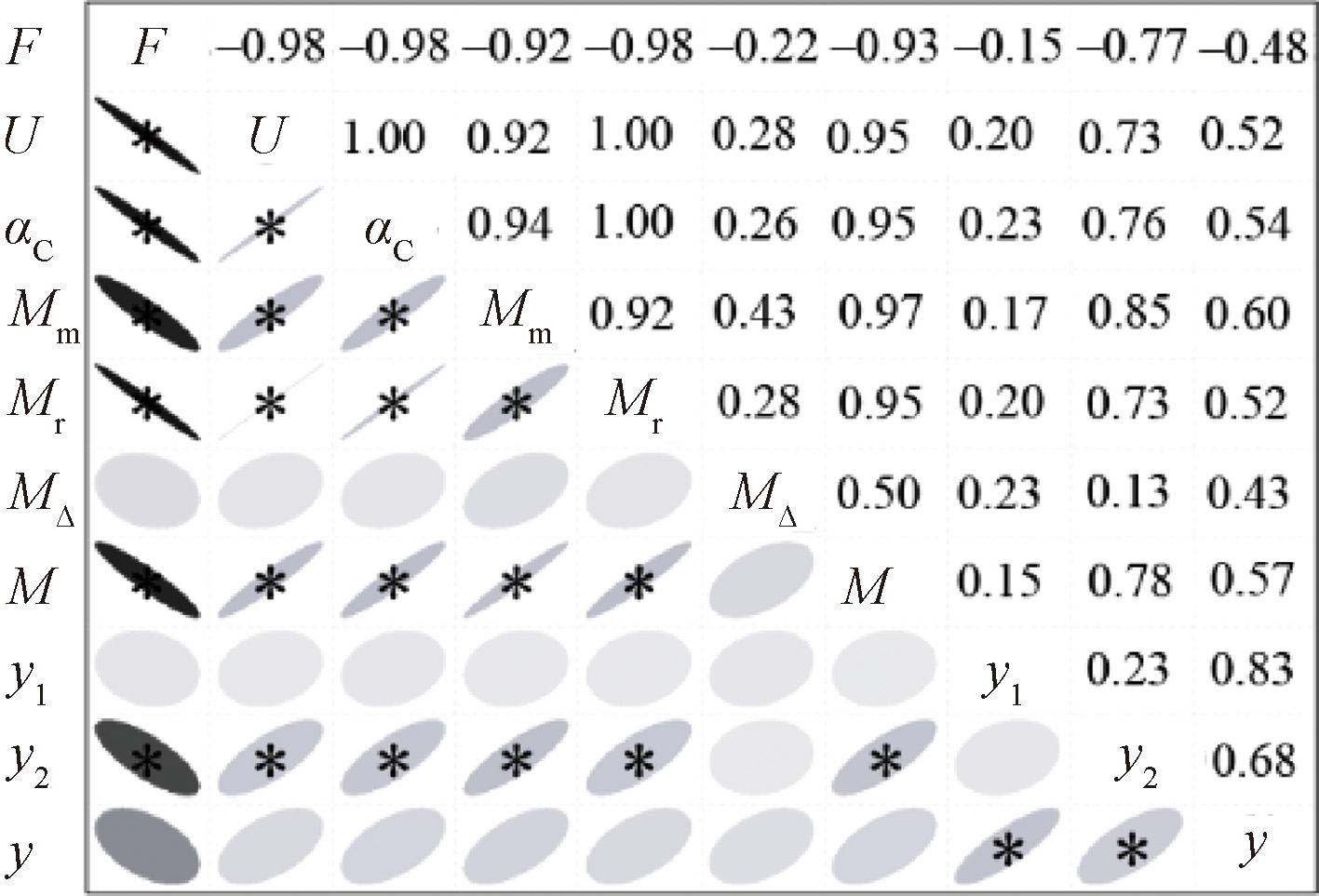
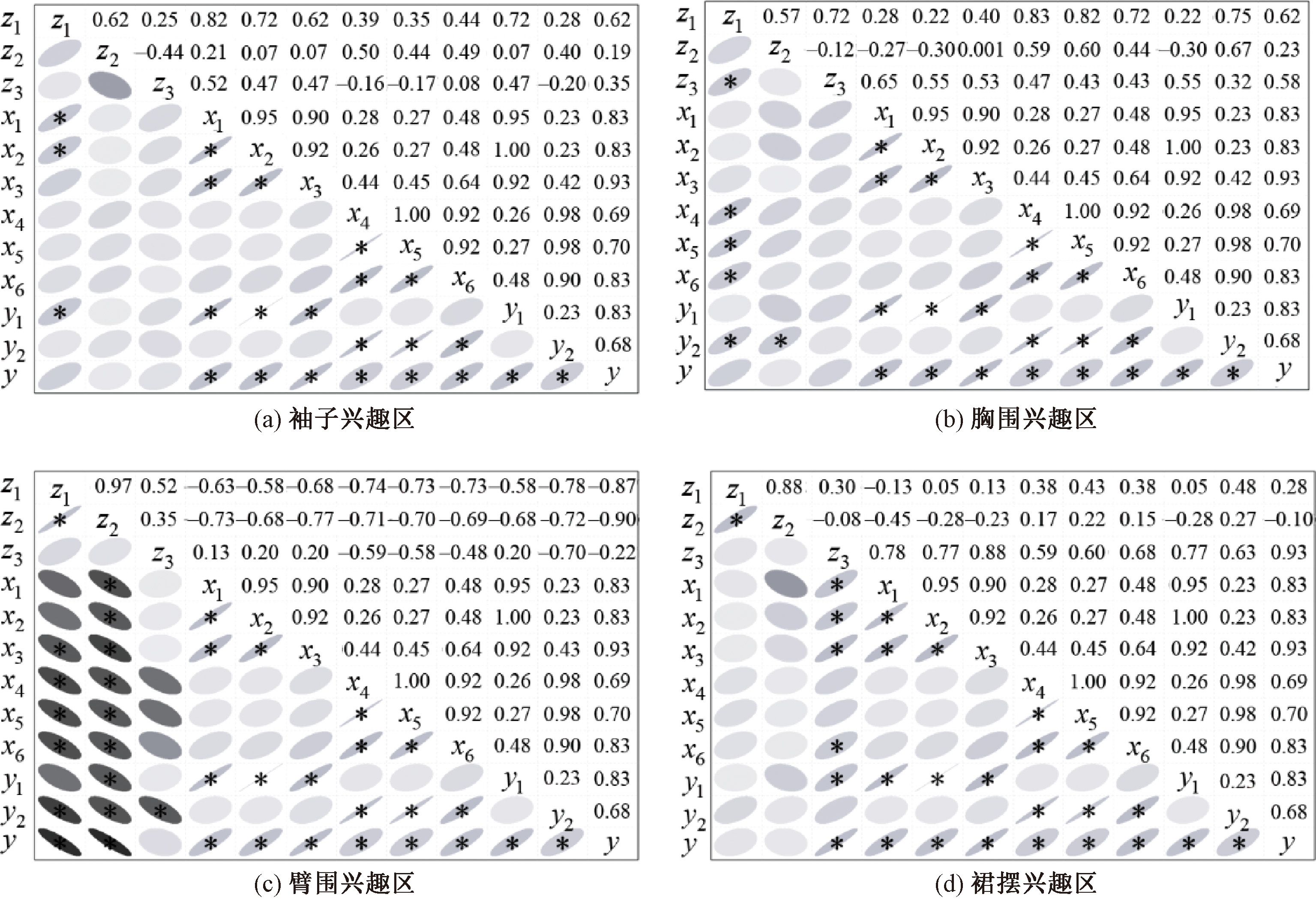
Results Cluster analysis was carried out to classify fabric samples and cheongsam samples. Fabric samples were divided into four clusters, whereas cheongsam samples were divided into three clusters. The evaluation criteria for the drape performance of silk fabrics were not the same as those for assessing the draping aesthetics of cheongsams. Spearman correlation analysis and regression analysis were employed to analyze the correlation between fabric drape indexes and subjective evaluation. Specifically, the drape coefficient exhibited a significant negative correlation with drape perception and fluttering property, while the drape degree, aesthetic coefficient, shape coefficient, fit coefficient, and comprehensive aesthetic degree were significantly positively correlated with drape perception, fluttering property, and curved acethetics. Moreover, the correlation between these fabric drape indexes and judgment factor was also significant. In addition, Spearman correlation analysis was employed to analyse the correlation between eye-tracking indices and subjective evaluation. The result showed that 1) fixation duration of the area of interest (AOI) for sleeves was significantly positively correlated with pleasure, arousal, and emotion factor; 2) fixation duration of the AOI for bust was significantly positively correlated with drape ability, fluttering property, and judgment factor, and fixation count was significantly positively correlated with judgment factor; 3) fixation duration of the AOI for hip was significantly negatively correlated with dominance, drape perception, flowing perception, curved acethetics, judgment factor, and synthesis scores, and fixation count was significantly negatively correlated with pleasure, arousal, dominance, drape perception, flowing perception, curved acethetics, emotion factor, judgment factor, and synthesis scores, and average fixation duration was only significantly negatively correlated with judgment factor; 4) average fixation duration of the AOI for hem was significantly positively correlated with curved acethetics, emotion factor, and synthesis scores. An evaluation model for predicting the aesthetic synthesis score was constructed based on fabric drape indexes and fixation count through regression analysis. Validation demonstrated that the model's mean absolute deviation remained below 8%, thereby confirming its accuracy.

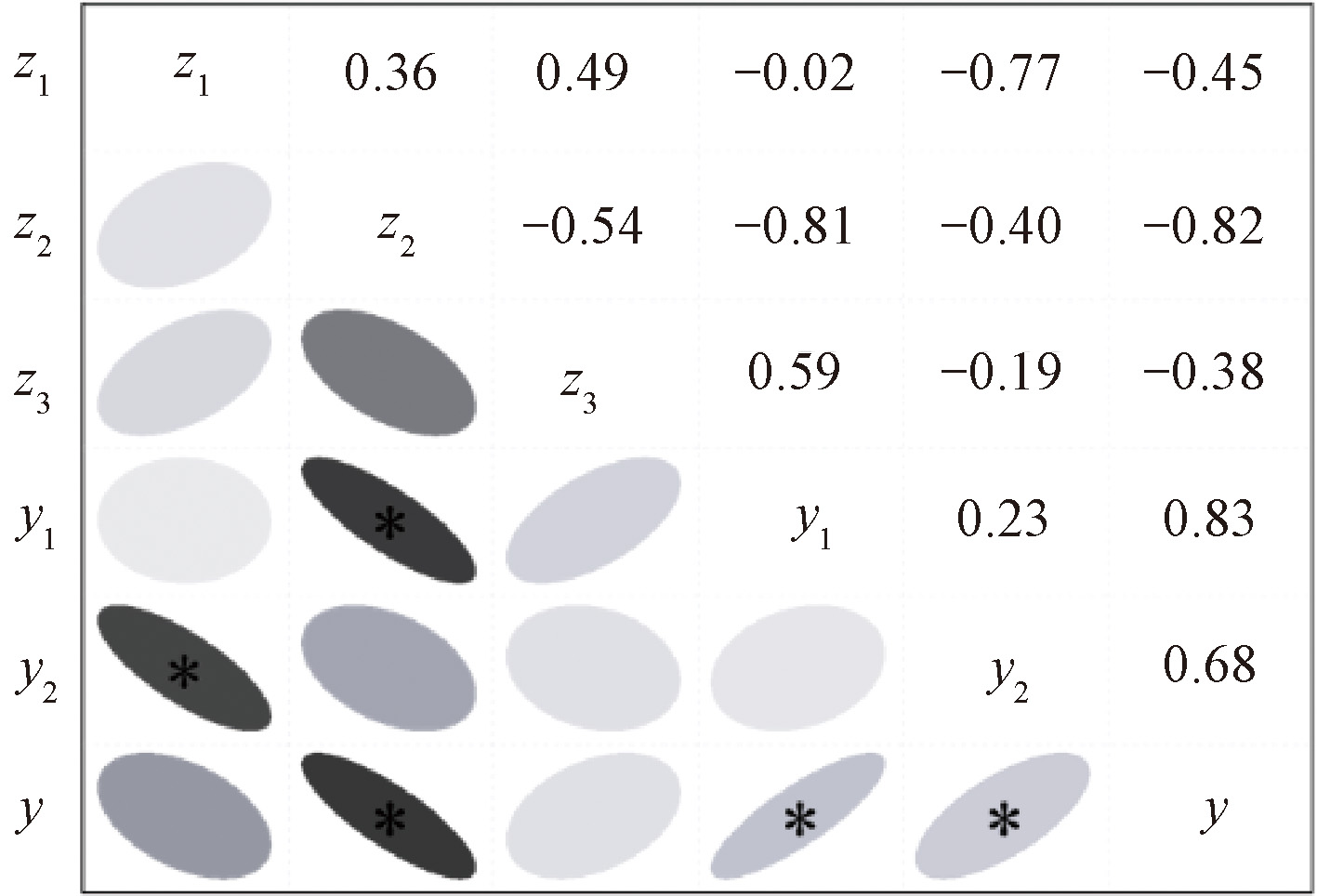
Conclusion An exploratory study is conducted to evaluate the acethetics of cheongsam drape using eye-tracking technology. An evaluation model was created for acethetics of cheongsam drape based on drape indexes, subjective evaluation, and eye-tracking data. The subjective evaluation includes both the emotion factor and the judgment factor from which the synthesis score is generated, proving the effectiveness of PAD model and aesthetic experience model of Leder et al in the research of cheongsam drape beauty. The drape indexes of the fabrics are significantly correlated with the judgment factor. Drape coefficient can negatively predict the judgment factor, while the drape degree, aesthetic coefficient, shape coefficient, fit coefficient, and comprehensive aesthetic degree can positively predict the judgment factor. Eye-tracking technology is introduced for the first time to evaluate the aesthetics of cheongsam drape. The result shows that the eye-tracking data is significantly correlated with the emotion factor and synthesis score. Fixation count of a sum of AOIs for the waist, hip, and hem negatively predicts synthesis score, while drape indexes except for the drape coefficient positively predict synthesis score.

Key words: virtual drapeability, eye tracking, visual sensory evaluation, emotion measurement, cheongsam drape aesthetics

中图分类号: 

  • TS941.2

表1

旗袍悬垂美感主观评价指标"

旗袍悬垂美感
主观评价指标

说明
愉悦度 x1 看到这款旗袍觉得不愉快或愉快的程度
唤醒度 x2 看到这款旗袍觉得提不起精神或眼前一亮的程度
优势度 x3 看到这款旗袍自己不想拥有或想拥有(或想推荐别人拥有)的程度
悬垂感 x4 看到这款旗袍觉得无垂感或有垂感的程度
飘逸感 x5 看到这款旗袍觉得轻盈或沉重的程度
曲面美感 x6 看到这款旗袍觉得无曲面美感或有曲面美感的程度

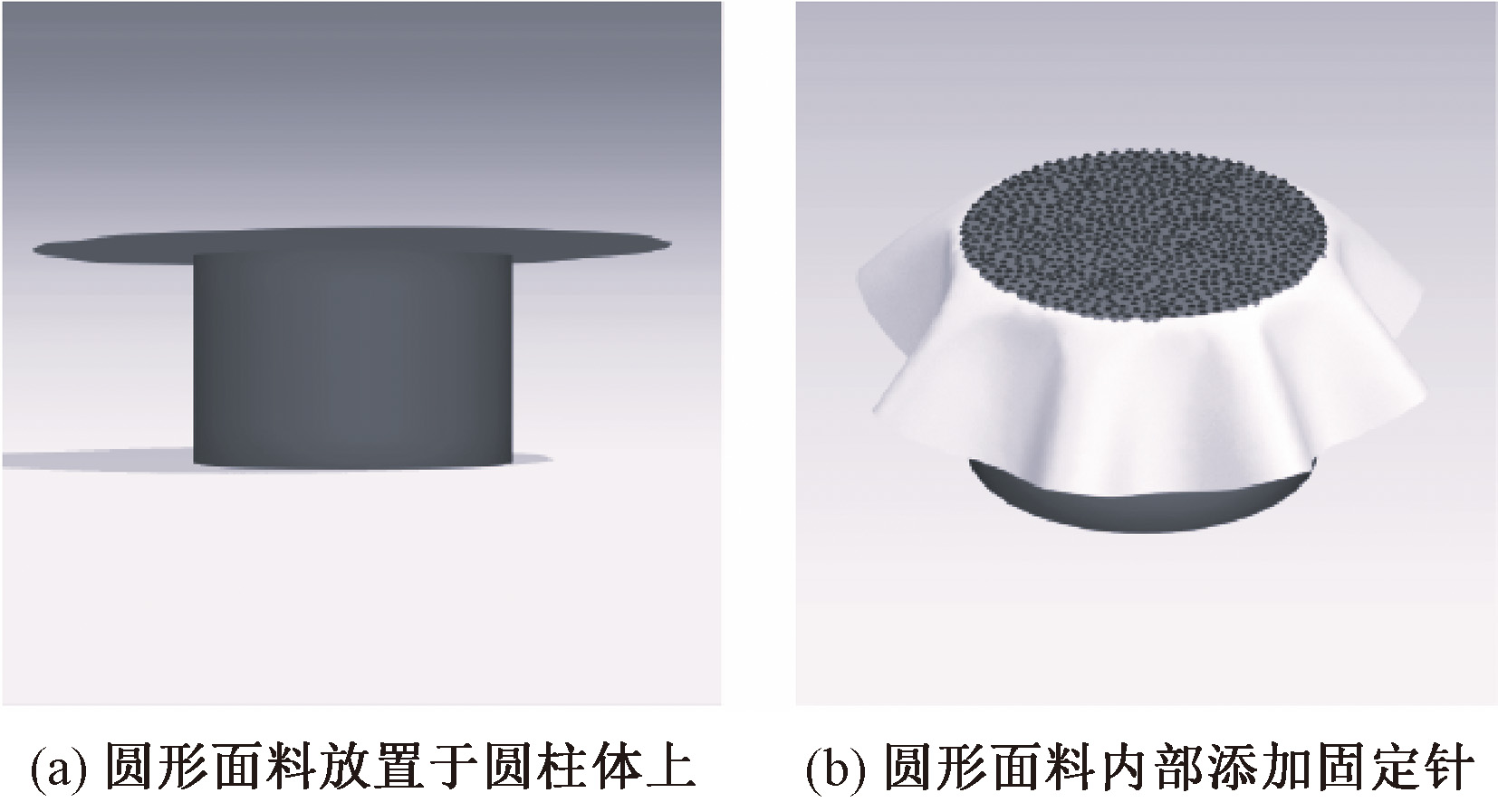
图1

虚拟环境示意图"

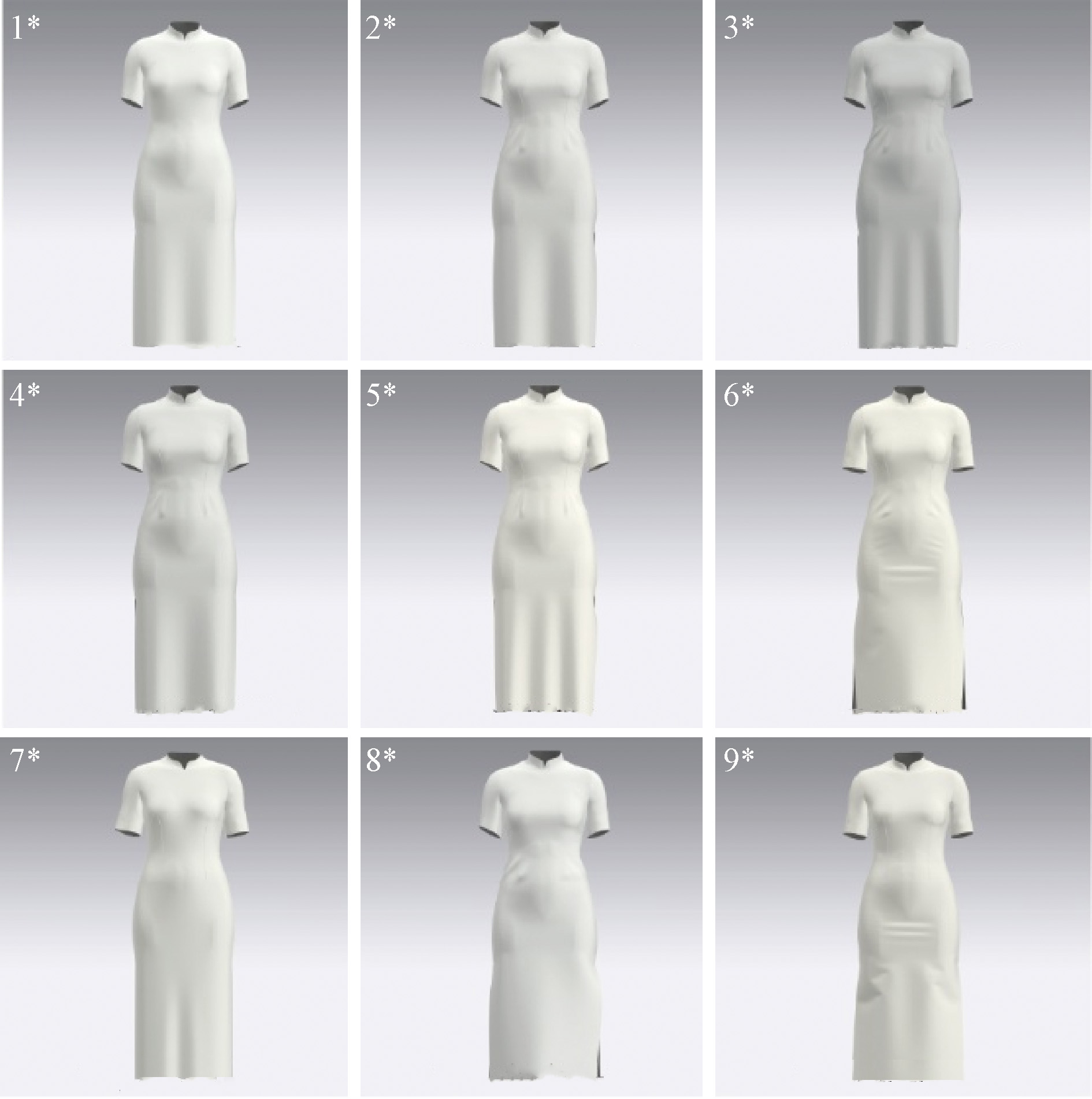
图2

实验样本"

图3

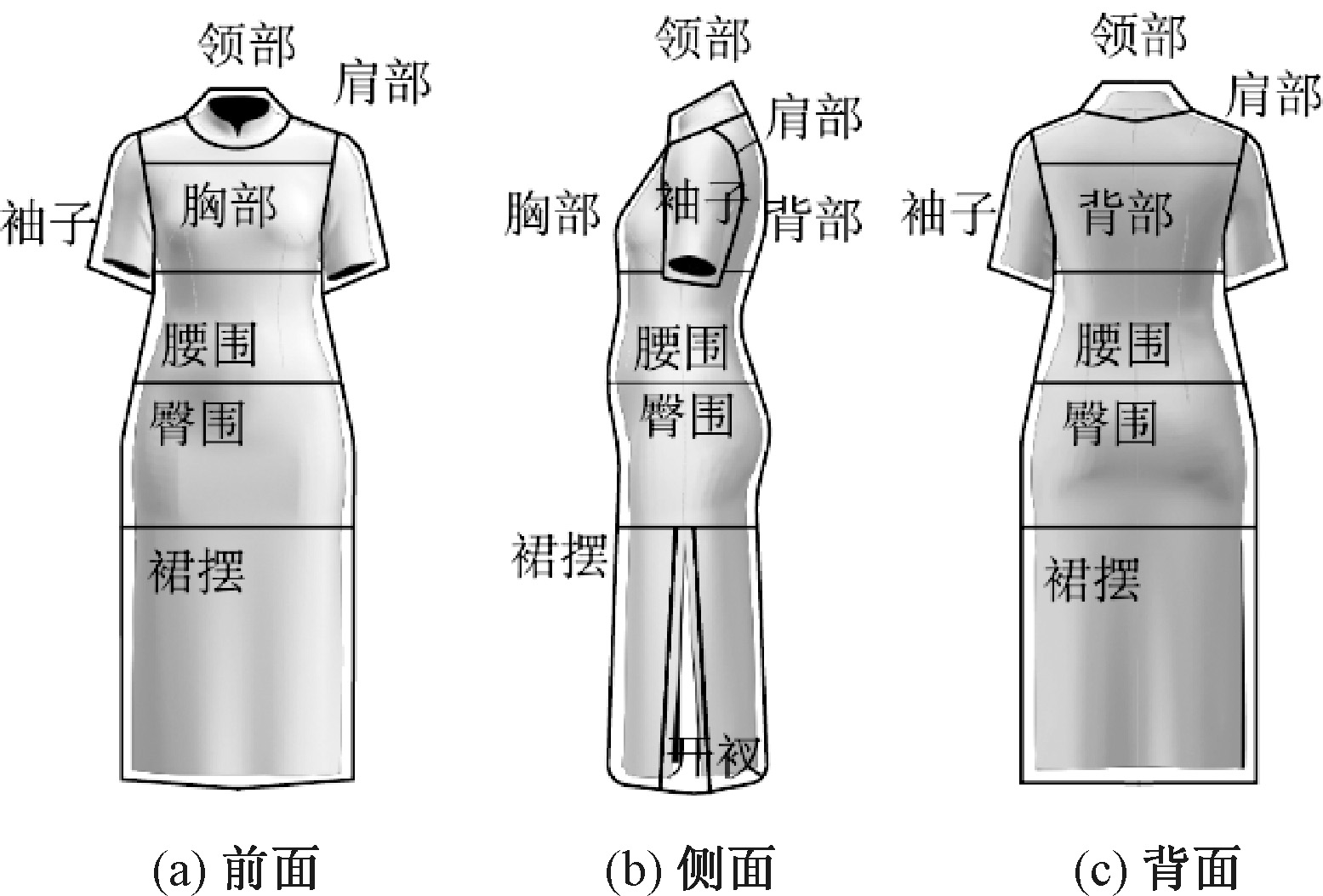
兴趣区划分"

表2

旗袍样本主观评价的综合得分"

样本编号 情绪因子得分 判断因子得分 综合得分
1* 1.904 0.618 1.351
2* 0.329 0.020 0.192
3* -0.068 0.337 0.122
4* 0.700 0.002 0.389
5* 0.362 0.564 0.469
6* -0.511 -1.232 -0.869
7* -1.689 1.833 -0.066
8* -0.525 -0.990 -0.762
9* -0.503 -1.152 -0.826

图4

面料悬垂系数与主观评价相关性热力图"

图5

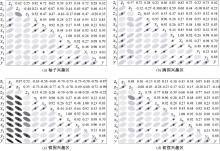
袖子、胸围、臀围、裙摆兴趣区的眼动指标与主观评价的相关性热力图"

图6

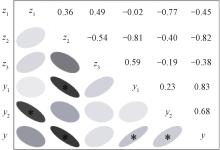
腰围、臀围、裙摆部位兴趣区的眼动指标与主观评价的相关性热力图"

表3

综合得分与预测综合得分的比较"

样本
编号
综合
得分
预测综合
得分-1
预测综合
得分-2
预测综合
得分-3
预测综合
得分-4
1* 0.989 1.083 1.064 1.094 1.065
2* 0.128 0.146 0.130 0.082 0.112
3* 0.139 0.252 0.232 0.193 0.228
4* 0.341 0.293 0.344 0.315 0.345
5* 0.378 0.362 0.341 0.351 0.348
6* -0.661 -0.470 -0.478 -0.430 -0.454
7* -0.034 -0.034 -0.076 -0.097 -0.062
8* -0.602 -0.561 -0.568 -0.486 -0.511
9* -0.677 -0.631 -0.640 -0.627 -0.639
[1] MEMON H, CHAKLIE E B, YESUF H M, et al. Study on effect of leather rigidity and thickness on drapability of sheep garment leather[J]. Materials, 2021, 14(16): 1-11.
doi: 10.3390/ma14010001
[2] EL MESSIRY M, EL-TARFAWY S. Investigation of fabric drape-flexural rigidity relation: modified fabric drape coefficient[J]. The Journal of the Textile Institute, 2020, 111(3): 416-423.
doi: 10.1080/00405000.2019.1634976
[3] 于伟东. 纺织材料学[M]. 2版. 北京: 中国纺织出版社, 2018: 339-341.
YU Weidong. Textile materials science[M]. 2nd ed. Beijing: China Textile & Apparel Press, 2018: 339-341.
[4] 王海燕. 基于面料悬垂性能的丝绸服装美感预测分析[J]. 丝绸, 2013, 50(11): 41-45, 61.
WANG Haiyan. Predictive analysis on aesthetic feeling of silk garment based on drapability of fabrics[J]. Journal of Silk, 2013, 50(11): 41-45, 61.
[5] 郑晶晶, 季晓芬. 消费者对服装陈列的视觉感知[J]. 纺织学报, 2016, 37(3): 160-165.
ZHENG Jingjing, JI Xiaofen. Visual perception of consumers on clothing display[J]. Journal of Textile Research, 2016, 37(3): 160-165.
doi: 10.1177/004051756703700302
[6] 郑晶晶, 季晓芬, 王艺凝. 基于视觉认知的领带色彩及图案与衬衫的搭配[J]. 纺织学报, 2017, 38(7): 112-117, 123.
ZHENG Jingjing, JI Xiaofen, WANG Yining. Collocation of tie color and pattern and shirt based on visual perception[J]. Journal of Textile Research, 2017, 38(7): 112-117, 123.
[7] SONG H K, KIM Y, ASHDOWN S P. Expert versus novice assessment of clothing fit: an exploratory study using eye tracking technology[J]. Fashion Practice, 2021, 13(2): 227-252.
doi: 10.1080/17569370.2020.1781375
[8] PAZHOOHI F, MACEDO A F, ARANTES J. The effect of religious clothing on gaze behavior: an eye-tracking experiment[J]. Basic and Applied Social Psychology, 2017, 39(3): 176-182.
doi: 10.1080/01973533.2017.1307748
[9] KIM J H, LEE J S. Investigating parameters affecting the real and virtual drapability of silk fabrics for traditional Hanbok[J]. Fashion and Textiles, 2024, 11(1): 21.
doi: 10.1186/s40691-024-00388-6
[10] KOO D S, AN J S, YOON H J. Classification and analysis of fabric types for shirts: a comparison between virtual and real fabrics[J]. Journal of Engineered Fibers and Fabrics, 2024, 19: 15589250241262318.
doi: 10.1177/15589250241262318
[11] 林崇德. 心理学大辞典[M]. 上海: 上海教育出版社, 2003: 109.
LIN Chongde. The comprehensive dictionary of psychology[M]. Shanghai: Shanghai Education Publishing House, 2003: 109.
[12] 谢晶, 方平, 姜媛. 情绪测量方法的研究进展[J]. 心理科学, 2011, 34(2): 488-493.
XIE Jing, FANG Ping, JIANG Yuan. Advances in emotion measuring methods[J]. Journal of Psychological Science, 2011, 34(2): 488-493.
[13] 尹璐, 何人可, 张赫. 用户情感体验测量方法综述[J]. 南京艺术学院学报(美术与设计版), 2023(2): 147-156, 210.
YIN Lu, HE Renke, ZHANG He. Overview of measuring methods for user emotional experience[J]. Journal of Nanjing Arts Institute (Fine Arts & Design), 2023(2): 147-156, 210.
[14] LEDER H, BELKE B, OEBERST A, et al. A model of aesthetic appreciation and aesthetic judgments[J]. British Journal of Psychology, 2004, 95(4): 489-508.
doi: 10.1348/0007126042369811
[15] 韩燕娜, 江翼成, 郑霞, 等. 情绪在小生褶子设计要素和语义评价间的中介作用[J]. 纺织学报, 2024, 45(1): 185-193.
HAN Yanna, JIANG Yicheng, ZHENG Xia, et al. Mediating role of emotions between pleated costume elements and semantic evaluations[J]. Journal of Textile Research, 2024, 45(1): 185-193.
doi: 10.1177/004051757504500218
[16] ZHAO Y, ZHOU F, ZHAO Y, et al. Development of an emotional response model for hospital gown design using structural equation modeling[J]. AUTEX Research Journal, 2024, 24: 20230010.
doi: 10.1515/aut-2023-0010
[17] 陈弈菲, 刘驰, 杨萌. 基于响应曲面分析的连体泳装结构情绪测量[J]. 纺织学报, 2022, 43(10): 161-168.
doi: 10.13475/j.fzxb.20210808008
CHEN Yifei, LIU Chi, YANG Meng. Emotion measurement of one-piece swimsuit structure based on response surface analysis[J]. Journal of Textile Research, 2022, 43(10): 161-168.
doi: 10.13475/j.fzxb.20210808008
[18] MEHRABIAN A. Pleasure-arousal-dominance: a general framework for describing and measuring individual differences in temperament[J]. Current Psychology, 1996, 14(4): 261-292.
doi: 10.1007/BF02686918
[19] FU Y W, LIANG H E. Visual sensory evaluation of cheongsam style based on emotion measurement[J]. The Journal of the Textile Institute, 2025, 116(11): 2686-2701.
doi: 10.1080/00405000.2025.2454735
[20] 陈巧巧. 虚拟面料悬垂效果真实感评价及优化[D]. 上海: 东华大学, 2019:3-10.
CHEN Qiaoqiao. Evaluation and optimization on the realism of the virtual Fabric's drape effect[D]. Shanghai: Donghua University, 2019:3-10.
[21] 李梦雪, 支阿玲, 吴巧英. 基于图像处理技术的抽褶裙造型客观评价[J]. 现代纺织技术, 2018, 26(6): 62-69.
LI Mengxue, ZHI Aling, WU Qiaoying. Objective evaluation on the shape of gathered skirt based on image processing technology[J]. Advanced Textile Technology, 2018, 26(6):62-69.
[22] 刘瑞璞. 女装纸样设计原理与应用训练教程[M]. 北京: 中国纺织出版社, 2017:121.
LIU Ruipu. The principles & applications of pattern design of women's wear training courses[M]. Beijing: China Textile & Apparel Press, 2017:121.
[1] 陈弈菲, 刘驰, 杨萌. 基于响应曲面分析的连体泳装结构情绪测量[J]. 纺织学报, 2022, 43(10): 161-168.
Viewed
Full text


Abstract

Cited

  Shared   
  Discussed   
No Suggested Reading articles found!