纺织学报 ›› 2026, Vol. 47 ›› Issue (05): 212-219.doi: 10.13475/j.fzxb.20251006001

• 服装工程 • 上一篇    下一篇

青年女性后背体型表征分析与体型预测

龚琳琳, 李晓茹, 钟安华(), 王凯晴, 邓睿曦   

  1. 武汉纺织大学 服装学院, 湖北 武汉 430073
  • 收稿日期:2025-10-27 修回日期:2026-03-17 出版日期:2026-05-15 发布日期:2026-07-10
  • 通讯作者: 钟安华(1967—),女,教授,硕士。主要研究方向为服装设计与功能服装产品开发。E-mail:2512159766@qq.com
  • 作者简介:龚琳琳(2002—),女,硕士生。主要研究方向为服装舒适功能性与产品开发。
  • 基金资助:
    湖北省大学生创新创业训练计划项目(S202010495025X);湖北省服装设计与工程学科建设项目(52304500813)

Characteristic analysis and body shape prediction of young women's back shapes

GONG Linlin, LI Xiaoru, ZHONG Anhua(), WANG Kaiqing, DENG Ruixi   

  1. School of Fashion, Wuhan Textile University, Wuhan, Hubei 430073, China
  • Received:2025-10-27 Revised:2026-03-17 Published:2026-05-15 Online:2026-07-10

摘要:

针对不良体态导致的青年女性后背形态问题,提出一种基于三维人体扫描的后背体型量化表征与分类方法,进一步构建神经网络后背体型预测模型。以104名18~25岁青年女性为研究对象,采用三维人体扫描和Geomagic逆向工程软件进行三维人体完善和数据采集,通过定义9个特征点与5个特征面,提取6个特征角与3个特征长度,构建后背体型的多维度参数化表征体系;根据灰色关联和轮廓系数得到的厚度、背肩宽2个关键指标,将后背体型分为3类,并进行表征分析;体型表征后进一步得到了肩背部的静部形态,获取厚度、肩胛骨侧角等相关参数。结果表明:体型1平直纤细体上背部曲度较小,背部平直,属于正常体;体型2宽肩后背体上背厚实、背阔且肩带外展,呈现肩宽背厚;体型3窄肩后凸体,伴随轻度驼背倾向。基于神经网络建立后背体型预测模型,总体准确率达98.97%。根据体型分类结果,提出针对不同后背体型的垫肩结构优化设计思路。

关键词: 服装设计与工程, 后背体型, 三维人体扫描, 神经网络, 垫肩

Abstract:

Objective Long hours at desks and on phones are worsening human postures, leading to hunched backs and rounded shoulders. These changes directly harm the fit of a suit, affecting its overall look. Therefore, a characterization analysis of young female back shapes related to unhealthy body postures was prosposed, aiming to offer theoretical support for designing better-fitting tailored garments.

Method 3D body data were acquired using scanners, which were processed with Geomagic software for noise reduction and data filling. The back region was defined by dividing the body along the mid-sagittal plane and then characterized its morphology by extracting key feature points based on surface curvature. The data were the classified using gray correlation and the silhouette coefficient. Ultimately, a predictive model for back body shapes was established using a neural network, directly informing the optimization of shoulder pad designs in warp-knitted suits for different back types.

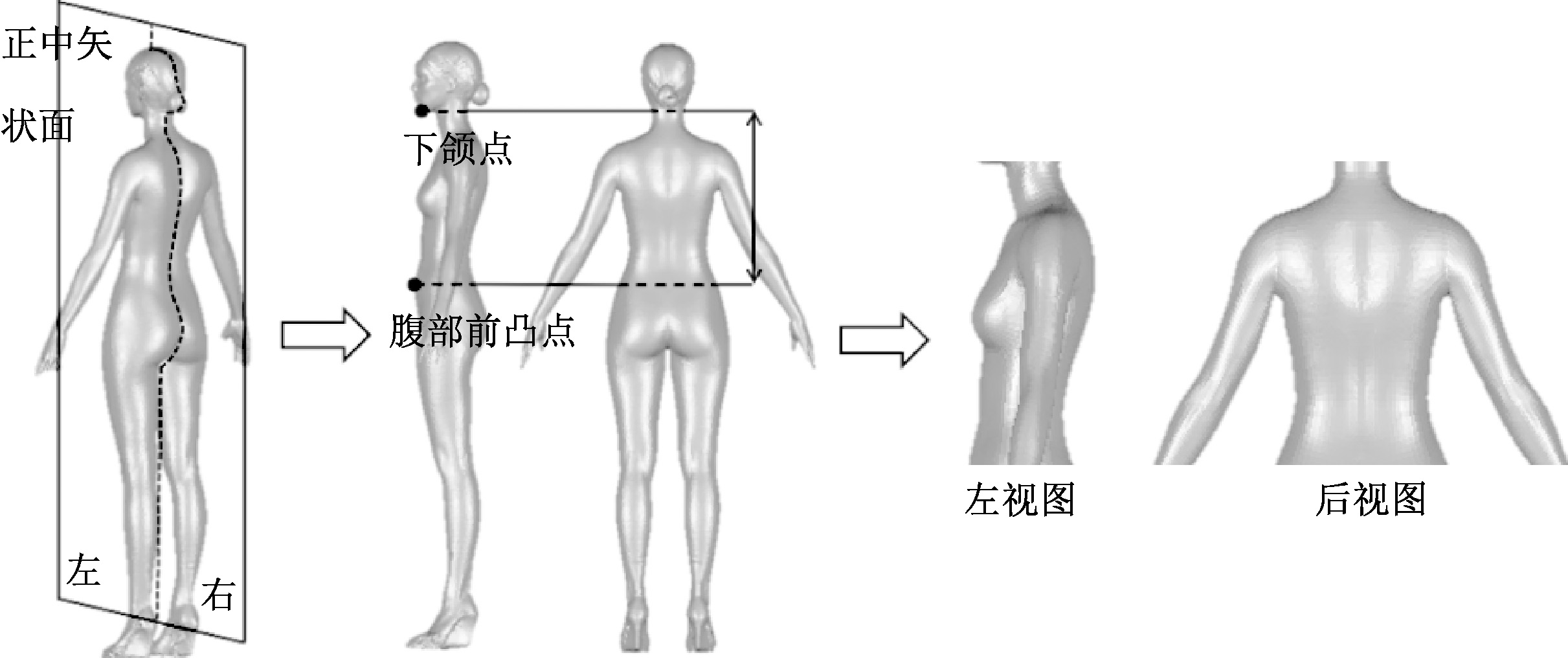
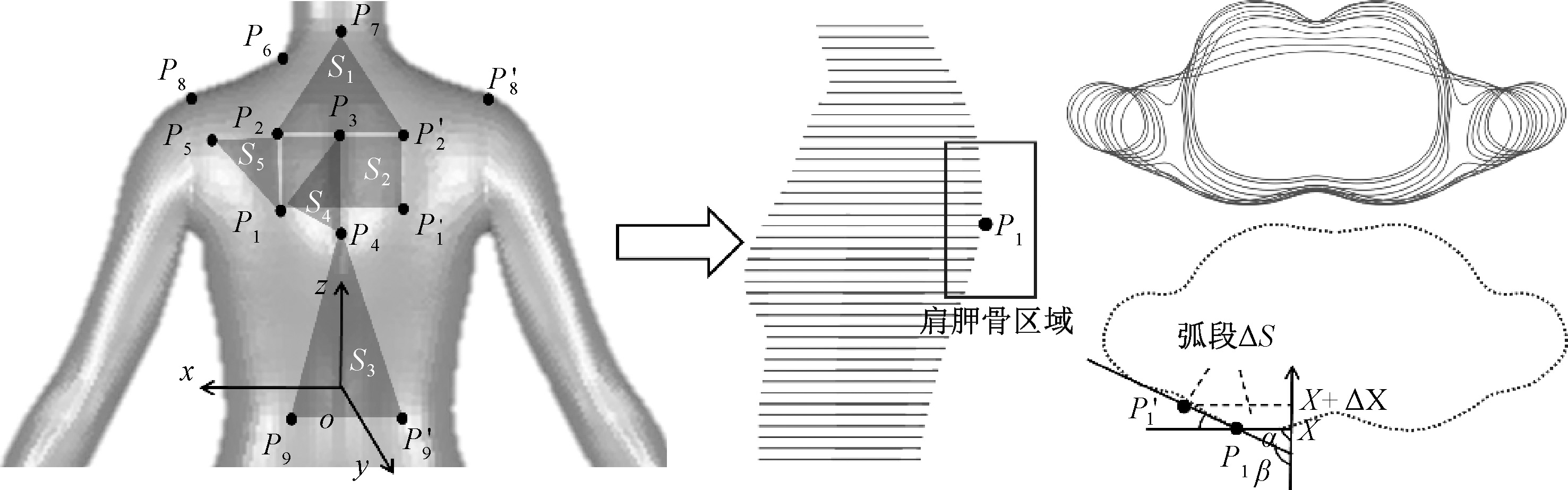
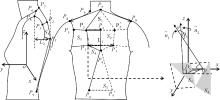
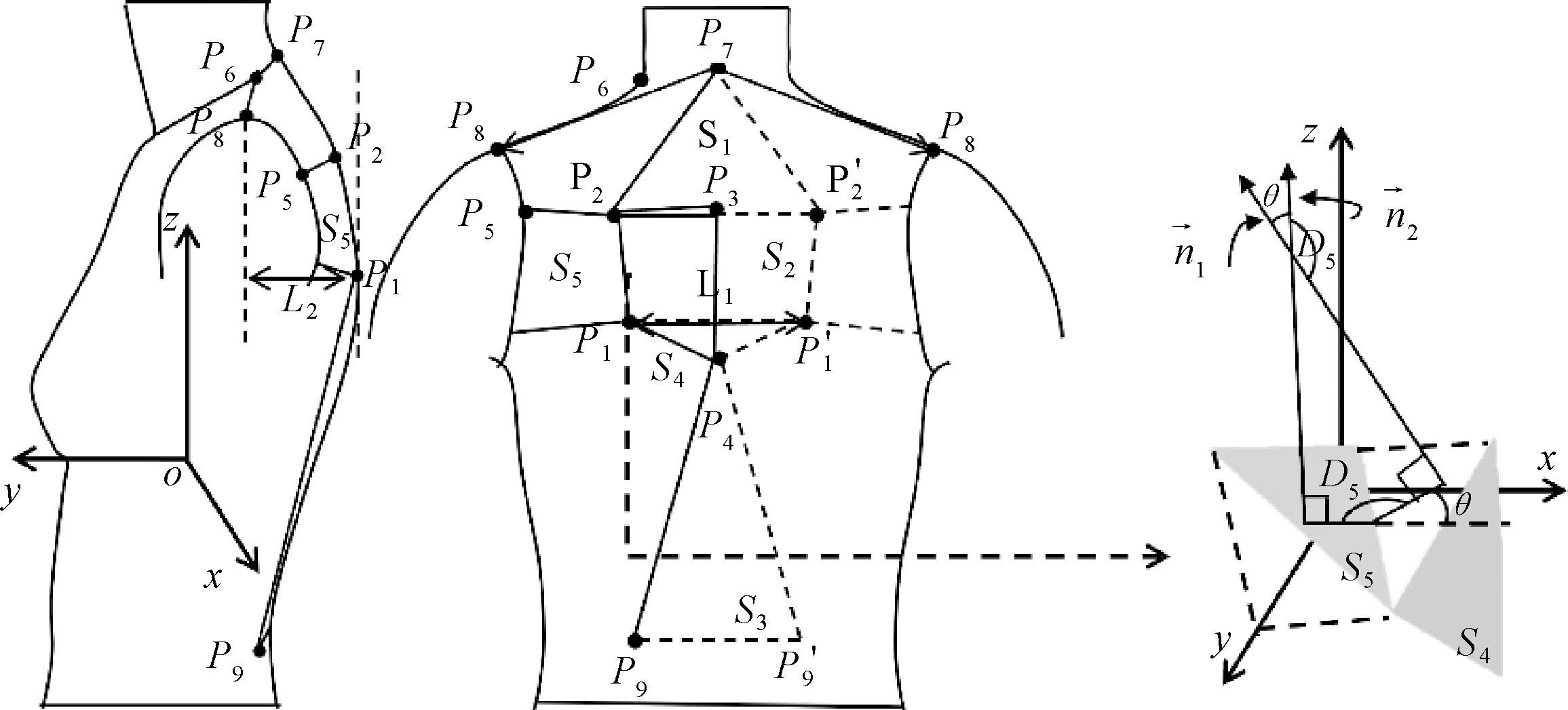
Results A study of 104 young women aged 18-25 defined the posterior back region as the area between the mandibular point and the horizontal circumference through the anterior abdominal protuberance. Using Geomagic reverse engineering software, the cross-sectional curves of the back region were generated. Local curvatures along these curves were calculated to locate the most prominent points, establishing nine landmarks. Based on these points, five planes were constructed to characterize back morphology. Multidimensional parameters involving six angles and three lengths were extracted from these feature points and planes.

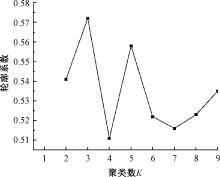
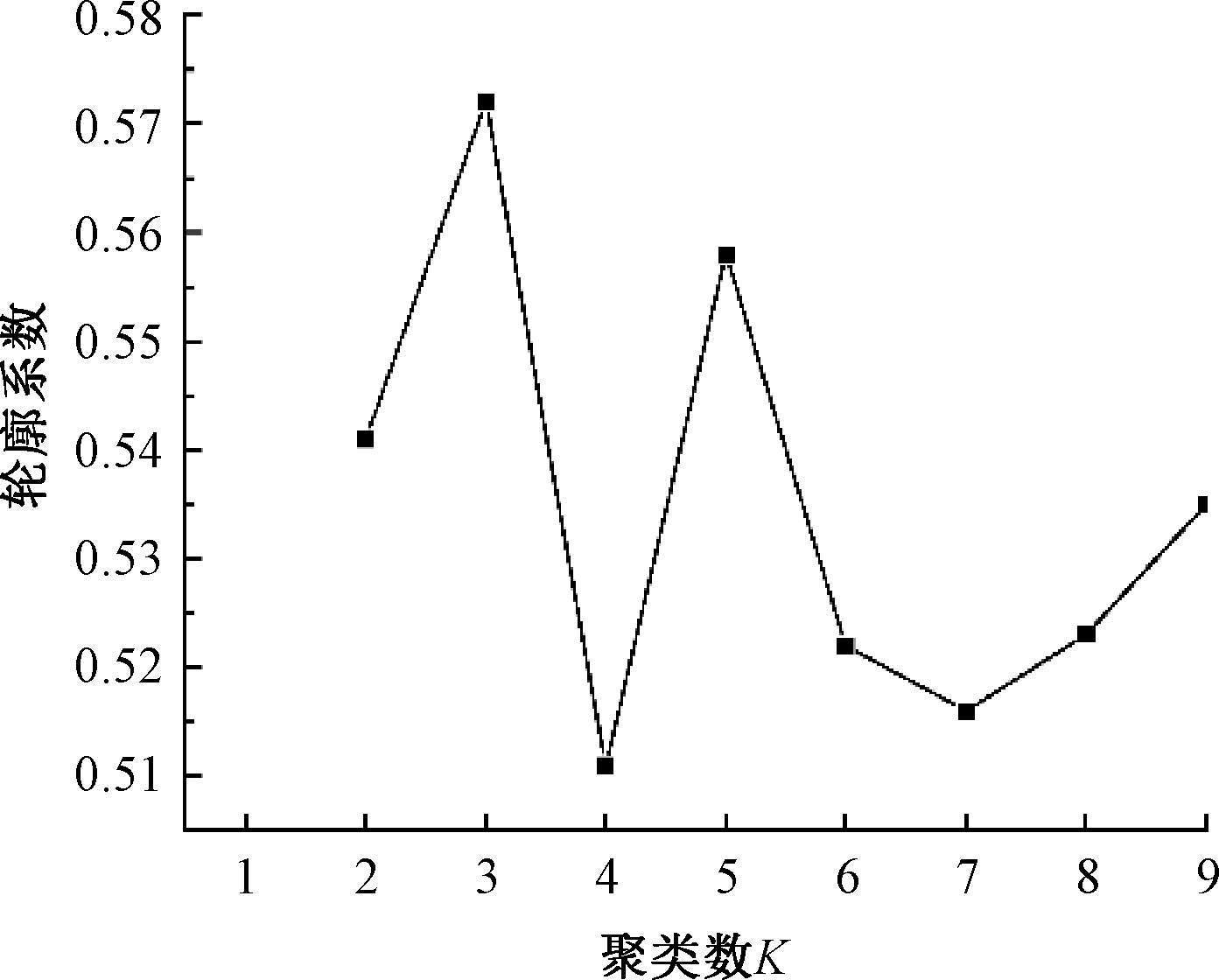
The grey relational analysis (GRA) was adopted to extract the five key indicators from the feature parameters before K-means clustering was performed by randomly grouping these five indicators, where the cluster numbers (K) ranged from 2 to 9. For each test, the silhouette coefficient was calculated. The best result, with the highest coefficient, emerged when dividing subjects into three categories based on thickness and back-shoulder width. The first category was the straight and slender type, with an overall straight back representing the normal form. The second category was the broad-shouldered and thick-backed type, featuring a thick upper back, a broad back, and an externally rotated shoulder girdle, resembling winged scapulae. The third was the narrow-shouldered with posterior curvature type, presenting a prominent neck curve, narrow shoulders, and a mild kyphotic tendency.

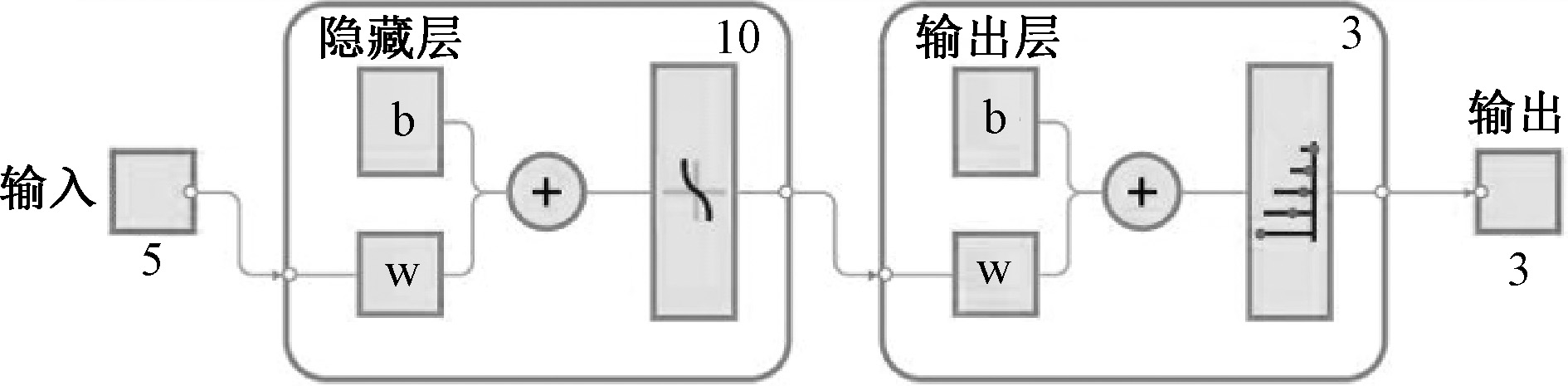
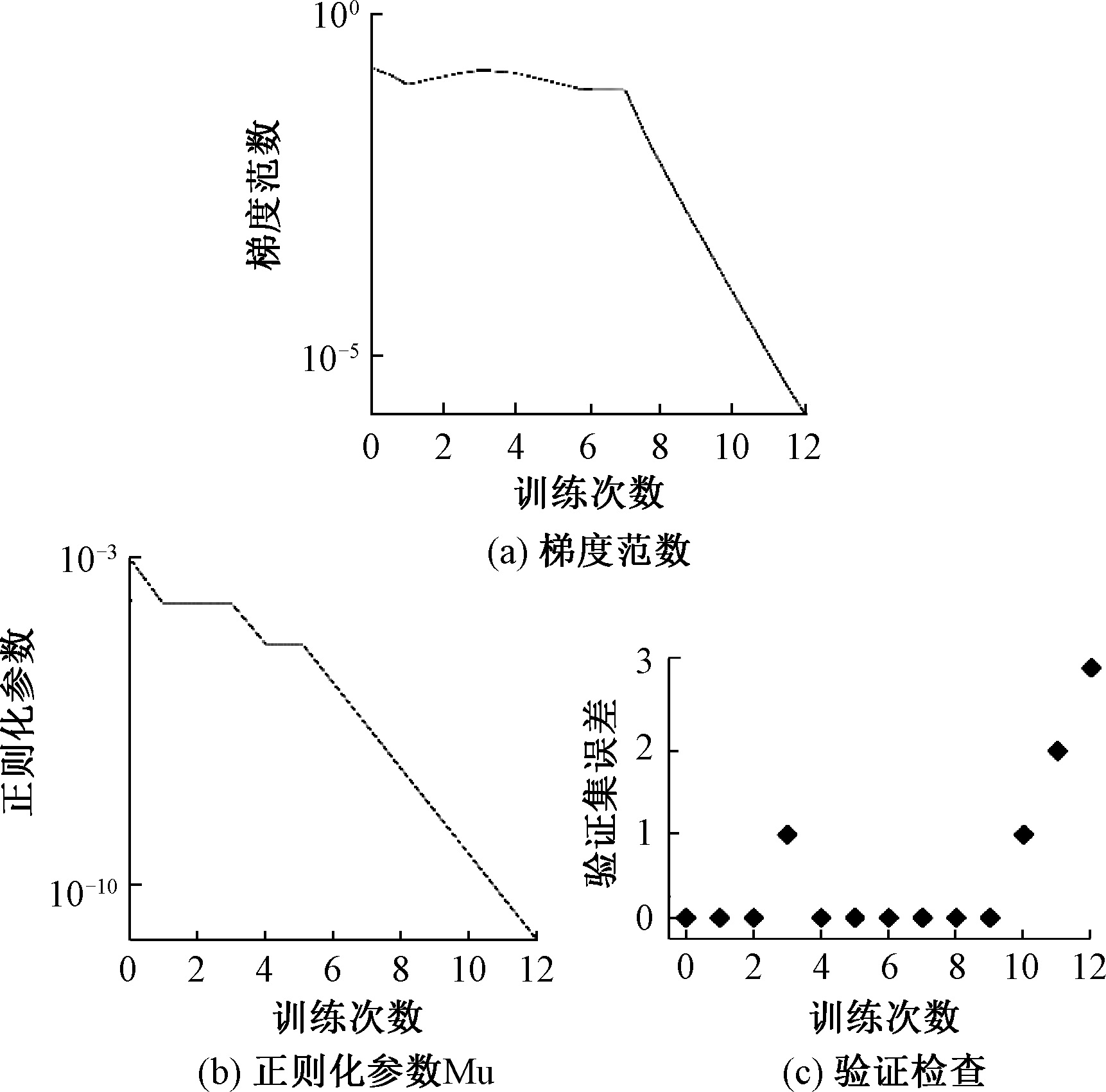
A three-layer neural network was built in MatLab R2023b to predict the back body types of young women. Using a stratified sampling method, the dataset was divided into 3 groups, 70% for training, 15% for validation, and he rest 15% for testing, where the validation set was adopted to guide the training and to prevent overfitting, whereas the test set assessed the model's ability to generalize. The final model achieved an overall accuracy of 98.97%. Based on these distinct back shape classifications, the study concluded by applying optimized shoulder pad designs in warp-knitted suits tailored to each back type.

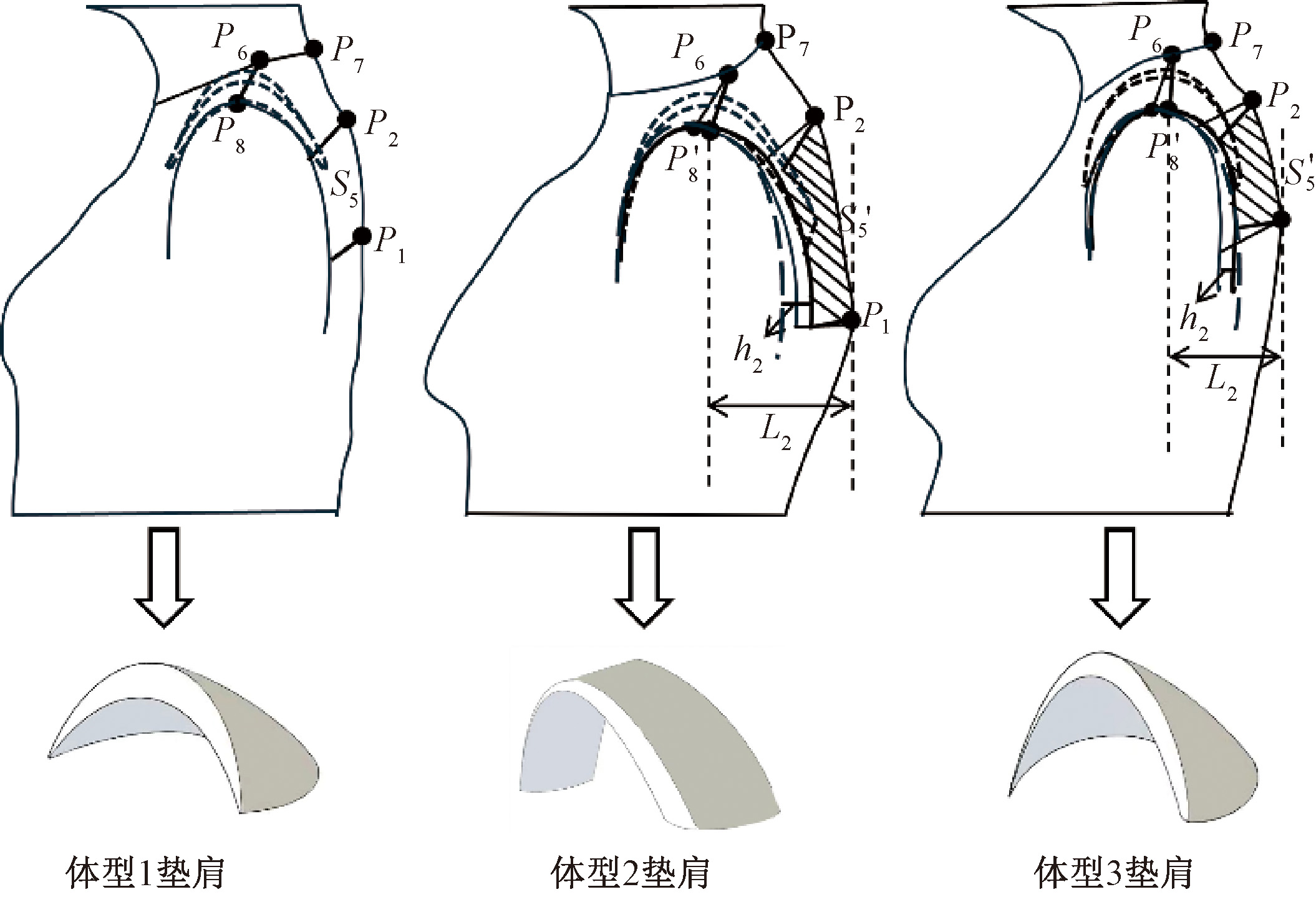
Conclusion Based on comprehensive 3D body scanning data, a systematic framework for back morphology analysis was established by defining precise anatomical boundaries and creating representative feature points and planes. Through advanced clustering methodology incorporating characteristic angles, lengths, gray correlation analysis, and silhouette coefficients, three distinct somatotypes was identified: the straight-slender variant representing standard morphology, the broad-thick type exhibiting winged scapulae characteristics, and the narrow-convex form demonstrating mild kyphotic predisposition. An accurate neural network prediction model was developed, achieving 98.97% classification accuracy, providing reliable technological support for customized shoulder pad engineering. Furthermore, significant correlations between scapular plane configuration and body thickness dimensions was revealed. Tailored shoulder pads designed for specific somatotypes effectively reposition the shoulder point posteriorly, creating optimized shoulder contours that reduce apparent body thickness. This strategic modification decreases critical distances between shoulder pads and back protrusion points, facilitating natural scapular retraction toward prominent areas.

These structural improvements collectively enhance shoulder silhouette definition, optimize overall body proportions, and elevate garment fit and aesthetic quality. The findings establish substantial theoretical and practical foundations for personalized apparel design and manufacturing processes.

Key words: apparel design and engineering, back shape, three-dimensional human body scanning, neural network, shoulder pad

中图分类号: 

  • TS109

图1

后背区域划分"

图2

后背特征点"

表1

特征点含义"

特征点 含义
P1 人体侧面肩胛骨最突出点
P2 人体侧面肩胛冈最突出点
P3 人体后正中线与肩胛冈最突出点平行相交的点
P4 人体后正中线与后腋窝点平行相交的点
P5 臂根线附近
P6 侧颈点,前颈窝点与后颈椎点的连线与肩棱线的交点
P7 后颈椎点,第七颈椎突出点
P8 肩点,肩棱线与臂根线的交点
P9 人体腰腹部侧面最凹点

图3

后背特征图"

表2

后背特征角、线含义"

测量参数 含义
D1 过面S1且垂直于平面xoy平行直线的向量与z轴的夹角
D2 过面S2且垂直于平面xoy平行直线的向量与z轴的夹角
D3 过面S3且垂直于平面xoy平行直线的向量与z轴的夹角
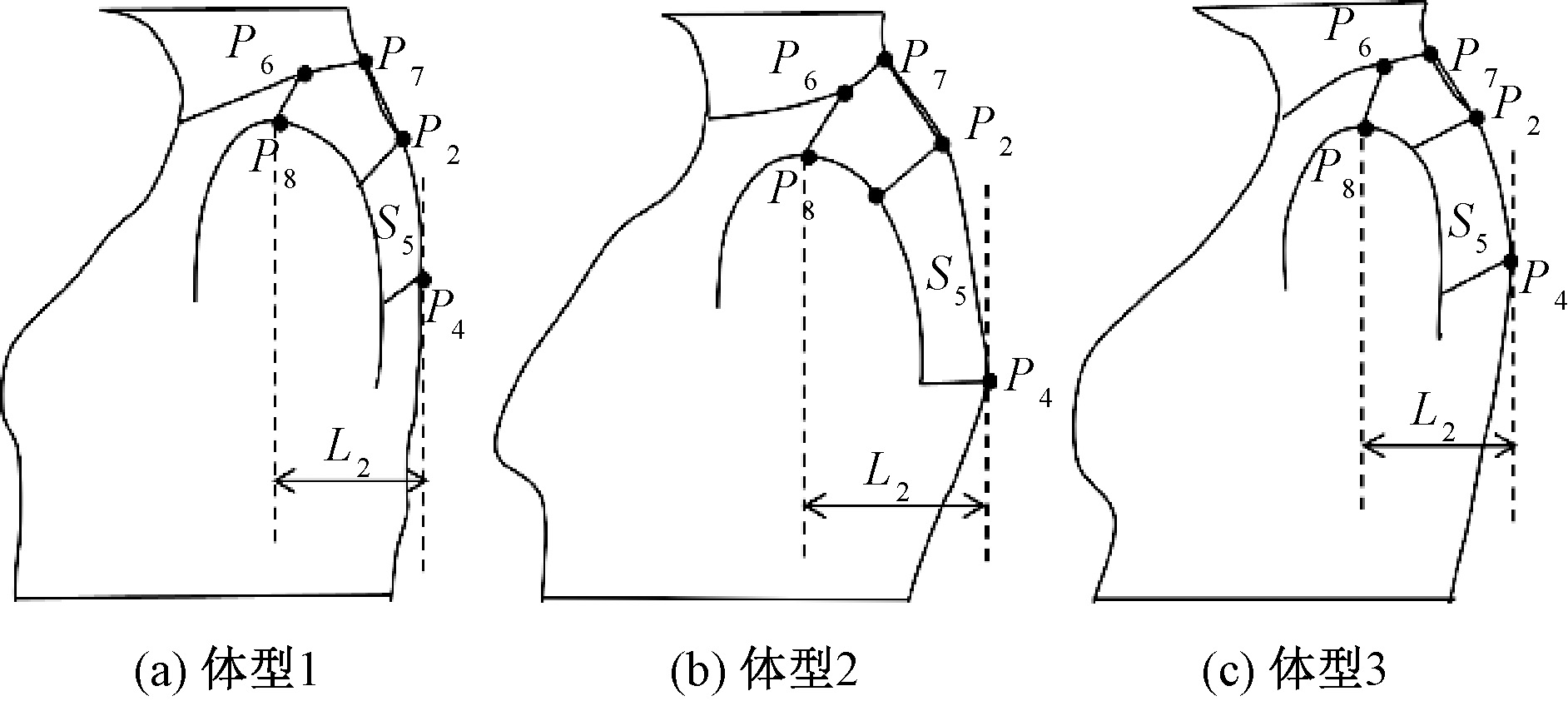
D4 过面S5且垂直于平面yoz平行直线的向量与x轴的夹角
D5 过面S4的平面法线与面S5的平面法线之间的夹角
D6 过点P6P8的直线与平面xoz的夹角
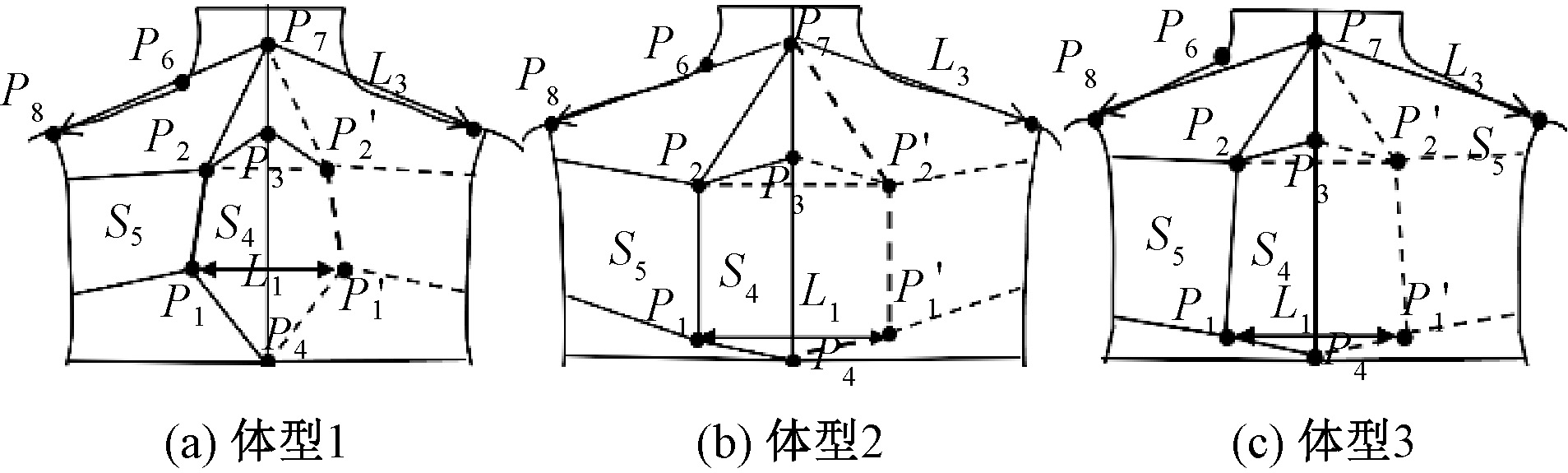
L1 人体两侧肩胛骨最突出点P1之间的距离
L2 P8到人体侧面肩胛骨最突出点P1点之间的水平距离
L3 左右肩点P8到后颈点P7的距离

图4

轮廓系数图"

表3

最终聚类中心及对应样本量"

聚类
类别
肩宽/
mm
厚度/
mm
样本
容量/个
所占
比例/%
1 345.02 80.59 33 34
2 344.49 98.24 35 36
3 318.22 83.88 29 30

图5

3种体型侧面示意图"

图6

3种体型背面示意图"

表4

人体参数及侧面肩背部形态参数"

体型 L1/
mm
L2/
mm
L3/
mm
D1/
(°)
D2/
(°)
D3/
(°)
h1/
mm
h'1/
mm
体型1 139.84 82.65 345.94 19.95 16.47 150.69
体型2 141.37 95.37 345.67 25.91 29.15 141.58 12.72 5.5
体型3 104.51 88.15 316.85 31.72 24.85 136.97 5.72 -15.33

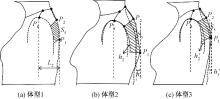
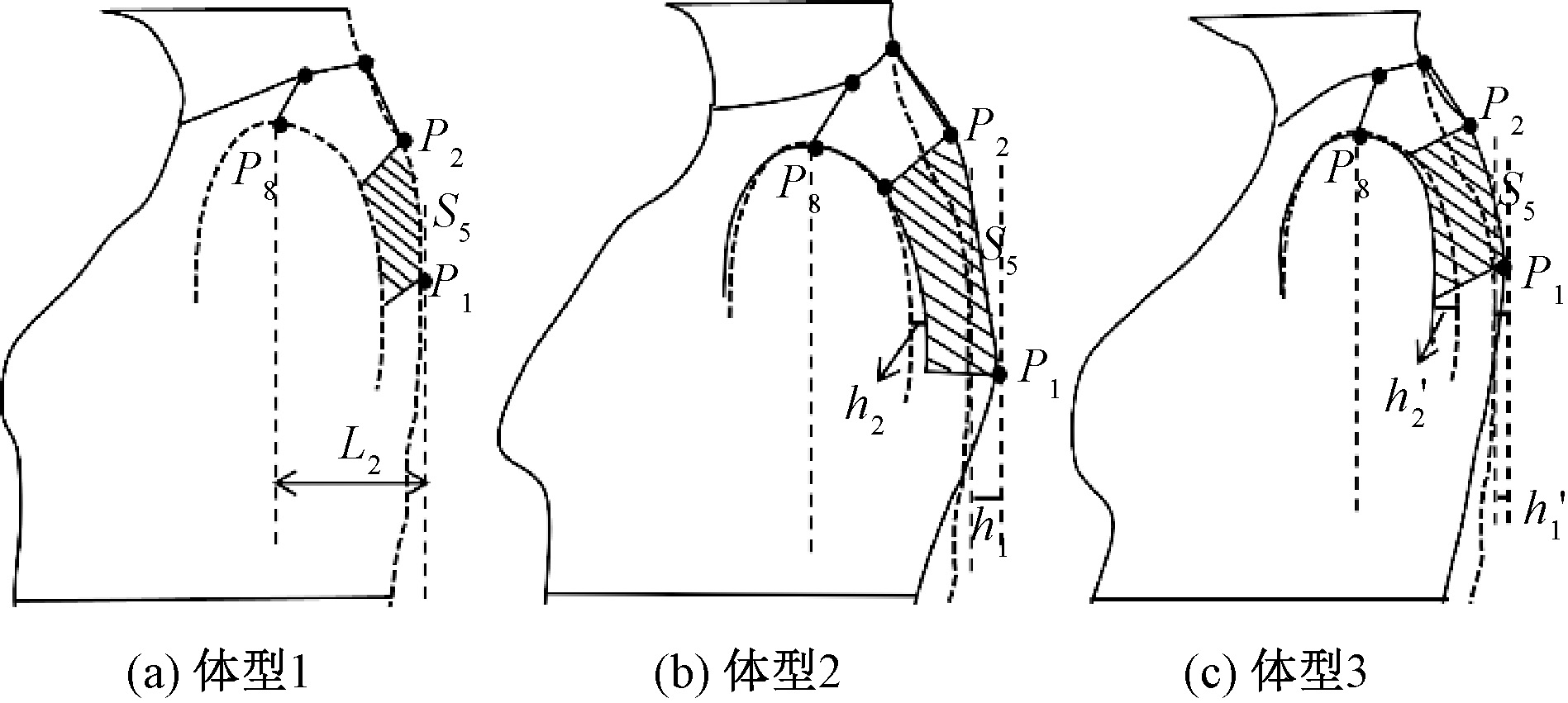
图7

3种体型肩背部侧面示意图 注:---为体型1的样板轮廓。"

图8

网络训练基本过程"

图9

迭代训练状态图"

表5

神经网络分类模型性能统计"

数据集 准确率/%
类别1 类别2 类别3 总体
训练集 100 100 100.0 100.0
验证集 100 100 80.0 92.90
测试集 100 100 100.0 100.0
全体数据 100 100 96.7 98.97

图10

不同后背体型的垫肩示意图 注:---为体型1的样板轮廓。"

[1] 于素丽, 李卓然, 苟建峰, 等. 不良体态智能评估在线检测系统的开发与应用[J]. 生物医学工程研究, 2025, 44(4): 209-214.
YU Suli, LI Zhuoran, GOU Jianfeng, et al. Development and application of an online detection system for intelligent assessment poor posture[J]. Journal of Biomedical Engineering Research, 2025, 44(4): 209-214.
[2] 阮婷, 袁惠芬, 韦玉辉, 等. 基于三维人体测量的青年男性肩部形态分类[J]. 服装学报, 2020, 5(6): 488-492.
RUAN Ting, YUAN Huifen, WEI Yuhui, et al. Young male shoulder morphology classification based on three-dimensional body measurement[J]. Journal of Clothing Research, 2020, 5(6): 488-492.
[3] 陈郁, 任雨佳, 师亚楠. 特殊体态人体肩背部变化规律[J]. 服装学报, 2022, 7(4): 304-308.
CHEN Yu, REN Yujia, SHI Yanan. Changing regularity of shoulder and back for people with special shape[J]. Journal of Clothing Research, 2022, 7(4): 304-308.
[4] 邱文池, 李涛, 马玲, 等. 基于极径的青年女性肩胸腰部形态表征及差异性分析[J]. 纺织学报, 2024, 45(10): 184-190.
doi: 10.13475/j.fzxb.20240100501
QIU Wenchi, LI Tao, MA Ling, et al. Characterization and differential analysis of young women's shoulder-chest-waist relations based on polar diameter[J]. Journal of Textile Research, 2024, 45(10): 184-190.
doi: 10.13475/j.fzxb.20240100501
[5] YOON M K, NAM Y J, KIM W. Classifying male upper lateral somatotypes using space vectors[J]. International Journal of Clothing Science and Technology, 2016, 28(1): 115-129.
doi: 10.1108/IJCST-03-2015-0043
[6] 马帅, 张西临, 黄宽, 等. 中国男性飞行员体型特征分类[J]. 纺织学报, 2025, 46(01):163-168.
doi: 10.13475/j.fzxb.20240306601
MA Shuai, ZHANG Xilin, HUANG Kuan, et al. Classification of body shape characteristics of Chinese male pilots[J]. Journal of Textile Research, 2025, 46(1): 163-168.
[7] 李燕, 黄凯. 基于Geomagic的三维人体建模技术[J]. 纺织学报, 2008, 29(5): 130-134.
LI Yan, HUANG Kai. Technique of 3-D human body molding based on Geomagic[J]. Journal of Textile Research, 2008, 29(5): 130-134.
[8] 刘金灵, 何雅婷, 顾冰菲. 面向个性化曲面枕设计的人体头颈背部曲面形态分类及识别[J]. 纺织学报, 2025, 46(8): 183-190.
LIU Jinling, HE Yating, GU Bingfei. Classification and recognition of human head-neck-back curvature morphology for personalized curved-pillow design[J]. Journal of Textile Research, 2025, 46(8): 183-190.
[9] PARK S, NAM Y, CHOI K. Parametric virtual lower body of elderly women for apparel industry[J]. International Journal of Clothing Science and Technology, 2015, 27(1): 129-147.
doi: 10.1108/IJCST-01-2014-0010
[10] DENG J L. Control problems of grey systems[J]. Systems & Control Letters, 1982, 1(5): 288-294.
doi: 10.1016/S0167-6911(82)80025-X
[11] 孙林, 刘梦含, 徐久成. 基于优化初始聚类中心和轮廓系数的 K-means 聚类算法[J]. 模糊系统与数学, 2022, 36(1): 47-65.
SUN Lin, LIU Menghan, XU Jiucheng. K-means clustering algorithm using optimal initial clustering center and contour coefficient[J]. Fuzzy Systems and Mathematics, 2022, 36(1): 47-65.
[12] 曹晓梦, 王春茹, 罗斯祺, 等. 老年男性腰臀部体型分类及预测模型建立[J]. 针织工业, 2023(7): 76-80.
CAO Xiaomeng, WANG Chunru, LUO Siqi, et al. Classification and prediction model of the waist and hip types of the elderly[J]. Knitting Industries, 2023(7): 76-80.
[13] 伍圣, 张尚勇. 基于BP神经网络的女裙结构研究[J]. 针织工业, 2023(3): 78-81.
WU Sheng, ZHANG Shangyong. Study of skirt structure based on BP neural network[J]. Knitting Industries, 2023(3): 78-81.
[14] 吕春宁, 丛洪莲, 吴春艳. 仿梭织经编服装面料的设计与开发[J]. 纺织科学与工程学报, 2024, 41(3): 115-120.
LÜ Chunning, CONG Honglian, WU Chunyan. Design and development of imitating-woven warp knitting garment fabrics[J]. Journal of Textile Science & Engineering, 2024, 41(3): 115-120.
[1] 杜劲松, 聂家乐. 女装结构平衡与服装压分布相关性研究[J]. 纺织学报, 2026, 47(04): 189-197.
[2] 钟雨彤, 卢业虎. 华东地区青年人群头颈肩形态智能分类[J]. 纺织学报, 2026, 47(04): 207-214.
[3] 李宇彤, 于施佳, 韩曙光. 基于多视图的三维人体重建[J]. 纺织学报, 2026, 47(04): 215-224.
[4] 刘怡鑫, 万美怡, 张宁, 潘如如. 基于特征融合的复杂场景面料图像检索方法[J]. 纺织学报, 2026, 47(02): 188-194.
[5] 邓云涛, 谭艳君, 张洪松, 燕雨, 余秋雨, 林风喜, 王一鑫, 安乐乐. 织物起毛起球等级评定系统[J]. 纺织学报, 2025, 46(11): 102-110.
[6] 朱耀麟, 李政, 张强, 陈鑫, 陈锦妮, 张洪松. 基于近红外光谱和多特征网络的羊毛和羊绒定量检测[J]. 纺织学报, 2025, 46(09): 104-111.
[7] 郑小虎, 杜思淇, 刘永青, 王健, 陈峰. 基于一维卷积神经网络的棉纱线质量预测[J]. 纺织学报, 2025, 46(09): 120-127.
[8] 刘金灵, 何雅婷, 顾冰菲. 面向个性化曲面枕设计的人体头颈背部曲面形态分类及识别[J]. 纺织学报, 2025, 46(08): 183-190.
[9] 张晓婷, 赵鹏宇, 潘如如, 高卫东. 基于深度特征融合的格子织物图像检索方法[J]. 纺织学报, 2025, 46(08): 89-95.
[10] 顾孟尚, 张宁, 潘如如, 高卫东. 结合频域卷积模块的机织物图像疵点目标检测[J]. 纺织学报, 2025, 46(05): 159-168.
[11] 梁金星, 李东盛, 李壹帆, 周景, 罗航, 陈佳, 胡新荣. 基于照相测色的纺织品色牢度评级方法[J]. 纺织学报, 2025, 46(04): 119-128.
[12] 王罗俊, 彭来湖, 熊叙一, 李杨, 胡旭东. 基于超级基神经网络的自适应反演非奇异滑模纱线恒张力控制[J]. 纺织学报, 2025, 46(02): 92-99.
[13] 盛锡彬, 赵崧灵, 顾冰菲. 基于标准工时预测的衬衣部件模块生产编排优化[J]. 纺织学报, 2025, 46(01): 154-162.
[14] 刘健, 王程皓, 董守骏, 刘泳汝. 半封闭自由表面式静电纺丝喷头设计与优化[J]. 纺织学报, 2024, 45(11): 215-225.
[15] 孙长敏, 戴宁, 沈春娅, 徐开心, 陈炜, 胡旭东, 袁嫣红, 陈祖红. 基于K-近邻算法改进粒子群-反向传播算法的织物质量预测技术[J]. 纺织学报, 2024, 45(07): 72-77.
Viewed
Full text


Abstract

Cited

  Shared   
  Discussed   
No Suggested Reading articles found!