纺织学报 ›› 2025, Vol. 46 ›› Issue (03): 1-8.doi: 10.13475/j.fzxb.20240302601
• 纤维材料 •
王彪1,2, 李源1,2, 董杰1,2, 张清华1,2( )
)
WANG Biao1,2, LI Yuan1,2, DONG Jie1,2, ZHANG Qinghua1,2()
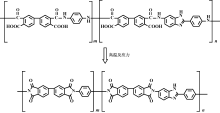
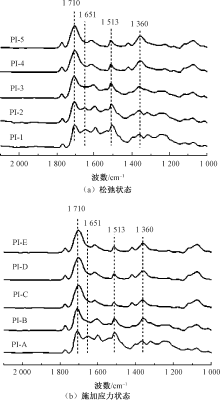
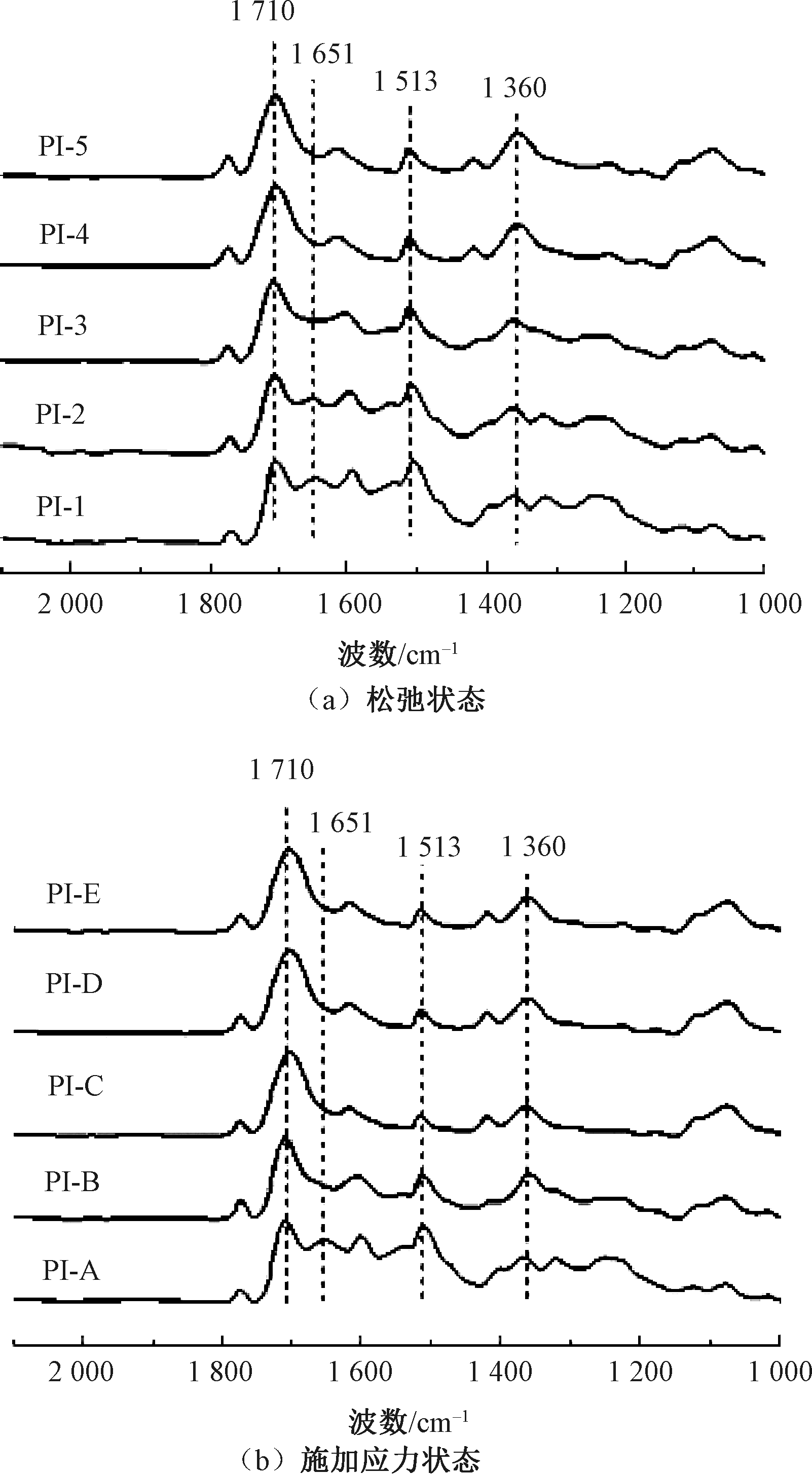
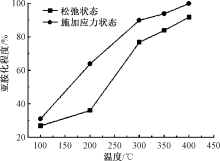
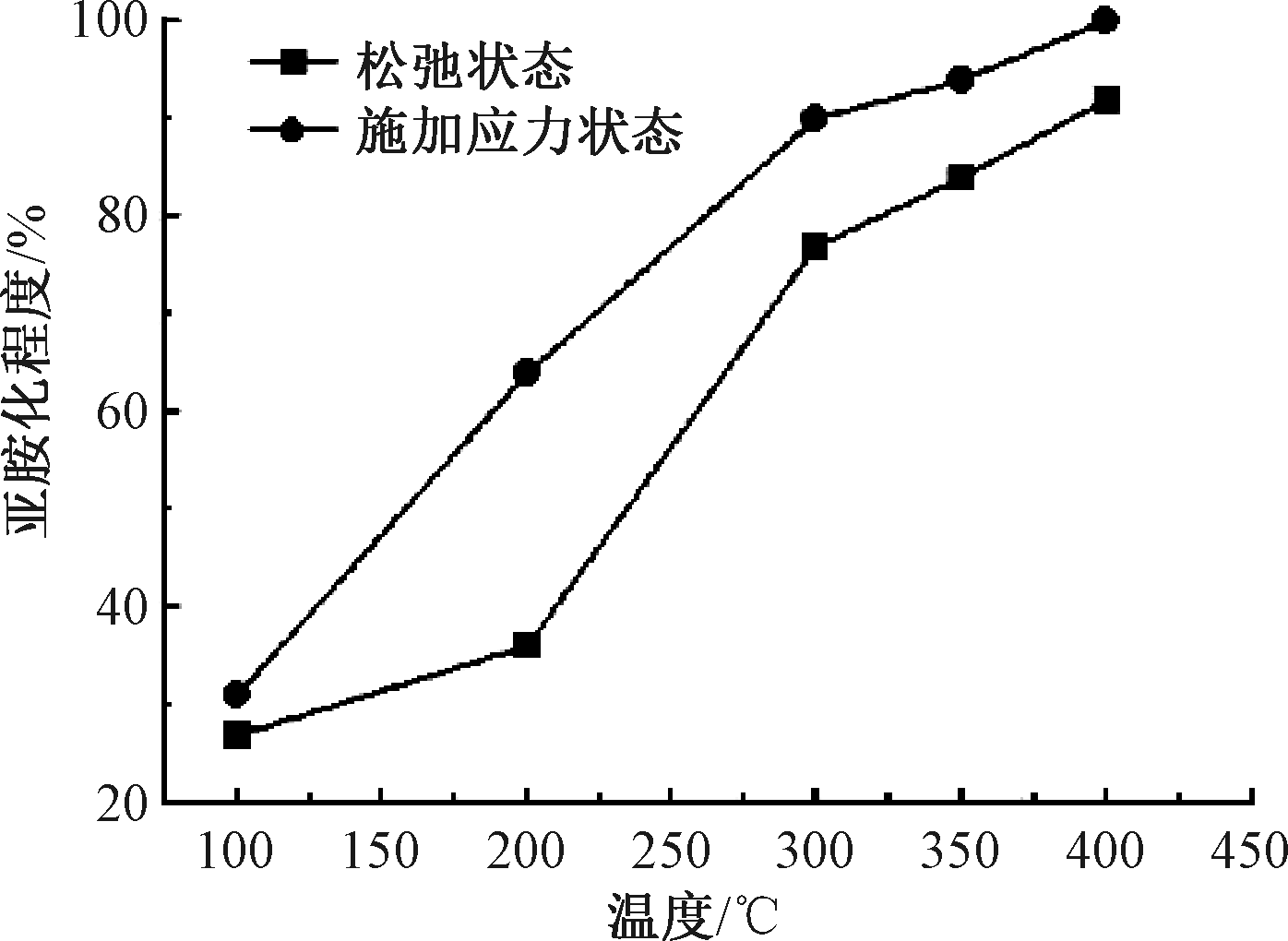
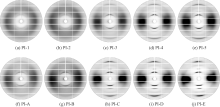
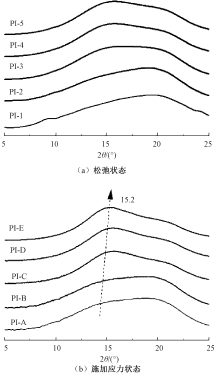
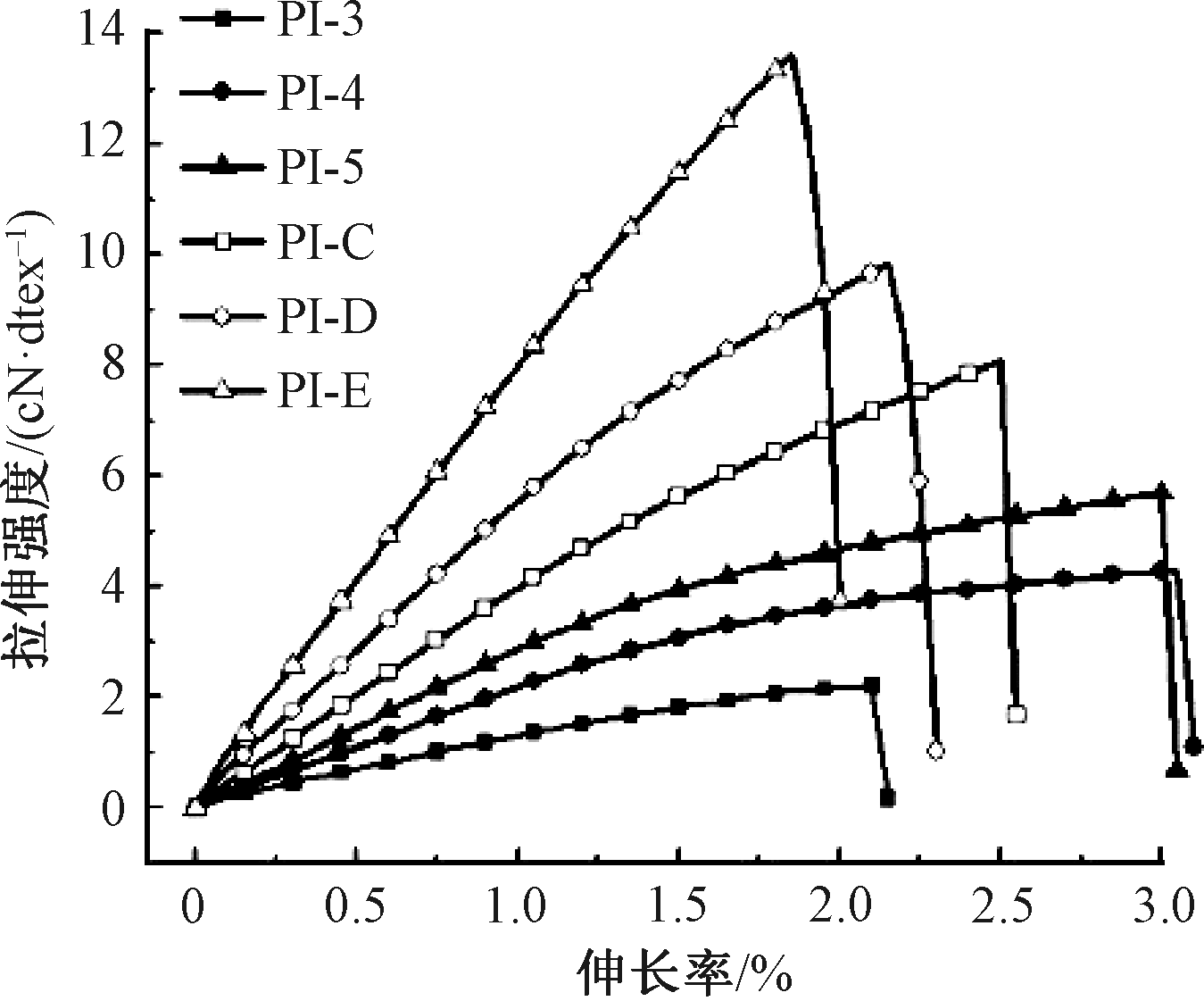
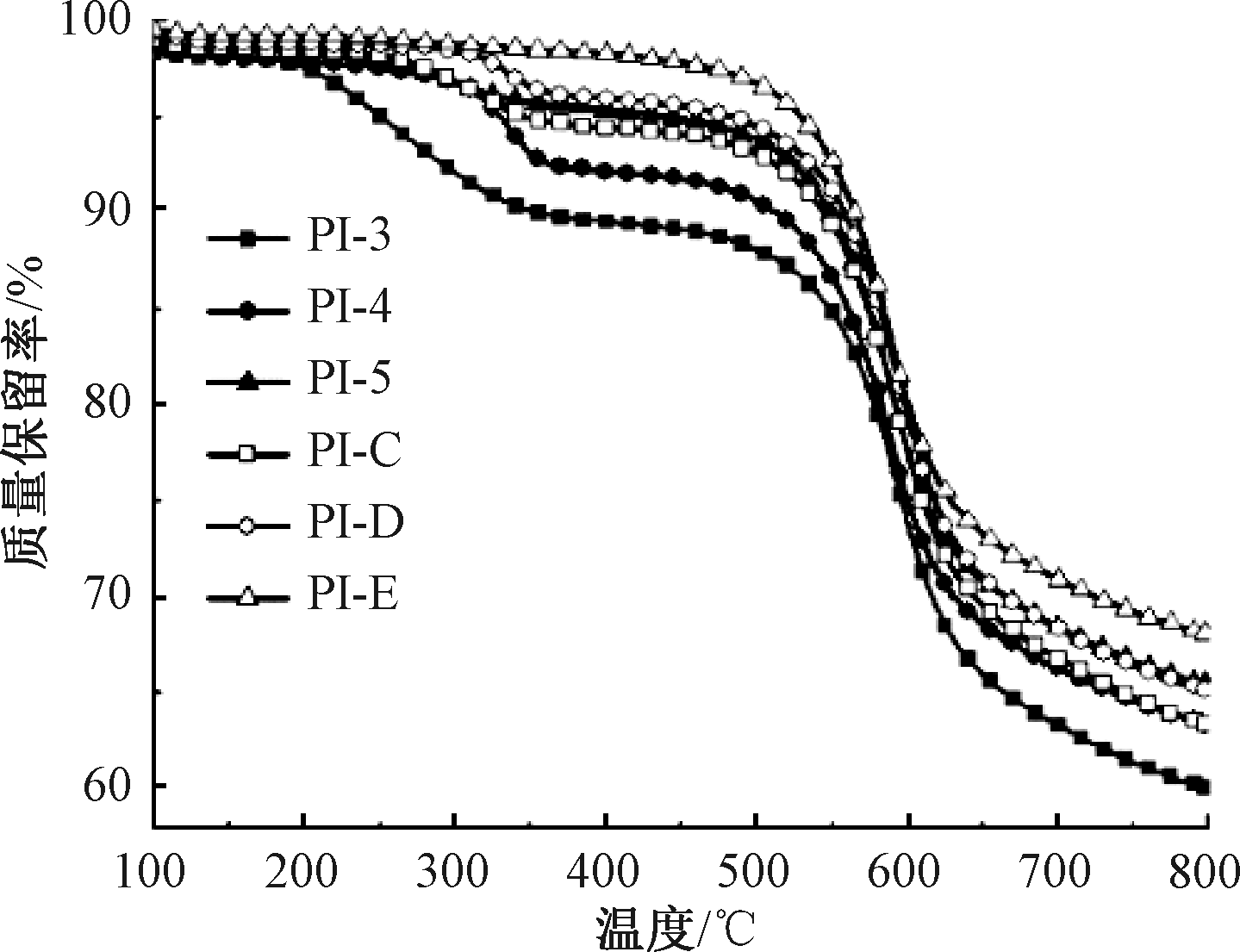
摘要: 为提高聚酰亚胺(PI)前驱体环化纤维的力学性能,并优化其微结构,通过红外光谱、X射线衍射、力学性能及热稳定性测试,研究了在热亚胺化过程中施加一定应力对PI纤维结构和性能的影响。结果表明:施加应力加快了热亚胺化反应的进程,300 ℃保温120 s,纤维亚胺化程度达到90%,相比于松弛状态下提升了17%,这有利于纤维性能的提升;在纤维聚集态结构方面,应力作用下,纤维轴向晶面间距增大,取向度和结晶度提高;相较于松弛状态下,经400 ℃应力热亚胺化反应,纤维内部(004)晶面的取向度由0.63提升至0.80,结晶度由14.20% 提升至16.73%,表明纤维内部形成更加完善的晶体结构,纤维径向分子链有序度增加,但大部分仍为非晶结构;得益于热亚胺化过程中分子链取向度的提高,纤维的强度和模量显著提升,断裂伸长率下降,且在应力作用下,经400 ℃热亚胺化处理纤维的5%和10%热失重温度分别达到529 ℃和565 ℃。
中图分类号:
| [1] | LIAW Derjang, WANG Kuangli, HUANG Yingchi, et al. Advanced polyimide materials: syntheses, physical properties and applications[J]. Progress in Polymer Science, 2012, 37(7): 907-974. |
| [2] | 张梦颖, 牛鸿庆, 韩恩林, 等. 高强高模聚酰亚胺纤维及其应用研究[J]. 绝缘材料, 2016, 49(8): 12-16. |
| ZHANG Mengying, NIU Hongqing, HAN Enlin, et al. Research and application of polyimide fibers with high strength and modulus[J]. Insulating Materials, 2016, 49(8): 12-16. | |
| [3] | YANG Wenke, LIU Fangfang, CHEN Hongxiang, et al. Influence of heating rate on the structure and mechanical properties of aromatic BPDA-PDA polyimide fiber[J]. Polymers, 2020, 12(3): 589-598. |
| [4] | 张亚飞, 李亚飞, 于志强, 等. 聚酰胺酸的制备与亚胺化过程研究[J]. 广州化工, 2018, 46(4): 80-83. |
| ZHANG Yanfei, LI Yafei, YU Zhiqiang, et al. Study on preparation of polyamic acid and its imidization process[J]. Guangzhou Chemical Industry, 2018, 46(4): 80-83. | |
| [5] | 陈雪, 崔晶, 孙旭阳, 等. 聚酰亚胺纤维热亚胺化过程研究[J]. 化学反应工程与工艺, 2022, 38(4): 338-347. |
| CHEN Xue, CUI Jing, SUN Xuyang, et al. Study on thermal imidization process of polyimide fiber[J]. Chemical Reaction Engineering and Technology, 2022, 38(4): 338-347. | |
| [6] | ZHANG Dianbo, DONG Jie, GAN Feng, et al. Structural evolution from poly(amic acid) to polyimide fibers during thermal imidization process[J]. High Performance Polymers, 2018, 31(5): 600-610. |
| [7] | XU Yuan, WANG Shihua, LI Zhentao, et al. Polyimide fibers prepared by dry-spinning process: imidization degree and mechanical properties[J]. Journal of Materials Science, 2013, 48(22): 7863-7868. |
| [8] | GAN Feng, DONG Jie, ZHANG Dianbo, et al. High-performance polyimide fibers derived from wholly rigid-rod monomers[J]. Journal of Materials Science, 2017, 53(7): 5477-5489. |
| [9] | ZHENG Sensen, DONG Jie, LI Xiuting, et al. High-strength and high-modulus polyimide fibers with excellent UV and ozone resistance[J]. ACS Applied Polymer Materials, 2022, 4(6): 4558-4567. |
| [10] | 方玉婷, 王士华, 郭涛, 等. 热拉伸条件对聚酰亚胺纤维结构和性能的影响[J]. 合成纤维, 2020, 49(9): 17-21. |
| FANG Yuting, WANG Shihua, GUO Tao, et al. The effects of post hot-drawing on structure and properties of polyimide fiber[J]. Synthetic Fiber in China, 2020, 49(9): 17-21. | |
| [11] | YIN Chaoqing, DONG Jie, TAN Wenjun, et al. Strain-induced crystallization of polyimide fibers containing 2-(4-aminophenyl)-5-aminobenzimidazole moiety[J]. Polymer, 2015, 75(2): 178-186. |
| [12] | LUO Longbo, DAI Yu, YUAN Yihao, et al. Control of head/tail isomeric structure in polyimide and isomerism-derived difference in molecular packing and proper-ties[J]. Macromolecular Rapid Communications, 2017, 38(23): 404-408. |
| [13] |
杨文轲, 刘芳芳, 张恩菘, 等. 热亚胺化过程中气氛和拉力对BPDA-PDA聚酰亚胺纤维结构与性能的影响[J]. 高等学校化学学报, 2017, 38(1): 150-158.
doi: 10.7503/cjcu20160580 |
|
YANG Wenke, LIU Fangfang, ZHANG Ensong, et al. Influence of atmosphere and force during thermal imidization on the structure and properties of BPDA-PDA polyimide fibers[J]. Chemical Journal of Chinese Universities, 2017, 38(1): 150-158.
doi: 10.7503/cjcu20160580 |
|
| [14] | YANG Wenke, LIU Fangfang, ZHANG Jidong, et al. Influence of thermal treatment on the structure and mechanical properties of one aromatic BPDA-PDA polyimide fiber[J]. European Polymer Journal, 2017, 96(9): 429-442. |
| [15] | VAGANOV G V, DIDENKO A L, IVANOV A G, et al. The effect of imidization conditions on the structure and properties of fibres from partially crystallized polyimide[J]. Journal of Physics: Conference Series, 2020. DOI:10-1088/1742-6596/1697/1/012116. |
| [1] | 李慧敏, 刘淑强, 杜琳琳, 张曼, 吴改红. 玄武岩/聚酰亚胺三维间隔机织物的参数化建模及高温环境传热数值模拟[J]. 纺织学报, 2025, 46(01): 87-94. |
| [2] | 夏良君, 曹根阳, 刘欣, 徐卫林. 高性能纤维及其制品颜色构建的研究进展[J]. 纺织学报, 2023, 44(06): 1-9. |
| [3] | 马莹, 向卫宏, 赵洋, 邓聪颖, 禄盛, 曾宪君. 三维正交织物织造过程模拟及其微观几何结构预测[J]. 纺织学报, 2023, 44(06): 105-113. |
| [4] | 吴帆, 李勇, 陈晓川, 汪军, 徐敏俊. 基于三维编织模型的棉纤维集合体压缩过程有限元建模与仿真[J]. 纺织学报, 2022, 43(09): 89-94. |
| [5] | 孙晓伦, 陈利, 张一帆, 李默涵. 开孔三维机织复合材料的拉伸性能[J]. 纺织学报, 2022, 43(08): 74-79. |
| [6] | 黄耀丽, 陆诚, 蒋金华, 陈南梁, 邵慧奇. 聚酰亚胺纤维增强聚二甲基硅氧烷柔性复合膜的热力学性能[J]. 纺织学报, 2022, 43(06): 22-28. |
| [7] | 李田华, 李晶晶, 张克勤, 赵荟菁, 孟凯. 螺旋型人工血管内的血流动力学数值模拟[J]. 纺织学报, 2022, 43(03): 17-23. |
| [8] | 董晗, 郑森森, 郭涛, 董杰, 赵昕, 王士华, 张清华. 高耐热聚酰亚胺纤维的制备及其性能[J]. 纺织学报, 2022, 43(02): 19-23. |
| [9] | 朱维维, 管丽媛, 龙家杰, 施楣梧. 超临界CO2流体处理时间对二醋酯纤维结构与性能的影响[J]. 纺织学报, 2021, 42(12): 97-102. |
| [10] | 丁许, 孙颖, 罗敏, 王兴泽, 陈利, 陈光伟. 航天器用高性能纤维编织绳索研究进展[J]. 纺织学报, 2021, 42(12): 180-187. |
| [11] | 陈纤, 李猛猛, 赵昕, 董杰, 滕翠青. 纳米芳纶气凝胶纤维的制备与微观结构调控[J]. 纺织学报, 2021, 42(11): 17-23. |
| [12] | 刘浩, 路明磊, 黄晓卫, 王娜, 王雪芳, 宁新, 明津法. 酸-醇体系丝素蛋白水凝胶制备与性能表征[J]. 纺织学报, 2021, 42(08): 41-48. |
| [13] | 卢俊, 王富军, 劳继红, 王璐, 林婧. 复合载荷下不同结构编织人工韧带的有限元分析[J]. 纺织学报, 2021, 42(08): 84-89. |
| [14] | 李凤艳, 叶天宇, 展晓晴, 赵健, 李聃阳, 王瑞. 涤纶与芳纶及超高分子量聚乙烯纤维复合纱防刺织物的制备及其性能[J]. 纺织学报, 2021, 42(07): 82-88. |
| [15] | 郑森森, 郭涛, 董杰, 王士华, 张清华. 含咪唑结构高强高模聚酰亚胺纤维的制备及其结构与性能[J]. 纺织学报, 2021, 42(02): 7-11. |
|
||
 京公网安备11010502044800号