纺织学报 ›› 2025, Vol. 46 ›› Issue (08): 53-61.doi: 10.13475/j.fzxb.20241104401
姜庭国1,2, 况军3, 司虎4, 张玉梅1,2, 陈烨1,2( ), 王华平1,2
JIANG Tingguo1,2, KUANG Jun3, SI Hu4, ZHANG Yumei1,2, CHEN Ye1,2(), WANG Huaping1,2
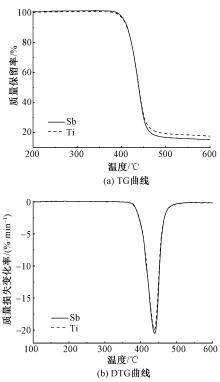
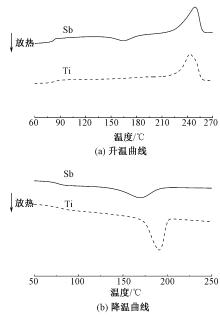
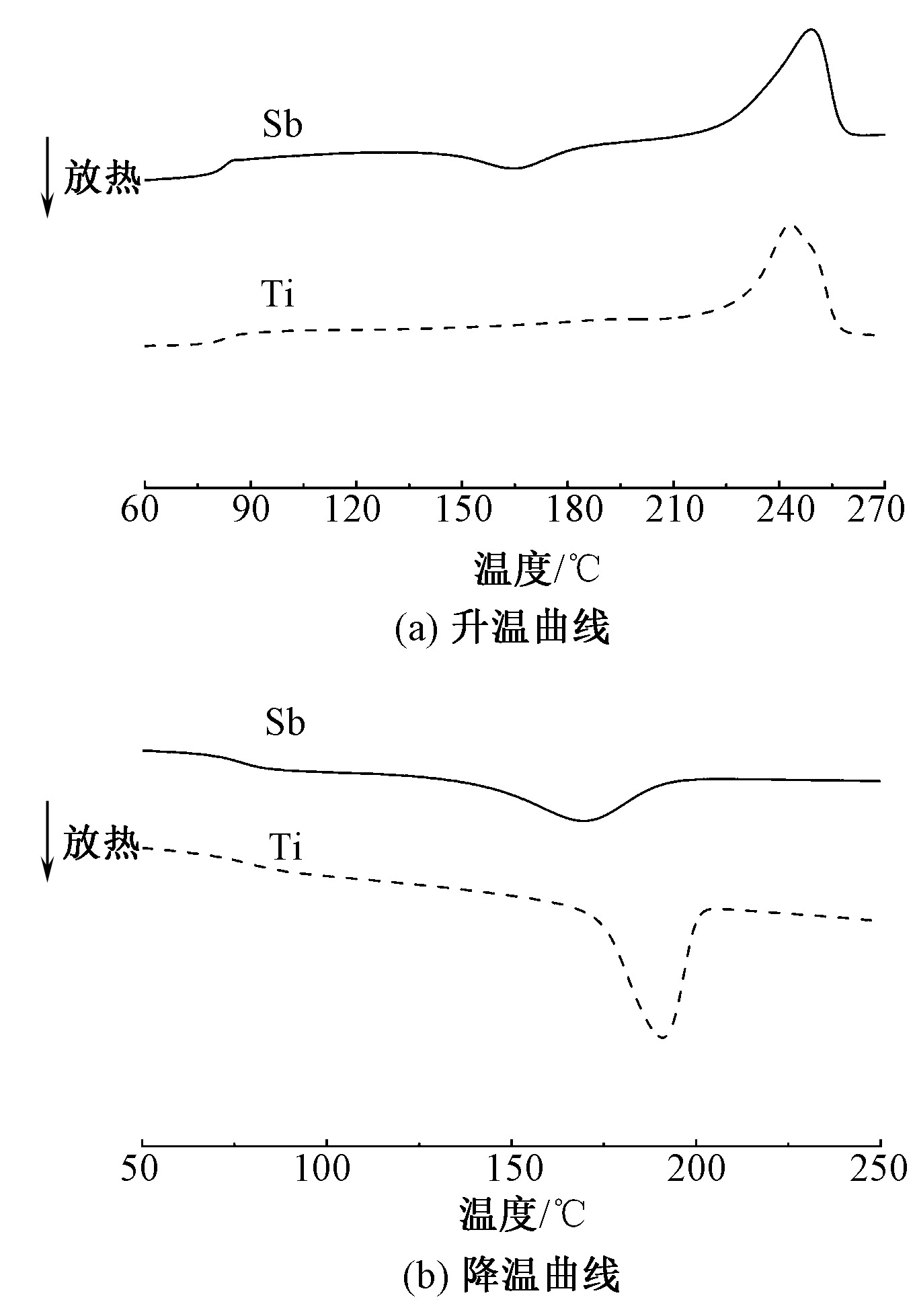
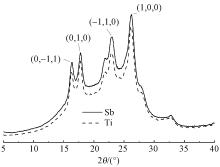
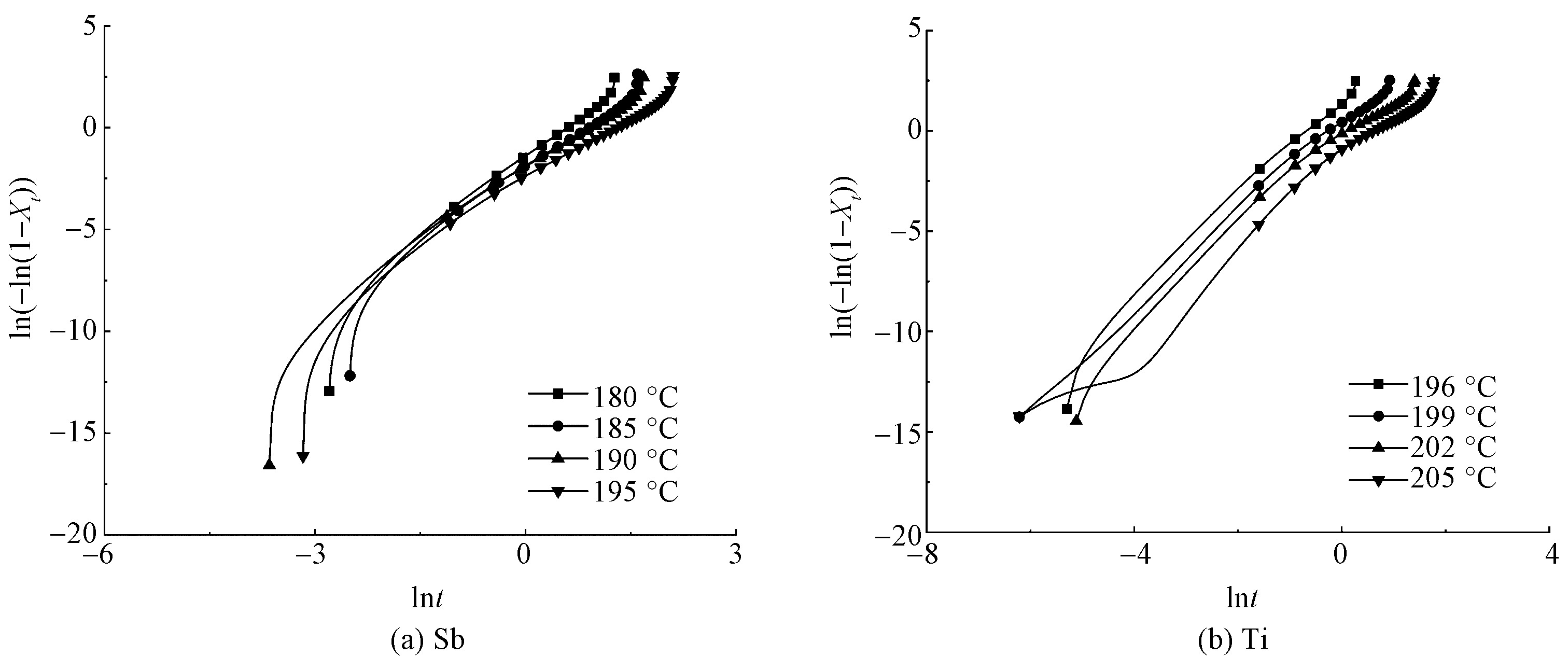
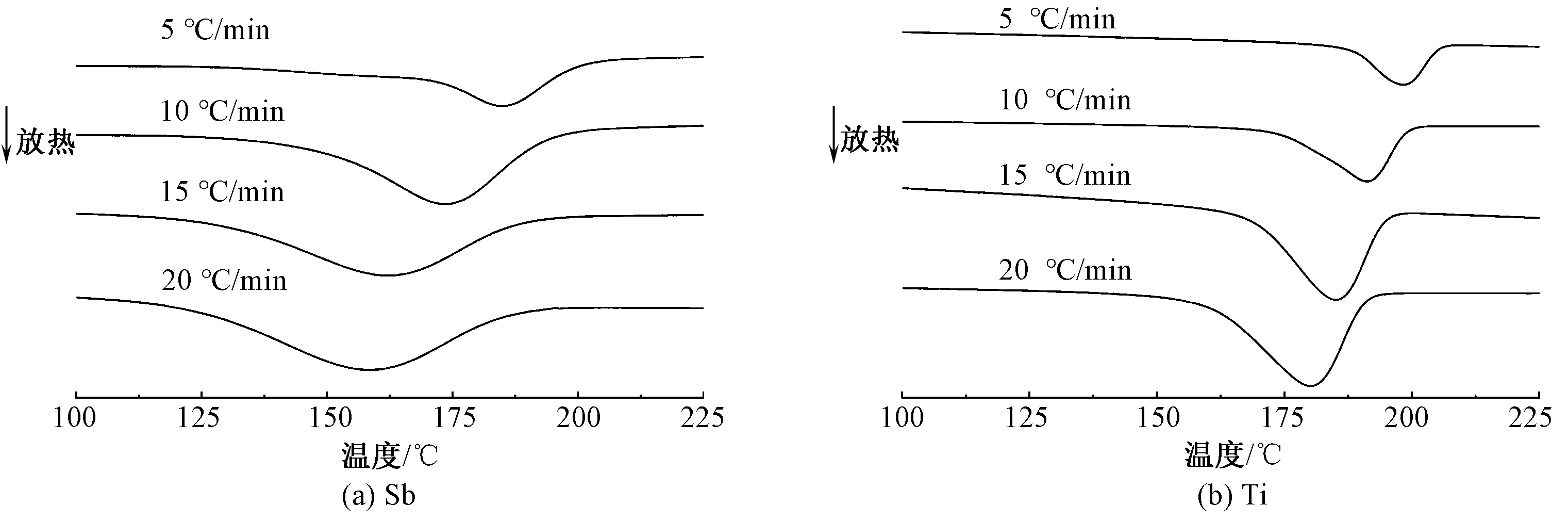
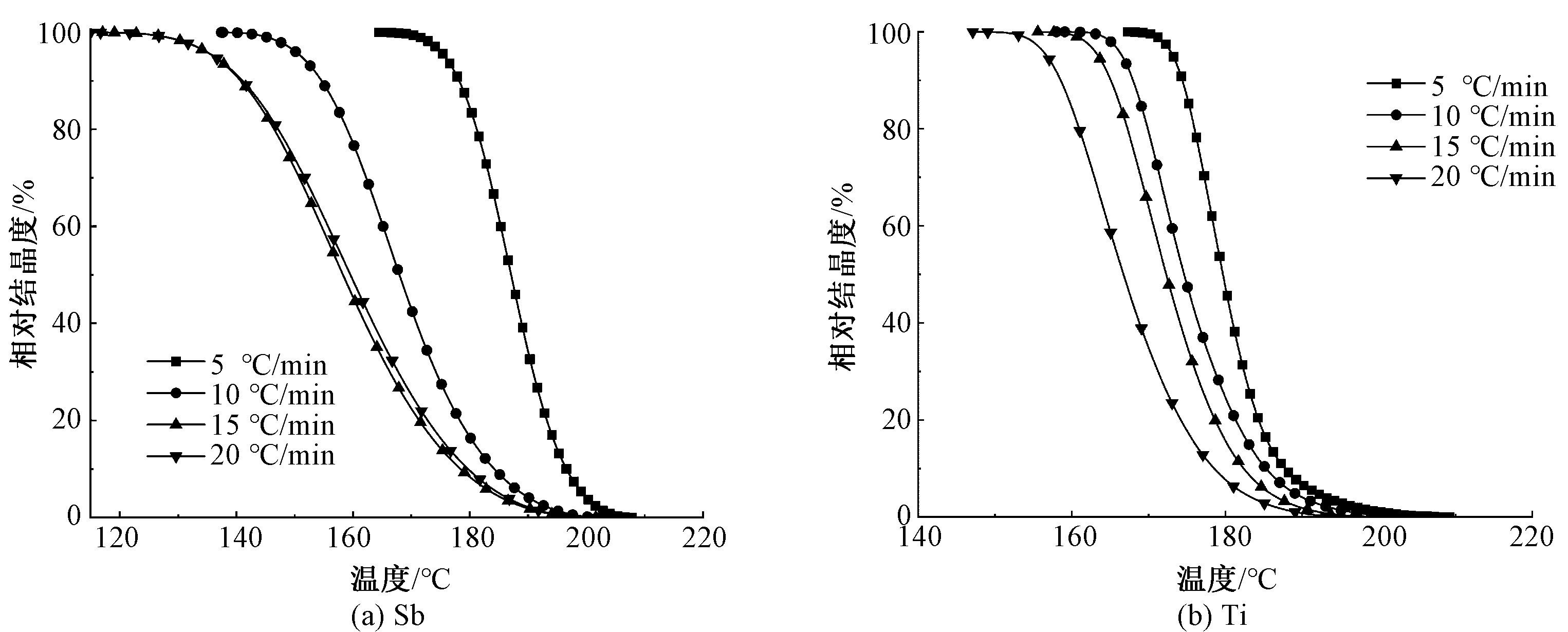
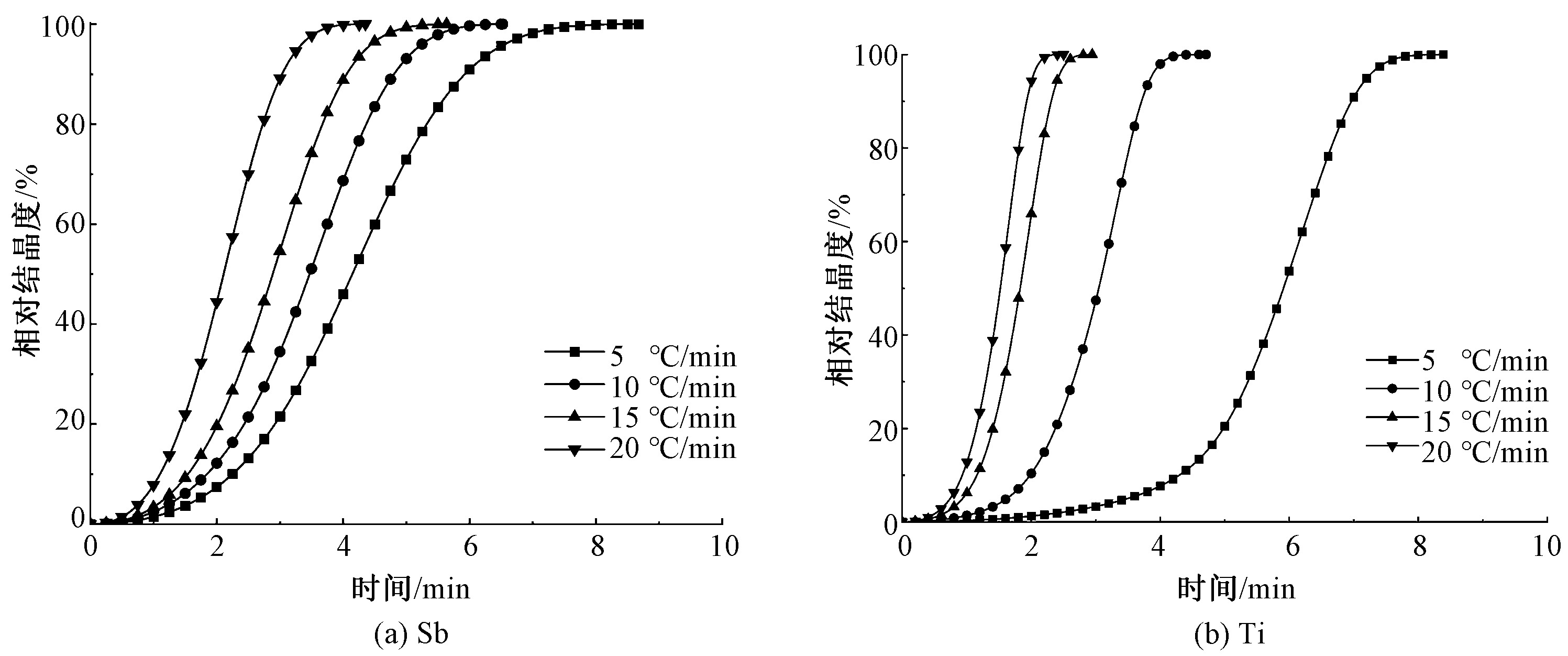
摘要: 为探究钛、锑2种不同催化体系获得的2种工业丝用聚酯切片的结晶动力学差异,拓宽钛系高黏聚酯在聚酯工业丝领域的应用,借助热重分析仪、差示扫描量热仪、X射线衍射仪等对2种工业丝用聚酯切片进行热性能与结晶性能的表征,并通过Avrami方程对2种工业丝用聚酯切片的非等温结晶动力学与等温结晶动力学进行分析。结果表明:二者均为稳定的一步分解过程,内部可能存在的小分子杂质对结晶行为影响可忽略不计;从切片角度来看,工业丝生产主要与其特性黏度有关;锑系聚酯切片存在冷结晶与正常结晶2部分,推测其结晶温度在185~190 ℃之间;钛系相较于锑系,其结晶速率更快,结晶能力更强,且钛系偏向于二维片晶生长,锑系偏向于三维球晶生长,且钛系的半结晶时间更短,易造成喷丝拉伸不均匀,后续可考虑通过降低牵伸速度等方式来缓解上述问题。
中图分类号:
| [1] | 于亮. 涤纶工业丝牵伸过程中的结构与性能研究[D]. 杭州: 浙江理工大学, 2022: 1-10. |
| YU Liang. Study on the structure and properties of polyester industrial yarn during drafting process[D]. Hangzhou: Zhejiang University of Technology, 2022: 1-10. | |
| [2] | 张颖, 宋明根, 姬洪, 等. 热定形工艺对高强型聚酯工业丝结构性能的影响[J]. 纺织学报, 2023, 44(9): 43-51. |
| ZHANG Ying, SONG Minggen, JI Hong, et al. Effect of heat setting process on the structure and properties of high strength polyester industrial yarn[J]. Journal of Textile Research, 2023, 44 (9): 43-51. | |
| [3] | 林启松, 高峰, 吕汪洋, 等. 钛系聚对苯二甲酸乙二醇酯的增黏行为及其性能[J]. 纺织学报, 2022, 43(7): 9-16. |
| LIN Qisong, GAO Feng, LÜ Wangyang, et al. Viscosity-increasing behavior and properties of titanium-based polyethylene terephthalate[J]. Journal of Textile Research, 2022, 43 (7): 9-16. | |
| [4] | 孙宾, 王鸣义. 钛系催化剂在PET合成领域的应用进展及趋势(下)[J]. 纺织导报, 2019, (10): 46-48. |
| SUN Bin, WANG Mingyi. Application progress and trend of titanium-based catalysts in the field of PET synthesis (II)[J]. China Textile leader, 2019(10): 46-48. | |
| [5] | 孙娜, 邵义伟, 王丽丽, 等. 高黏PET切片分子质量及其分布对结晶性能的影响[J]. 合成纤维, 2024, 53(7): 7-13. |
| SUN Na, SHAO Yiwei, WANG Lili, et al. The effect of molecular weight and its distribution of high viscosity PET chips on crystallization properties[J]. Synthetic Fibers in China, 2024, 53 (7): 7-13. | |
| [6] | 吴迪. 共聚型阻燃PET纤维的制备及其结构性能研究[D]. 上海: 东华大学, 2022: 28-34. |
| WU Di. Preparation and structural properties of flame retardant PET fiber[D]. Shanghai: Donghua university, 2022: 28-34. | |
| [7] | 储永竞, 邱志成, 李鑫, 等. 连续原位聚合黑色PET的结晶行为研究[J]. 合成纤维工业, 2022, 45(5): 1-10. |
| CHU Yongjing, QIU Zhicheng, LI Xin, et al.. Study on the crystallization behavior of continuous in-situ polymerization black PET[J]. China Synthetic fiber industry, 2022, 45 (5): 1-10. | |
| [8] | 明贺娜, 赵鹏, 张宝予, 等. 抗菌聚酯纤维的制备及性能[J]. 印染, 2024, 50(12): 51-54. |
| MING Hena, ZHAO Peng, ZHANG Baoyu, et al. Preparation and properties of antibacterial polyester fiber[J]. China Printing and Dyeing, 2024, 50 (12): 51-54. | |
| [9] | 张仲荣, 谢宇, 李明贺, 等. 聚乳酸的非等温结晶动力学研究[J]. 上海塑料, 2023, 51(2): 13-18. |
| ZHANG Zhongrong, XIE Yu, LI Minghe, et al., Non-isothermal crystallization kinetics of polylactic acid[J]. Shanghai Plastics, 2023, 51 (2): 13-18. | |
| [10] | 徐蕾, 梁乃川, 王筱媛, 等. PLA/芳基取代酰肼类成核剂共混物等温结晶动力学[J]. 工程塑料应用, 2023, 51(12): 118-124. |
| XU Lei, LIANG Naichuan, WANG Xiaoyuan, et al. Isothermal crystallization kinetics of PLA/aryl substituted hydrazide nucleating agent blends[J]. Engineering Plastics Applications, 2023, 51 (12): 118-124. | |
| [11] | 王新东. 高强大伸长涤纶工业丝的制备及性能研究[D]. 杭州: 浙江理工大学, 2016: 25-34. |
| WANG Xindong. Preparation and properties of high-strength elongation polyester industrial yarn[D]. Hangzhou: Zhejiang Sci-Tech University, 2016: 25-34. | |
| [12] | LI Faxue, LUO Shengli, YU Jianyong. Mechanical, thermal properties and isothermal crystallization kinetics of biodegradable poly(butylene succinate-co-terephthalate) (PBST) fibers[J]. Journal of Polymer Research, 2009, 17(2): 279-287. |
| [13] | 卢先博. 不同尼龙的等温结晶行为研究[J]. 上海塑料, 2023, 51(6): 36-43. |
| LU Xianbo. Isothermal crystallization behavior of different nylons[J]. Shanghai Plastics, 2023, 51 (6): 36-43. | |
| [14] | 边界, 叶胜荣, 封麟先. PET,PBT结晶过程Avrami方程的探讨[J]. 高等学校化学学报, 2000(9): 1481-1484. |
| BIAN Jie, YE Shengrong, FENG Linxian. Discussion on Avrami equation of PET, PBT crystallization pro-cess[J]. Journal of Chemistry of Colleges and Universi-ties, 2000(9): 1481-1484. | |
| [15] | 李金平, 朱兴松. 快结晶PET的合成及性能研究[J]. 合成技术及应用, 2022, 37(4): 26-31. |
| LI Jinping, ZHU Xingsong. Synthesis and properties of fast crystalline PET[J]. Synthesis Technology and Application, 2022, 37 (4): 26-31. | |
| [16] | 王宇遥, 胡圳, 王洪学, 等. 热塑性共聚改性聚乙烯醇的结晶动力学[J]. 合成树脂及塑料, 2023, 40(3): 48-53. |
| WANG Yuyao, HU Zhen, WANG Hongxue, et al. Crystallization kinetics of thermoplastic copolymerized polyvinyl alcohol[J]. Synthetic Resins and Plastics, 2023, 40 (3): 48-53. | |
| [17] | 吴迪, 白桢慧, 孙莉娜, 等. 阻燃PET共聚酯的等温结晶动力学研究[J]. 东华大学学报(自然科学版), 2023, 49(1): 8-13,75. |
| WU Di, BAI Zhenhui, SUN Lina, et al. Isothermal crystallization kinetics of flame retardant PET copolyesters[J]. Journal of Donghua Univer-sity(Natural Science Edition), 2023, 49 (1): 8-13,75. | |
| [18] | 陈宁, 胡继锋, 李莉. 长链乙烯酯改性聚乙烯醇的结晶动力学[J]. 合成树脂及塑料, 2017, 34(4): 1-5. |
| CHEN Ning, HU Jifeng, LI Li. Crystallization kinetics of long chain vinyl ester modified polyvinyl alcohol[J]. Synthetic Resins and Plastics, 2017, 34 (4): 1-5. | |
| [19] | 陈志明, 黄洛玮, 司虎, 等. 双向同步拉伸工艺对PET聚酯薄膜性能的影响[J]. 合成技术及应用, 2023, 38(1): 1-6. |
| CHEN Zhiming, HUANG Luowei, SI Hu, et al. Effect of biaxial synchronous stretching process on the properties of PET polyester film[J]. Synthesis Technology and Application, 2023, 38 (1): 1-6. | |
| [20] | GUAN Zhenyu, SUN Na, ZHANG Yue, et al. Feasibility study on titanium-catalyzed polyester for the preparation of high-strength industrial yarns[J]. Journal of Applied Polymer Science, 2024, 141(21):e55417. |
| [21] | ZHANG Xian, ZHAO Shichuen, MOHAMED Gamal Mohamed, et al. Crystallization behaviors of poly(ethy-lene terephthalate) (PET) with monosilane isobutyl-polyhedral oligomeric silsesquioxanes (POSS)[J]. Journal of Materials Science, 2020, 55(29): 14642-14655. |
| [22] |
张雅茹, 杨芝超, 宋文波, 等. 无规共聚聚丙烯的非等温结晶动力学研究[J]. 石油化工, 2023, 52(10): 1380-1387.
doi: 10.3969/j.issn.1000-8144.2023.10.008 |
| ZHANG Yaru, YANG Zhichao, SONG Wenbo, et al. Non-isothermal crystallization kinetics of random copolymerized polypropylene[J]. Petrochemical, 2023, 52 (10): 1380-1387. |
| [1] | 张新宇, 金小培, 朱金唐, 崔华帅, 吴鹏飞, 崔宁, 史贤宁. 聚乳酸熔喷非织造布热尺寸稳定性提升方法[J]. 纺织学报, 2025, 46(08): 127-135. |
| [2] | 徐晓彤, 江振林, 郑钦超, 朱科宇, 王朝生, 柯福佑. 导热结构对聚对苯二甲酸乙二醇酯非等温结晶行为的影响[J]. 纺织学报, 2022, 43(03): 44-49. |
| [3] | 陈咏, 王晶晶, 王朝生, 顾栋华, 乌婧, 王华平. 低聚物对生物基聚对苯二甲酸丙二醇酯结晶性能的影响[J]. 纺织学报, 2020, 41(10): 1-6. |
| [4] | 周铃, 靳向煜. 热气流固结纤维网串珠结构可控性及其结晶动力学[J]. 纺织学报, 2019, 40(08): 27-34. |
| [5] | 陈广建 唐开亮 马士洲 张丽丽 冯新星. 新型长碳链聚酰胺1211的非等温结晶动力学[J]. 纺织学报, 2018, 39(12): 1-6. |
| [6] | 戈欢 朱志国 王锐 尹会会 王睿 张秀芹. 不同分子质量聚乳酸立体复合物的结晶性能及球晶形貌[J]. 纺织学报, 2016, 37(2): 27-34. |
| [7] | 孙青青 王海霞 石海峰 张兴祥. 聚甲基丙烯酸十八烷基酯/长链脂肪醇共混物的热性能[J]. 纺织学报, 2015, 36(02): 7-12. |
| [8] | 陈海珍. 纳米二氧化钛对聚酯纤维结晶性能的影响[J]. 纺织学报, 2010, 31(4): 25-29. |
| [9] | 廖谦;王依民;施胜华;朱卫彪. TLCP/PPS 原位成纤共混纤维的非等温结晶动力学[J]. 纺织学报, 2010, 31(3): 7-10. |
| [10] | 孙福;钱建华;凌荣根;张国庆;孙艳秋;王铁军. 导电炭黑/聚酯复合材料的等温结晶行为[J]. 纺织学报, 2009, 30(11): 24-28. |
|
||
 京公网安备11010502044800号