纺织学报 ›› 2025, Vol. 46 ›› Issue (09): 268-277.doi: 10.13475/j.fzxb.20241103902
朱元成1,2( ), 何永红1, 熊伟国2
ZHU Yuancheng1,2(), HE Yonghong1, XIONG Weiguo2
摘要:
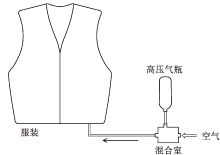
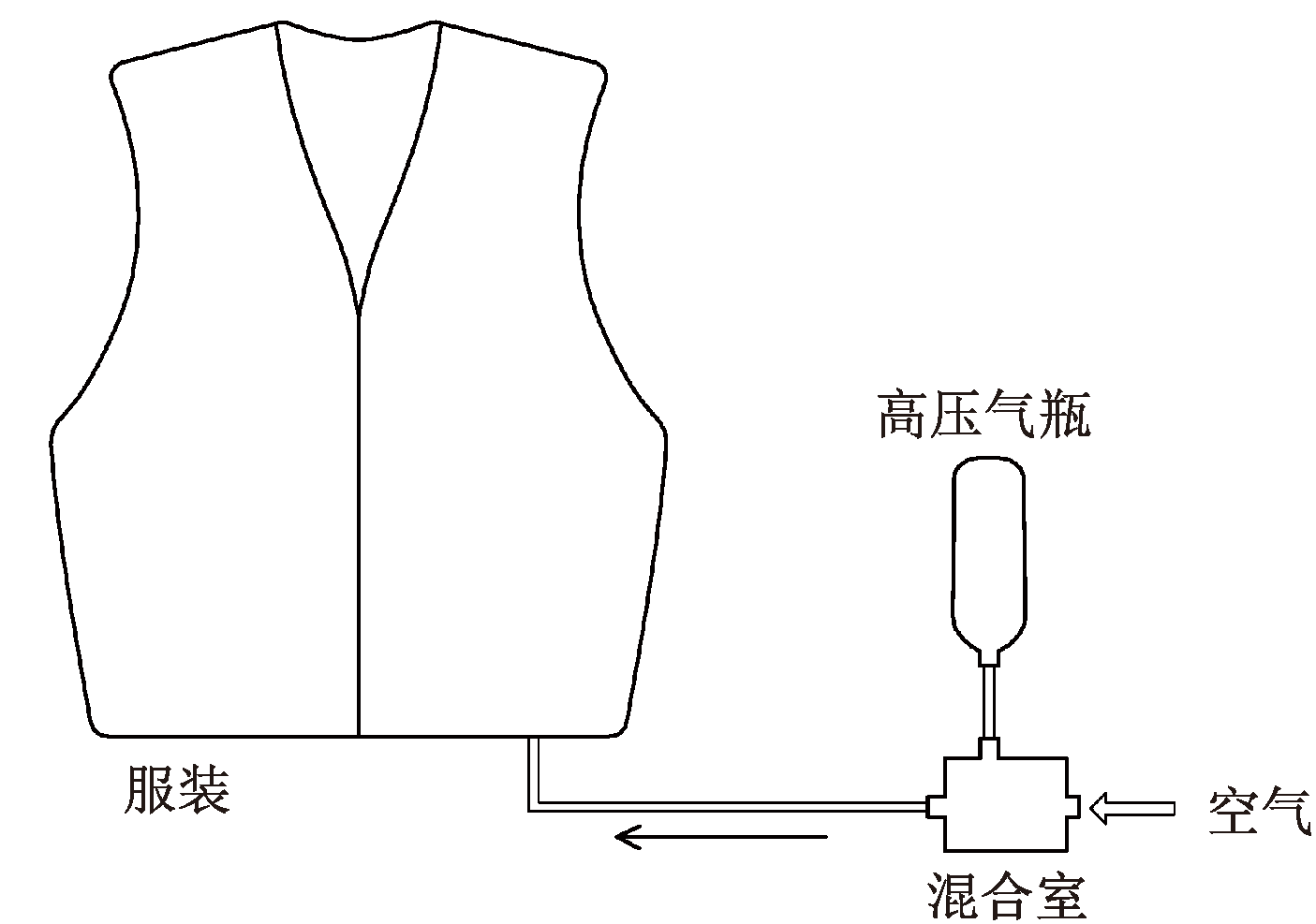
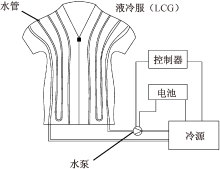
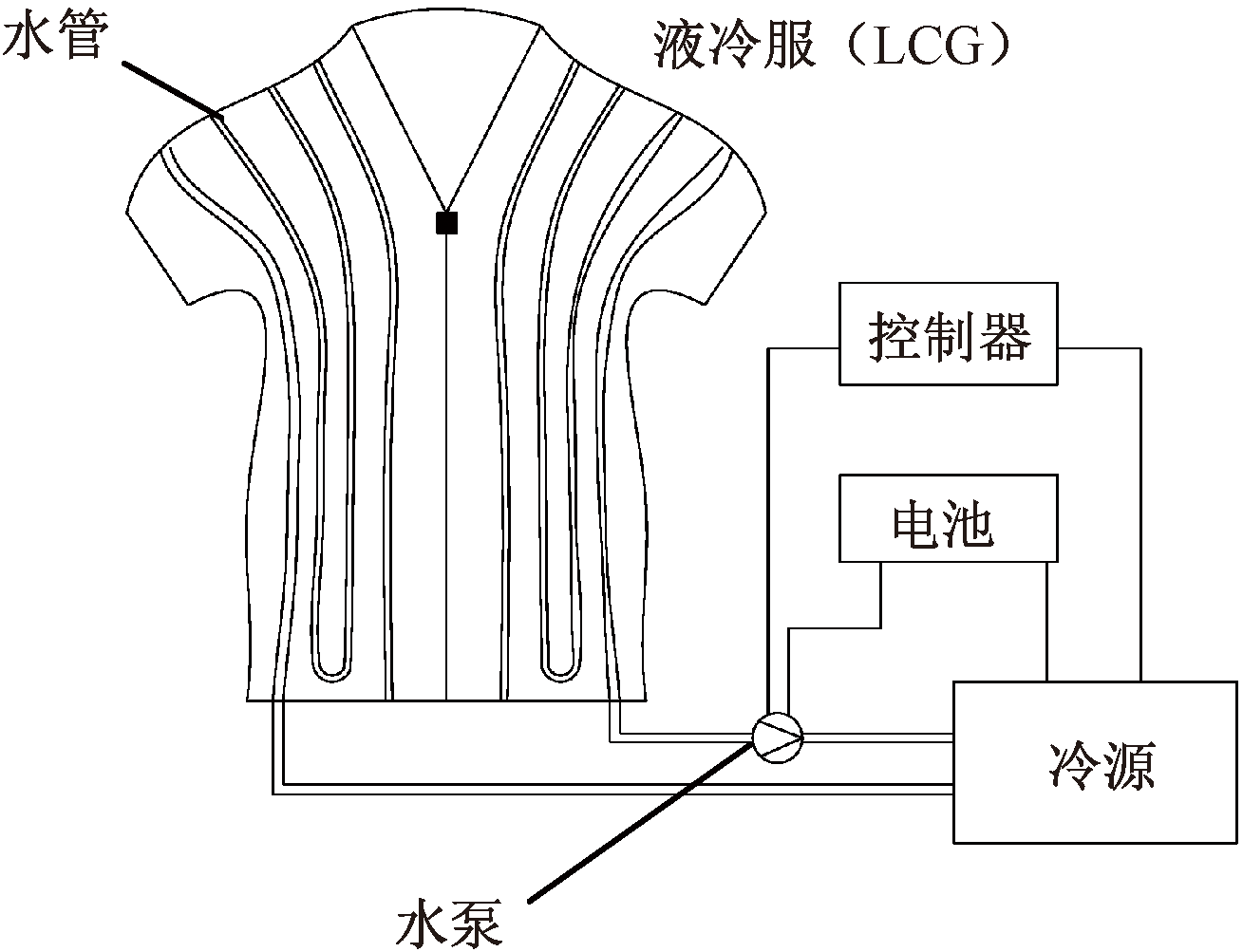
高温作业环境下的热应激威胁作业人员健康与安全,个体降温服装(PCG)技术是维持热平衡、提升热舒适性的有效手段。为系统分析PCG技术进展,探索轻量化、高能效的个体降温方案,采用文献综述与性能对比的方法,分析了气冷式(ACG)、液冷式(LCG)、相变材料(PCM)、热电式(TEC)及蒸发式(ECG)5类技术的机制与应用现状。分析认为,各技术在特定场景各具优势:ACG系统轻便灵活,LCG系统适用于极端高温,PCM系统使用方便且使用时间较长,TEC系统可实现局部优异降温效果,ECG系统在干燥环境中高效。然而,各技术都有各自的技术缺陷及发展瓶颈,且微型化、能效、环境适应性和器件耐久性的平衡是其面临的共同问题。未来需在高导热柔性材料、仿生设计及智能化热管理等方面进行创新,推动PCG向轻量、高效、智能化发展,为高温作业提供精准热防护,助力安全高效的工业环境。
中图分类号:
| [1] |
FRIELER K, LANGE S, PIONTEK F, et al. Assessing the impacts of 1.5 ℃ global warming-simulation protocol of the inter-sectoral impact model intercomparison project (ISIMIP2b)[J]. Geoscientific Model Development, 2017, 10(12): 4321-4345.
doi: 10.5194/gmd-10-4321-2017 |
| [2] |
ESTOQUE R C, OOBA M, SEPOSO X T, et al. Heat health risk assessment in Philippine cities using remotely sensed data and social-ecological indicators[J]. Nature Communications, 2020, 11(1): 1581.
doi: 10.1038/s41467-020-15218-8 |
| [3] |
ROMANELLO M, NAPOLI C D, DRUMMOND P, et al. The 2023 report of the Lancet Countdown on health and climate change: the imperative for a health-centred response in a world facing irreversible harms[J]. The Lancet, 2023, 402(10419): 2346-2394.
doi: 10.1016/S0140-6736(23)01859-7 |
| [4] | CRAMER M N, GAGNON D, LAITANO O, et al. Human temperature regulation under heat stress in health, disease, and injury[J]. Physiological Reviews, 2022, 102(4): 1909-1989. |
| [5] |
KOVATS S, AKHTAR R. Climate, climate change and human health in Asian cities[J]. Environment and Urbanization, 2008, 20(1): 165-175.
doi: 10.1177/0956247808089154 |
| [6] |
KOVATS R S, CAMPBELL-LENDRUM D, MATTHIES F, et al. Climate change and human health: estimating avoidable deaths and disease[J]. Risk Analysis: An International Journal, 2005, 25(6): 1409-1418.
doi: 10.1111/risk.2005.25.issue-6 |
| [7] |
PATZ J A, MCGEEHIN M A, BERNARD S M, et al. The potential health impacts of climate variability and change for the United States: executive summary of the report of the health sector of the US National Assess-ment[J]. Environmental Health Perspectives, 2000, 108(4): 367-376.
doi: 10.1289/ehp.00108367 |
| [8] |
NUNFAM V F, ADUSEI-ASANTE K, VAN ETTEN E J, et al. Estimating the magnitude and risk associated with heat exposure among Ghanaian mining workers[J]. International Journal of Biometeorology, 2021, 65(12): 2059-2075.
doi: 10.1007/s00484-021-02164-3 |
| [9] |
KIM S, KIM D H, LEE H H, et al. Frequency of firefighters’ heat-related illness and its association with removing personal protective equipment and working hours[J]. Industrial Health, 2019, 57(3): 370-380.
doi: 10.2486/indhealth.2018-0063 |
| [10] |
MEADE R D, D'SOUZA A W, KRISHEN L, et al. The physiological strain incurred during electrical utilities work over consecutive work shifts in hot environments: a case report[J]. Journal of Occupational and Environmental Hygiene, 2017, 14(12): 986-994.
doi: 10.1080/15459624.2017.1365151 pmid: 28825865 |
| [11] |
FLOURIS A D, IOANNOU L G, NOTLEY S R, et al. Determinants of heat stress and strain in electrical utilities workers across North America as assessed by means of an exploratory questionnaire[J]. Journal of Occupational and Environmental Hygiene, 2022, 19(1): 12-22.
doi: 10.1080/15459624.2021.2001475 |
| [12] |
SAJJAD U, ABBAS N, HAMID K, et al. A review of recent advances in indirect evaporative cooling technology[J]. International Communications in Heat and Mass Transfer, 2021, 122: 105140.
doi: 10.1016/j.icheatmasstransfer.2021.105140 |
| [13] |
SAJJAD U, HAMID K, SULTAN M, et al. Personal thermal management: a review on strategies, progress, and prospects[J]. International Communications in Heat and Mass Transfer, 2022, 130: 105739.
doi: 10.1016/j.icheatmasstransfer.2021.105739 |
| [14] |
AMJED A A, ALI L F. Liquid cooling garment configuration and investigation: a classifying and comparative review[J]. International Communications in Heat and Mass Transfer, 2024, 159: 108114.
doi: 10.1016/j.icheatmasstransfer.2024.108114 |
| [15] |
CHINEVERE T D, CADARETTE B S, GOODMAN D A, et al. Efficacy of body ventilation system for reducing strain in warm and hot climates[J]. European Journal of Applied Physiology, 2008, 103(3): 307-314.
doi: 10.1007/s00421-008-0707-9 pmid: 18327605 |
| [16] |
XU X, GONZALEZ J. Determination of the cooling capacity for body ventilation system[J]. European Journal of Applied Physiology, 2011, 111(12): 3155-3160.
doi: 10.1007/s00421-011-1941-0 pmid: 21455613 |
| [17] |
ZHAO M, GAO C, WANG F, et al. A study on local cooling of garments with ventilation fans and openings placed at different torso sites[J]. International Journal of Industrial Ergonomics, 2013, 43(3): 232-237.
doi: 10.1016/j.ergon.2013.01.001 |
| [18] |
SUN Y, JASPER W J. Numerical modeling of heat and moisture transfer in a wearable convective cooling system for human comfort[J]. Building and Environment, 2015, 93: 50-62.
doi: 10.1016/j.buildenv.2015.06.008 |
| [19] |
CHAN A P C, YI W, WONG F K W, et al. Evaluating the effectiveness and practicality of a cooling vest across four industries in Hong Kong[J]. Facilities, 2016, 34(9/10): 511-534.
doi: 10.1108/F-12-2014-0104 |
| [20] |
MUZA N S R, PIMENTAL A, COSMINI H M, et al. Portable, ambient air microclimate cooling in simulated desert and tropic conditions[J]. Aviation, Space, and Environmental Medicine, 1988, 59(6): 553-558.
pmid: 3390114 |
| [21] | RANQUE G J. Experiments on expansion in a vortex with simultaneous exhaust of hot air and cold air[J]. Journal De Physique et le Radium, 1933, 4(7): 112-114. |
| [22] | YUSOF M H, ESA A N, SUHAIMI M F. Thermal comfort attainment by personal vortex tube cooling device[J]. Energy and Environment in the Tropics, 2022, 1: 263-271. |
| [23] | 和智殷, 张亚平, 屈方方, 等. 涡流管复合冷却服降温性能实验研究[J]. 低温与超导, 2021, 49(11): 36-40. |
| HE Zhiyin, ZHANG Yaping, QU Fangfang, et al. Experimental study on cooling performance of vortex tube composite cooling suit[J]. Cryogenics & Superconductivity, 2021, 49(11): 36-40. | |
| [24] |
AL SAYED C, VINCHES L, DUPUY O, et al. Air/CO2 cooling garment: description and benefits of use for subjects exposed to a hot and humid climate during physical activities[J]. International Journal of Mining Science and Technology, 2019, 29(6): 899-903.
doi: 10.1016/j.ijmst.2019.02.010 |
| [25] |
AL SAYED C, VINCHES L, HALLÉ S. Towards optimizing a personal cooling garment for hot and humid deep mining conditions[J]. Open Journal of Optimization, 2016, 5(1): 35-43.
doi: 10.4236/ojop.2016.51005 |
| [26] | DIONNE J P, SEMENIUK K, MAKRIS A, et al. Thermal manikin evaluation of liquid cooling garments intended for use in hazardous waste management[R]. Ottawa: Med-Eng Systems Inc, 2003. |
| [27] | 牛丽, 钱晓明, 范金土, 等. 可降温式消防服的设计与降温效果评价[J]. 纺织学报, 2018, 39(6): 106-112. |
| NIU Li, QIAN Xiaoming, FAN Jintu, et al. Design of cooling firefighting protective clothing and evaluation on cooling performance[J]. Journal of Textile Research, 2018, 39(6): 106-112. | |
| [28] |
BARTKOWIAK G, DABROWSKA A, MARSZALEK A. Assessment of an active liquid cooling garment intended for use in a hot environment[J]. Applied Ergonomics, 2017, 58: 182-189.
doi: S0003-6870(16)30120-X pmid: 27633212 |
| [29] |
TOKIZAWA K, SON S Y, OKA T, et al. Effectiveness of a field-type liquid cooling vest for reducing heat strain while wearing protective clothing[J]. Industrial Health, 2020, 58(1): 63-71.
doi: 10.2486/indhealth.2018-0182 pmid: 31406053 |
| [30] |
KIM J H, COCA A, WILLIAMS W J, et al. Effects of liquid cooling garments on recovery and performance time in individuals performing strenuous work wearing a firefighter ensemble[J]. Journal of Occupational and Environmental Hygiene, 2011, 8(7): 409-416.
doi: 10.1080/15459624.2011.584840 |
| [31] |
NAG P K, PRADHAN C K, NAG A, et al. Efficacy of a water-cooled garment for auxiliary body cooling in heat[J]. Ergonomics, 1998, 41(2): 179-187.
pmid: 9494430 |
| [32] |
EPSTEIN Y, SHAPIRO Y, BRILL S. Comparison between different auxiliary cooling devices in a severe hot/dry climate[J]. Ergonomics, 1986, 29(1): 41-48.
pmid: 3948843 |
| [33] |
TANG J, LUK P. Wearable bio-inspired pulsating-flow cooling for live garments based on a novel design of ferrofluid micro-valve[J]. Energies, 2022, 15(23): 8826.
doi: 10.3390/en15238826 |
| [34] | GUO T, SHANG B, DUAN B, et al. Design and testing of a liquid cooled garment for hot environments[J]. Journal of Thermal Biology, 2015, 49: 47-54. |
| [35] |
SHU W, WANG J, ZHANG X, et al. A statistical study to evaluate the performance of liquid cooling garments considering thermal comfort[J]. Journal of Electronic Packaging, 2020, 142(4): 041106.
doi: 10.1115/1.4047470 |
| [36] | GRZYLL L R, MCLAUGHLIN T. A crew cooling system for the M9 Armored Combat Earth-mover (ACE)[C]// IECEC-97 Proceedings of the Thirty-Second Intersociety Energy Conversion Engineering Conference. New York: IEEE, 1997, 3: 1624-1629. |
| [37] |
YUAN W, YANG B, YANG Y, et al. Development and experimental study of the characteristics of a prototype miniature vapor compression refrigerator[J]. Applied Energy, 2015, 143: 47-57.
doi: 10.1016/j.apenergy.2015.01.001 |
| [38] | ELBEL S, BOWERS C D, ZHAO H, et al. Development of microclimate cooling systems for increased thermal comfort of individuals[C]// International Refrigeration and Air Conditioning Conference. West Lafayette: Purdue University, 2012: 1183. |
| [39] | MORRIESEN A, RESENDE F E, RAMOS L W S L, et al. Personal cooling system based on vapor compression cycle for stock car racing drivers[C]// International Refrigeration and Air Conditioning Conference. West Lafayette, IN: Purdue University, 2012: 1239. |
| [40] | GALE J, CESMECI S. Design of a miniature HVAC system to function as a multipurpose cooling shirt[C]// ASME 2022 International Mechanical Engineering Congress and Exposition. Columbus, Ohio: American Society of Mechanical Engineers, 2022: V008T11A032. |
| [41] |
ERNST T C, GARIMELLA S. Demonstration of a wearable cooling system for elevated ambient temperature duty personnel[J]. Applied Thermal Engineering, 2013, 60(1/2): 316-324.
doi: 10.1016/j.applthermaleng.2013.06.019 |
| [42] |
ZHAO M, GAO C, WANG F, et al. The torso cooling of vests incorporated with phase change materials: a sweat evaporation perspective[J]. Textile Research Journal, 2013, 83(4): 418-425.
doi: 10.1177/0040517512460294 |
| [43] |
MA C, ZHANG Y, CHEN X, et al. Experimental study of an enhanced phase change material of paraffin/expanded graphite/nano-metal particles for a personal cooling system[J]. Materials, 2020, 13(4): 980.
doi: 10.3390/ma13040980 |
| [44] |
QIAO Y, CAO T, MUEHLBAUER J, et al. Experimental study of a personal cooling system integrated with phase change material[J]. Applied Thermal Engineering, 2020, 170: 115026.
doi: 10.1016/j.applthermaleng.2020.115026 |
| [45] |
LU Y, WEI F, LAI D, et al. A novel personal cooling system (PCS) incorporated with phase change mater-ials (PCMs) and ventilation fans: an investigation on its cooling efficiency[J]. Journal of Thermal Biology, 2015, 52: 137-146.
doi: 10.1016/j.jtherbio.2015.07.002 |
| [46] |
SONG W, WANG F. The hybrid personal cooling system (PCS) could effectively reduce the heat strain while exercising in a hot and moderate humid environment[J]. Ergonomics, 2016, 59(8): 1009-1018.
doi: 10.1080/00140139.2015.1105305 pmid: 26457872 |
| [47] |
WAN X, WANG F. Numerical analysis of cooling effect of hybrid cooling clothing incorporated with phase change material (PCM) packs and air ventilation fans[J]. International Journal of Heat and Mass Transfer, 2018, 126: 636-648.
doi: 10.1016/j.ijheatmasstransfer.2018.05.155 |
| [48] |
KANG Z, WAN X, WANG F. A new hybrid personal cooling system (HPCS) incorporating insulation pads for thermal comfort management: experimental validation and parametric study[J]. Building and Environment, 2018, 145: 276-289.
doi: 10.1016/j.buildenv.2018.09.033 |
| [49] |
HONG S, GU Y, SEO J K, et al. Wearable thermoelectrics for personalized thermoregulation[J]. Science Advances, 2019, 5(5): 536.
doi: 10.1126/sciadv.aaw0536 pmid: 31114803 |
| [50] |
LI B, WANG F, JIANG F, et al. Performance study of portable semiconductor refrigeration device based on CFD simulation[J]. Micromachines, 2023, 14(2): 296.
doi: 10.3390/mi14020296 |
| [51] |
ZHANG M, LI Z, WANG Q, et al. Performance investigation of a portable liquid cooling garment using thermoelectric cooling[J]. Applied Thermal Engineering, 2022, 214: 118830.
doi: 10.1016/j.applthermaleng.2022.118830 |
| [52] | LI L, LIU W D, SUN W, et al. Performance optimization of a thermoelectric-water hybrid cooling garment[J]. Advanced Materials Technologies, 2023, 8(22): 2301069. |
| [53] | ROTHMAIER M, WEDER M, MEYER-HEIM A, et al. Design and performance of personal cooling garments based on three-layer laminates[J]. Medical & Biological Engineering & Computing, 2008, 46(8): 825-832. |
| [54] |
YANG R, JOVANOVIĆ D B, RADAKOVIĆ S S, et al. The influence of the passive evaporative cooling vest on a chemical industry workers and physiological strain level in hot conditions[J]. Hemijska Industrija, 2015, 69(6): 587-594.
doi: 10.2298/HEMIND140705079K |
| [55] |
YANG Y, STAPLETON J, DIAGNE B T, et al. Man-portable personal cooling garment based on vacuum desiccant cooling[J]. Applied Thermal Engineering, 2012, 47: 18-24.
doi: 10.1016/j.applthermaleng.2012.04.012 |
| [1] | 丁小蝶, 唐虹, 高强, 张成蛟. 上躯干皮肤温度冷热变化与热量调节区划分[J]. 纺织学报, 2024, 45(05): 147-154. |
| [2] | 柯莹, 林磊, 郑晴, 王宏付. 电加热服加热区域分布对人体热舒适感的影响[J]. 纺织学报, 2024, 45(04): 188-194. |
| [3] | 刘雨婷, 宋泽涛, 赵胜男, 王星岚, 常素芹. 个体冷却服的研究现状与发展趋势[J]. 纺织学报, 2023, 44(12): 233-241. |
| [4] | 张昭华, 陈雪, 倪军, 杨玉桐, 邹一凡. 冷环境下局部电加热对人体热反应的影响[J]. 纺织学报, 2023, 44(03): 187-194. |
| [5] | 江舒, 李俊. 婴儿被服热舒适性研究进展[J]. 纺织学报, 2022, 43(08): 189-196. |
| [6] | 柳洋, 夏兆鹏, 王亮, 范杰, 曾强, 刘雍. 医用防护服的发展现状及趋势[J]. 纺织学报, 2021, 42(09): 195-202. |
| [7] | 郑晴, 王宏付, 柯莹, 李爽. 相变降温矿工服的设计与评价[J]. 纺织学报, 2020, 41(03): 124-129. |
| [8] | 赵蒙蒙, 柯莹, 王发明, 李俊. 通风服热舒适性研究现状与展望[J]. 纺织学报, 2019, 40(03): 183-188. |
| [9] | 褚俊杰 黄翔 孙铁柱. 露点间接蒸发冷却器换热效能理论与性能实验对比[J]. 纺织学报, 2018, 39(11): 150-157. |
| [10] | 张文欢 钱晓明 师云龙 范金土 牛丽. 服装局部热阻与总热阻的动静态关系及其模型[J]. 纺织学报, 2018, 39(07): 111-115. |
| [11] | 段杏元 胡源盛. 男士针织内衣热性能的测量与分析[J]. 纺织学报, 2016, 37(12): 92-96. |
| [12] | 郭晓芳 刘文娟. 巴尔虎蒙古袍的热舒适性能[J]. 纺织学报, 2016, 37(01): 123-126. |
| [13] | 朱方龙 樊建彬 冯倩倩 周宇. 相变材料在消防服中的应用及可行性分析[J]. 纺织学报, 2014, 35(8): 124-0. |
| [14] | 王云仪, 赵蒙蒙. 高温强辐射下相变降温背心的热调节作用客观测评[J]. 纺织学报, 2012, 33(5): 101-105. |
| [15] | 汪秀清;张昌;高猛. 单向导汗织物的热舒适性[J]. 纺织学报, 2010, 31(10): 40-44. |
|
||
 京公网安备11010502044800号