纺织学报 ›› 2026, Vol. 47 ›› Issue (1): 11-19.doi: 10.13475/j.fzxb.20250404001

• 纤维材料 • 上一篇    下一篇

海藻酸钙三维多孔冻干材料的制备及其性能

余秋雨1,2, 吴江3,4(), 谭艳君1,2, 单文汐3,4, 邓云涛1,2, 李宗权1,2   

  1. 1.西安工程大学 纺织科学与工程学院, 陕西 西安 710048
    2.西安工程大学 陕西省功能材料染整创新工程研究中心, 陕西 西安 710048
    3.空军军医大学口腔医院 国家口腔疾病临床医学研究中心, 陕西 西安 710038
    4.空军军医大学口腔医院 口颌系统重建与再生全国重点实验室, 陕西 西安 710038
  • 收稿日期:2025-04-22 修回日期:2025-11-05 出版日期:2026-01-15 发布日期:2026-01-15
  • 通讯作者: 吴江(1978—),男,副教授,博士。主要研究方向为先进制造技术在口腔医学中的应用。E-mail:wujiang@fmmu.edu.cn
  • 作者简介:余秋雨(1998—),女,硕士。主要研究方向为高分子材料。
  • 基金资助:
    陕西省功能材料染整创新工程研究中心产学研项目(陕工信发[2020]341号)

Preparation and properties of calcium alginate freeze dried three-dimensional porous materials

YU Qiuyu1,2, WU Jiang3,4(), TAN Yanjun1,2, SHAN Wenxi3,4, DENG Yuntao1,2, LI Zongquan1,2   

  1. 1. College of Textile Science and Engineering, Xi'an Polytechnic University, Xi'an, Shaanxi 710048, China
    2. Shaanxi Province Functional Materials Dyeing and Finishing Innovation Engineering Research Center, Xi'an Polytechnic University, Xi'an, Shaanxi 710048, China
    3. National Center for Clinical Medical Research of Oral Diseases, Stomatological Hospital of Air Force Military Medical University, Xi'an, Shaanxi 710038, China
    4. National Key Laboratory of Reconstruction and Regeneration of Oral and Maxillofacial System, Stomatological Hospital of Air Force Military Medical University, Xi'an, Shaanxi 710038, China
  • Received:2025-04-22 Revised:2025-11-05 Published:2026-01-15 Online:2026-01-15

摘要:

为解决传统棉纱敷料吸液率欠佳的问题,研发了一种吸液率高、理化性能优异的海藻酸钙(CA)三维多孔材料。通过逐步冷冻工艺解决了海藻酸钠(SA)胶体在固液相变过程中产生的团聚与断裂问题,制备的SA结晶体平整无裂纹,经冷冻干燥后的SA三维多孔冻干材料孔隙大小均匀,结构稳定;以无水氯化钙(CaCl2)为交联剂,采用Box-Behnken响应面法优化CA三维多孔材料制备工艺,结果显示:当SA质量分数为1.75%,CaCl2质量分数为0.35%,处理时间为9 h时,制备的CA三维多孔材料吸液率达3 064%,湿性状态下其拉伸断裂强度为0.42 MPa、断裂伸长率为45%、压缩回弹率为100%,表现出良好的吸液率及结构性能稳定性。此外,CA在3 367 cm-1处的吸收峰增强且CA中钙元素含量较SA增加8.08%,钠元素含量较SA下降8.25%,表明Ca2+与SA发生了置换反应;CA三维多孔材料内部为均匀网络互穿多孔结构;CA热分解温度较SA高70 ℃。制备的CA三维多孔材料在吸液、力学、结构及热稳定性能方面较为优异,符合理想敷料标准。

关键词: 海藻酸钙, 海藻酸钠, 冷冻干燥技术, 三维多孔材料, 响应面实验, 医用敷料

Abstract:

Objective This study aims to use sodium alginate to prepare a three-dimensional porous material with stable structure and excellent liquid absorption performance so as to solve problems such as poor liquid absorption performance and complex preparation process for conventional medical dressings (such as cotton yarn). During the preparation process, the porous structure of the calcium alginate material is uneven, which causes low absorption to liquid and poor structural stability, limiting its application in the field of medical dressings.

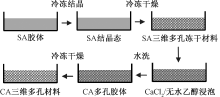
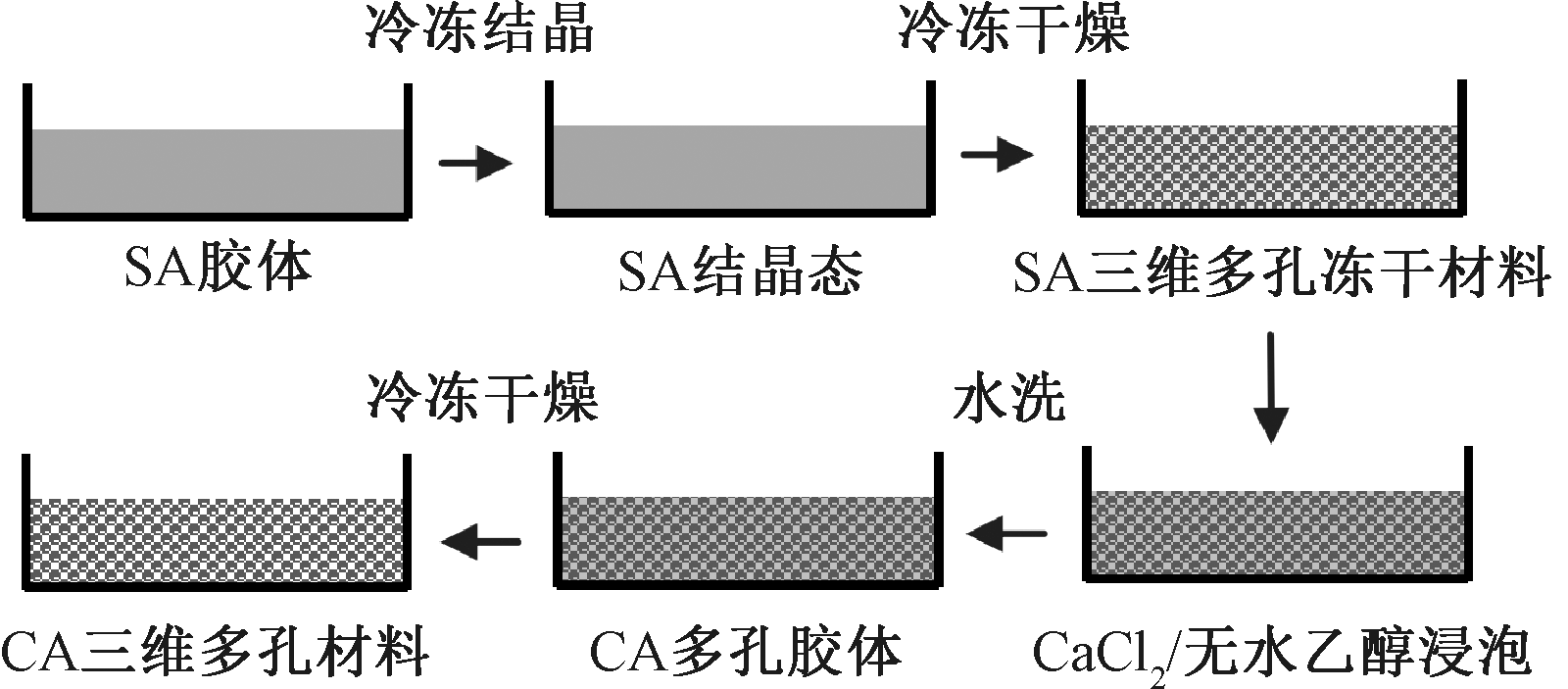
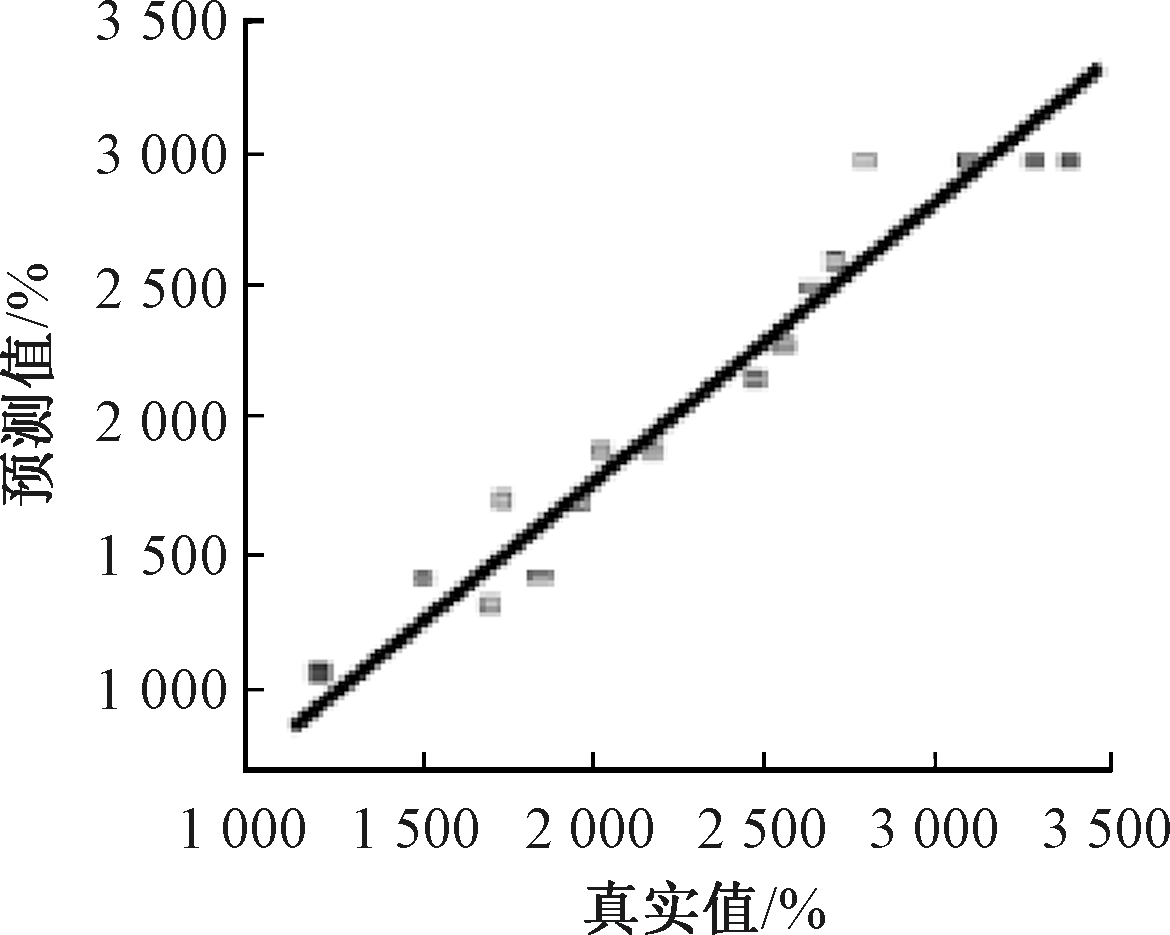
Method This study transformed sodium alginate (SA) colloidal crystals into three-dimensional porous materials with uniform pores through stepwise cooling and freeze drying techniques. On this basis, the preparation process of calcium alginate (CA) three-dimensional porous materials was optimized by the Box-Behnken response surface method, and the influence of SA mass fraction, CaCl2 mass fraction and treatment time on the liquid absorption performance of the material was studied. The optimal preparation process was obtained, and physical and chemical properties of the CA three-dimensional porous material were characterized.

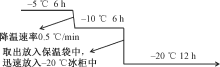
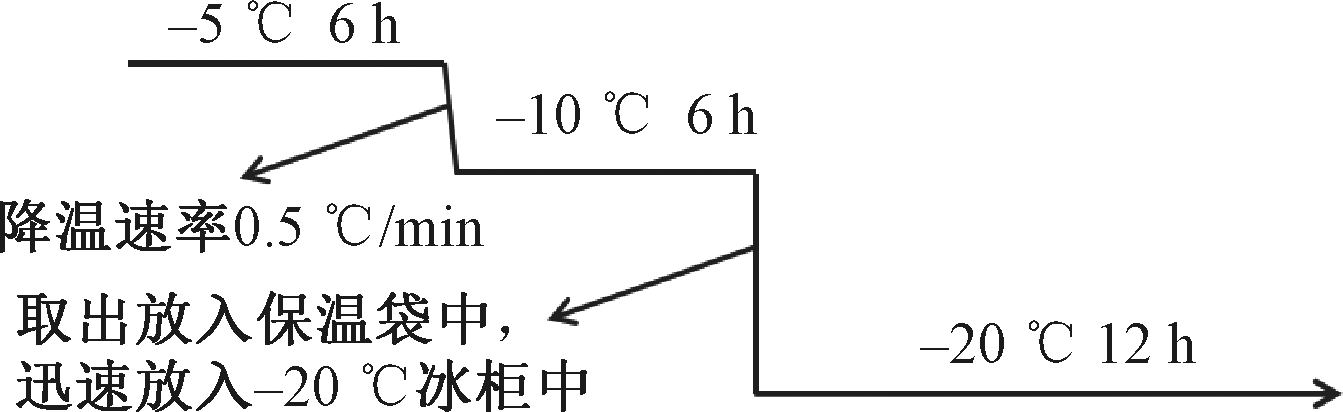
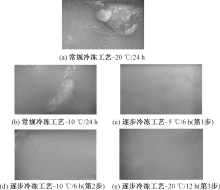
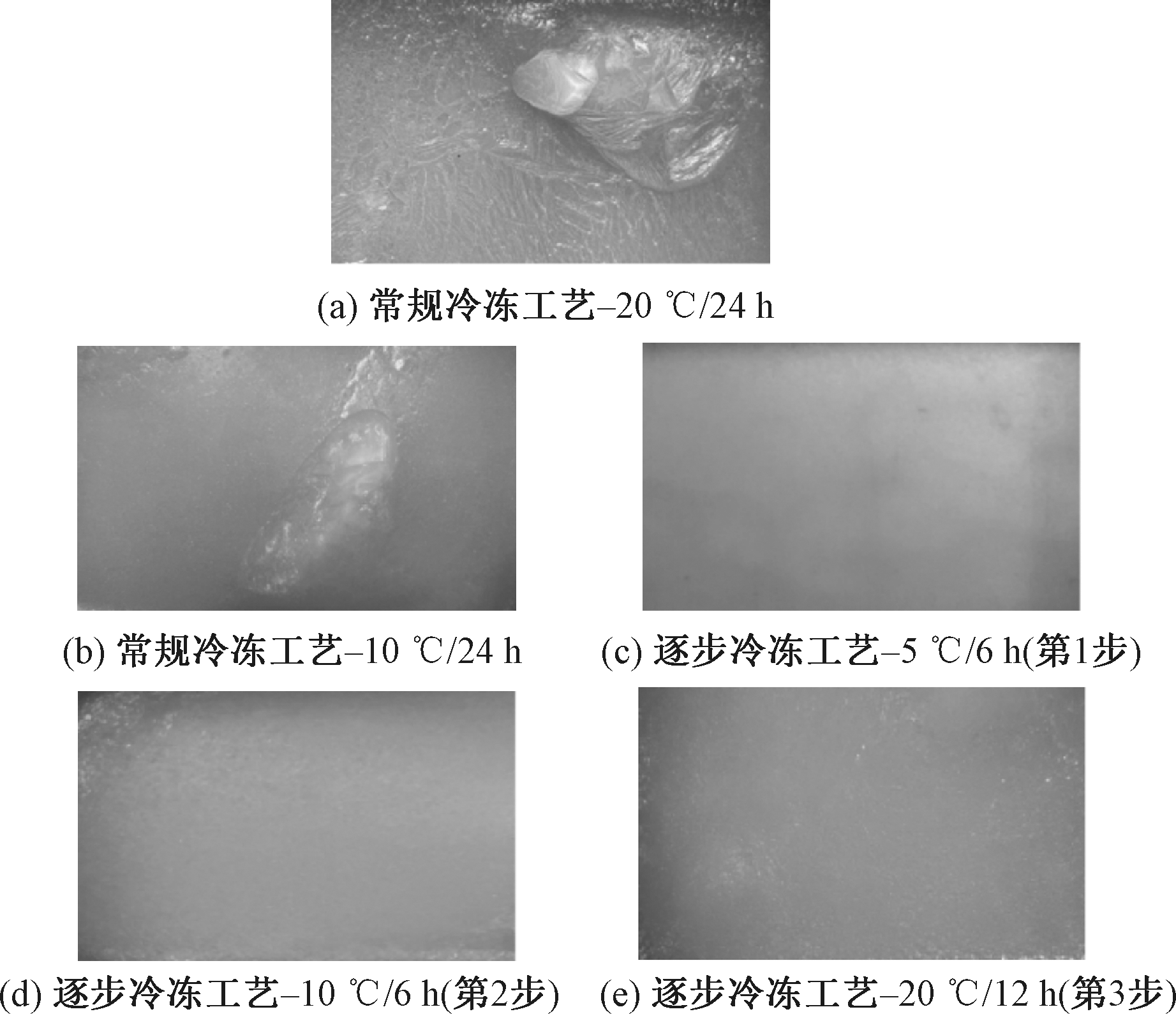
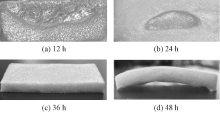
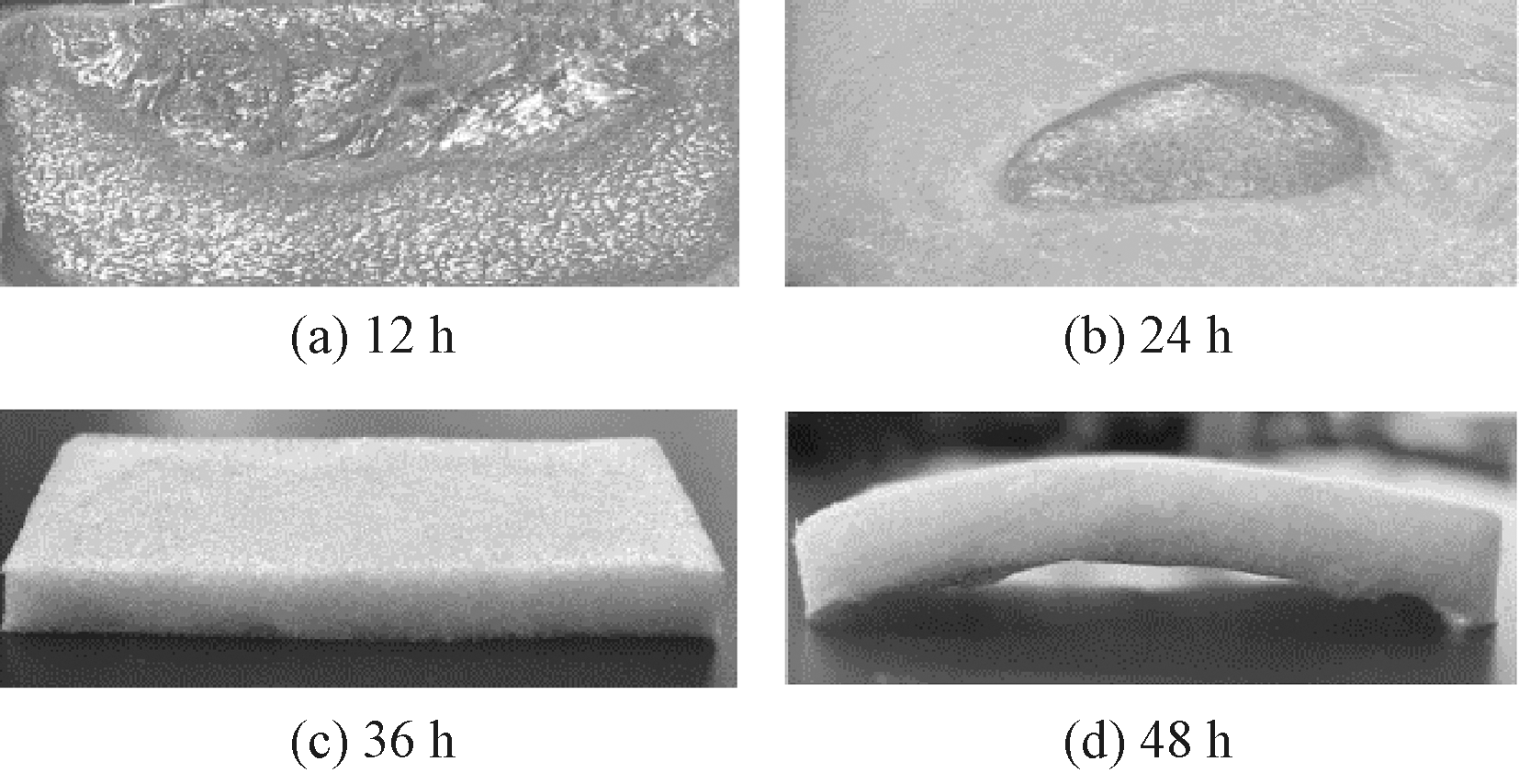
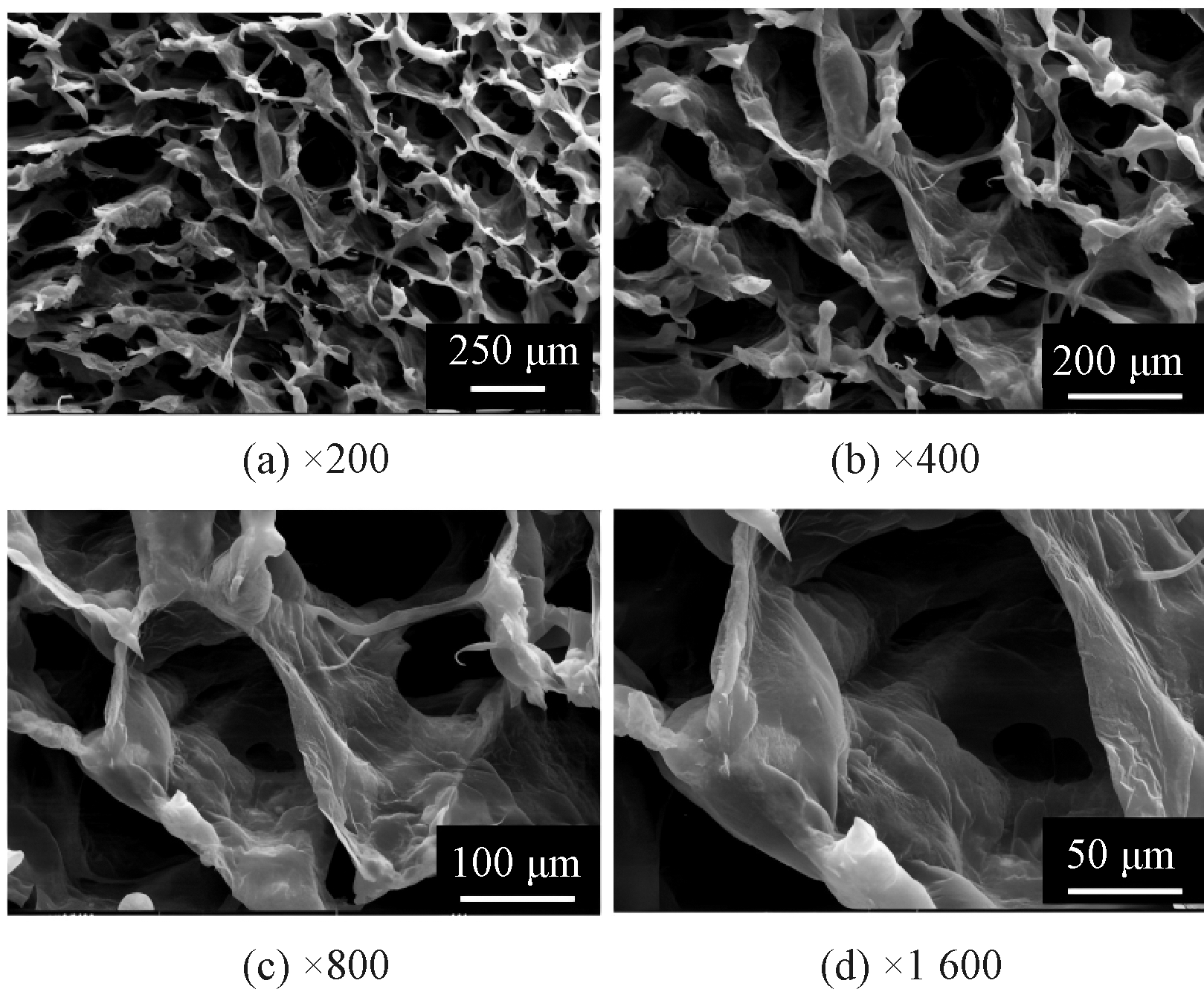
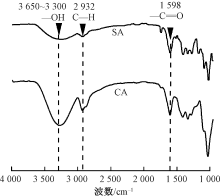
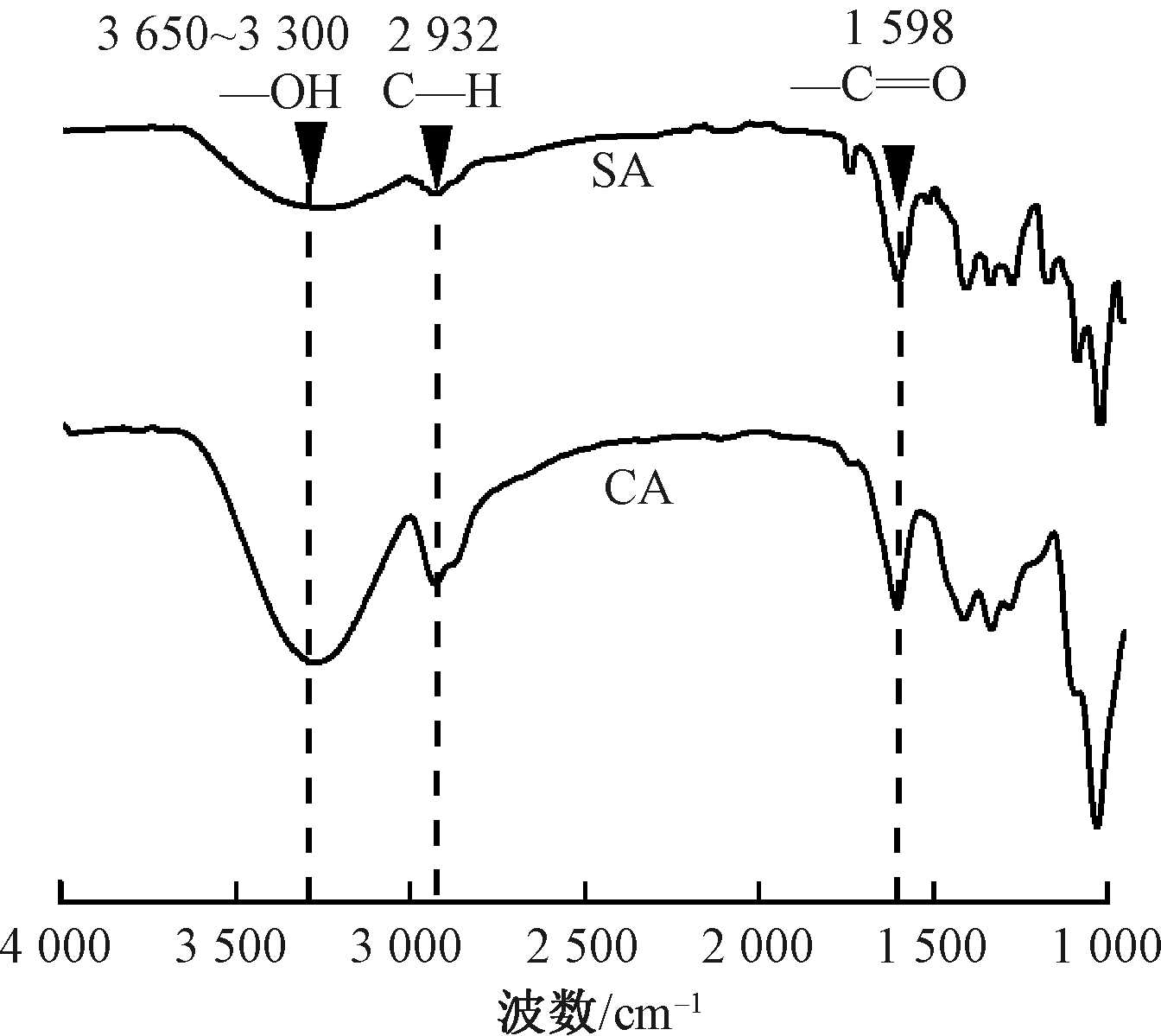
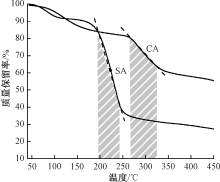
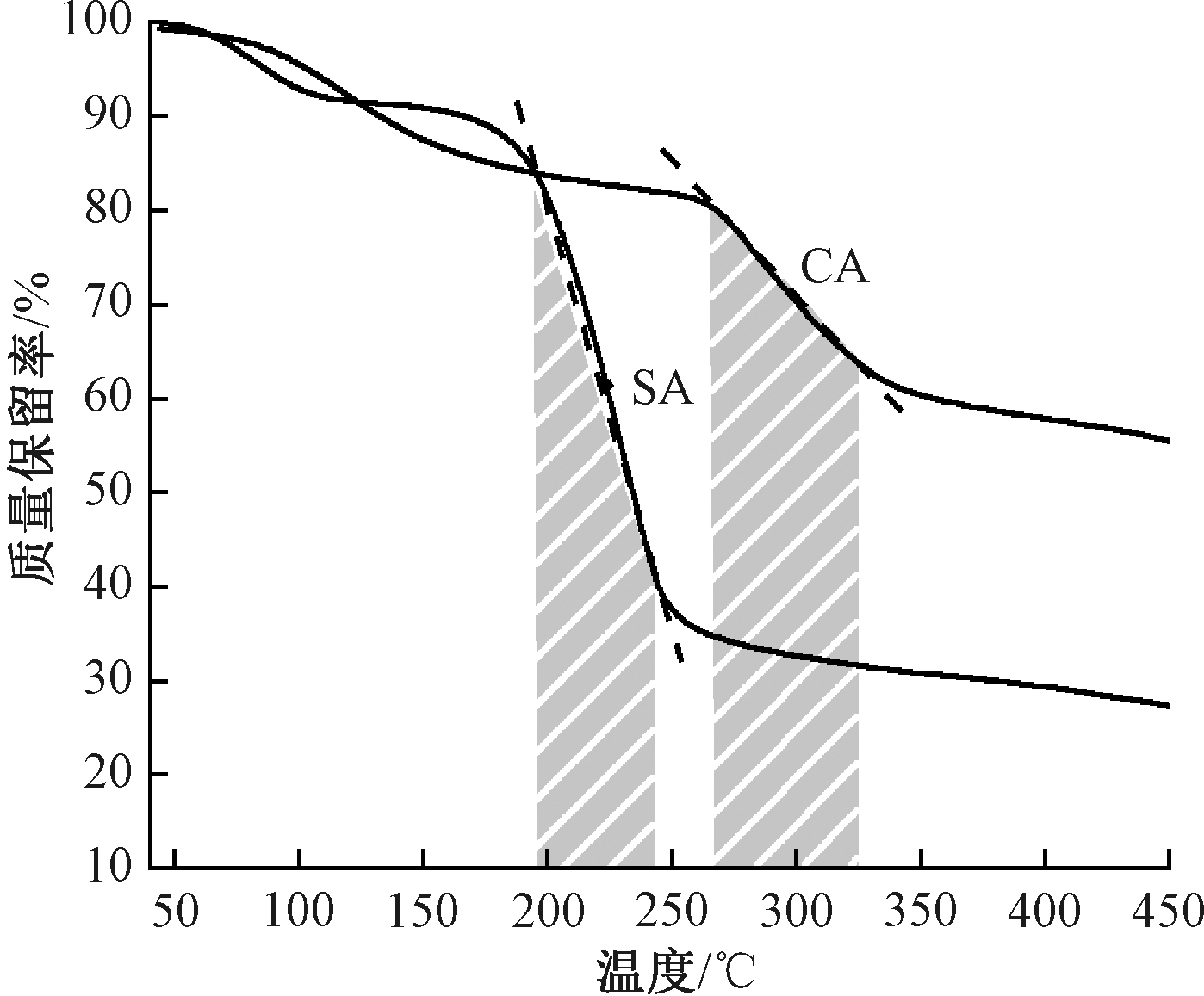
Results During the preparation process, the method of stepwise cooling (freezing from -5 ℃ to -10 ℃ for 6 h, and finally freezing at -20 ℃ for 12 h) was found effective in solving the bulging and streak problems of SA colloid during the freezing process. This stepwise freezing process ensured uniform heat transfer from the inside to the outside of the SA crystal, making a smooth surface of the final prepared SA crystal. The further optimized freeze drying time was 36 h, not only ensuring uniformity of pore size, but also imparting excellent physical and chemical properties to the SA three-dimensional porous freeze dried material. The preparation process of CA three-dimensional porous materials was optimized by the Box-Behnken response surface method. The prepared CA three-dimensional porous materials showed excellent performance under the conditions of SA mass fraction of 1.75%, CaCl2 mass fraction of 3.5%, and the freeze drying time of 9 h. Its liquid absorption rate was as high as 3 064%, showing a high liquid absorption capacity. In a wet state, the material's tensile breaking strength was 0.42 MPa, the elongation of breaking was 45%, and the compression rebound rate was 100%, showing good liquid absorption performance and structural stability, which meets the requirements of medical dressings. Fourier infrared spectroscopy (FT-IR) analysis showed that the absorption peak of CA at 3 367 cm-1 was enhanced, indicating that Ca2+ reacted chemically with SA. Energy spectrum analysis (ESC) showed that the calcium content in CA increased by 8.08% compared with SA, and the sodium content decreased by 8.25% compared with SA, further confirming the replacement reaction between Ca2+ and SA. Scanning electron microscopy (SEM) observations indicated that CA three-dimensional porous material had a uniform network interpenetrating porous structure inside, which helps improve the material's liquid absorption performance and mechanical stability. Thermogravimetric analysis (TG) showed that the thermal decomposition temperature of CA was 70 ℃ higher than that of SA, demonstrating better thermal stability, which indicated that the introduction of Ca2+ enhanced the structural stability of the material.

Conclusion A CA three-dimensional porous material with uniform pores, stable structure and excellent liquid absorption performance was successfully prepared by stepwise freezing process and response surface optimization method. This material has significant advantages in liquid absorption, mechanical properties and thermal stability, meets the standard requirements of medical dressings, and has broad application prospects. The research results provide important theoretical basis and technical support for the development of new high-performance medical dressings, and also lay the foundation for the further application of calcium alginate materials in the field of biomedical science.

Key words: calcium alginate, sodium alginate, freeze drying technology, three-dimensional porous material, response surface experiment, medical dressing

中图分类号: 

  • TS959.9

图1

逐步冷冻工艺"

图2

CA三维多孔材料制备工艺流程"

图3

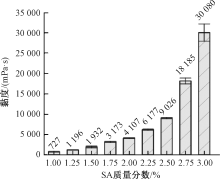
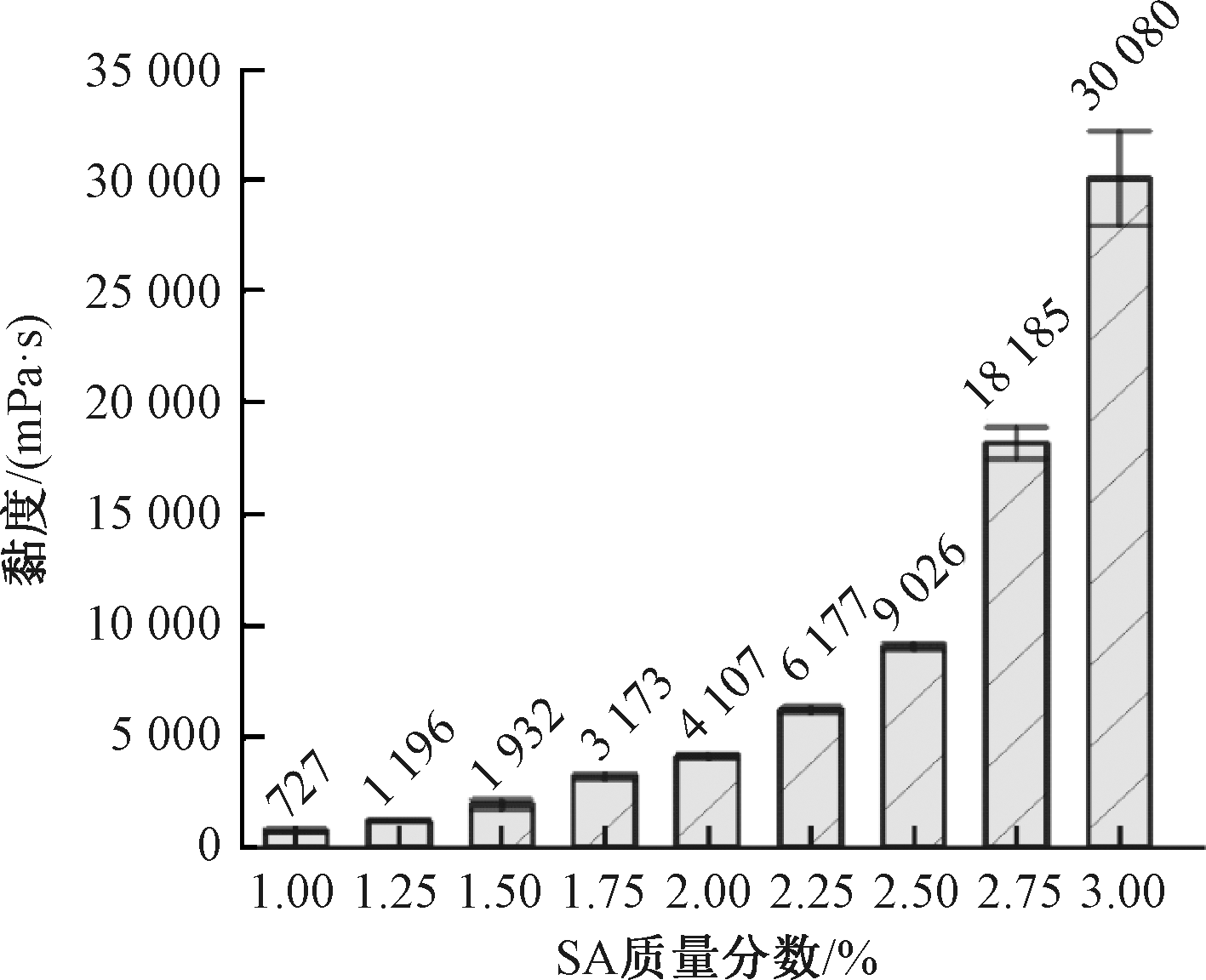
不同质量分数SA胶体的黏度"

图4

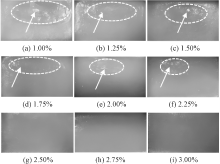
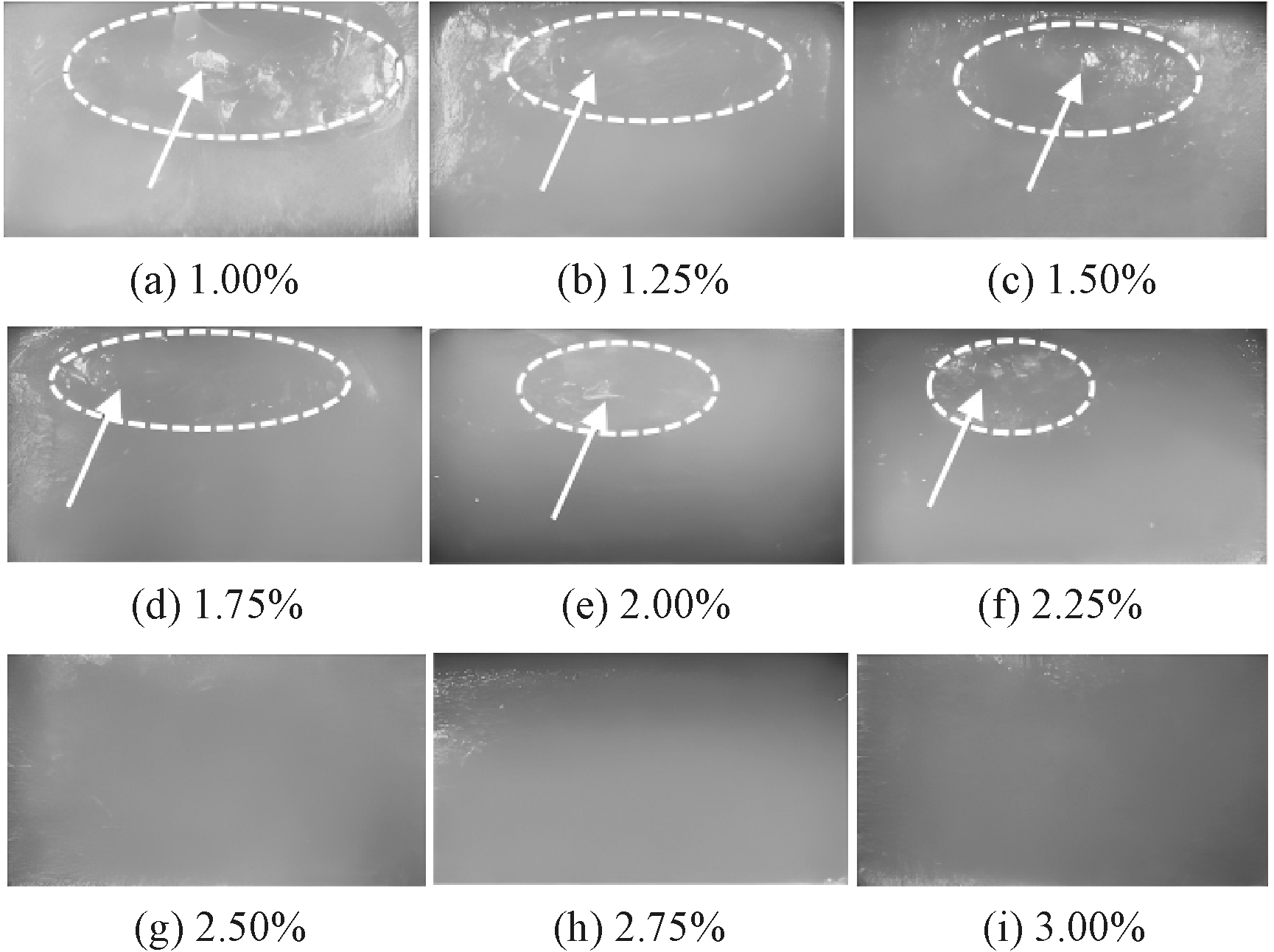
不同质量分数SA胶体冷冻成形效果"

图5

冷冻工艺示意图"

图6

不同冻干时间下SA冻干材料成形效果"

图7

不同SA质量分数冻干材料的SEM照片"

表1

响应面实验因素和水平编码表"

水平 A B C
CaCl2质量分数/% 时间/h SA质量分数/%
-1 0.20 8 1.25
0 0.30 10 1.75
1 0.40 12 2.25

表2

响应面实验设计及结果"

实验编号 A/% B/h C/% 吸液率R/%
1 0.20 8 1.75 2 670
2 0.40 8 1.75 1 769
3 0.20 12 1.75 1 653
4 0.40 12 1.75 2 117
5 0.20 9 1.25 2 428
6 0.40 9 1.25 1 404
7 0.20 9 2.25 1 616
8 0.40 9 2.25 1 088
9 0.30 8 1.25 2 606
10 0.30 12 1.25 2 517
11 0.30 8 2.25 1 960
12 0.30 12 2.25 1 888
13 0.30 10 1.75 3 399
14 0.30 10 1.75 2 767
15 0.30 10 1.75 3 076
16 0.30 10 1.75 3 294
17 0.30 10 1.75 3 083

表3

回归方差分析"

方差来源 平方和 自由度 均方 F P 显著性
模型 725.61 9 80.62 13.26 0.001 3 **
A 49.65 1 49.65 8.16 0.024 4 *
B 8.69 1 8.69 1.43 0.270 8
C 72.18 1 72.18 11.87 0.010 8 *
AB 46.85 1 46.85 7.70 0.027 5 *
AC 6.15 1 6.15 1.01 0.348 1
BC 0.722 1 7.22 1.18 0.973 5
A2 296.85 1 296.85 48.81 0.000 2 **
B2 22.45 1 22.45 3.69 0.096 2
C2 177.98 1 177.98 29.26 0.001 0 **
残差 42.57 7 6.08
失拟项 18.98 3 6.33 1.07 0.455 0
纯误差 23.60 4 5.90
总差 768.18 16

图8

CA三维多孔材料吸液率的响应面图、等高线图"

图9

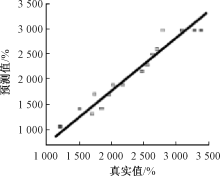
预测值与真实值之间的拟合线"

图10

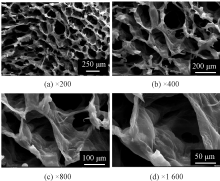
CA三维多孔材料截面SEM照片"

表4

SA和CA各元素质量分数"

材料 质量分数/%
C O Na Cl Ca
SA 41.79 31.68 16.94 5.17 4.45
CA 43.38 28.95 8.69 6.63 12.53

图11

SA与CA三维多孔材料的红外光谱"

图12

SA和CA材料热质量损失曲线"

[1] SACHAN N K, PUSHKAR S, JHA A K, et al. Sodium alginate: the wonder polymer for controlled drug deli-very[J]. Journal of Pharmacy Research, 2015.
[2] SANJARNIA P, PICCHIO M L, POLEGRE SOLIS A N, et al. Bringing innovative wound care polymer materials to the market: challenges, developments, and new trends[J]. Advanced Drug Delivery Reviews, 2024, 207: 115217.
doi: 10.1016/j.addr.2024.115217
[3] NEZHAD-MOKHTARI P, HASANY M, KOHESTANIAN M, et al. Recent advancements in bioadhesive self-healing hydrogels for effective chronic wound care[J]. Advances in Colloid and Interface Science, 2024, 334: 103306.
doi: 10.1016/j.cis.2024.103306
[4] GUAN F C, LI Z, TIAN J, et al. Sheath-core structured Ca-alginate/PVA aerogel fibers via directed freezing wet-spinning[J]. International Journal of Biological Macromolecules, 2023, 229: 931-942.
doi: 10.1016/j.ijbiomac.2022.12.306
[5] MA W J, LING S D, ZHANG J W, et al. Microfluidic fabrication of calcium alginate helical microfibers for highly stretchable wound dressing[J]. Journal of Polymer Science, 2022, 60(11): 1741-1749.
doi: 10.1002/pola.v60.11
[6] REZAEI A, EHTESABI H. Fabrication of alginate/chitosan nanocomposite sponges using green synthesized carbon dots as potential wound dressing[J]. Materials Today Chemistry, 2022, 24: 100910.
doi: 10.1016/j.mtchem.2022.100910
[7] PARANDI E, PERO M, KIANI H. Phase change and crystallization behavior of water in biological systems and innovative freezing processes and methods for evaluating crystallization[J]. Discover Food, 2022, 2(1): 6.
doi: 10.1007/s44187-021-00004-2
[8] JIA G L, CHEN Y M, SUN A D, et al. Control of ice crystal nucleation and growth during the food freezing process[J]. Comprehensive Reviews in Food Science and Food Safety, 2022, 21(3): 2433-2454.
doi: 10.1111/1541-4337.12950 pmid: 35430752
[9] BOGDANOVA E, FUREBY A M, KOCHERBITOV V. Influence of cooling rate on ice crystallization and melting in sucrose-water system[J]. Journal of Pharmaceutical Sciences, 2022, 111(7): 2030-2037.
doi: 10.1016/j.xphs.2022.01.027 pmid: 35120964
[10] LIU Y, ZHANG Z Y, HU L D. High efficient freeze-drying technology in food industry[J]. Critical Reviews in Food Science and Nutrition, 2022, 62(12): 3370-3388.
doi: 10.1080/10408398.2020.1865261
[11] YANG E, YU H, CHOI S H, et al. An advanced lyophilization toward intact lipid nanovesicles: liquid-mediated freezing with cryoprotectant to retain the integrity of lipid nanovesicles[J]. 2021. https://doi.org/10.21203/rs.3.rs-863913/v1.
[12] EICHHORN S J, SAMPSON W W. Relationships between specific surface area and pore size in electrospun polymer fibre networks[J]. Journal of the Royal Society Interface, 2010, 7(45): 641-649.
doi: 10.1098/rsif.2009.0374 pmid: 19812071
[13] CAI C, YANG Y, ZHAO M, et al. Extraction and antioxidation of polysaccharide from Porphyra haitanensis using response surface method[J]. Pakistan Journal of Botany, 2017, 49(3): 1137-1141.
[14] KHURI A I, MUKHOPADHYAY S. Response surface methodology[J]. WIREs Computational Statistics, 2010, 2(2): 128-149.
doi: 10.1002/wics.v2:2
[15] ZHANG Q C, YANG X H, LI P, et al. Bioinspired engineering of honeycomb structure: using nature to inspire human innovation[J]. Progress in Materials Science, 2015, 74: 332-400.
doi: 10.1016/j.pmatsci.2015.05.001
[16] LARKIN P. Infrared and Raman spectroscopy: principles and spectral interpretation[M]. Boston: Elsevier, 2011: 25-26.
[1] 候志文, 任泽苹, 王晓宁, 张天骄. 棉织物的壳聚糖/海藻酸盐抗菌阻燃整理及其性能[J]. 纺织学报, 2025, 46(12): 171-180.
[2] 邓晶, 王蕊宁, 孙润军, 张亚娟, 郭海冰, 雷轲. 用于脉搏监测的海藻酸钠改性水性聚氨酯/液态金属导电传感纤维[J]. 纺织学报, 2025, 46(12): 74-82.
[3] 朱雷, 李晓俊, 程春祖, 徐纪刚, 杜心宇. 四硼酸钠/单宁酸交联对海藻酸钙纤维结构与性能的影响[J]. 纺织学报, 2025, 46(07): 28-36.
[4] 陈亚娟, 郭瀚宇, 张陈恬, 李欣欣, 张雪萍. 聚乙烯醇/海藻酸钠/锦纶66复合水凝胶包芯纱的制备及其吸湿性能[J]. 纺织学报, 2025, 46(06): 103-110.
[5] 王惠婷, 陈宇鉴, 刘诗仪, 张显涛, 陆斌, 邹专勇, 王建, 张寅江. 海藻酸盐基非织造医用敷料的研究进展[J]. 纺织学报, 2025, 46(06): 240-249.
[6] 房磊, 刘秀明, 贾娇娇, 蔺志浩, 任燕飞, 侯凯文, 巩继贤, 扈延龄. 高分子量壳聚糖皮芯结构微纳米纤维膜制备[J]. 纺织学报, 2024, 45(09): 1-9.
[7] 蔺志浩, 房磊, 贾娇娇, 扈延龄, 房宽峻. 负载生长因子的微纳米纤维创面敷料的制备与应用研究进展[J]. 纺织学报, 2024, 45(09): 244-251.
[8] 钱洋, 张璐, 李晨阳, 王荣武. 静电纺海藻酸钠复合纳米纤维膜制备及其性能[J]. 纺织学报, 2024, 45(08): 18-25.
[9] 胥家辉, 郭肖青, 王伟, 王怀芳, 张传杰, 宫兆庆. 海藻酸钠/纳米蒙脱土纤维制备及其增强增韧机制[J]. 纺织学报, 2024, 45(06): 16-22.
[10] 韩华, 胡安然, 孙艺文, 丁作伟, 李伟, 张彩云, 郭增革. 碘释放抗菌涂层棉织物的制备及其在伤口修复中的应用[J]. 纺织学报, 2024, 45(05): 113-120.
[11] 顾佳华, 戴鑫鑫, 邹专勇, 刘诗仪, 张显涛, 韩旭, 陆斌, 张寅江. 表面刻蚀/聚硅氧烷修饰纯棉水刺材料的制备及其性能[J]. 纺织学报, 2024, 45(02): 189-197.
[12] 秦益民. 含锌和含铜医用敷料的研究进展[J]. 纺织学报, 2023, 44(05): 213-219.
[13] 狄纯秋, 郭静, 管福成, 相玉龙, 单继成. 双金属离子交联海藻酸盐复合相变纤维的制备与性能[J]. 纺织学报, 2023, 44(05): 54-62.
[14] 孙将皓, 邵彦峥, 魏春艳, 王迎. 海藻酸钠/改性氧化石墨烯微孔气凝胶纤维制备与吸附性能[J]. 纺织学报, 2023, 44(04): 24-31.
[15] 李亮, 裴斐斐, 刘淑萍, 田苏杰, 许梦媛, 刘让同, 海军. 聚乳酸纳米纤维基载药敷料的制备与表征[J]. 纺织学报, 2022, 43(11): 1-8.
Viewed
Full text


Abstract

Cited

  Shared   
  Discussed   
No Suggested Reading articles found!