纺织学报 ›› 2026, Vol. 47 ›› Issue (02): 84-93.doi: 10.13475/j.fzxb.20250500201
李金键1, 薛元1,2( ), 陈宥融2, CHRISTIAN Griesshammer2, 张建新3
LI Jinjian1, XUE Yuan1,2(), CHEN Yourong2, CHRISTIAN Griesshammer2, ZHANG Jianxin3
摘要:
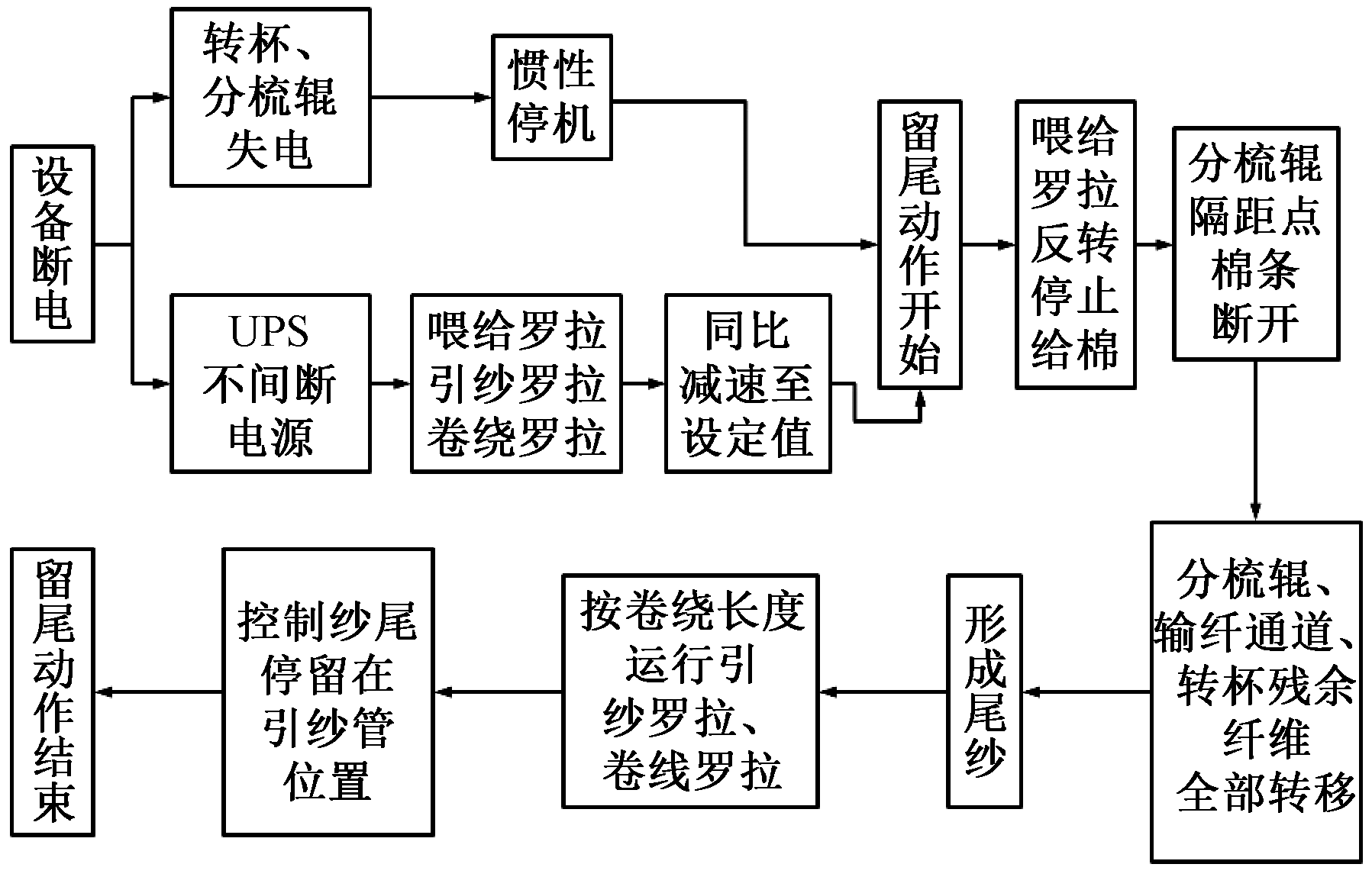
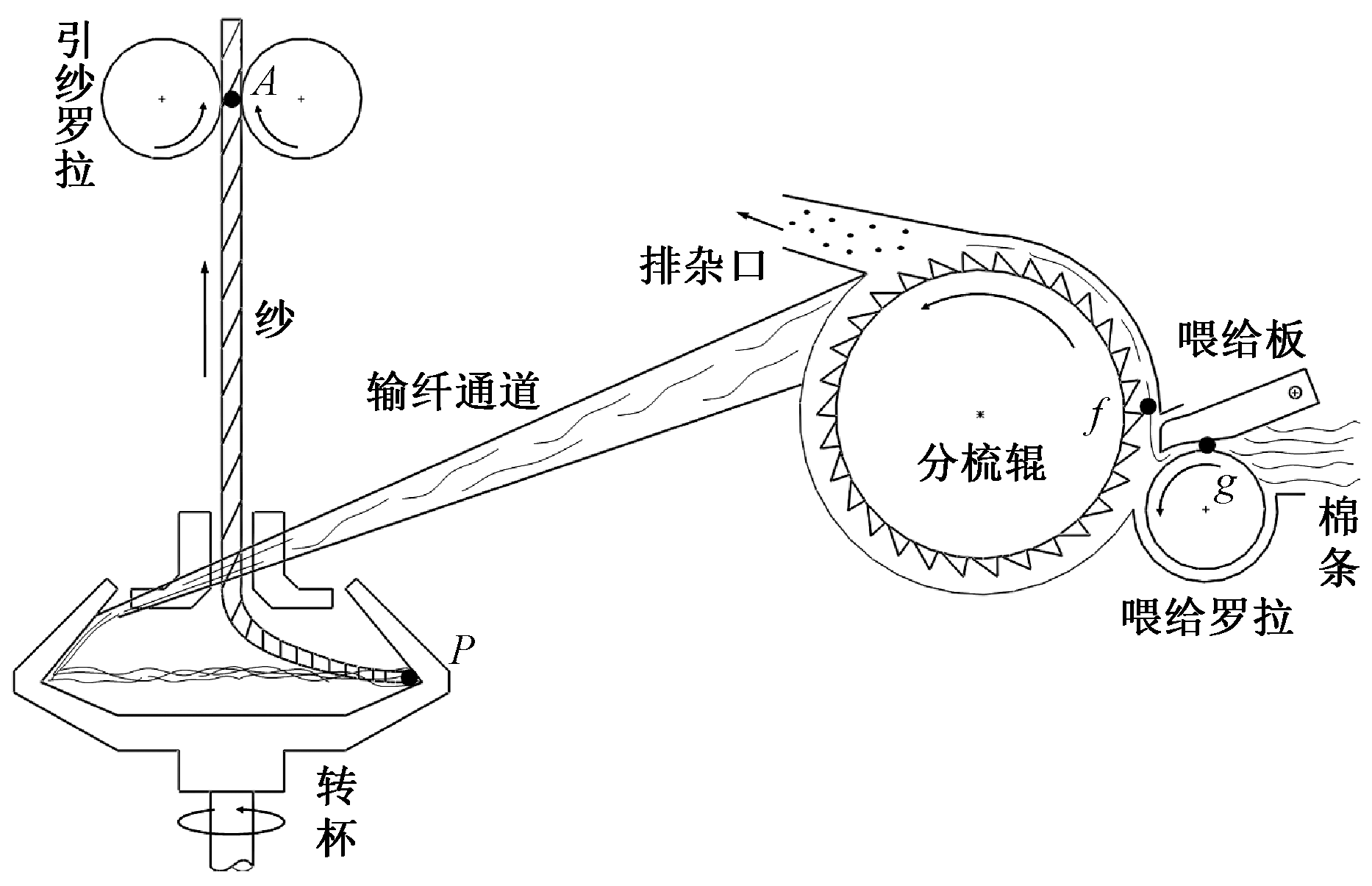
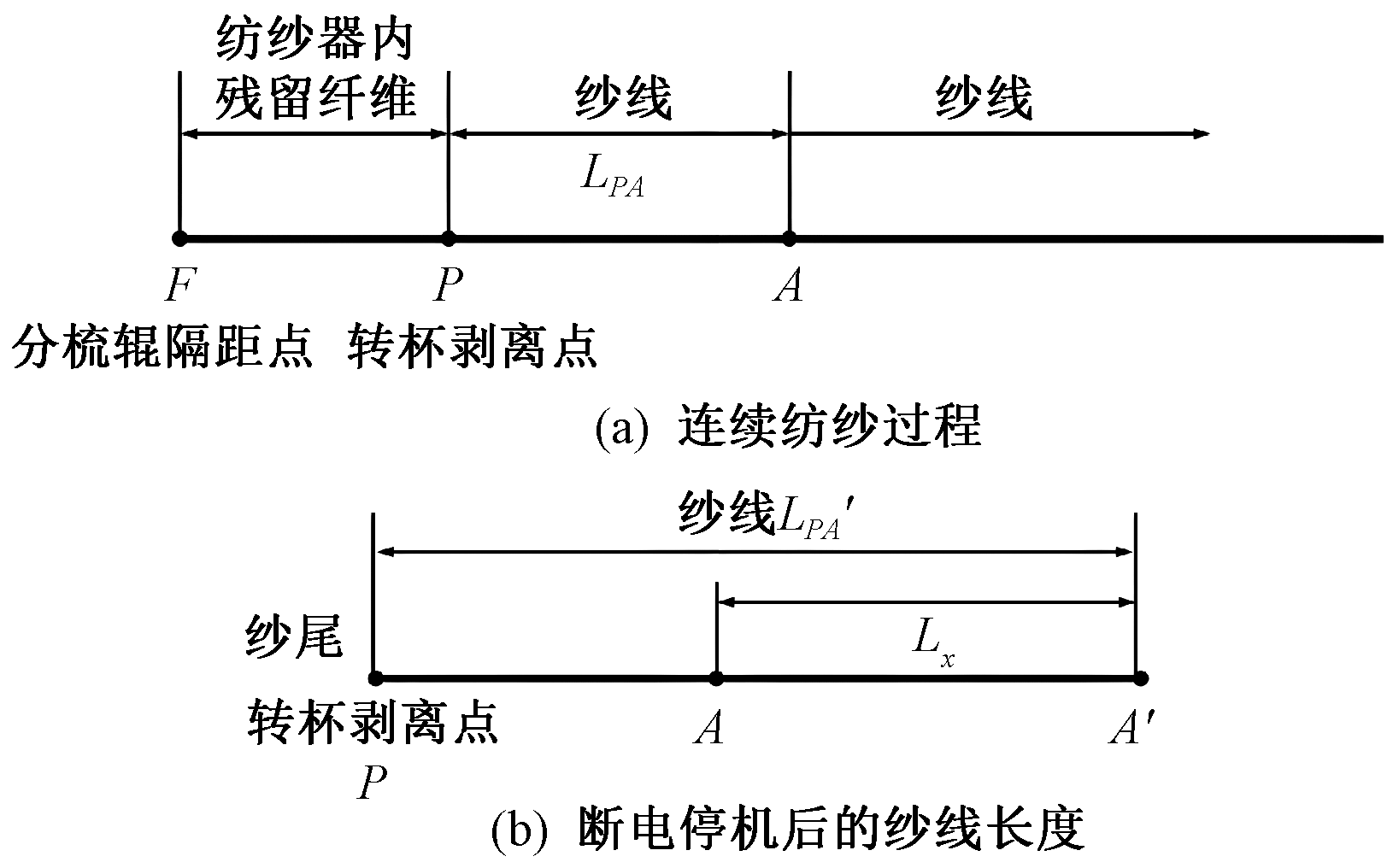
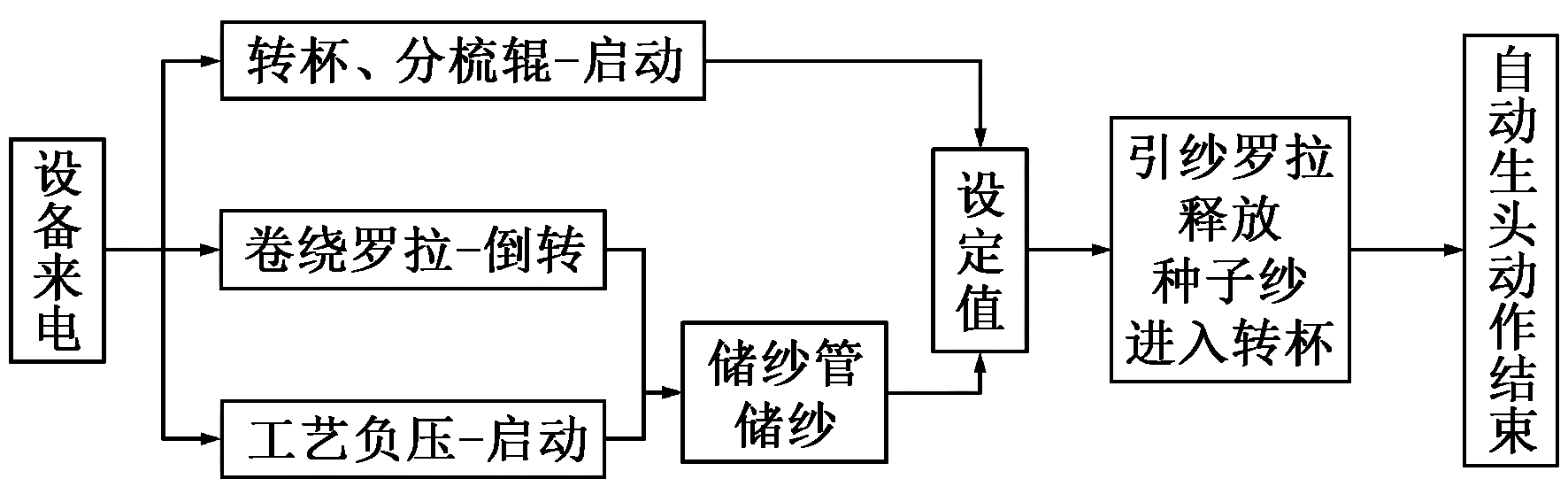
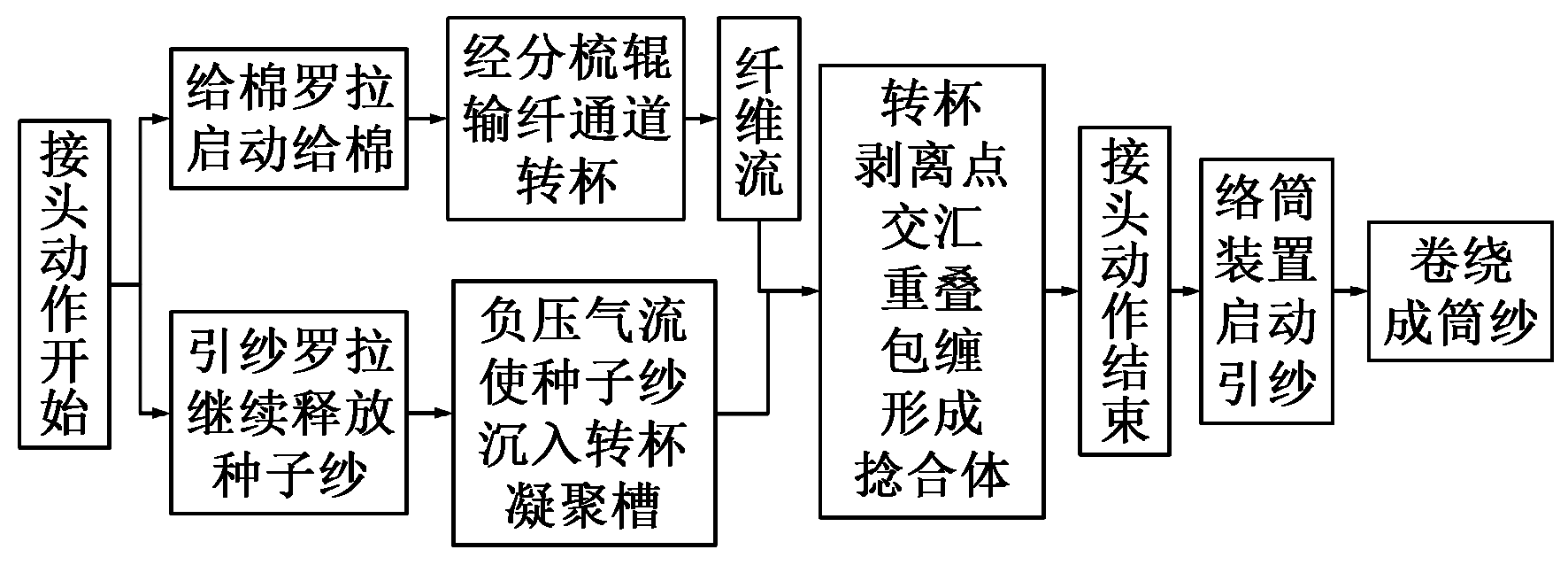
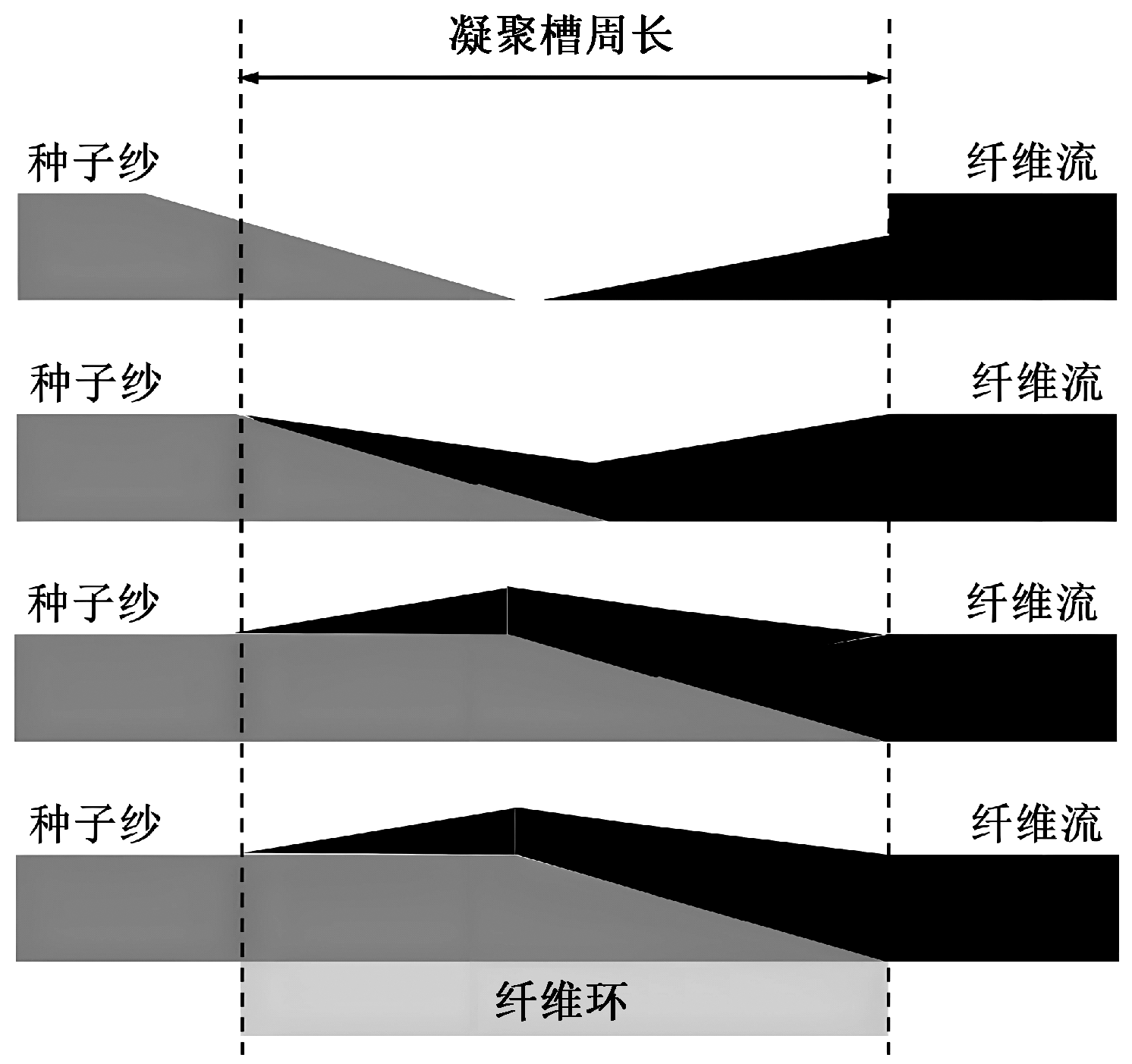
为解决半自动转杯纺纱机因临时停车、断电停车造成纱线断头后需要集体自动接头这一难题,分析了停车后纺纱器内残留纤维的运动规律,构建了残留纤维质量及其可纺制的纱线长度与引纱速度的数学模型,指导相关机构的有序停机实现集体自动留尾功能;再通过控制纱尾端的空间位置及预留的储纱长度实现集体自动生头功能;最后结合构建的种子纱与纤维流接头模型,研究了通过调节接头长度与加捻时间控制接头的形态及质量的方法,并实现了集体自动接头功能。以TQFK86转杯纺纱机做了30组验证实验,通过USTER® TESTER 5及MatLab对纱线进行对比分析,结果显示:30组实验的接头成功率为96.7%,接头最大直径平均值为0.69 mm,是正常纱线直径的1.91倍;接头平均强度为10.435 cN/tex,是正常纱线强度的84.9%,符合转杯纺纱机接头质量指标及单纱断裂强度指标的行业标准要求,实现了半自动转杯纺纱机临时停车、断电停车时能够高效完成集体自动留尾、生头及接头功能。
中图分类号:
| [1] | 汪军. 转杯纺技术发展回顾与趋势展望[J]. 棉纺织技术, 2023, 51(10):33-40. |
| WANG Jun. Review and trend prospect of rotor spinning technology development[J]. Cotton Textile Technology, 2023, 51(10):33-40. | |
| [2] | SOLOXIDDINOV J, BOBOJANOV H, ABDULAZIZOV S. Spinning system novelties: recent innovations and trends[C]// International Conference on Analysis of Mathematics and Exact Sciences, 2024, 1(7): 10-12. |
| [3] | 狄剑锋. 优化转杯纺纱接头质量的研究[J]. 纺织学报, 1997, 18(5):9-12. |
|
DI Jianfeng. Research on optimising the quality of rotor spinning joints[J]. Journal of Textile Research, 1997, 18(5):9-12.
doi: 10.1177/004051754801800102 |
|
| [4] | 王克勇, 汪军, 李立轻. 转杯纺半自动接头模型探讨[J]. 棉纺织技术, 2005, 36(5):20-22. |
| WANG Keyong, WANG Jun, LI Liqing. Discussion on semi-automatic joint modal of rotor spinning[J]. Cotton Textile Technology, 2005, 36(5):20-22. | |
| [5] | 弗克尔 M, 库特尔瓦斯尔 J, 斯劳彭斯基 J, . 由自由端转杯纺纱机准备用于生头的纱线端部的方法及纺纱转杯:CN103132186B[P]. 2016-09-28. |
| VOLKER M, KUTLWASL J, SLUPENSKY J. Method of preparing yarn ends for raw heads from a free-end rotor spinning machine and spinning rotors: CN 103132186B[P]. 2016-09-28. | |
| [6] | 杨亚江, 肖锋, 赵翔. 一种转杯纺断电整体留头系统:114262961B[P]. 2022-12-06. |
| YANG Yajiang, XIAO Feng, ZHAO Xiang. A kind of rotor spinning power-off overall head retention system: 114262961B[P]. 2022-12-06. | |
| [7] | 陈宥融, 王凌钧, 薛元, 等. 基于调控尾纱留尾长度实现转杯纺纱自动接头方法: 118814324A[P]. 2024-10-22. |
| CHEN Yourong, WANG Linjun, XUE Yuan, et al. Automatic splicing method of rotor spinning based on regulating the length of tail yarns left behind: 118814324A[P]. 2024-10-22. | |
| [8] | 方介英, 熊涛, 梁巧林. ACO288转杯纺机自动接头原理及技术浅析[J]. 中国设备工程, 2002(6):30-32. |
| FANG Jieying, XIONG Tao, LIANG Qiaolin. ACO288 rotor spinning machine with automatic joint principle and technology analysis[J]. China Plant Engineering, 2002(6):30-32. | |
| [9] | 韦玉堂, 刘超颖. 转杯纺纱中纤维滑移所需时间的探讨[J]. 河北轻化工学院学报, 1996(1):70-72. |
| WEI Yutang, LIU Chaoying. Study of the time for fibers moving in rotor spinning[J]. Journal of Hebei University of Science and Technology, 1996(1):70-72. | |
| [10] | 谢春萍, 傅佳佳. 新型纺纱[M]. 3版. 北京: 中国纺织出版社, 2020: 15-35. |
| XIE Chunping, FU Jiajia. New spinning[M]. 3 ed. Beijing: China Textile & Apparel Press, 2020: 15-35. | |
| [11] | 马克永. BD200SN型转杯纺纱机生头原理及应用[J]. 棉纺织技术, 1995(3):52-53. |
| MA Keyong. BD200SN rotor spinning machine head principle and application[J]. Cotton Textile Technology, 1995(3):52-53. | |
| [12] | 扶才志, 曹鸿艳, 廖文皓, 等. 基于多视角图像的纱线条干均匀度测量方法[J]. 纺织学报, 2024, 45(3):49-57. |
| FU Caizhi, CAO Hongyan, LIAO Wenhao, et al. Yarn unevenness measurement method based on multi-view images[J]. Journal of Textile Research, 2024, 45 (3):49-57. | |
| [13] | 王文帝, 辛斌杰, 邓娜, 等. 单一视角下自适应阈值法的纱线毛羽识别及其应用[J]. 纺织学报, 2019, 40(5):150-156. |
| WANG Wendi, XIN Binjie, DENG Na, et al. Identification and application of yarn hairiness using adaptive threshold method under single vision[J]. Journal of Textile Research, 2019, 40(5):150-156. | |
| [14] | 周志宇, 刘迎春, 张建新. 基于自适应Canny算子的柑橘边缘检测[J]. 农业工程学报, 2008(3):21-24. |
| ZHOU Zhi yu, LIU Yingchun, ZHANG Jianxin. Orange edge detection based on adaptive Canny operator[J]. Transactions of the CSAE, 2008(3):21-24. |
| [1] | 李金键, 薛元, 陈宥融, 陈国方, 田飞飞, 李进忠. 全自动转杯纺纱机单锭自动接头机制及其技术实现[J]. 纺织学报, 2026, 47(01): 214-222. |
| [2] | 郑小虎, 杜思淇, 刘永青, 王健, 陈峰. 基于一维卷积神经网络的棉纱线质量预测[J]. 纺织学报, 2025, 46(09): 120-127. |
| [3] | 邵秋, 杨瑞华. 再循环棉/原棉转杯纺纱线的耐磨性[J]. 纺织学报, 2025, 46(03): 64-71. |
| [4] | 李金键, 薛元, 陈宥融. 时序分布的段彩竹节纱及三通道转杯成纱工艺设计[J]. 纺织学报, 2025, 46(03): 72-81. |
| [5] | 张定眺, 王倩茹, 邱芳, 李凤艳. 改进转杯纺输纤通道气流场及其纤维伸直形态的模拟[J]. 纺织学报, 2025, 46(02): 100-105. |
| [6] | 李玲, 史倩倩, 田顺, 汪军. 输纤通道对称性对双喂入双分梳转杯纺气流场以及纱线特性的影响[J]. 纺织学报, 2025, 46(02): 69-77. |
| [7] | 宋凯莉, 郭明瑞, 高卫东. 装有气流导向装置的网格圈式集聚纺数值模拟与实验验证[J]. 纺织学报, 2025, 46(01): 34-41. |
| [8] | 汪燕燕, 薛元, 陈宥融, 陈国方. 四基色纤维构建的全色域混色模型及彩色纱纺制[J]. 纺织学报, 2025, 46(01): 62-71. |
| [9] | 龚新霞, 邵秋, 杨瑞华. 纤维在转杯纺纺纱器中的运动和形态变化分析[J]. 纺织学报, 2024, 45(12): 199-205. |
| [10] | 章红豆, 陈芳, 楚祥婷, 陆惠文, 刘新金, 苏旭中. 基于示踪纤维法测试的化纤条内纤维弯钩[J]. 纺织学报, 2024, 45(12): 74-79. |
| [11] | 刘婷, 闫涛, 潘志娟. 香蕉茎秆纤维/抗菌纤维混纺纱的制备及其性能[J]. 纺织学报, 2024, 45(10): 48-54. |
| [12] | 张定眺, 王倩茹, 邱芳, 李凤艳. 转杯纺分梳排杂区气流场的多维数值模拟对比[J]. 纺织学报, 2024, 45(10): 64-71. |
| [13] | 扶才志, 曹鸿艳, 廖文皓, 李忠健, 黄琪翔, 蒲三成. 基于多视角图像的纱线条干均匀度测量方法[J]. 纺织学报, 2024, 45(03): 49-57. |
| [14] | 李玲, 丁倩, 汪军. 转杯纺并合效应模型的构建与解析[J]. 纺织学报, 2023, 44(12): 43-49. |
| [15] | 王梦蕾, 王静安, 高卫东. 计算机辅助配棉技术研究进展[J]. 纺织学报, 2023, 44(08): 225-233. |
|
||
 京公网安备11010502044800号