Journal of Textile Research ›› 2026, Vol. 47 ›› Issue (1): 11-19.doi: 10.13475/j.fzxb.20250404001

• Fiber Materials • Previous Articles     Next Articles

Preparation and properties of calcium alginate freeze dried three-dimensional porous materials

YU Qiuyu1,2, WU Jiang3,4(), TAN Yanjun1,2, SHAN Wenxi3,4, DENG Yuntao1,2, LI Zongquan1,2   

  1. 1. College of Textile Science and Engineering, Xi'an Polytechnic University, Xi'an, Shaanxi 710048, China
    2. Shaanxi Province Functional Materials Dyeing and Finishing Innovation Engineering Research Center, Xi'an Polytechnic University, Xi'an, Shaanxi 710048, China
    3. National Center for Clinical Medical Research of Oral Diseases, Stomatological Hospital of Air Force Military Medical University, Xi'an, Shaanxi 710038, China
    4. National Key Laboratory of Reconstruction and Regeneration of Oral and Maxillofacial System, Stomatological Hospital of Air Force Military Medical University, Xi'an, Shaanxi 710038, China
  • Received:2025-04-22 Revised:2025-11-05 Online:2026-01-15 Published:2026-01-15
  • Contact: WU Jiang E-mail:wujiang@fmmu.edu.cn

Abstract:

Objective This study aims to use sodium alginate to prepare a three-dimensional porous material with stable structure and excellent liquid absorption performance so as to solve problems such as poor liquid absorption performance and complex preparation process for conventional medical dressings (such as cotton yarn). During the preparation process, the porous structure of the calcium alginate material is uneven, which causes low absorption to liquid and poor structural stability, limiting its application in the field of medical dressings.

Method This study transformed sodium alginate (SA) colloidal crystals into three-dimensional porous materials with uniform pores through stepwise cooling and freeze drying techniques. On this basis, the preparation process of calcium alginate (CA) three-dimensional porous materials was optimized by the Box-Behnken response surface method, and the influence of SA mass fraction, CaCl2 mass fraction and treatment time on the liquid absorption performance of the material was studied. The optimal preparation process was obtained, and physical and chemical properties of the CA three-dimensional porous material were characterized.

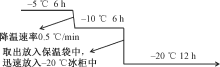
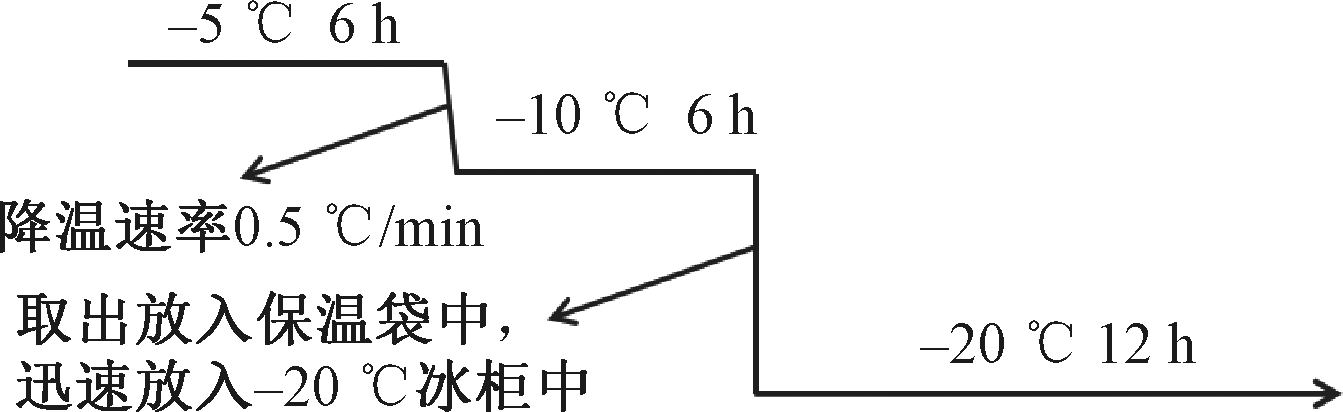
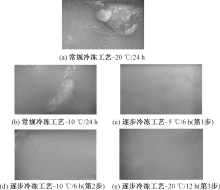
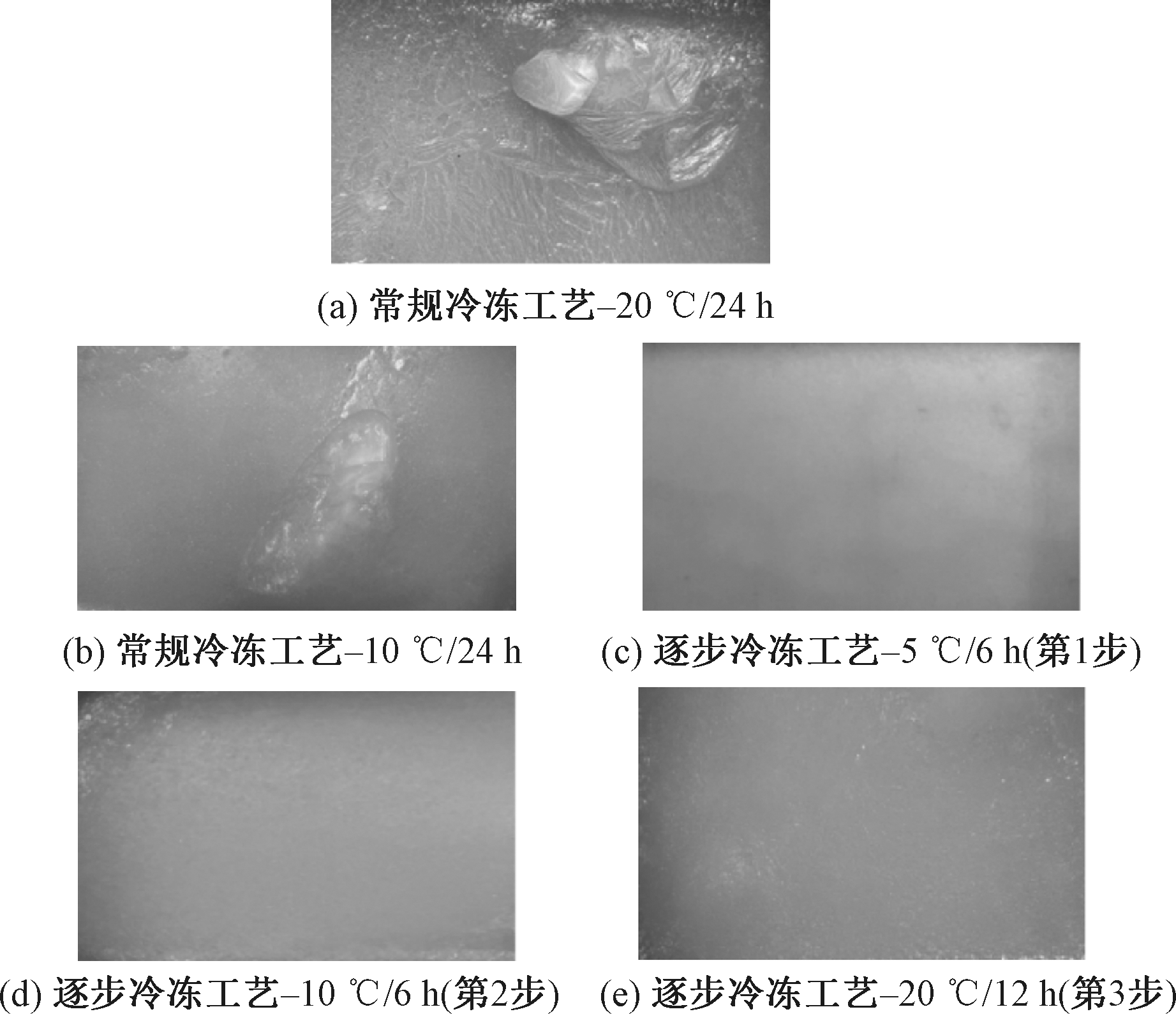
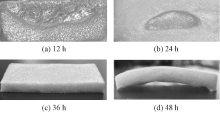
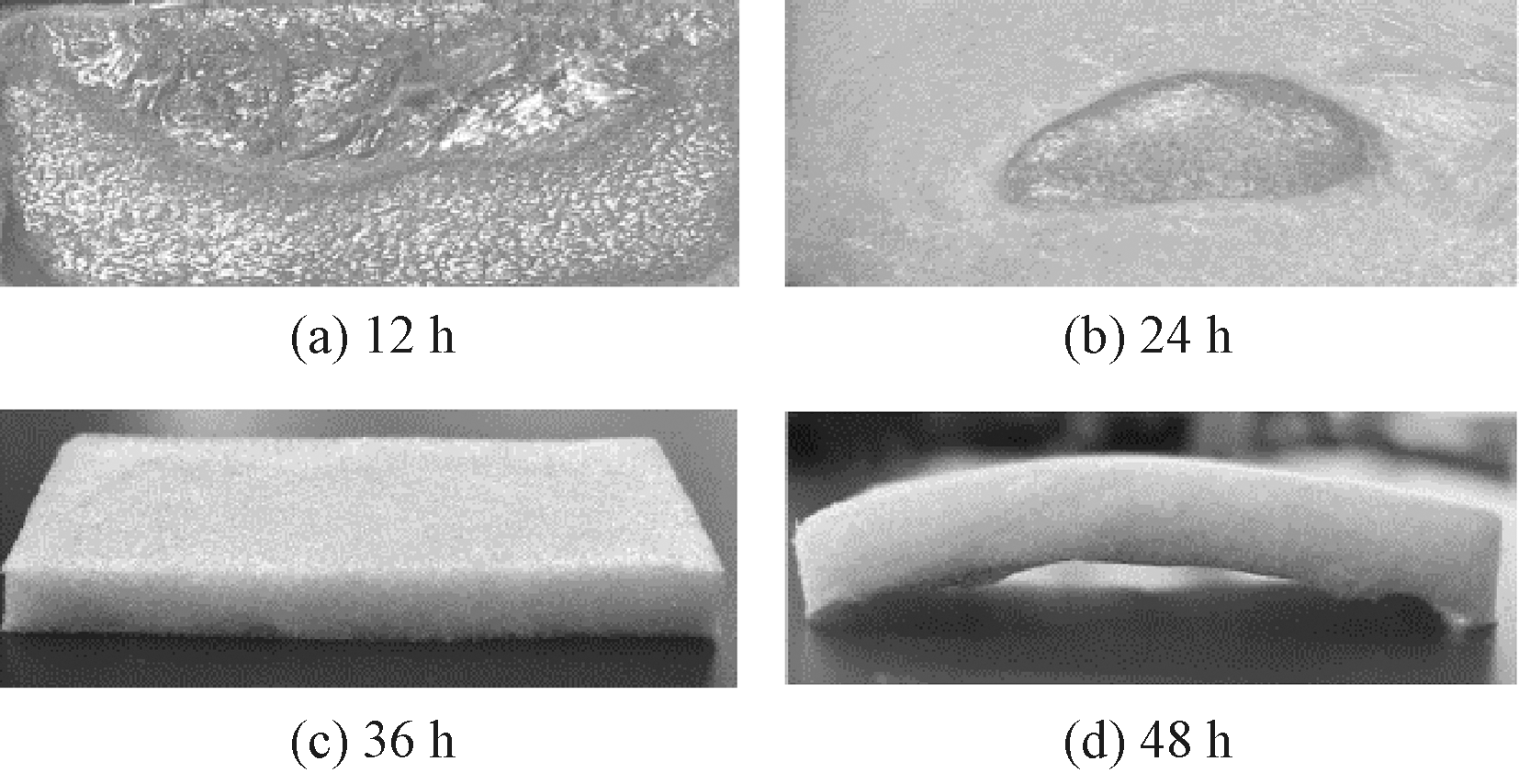
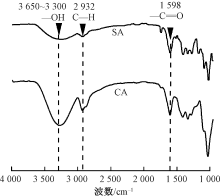
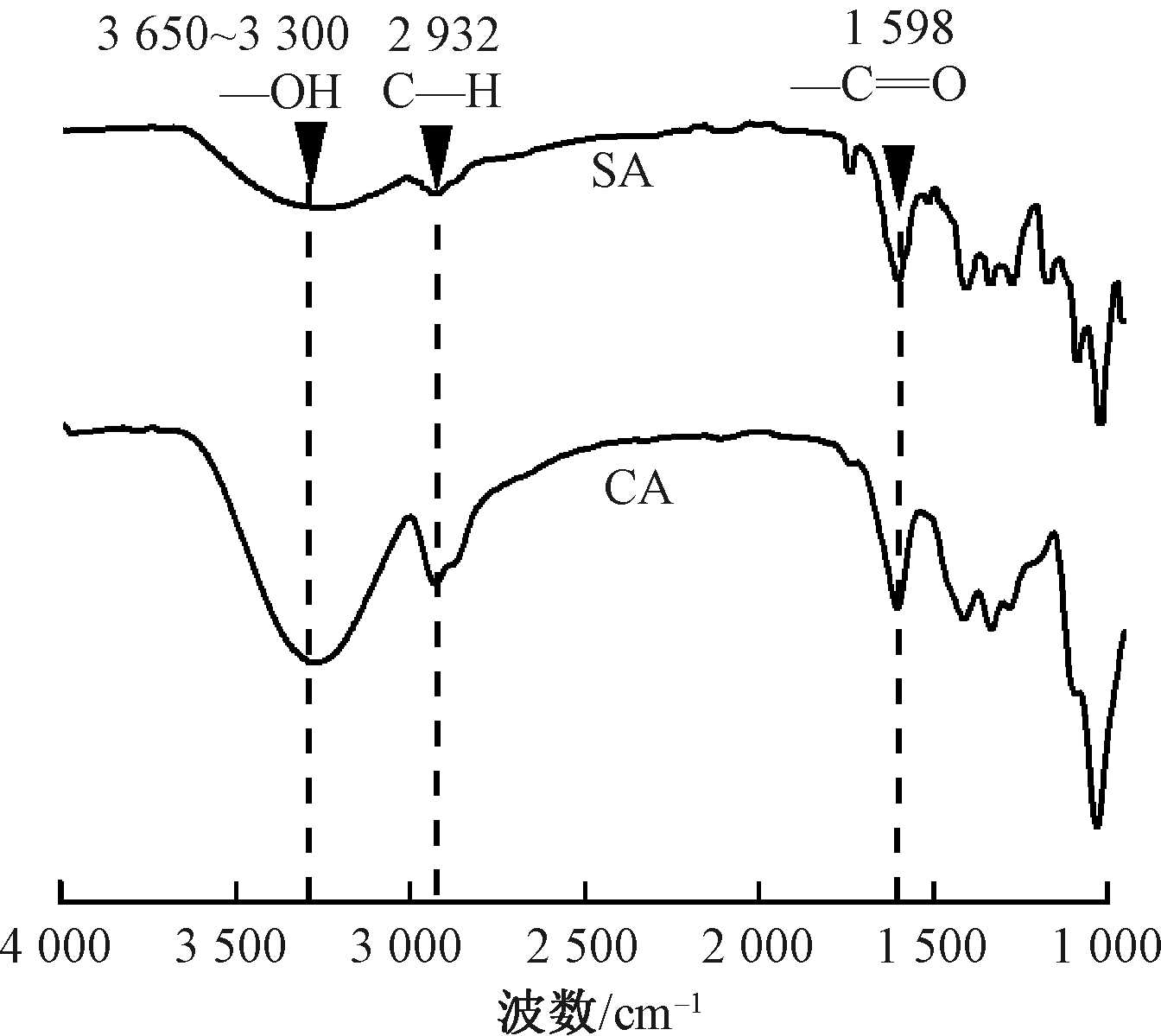
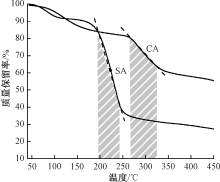
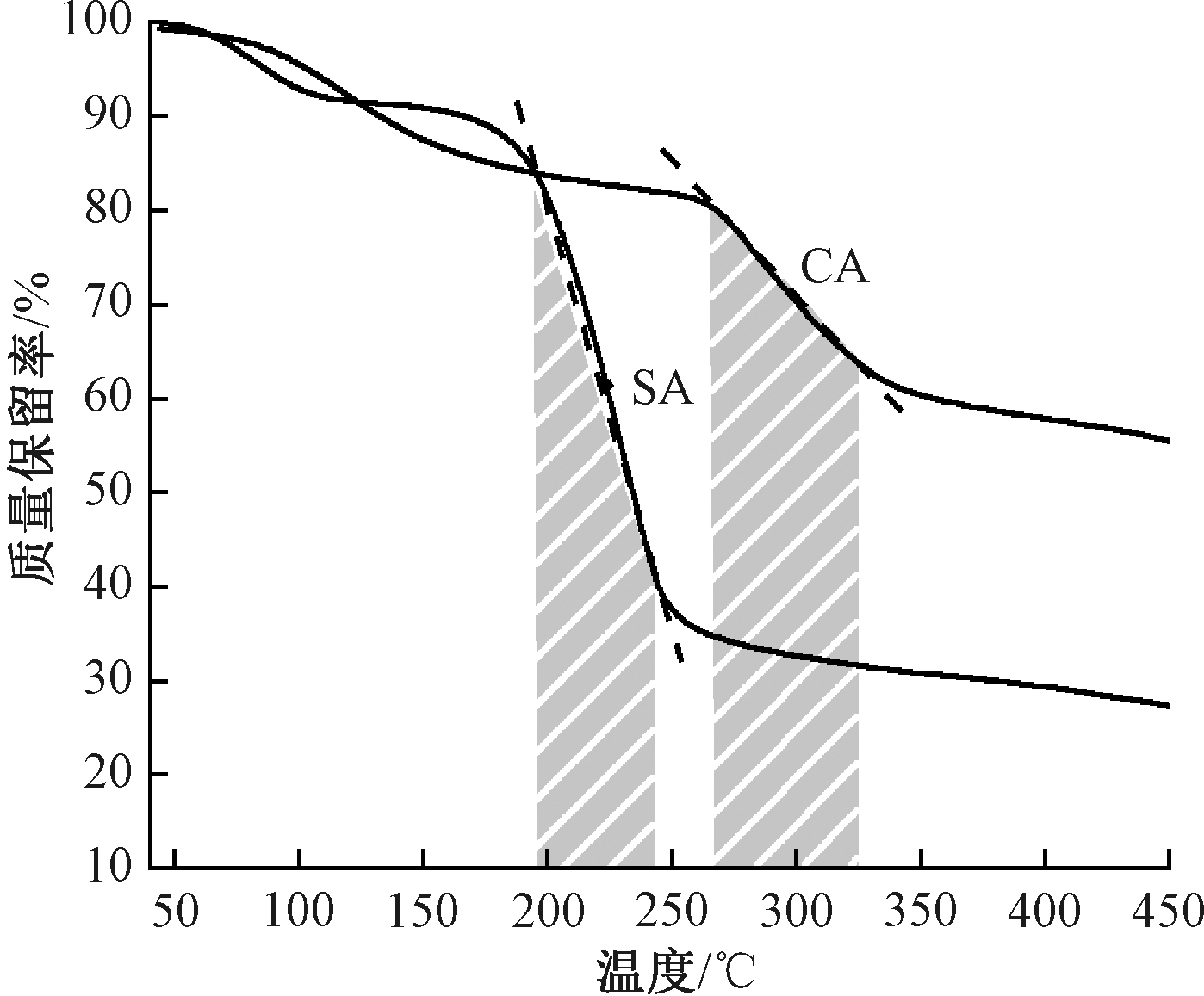
Results During the preparation process, the method of stepwise cooling (freezing from -5 ℃ to -10 ℃ for 6 h, and finally freezing at -20 ℃ for 12 h) was found effective in solving the bulging and streak problems of SA colloid during the freezing process. This stepwise freezing process ensured uniform heat transfer from the inside to the outside of the SA crystal, making a smooth surface of the final prepared SA crystal. The further optimized freeze drying time was 36 h, not only ensuring uniformity of pore size, but also imparting excellent physical and chemical properties to the SA three-dimensional porous freeze dried material. The preparation process of CA three-dimensional porous materials was optimized by the Box-Behnken response surface method. The prepared CA three-dimensional porous materials showed excellent performance under the conditions of SA mass fraction of 1.75%, CaCl2 mass fraction of 3.5%, and the freeze drying time of 9 h. Its liquid absorption rate was as high as 3 064%, showing a high liquid absorption capacity. In a wet state, the material's tensile breaking strength was 0.42 MPa, the elongation of breaking was 45%, and the compression rebound rate was 100%, showing good liquid absorption performance and structural stability, which meets the requirements of medical dressings. Fourier infrared spectroscopy (FT-IR) analysis showed that the absorption peak of CA at 3 367 cm-1 was enhanced, indicating that Ca2+ reacted chemically with SA. Energy spectrum analysis (ESC) showed that the calcium content in CA increased by 8.08% compared with SA, and the sodium content decreased by 8.25% compared with SA, further confirming the replacement reaction between Ca2+ and SA. Scanning electron microscopy (SEM) observations indicated that CA three-dimensional porous material had a uniform network interpenetrating porous structure inside, which helps improve the material's liquid absorption performance and mechanical stability. Thermogravimetric analysis (TG) showed that the thermal decomposition temperature of CA was 70 ℃ higher than that of SA, demonstrating better thermal stability, which indicated that the introduction of Ca2+ enhanced the structural stability of the material.

Conclusion A CA three-dimensional porous material with uniform pores, stable structure and excellent liquid absorption performance was successfully prepared by stepwise freezing process and response surface optimization method. This material has significant advantages in liquid absorption, mechanical properties and thermal stability, meets the standard requirements of medical dressings, and has broad application prospects. The research results provide important theoretical basis and technical support for the development of new high-performance medical dressings, and also lay the foundation for the further application of calcium alginate materials in the field of biomedical science.

Key words: calcium alginate, sodium alginate, freeze drying technology, three-dimensional porous material, response surface experiment, medical dressing

CLC Number: 

  • TS959.9

Fig.1

Stepwise freezing process"

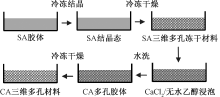
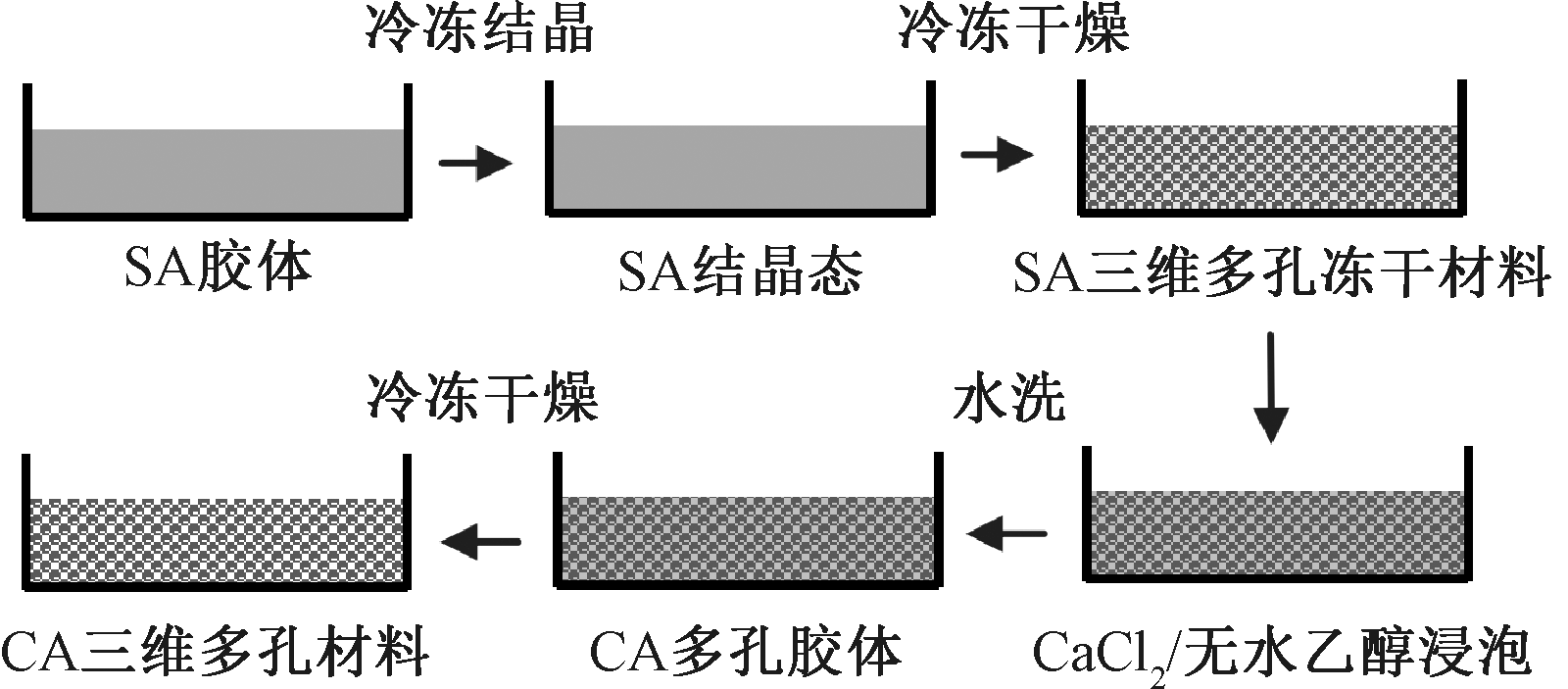
Fig.2

Preparation process of CA three-dimensional porous material"

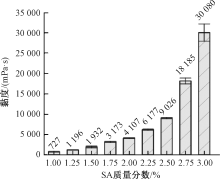
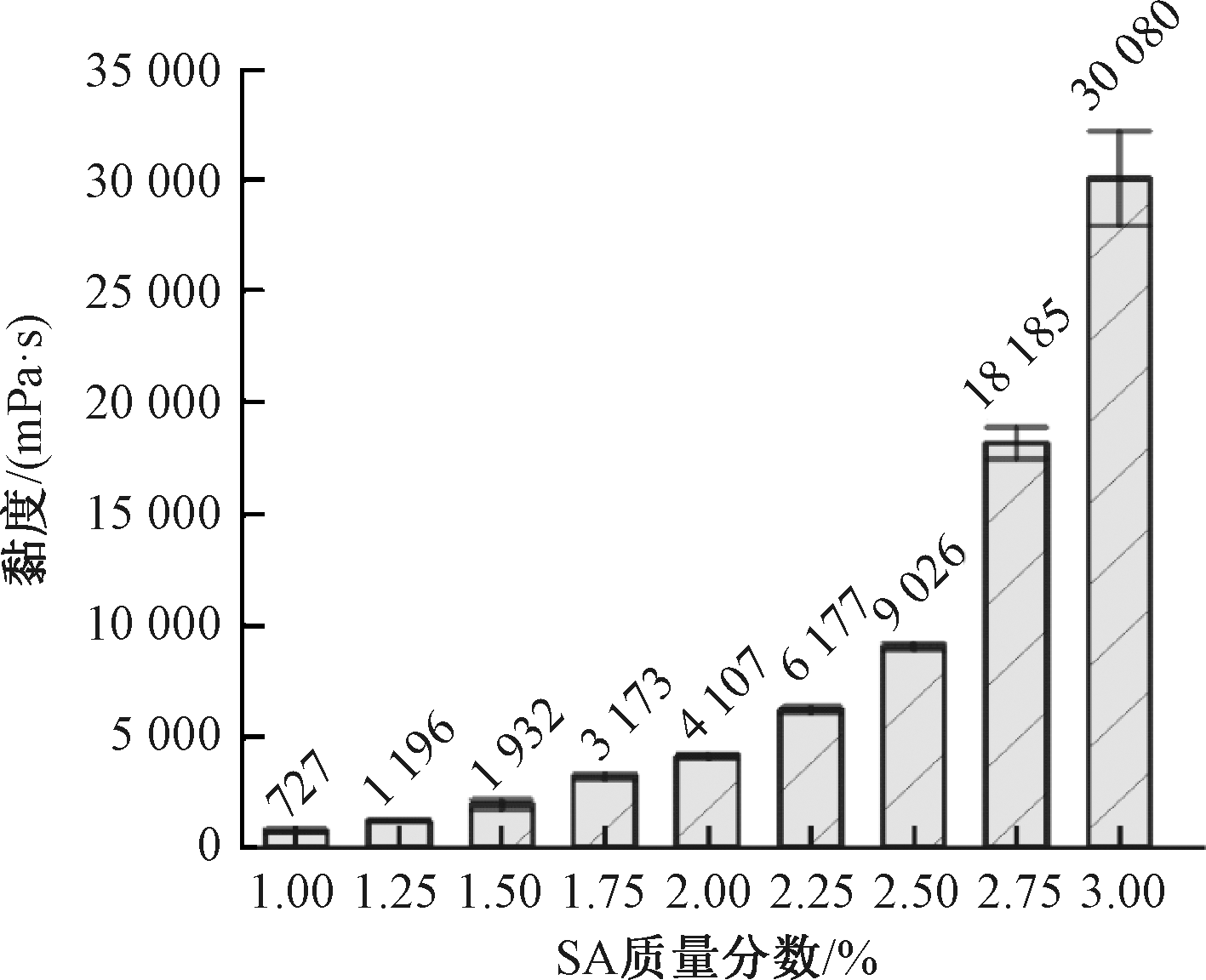
Fig.3

Viscosities of SA colloids with different mass fractions"

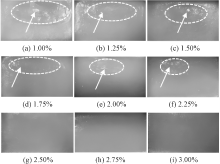
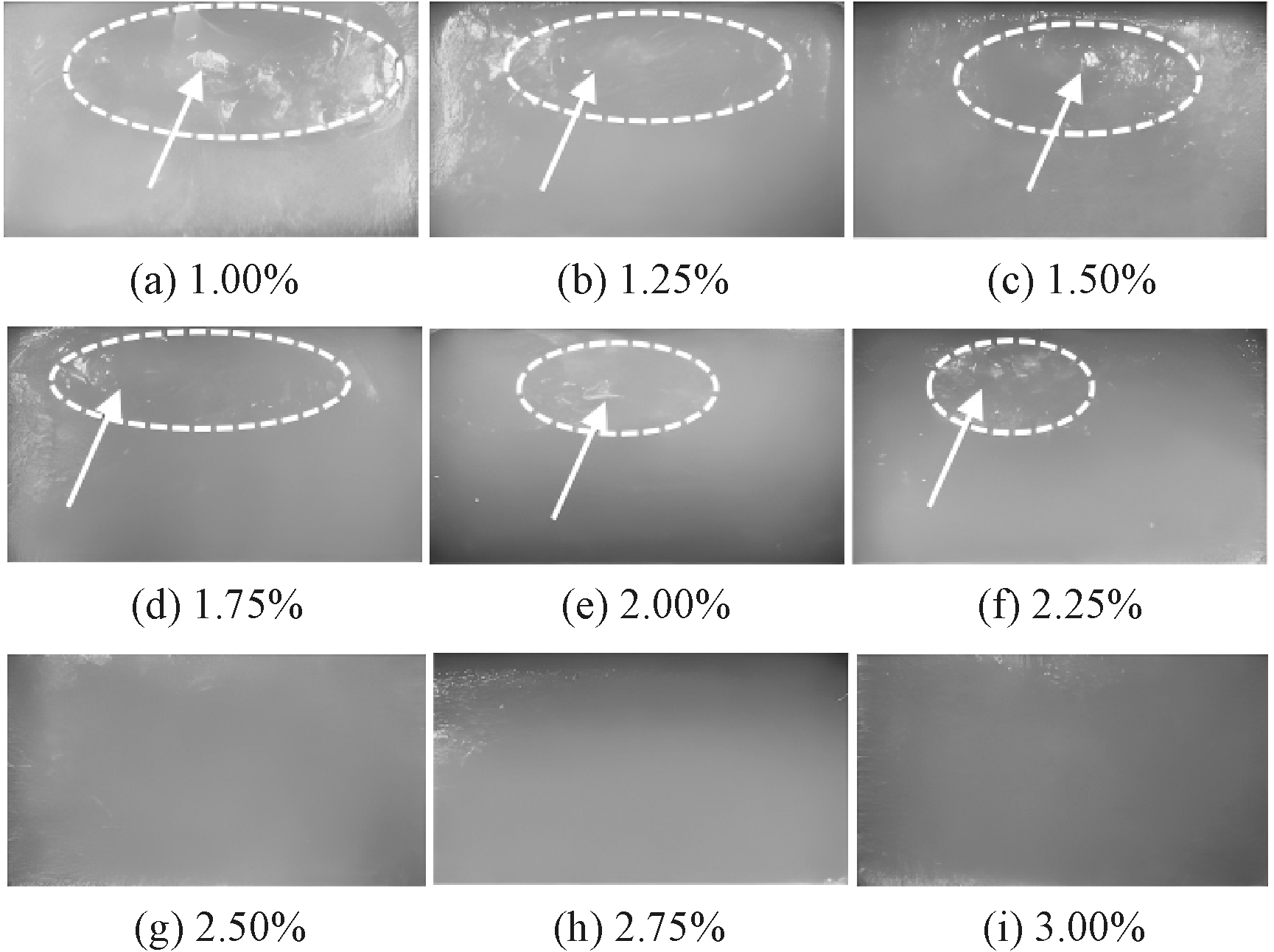
Fig.4

Freeze-forming effect of SA colloids with different mass fractions"

Fig.5

Schematic diagram of freezing process. (a) Conventional freezing process -20 ℃/24 h; (b) Conventional freezing process -10 ℃/24 h; (c) Stepwise freezing process -5 ℃/6 h (Step 1); (d) Stepwise freezing process -10 ℃/6 h (Step 2); (e) Stepwise freezing process -20 ℃/12 h (Step 3)"

Fig.6

Forming effects of SA freeze dried materials of different freeze-drying time periods"

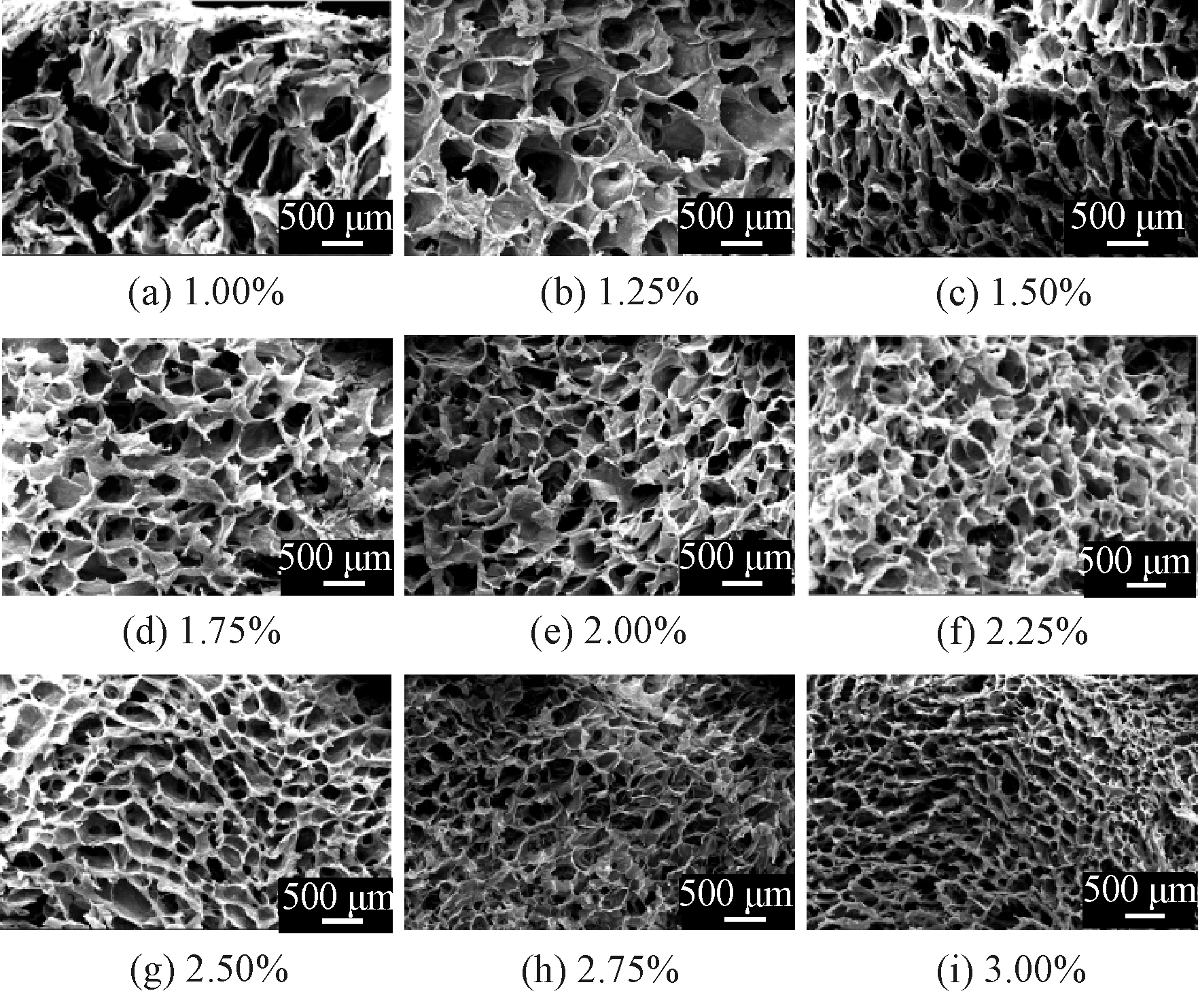
Fig.7

SEM images of freeze dried materials with different SA mass fractions"

Tab.1

Response surface experimental factors and horizontal coding table"

水平 A B C
CaCl2质量分数/% 时间/h SA质量分数/%
-1 0.20 8 1.25
0 0.30 10 1.75
1 0.40 12 2.25

Tab.2

Response surface experimental design and results"

实验编号 A/% B/h C/% 吸液率R/%
1 0.20 8 1.75 2 670
2 0.40 8 1.75 1 769
3 0.20 12 1.75 1 653
4 0.40 12 1.75 2 117
5 0.20 9 1.25 2 428
6 0.40 9 1.25 1 404
7 0.20 9 2.25 1 616
8 0.40 9 2.25 1 088
9 0.30 8 1.25 2 606
10 0.30 12 1.25 2 517
11 0.30 8 2.25 1 960
12 0.30 12 2.25 1 888
13 0.30 10 1.75 3 399
14 0.30 10 1.75 2 767
15 0.30 10 1.75 3 076
16 0.30 10 1.75 3 294
17 0.30 10 1.75 3 083

Tab.3

Regression analysis of variance"

方差来源 平方和 自由度 均方 F P 显著性
模型 725.61 9 80.62 13.26 0.001 3 **
A 49.65 1 49.65 8.16 0.024 4 *
B 8.69 1 8.69 1.43 0.270 8
C 72.18 1 72.18 11.87 0.010 8 *
AB 46.85 1 46.85 7.70 0.027 5 *
AC 6.15 1 6.15 1.01 0.348 1
BC 0.722 1 7.22 1.18 0.973 5
A2 296.85 1 296.85 48.81 0.000 2 **
B2 22.45 1 22.45 3.69 0.096 2
C2 177.98 1 177.98 29.26 0.001 0 **
残差 42.57 7 6.08
失拟项 18.98 3 6.33 1.07 0.455 0
纯误差 23.60 4 5.90
总差 768.18 16

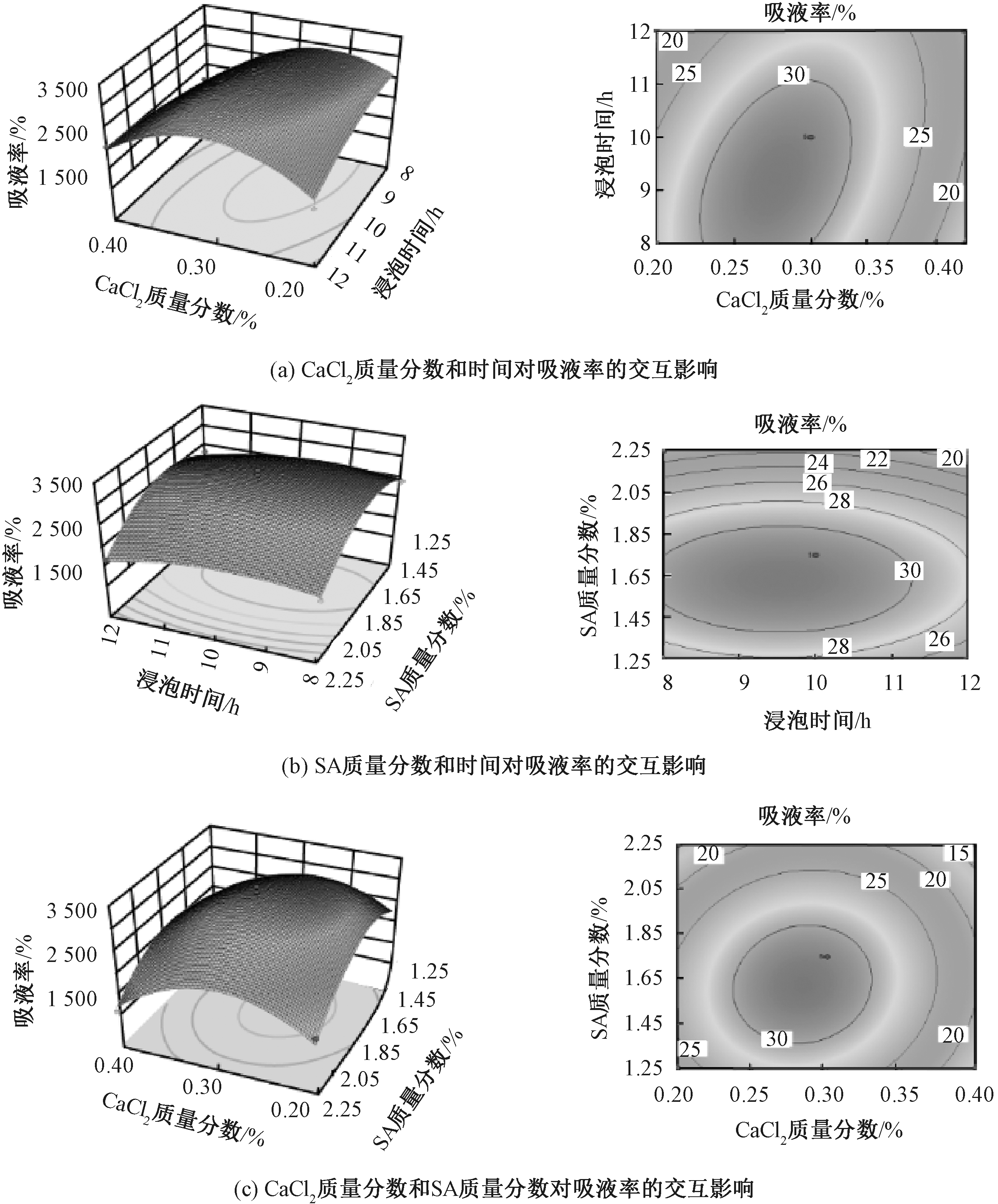
Fig.8

Response surface diagram, contour map of CA three-dimensional porous material. (a) Interaction effect of CaCl2 mass fraction and time on liquid absorption rate; (b) Interaction effect of SA mass fraction and time on liquid absorption rate; (c) Interaction effect of CaCl2 mass fraction and SA mass fraction on liquid absorption rate"

Fig.9

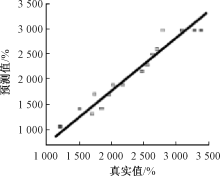
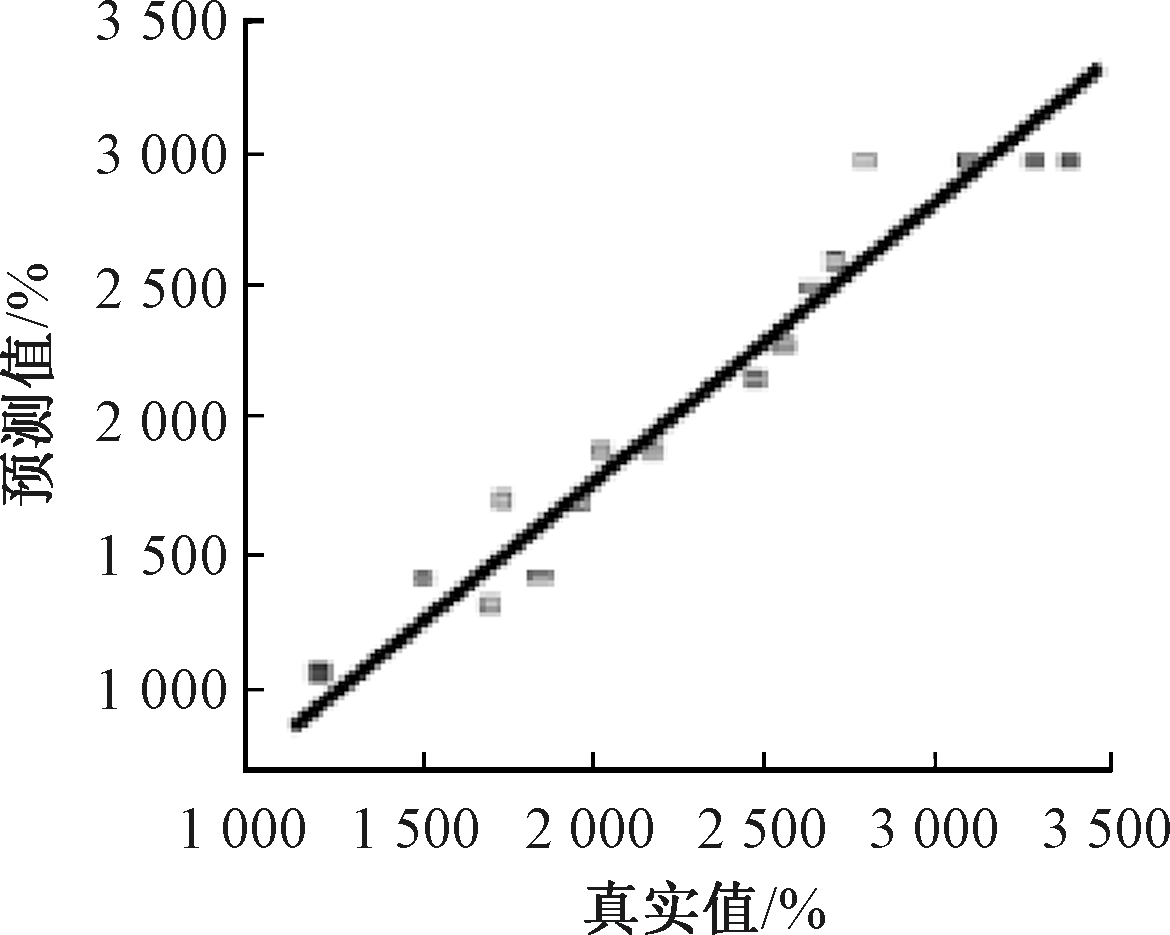
Fitted line between predicted values and actual values"

Fig.10

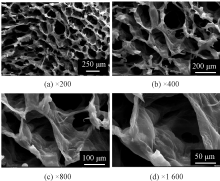
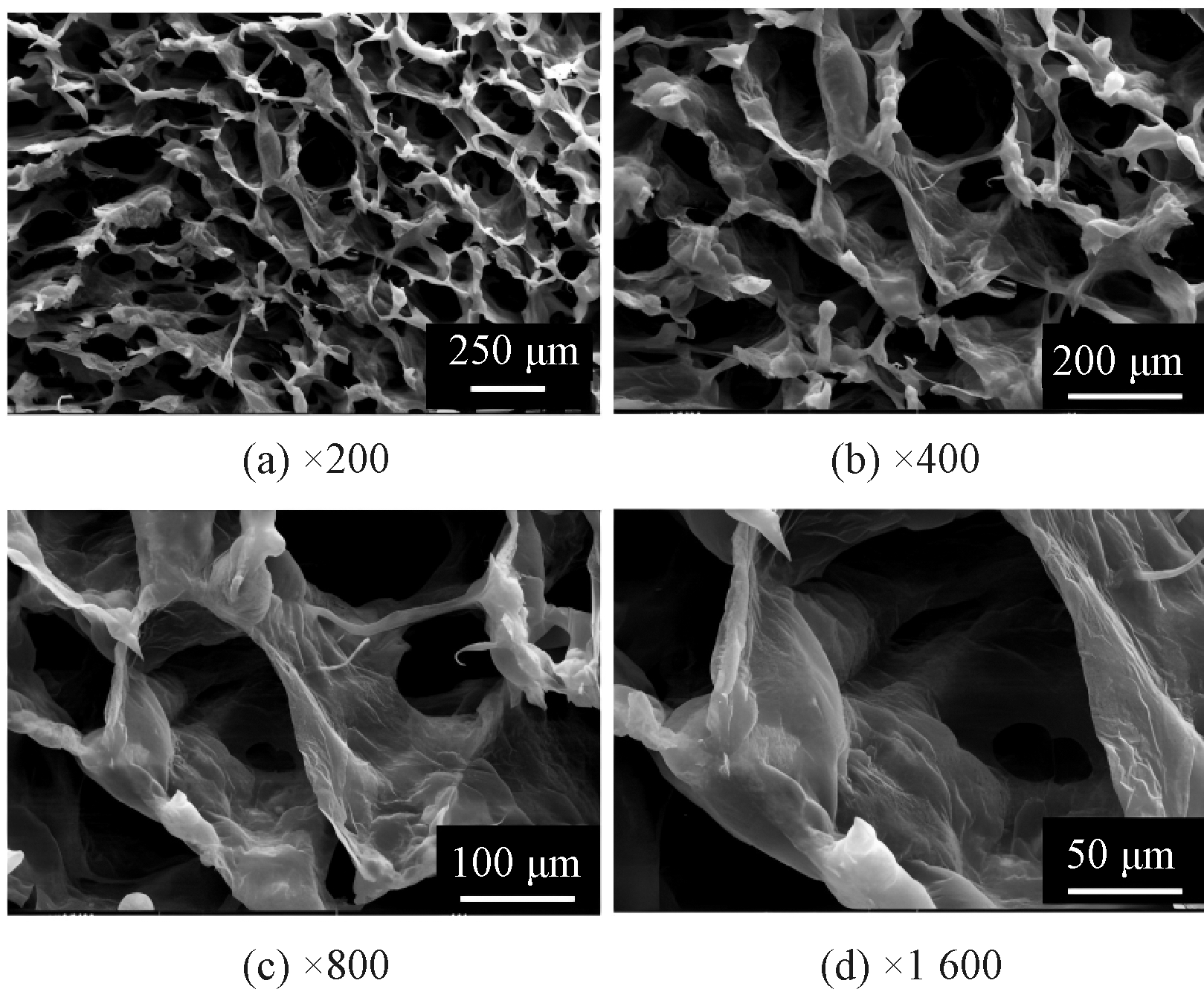
SEM images of cross-section of CA three-dimensional porous materials"

Tab.4

Mass percentage of SA and CA elements"

材料 质量分数/%
C O Na Cl Ca
SA 41.79 31.68 16.94 5.17 4.45
CA 43.38 28.95 8.69 6.63 12.53

Fig.11

Infrared spectra of SA and CA three-dimensional porous materials"

Fig.12

Thermogravimetric curves of SA and CA materials"

[1] SACHAN N K, PUSHKAR S, JHA A K, et al. Sodium alginate: the wonder polymer for controlled drug deli-very[J]. Journal of Pharmacy Research, 2015.
[2] SANJARNIA P, PICCHIO M L, POLEGRE SOLIS A N, et al. Bringing innovative wound care polymer materials to the market: challenges, developments, and new trends[J]. Advanced Drug Delivery Reviews, 2024, 207: 115217.
doi: 10.1016/j.addr.2024.115217
[3] NEZHAD-MOKHTARI P, HASANY M, KOHESTANIAN M, et al. Recent advancements in bioadhesive self-healing hydrogels for effective chronic wound care[J]. Advances in Colloid and Interface Science, 2024, 334: 103306.
doi: 10.1016/j.cis.2024.103306
[4] GUAN F C, LI Z, TIAN J, et al. Sheath-core structured Ca-alginate/PVA aerogel fibers via directed freezing wet-spinning[J]. International Journal of Biological Macromolecules, 2023, 229: 931-942.
doi: 10.1016/j.ijbiomac.2022.12.306
[5] MA W J, LING S D, ZHANG J W, et al. Microfluidic fabrication of calcium alginate helical microfibers for highly stretchable wound dressing[J]. Journal of Polymer Science, 2022, 60(11): 1741-1749.
doi: 10.1002/pola.v60.11
[6] REZAEI A, EHTESABI H. Fabrication of alginate/chitosan nanocomposite sponges using green synthesized carbon dots as potential wound dressing[J]. Materials Today Chemistry, 2022, 24: 100910.
doi: 10.1016/j.mtchem.2022.100910
[7] PARANDI E, PERO M, KIANI H. Phase change and crystallization behavior of water in biological systems and innovative freezing processes and methods for evaluating crystallization[J]. Discover Food, 2022, 2(1): 6.
doi: 10.1007/s44187-021-00004-2
[8] JIA G L, CHEN Y M, SUN A D, et al. Control of ice crystal nucleation and growth during the food freezing process[J]. Comprehensive Reviews in Food Science and Food Safety, 2022, 21(3): 2433-2454.
doi: 10.1111/1541-4337.12950 pmid: 35430752
[9] BOGDANOVA E, FUREBY A M, KOCHERBITOV V. Influence of cooling rate on ice crystallization and melting in sucrose-water system[J]. Journal of Pharmaceutical Sciences, 2022, 111(7): 2030-2037.
doi: 10.1016/j.xphs.2022.01.027 pmid: 35120964
[10] LIU Y, ZHANG Z Y, HU L D. High efficient freeze-drying technology in food industry[J]. Critical Reviews in Food Science and Nutrition, 2022, 62(12): 3370-3388.
doi: 10.1080/10408398.2020.1865261
[11] YANG E, YU H, CHOI S H, et al. An advanced lyophilization toward intact lipid nanovesicles: liquid-mediated freezing with cryoprotectant to retain the integrity of lipid nanovesicles[J]. 2021. https://doi.org/10.21203/rs.3.rs-863913/v1.
[12] EICHHORN S J, SAMPSON W W. Relationships between specific surface area and pore size in electrospun polymer fibre networks[J]. Journal of the Royal Society Interface, 2010, 7(45): 641-649.
doi: 10.1098/rsif.2009.0374 pmid: 19812071
[13] CAI C, YANG Y, ZHAO M, et al. Extraction and antioxidation of polysaccharide from Porphyra haitanensis using response surface method[J]. Pakistan Journal of Botany, 2017, 49(3): 1137-1141.
[14] KHURI A I, MUKHOPADHYAY S. Response surface methodology[J]. WIREs Computational Statistics, 2010, 2(2): 128-149.
doi: 10.1002/wics.v2:2
[15] ZHANG Q C, YANG X H, LI P, et al. Bioinspired engineering of honeycomb structure: using nature to inspire human innovation[J]. Progress in Materials Science, 2015, 74: 332-400.
doi: 10.1016/j.pmatsci.2015.05.001
[16] LARKIN P. Infrared and Raman spectroscopy: principles and spectral interpretation[M]. Boston: Elsevier, 2011: 25-26.
[1] HOU Zhiwen, REN Zeping, WANG Xiaoning, ZHANG Tianjiao. Preparation and properties of chitosan/alginate-treated flame retardant and antibacterial cotton fabrics [J]. Journal of Textile Research, 2025, 46(12): 171-180.
[2] DENG Jing, WANG Ruining, SUN Runjun, ZHANG Yajuan, GUO Haibing, LEI Ke. Sodium alginate modified waterborne polyurethane/liquid metal conductive sensing fibers for pulse monitoring [J]. Journal of Textile Research, 2025, 46(12): 74-82.
[3] ZHU Lei, LI Xiaojun, CHENG Chunzu, XU Jigang, DU Xinyu. Influences of sodium tetraborate/tannic acid cross-linking on structure and properties of calcium alginate fibers [J]. Journal of Textile Research, 2025, 46(07): 28-36.
[4] CHEN Yajuan, GUO Hanyu, ZHANG Chentian, LI Xinxin, ZHANG Xueping. Preparation and hygroscopic properties of polyvinyl alcohol/sodium alginate/polyamide 66 composite hydrogel core-spun yarns [J]. Journal of Textile Research, 2025, 46(06): 103-110.
[5] WANG Huiting, CHEN Yujian, LIU Shiyi, ZHANG Xiantao, LU Bin, ZOU Zhuanyong, WANG Jian, ZHANG Yinjiang. Research progress in alginate-based nonwoven medical dressings [J]. Journal of Textile Research, 2025, 46(06): 240-249.
[6] FANG Lei, LIU Xiuming, JIA Jiaojiao, LIN Zhihao, REN Yanfei, HOU Kaiwen, GONG Jixian, HU Yanling. Fabrication of high molecular weight chitosan core-shell nanofibers [J]. Journal of Textile Research, 2024, 45(09): 1-9.
[7] LIN Zhihao, FANG Lei, JIA Jiaojiao, HU Yanling, FANG Kuanjun. Progress in peparation and application of micro-nanofiber wound dressings loaded with growth factors [J]. Journal of Textile Research, 2024, 45(09): 244-251.
[8] QIAN Yang, ZHANG Lu, LI Chenyang, WANG Rongwu. Preparation and performance of electrospun sodium alginate composite nanofiber membranes [J]. Journal of Textile Research, 2024, 45(08): 18-25.
[9] XU Jiahui, GUO Xiaoqing, WANG Wei, WANG Huaifang, ZHANG Chuanjie, GONG Zhaoqing. Preparation of alginate nano montmorillonite modified fiber and its strengthening and toughening mechanisms [J]. Journal of Textile Research, 2024, 45(06): 16-22.
[10] HAN Hua, HU Anran, SUN Yiwen, DING Zuowei, LI Wei, ZHANG Caiyun, GUO Zengge. Fabrication of antibacterial polymers coated cotton fabrics with I2 release for wound healing [J]. Journal of Textile Research, 2024, 45(05): 113-120.
[11] GU Jiahua, DAI Xinxin, ZOU Zhuanyong, LIU Shiyi, ZHANG Xiantao, HAN Xu, LU Bin, ZHANG Yinjiang. Preparation and properties of surface-etched/polysiloxane-modified cotton spunlace materials [J]. Journal of Textile Research, 2024, 45(02): 189-197.
[12] DI Chunqiu, GUO Jing, GUAN Fucheng, XIANG Yulong, SHAN Jicheng. Preparation and characterization of phase change fibers of bimetal ion crosslinked alginate composites [J]. Journal of Textile Research, 2023, 44(05): 54-62.
[13] SUN Jianghao, SHAO Yanzheng, WEI Chunyan, WANG Ying. Preparation and adsorption analysis of sodium alginate/graphene oxide microporous aerogel fiber [J]. Journal of Textile Research, 2023, 44(04): 24-31.
[14] LI Liang, PEI Feifei, LIU Shuping, TIAN Sujie, XU Mengyuan, LIU Rangtong, HAI Jun. Preparation and characterization of polylactic acid nanofiber drug loaded medical dressings [J]. Journal of Textile Research, 2022, 43(11): 1-8.
[15] YANG Chunli, ZHOU Weixian, LIANG Jinglong, LIN Guizhen, LIU Jie, NI Yanpeng, LIU Yun, SHANG Shenglong, ZHU Ping. Rapid preparation and properties of structural colored calcium alginate fibers triggered by magnetic field [J]. Journal of Textile Research, 2022, 43(09): 64-69.
Viewed
Full text


Abstract

Cited

  Shared   
  Discussed   
No Suggested Reading articles found!