纺织学报 ›› 2025, Vol. 46 ›› Issue (07): 136-143.doi: 10.13475/j.fzxb.20240401101
王子涵1, 李勇2, 陈晓川1( ), 汪军3, 梁凌杰1
WANG Zihan1, LI Yong2, CHEN Xiaochuan1(), WANG Jun3, LIANG Lingjie1
摘要:
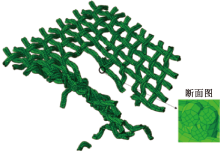
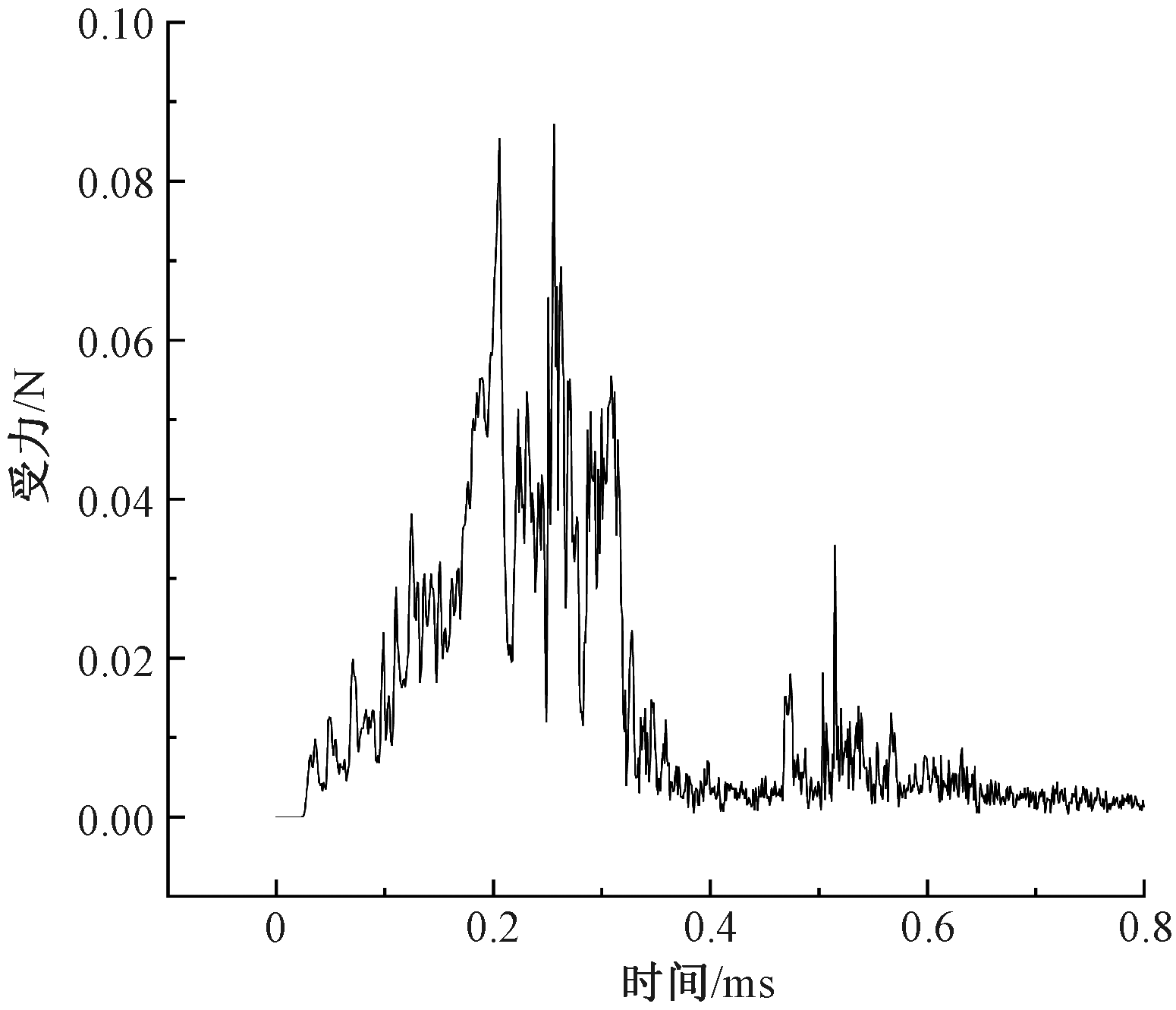
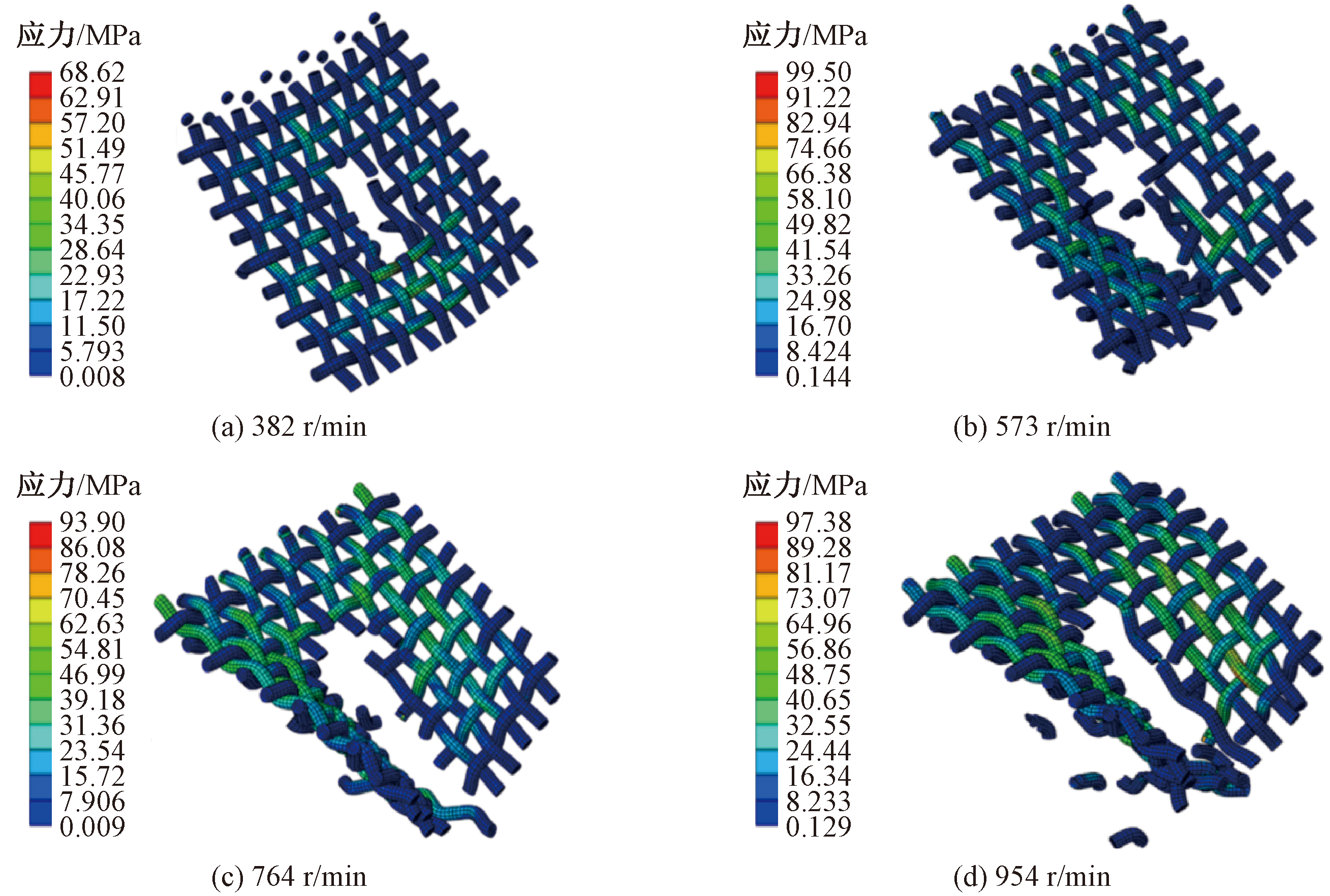
为研究机械法回收废旧纺织品过程中纤维的受力变化情况,以提高回收效率,在已有的机织物宏观模型的基础上,建立了由纤维集合体组成的细观模型。模型中增加了捻度参数,并考虑了捻度对弹性模量的影响。利用Abaqus对宏观模型和细观模型进行破碎加工过程的仿真,设计了相关实验来验证模型的有效性。同时仿真了锯齿在不同转速以及不同捻度下的受力情况。结果表明:锯齿转速不宜过大也不宜过小,过大会导致多余功率的浪费,过小不足以实现完全破碎棉织物,在本文模型中,转速至少大于或等于573 r/min(60 rad/s)。当捻度在60~80 捻/(10 cm)之间,随着捻度的减小,锯齿受力的最大值也减小。最后,分析了细观模型的优点,细化了宏观模型的结构,可以描述捻度的变化情况,且没有产生尺寸过小的网格以及复杂的接触,减小了仿真的时间成本。
中图分类号:
| [1] | 中国纺织工业联合会. 全国人大代表、新乡化纤董事长邵长金: 推动纺织行业绿色发展与高性能纤维出口[EB/OL].(2025-03-07)[2025-04-07]. https://www.cntac.org.cn/zixun/huiyuan/202503/t20250307_4378160.html. |
| China National Textile and Apparel Council. SHAO Changjin, National People's Congress Deputy and Chairman of Xinxiang Chemical Fiber Co., Ltd: Promoting Green Development and High-performance Fiber Export in the Textile Industry[EB/OL]. (2025-03-07)[2025-04-07]. https://www.cntac.org.cn/zixun/huiyuan/202503/t20250307_4378160.html. | |
| [2] | 肖俊江, 丁坤, 罗智红, 等. 废旧纺织品回收再利用研究进展[J]. 纺织导报, 2021(7):64-68. |
| XIAO Junjiang, DING Kun, LUO Zhihong, et al. Research progress in recycling and reuse of waste textiles[J]. China Textile Leader, 2021(7):64-68. | |
| [3] | 刘声珏, 王欣, 夏伊静, 等. 废旧棉织物的资源能源化利用研究进展[J]. 浙江化工, 2024, 55(3):39-47. |
| LIU Shengjue, WANG Xin, XIA Yijing, et al. Research progress on resource and energy utilization of waste cotton fabrics[J]. Zhejiang Chemical Industry, 2024, 55(3):39-47. | |
| [4] | WANG Youqi, SUN Xuekun. Digital-element simulation of textile processes[J]. Composites Science and Technology, 2001, 61(2): 311-319. |
| [5] | 马莹, 何田田, 陈翔, 等. 基于数字单元法的三维正交织物微观几何结构建模[J]. 纺织学报, 2020, 41(7):59-66. |
| MA Ying, HE Tiantian, CHEN Xiang, et al. Micro-geometry modeling of three-dimensional orthogonal woven fabrics based on digital element approach[J]. Journal of Textile Research, 2020, 41(7):59-66. | |
| [6] | MEIER C, GRILL M J, WALL W A, et al. Geometrically exact beam elements and smooth contact schemes for the modeling of fiber-based materials and structures[J]. International Journal of Solids and Structures, 2018, 154: 124-146. |
| [7] | JÚNIOR F J C, NANDURDIKAR V, NETO G A, et al. Concurrent multiscale modelling of woven fabrics: using beam finite elements with contact at mesoscale[J]. Finite Elements in Analysis & Design, 2024, 242:104274. |
| [8] | DAELEMANS L, FAES J, ALLAOUI S, et al. Finite element simulation of the woven geometry and mechanical behaviour of a 3D woven dry fabric under tensile and shear loading using the digital element method[J]. Composites Science and Technology, 2016, 137: 177-187. |
| [9] | DAELEMANS L, BRECHT T, BARIS C, et al. Kinematic and mechanical response of dry woven fabrics in through-thickness compression: virtual fiber modeling with mesh overlay technique and experimental valid-ation[J]. Composites Science and Technology, 2021, 207:108706. |
| [10] | XIE J, CHEN X, ZHANG Y, et al. Experimental and numerical investigation of the needling process for quartz fibers[J]. Composites Science and Technology, 2018, 165: 115-123. |
| [11] | YING Z, HU X, CHENG X, et al. Numerical investigation on the effect of tow tension on the geometry of three-dimensional orthogonally woven fabric[J]. Textile Research Journal, 2019, 89(18): 3779-3791. |
| [12] | 孙银银, 郑天勇. 纱线3D建模研究进展[J]. 中原工学院学报, 2010, 21(1):51-55. |
| SUN Yinyin, ZHENG Tianyong. Research progress of modelling 3D yarn[J]. Journal of Zhongyuan University of Technology, 2010, 21(1):51-55. | |
| [13] | 姚穆. 纺织材料学[M]. 北京: 中国纺织出版社, 2015:25-35. |
| YAO Mu. Textile materials[M]. Beijing: China Textile & Apparel Press, 2015:25-35. | |
| [14] | 秦芳, 顾平. 织物结构的多项式数学模型与三维模拟[J]. 丝绸, 2008(2):32-35. |
| QIN Fang, GU Ping. Polynomial model and 3D-simulationg of fabric structure[J]. Journal of Silk, 2008(2):32-35. | |
| [15] | 尚静雨, 蒋高明, 李炳贤. 简单大提花织物的三维仿真[J]. 毛纺科技, 2024, 52(4):11-17. |
| SHANG Jingyu, JIANG Gaoming, LI Bingxian. 3D simulation of woven simple jacquard fabrics[J]. Wool Textile Journal, 2024, 52(4):11-17. | |
| [16] | 黄伟, 汪军. 双股线几何强力模型的建立及其影响因素[J]. 纺织学报, 2015, 36(2):25-29,34. |
| HUANG Wei, WANG Jun. Establishment of a two-ply yarn's geometric and strength model and its influences on mechanical properties[J]. Journal of Textile Research, 2015, 36(2):25-29,34. | |
| [17] | 何丽云. 废旧纺织品开松前上油预处理工艺研究[D]. 北京: 北京服装学院, 2014:41-43. |
| HE Liyun. Oiling preteatment for waste textiles before opening[D]. Beijing: Beijing Institute of Fashion Technology, 2014:41-43. |
| [1] | 江文杰, 郭明瑞, 高卫东. 环锭纺棉/涤短纤皮芯纱的皮芯层捻度分布[J]. 纺织学报, 2024, 45(12): 58-66. |
| [2] | 赵攀, 谭文丽, 赵心蕊, 付金凡, 刘成显, 袁久刚. 基于离子液体微溶焊接的可降解薄膜制备及其性能[J]. 纺织学报, 2024, 45(08): 89-98. |
| [3] | 骆春旭, 龚浩然, 吴敏勇, 黄丛, 刘可帅. 特种玄武岩缝纫线的制备工艺及其性能[J]. 纺织学报, 2023, 44(11): 61-66. |
| [4] | 李久刚, 金鑫鹏, 邓文韬, 秦雪, 张贺, 黄丛, 刘可帅. 氧化铝纱线的合股数与捻度对其强度的影响[J]. 纺织学报, 2023, 44(10): 48-52. |
| [5] | 王伟, 吴嘉欣, 张晓云, 张传杰, 宫兆庆. 制浆用废旧棉织物的脱色性能及其机制[J]. 纺织学报, 2023, 44(07): 175-183. |
| [6] | 敖利民, 唐雯. 捻度和捻向配置对双包包覆纱性能的影响[J]. 纺织学报, 2023, 44(07): 50-56. |
| [7] | 李龙, 吴磊, 林思伶. 捻度对棉/氨纶/银丝包芯纱性能的影响[J]. 纺织学报, 2023, 44(01): 100-105. |
| [8] | 于学智, 张明光, 曹继鹏, 张月, 王晓燕. 捻度对锦纶/棉混纺纱质量指标的影响[J]. 纺织学报, 2023, 44(01): 106-111. |
| [9] | 敖利民, 苏娟, 唐雯. 空心锭包覆纺纱包缠捻度及其分布的影响因素分析[J]. 纺织学报, 2022, 43(12): 54-61. |
| [10] | 李浩, 邢明杰, 孙志豪, 吴瑶. 基于图像的喷气涡流纺纱线捻度测试方法探讨[J]. 纺织学报, 2021, 42(02): 60-64. |
| [11] | 敖利民, 唐雯, 王爱林. 亚麻/有色涤纶长丝包缠复合纱的外观与性能[J]. 纺织学报, 2019, 40(08): 40-47. |
| [12] | 张敏 王鸿博 高卫东 卢雨正 . 喷气织机车速对织物纬向物理力学性能的影响[J]. 纺织学报, 2016, 37(08): 41-46. |
| [13] | 钟智丽 王玉新. 聚丙烯长丝/芳纶包缠纱捻度的优化[J]. 纺织学报, 2014, 35(6): 40-0. |
| [14] | 徐海燕. 捻度对超高分子质量聚乙烯纱线可编织性的影响[J]. 纺织学报, 2013, 34(11): 44-0. |
| [15] | 崔红, 肖志永, 郁崇文. 自捻纱的捻度分布特征分析[J]. 纺织学报, 2012, 33(8): 40-45. |
|
||
 京公网安备11010502044800号