纺织学报 ›› 2025, Vol. 46 ›› Issue (05): 243-251.doi: 10.13475/j.fzxb.20240404501
李吉国1, 景军锋1( ), 程为2, 王永波3, 刘薇1
LI Jiguo1, JING Junfeng1(), CHENG Wei2, WANG Yongbo3, LIU Wei1
摘要:
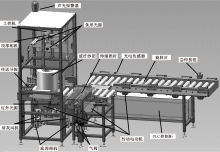
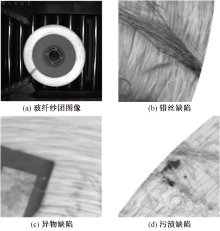
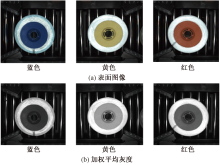
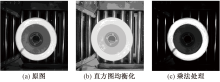
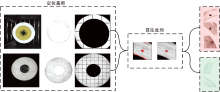
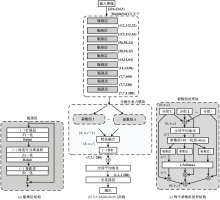
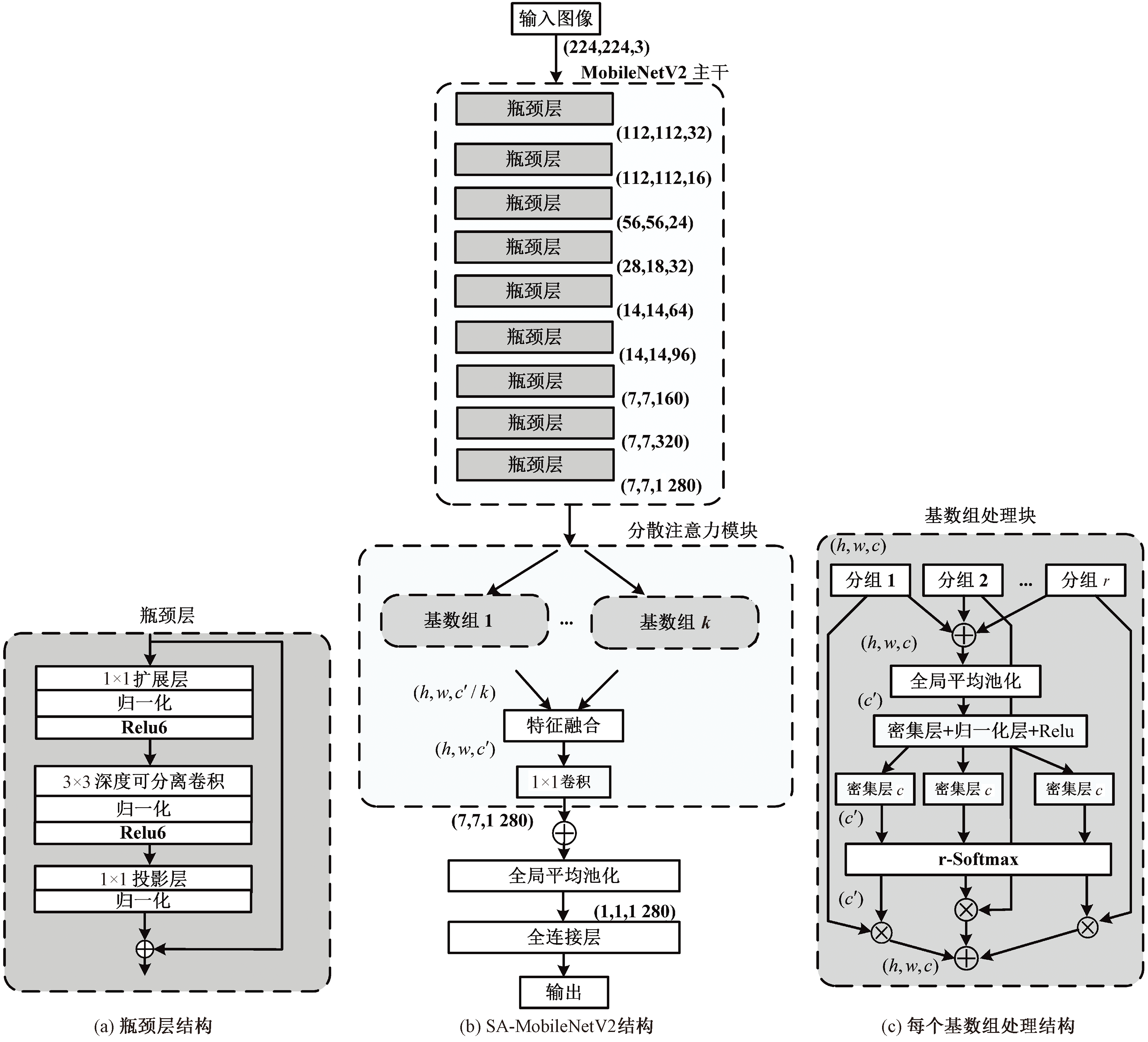
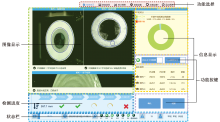
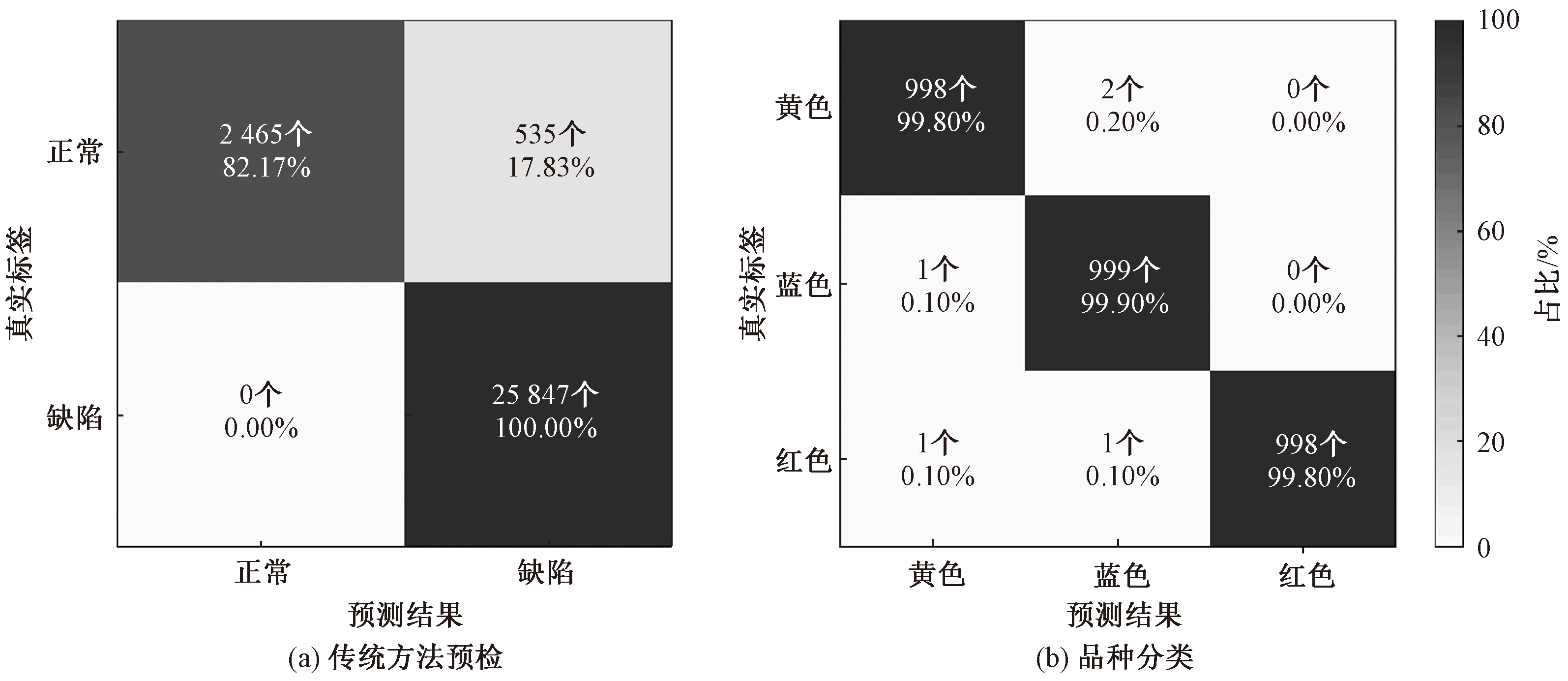
为解决玻璃纤维(简称玻纤)纱团在生产或运输过程中出现缺陷人工检测效率低和漏检率高的问题,提出一种基于机器视觉的玻纤纱团外观缺陷检测方法。该方法将传统图像算法和深度学习算法相结合,首先使用传统方法预处理图像,减少玻纤纱团塑料包装的反光对图像质量的影响,利用RGB与HSV色彩空间通道识别玻纤纱团型号标签;其次将疑似缺陷的玻纤纱团图像传入改进的MobileNetV2深度学习模型进行缺陷判定。最后设计了一套完整的玻纤纱团外观缺陷检测软硬件系统,以西门子S7-200 PLC作为硬件控制器,完成玻纤纱团检测过程中的自动传送与分拣,基于模型在线服务(EAS)架构设计了功能齐全的软件系统。研究结果表明,该系统的检测准确率为97%,玻纤纱团品种分类正确率达99%,相机采集和检测处理速度满足工业实际需求,能够有效代替人工并提高质检效率。
中图分类号:
| [1] | 蔡洁, 王亮, 傅宏俊, 等. 玻璃纤维/碳纤维织物基复合材料的电磁屏蔽性能[J]. 纺织学报, 2023, 44(2): 111-117. |
| CAI Jie, WANG Liang, FU Hongjun, et al. Electromagnetic shielding properties of glass fiber/carbon fiber fabric matrix composites[J]. Journal of Textile Research, 2023, 44(2): 111-117. | |
| [2] |
吴雄, 蔡炜, 李健, 等. 电力纤维增强复合材料应用进展[J]. 复合材料科学与工程, 2021(11): 116-128.
doi: 10.19936/j.cnki.2096-8000.20211128.018 |
|
WU Xiong, CAI Wei, LI Jian, et al. Application progress of power fiber reinforced composites[J]. Composites Science and Engineering, 2021(11): 116-128.
doi: 10.19936/j.cnki.2096-8000.20211128.018 |
|
| [3] | 朱耀麟, 穆婉婉, 王进美, 等. 基于改进B-CNN模型的羊绒与羊毛纤维识别[J]. 西安工程大学学报, 2021, 35(6): 46-53. |
| ZHU Yaolin, MU Wanwan, WANG Jinmei, et al. Identification of cashmere and wool fibers based on improved B-CNN model[J]. Journal of Xi'an Polytechnic University, 2021, 35(6): 46-53. | |
| [4] | 纪越, 潘东, 马杰东, 等. 基于机器视觉的弦振动纱线张力非接触检测系统[J]. 纺织学报, 2023, 44(5): 198-204. |
| JI Yue, PAN Dong, MA Jiedong, et al. Non-contact testing system for string vibration yarn tension based on machine vision[J]. Journal of Textile Research, 2023, 44(5): 198-204. | |
| [5] |
李新荣, 韩鹏辉, 李瑞芬, 等. 数字孪生在纺纱领域应用的关键技术解析[J]. 纺织学报, 2023, 44(10): 214-222.
doi: 10.13475/j.fzxb.20220509002 |
|
LI Xinrong, HAN Penghui, LI Ruifen, et al. Analysis of key technologies for the application of digital twin in the field of spinning[J]. Journal of Textile Research, 2023, 44(10): 214-222.
doi: 10.13475/j.fzxb.20220509002 |
|
| [6] | 蔡兆信, 李瑞新, 戴逸丹, 等. 基于Faster RCNN的布匹瑕疵识别系统[J]. 计算机系统应用, 2021, 30(2): 83-88. |
| CAI Zhaoxin, LI Ruixin, DAI Yidan, et al. Fabric defect recognition system based on Faster RCNN[J]. Applications of Computer Systems, 2021, 30(2): 83-88. | |
| [7] | 王斌, 李敏, 雷承霖, 等. 基于深度学习的织物疵点检测研究进展[J]. 纺织学报, 2023, 44(1): 219-227. |
| WANG Bin, LI Min, LEI Chenglin, et al. Research progress on fabric defect detection based on deep learning[J]. Journal of Textile Research, 2023, 44(1): 219-227. | |
| [8] | 黄汉林, 景军锋, 张缓缓, 等. 基于MF-SSD网络的织物疵点检测[J]. 棉纺织技术, 2020, 48(12): 11-16. |
| HUANG Hanlin, JING Junfeng, ZHANG Huanhuan, et al. Fabric defect detection based on MF-SSD network[J]. Cotton Textile Technology, 2020, 48(12): 11-16. | |
| [9] | 高敏, 邹阳林, 曹新旺. 基于改进YOLOv5模型的织物疵点检测[J]. 现代纺织技术, 2023, 31(4): 155-163. |
| GAO Min, ZOU Yanglin, CAO Xinwang. Fabric defect detection based on improved YOLOv5 model[J]. Advanced Textile Technology, 2023, 31(4): 155-163. | |
| [10] |
陈金广, 李雪, 邵景峰, 等. 改进YOLOv5网络的轻量级服装目标检测方法[J]. 纺织学报, 2022, 43(10): 155-160.
doi: 10.13475/j.fzxb.20210809306 |
|
CHEN Jinguang, LI Xue, SHAO Jingfeng, et al. Improved lightweight clothing object detection method for YOLOv5 network[J]. Journal of Textile Research, 2022, 43(10): 155-160.
doi: 10.13475/j.fzxb.20210809306 |
|
| [11] | FUJINOKI K, ASHIZAWA K. Directional lifting wavelet transform for image edge analysis[J]. Signal Processing, 2024. DOI: 10.1016/j.sigpro.2023.109188. |
| [12] | MURSHED M G S, MURPHY C, HOU D, et al. Machine learning at the network edge: a survey[J]. ACM Computing Surveys (CSUR), 2021, 54(8): 1-37. |
| [13] | HUANG M, LIU Y, YANG Y. Edge detection of ore and rock on the surface of explosion pile based on improved Canny operator[J]. Alexandria Engineering Journal, 2022, 61(12): 10769-10777. |
| [14] | KARADAL C H, KAYA M C, TUNCER T, et al. Automated classification of remote sensing images using multileveled MobileNetV2 and DWT techniques[J]. Expert Systems with Applications, 2021. DOI:10.1016/j.eswa.2021.115659. |
| [15] | ZHANG H, WU C, ZHANG Z, et al. Resnest: split-attention networks[C]// Proceedings of the IEEE/CVF conference on computer vision and pattern recognition. New orleans: IEEE. 2022: 2736-2746. |
| [16] | HE K, ZHANG X, REN S, et al. Deep residual learning for image recognition[C]// Proceedings of the IEEE conference on computer vision and pattern recognition. las vegas: IEEE. 2016: 770-778. |
| [17] | KRIZHEVSKY A, SUSTKEVER I, HINTON G E. ImageNet classification with deep convolutional neural networks[J]. Communications of the ACM, 2017, 60(6): 84-90. |
| [18] | SIMONYAN K, ZISSERMAN A. Very deep convolutional networks for large-scale image recogn-ition[J]. ArXiv. 2014. DOI: 10.48550/arXiv:1409.1556,2014. |
| [1] | 马运娇, 王蕾, 潘如如. 基于双斜交平面镜的纱线条干三维仿真[J]. 纺织学报, 2025, 46(02): 86-91. |
| [2] | 任柯, 周衡书, 魏瑾瑜, 闫文君, 左言文. 基于机器视觉技术的百褶裙动态美感评价[J]. 纺织学报, 2024, 45(12): 189-198. |
| [3] | 任佳伟, 周其洪, 陈唱, 洪巍, 岑均豪. 基于机器视觉的交叉缠绕式筒子纱位姿检测方法[J]. 纺织学报, 2024, 45(11): 207-214. |
| [4] | 蒋静, 彭来湖, 史伟民, 袁豪伟. 基于奇异值分解算法的非接触纱线张力测量[J]. 纺织学报, 2024, 45(09): 204-211. |
| [5] | 周其洪, 陈唱, 任佳伟, 洪巍, 岑均豪. 基于改进凸包缺陷算法的扎带定位方法[J]. 纺织学报, 2024, 45(09): 212-219. |
| [6] | 陈育帆, 郑小虎, 徐修亮, 刘冰. 基于机器视觉的缝纫线迹缺陷检测方法[J]. 纺织学报, 2024, 45(07): 173-180. |
| [7] | 文嘉琪, 李新荣, 冯文倩, 李瀚森. 印花面料的边缘轮廓快速提取方法[J]. 纺织学报, 2024, 45(05): 165-173. |
| [8] | 庹武, 杜聪, 陈谦, 吴超, 魏新桥, 张欣汝, 刘思雨. 基于计算机视觉与Canny算法的服装纸样轮廓提取[J]. 纺织学报, 2024, 45(05): 174-182. |
| [9] | 杨金鹏, 景军锋, 李吉国, 王渊博. 基于机器视觉的玻璃纤维合股纱缺陷检测系统设计[J]. 纺织学报, 2024, 45(05): 193-201. |
| [10] | 白恩龙, 张周强, 郭忠超, 昝杰. 基于机器视觉的棉花颜色检测方法[J]. 纺织学报, 2024, 45(03): 36-43. |
| [11] | 葛苏敏, 林瑞冰, 徐平华, 吴思熠, 罗芊芊. 基于机器视觉的曲面枕个性化定制方法[J]. 纺织学报, 2024, 45(02): 214-220. |
| [12] | 史伟民, 韩思捷, 屠佳佳, 陆伟健, 段玉堂. 基于机器视觉的空纱筒口定位方法[J]. 纺织学报, 2023, 44(11): 105-112. |
| [13] | 戴宁, 梁汇江, 胡旭东, 戚栋明, 徐郁山, 屠佳佳, 史伟民. 插管式机器人空管状态检测方法[J]. 纺织学报, 2023, 44(11): 199-207. |
| [14] | 陈罡, 金贵阳, 吴菁, 罗千. 智能服装缝制关键技术及成套装备研发[J]. 纺织学报, 2023, 44(08): 197-204. |
| [15] | 陈泰芳, 周亚勤, 汪俊亮, 徐楚桥, 李冬武. 基于视觉特征强化的环锭纺细纱断头在线检测方法[J]. 纺织学报, 2023, 44(08): 63-72. |
|
||
 京公网安备11010502044800号