纺织学报 ›› 2025, Vol. 46 ›› Issue (04): 179-186.doi: 10.13475/j.fzxb.20240701801
王军1,2( ), 殷晓玉1, 周晓琪1, 王思远1
WANG Jun1,2(), YIN Xiaoyu1, ZHOU Xiaoqi1, WANG Siyuan1
摘要:
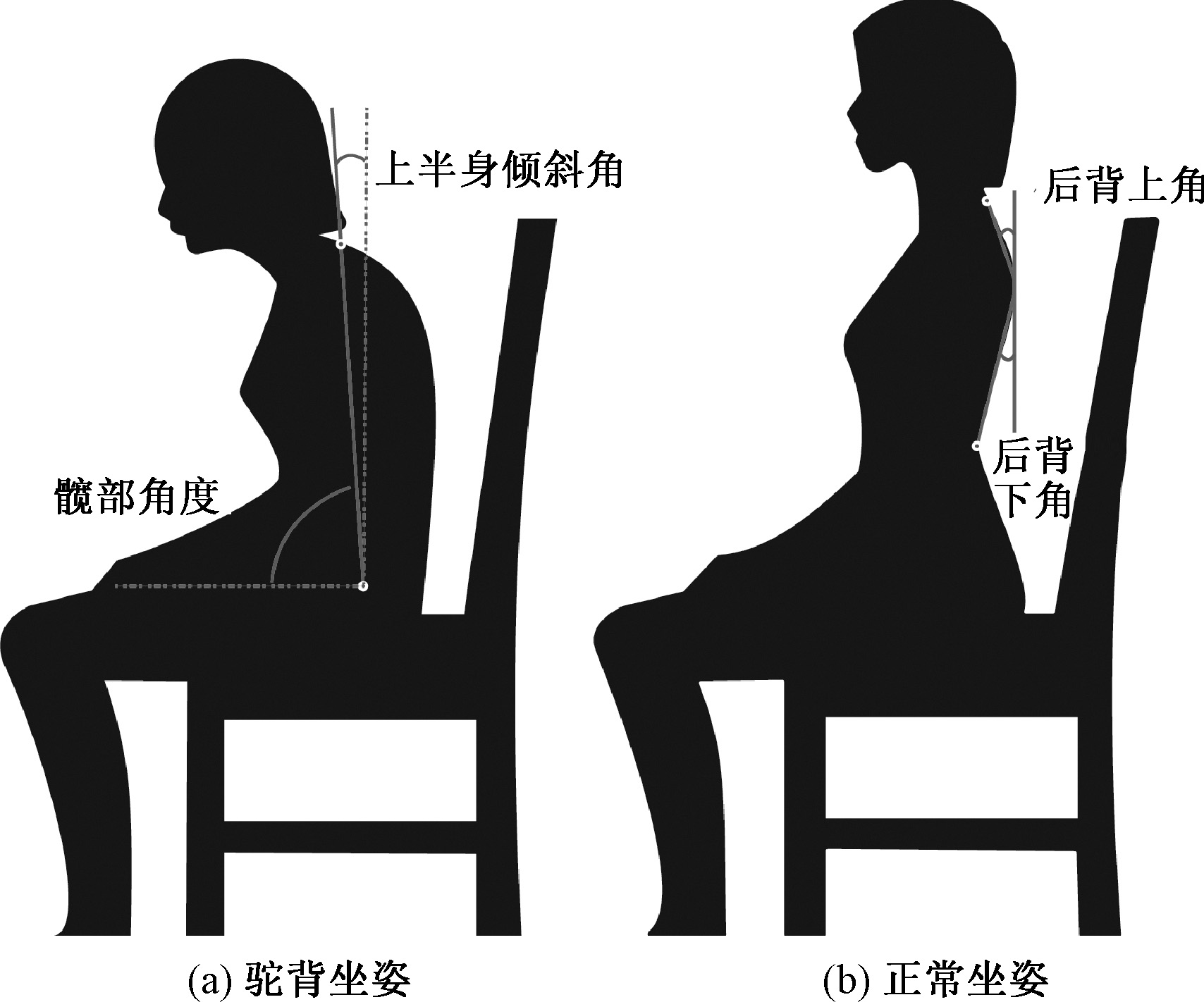
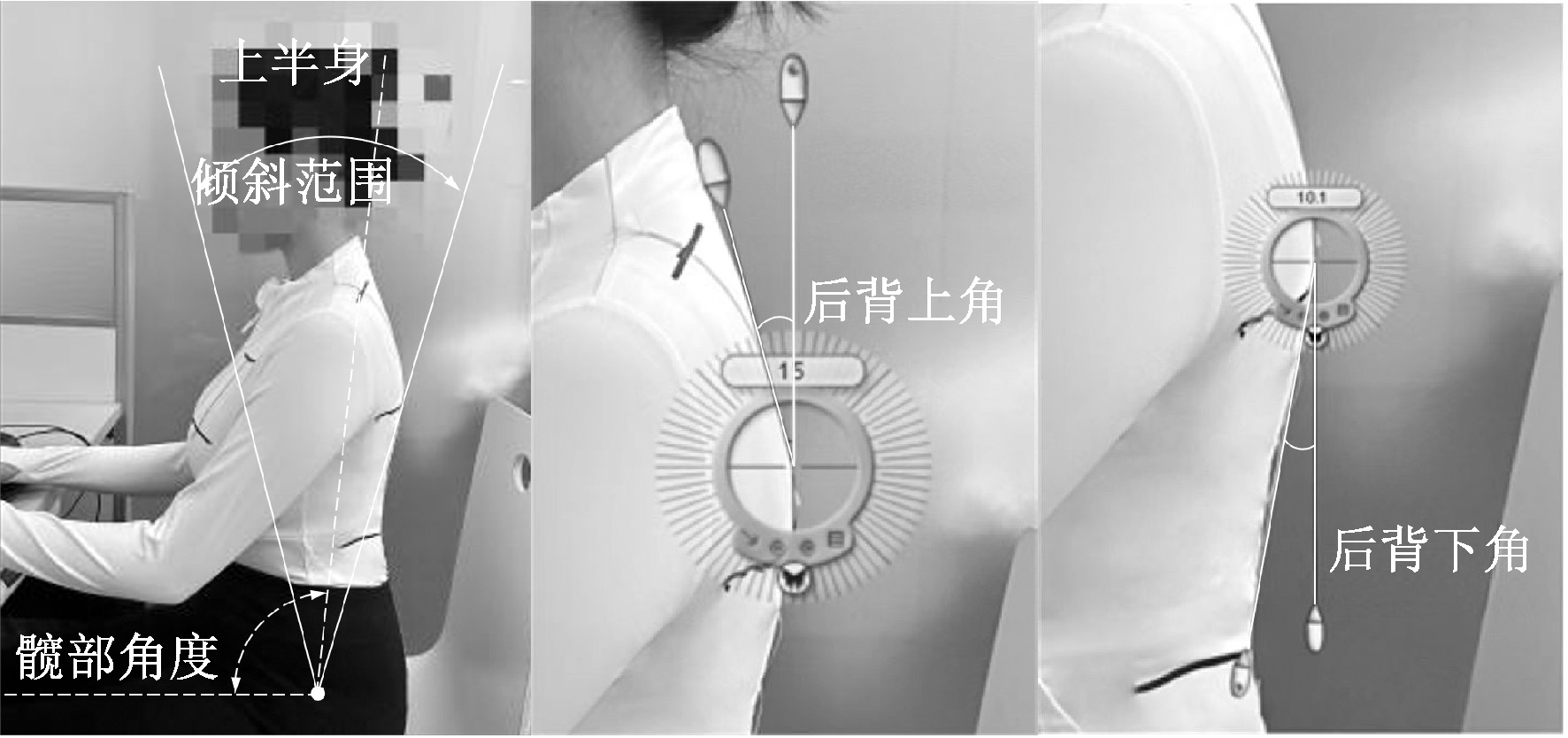
针对久坐智能矫姿可穿戴设备普遍存在的监测精度低、姿态判断标准不明确、缺少坐姿动态监测识别等问题,以青年女性为对象,开展动态坐姿评价方法研究,并设计开发智能矫姿服装。选取髋部角度、上半身倾斜角、后背上角、后背下角4个坐姿特征角度,利用摄影法采集动态坐姿影像,分析动态坐姿变化规律并提取坐姿特征角度值,共得到649组实验数据,综合人体坐姿动态变化规律与静态坐姿判别标准,提出了动态坐姿监测识别方法。基于此方法设计以MPU6050加速度传感器为核心元件的智能矫姿服装,经功能测试与舒适性评价,该智能服装的识别精确率为97.33%,正确率为95%。本文为久坐动态坐姿识别与评估方法研究提供了理论参考,同时为智能矫姿服装和可穿戴设备的产品化开发与生产提供参考。
中图分类号:
| [1] | 黄昀, 矫玮, 朱晓东, 等. 久坐腰痛人群核心肌力状态特征及康复研究[J]. 西安体育学院学报, 2020, 37(2):218-224. |
| HUANG Yun, JIAO Wei, ZHU Xiaodong, et al. Study on the state characteristics and rehabilitation of core muscle strength in sedentary of low back pain[J]. Journal of Xi'an Institute of Physical Education, 2020, 37(2):218-224. | |
| [2] | 高同辉, 卫朝霞. 康复锻炼用姿态监测智能T恤的研究[J]. 丝绸, 2015, 52(12):31-36. |
| GAO Tonghui, WEI Zhaoxia. Study on posture monitoring smart t-shirt for rehabilitation exercises[J]. Journal of Silk, 2015, 52(12):31-36. | |
| [3] | NELSON M E, REJESKI W J, BLAIR S N, et al. Physical activity and public health in older adults:recommendation from the american college of sports medicine and the american heart association[J]. Circulation, 2007, 116(9):1094-105. |
| [4] | 李辉. 交通银行员工身体姿态评估与干预研究[D]. 北京: 北京体育大学,2015:20-22. |
| LI Hui. Bank staff error posture assessment and intervention[D]. Beijing: Beijing Sports University,2015:20-22. | |
| [5] | 侯煜杰, 刘欢欢, 王朝晖. 智能坐姿矫正服装研究现状与发展趋势[J]. 纺织学报, 2024, 45(8):250-258. |
| HOU Yujie, LIU Huanhuan, WANG Zhaohui. Research status and development trend of smart sitting posture correction garment[J]. Journal of Textile Research, 2024, 45(8):250-258. | |
| [6] | 陈黄飞, 张舒灵, 张涵, 等. 基于AMS AS7000动态心率智能穿戴项链的设计[J]. 信息技术与信息化, 2019(5):45-47. |
| CHEN Huangfei, ZHANG Shuling, ZHANG Han, et al. A design of intelligent wearing necklace based on AMS AS7000 dynamic heart rate official flagship shop[J]. Information Technology and Informatization, 2019(5):45-47. | |
| [7] | MITROFF S. Lumo lift review: a posture tracker that puts design over details[EB/OL]. [2024-07-18]. https://www.cnet.com/reviews/lumo-lift-review/. |
| [8] | 中国江西网. 法国新型智能身姿矫正衣Percko上线美国Kickstarter当天筹款目标翻倍. [EB/OL]. [2024-7-14]. http://news.163.com/16/1114/18/C5RRL95K00014AEE.html. |
| JXCN. Percko, France's new smart posture correction clothing, doubles fundraising goal on the same day it goes online on U.S. kickstarter. [EB/OL]. [2024-7-14]. http://news.163.com/16/1114/18/C5RRL95K00014AEE.html. | |
| [9] | PATINO G A, KHOSHNAM M, MENON C. Wearable device to monitor back movements using an inductive textile sensor[J]. Sensors, 2020, 20(3):905-905. |
| [10] | JIN S, KIM M, PARK J, et al. A comparison of biomechanical workload between smartphone and smartwatch while sitting and standing[J]. Applied Ergonomics, 2019. DOI:10.1016/j.apergo.2018.11.009. |
| [11] |
GUAN X, FAN G, CHEN Z, et al. Gender difference in mobile phone use and the impact of digital device exposure on neck posture.[J]. Ergonomics, 2016, 59(11):1453-1461.
pmid: 27046745 |
| [12] | 陈玲, 江红霞, 刘基宏. 基于可穿戴传感器的躯干参考点选取分析[J]. 丝绸, 2022, 59(4):52-58. |
| CHEN Ling, JIANG Hongxia, LIU Jihong. Analysis of trunk reference point selection based on wearable sensor[J]. Journal of Silk, 2022, 59(4): 52-58. | |
| [13] | Canadian Centre for Occupational Health and Safety Government of Canada. CCOHS: Working in a Sitting Position - Good Body Position[EB/OL].[2024-12-3]. https://www.ccohs.ca/oshanswers/ergonomics/sitting/sitting_position.html. . |
| [14] |
MCATAMNEY L, NIGEL CORLETT E. RULA: a survey method for the investigation of work-related upper limb disorders[J]. Applied Ergonomics, 1993, 24(2):91-99.
doi: 10.1016/0003-6870(93)90080-s pmid: 15676903 |
| [15] | 王晓霞, 戴建国, 王春霞, 等. 青年女性体表角度分析[J]. 纺织学报, 2013, 34 (7): 106-110. |
| WANG Xiaoxia, DAI Jianguo, WANG Chunxia, et al. Analyzing body shape of young women by use of body surface angles[J]. Journal of Textile Research, 2013, 34 (7): 106-110. | |
| [16] | 罗斯祺. 基于青年女性特殊体表形态的上衣结构优化与设计应用[D]. 武汉: 武汉纺织大学,2022:12-17. |
| LUO Siqi. Structural optimization and design application of jacket based on young women's special body shape[D]. Wuhan: Wuhan Textile University,2022:12-17. | |
| [17] | 严芳英, 何梦秋, 柯莹. 久坐人群坐姿调整背心的研制与性能评价[J]. 丝绸, 2023, 60 (6): 33-39. |
| YAN Fangying, HE Mengqiu, KE Ying. Development and performance evaluation of a sitting posture adjustment vest for the sedentary people[J]. Journal of Silk, 2023, 60(6): 33-39. | |
| [18] | 程曦, 徐伟. 基于人机工程学的美术教室桌椅设计分析[J]. 家具, 2025, 46(1):93-98. |
| CHENG Xi, XU Wei. Ergonomic analysis of art classroom desks and chairs design[J]. Furniture, 2025, 46(1):93-98. | |
| [19] | 盛俊龙. 北京市儿童青少年身体姿态现状及测试方法的研究[D]. 北京: 北京体育大学,2019:13-18. |
| SHENG Junlong. Study on the status quo and test methods of children and adolescents' body posture in Beijing[D]. Beijing: Beijing Sport University,2019:13-18. | |
| [20] | 刘岩. 小学生脊柱形态异常矫正运动处方的研制与效果评价[D]. 北京: 北京体育大学,2018:16-22. |
| LIU Yan. Development and evaluation of exercise prescriptions for correcting spinal morphology of pupils[D]. Beijing: Beijing Sport University,2018:16-22. | |
| [21] | SHIN H, KIM K. Effects of cervical flexion on the flexion-relaxation ratio during smartphoneUse[J]. Journal of Physical Therapy Science, 2014, 26(12):1899-1901. |
| [1] | 严艺, 朱达辉. 老年智能服装研究现状与发展趋势[J]. 纺织学报, 2025, 46(04): 244-254. |
| [2] | 侯煜杰, 刘欢欢, 王朝晖. 智能坐姿矫正服装研究现状与发展趋势[J]. 纺织学报, 2024, 45(08): 250-258. |
| [3] | 王建萍, 朱妍西, 沈津竹, 张帆, 姚晓凤, 于卓灵. 软体机器人在服装领域的应用进展[J]. 纺织学报, 2024, 45(05): 239-247. |
| [4] | 王馨雨, 田明伟. 具有距离监测与辅助提示功能的自闭症儿童智能服装设计[J]. 纺织学报, 2024, 45(03): 156-162. |
| [5] | 王中昱, 苏云, 王云仪. 机器学习建立的个体热舒适模型及其在服装领域的应用展望[J]. 纺织学报, 2023, 44(05): 228-236. |
| [6] | 王晨露, 马金星, 杨雅晴, 韩潇, 洪剑寒, 占海华, 杨施倩, 姚绍芳, 刘姜乔娜. 聚苯胺涂层经编织物的应变传感性能及其在呼吸监测中的应用[J]. 纺织学报, 2022, 43(08): 113-118. |
| [7] | 黄锐, 肖爱民. 基于温湿度传感器的特护失禁内裤的研发[J]. 纺织学报, 2022, 43(07): 141-148. |
| [8] | 林文君, 缪旭红. 光导纤维在发光织物上的应用研究进展[J]. 纺织学报, 2021, 42(07): 169-174. |
| [9] | 李一飞, 郑敏, 常朱宁子, 李丽艳, 曹元鸣, 翟旺宜. 二维过渡金属碳化物(Ti3C2Tx)对棉针织物的功能整理及其性能分析[J]. 纺织学报, 2021, 42(06): 120-127. |
| [10] | 王玉婷, 凌忠文, 杨欣, 刘宇清. 纳米氧化钨复合棉纤维的制备及其光致变色性能[J]. 纺织学报, 2021, 42(02): 21-26. |
| [11] | 金鹏, 薛哲彬, 戈垚. 具有实时瓦斯监测功能的新型智能矿工服设计[J]. 纺织学报, 2020, 41(11): 143-149. |
| [12] | 张佳慧, 王建萍. 圆形纬编针织物电极导电性能及电阻理论模型构建[J]. 纺织学报, 2020, 41(03): 56-61. |
| [13] | 李柽安, 鲁虹. 腰部运动损伤防护智能服装的研发[J]. 纺织学报, 2020, 41(02): 119-124. |
| [14] | 孙悦 范杰 王亮 刘雍. 可穿戴技术在纺织服装中的应用研究进展[J]. 纺织学报, 2018, 39(12): 131-138. |
| [15] | 方东根 沈雷 胡哲. 智能服装材料及其在安全性服装中的应用[J]. 纺织学报, 2015, 36(12): 158-164. |
|
||
 京公网安备11010502044800号