纺织学报 ›› 2025, Vol. 46 ›› Issue (08): 154-163.doi: 10.13475/j.fzxb.20241201901
陈展毓1,2, 俞森龙1,2( ), 周家良3, 朱丽萍1,2, 周哲1,2, 相恒学1,2, 朱美芳1,2
CHEN Zhanyu1,2, YU Senlong1,2(), ZHOU Jialiang3, ZHU Liping1,2, ZHOU Zhe1,2, XIANG Hengxue1,2, ZHU Meifang1,2
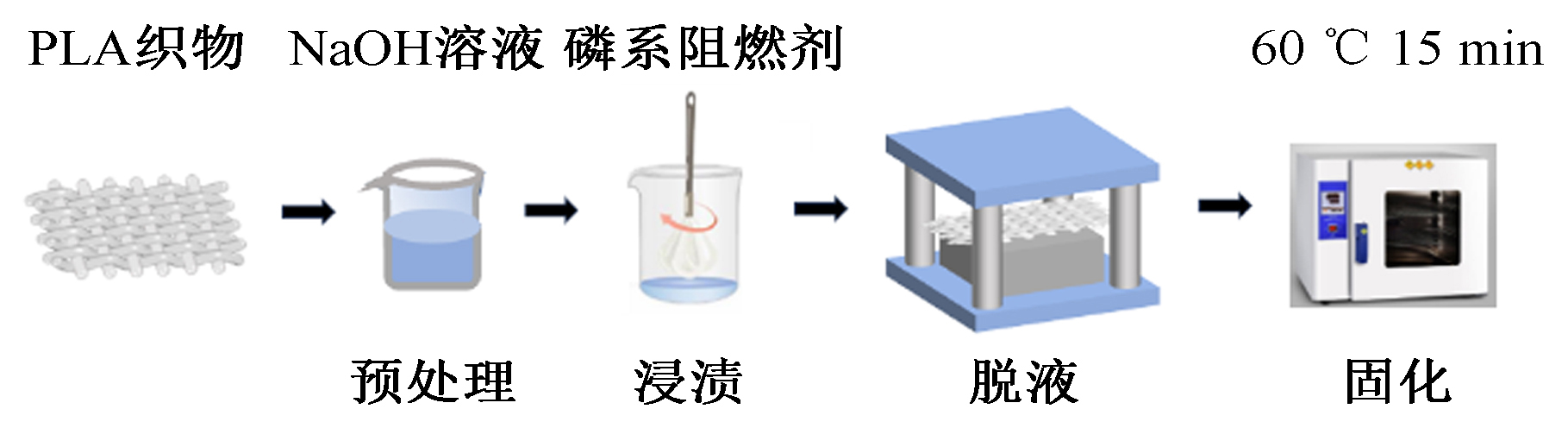
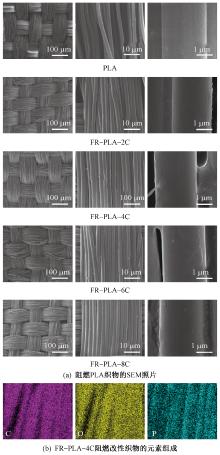
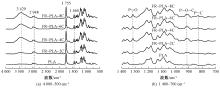
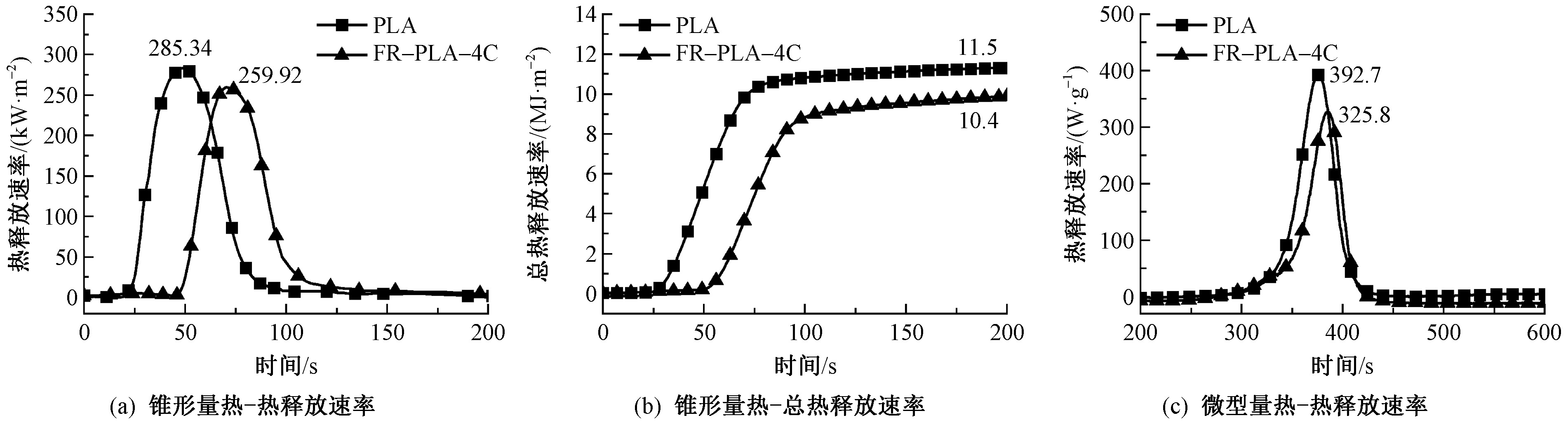
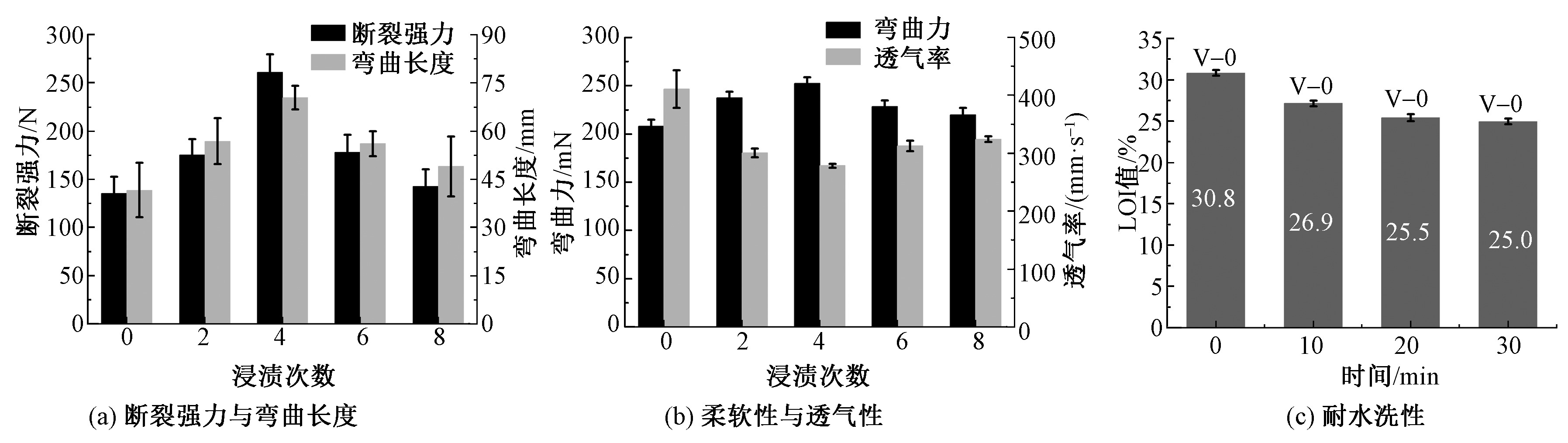
摘要: 针对聚乳酸(PLA)织物易燃烧且熔滴严重的问题,采用绿色环保磷系阻燃剂,通过简单易行的溶液浸渍表面改性技术对其进行阻燃抗熔滴功能改性。借助场发射扫描电镜、傅里叶红外光谱、热失重分析仪、氧指数仪、垂直燃烧、锥形量热仪、万能材料试验机等研究阻燃剂对PLA织物表面形貌、热稳定性、燃烧行为、织物强度等性能的影响规律,并揭示其阻燃机制。结果表明: 当浸渍处理4次时,阻燃PLA织物(FR-PLA-4C)的增重率(16.5%)与磷含量(41.45 mg/g)最高,阻燃性能与热稳定性提升最明显,极限氧指数达到30.8%,垂直燃烧等级达到V-0,样品损毁长度下降至7.7 cm,热释放速率峰值为259.92 kW/m2(下降8.9%),总热释放量为10.40 MJ/m2(下降9.6%),600 ℃时的残炭量可达12.0%,阻燃织物兼具气相与凝聚相阻燃作用;此外,FR-PLA-4C织物具有良好的力学强度、柔软度与透气性,拉伸强力提升至260.8 N,改性后织物外观色泽没有明显变化,具有良好的实际应用前景。
中图分类号:
| [1] | ÁVILAORTA C A, COVARRUBIASGORDILLO C A. PLA/modified-starch blends and their application for the fabrication of non-woven fabrics by melt-blowing[J]. Carbohydrate Polymers, 2023, 316: 120975-120985. |
| [2] | LI P, WANG B, LIU Y, et al. Ecofriendly flame-retardant cotton fabrics: preparation, flame retardancy, thermal degradation properties and mechanism[J]. ACS Sustainable Chemistry & Engineering, 2019, 7(23): 19246-19256. |
| [3] | YU S, XIANG H, ZHOU J, et al. Enhanced flame-retardant performance of poly(lactic acid) (PLA) composite by using intrinsically phosphorus-containing PLA[J]. Progress in Natural Science: Materials International, 2018, 28(5): 590-597. |
| [4] | LI Z, WEI P, YANG Y, et al. Synthesis of a hyperbranched poly(phosphamide ester) oligomer and its high-effective flame retardancy and accelerated nucleation effect in polylactide composites[J]. Polymer Degradation and Stability, 2014, 110: 104-112. |
| [5] | HE X, FENG Y, XU F, et al. Smart fire alarm systems for rapid early fire warning: advances and chall-enges[J]. Chemical Engineering Journal, 2022, 450: 137927-137950. |
| [6] | RAO W, SHI J, YU C, et al. Highly efficient, transparent, and environment-friendly flame-retardant coating for cotton fabric[J]. Chemical Engineering Journal, 2021, 424: 130556-130568. |
| [7] | CHENG X W, GUAN J P, TANG R C, et al. Phytic acid as a bio-based phosphorus flame retardant for poly(lactic acid) nonwoven fabric[J]. Journal of Cleaner Production, 2016, 124: 114-119. |
| [8] | YANG Y, WANG X, FEI B, et al. Preparation of phytic acid-based green intumescent flame retardant and its application in PLA nonwovens[J]. Polymers for Advanced Technologies, 2021, 32(8): 3039-3049. |
| [9] | LIU J, QI P, CHEN F, et al. A universal eco-friendly flame retardant strategy for polylactic acid fabrics and other polymer substrates[J]. International Journal of Biological Macromolecules, 2024, 260: 129411-129424. |
| [10] | CHEN S, LIANG F, JIN L, et al. A molecularly engineered fully bio-derived phosphorylated furan-based flame retardant for biomass-based fabrics[J]. International Journal of Biological Macromolecules, 2024, 263:129836-129852. |
| [11] | CHU C, GAO Y, MA X, et al. Multilevel structural polylactic acid fabrics for flame retardancy, durability, and electromagnetic interference shielding[J]. International Journal of Biological Macromolecules, 2024, 282: 129836-129849. |
| [12] | LI C B, WANG F, SUN R Y, et al. A multifunctional coating towards superhydrophobicity, flame retardancy and antibacterial performances[J]. Chemical Engineering Journal, 2022, 450: 129841-129850. |
| [13] | XU J, NIU Y, XIE Z, et al. Synergistic flame retardant effect of carbon nanohorns and ammonium polyphosphate as a novel flame retardant system for cotton fabrics[J]. Chemical Engineering Journal, 2023, 451: 139521-139542. |
| [14] | 胡自强, 骆晓蕾, 魏璐琳, 等. 植酸/壳聚糖对涤纶/棉混纺织物的协同阻燃整理[J]. 纺织学报, 2024, 45(4): 126-135. |
| HU Ziqiang, LUO Xiaolei, WEI Lulin, et al. Synergistic flame retardant finishing of polyester/cotton blended fabric with phytic acid/chitosan[J]. Journal of Textile Research, 2024, 45(4): 126-135. | |
| [15] | 李平, 朱平, 刘云. 壳聚糖基膨胀阻燃涤纶/棉混纺织物的制备及其性能[J]. 纺织学报, 2024, 45(2): 162-170. |
| LI Ping, ZHU Ping, LIU Yun. Preparation and properties of flame-retardant polyester-cotton fabrics with chitosan-based intumescent flame retardant system[J]. Journal of Textile Research, 2024, 45(2): 162-170. | |
| [16] | ZHOU H, LIANG M, LU Y, et al. Self-crosslinking phosphorus-containing durable flame retardants for cotton fabrics[J]. Polymer Degradation and Stability, 2024, 229: 110957-110971. |
| [17] | ZHAO J, XIAO M, JIANG L, et al. Fabricating of flame retardant and antibacterial lyocell fabrics through the finishing of phosphorus and nitrogen-containing flame retardant and coating of copper nanoparticles[J]. Cellulose, 2024, 31(4): 2667-2683. |
| [18] | LI P, WANG B, LIU Y, et al. Eco-friendly modal/alginate knitted fabrics with intrinsic flame retardancy and wearability[J]. Cellulose, 2023, 30(4): 2611-2626. |
| [19] | 张洁, 郭鑫源, 关晋平, 等. 磷/氮阻燃剂原位沉积对棉织物的耐久阻燃改性[J]. 纺织学报, 2025, 46(2): 180-187. |
| ZHANG Jie, GUO Xinyuan, GUAN Jinping, et al. Modification of cotton fabric by in-situ deposition of phosphorus/nitrogen flame retardants for durable flame retardancy[J]. Journal of Textile Research, 2025, 46(2): 180-187. | |
| [20] | SHI Y, WANG L, WU M, et al. An eco-friendly B/P/N flame retardant for its fabrication of high-effective and durable flame-retardant cotton fabric[J]. Cellulose, 2023, 30(10): 6621-6638. |
| [21] |
黄田田, 宋媛珠, 赵斌. 单宁酸基阻燃多功能涂层及表面整理Lyocell织物[J]. 纺织学报, 2024, 45(12): 152-158.
doi: 10.13475/j.fzxb.20231007801 |
|
HUANG Tiantian, SONG Yuanzhu, ZHAO Bin. Tannic acid-based flame retardant multifunctional coating for surface finishing Lyocell fabrics[J]. Journal of Textile Research, 2024, 45(12): 152-158.
doi: 10.13475/j.fzxb.20231007801 |
| [1] | 许云凯, 宋婉萌, 张旭, 刘云. 单宁酸基高效阻燃Lyocell织物的制备及其性能[J]. 纺织学报, 2025, 46(08): 145-153. |
| [2] | 黄春月, 黄鑫, 杜海娟, 徐文杰, 杨雪梅, 万科研, 李旭, 高杰. 钼氧簇复合物整理剂制备及其整理棉织物的防紫外线性能[J]. 纺织学报, 2025, 46(04): 138-145. |
| [3] | 赵祥璐, 方寅春, 李伟. 超疏水自清洁结构色织物的制备及其性能[J]. 纺织学报, 2025, 46(04): 154-161. |
| [4] | 郭洁琰, 徐颖雯, 丁放, 任学宏. 卤胺抗菌剂及其改性纤维的应用研究进展[J]. 纺织学报, 2025, 46(04): 255-263. |
| [5] | 廖喜林, 曾媛, 刘淑萍, 李亮, 李淑静, 刘让同. 磷/氮/硅复配协效阻燃棉织物制备及其性能[J]. 纺织学报, 2025, 46(03): 151-157. |
| [6] | 张洁, 郭鑫源, 关晋平, 程献伟, 陈国强. 磷/氮阻燃剂原位沉积对棉织物的耐久阻燃改性[J]. 纺织学报, 2025, 46(02): 180-187. |
| [7] | 郭庆, 毛阳顺, 任亚杰, 刘济民, 王怀芳, 朱平. 基于漆酶一步催化法的羊毛织物原位染色及阻燃功能化[J]. 纺织学报, 2025, 46(02): 161-169. |
| [8] | 宋婉萌, 王宝弘, 孙宇, 杨家祥, 刘云, 王玉忠. 兼具力学性能与高效阻燃性能粘胶织物的制备及其性能[J]. 纺织学报, 2025, 46(02): 188-196. |
| [9] | 李鑫, 叶培培, 赵晓曼, 王鸿博, 杨国荣, 洪剑寒. 氧化铋-硅橡胶基X射线防护织物的制备及性能[J]. 纺织学报, 2025, 46(02): 227-235. |
| [10] | 肖鑫, 李伟, 卢润, 姜会钰, 李青. 等离子体协同过氧化氢活化体系对纯棉水刺非织造布的练漂处理[J]. 纺织学报, 2024, 45(12): 118-127. |
| [11] | 关玉, 王冬, 郭一凡, 付少海. MoS2/MXene阻燃气敏棉织物的制备及其性能[J]. 纺织学报, 2024, 45(12): 159-165. |
| [12] | 徐豫松, 周杰, 甘佳怡, 张涛, 张先明. 含磷氮水性聚氨酯的制备及其在涤纶织物阻燃整理中应用[J]. 纺织学报, 2024, 45(07): 112-120. |
| [13] | 李旭, 刘祥吉, 靳鑫, 杨承昊, 董朝红. 耐久高效磷/氮协同阻燃剂的制备及其在棉织物上的应用[J]. 纺织学报, 2024, 45(07): 121-129. |
| [14] | 程献伟, 刘亚文, 关晋平, 陈瑞. 生物质植酸改性聚氨酯涂层锦纶6织物的制备及其阻燃性能[J]. 纺织学报, 2024, 45(06): 120-126. |
| [15] | 吴雨航, 魏建斐, 顾伟文, 王玉萍, 张安莹, 王锐. 共聚阻燃改性聚对苯二甲酸乙二醇酯的制备及其性能[J]. 纺织学报, 2024, 45(06): 1-10. |
|
||
 京公网安备11010502044800号