纺织学报 ›› 2026, Vol. 47 ›› Issue (05): 123-132.doi: 10.13475/j.fzxb.20250600401
杨仁权1, 汪泽幸1,2( ), 盛伟健1, 罗芝怡1
YANG Renquan1, WANG Zexing1,2(), SHENG Weijian1, LUO Zhiyi1
摘要:
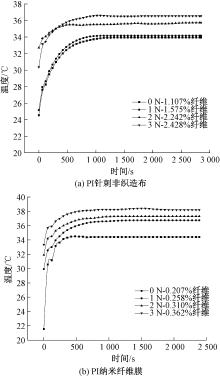
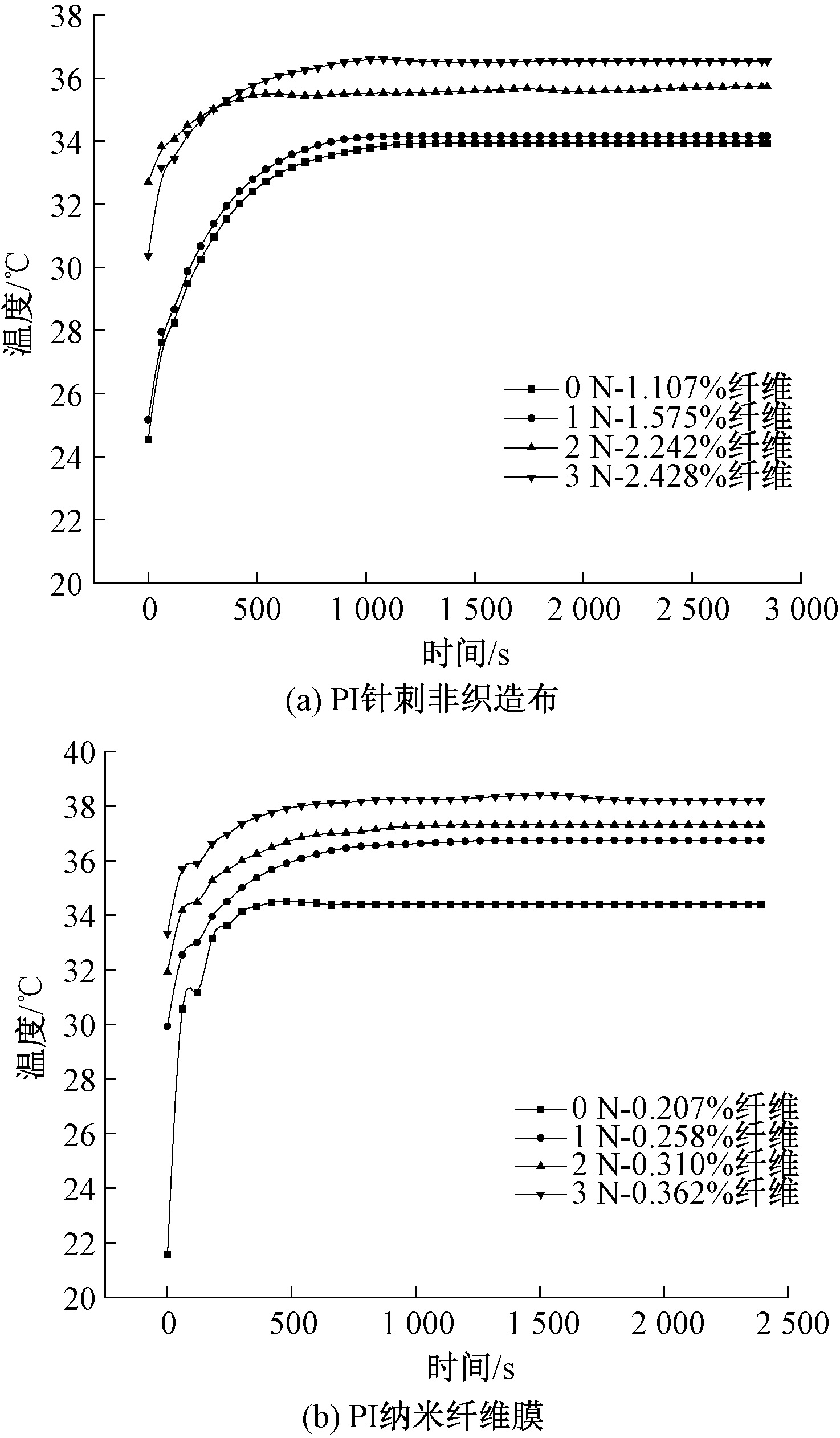
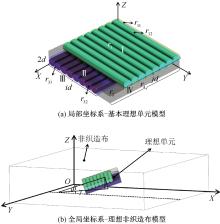
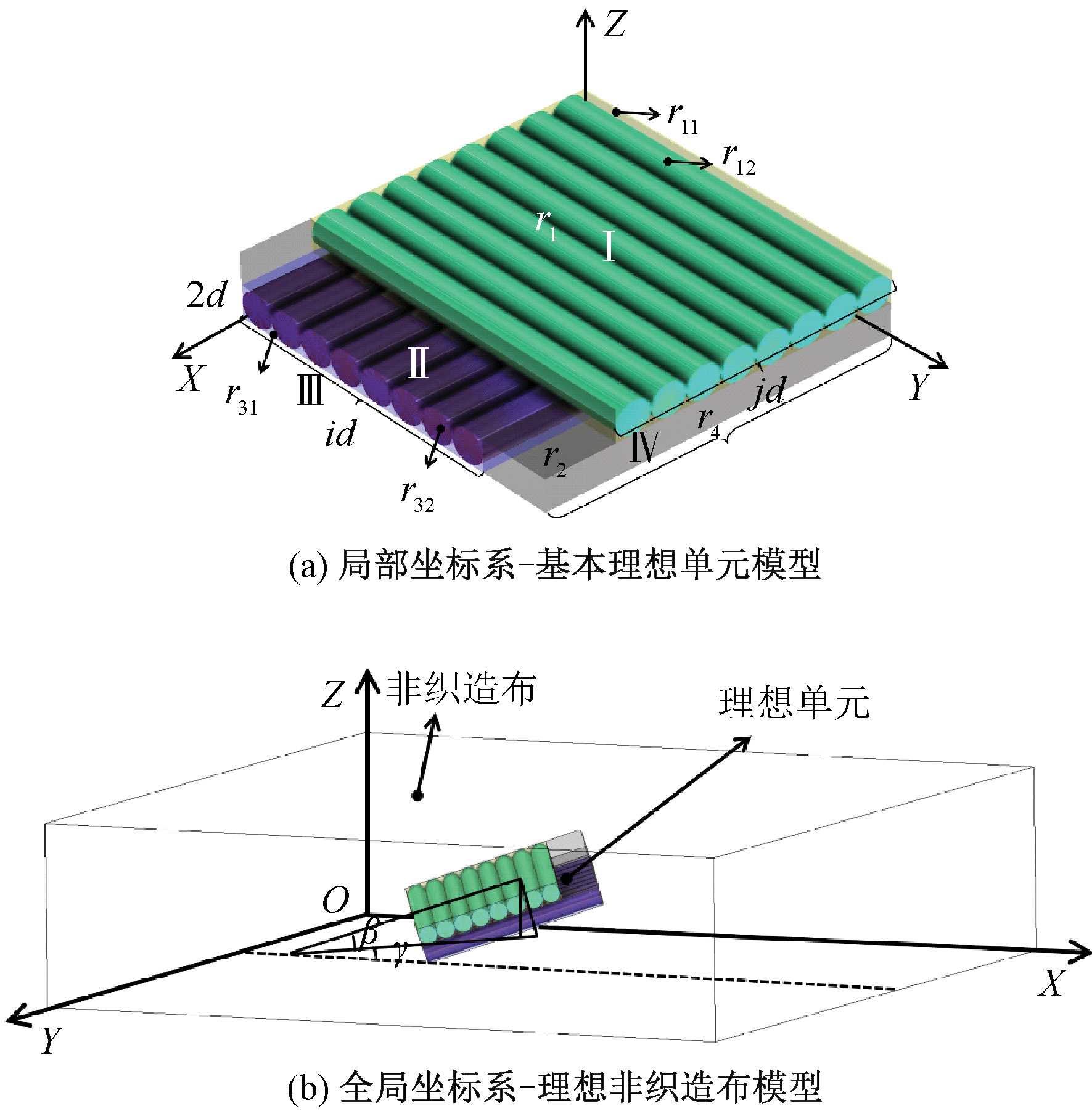
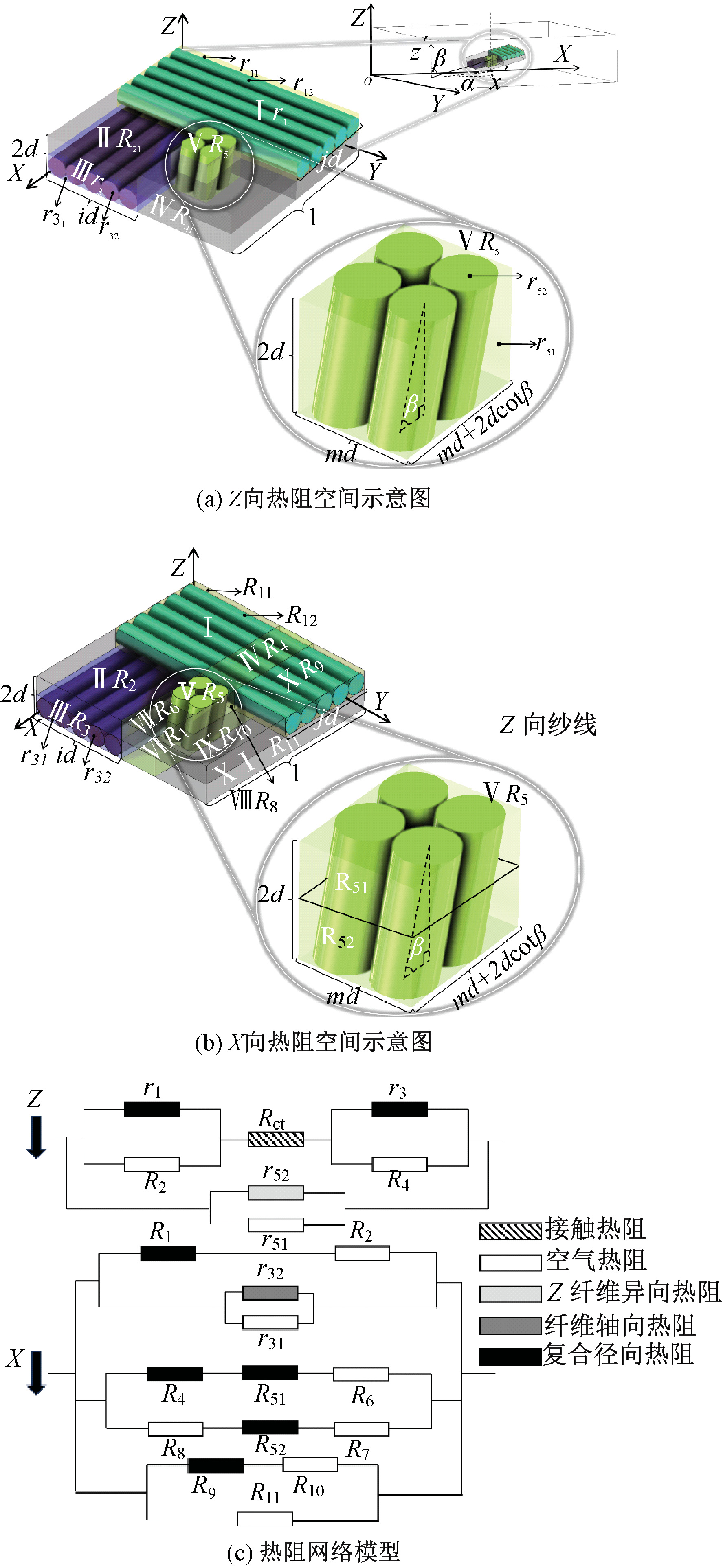
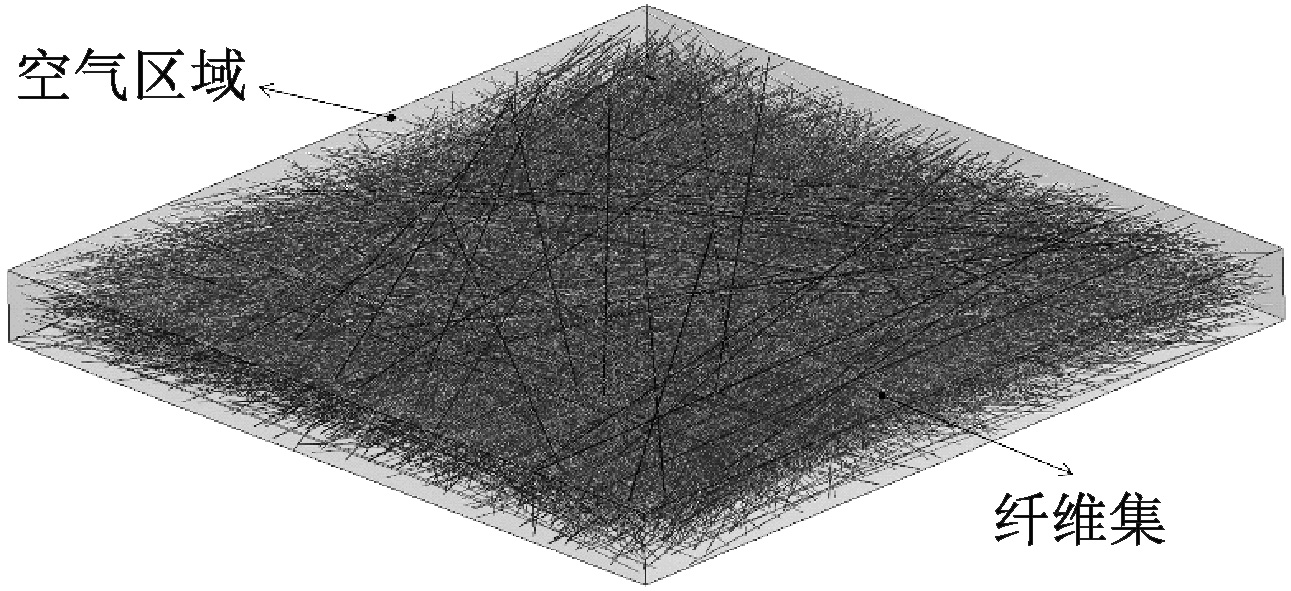
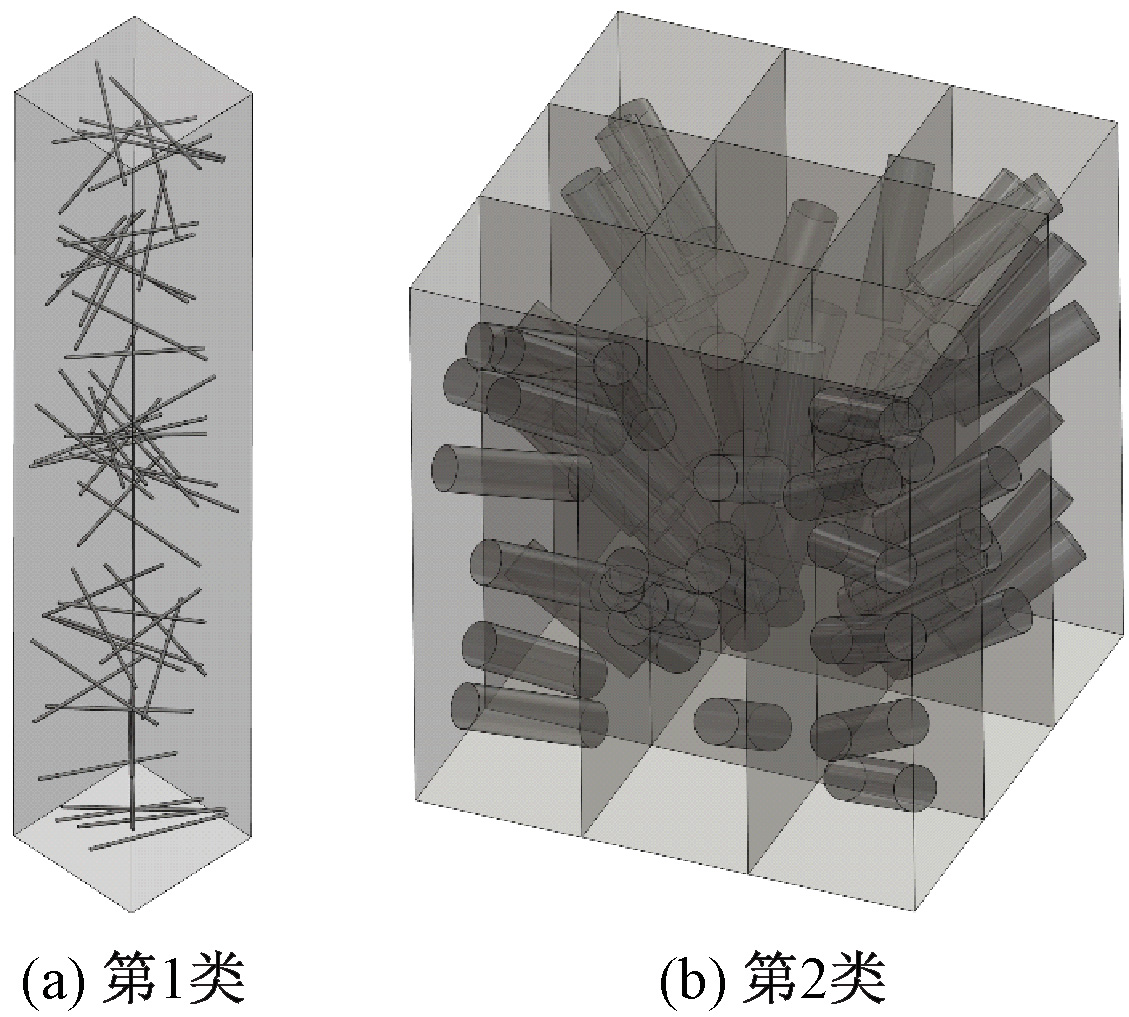
为深入研究非织造布材料的热传递特性,以聚酰亚胺(PI)纳米纤维膜和PI针刺非织造布为研究对象,通过实验测量了不同压力下材料的导热性能,发现随纤维体积分数增加,试样隔热性能变差,散热性能更佳。针对传统Woo模型的局限性,从2个方面进行修正:一是引入Hamilton-Crosser多项混合模型改进了圆柱平行排列的复合导热系数表达式,二是建立了考虑接触热阻和空间坐标转换的热阻串并联模型。对于针刺、水刺等含Z向纤维的非织造布,创新性地提出了考虑穿刺行为的非织造布导热模型。此外,建立了适用于有限元分析的非织造布几何简化模型,通过随机分布的圆柱体模拟纤维结构,实现了对非织造布热传递性能的精确仿真。对比分析表明,修正Hamilton-Crosser后的模型和仿真结果与实验数据具有良好一致性,验证了所提模型的有效性。研究结果可为非织造布热性能的优化设计提供理论依据。
中图分类号:
| [1] | 马腾飞, 宋东鹏, 刘双营, 等. 水刺法非织造材料及工艺在过滤领域的应用[J]. 产业用纺织品, 2023, 41(12): 1-5, 19. |
| MA Tengfei, SONG Dongpeng, LIU Shuangying, et al. Application research of spunlaced non-woven materials and technology in filtration field[J]. Technical Textiles, 2023, 41(12): 1-5, 19. | |
| [2] | 刘琛, 杨凯璐, 陈明星, 等. 熔喷非织造材料制备及其应用研究进展[J]. 现代纺织技术, 2024, 32(5): 116-129. |
| LIU Chen, YANG Kailu, CHEN Mingxing, et al. Research progress in the preparation and application of melt-blown nonwovens[J]. Advanced Textile Technology, 2024, 32(5): 116-129. | |
| [3] |
ARAMBAKAM R, VAHEDI TAFRESHI H, POURDEYHIMI B. A simple simulation method for designing fibrous insulation materials[J]. Materials & Design (1980-2015), 2013, 44: 99-106.
doi: 10.1016/j.matdes.2012.07.058 |
| [4] | ZHUO T T, CHEN Z M, XIN B J, et al. Surface modification of PE/PET by two-step method with graphene and silver nanoparticles for enhanced electrical conductivity[J]. Journal of Industrial Textiles, 2022, 51(5_suppl): 8246S-8266S. |
| [5] | 赵旭. 可降解舒适型纳米纤维防护服面料的制备与研究[D]. 郑州: 中原工学院, 2022:3-10. |
| ZHAO Xu. Preparation and research of degradable and comfortable nanofiber protective clothing fabrics[D]. Zhengzhou: Zhongyuan University of Technology, 2022:3-10. | |
| [6] | 王婷婷, 顾轶卓, 王绍凯, 等. 碳纤维轴向导热性能表征及其影响因素[J]. 北京航空航天大学学报, 2017, 43(9): 1931-1938. |
| WANG Tingting, GU Yizhuo, WANG Shaokai, et al. Characterization on axial thermal conductivity of carbon fiber and its influence factors[J]. Journal of Beijing University of Aeronautics and Astronautics, 2017, 43(9): 1931-1938. | |
| [7] |
WOO S S, SHALEV I, BARKER R L. Heat and moisture transfer through nonwoven fabrics: part I: heat transfer[J]. Textile Research Journal, 1994, 64(3): 149-162.
doi: 10.1177/004051759406400305 |
| [8] | ZHANG X G, GAI P X, ZHANG B K, et al. Thermal conductivity of rubber composite materials with a hybrid AlN/carbon fiber filler[J]. Chinese Science Bulletin, 2018, 63(23): 2403-2410. |
| [9] | 孙艳丽. 相变微胶囊低温防护复合织物的结构设计及传热模型研究[D]. 天津: 天津工业大学, 2019:3-10. |
| SUN Yanli. Structural design and heat transfer model of protective composite fabrics with phase-change microcapsules at low temperatures[D]. Tianjin: Tiangong University, 2019:3-10. | |
| [10] |
HUANG X, ZHOU Q, LIU J, et al. 3D stochastic modeling, simulation and analysis of effective thermal conductivity in fibrous media[J]. Powder Technology, 2017, 320: 397-404.
doi: 10.1016/j.powtec.2017.07.068 |
| [11] |
ZHANG Y J, JIA J H. Numerical investigation of heat transfer in garment air gap[J]. Autex Research Journal, 2022, 22(1): 89-95.
doi: 10.2478/aut-2020-0055 |
| [12] |
吴佳玥, 吴巧英. 羽绒制品热传递的有限元仿真[J]. 纺织学报, 2022, 43(11): 154-162.
doi: 10.13475/j.fzxb.20210911309 |
|
WU Jiayue, WU Qiaoying. Finite element simulation of heat transfer through down coat panel[J]. Journal of Textile Research, 2022, 43(11): 154-162.
doi: 10.13475/j.fzxb.20210911309 |
|
| [13] | 吕洋. 基于多尺度的气凝胶混凝土导热系数及其影响因素研究[D]. 重庆: 重庆交通大学, 2024. |
| LÜ Yang. Study on thermal conductivity of aerogel concrete and its influencing factors based on multi-scale[D]. Chongqing: Chongqing Jiaotong University, 2024. | |
| [14] | HOWELL J R. Thermal radiation heat transfer[M]. Boca Raton: CRC Press, 2015:1-31. |
| [15] | 刘维. 木棉保暖材料及其保温机理的研究[D]. 上海: 东华大学, 2011:3-10. |
| LIU Wei. Kapok battings and its thermal insulation properties[D]. Shanghai: Donghua University, 2011:3-10. | |
| [16] |
ZHAO X P, HUANG C L, LIU Q K, et al. Thermal conductivity model for nanofiber networks[J]. Journal of Applied Physics, 2018, 123(8): 085103.
doi: 10.1063/1.5008582 |
| [17] | 景喆, 董九志, 梅宝龙, 等. 考虑纤维随机分布的整体穿刺碳纤维毡压实过程仿真研究[J]. 航空制造技术, 2025, 68(21): 186-192. |
| JING Zhe, DONG Jiuzhi, MEI Baolong, et al. Simulation research on compaction process of integral pierced carbon fiber felt considering random fiber distribution[J]. Aeronautical Manufacturing Technology, 2025, 68(21): 186-192. | |
| [18] | DUTTA B K. Heat Transfer: Principles and Applications[M]. Delhi: PHI Learning Pvt Ltd, 2023:1-30. |
| [1] | 李宁, 岳程飞, 张如全. 非织造布基激光诱导石墨烯柔性应变传感器的制备及其性能[J]. 纺织学报, 2026, 47(05): 151-160. |
| [2] | 赵立环, 闫子妍, 张蓉, 袁明珠, 聂秀雯, 刘新蕊. 海岛长丝合成革基布的碱减量工艺及其力学性能[J]. 纺织学报, 2026, 47(04): 154-162. |
| [3] | 杨潇, 章语墨, 李彦, 王璐, 王富军. 糖触抗菌与渗液管理一体化的短纤维重构复合敷料及其性能[J]. 纺织学报, 2026, 47(03): 44-51. |
| [4] | 王世豪, 徐晓禹, 郑挺, 王金星, 姚德刚, 王俊, 叶翔宇, 田慧, 李婷, 朱斐超. 碳纤维非织造材料的研究应用及展望[J]. 纺织学报, 2026, 47(01): 240-249. |
| [5] | 贾彦军, 高璐, 赵莹莹, 荆兆敬, 郭紫阳, 王海涛, 常娜. 非织造布结构及表面性质对反渗透膜支撑层和分离层性能影响[J]. 纺织学报, 2025, 46(09): 171-180. |
| [6] | 刘美, 崔丽娜, 关福旺, 李甫, 费鹏飞, 马驰, 王华平. 一次性卫生用竹浆纤维水刺非织造材料的疏水改性及其性能[J]. 纺织学报, 2025, 46(09): 188-196. |
| [7] | 张新宇, 金小培, 朱金唐, 崔华帅, 吴鹏飞, 崔宁, 史贤宁. 聚乳酸熔喷非织造布热尺寸稳定性提升方法[J]. 纺织学报, 2025, 46(08): 127-135. |
| [8] | 张蕊, 叶苏娴, 王建, 邹专勇. 全织物型离电式柔性压力传感器的制备及其性能[J]. 纺织学报, 2025, 46(02): 113-121. |
| [9] | 李逢春, 孙辉, 于斌, 谢有秀, 张德伟. 共价有机框架材料/粘胶水刺非织造布的制备及其染料吸附性能[J]. 纺织学报, 2025, 46(02): 170-179. |
| [10] | 肖鑫, 李伟, 卢润, 姜会钰, 李青. 等离子体协同过氧化氢活化体系对纯棉水刺非织造布的练漂处理[J]. 纺织学报, 2024, 45(12): 118-127. |
| [11] | 许秋歌, 郭寻, 朵永超, 吴若楠, 钱晓明, 宋兵, 符浩, 赵宝宝. 高收缩聚酯/聚酰胺6中空橘瓣型纺黏针刺非织造布的制备及其性能[J]. 纺织学报, 2024, 45(12): 41-49. |
| [12] | 李韩, 王海霞, 张旭, 刘丽萍, 刘小琨. 基于聚乙烯醇缩丁醛/聚乙二醇的同轴纳米纤维膜储热织物制备及其热管理性能[J]. 纺织学报, 2024, 45(11): 37-45. |
| [13] | 张蕊, 应迪, 陈冰冰, 田欣, 郑莹莹, 王建, 邹专勇. 碳纳米管修饰三维纤维网非织造布传感器的制备及其性能[J]. 纺织学报, 2024, 45(11): 46-54. |
| [14] | 肖渊, 童垚, 胡呈安, 武贤军, 杨磊鹏. 导电复合材料涂覆式全织物基柔性压阻传感器制备[J]. 纺织学报, 2024, 45(10): 152-160. |
| [15] | 刘文龙, 李好义, 何东洋, 李长金, 张杨, 马秀清, 李满意, 杨卫民. 低密度聚乙烯熔喷工艺及其非织造布性能[J]. 纺织学报, 2024, 45(10): 31-38. |
|
||
 京公网安备11010502044800号