纺织学报 ›› 2026, Vol. 47 ›› Issue (04): 171-179.doi: 10.13475/j.fzxb.20251005001
刘雁雁1, 王小艳1, 杜金梅1, 郑振荣2, 韩振邦2, 许长海1( )
)
LIU Yanyan1, WANG Xiaoyan1, DU Jinmei1, ZHENG Zhenrong2, HAN Zhenbang2, XU Changhai1()
摘要:
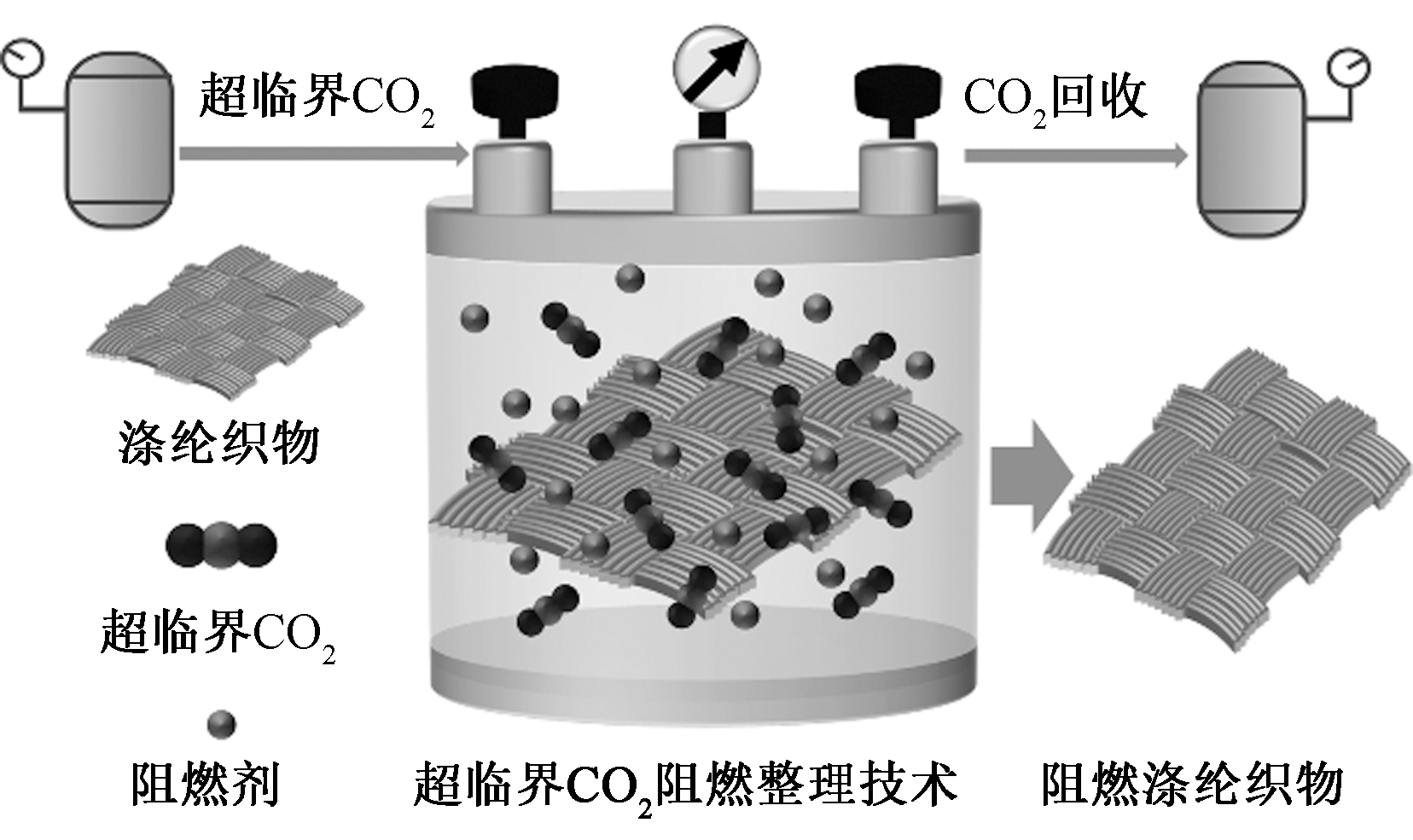
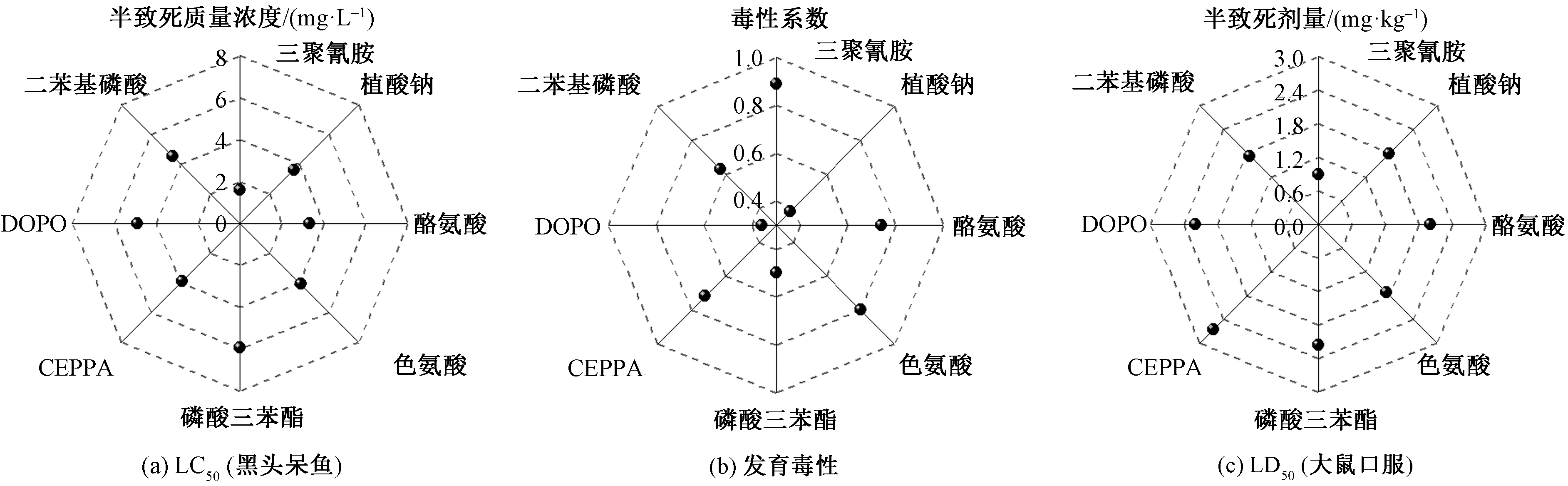
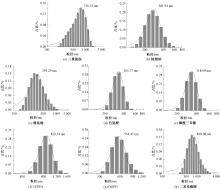
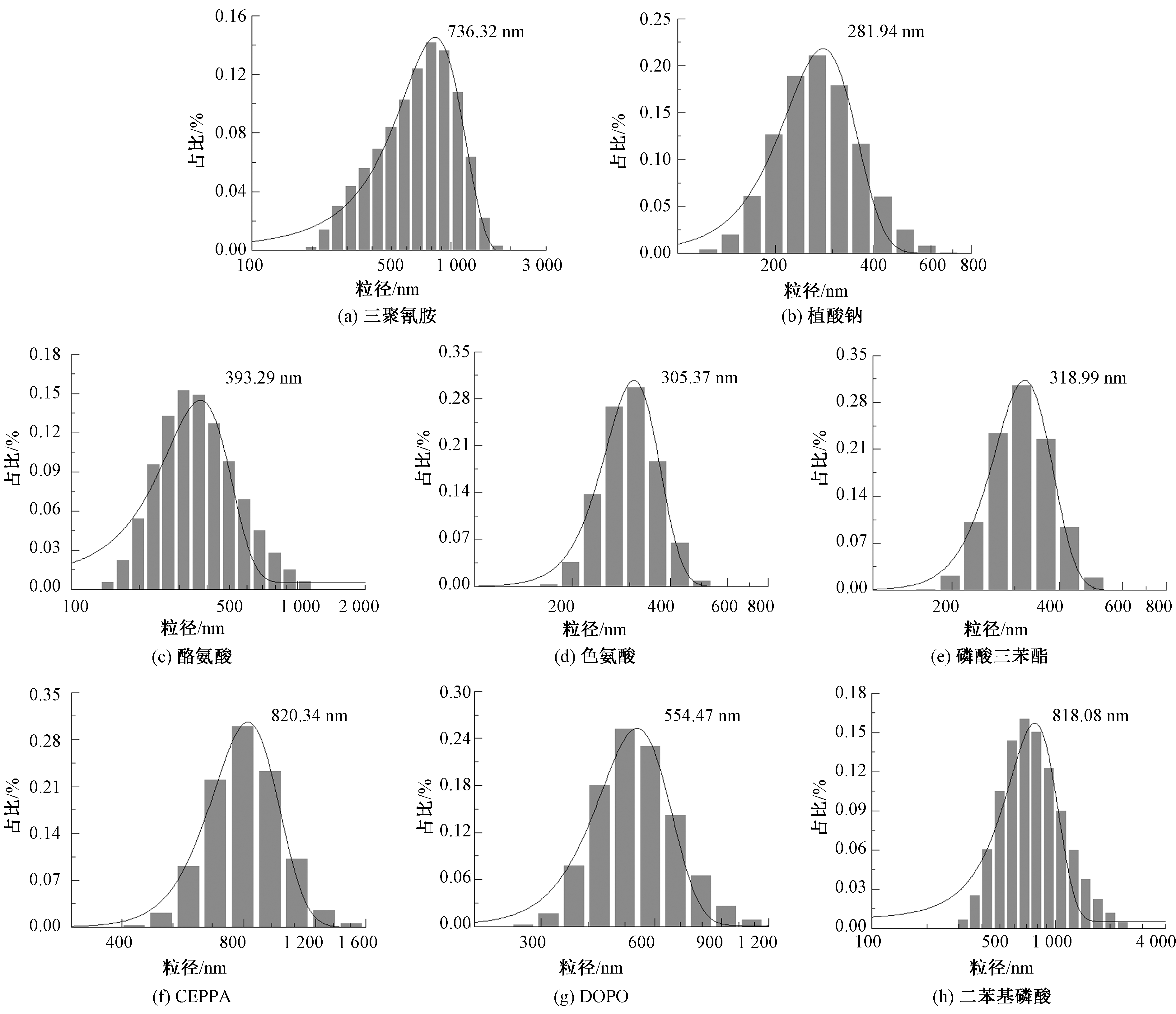
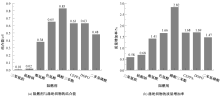
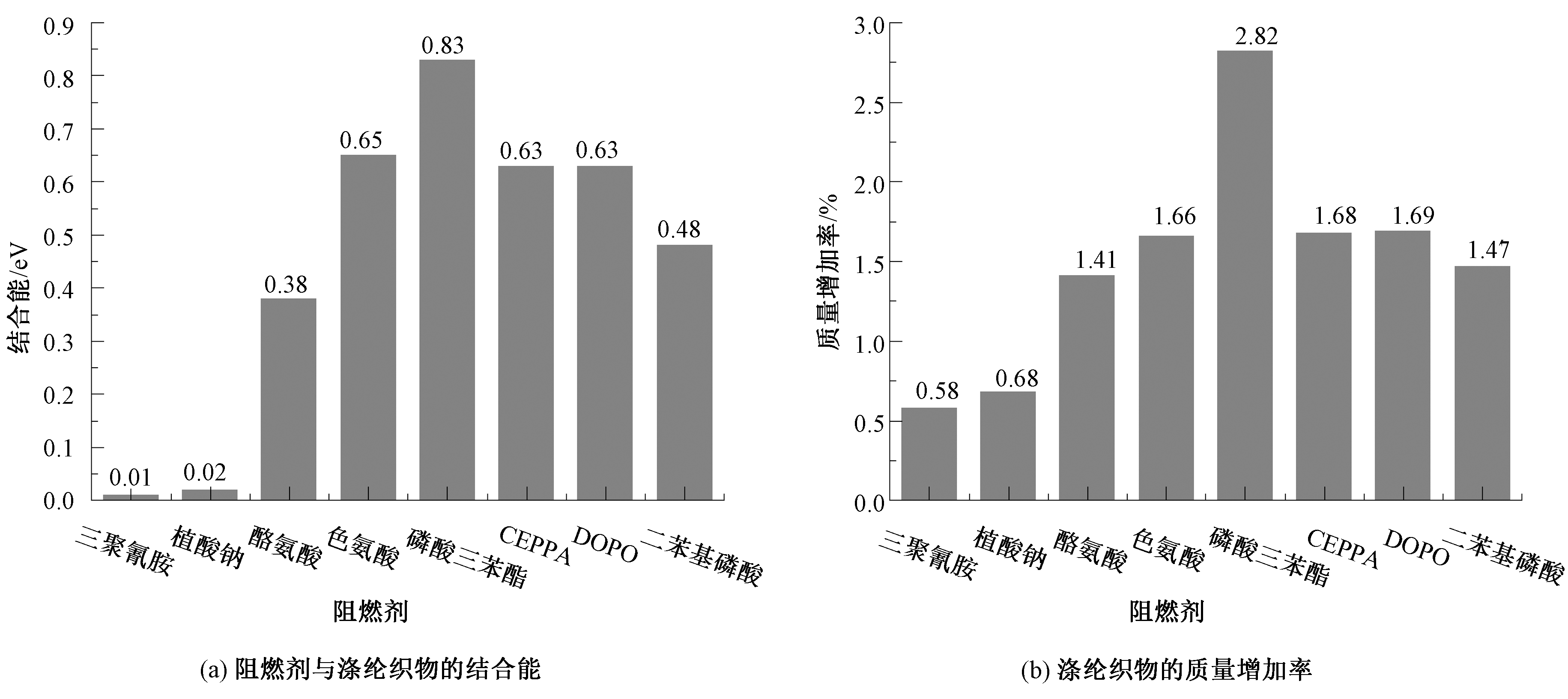
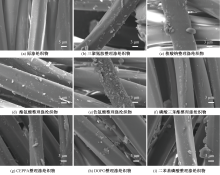
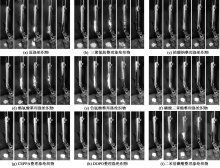
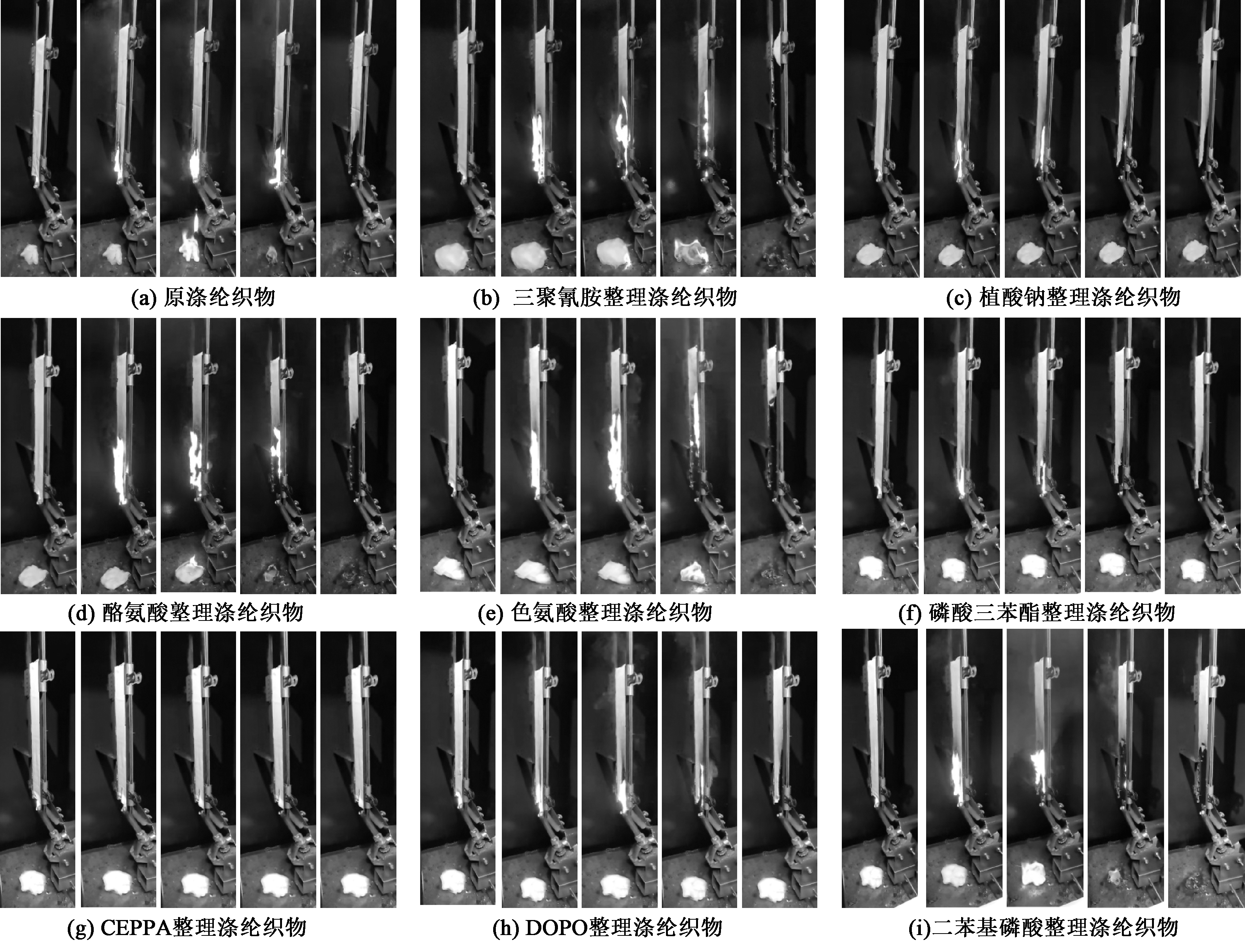
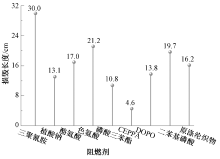
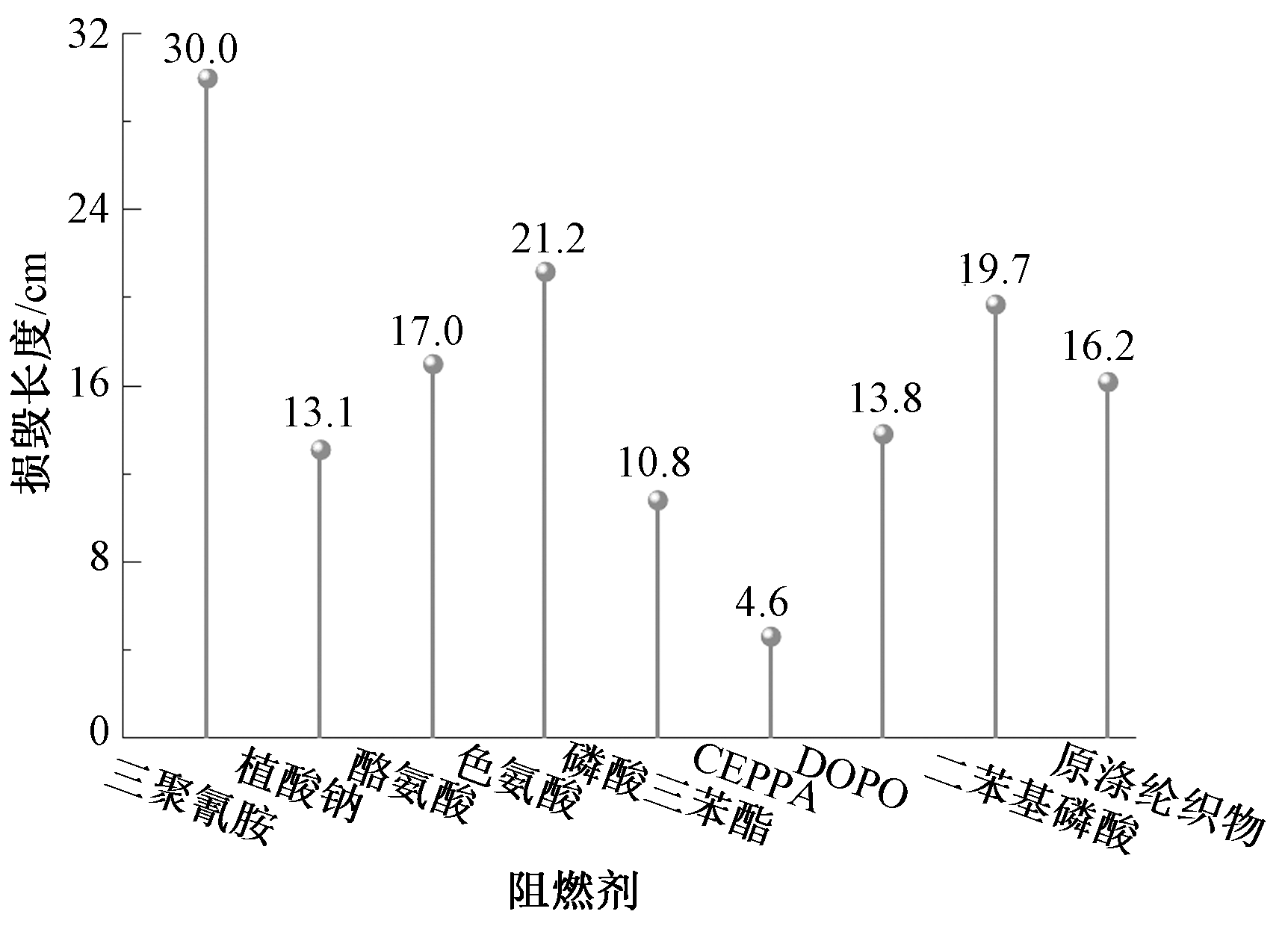
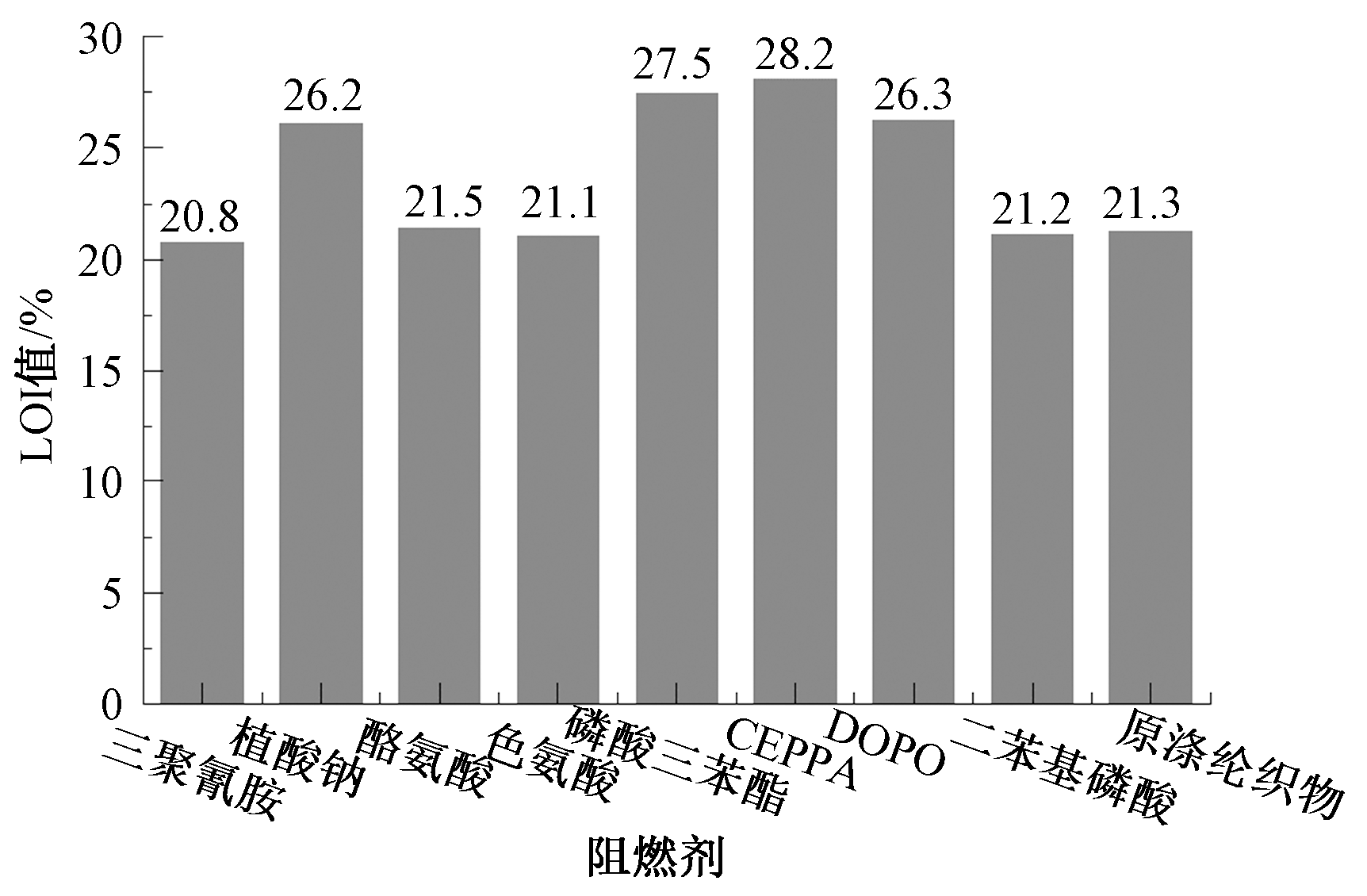
为开发绿色环保的涤纶织物无水阻燃整理工艺,选取3种氮系、5种磷系阻燃剂,通过超临界CO2整理技术分别将其负载于涤纶织物。对阻燃剂的毒性进行预测,测试分析其粒径分布,系统表征整理后涤纶织物的表面形貌,探究阻燃剂与涤纶织物的结合能与质量增加率的关系,同时系统评估了整理后涤纶织物的阻燃性能和耐洗性能。研究结果表明:8种阻燃剂均属于低毒性化合物,其粒径分布呈单峰对数正态分布,粒径均小于1 μm;8种阻燃剂均可有效负载于涤纶织物表面,证实超临界CO2技术适用于涤纶织物的阻燃整理;阻燃剂与涤纶的结合能与织物质量增加率、耐洗性均呈正相关,较高的结合能及较大的质量增加率均有助于提升涤纶织物阻燃性能;其中,经2-羧乙基苯基次膦酸、磷酸三苯酯和9,10-二氢-9-氧杂-10-磷杂菲-10-氧化物整理后的涤纶织物,展现出较为优异的阻燃性能和耐久性能。
中图分类号:
| [1] |
CHEN F, QI P, LIU J, et al. Fully bio-based flame retardant and antibacterial coating for polyethylene terephthalate fabric[J]. Progress in Organic Coatings, 2023, 182: 107637.
doi: 10.1016/j.porgcoat.2023.107637 |
| [2] | 徐豫松, 周杰, 甘佳怡, 等. 含磷氮水性聚氨酯的制备及其在涤纶织物阻燃整理中应用[J]. 纺织学报, 2024, 45(7): 112-120. |
|
XU Yusong, ZHOU Jie, GAN Jiayi, et al. Preparation of phosphorus and nitrogen containing waterborne polyurethane and its application in polyester fabrics for flame retardant finishing[J]. Journal of Textile Research, 2024, 45(7): 112-120.
doi: 10.1177/004051757504500205 |
|
| [3] |
王以红, 潘虹, 沈勇, 等. DOPO-APTES的制备及其对涤纶织物阻燃抗熔滴性能的研究[J]. 功能材料, 2024, 55(2): 2201-2206, 2223.
doi: 10.3969/j.issn.1001-9731.2024.02.025 |
|
WANG Yihong, PAN Hong, SHEN Yong, et al. Preparation of DOPO-APTES and its study on flame retardant and anti-melt-drop properties of polyester fabrics[J]. Journal of Functional Materials, 2024, 55(2): 2201-2206, 2223.
doi: 10.3969/j.issn.1001-9731.2024.02.025 |
|
| [4] |
LAZAR S T, KOLIBABA T J, GRUNLAN J C. Flame-retardant surface treatments[J]. Nature Reviews Materials, 2020, 5(4): 259-275.
doi: 10.1038/s41578-019-0164-6 |
| [5] | 周曼, 蔡再生. 常规阻燃纺织纤维与高性能阻燃纤维的分类及发展趋势[J]. 国际纺织导报, 2019, 47(10): 6-10. |
| ZHOU Man, CAI Zaisheng. Classification and future development of conventional flame-retardant textile fibers and high-performance flame-retardant fibers[J]. Melliand China, 2019, 47(10): 6-10. | |
| [6] | 赵萌, 姜秋实, 刘姝, 等. 涤纶织物的阻燃研究及发展[J]. 化学与粘合, 2013, 35(3): 62-66. |
| ZHAO Meng, JIANG Qiushi, LIU Shu, et al. Research and development of flame retardant of polyester fabric[J]. Chemistry and Adhesion, 2013, 35(3): 62-66. | |
| [7] |
肖云超, 杨雅茹, 郭健鑫, 等. 高温自交联抗熔滴阻燃涤纶织物的制备及其性能[J]. 纺织学报, 2023, 44(11): 151-159.
doi: 10.13475/j.fzxb.20220906301 |
|
XIAO Yunchao, YANG Yaru, GUO Jianxin, et al. Preparation and properties of high temperature self-crosslinked anti-dripping and flame-retardant polyester fabric[J]. Journal of Textile Research, 2023, 44(11): 151-159.
doi: 10.13475/j.fzxb.20220906301 |
|
| [8] | 李好帅, 郑兆临, 刘雁雁, 等. 涤纶织物全生物基阻燃抗熔滴涂层的构建[J]. 毛纺科技, 2024, 52(4): 31-37. |
| LI Haoshuai, ZHENG Zhaolin, LIU Yanyan, et al. Construction of fully bio-based flame-retardant anti-dripping coatings on polyester fabric[J]. Wool Textile Journal, 2024, 52(4): 31-37. | |
| [9] | 张小芳, 吴亚容, 邢志奇, 等. 涤纶织物的硅溶胶-凝胶阻燃抗熔滴整理[J]. 印染, 2018, 44(6): 1-6. |
| ZHANG Xiaofang, WU Yarong, XING Zhiqi, et al. Flame retardant and anti-dripping finishing of PET fabric with sol-gel process[J]. China Dyeing & Finishing, 2018, 44(6): 1-6. | |
| [10] |
WU W, FAN B, ZHOU Q Q, et al. Distribution of disperse dyes between supercritical CO2 and polyester fibers: a combined molecular dynamics simulation and experimental study[J]. Journal of Cleaner Production, 2024, 481: 144162.
doi: 10.1016/j.jclepro.2024.144162 |
| [11] |
WU W, GE H F, ZHOU Q Q, et al. A method to improve dye-uptakes of less soluble disperse dyes for polyester fibers in supercritical CO2 fluid: a theoretical and experimental study[J]. The Journal of Supercritical Fluids, 2024, 205: 106152.
doi: 10.1016/j.supflu.2023.106152 |
| [12] | 宋洁, 蔡涛, 郑福尔, 等. 涤纶针织鞋材超临界CO2无水染色性能[J]. 纺织学报, 2023, 44(5): 46-53. |
| SONG Jie, CAI Tao, ZHENG Fuer, et al. Research on supercritical CO2 waterless dyeing property of polyester knitted shoe materials[J]. Journal of Textile Research, 2023, 44(5): 46-53. | |
| [13] | 陆同庆, 龙家杰, 张培群, 等. 涤纶织物超临界二氧化碳染色研究[J]. 染料与染色, 2004, 41(6): 346-347. |
| LU Tongqing, LONG Jiajie, ZHANG Peiqun, et al. A study on dyeing polyester fabrics in supercritical carbon dioxide[J]. Dyestuffs and Coloration, 2004, 41(6): 346-347. | |
| [14] |
LONG J J, XU H M, CUI C L, et al. A novel plant for fabric rope dyeing in supercritical carbon dioxide and its cleaner production[J]. Journal of Cleaner Production, 2014, 65: 574-582.
doi: 10.1016/j.jclepro.2013.08.008 |
| [15] | 龙家杰, 陈锋, 魏晓晨, 等. 纺织品超临界CO2无水染色的产业化进程[J]. 染整技术, 2015, 37(8): 1-6. |
| LONG Jiajie, CHEN Feng, WEI Xiaochen, et al. Industrialization process of textile supercritical CO2 anhydrous dyeing[J]. Textile Dyeing and Finishing Journal, 2015, 37(8): 1-6. | |
| [16] | 郑环达, 郑来久. 超临界流体染整技术研究进展[J]. 纺织学报, 2015, 36(9): 141-148. |
| ZHENG Huanda, ZHENG Laijiu. Research development of supercritical fluid dyeing and finishing technology[J]. Journal of Textile Research, 2015, 36(9): 141-148. | |
| [17] | 董君婕, 郑振荣, 周洁, 等. 天冬氨酸/赖氨酸基于超临界CO2流体的涤纶阻燃整理及工艺条件探索[J]. 消防科学与技术, 2025, 44(7): 962-969. |
| DONG Junjie, ZHENG Zhenrong, ZHOU Jie, et al. Supercritical CO2 fluid flame-retardant processing of polyethylene terephthalate(PET)fabric treated with aspartic acid/lysine and exploration of process conditions[J]. Fire Science and Technology, 2025, 44(7): 962-969. | |
| [18] |
ZHONG W P, YU Z, ZHANG Z X. Development of polyamide12 composite foam by supercritical CO2: the effect of flame retardants on foaming behavior and properties[J]. European Polymer Journal, 2022, 179: 111562.
doi: 10.1016/j.eurpolymj.2022.111562 |
| [19] |
KE H Z, FANG Q, HAN Y T, et al. Facile flame-retardant finishing for cotton in supercritical CO2[J]. Textile Research Journal, 2022, 92(13/14): 2306-2316.
doi: 10.1177/00405175221074068 |
| [20] | ZHENG Z R, DONG J J, WANG J, et al. Amino acid flame-retardant finishing of poly-(ethylene terephthalate) (PET) fabrics based on supercritical CO2[J]. Journal of CO2 Utilization, 2024, 86: 102918. |
| [21] |
KRESSE G, FURTHMÜLLER J. Efficient iterative schemes for ab initio total-energy calculations using a plane-wave basis set[J]. Physical Review B, Condensed Matter, 1996, 54(16): 11169-11186.
doi: 10.1103/PhysRevB.54.11169 |
| [22] |
乔国岳, 刘居陶, 孙剑飞, 等. 超临界CO2脱附作用调控负载纳米颗粒结晶动力学研究[J]. 化工学报, 2021, 72(11): 5849-5857.
doi: 10.11949/0438-1157.20210763 |
| QIAO Guoyue, LIU Jutao, SUN Jianfei, et al. Study on crystallization kinetics of supported nanoparticles controlled by desorption of supercritical carbon dioxide[J]. CIESC Journal, 2021, 72(11): 5849-5857. | |
| [23] | 程万里. 染料化学[M]. 北京: 中国纺织出版社, 2010: 251. |
| CHENG Wanli. Dye chemistry[M]. Beijing: China Textile & Apparel Press, 2010: 251. |
| [1] | 敖利民, 徐浩文. 集聚包覆技术原理及其对芯纱毛羽的控制效果[J]. 纺织学报, 2026, 47(04): 113-119. |
| [2] | 施楣梧. 纺织品抗菌新技术研究进展[J]. 纺织学报, 2026, 47(03): 201-207. |
| [3] | 陈欣, 干梦婷, 兰含宇, 赵昕, 张清华. 超临界CO2流体对聚酰亚胺纤维结构及其性能的影响[J]. 纺织学报, 2026, 47(02): 10-17. |
| [4] | 任毅, 冯清国, 陈宇恒, 王彦彦. 精梳加工方法对涤纶/棉混纺织物舒适性能的影响[J]. 纺织学报, 2026, 47(02): 103-110. |
| [5] | 石彬琳, 董智佳, 马丕波, 丛洪莲, 吴光军, 刘博. 机器人颈关节包覆用针织全成形织物结构设计[J]. 纺织学报, 2025, 46(12): 116-122. |
| [6] | 沈昕怡, 李家炜, 邵宇, 郭丁滔, 何贵平, 赵磊, 戚栋明, YOUSSEF Yehya Abel-Gawad, KAFAFY Hany Hassan Ahmed Mohamed. 高色牢度反应性聚合物包覆炭黑直喷墨水制备及其印花性能[J]. 纺织学报, 2025, 46(12): 152-162. |
| [7] | 杨迎雪, 高念钊, 邓年明, 江敬辉, 董庆奇, 刘向东. 废旧涤纶纺织品再生循环利用的研究进展[J]. 纺织学报, 2025, 46(12): 251-259. |
| [8] | 叶慧, 丛洪莲, 贺海军. 基于二元脂肪酸的中空涤纶相变纤维制备及其性能[J]. 纺织学报, 2025, 46(11): 188-195. |
| [9] | 蔡丽云, 欧阳承辉, 黄泽洋, 王成成, 关玉, 付少海, 张丽平. 彩色乳胶粒的制备及其在涤纶/棉混纺织物印花中的应用[J]. 纺织学报, 2025, 46(10): 135-142. |
| [10] | 陈展毓, 俞森龙, 周家良, 朱丽萍, 周哲, 相恒学, 朱美芳. 有机膦酸改性聚乳酸织物的制备及其性能[J]. 纺织学报, 2025, 46(08): 154-163. |
| [11] | 徐文豪, 陈琳, 徐世美, 汪秀丽, 王玉忠. 涤纶乙二醇解产物在甲醇酯交换过程的转化规律[J]. 纺织学报, 2025, 46(06): 1-7. |
| [12] | 史晟, 王涯舟, 王淑花, 庞明科, 李鑫, 张美玲, 高承永. 废旧涤纶醇解及含氟水性聚氨酯的制备[J]. 纺织学报, 2025, 46(06): 8-16. |
| [13] | 朱梦慧, 葛美彤, 董智佳, 丛洪莲, 马丕波. 纬编双面羊毛/涤纶交织物的结构与热湿性能评价[J]. 纺织学报, 2025, 46(05): 179-185. |
| [14] | 魏志强, 刘新华. 耐热仿生结构色织物的制备及其性能[J]. 纺织学报, 2025, 46(05): 195-201. |
| [15] | 张金芹, 李晶, 肖明, 毕曙光, 冉建华. 聚苯乙烯/还原氧化石墨烯微球传感电热织物的自组装法制备[J]. 纺织学报, 2025, 46(05): 202-213. |
|
||
 京公网安备11010502044800号