纺织学报 ›› 2025, Vol. 46 ›› Issue (06): 8-16.doi: 10.13475/j.fzxb.20240702201
• 纤维新材料与纺织绿色发展青年科学家沙龙专栏 • 上一篇 下一篇
史晟1,2, 王涯舟1, 王淑花1,2( ), 庞明科1, 李鑫1, 张美玲1, 高承永1,2
SHI Sheng1,2, WANG Yazhou1, WANG Shuhua1,2(), PANG Mingke1, LI Xin1, ZHANG Meiling1, GAO Chengyong1,2
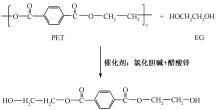
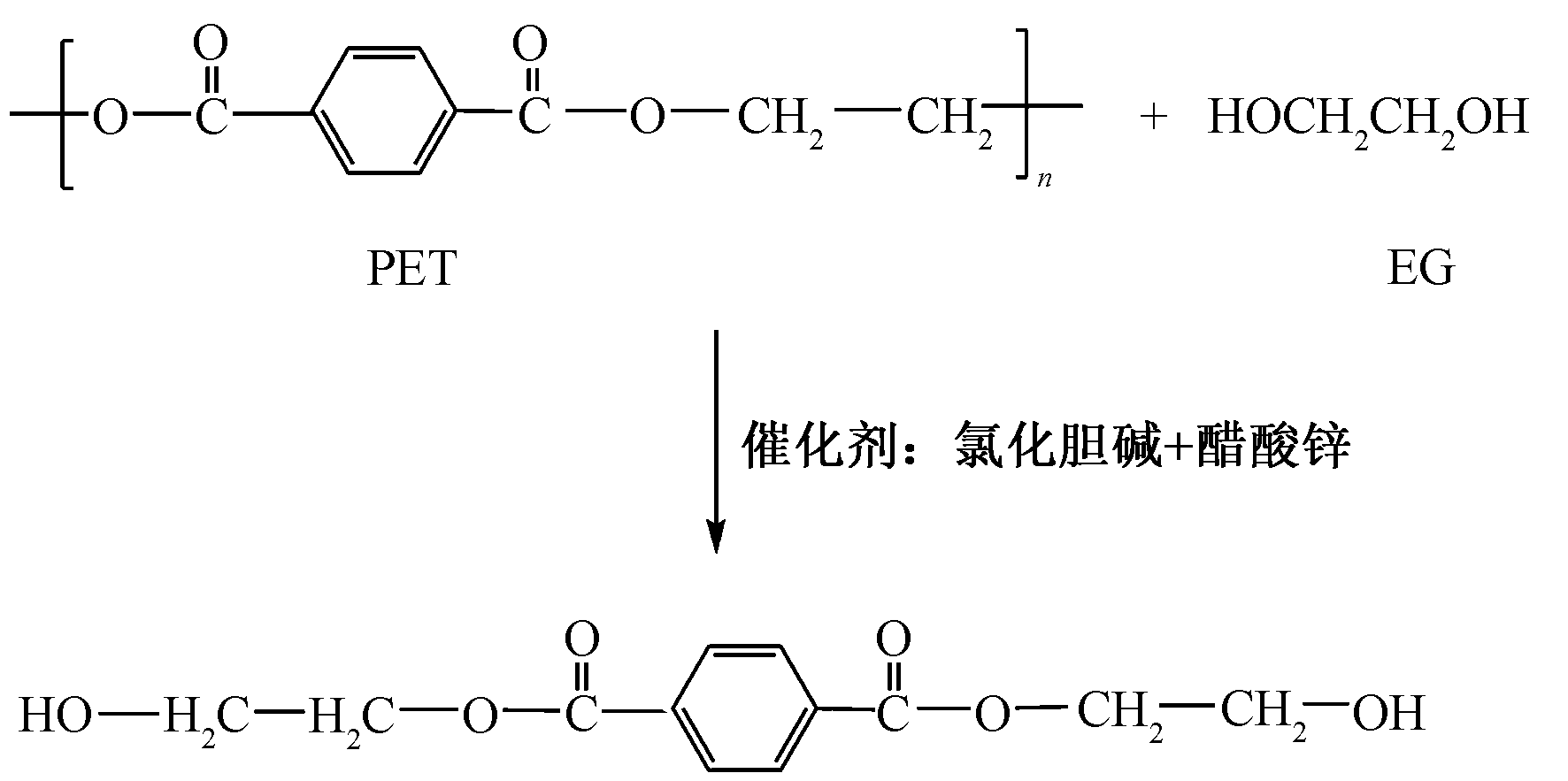
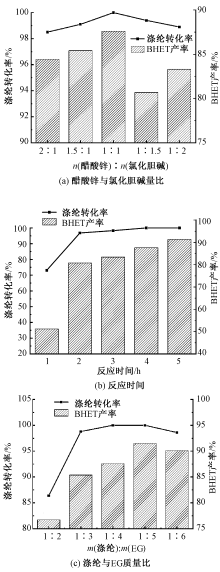
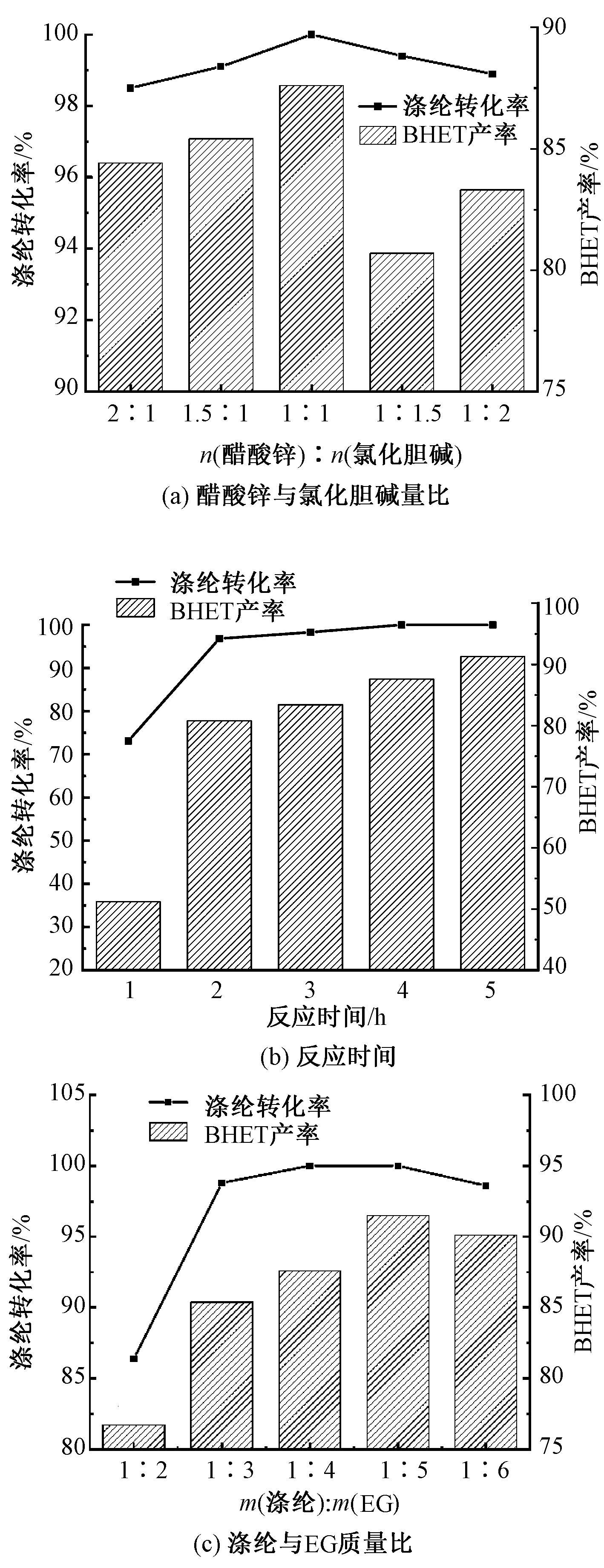
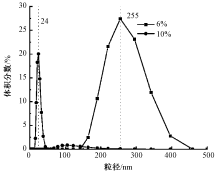
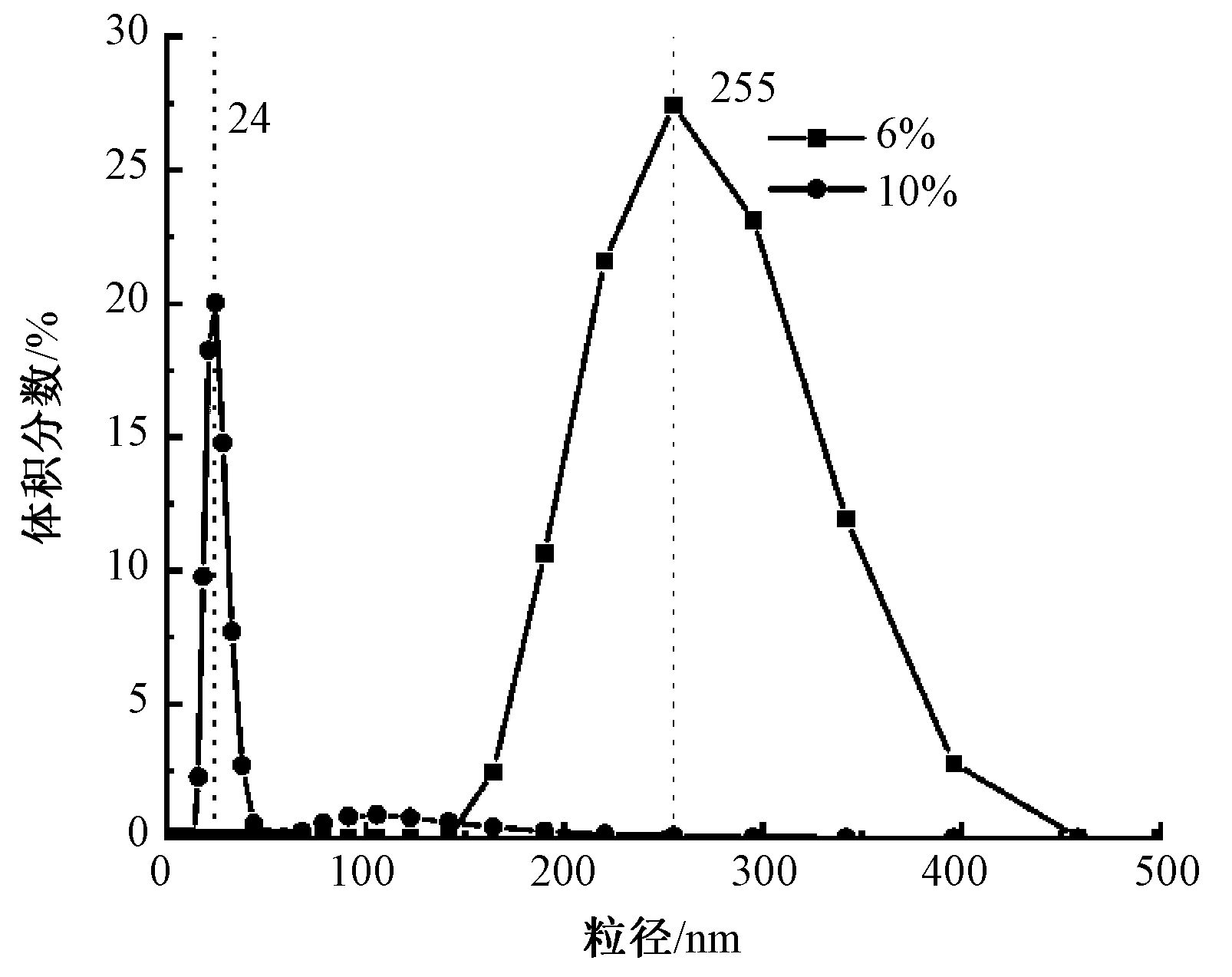
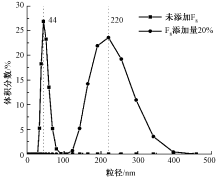
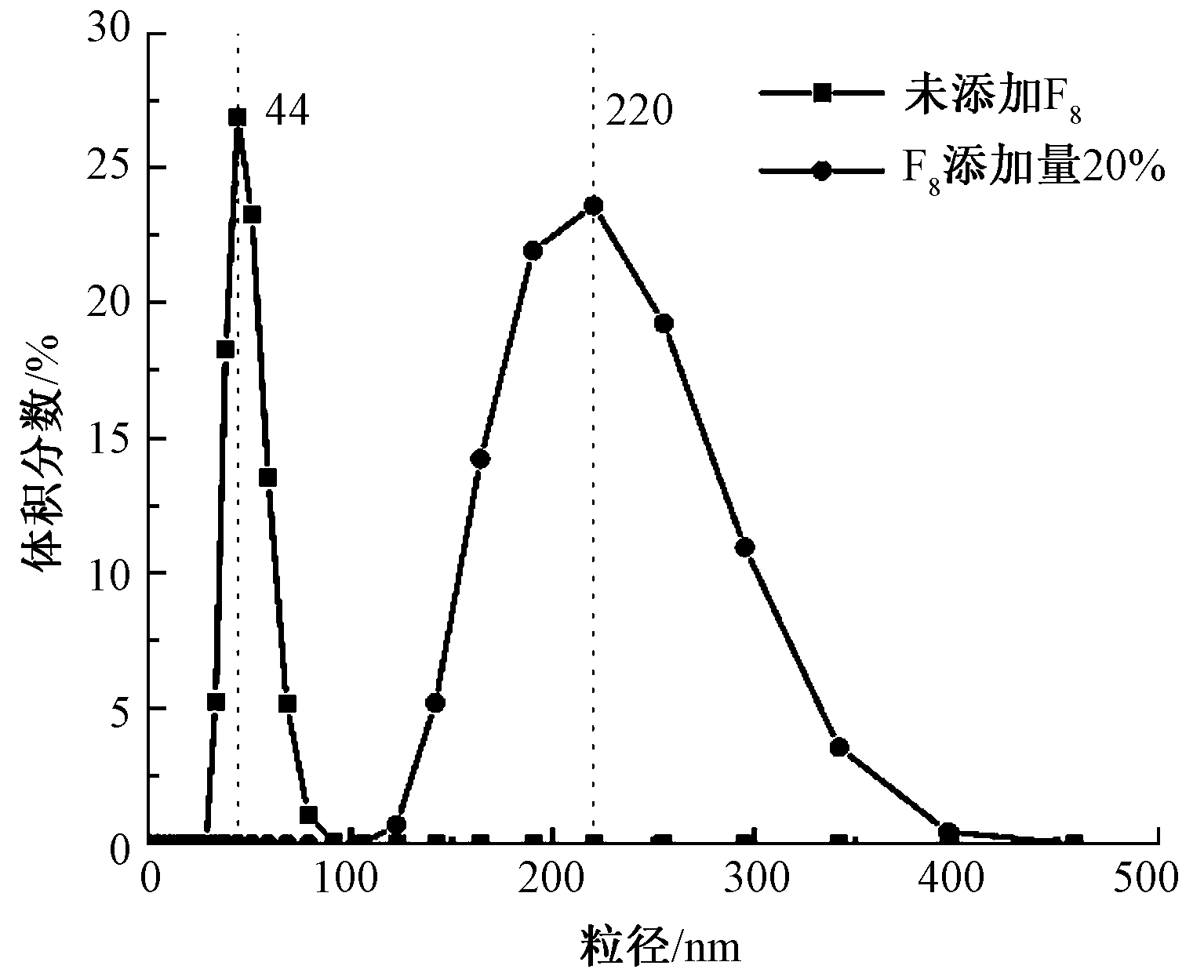
摘要: 针对废旧涤纶的大量使用而导致的资源浪费和环境污染问题,以乙二醇为醇解剂、氯化胆碱和醋酸锌为复合催化剂对涤纶进行解聚,得到产物对苯二甲酸双羟乙酯(BHET);然后以醇解产物为原料合成含氟水性聚氨酯(FWPU),探究不同的异氰酸根指数(R值)、亲水基团2,2-双(羟甲基)丙酸(DMPA)添加量、疏水基团八氟戊醇(F8)对含氟水性聚氨酯乳液状态、稳定性、黏度、pH值以及粒径的影响。结果表明:在涤纶醇解最佳反应条件(反应温度为180℃,醋酸锌与氯化胆碱的量比为1∶1,反应时间为4 h,涤纶与乙二醇的质量比为1∶5)下,涤纶的转化率最高可达100%,产物BHET的产率最高可达91.5%;在以醇解产物合成FWPU的最佳工艺(R值为1.3、DMPA添加量为8%、F8添加量为15%)下,含氟水性聚氨酯乳液的外观清澈透明,粒径小于255 nm,属于聚氨酯乳液范围,黏度为95 mPa·s,pH值为弱碱性,乳液具有良好的稳定性。
中图分类号:
| [1] | SHOJAEI B, ABTAHI M, NAJAFI M. Chemical recycling of PET: a stepping-stone toward sustaina-bility[J]. Polymers for Advanced Technologies, 2020, 31(12): 2912-2938. |
| [2] | CHIRAYIL C J, MISHRA R K, THOMAS S. 3-materials recovery, direct reuse and incineration of PET bottles[M]. New York: William Andrew Publishing, 2019: 37-60. |
| [3] | SHEN M, HU T, HUANG W, et al. Can incineration completely eliminate plastic wastes? An investigation of microplastics and heavy metals in the bottom ash and fly ash from an incineration plant[J]. Science of the Total Environment, 2021. DOI: 10.1016/j.scitotenv.2021.146528. |
| [4] | RANJBAR N, ZHANG M. Fiber-reinforced geopolymer composites: a review[J]. Cement and Concrete Composites, 2020. DOI: 10.1016/j.cemconcomp.2019.103498. |
| [5] | CAGUAY M E, GAVINO R B, GAVINO H F, et al. Development and performance analysis of a mini twin-shaft shredder for efficient polyethylene terephtha-late (PET) bottle recycling[J]. Journal of Engineering Research and Reports, 2023, 25(8): 217-229. |
| [6] | ŞIMŞEK B, UYGUNOĞ; LU T, KORUCU H, et al. Analysis of the effects of dioctyl terephthalate obtained from polyethylene terephthalate wastes on concrete mortar: a response surface methodology based desirability function approach application[J]. Journal of Cleaner Production, 2018, 170: 437-445. |
| [7] | BOHRE A, JADHAO P R, TRIPATHI K, et al. Chemical recycling processes of waste polyethylene terephthalate using solid catalysts[J]. ChemSusChem, 2023. DOI: 10.1002/cssc.202300142. |
| [8] | GEORGE N, KURIAN T. Recent developments in the chemical recycling of postconsumer poly(ethylene terephthalate) waste[J]. Industrial & Engineering Chemistry Research, 2014, 53(37): 14185-14198. |
| [9] | ACHILIAS D S, KARAYANNIDIS G P. The chemical recycling of PET in the framework of sustainable development[J]. Water, Air and Soil Pollution: Focus, 2004, 4(4): 385-396. |
| [10] | TOURNIER V, TOPHAM C M, GILLES A, et al. An engineered PET depolymerase to break down and recycle plastic bottles[J]. Nature, 2020, 580(7802): 216-219. |
| [11] | GAO P, QIAO W H, HU Z Y, et al. Hydrolysis of polyethylene terephthalate by ZSM-5 combined with supercritical carbon dioxide under neutral environ-ment[J]. Polymer Degradation and Stability, 2024. DOI: 10.1016/j.polymdegradstab.2023.110590. |
| [12] | YOSHIOKA T, MOTOKI T, OKUWAKI A. Kinetics of hydrolysis of poly(ethylene terephthalate) powder in sulfuric acid by a modified shrinking-core model[J]. Industrial & Engineering Chemistry Research, 2001, 40(1): 75-79. |
| [13] | DONG Z Q, CHEN G Q. Alkaline hydrolysis of polyester in the presence of ionic liquids[J]. Advanced Materials Research, 2012, 441: 661-665. |
| [14] | JIANG Z, YAN D, XIN J, et al. Poly(ionic liquid)s as efficient and recyclable catalysts for methanolysis of PET[J]. Polymer Degradation and Stability, 2022. DOI:10.1016/j.polymdegradstab.2022.109905. |
| [15] | WANG T, SHEN C, YU G, et al. Metal ions immobilized on polymer ionic liquid as novel efficient and facile recycled catalyst for glycolysis of PET[J]. Polymer Degradation and Stability, 2021. DOI: 10.1016/j.polymdegradstab.2021.109751. |
| [16] | LI Y, LI K, LI M, et al. Zinc-doped ferrite nanoparticles as magnetic recyclable catalysts for scale-up glycolysis of poly(ethylene terephthalate) wastes[J]. Advanced Powder Technology, 2022. DOI: 10.1016/j.apt.2022.103444. |
| [17] | ABEDSOLTAN H. A focused review on recycling and hydrolysis techniques of polyethylene terephthalate[J]. Polymer Engineering & Science, 2023, 63(9): 2651-2674. |
| [18] | LENG Z, SREERAM A, PADHAN R K, et al. Value-added application of waste PET based additives in bituminous mixtures containing high percentage of reclaimed asphalt pavement (RAP)[J]. Journal of Cleaner Production, 2018, 196: 615-625. |
| [19] | PALEKAR V S, SHAH R V, SHUKLA S R. Ionic liquid-catalyzed aminolysis of poly(ethylene terephthalate) waste[J]. Journal of Applied Polymer Science, 2012, 126(3): 1174-1181. |
| [20] | CAKIĆ S M, VALCIC M D, RISTI I S, et al. Waterborne polyurethane-silica nanocomposite adhesives based on castor oil-recycled polyols: effects of (3-aminopropyl)triethoxysilane (APTES) content on properties[J]. International Journal of Adhesion and Adhesives, 2019, 90: 22-31. |
| [21] | FOSTER J C, ZHENG J, ARIFUZZAMAN M, et al. Closed-loop recycling of semi-aromatic polyesters upcycled from poly(ethylene terephthalate)[J]. Cell Reports Physical Science, 2023. DOI: 10.1016/j.xcrp.2023.101734. |
| [22] | DAMAYANTI, WU H S. Strategic possibility routes of recycled PET[J]. Polymers, 2021. DOI: 10.3390/polym13091475. |
| [23] | KHOONKARI M, HAGHIGHI A H, SEFIDBAKHT Y, et al. Chemical recycling of PET wastes with different catalysts[J]. International Journal of Polymer Science, 2015. DOI: 10.1155/2015/124524. |
| [24] | WEN J, SUN Z, XIANG J, et al. Preparation and characteristics of waterborne polyurethane with various lengths of fluorinated side chains[J]. Applied Surface Science, 2019, 494: 610-618. |
| [25] | PAN D, SU F, LIU C, et al. Research progress for plastic waste management and manufacture of value-added products[J]. Adv Compos Hybrid Mater, 2020. DOI: 10.1007/s42114-020-00190-0. |
| [26] | WANG X, CUI Y, WANG Y, et al. Preparation and characteristics of crosslinked fluorinated acrylate modified waterborne polyurethane for metal protection coating[J]. Progress in Organic Coatings, 2021. DOI: 10.1016/j.porgcoat.2021.106371. |
| [27] | XU W, ZHAO W, HAO L, et al. Synthesis and characterization of novel fluoroalkyl-terminated hyperbranched polyurethane latex[J]. Applied Surface Science, 2018, 436: 1104-1112. |
| [28] | HONG C, LI J, ZHANG H, et al. Facile fabrication of waterborne polyurethane coatings with good hydrophobicity and antifouling properties by leveraging fluorinated polysiloxane[J]. Progress in Organic Coatings, 2024. DOI: 10.1016/j.porgcoat.2023.108077. |
| [29] | PENG Y, YANG J, DENG C, et al. Acetolysis of waste polyethylene terephthalate for upcycling and life-cycle assessment study[J]. Nature Communications, 2023, 10.1038/s41467-023-38998-1. |
| [30] | ZHOU L, LU X, JU Z, et al. Alcoholysis of polyethylene terephthalate to produce dioctyl terephthalate using choline chloride-based deep eutectic solvents as efficient catalysts[J] Green Chemistry, 2019. DOI: 10.1039/c8gc03791d. |
| [31] | FU Y, LAKOWICZ J R. A closer look at polymer annealing[J]. Nature, 2011, 472(7342): 178-179. |
| [32] | XI G, LU M, SUN C. Study on depolymerization of waste polyethylene terephthalate into monomer of bis(2-hydroxyethyl terephthalate)[J]. Polymer Degradation and Stability, 2005, 87(1): 117-120. |
| [33] | BIERMANN U, FRIEDT W, LANG S, et al. New syntheses with oils and fats as renewable raw materials for the chemical industry[J]. Angewandte Chemie (International ed in English), 2000, 39(13): 2206-2224. |
| [34] | WU J, WANG C, LIN W, et al. A facile and effective approach for the synthesis of fluorinated waterborne polyurethanes with good hydrophobicity and antifouling properties[J]. Progress in Organic Coatings, 2021. DOI: 10.1016/j.porgcoat.2021.106405. |
| [1] | 徐文豪, 陈琳, 徐世美, 汪秀丽, 王玉忠. 涤纶乙二醇解产物在甲醇酯交换过程的转化规律[J]. 纺织学报, 2025, 46(06): 1-7. |
| [2] | 杨露, 孟家光, 陈雨青, 支超. 基于废旧纺织品的湿度响应纤维素/聚氨酯复合材料的制备及其性能[J]. 纺织学报, 2025, 46(02): 26-34. |
| [3] | 朱琳, 王展鹏, 吴宝宅, 汪少朋, 刘一鸣, 代成娜, 陈标华. 废旧涤纶织物的溶剂萃取剥色及其对醇解的影响[J]. 纺织学报, 2025, 46(01): 103-110. |
| [4] | 韩非, 郎晨宏, 邱夷平. 废旧纺织品循环经济的监督检验体系研究进展[J]. 纺织学报, 2023, 44(03): 231-238. |
| [5] | 庞明科, 王淑花, 史晟, 薛立钟, 郭红, 高承永, 卢建军, 赵晓婉, 王子涵. 废旧聚对苯二甲酸乙二醇酯纤维醇解制备阻燃水性聚氨酯及其应用[J]. 纺织学报, 2023, 44(02): 214-221. |
| [6] | 廖云珍, 朱亚楠, 葛明桥, 孙同明, 张欣宇. 聚对苯二甲酸乙二醇酯/SrAl2O4:Eu2+,Dy3+含杂纤维醇解及其回收产物性能[J]. 纺织学报, 2023, 44(02): 44-54. |
| [7] | 邵敏, 王丽君, 李美琪, 刘今强, 邵建中. 非水介质-微水体系中活性染料的水解和键合性能[J]. 纺织学报, 2022, 43(11): 94-103. |
| [8] | 张晓程, 周彦, 田卫国, 乔昕, 贾锋伟, 许丽丽, 张金明, 张军. 废旧棉/涤混纺织物的组分快速分离及其含量测定[J]. 纺织学报, 2022, 43(07): 1-8. |
| [9] | 陈龙, 周哲, 张军, 徐世美, 倪延朋. 废旧棉与涤纶纺织品化学法循环再生利用的研究进展[J]. 纺织学报, 2022, 43(05): 43-48. |
| [10] | 樊威, 刘红霞, 陆琳琳, 窦皓, 孙艳丽. 废旧天然纤维纺织品回收利用现状及高值化利用策略[J]. 纺织学报, 2022, 43(05): 49-56. |
| [11] | 董爽, 孔昱萤, 关晋平, 程献伟, 陈国强. 废旧涤纶/棉混纺军训服的化学分离回收[J]. 纺织学报, 2022, 43(01): 178-185. |
| [12] | 李珍珍, 支超, 余灵婕, 朱海, 杜明娟. 废棉再生气凝胶/经编间隔织物复合材料的制备及其性能[J]. 纺织学报, 2022, 43(01): 167-171. |
| [13] | 杨星, 李轻舟, 吴敏, 周永凯. 欧盟纺织产业链上的绿色循环及废旧纺织品处理关键问题[J]. 纺织学报, 2022, 43(01): 106-112. |
| [14] | 韩非, 郎晨宏, 邱夷平. 废旧纺织品资源化循环利用研究进展[J]. 纺织学报, 2022, 43(01): 96-105. |
| [15] | 高强, 王晓, 郭亚杰, 陈茹, 魏菊. 棉基Ti3C2Tx油水分离膜的制备及其性能[J]. 纺织学报, 2022, 43(01): 172-177. |
|
||
 京公网安备11010502044800号