纺织学报 ›› 2026, Vol. 47 ›› Issue (07): 202-208.doi: 10.13475/j.fzxb.20260203901

• 染整工程 • 上一篇    下一篇

成膜交联型弹性有机硅乳液的制备及其整理织物的性能

王建军1,2,3, 胡柳1,2,3, 陈天逸4, 沈军炎2,3, 杨雷1,2,3()   

  1. 1 浙江理工大学 纺织科学与工程学院(国际丝绸学院), 浙江 杭州 310018
    2 现代纺织技术创新中心(鉴湖实验室), 浙江 绍兴 312033
    3 浙江理工大学绍兴柯桥研究院, 浙江 绍兴 312000
    4 传化智联股份有限公司, 浙江 杭州 311200
  • 收稿日期:2026-02-28 修回日期:2026-05-11 出版日期:2026-07-15 发布日期:2026-07-29
  • 通讯作者: 杨雷(1975—),男,教授,博士。主要研究方向为功能纺织助剂设计与开发。E-mail:yanglei@zstu.edu.cn
  • 作者简介:王建军(1997—),男,硕士生。主要研究方向为乳液及乳液聚合。
  • 基金资助:
    浙江省“尖兵领雁+X”研发攻关计划项目(ZX20251230X001);海宁市协同创新项目(20250108)

Preparation of film-forming crosslinkable elastic silicone emulsion and its fabric-finishing performance

WANG Jianjun1,2,3, HU Liu1,2,3, CHEN Tianyi4, SHEN Junyan2,3, YANG Lei1,2,3()   

  1. 1 School of Textile Science and Engineering, Zhejiang Sci-Tech University (International Institute of Silk), Hangzhou, Zhejiang 310018, China
    2 Zhejiang Modern Textile Technology Innovation Center(Jianhu Laboratory), Shaoxing, Zhejiang 312033, China
    3 Shaoxing-Keqiao Research Institute, Zhejiang Sci-Tech University, Shaoxing, Zhejiang 312000, China
    4 Chuanhua Zhilian Co., Ltd., Hangzhou, Zhejiang 311200, China
  • Received:2026-02-28 Revised:2026-05-11 Published:2026-07-15 Online:2026-07-29

摘要:

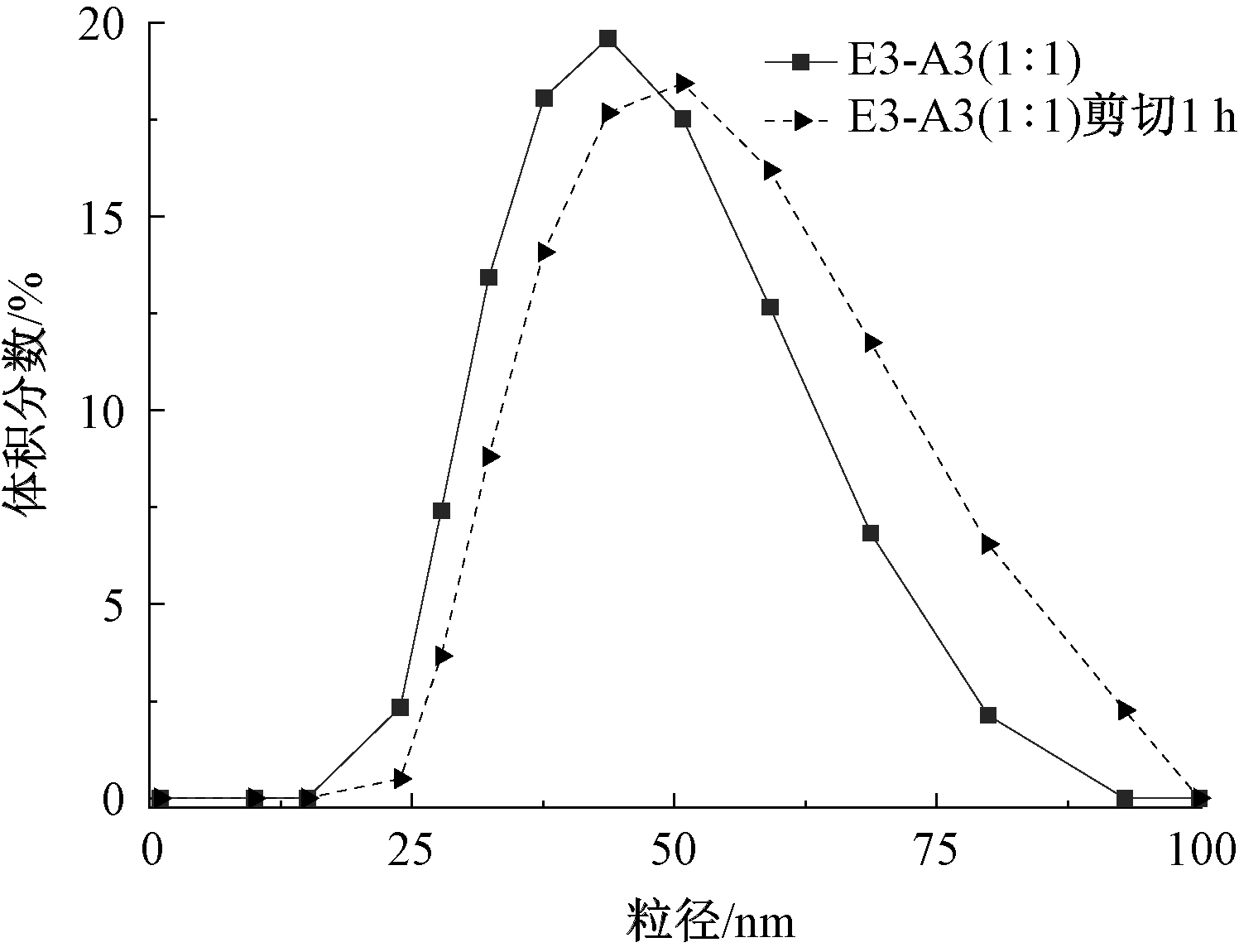
针对纺织品弹性整理的市场需求,以及现有弹性聚氨酯改性有机硅体系存在的组分相容性差、使用性能不稳定等问题,提出一种基于乳液聚合、复配和后交联技术制备弹性有机硅乳液的新策略:首先以八甲基环四硅氧烷(D4)为单体,分别与含环氧基、氨基的硅烷偶联剂进行共聚,制备得到环氧官能化、氨基官能化2种有机硅乳液;将二者复配后应用于织物定形后整理,在织物热定形过程中,乳液中的环氧基与氨基发生跨粒子固化反应,形成三维交联网络,赋予织物良好弹性。采用红外光谱分析和差示扫描量热法,系统研究了复配比例、固化温度对交联反应的影响,优化了乳液复配组成;共聚时,将三乙氧基氨基偶联剂替换为二甲氧基结构后,有效降低了氨基硅油链的交联密度,复配乳液的交联反应峰顶温度降低30 ℃,据此构建了适配织物低温定形的弹性有机硅整理剂。结果表明,所得复配乳液在50 ℃贮存48 h及高剪切条件下仍保持优良的化学和分散稳定性;经该乳液整理后,涤纶织物的总弹性回复角较整理前提升45°。

关键词: 乳液聚合, 弹性有机硅乳液, 氨基硅油, 环氧硅油, 乳液成膜, 后交联反应, 有机硅整理剂

Abstract:

Objective In order to address the market demand for elastic textile finishing and to overcome the instability and performance limitations of polyurethane-silicone hybrid systems, a novel strategy is proposed based on emulsion polymerization, blending, and post-crosslinking to prepare elastic silicone oil emulsions, aiming to develop a stable, effective elastic silicone finishing agent that is capable of providing elasticity for textiles.

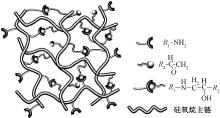
Method Within the emulsion system, octamethylcyclotetrasiloxane (D4) is copolymerized with coupling agents containing epoxy and amino groups, respectively, yielding two types of organosilicon emulsions functionalized with epoxy and amino groups. These two emulsions are then blended and applied to fabric finishing. During the curing stage, the epoxy and amino groups in the emulsion undergo interparticle crosslinking reactions, forming a three-dimensional network that imparts the fabric with elastic handling. The influences of blending ratio and curing temperature on the post-crosslinking reaction were systematically investigated using infrared spectroscopy and differential scanning calorimetry, intending to optimize the emulsion blend composition.

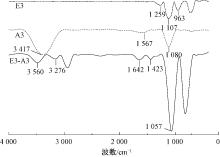
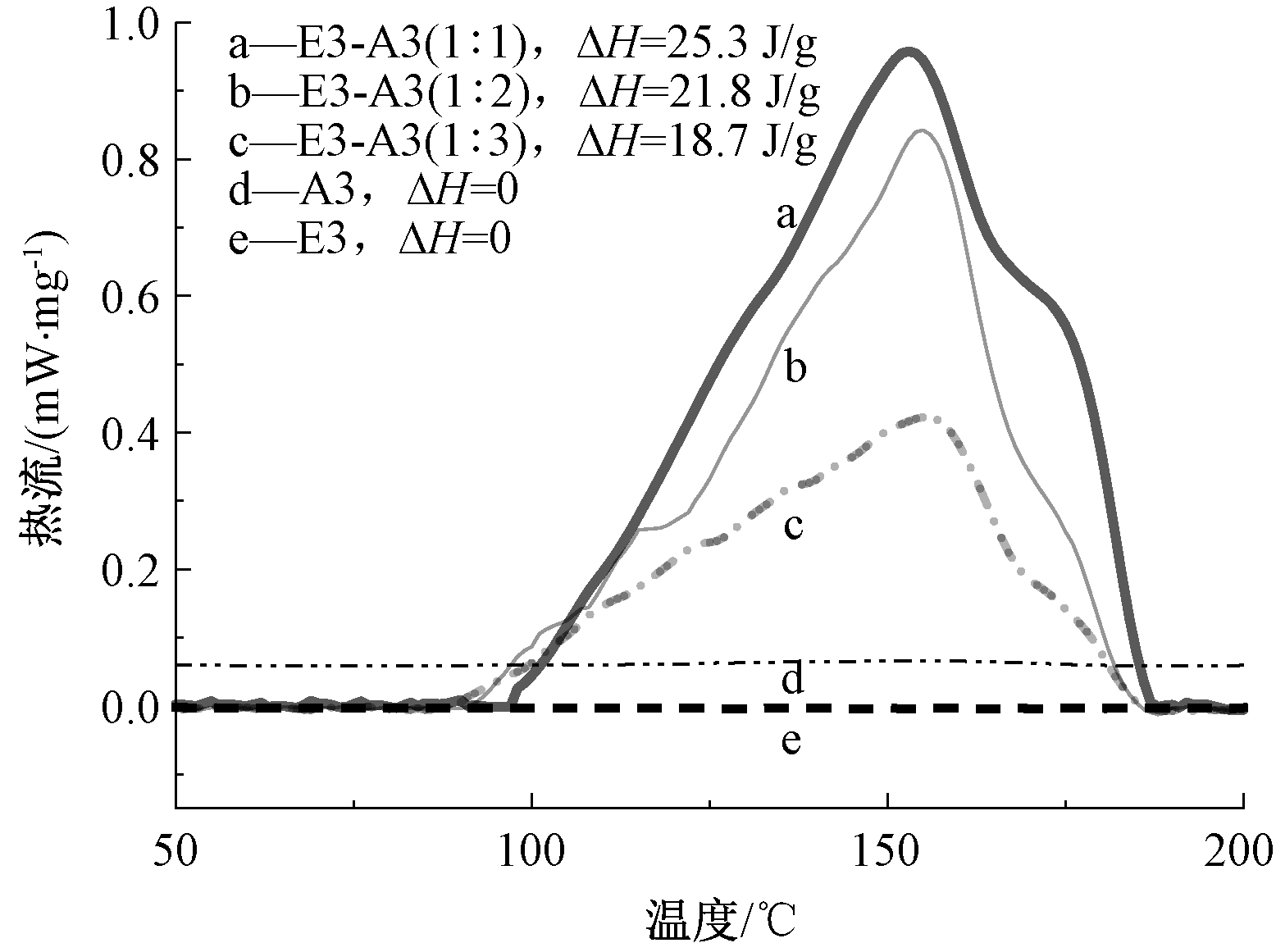
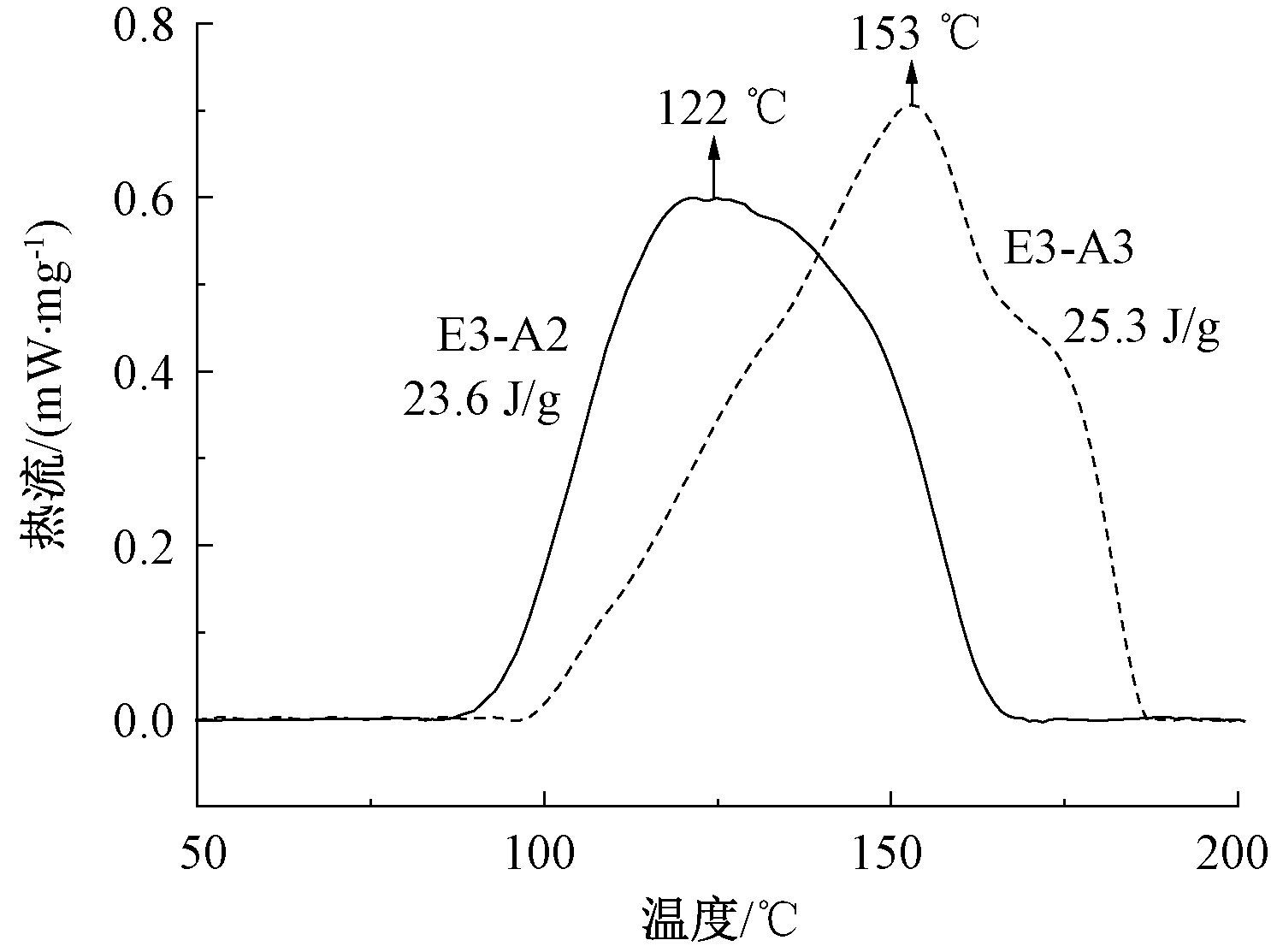
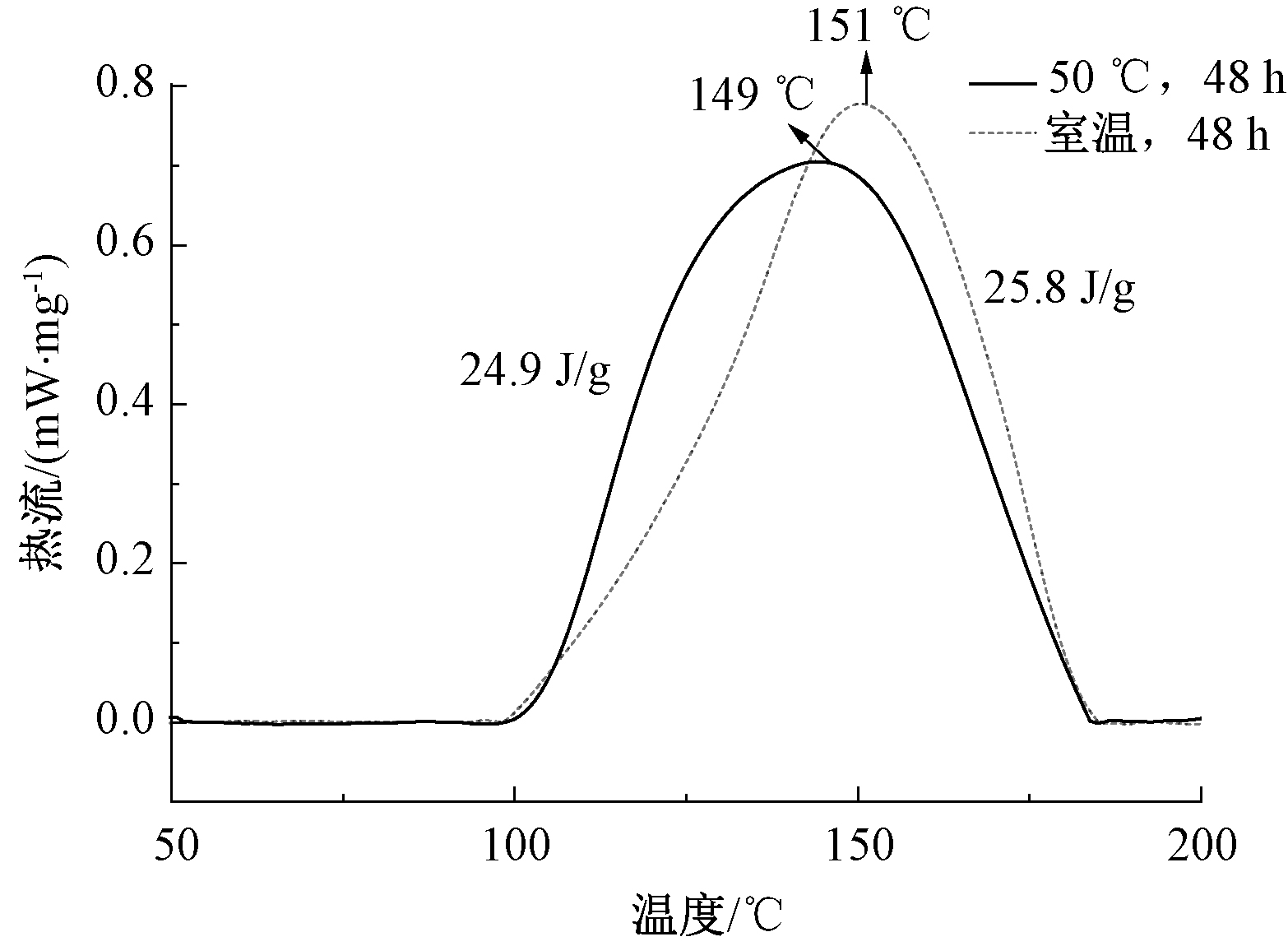
Results When the triethoxy groups of the amino coupling agent were replaced with dimethoxy groups during emulsion copolymerization, the polysiloxane chains transformed from a crosslinked structure to a linear structure, reducing the crosslinking temperature peak of the blended emulsion by 30 ℃. This enabled the development of a low-temperature crosslinking solution. Fourier transform infrared spectroscopy (FT-IR) analysis confirmed the successful ring-opening reaction between amino and epoxy groups of the emulsion blends during the high-temperature film formation process. Differential scanning calorimetry (DSC) results showed that the maximum crosslinking enthalpy was 25.3 J/g at the mass ratio of E3 to A3 of 1∶1, corresponding to an equimolar functional group ratio of amino and epoxy groups. The crosslinking reaction was sensitive to the curing temperature as well as chain structure. The increase of curing temperature from 120 ℃ to 180 ℃ led to the extent of reaction growing from 24.3% to 93.5%, as a result of enhanced polymer chain diffusion among particles at high temperature. The replacement of crosslinked chain structure amino silicone with linear one resulted in a 30 ℃ decrease in the reaction peak temperature, which benefits the finishing of heat-sensitive fabrics like nylon. The amino-epoxy blended emulsion also showed excellent chemical and disperse stability. The blend emulsion with a 1∶1 mixing was applied to finish polyester fabric, endowing a 45°increment of the elastic recovery angle to the finished fabric.

Conclusion Amino and epoxy functionalized silicone emulsion were successfully prepared by emulsion copolymerization of D4 with amino and epoxy coupling agents. The high efficiency curing reaction between amino and epoxy functionalities occurred during the film formation process of the blend latex at an increased temperature of 180 ℃. The reactivity of the blend emulsion was successfully maneuvered by blending ratio as well as chain structure of amino silicon emulsion. The measurement of reaction enthalpy indicated that the maximum value was achieved at 1∶1 blending ratio. Compared to the blend emulsion engaging amino silicon with crosslinked chain structure, the one blended with a linear chain structured amino silicon exhibited a significant decrease in the curing reaction temperature. The blend emulsion had excellent chemical and shear stability. All the above findings indicated the blend emulsion was applicable for fabric elastic finishing, which was further confirmed by the significant improvement in polyester fabric elastic recovery angle. In conclusion, a new and stable platform was demonstrated for developing high-performance silicone-based finishing agents showing elastic handling.

Key words: emulsion polymerization, elastic silicone emulsion, amino silicone oil, epoxy silicone oil, latex film formation, post-crosslinking reaction, silicone finishing agent

中图分类号: 

  • TS195.2

图1

E3、A3和E3-A3复配乳液烘干样的FT-IR谱图"

图2

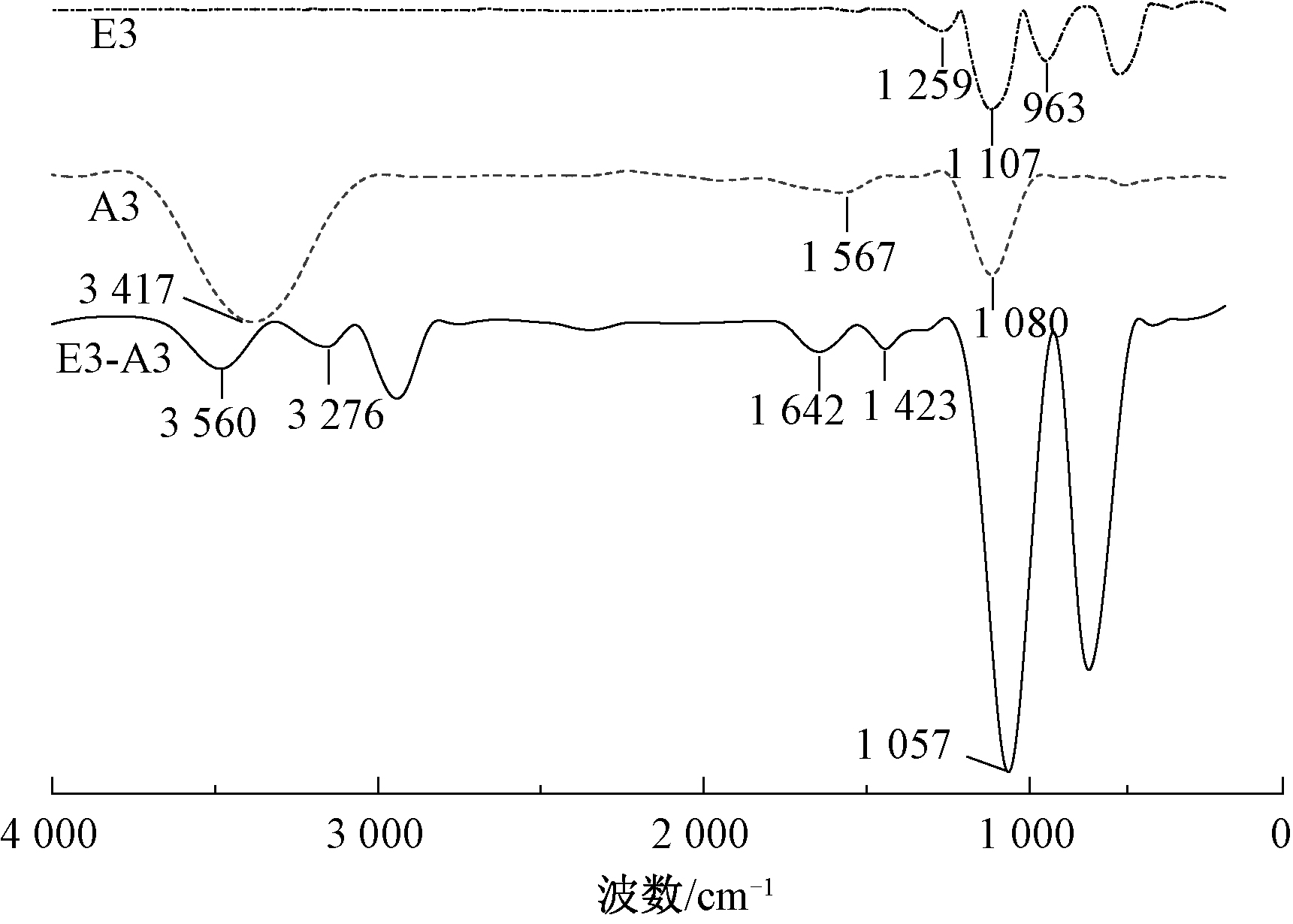
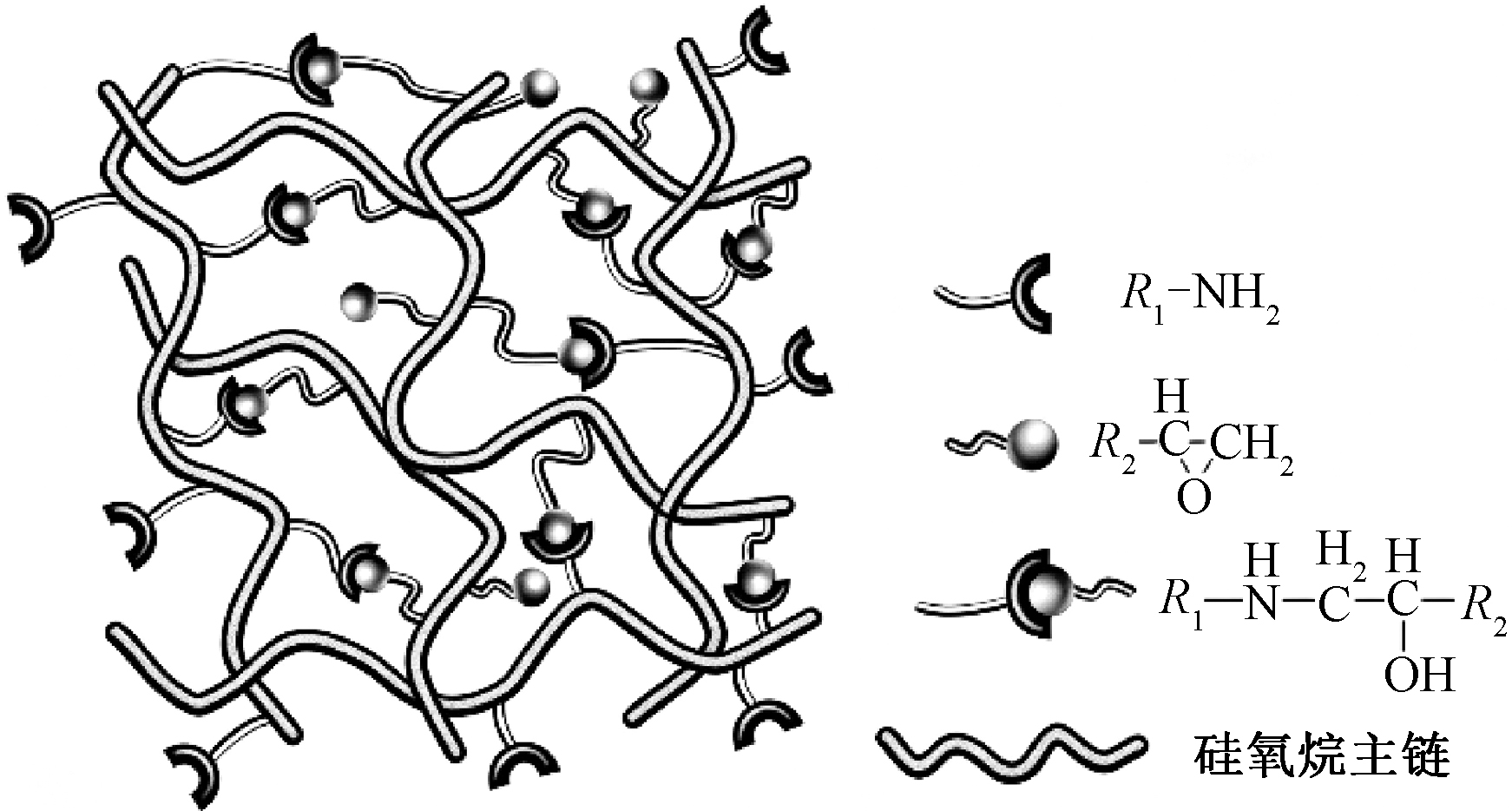
E3-A3复配乳胶膜内交联网络示意图"

图3

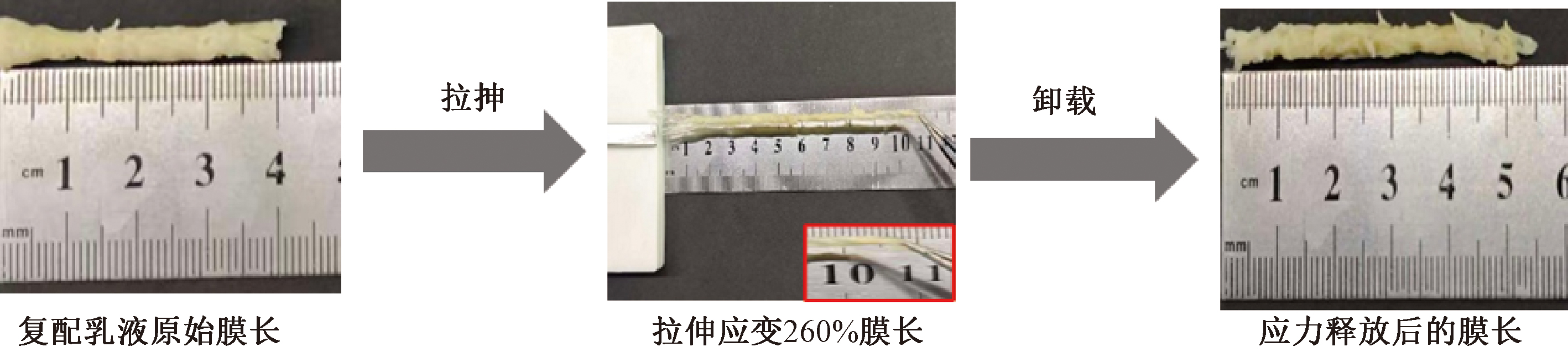
E3-A3复配乳液膜及膜拉伸和应力释放后的照片"

图4

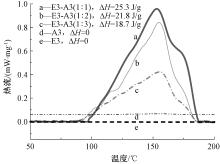
E3与A3质量比对复配乳液反应焓的影响"

图5

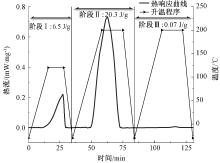
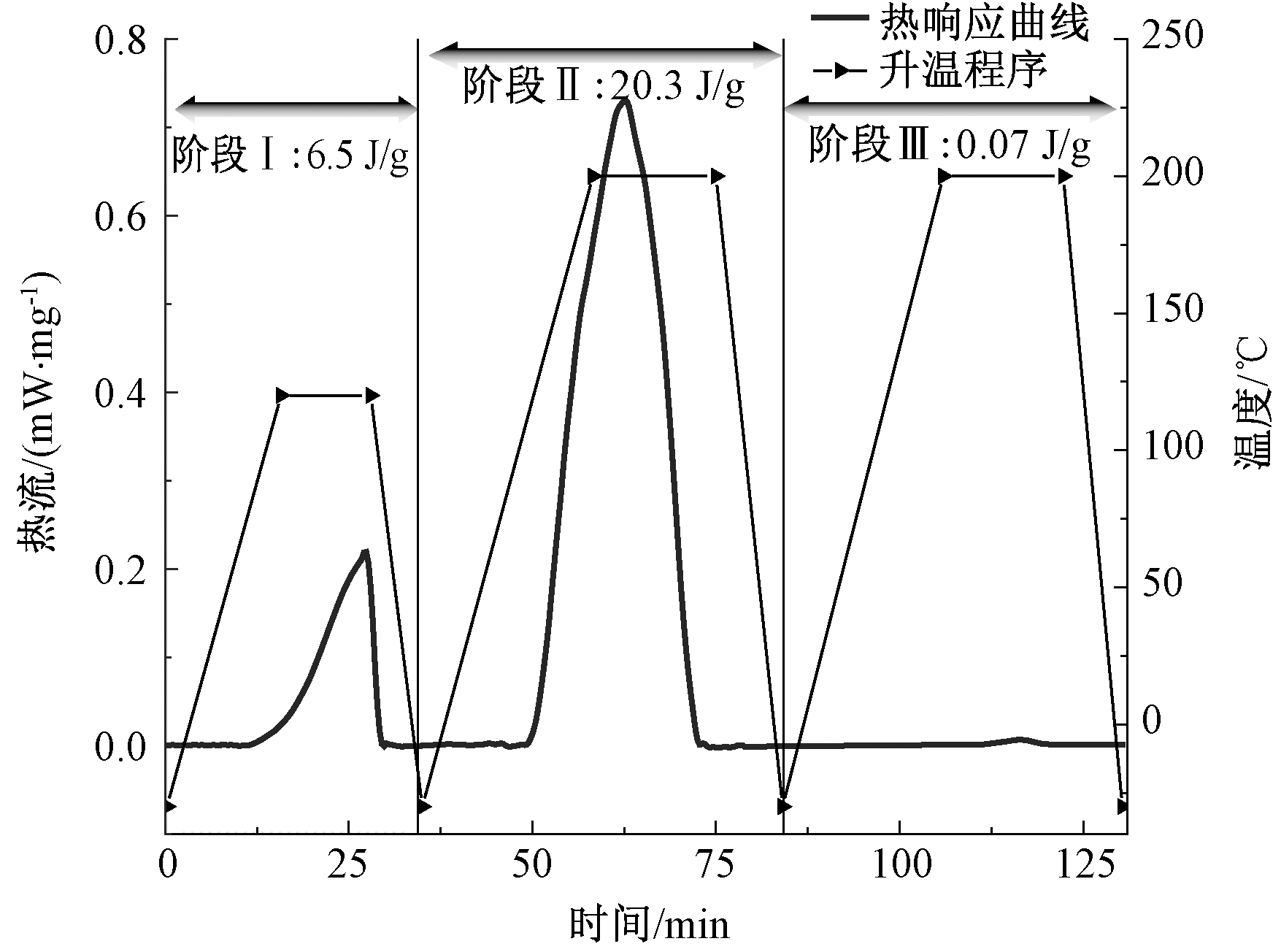
Tmax为120 ℃时的E3-A3(1∶1)三阶段固化反应热升温曲线"

图6

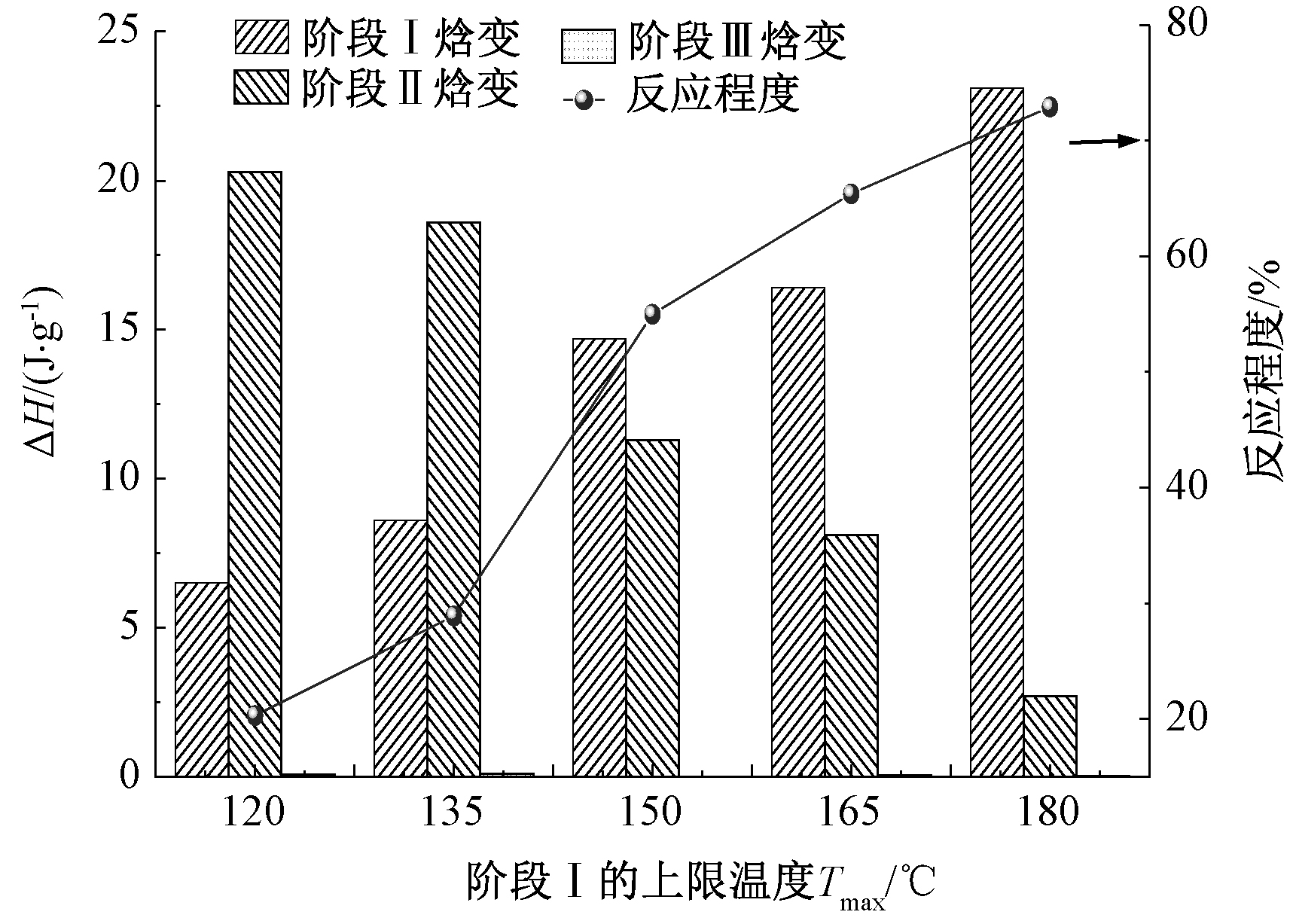
阶段Ι的Tmax对三阶段升温过程焓变及环氧基与氨基反应程度的影响"

图7

氨基硅油链结构对复配乳液反应的影响"

图8

温度对E3-A3复配乳液反应活性的影响"

图9

E3-A3(1∶1)复配乳液剪切前后的粒径分布图"

图10

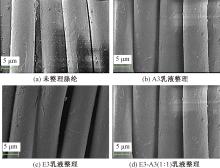
涤纶织物表面形貌"

表1

乳液组成对整理织物弹性回复角的影响"

整理工作
液组成
回复角/(°)
急弹 缓弹 总回复
未整理 115 139 254
E3 127 141 268
A3 120 137 257
E3-A3(1∶1) 143 156 299
E3-A3(1∶2) 137 152 289
E3-A3(1∶3) 130 147 277
[1] 沈萍萍, 冯钦邦, 吴利民, 等. 甲基硅油乳液的制备研究[J]. 有机硅材料, 2017, 31(2): 107-110.
SHEN Pingping, FENG Qinbang, WU Limin, et al. Preparation of methyl silicone oil emulsion[J]. Silicone Material, 2017, 31(2): 107-110.
[2] 权衡, 钱赛龙, 刘诗楠, 等. 非线性阳离子聚氨酯改性有机硅柔软剂的制备及其应用性能[J]. 纺织学报, 2024, 45(5): 121-128.
QUAN Heng, QIAN Sailong, LIU Shinan, et al. Preparation and application performance of nonlinear cationic polyurethane modified silicone softener[J]. Journal of Textile Research, 2024, 45(5): 121-128.
[3] 王豫, 危想平, 蒲一菲, 等. 氨基改性有机硅微乳液合成研究[J]. 山东化工, 2022, 51(4): 1-2, 6.
WANG Yu, WEI Xiangping, PU Yifei, et al. Synthesis of amino modified organosilicon microemulsion[J]. Shandong Chemical Industry, 2022, 51(4): 1-2, 6.
[4] 权衡, 任敬之, 陈文龙, 等. 有机硅及其共混物在锦纶/氨纶织物上的迁移与分布[J]. 纺织学报, 2022, 43(6): 115-120.
QUAN Heng, REN Jingzhi, CHEN Wenlong, et al. Migration and distribution of organic silicon and its blends on polyamide/polyurethane fabrics[J]. Journal of Textile Research, 2022, 43(6): 115-120.
doi: 10.1177/004051757304300209
[5] APREM A S, JOSEPH K, THOMAS S. Recent developments in crosslinking of elastomers[J]. Rubber Chemistry and Technology, 2005, 78(3): 458-488.
doi: 10.5254/1.3547892
[6] 罗正鸿, 詹晓力, 陈丰秋, 等. 阴离子本体共聚合成氨基硅油的研究[J]. 功能高分子学报, 2002, 15(1): 63-66.
LUO Zhenghong, ZHAN Xiaoli, CHEN Fengqiu, et al. Anion-bulk copolymerization role of octamethylcy-clotetrasiloxane and amio-silicone monomer[J]. Journal of Functional Polymers, 2002, 15(1): 63-66.
[7] TAKEUCHI T, HARA T, HASEGAWA Y, et al. Silicone oil/water Pickering emulsions with surface-hydrophobized cellulose nanofibers formed via in situ homogenization with amino-silicone[J]. ACS Applied Polymer Materials, 2024, 6(14): 8150-8158.
doi: 10.1021/acsapm.4c01033
[8] 潘科学, 梁广强, 钟炜洪, 等. 改性氨基硅油乳液的制备及性能研究[J]. 有机硅材料, 2023, 37(4): 11-15.
PAN Kexue, LIANG Guangqiang, ZHONG Weihong, et al. Preparation and properties of modified amino silicone oil emulsion[J]. Silicone Material, 2023, 37(4): 11-15.
[9] MORA A S, TAYOUO R, BOUTEVIN B, et al. A perspective approach on the amine reactivity and the hydrogen bonds effect on epoxy-amine systems[J]. European Polymer Journal, 2020, 123: 109460.
doi: 10.1016/j.eurpolymj.2019.109460
[10] STEWARD P A, HEARN J, WILKINSON M C. An overview of polymer latex film formation and properties[J]. Advances in Colloid and Interface Science, 2000, 86(3): 195-267.
pmid: 10997764
[11] HUANG Y C, WANG L T, HSU S W, et al. Amphiphilic thermoresponsive poly(hydroxyamino-ethers) as effective emulsifiers for preparation of waterborne epoxy resins[J]. Macromolecular Materials and Engineering, 2022, 307(2): 2100668.
doi: 10.1002/mame.v307.2
[1] 蔡丽云, 欧阳承辉, 黄泽洋, 王成成, 关玉, 付少海, 张丽平. 彩色乳胶粒的制备及其在涤纶/棉混纺织物印花中的应用[J]. 纺织学报, 2025, 46(10): 135-142.
[2] 柯文涛, 陈明, 郑淳天, 石小丽, 朱新生. 石蜡Pickering乳液及其微胶囊相变非织造材料的制备与性能[J]. 纺织学报, 2024, 45(07): 130-139.
[3] 刘欣宇, 李剑浩, 王震, 沈军炎, 杨雷. 复合型无氟聚丙烯酸酯乳液的制备及其防水性能[J]. 纺织学报, 2023, 44(04): 124-131.
[4] 梅敏, 钱建华, 周榆凯, 杨晶晶. 纳米SiO2/含氟硅防水透湿整理剂的制备及其应用[J]. 纺织学报, 2022, 43(12): 118-124.
[5] 张典典, 于梦楠, 李敏, 刘明明, 付少海. 基于聚合物微球接枝硅油的超滑棉织物制备及其防污性能[J]. 纺织学报, 2022, 43(10): 119-125.
[6] 蔡露, 康佳良, 吕存, 何雪梅. 自交联氟化聚丙烯酸酯乳液的制备及其应用性能[J]. 纺织学报, 2021, 42(02): 161-167.
[7] 盛明非, 张丽平, 付少海. 基于染料掺杂型液晶微胶囊的电刺激响应智能纺织品的制备及其性能[J]. 纺织学报, 2020, 41(08): 63-68.
[8] 张治斌, 李刚, 毛森贤, 厉巽巽, 陈玉霜, 毛青山, 李翼, 潘志娟, 王晓沁. 丝素蛋白/壳聚糖微球制备及其抗菌性能[J]. 纺织学报, 2019, 40(10): 7-12.
[9] 项伟, 杨宏林, 全琼瑛. 聚丙烯酸酯/罗丹明B复合乳胶的细乳液聚合制备及其应用[J]. 纺织学报, 2019, 40(09): 122-127.
[10] 徐成书, 吴梦婷, 任燕, 邢建伟, 蔡再生, 欧阳磊. 线性聚醚嵌段氨基硅油的制备及其性能[J]. 纺织学报, 2019, 40(08): 89-94.
[11] 徐成书 同晓妮 蔡再生 陈前维 邢建伟 任燕. 线性聚醚嵌段氨基硅油改性水性聚氨酯抗起毛起球剂的合成及其应用[J]. 纺织学报, 2018, 39(09): 84-89.
[12] 张权 代雅轩 马梦琴 王清清 魏取福. 光敏抗菌型静电纺丙烯酸甲酯/丙烯酸纳米纤维的制备及其性能表征[J]. 纺织学报, 2017, 38(03): 18-22.
[13] 陈智杰 吴明华 史鹤鹤 曹志海 戚栋明 金黔宏. 涂料印染用自黏性有机颜料亚微胶囊的细乳液法制备[J]. 纺织学报, 2017, 38(03): 91-98.
[14] 刘杰 杜长森 张丽平 李敏 付少海. 阳离子化棉织物的纳米乳胶荧光颜料染色[J]. 纺织学报, 2016, 37(10): 56-61.
[15] 蒋约林 吴金丹 何驹 葛华云 王际平. 氨基硅油整理法在温敏纺织品制备中的应用[J]. 纺织学报, 2015, 36(02): 86-91.
Viewed
Full text


Abstract

Cited

  Shared   
  Discussed   
No Suggested Reading articles found!