纺织学报 ›› 2025, Vol. 46 ›› Issue (03): 123-130.doi: 10.13475/j.fzxb.20240305001

• 染整工程 • 上一篇    下一篇

低共熔溶剂体系中的羊毛靛蓝染料染色

李欢, 孟文俊, 张京, 姜哲, 卫艺敏, 周曼(), 王强   

  1. 江南大学 纺织科学与工程学院, 江苏 无锡 214122
  • 收稿日期:2024-03-22 修回日期:2024-11-12 出版日期:2025-03-15 发布日期:2025-03-15
  • 通讯作者: 周曼(1990—),女,副研究员,博士。主要研究方向为生态染整技术及纺织材料表面改性与功能整理等。E-mail:mzhou@jiangnan.edu.cn
  • 作者简介:李欢(2004—),女,本科生。主要研究方向为生态染整技术。
  • 基金资助:
    国家自然科学基金青年科学基金项目(22109054);浙江省清洁染整技术重点实验室开放项目(QJRZ2211)

Dyeing wool with indigo dye in deep eutectic solvent system

LI Huan, MENG Wenjun, ZHANG Jing, JIANG Zhe, WEI Yimin, ZHOU Man(), WANG Qiang   

  1. College of Textile Science and Engineering, Jiangnan University, Wuxi, Jiangsu 214122, China
  • Received:2024-03-22 Revised:2024-11-12 Published:2025-03-15 Online:2025-03-15

摘要: 针对传统靛蓝染料染色对羊毛纤维损伤大、染色废水碱性大的问题,为实现仿牛仔风格羊毛织物的工业化规模生产,以百里香酚-薄荷醇疏水性低共熔溶剂为染色介质进行羊毛微水体系靛蓝染料染色研究,实现羊毛低强损高效靛蓝染料染色。探究了在低共熔溶剂体系下染色温度、染料用量和浴比对染色效果的影响,优化了染色工艺参数,对比了传统水浴染色效果;分析了百里香酚-薄荷醇对羊毛织物物理和化学性能的影响,并探究了低共熔溶剂的可重复利用性,对染色后羊毛织物上的介质残留进行测试。结果表明:以百里香酚-薄荷醇疏水性低共熔溶剂为染色介质,当染色温度为80 ℃、染料用量为4%(o.w.f)、浴比为1∶20时,羊毛织物靛蓝染色K/S值可达到18.23,耐皂洗色牢度达4~5级;匀染性和透染性较好,对织物的物化性能影响小;染色介质具有良好的可循环使用性能。

关键词: 羊毛, 靛蓝, 微水染色, 低共熔溶剂, 仿牛仔风格, 百里香酚, 薄荷醇

Abstract:

Objective Conventional dyeing with indigo dyes would cause great damage to wool fibers and high alkalinity of dye wastewater. Aiming to achieve industrial scale production of denim-imitating wool fabrics, wool dyeing in micro-water system with indigo dyes is studied by using thymol-menthol hydrophobic deep eutectic solvent (HDES) as the dyeing medium, expecting to achieve high efficiency of indigo dyeing with minimal strength loss.

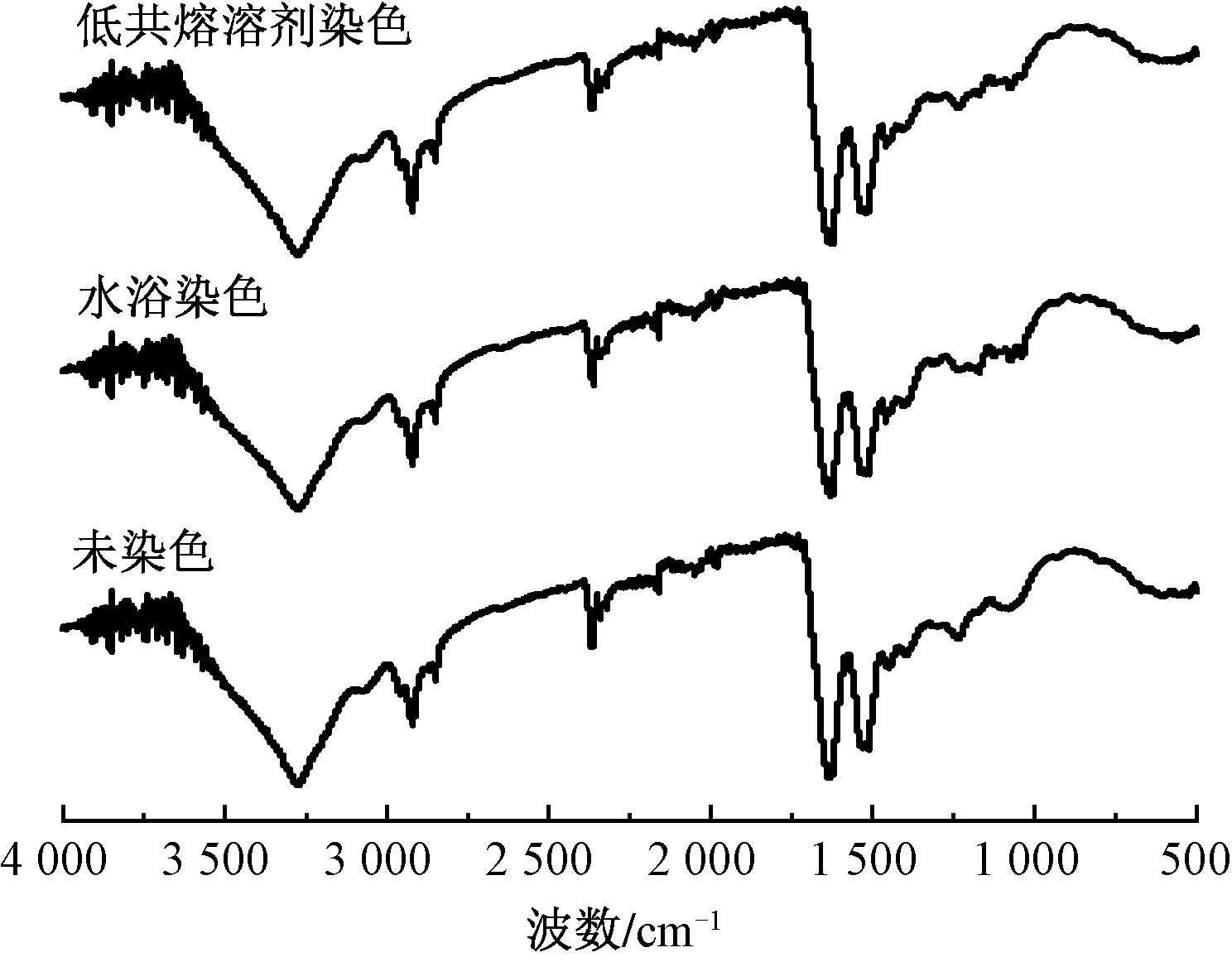
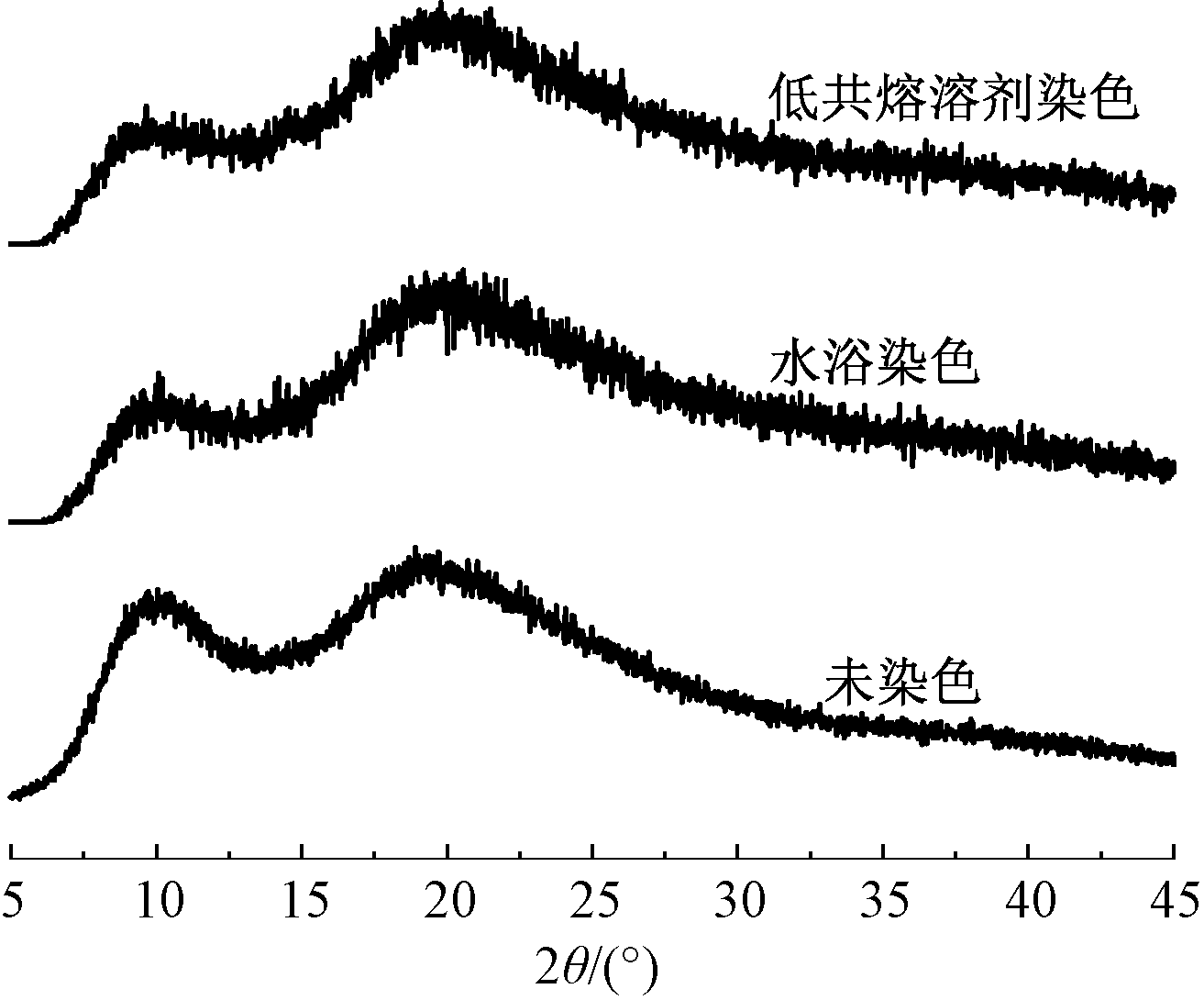
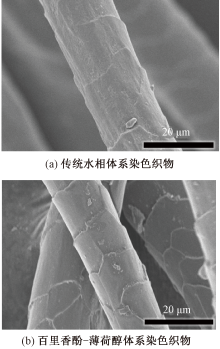
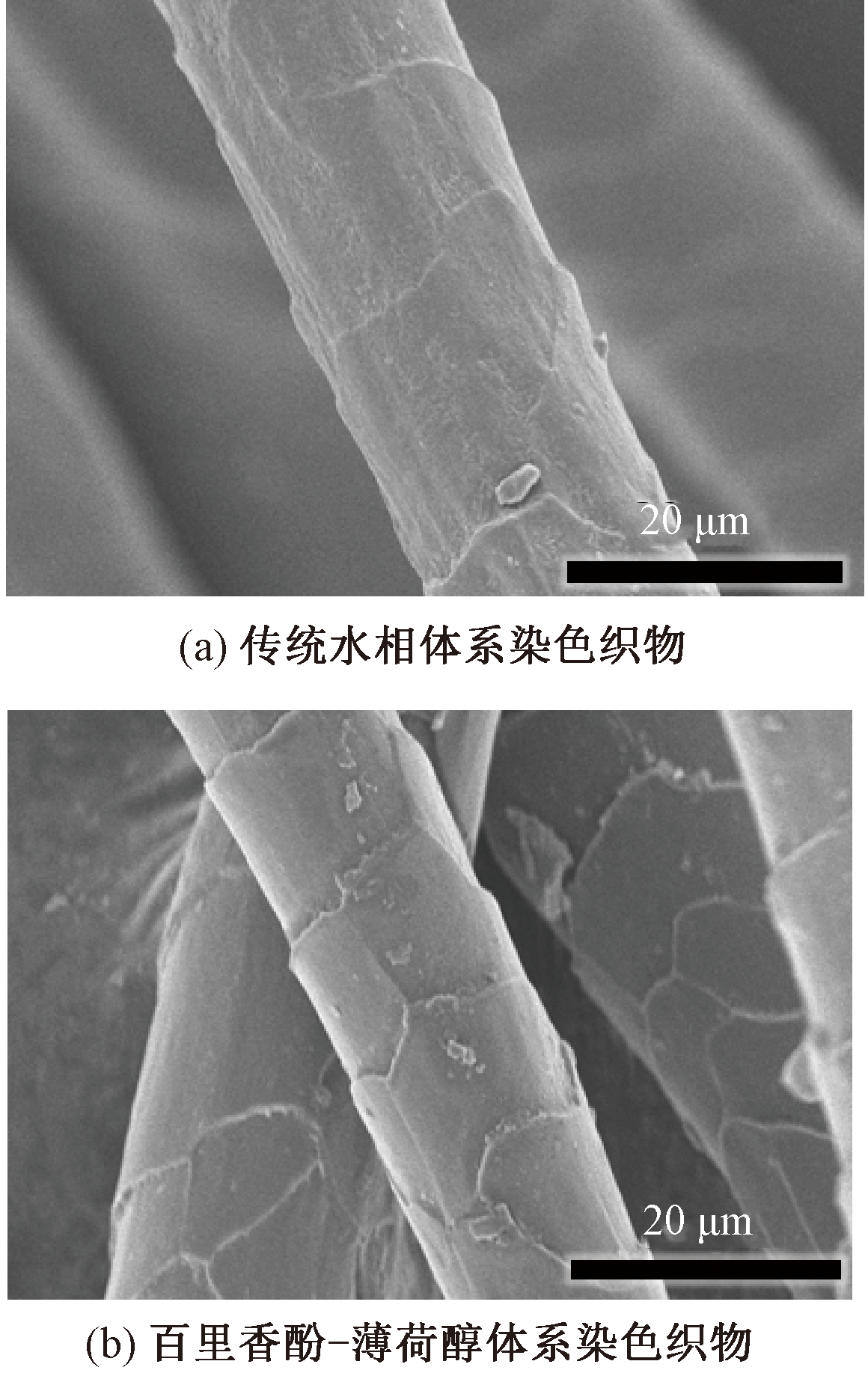
Method The influences of dyeing temperature, dye dosage and bath ratio on dyeing effect of HDES were investigated by using K/S and dyeing rate as indexes. The quality of wool indigo dyeing in HDES was analyzed through evaluations of K/S value, uptake rate, color fastness and dye transmittance. The influence of thymol-menthol on the physical and chemical properties of wool fabrics was investigated using attenuated total reflectance fourier transform infrared spectroscopy, X-ray diffraction and scanning electron microscopy. The mechanical properties and alkali solubility of the dyed wools were explored. The reusability of the HDES was investigated and the medium residue on the dyed wool fabric was measured.

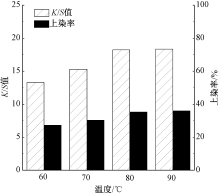
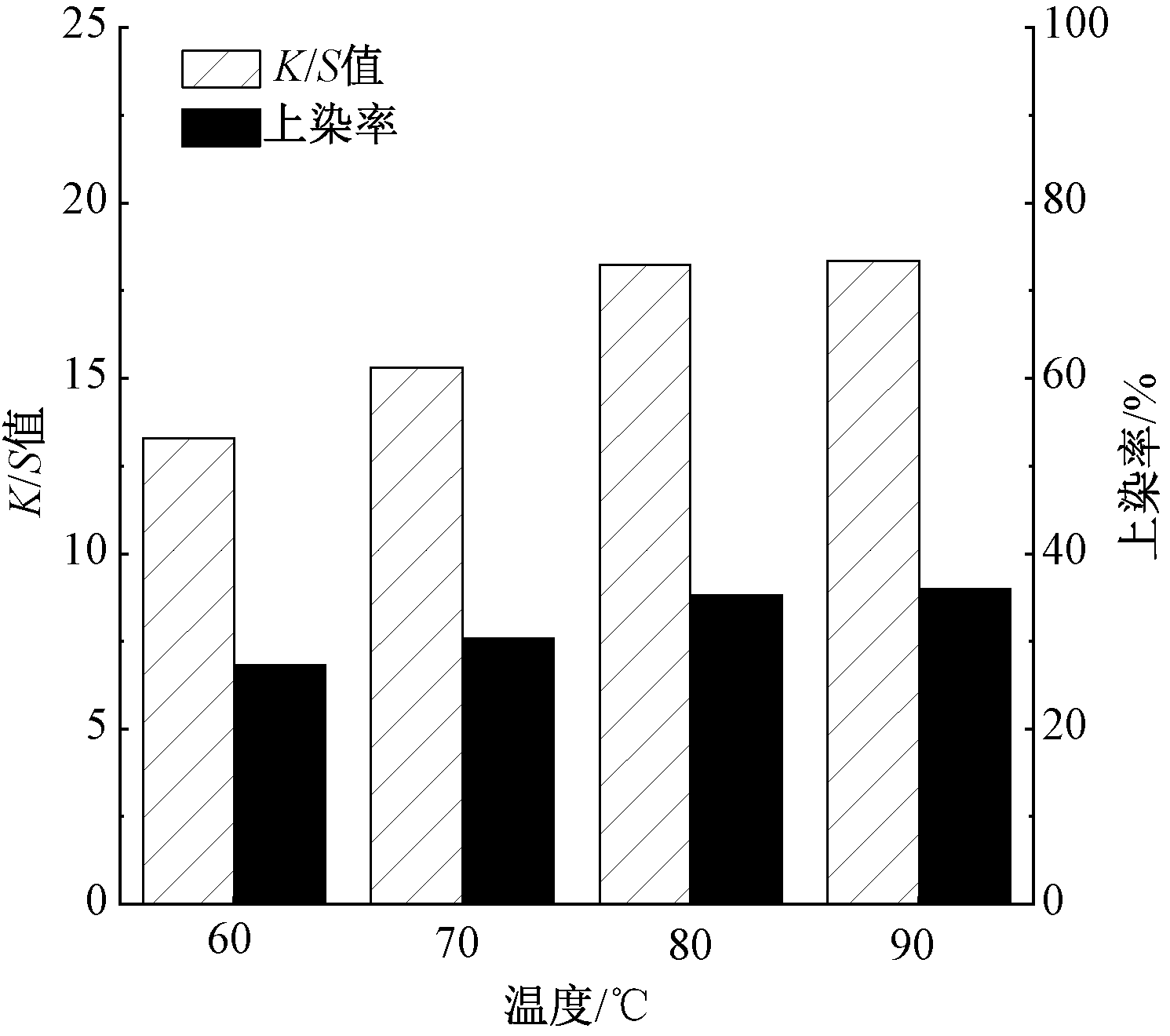
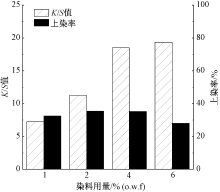
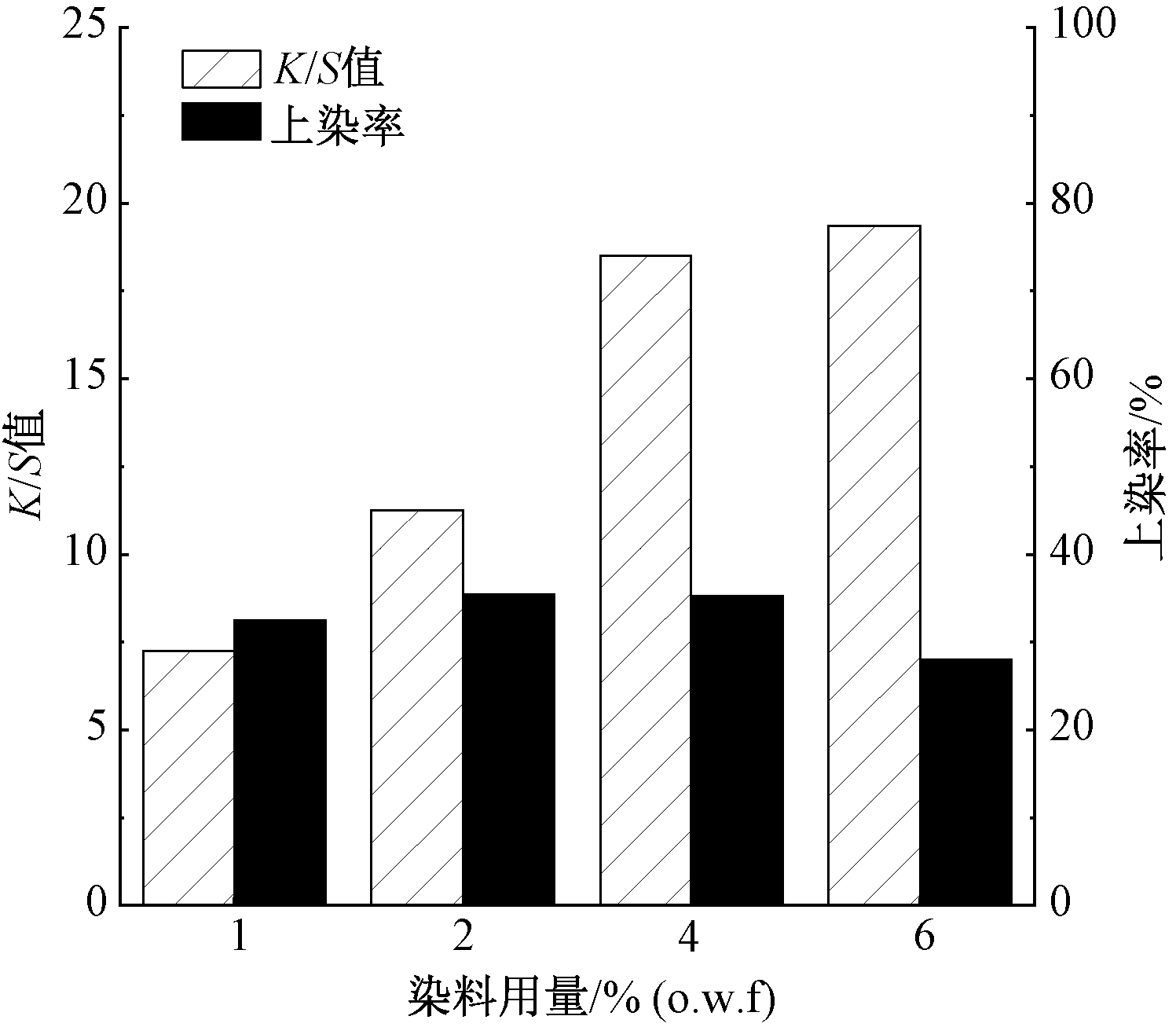
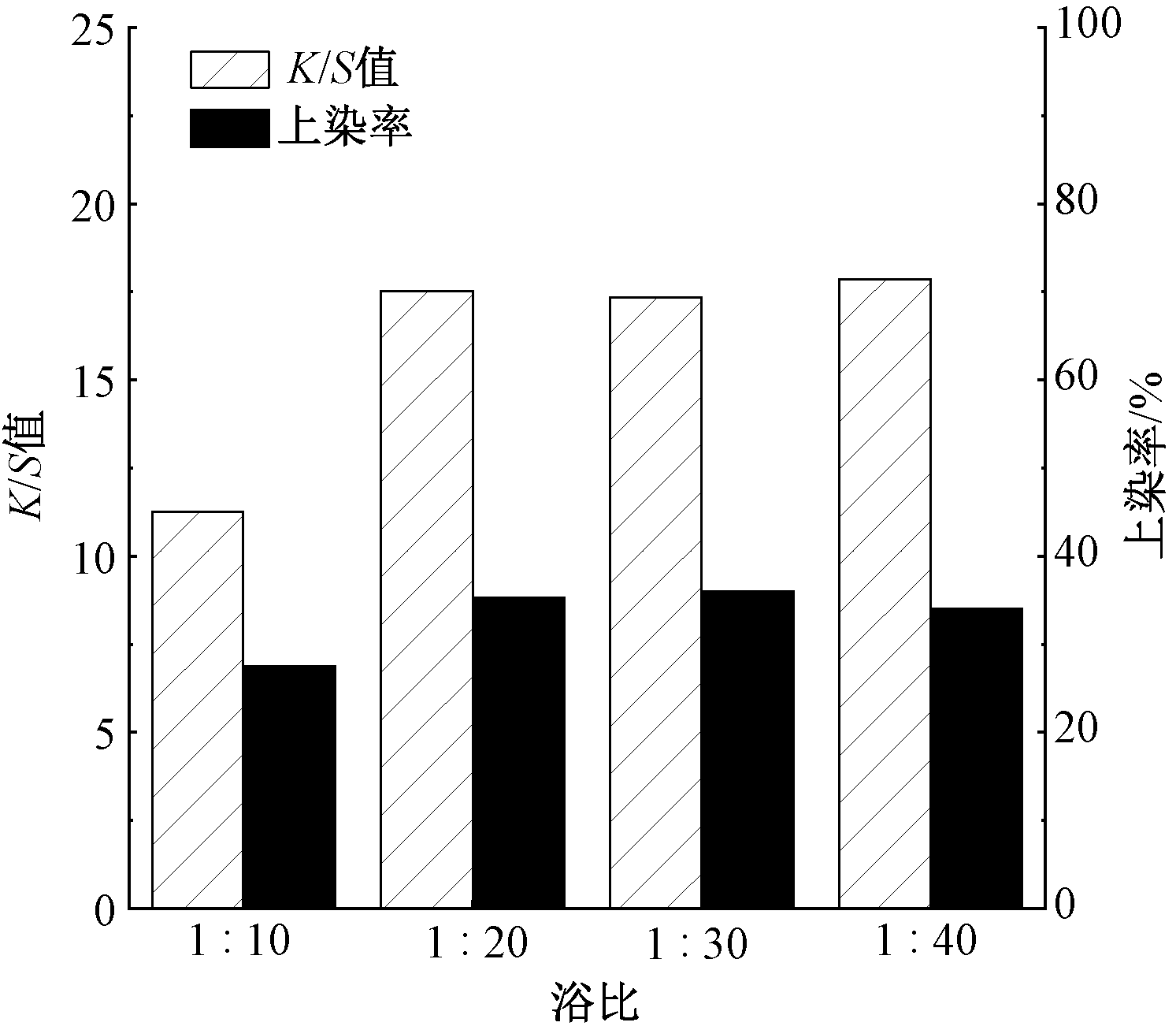
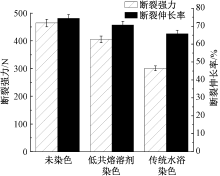
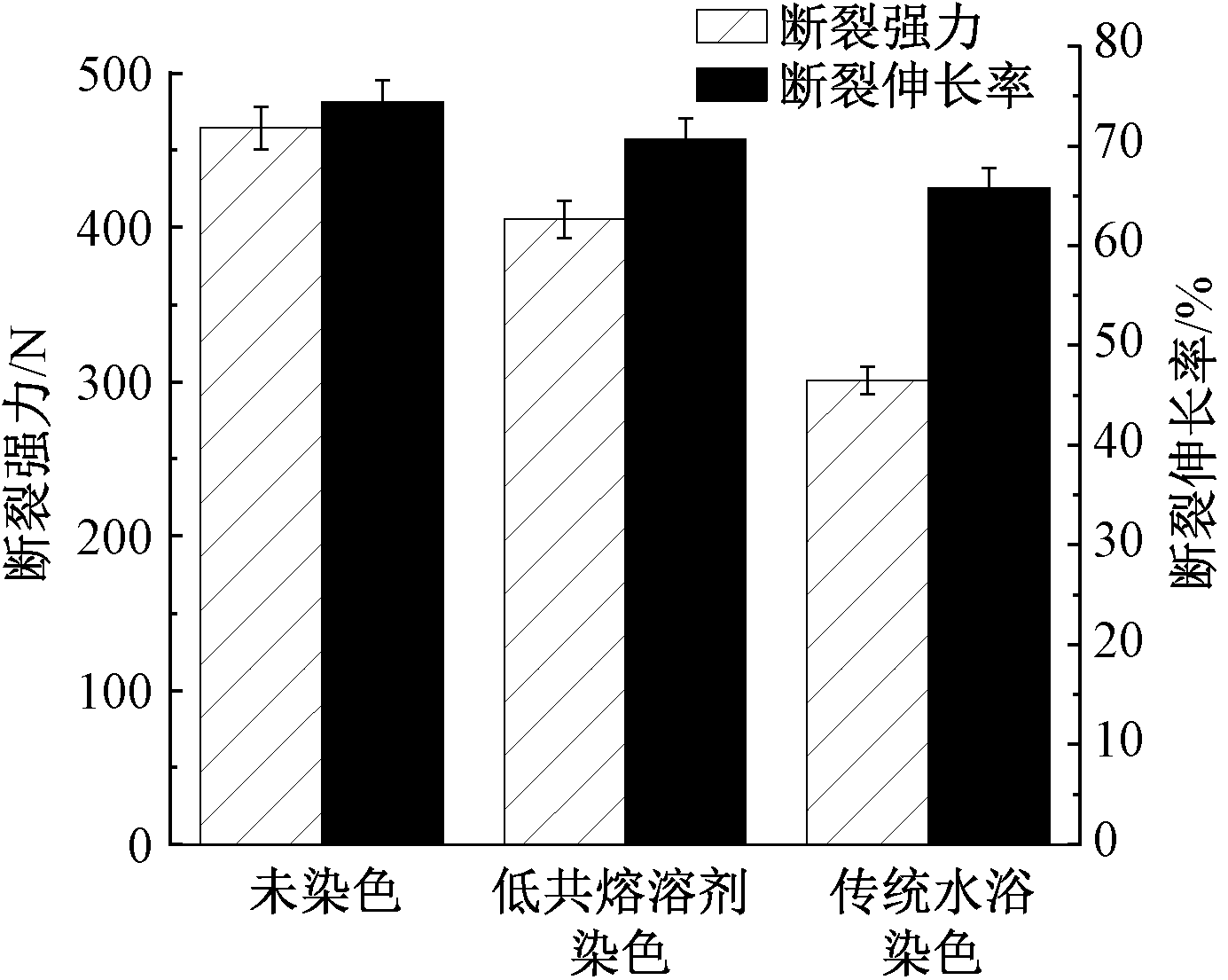
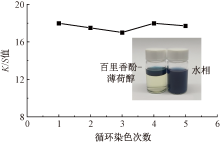
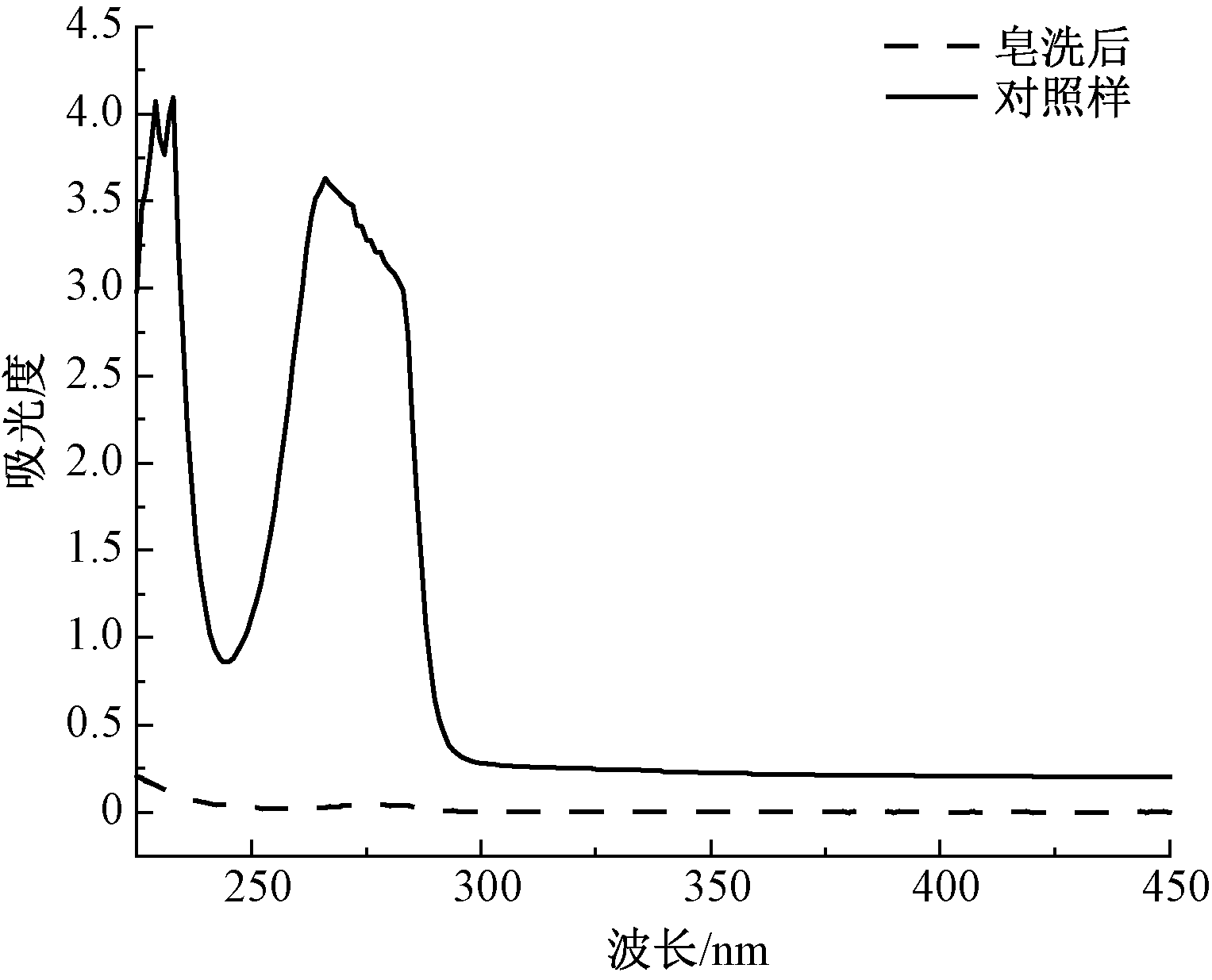
Results Menthol and thymol became homogeneous liquids when being heated and could form hydrophobic deep eutectic solvents. As the dyeing temperature, dye dosage and bath ratio were increased, the K/S value of wool fabrics using the thymol-menthol system also increases. The dyeing temperature of 80 ℃, the dye dosage of 4%, and the bath ratio of 1∶20 were selected as the optimum dyeing conditions. Under the optimum dyeing conditions, the K/S value of indigo dye-dyed wool fabrics reached 18.23. The wool fabrics were dyed thoroughly and evenly to the degree of dyeing required by denim fabrics. The color fastness test of the dyed wool fabrics showed that the color fastness to soaping reached grade 4-5, the color fastness to dry and wet rubbing were grade 3-4 and grade 3, respectively, and the color fastness to light was grade 3-4, which are comparable to the effect of conventional water-phase dyeing. Comparison of the physical and chemical structure of wool fabrics before and after dyeing revealed that the protein macromolecule structure and crystal structure of wool were not seriously affected. Although the breaking strength of dyed wool became lower than that of the original wool, the strength loss was within the acceptable range, and the breaking elongation was similar to that of the original wool fabric. The mechanical properties of dyed wool under the thymol-menthol eutectic solvent system were better than those of dyed wool under the traditional water system. Through a simple separation process, most of the hydrophobic deep eutectic solvent was recovered from the dyeing waste liquid and reused for recycled dyeing. In addition, the residue of thymol-menthol on the wool fabrics after soaping was found extremely low, confirmed by UV-absorption spectroscopy analysis of the ethanol extract.

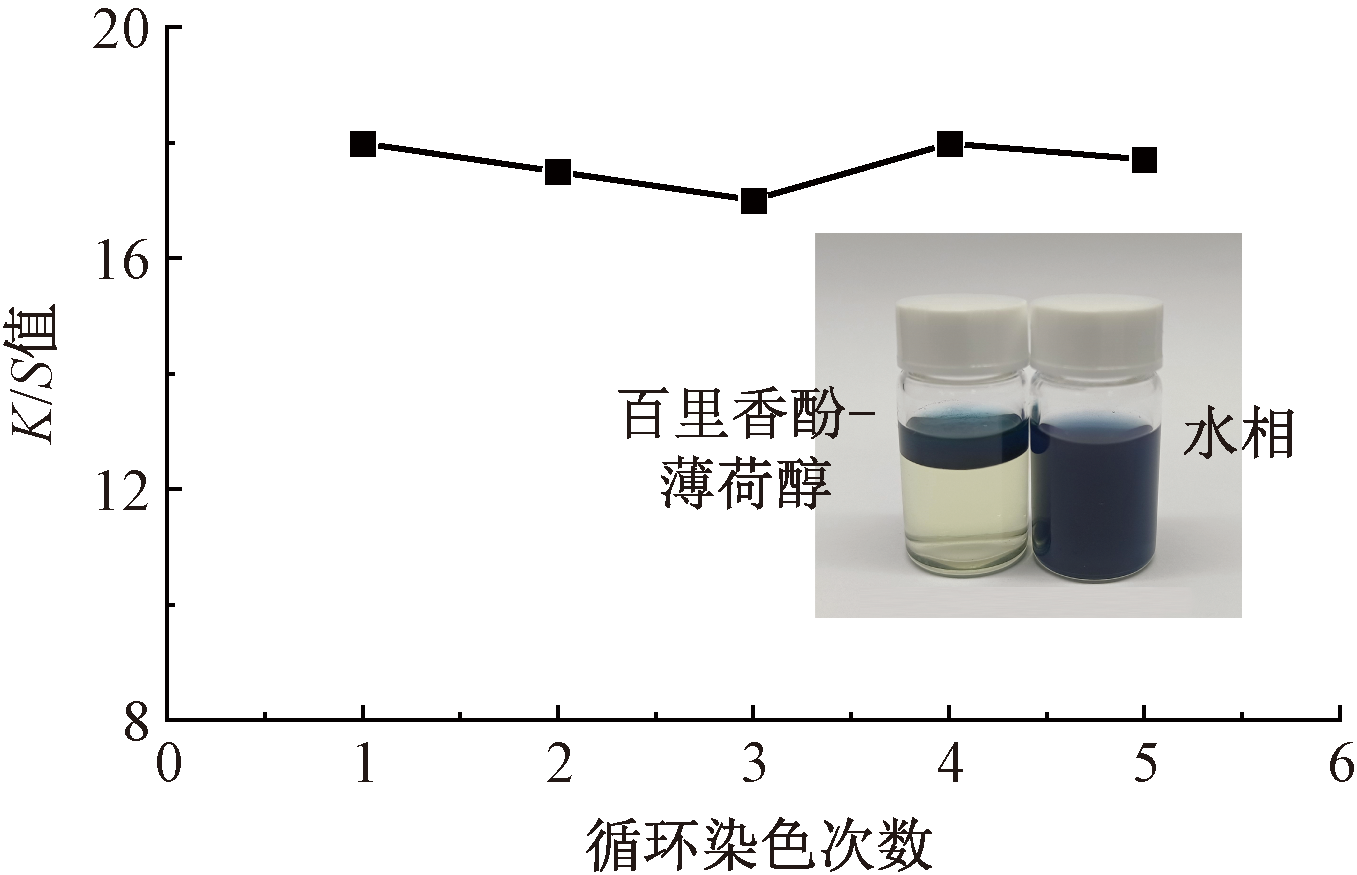
Conclusion In this study, K/S value and uptake rate were adopted as indexes to investigate the influences of dyeing temperature, dye dosage and bath ratio on dyeing effect of the system. The dyeing quality of wool indigo dyeing in HDES was analyzed, and the influences of thymol-menthol on physical and chemical properties of wool fabric were investigated. The following conclusions were made. 1) The dyeing effect of wool is better when the dyeing temperature is 80 ℃, the dye dosage is 4% (o.w.f) and the bath ratio is 1∶20 in HDES. 2) Under the optimum dyeing conditions, the K/S value of wool dyed with indigo dye can reach 18.23, which have a certain dyeability and can achieve the dyeing degree required by denim clothing. The color fastness to soaping, the dry and wet rubbing fastness, and the fastness to sunlight are good. 3) The influence of thymol-menthol medium dyeing on the macromolecular structure, crystal structure, morphology and mechanical characteristics of wool protein are all within an acceptable range. 4) Almost no residue of thymol-menthol medium on wool fabric was found after dyeing and soap washing. After simple separation of dyeing waste liquid, the thymol-menthol medium can be reused.

Key words: wool, indigo, minimal water dyeing, deep eutectic solvent, denim-like style, thymol, menthol

中图分类号: 

  • TS193.5

图1

温度对羊毛织物K/S值和上染率的影响"

图2

染料用量对羊毛织物K/S值和上染率的影响"

图3

浴比对羊毛织物K/S值和上染率的影响"

表1

在水和百里香酚-薄荷醇体系中羊毛织物的染色性能"

染色体系 K/S 匀染性 L* a* b*
28.88 较好 15.63 2.31 -11.48
百里香酚-薄荷醇 18.23 较好 31.07 -2.07 -16.84

图4

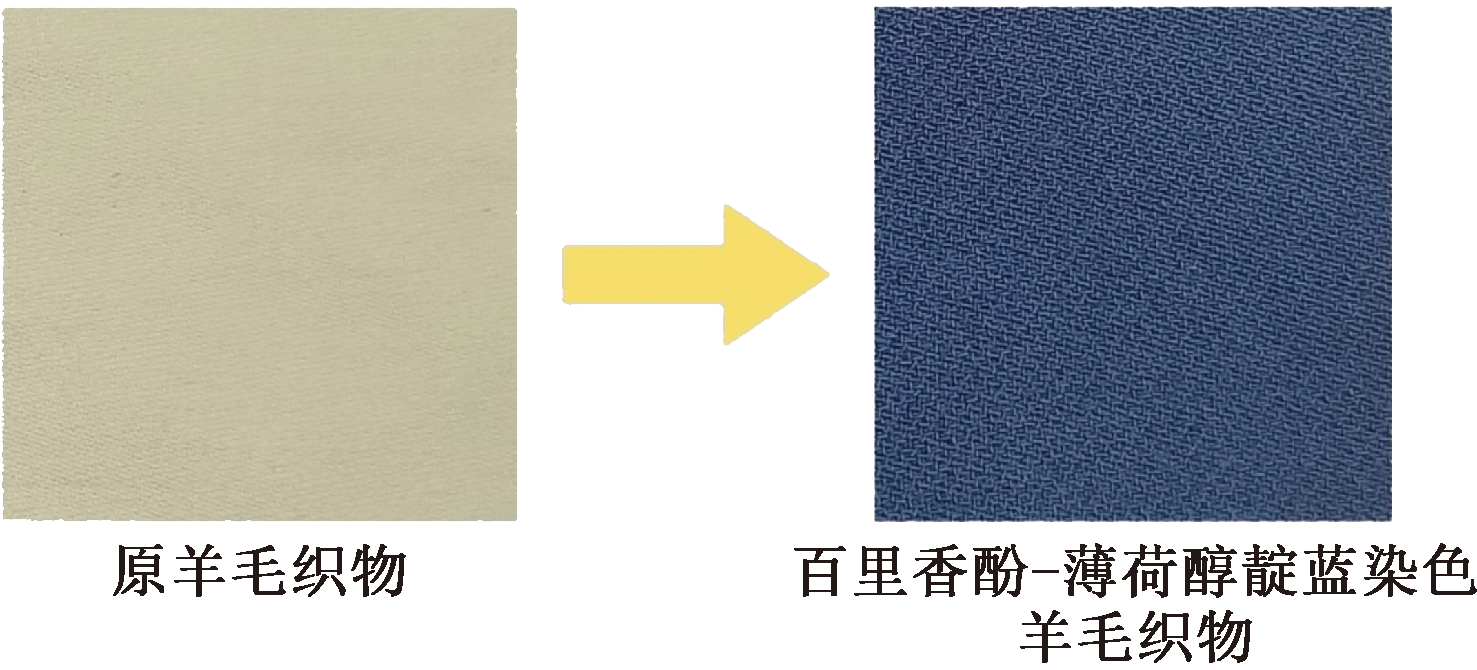
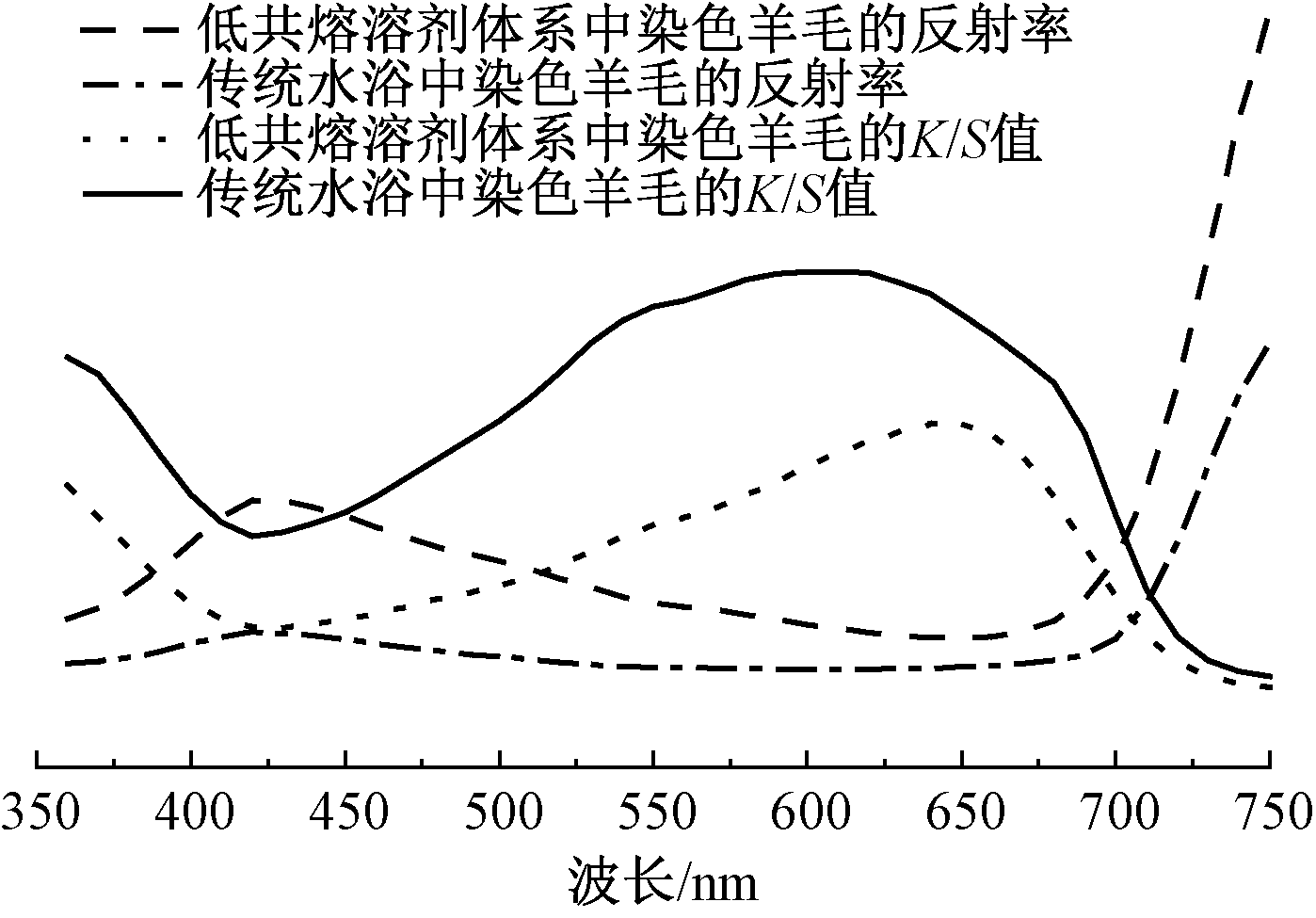
百里香酚-薄荷醇体系靛蓝染色羊毛实物图像"

图5

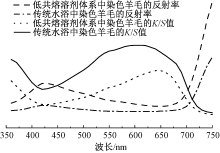
靛蓝染色羊毛织物的反射率和K/S值曲线"

表2

水和百里香酚-薄荷醇体系中染色羊毛织物的色牢度"

染色体系 耐皂洗色
牢度
耐摩擦色牢度 耐光色
牢度
湿
4~5 2~3 2 3
百里香酚-薄荷醇 4~5 3~4 3 3~4

图6

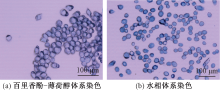
染色羊毛横截面超景深显微镜照片"

图7

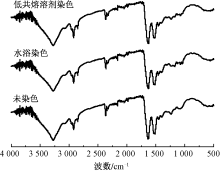
羊毛织物的红外光谱图"

图8

羊毛织物的XRD谱图"

图9

染色羊毛织物的电镜照片"

图10

羊毛织物的拉伸性能"

图11

每个染色循环后羊毛织物的K/S值"

图12

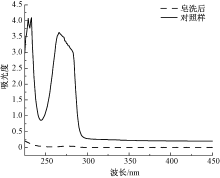
百里香酚-薄荷醇乙醇溶液、皂洗后羊毛织物的乙醇提取液的紫外可见吸收光谱图"

[1] ZHENG Huanda, ZHANG Juan, ZHENG Laijiu. Optimization of an ecofriendly dyeing process in an industrialized supercritical carbon dioxide unit for acrylic fibers[J]. Textile Research Journal, 2016, 7(18): 1-10.
[2] ABBOTT A P, BOOTHBY D, CAPPER G, et al. Deep eutectic solvents formed between choline chloride and carboxylic acids: versatile alternatives to ionic liquids[J]. Journal of the American Chemical Society, 2004, 126(29): 9142-9147.
doi: 10.1021/ja048266j pmid: 15264850
[3] SMITH E L, ABBOTT A P, RYDER K S. Deep eutectic solvents (DESs) and their applications[J]. Chemical Reviews, 2014, 114(21):11060-11082.
doi: 10.1021/cr300162p pmid: 25300631
[4] ABO-HAMAD A, HAYYAN M, ALSAADI M A, et al. Potential applications of deep eutectic solvents in nanotechnology[J]. Chemical Engineering Journal, 2015, 273: 551-567.
[5] DAI Y, SPRONSEN J V, WITKAMP G J, et al. Natural deep eutectic solvents as new potential media for green technology[J]. Analytica Chimica Acta, 2013, 766: 61-68.
doi: 10.1016/j.aca.2012.12.019 pmid: 23427801
[6] MBOUS Y P, HAYYAN M, HAYYAN A, et al. Applications of deep eutectic solvents in biotechnology and bioengineering-promises and challenges[J]. Biotechnology Advances, 2017, 35(2): 105-134.
doi: S0734-9750(16)30152-5 pmid: 27923764
[7] OSCH D, ZUBEIR L F, BRUINHORST A, et al. Hydrophobic deep eutectic solvents: water-immiscible extractants[J]. Green Chemistry, 2015, 17(9): 4518-4521.
[8] RIBEIRO B D, FLORINDO C IFF L, et al. Menthol-based eutectic mixtures: hydrophobic low viscosity solvents[J]. Acs Sustainable Chemistry & Engineering, 2015, 3(10): 2469-2477.
[9] DONG Qihui, CAO Jun, WU Rong, et al. Efficient removal of ginkgolic acids from Ginkgo biloba leaves crude extract by using hydrophobic deep eutectic solvents[J]. Industrial Crops & Products, 2021. DOI: 10.1016/J.INDCROP.2021.113462.
[10] RIBEIRO B D, FLORINDO C, IFF L C, et al. Menthol-based eutectic mixtures: hydrophobic low viscosity solvents[J]. Acs Sustainable Chemistry & Engineering, 2015, 3(10): 2469-2477.
[11] QIN H, HU X, WANG J, et al. Overview of acidic deep eutectic solvents on synthesis, properties and applications[J]. Green Energy & Environment, 2020, 5(1): 8-21.
[12] BAHMAN B, SEYED M B, SAEID F. Using an eco-friendly deep eutectic solvent for waterless anti-felting of wool fibers[J]. Journal of Cleaner Production, 2023. DOI: 10.1016/J.JCLEPRO.2022.135732.
[13] 陈静如, 裴刘军, 张红娟, 等. 纺织品非水介质染色技术的研究进展[J]. 丝绸, 2021, 58(12): 54-62.
CHEN Jingru, PEI Liujun, ZHANG Hongjuan, et al. Research progress on non-aqueous medium dyeing technology for textiles[J]. Journal of Silk, 2021, 58(12): 54-62.
[1] 郭庆, 毛阳顺, 任亚杰, 刘济民, 王怀芳, 朱平. 基于漆酶一步催化法的羊毛织物原位染色及阻燃功能化[J]. 纺织学报, 2025, 46(02): 161-169.
[2] 史晶晶, 杨恩龙. 喂入提前量对棉/羊毛段彩纱结构及性能的影响[J]. 纺织学报, 2024, 45(12): 67-73.
[3] 王乐, 段志欣, 姚金波, 刘建勇, 卢建军. 基于底物激活的蛋白酶法羊毛地毯生态丝光处理[J]. 纺织学报, 2024, 45(09): 129-136.
[4] 尹祥, 朱恩清, 杨静, 杨海艳, 王大伟, 石纯, 史正军. 可纺性竹原纤维的脱胶工艺及其性能[J]. 纺织学报, 2024, 45(09): 106-112.
[5] 吴涛, 李婕, 鲍劲松, 王新厚, 崔鹏. 羊毛混纺面料生产流程的碳图谱建模与应用[J]. 纺织学报, 2024, 45(09): 97-105.
[6] 董亚琳, 王黎明, 覃小红. 废弃羊毛角蛋白再生工艺及其高值化应用的研究进展[J]. 纺织学报, 2024, 45(07): 213-222.
[7] 向宇, 周爱晖, 王思翔, 季巧, 文馨可, 袁久刚. 基于拉曼光谱的羊毛二硫键及构象含量分析[J]. 纺织学报, 2024, 45(02): 45-51.
[8] 梁志结, 罗正智, 程海兵, 贾维妮, 毛庆辉. 多钒酸盐催化氧化咖啡酸及其对羊毛织物的原位染色性能[J]. 纺织学报, 2023, 44(10): 98-103.
[9] 卜凡, 应丽丽, 李长龙, 王宗乾. 羽绒在乳酸/半胱氨酸低共熔溶剂中的溶解行为及其机制[J]. 纺织学报, 2023, 44(10): 24-30.
[10] 谭启飞, 陈梦莹, 马晟晟, 孙明祥, 代春鹏, 罗仑亭, 陈益人. 湖羊毛非织造阻燃吸声材料的制备及其性能[J]. 纺织学报, 2023, 44(05): 147-154.
[11] 蒋阳, 崔彪, 山传雷, 刘殷, 张艳红, 许长海. 天然染料染色羊毛的色域拓展及颜色预测模型[J]. 纺织学报, 2023, 44(02): 199-206.
[12] 赵馨, 王彩霞, 周小皮, 丁雪梅. 基于岭回归方法的羊毛衫洗后特征感性评价[J]. 纺织学报, 2022, 43(07): 155-161.
[13] 孙春红, 丁广太, 方坤. 基于稀疏字典学习的羊绒与羊毛分类[J]. 纺织学报, 2022, 43(04): 28-32.
[14] 何颖婷, 李敏, 付少海. 靛蓝分散体的制备及其还原-氧化过程[J]. 纺织学报, 2022, 43(04): 84-89.
[15] 张梦迪, 张维, 姚继明. 天然黏土矿物在靛蓝染色废水电絮凝中的应用[J]. 纺织学报, 2022, 43(02): 196-201.
Viewed
Full text


Abstract

Cited

  Shared   
  Discussed   
No Suggested Reading articles found!