纺织学报 ›› 2025, Vol. 46 ›› Issue (03): 116-122.doi: 10.13475/j.fzxb.20240605001

• 纺织工程 • 上一篇    下一篇

生物可降解聚乳酸防护口罩的开发及性能评估

张惠琴1, 吴改红1(), 刘霞1, 刘淑强1, 赵恒2, 刘涛3   

  1. 1.太原理工大学 轻纺工程学院, 山西 晋中 030600
    2.山西省检验检测中心 医疗器械检验技术研究所, 山西 太原 030006
    3.山西省检验检测中心 纤维质量监测研究所, 山西 太原 030006
  • 收稿日期:2024-06-21 修回日期:2024-10-28 出版日期:2025-03-15 发布日期:2025-04-16
  • 通讯作者: 吴改红(1978—),女,副教授,博士。主要研究方向为服饰文化与智能服装设计。E-mail:gaigai2003@126.com
  • 作者简介:张惠琴(1999—),女,硕士生。主要研究方向为生物医用纺织品的开发。
  • 基金资助:
    山西省基础研究计划项目(202203021211146);山西省基础研究计划项目(20210302123114);山西省科技成果转化引导专项项目(202104021301053);山西省重点研发计划项目(202302040201009)

Development and performance evaluation of biodegradable polylactic acid protective masks

ZHANG Huiqin1, WU Gaihong1(), LIU Xia1, LIU Shuqiang1, ZHAO Heng2, LIU Tao3   

  1. 1. College of Textile Engineering, Taiyuan University of Technology, Jinzhong, Shanxi 030600, China
    2. Medical Device Testing Technology Institute, Shanxi Inspection and Testing Center, Taiyuan, Shanxi 030006, China
    3. Fiber Quality Monitoring Institute, Shanxi Inspection and Testing Center, Taiyuan, Shanxi 030006, China
  • Received:2024-06-21 Revised:2024-10-28 Published:2025-03-15 Online:2025-04-16

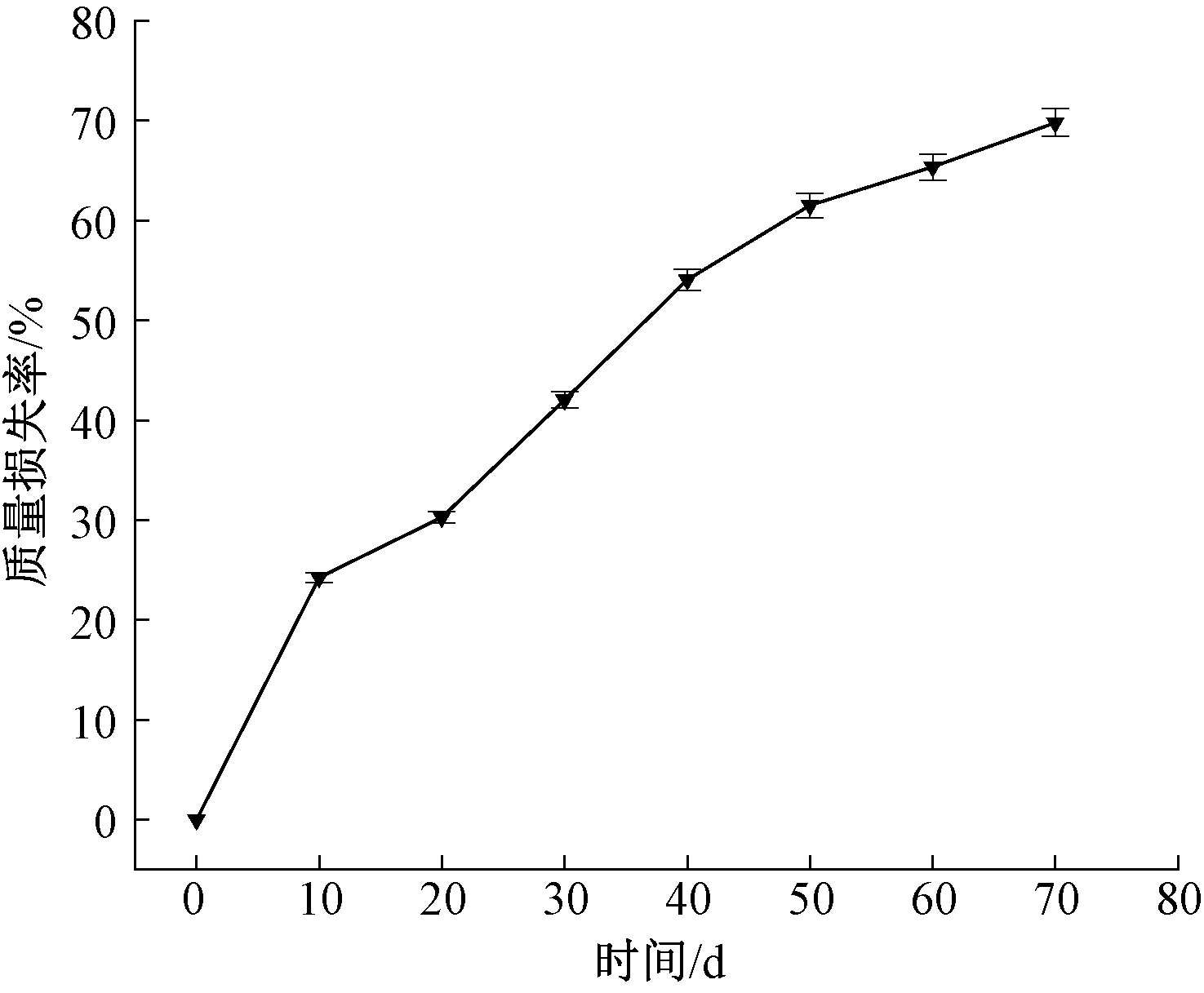
摘要: 为开发一种完全可生物降解的口罩,以聚乳酸(PLA)为材料,结合熔喷纺丝和静电纺丝技术成功制备了双层复合微纳米纤维过滤层,并基于由三维面部模型得到的口罩版型图设计制备出了一款符合人体面部轮廓的PLA口罩;研究了PLA口罩过滤层的形貌结构,并通过与市售口罩对比,评估了PLA口罩的防护性能、热舒适性能、适合性能以及降解性。结果表明:PLA口罩的过滤效率达到95.8%,呼气和吸气阻力分别为83 Pa和79 Pa;优化后的PLA口罩总适合因数为69.57,为人体佩戴口罩提供了良好的贴合性和舒适性,同时也表现出优异的热管理性;40 d内其质量损失率达到50%,证实了其具有生物可降解性。

关键词: 可生物降解, 口罩, 聚乳酸, 熔喷纺丝, 静电纺丝, 过滤效率

Abstract:

Objective In recent years, the emergence of the COVID-19 epidemic and airborne particulate pollution has led to a surge in the consumption of face masks. Masks are usually made of non-biodegradable petroleum-derived non-woven materials, which increase global plastic pollution and put great pressure on the human environment, hygiene, and health promotion. Using biodegradable materials to prepare masks can effectively alleviate the pressure of discarded masks on the ecological environment. Therefore, the development of biodegradable masks is significant in reducing environmental pollution.

Method Biodegradable PLA, used as the material, was combined with melt-blown spinning and electrostatic spinning technologies to prepare a bilayer composite micro-and nano-structured fiber membrane as the filter core layer of the mask, and integrated the mask accessories to make a complete biodegradable PLA mask. The microscopic morphology of the bilayer structure and the filter core layer were analyzed, and the protective performance, thermal comfort management, adaptability, and degradation performance of PLA masks were comprehensively evaluated by comparing them with commercially available masks.

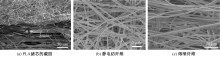
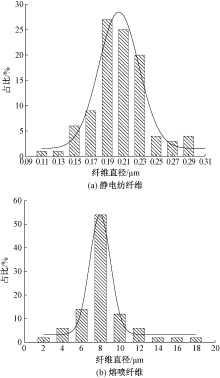
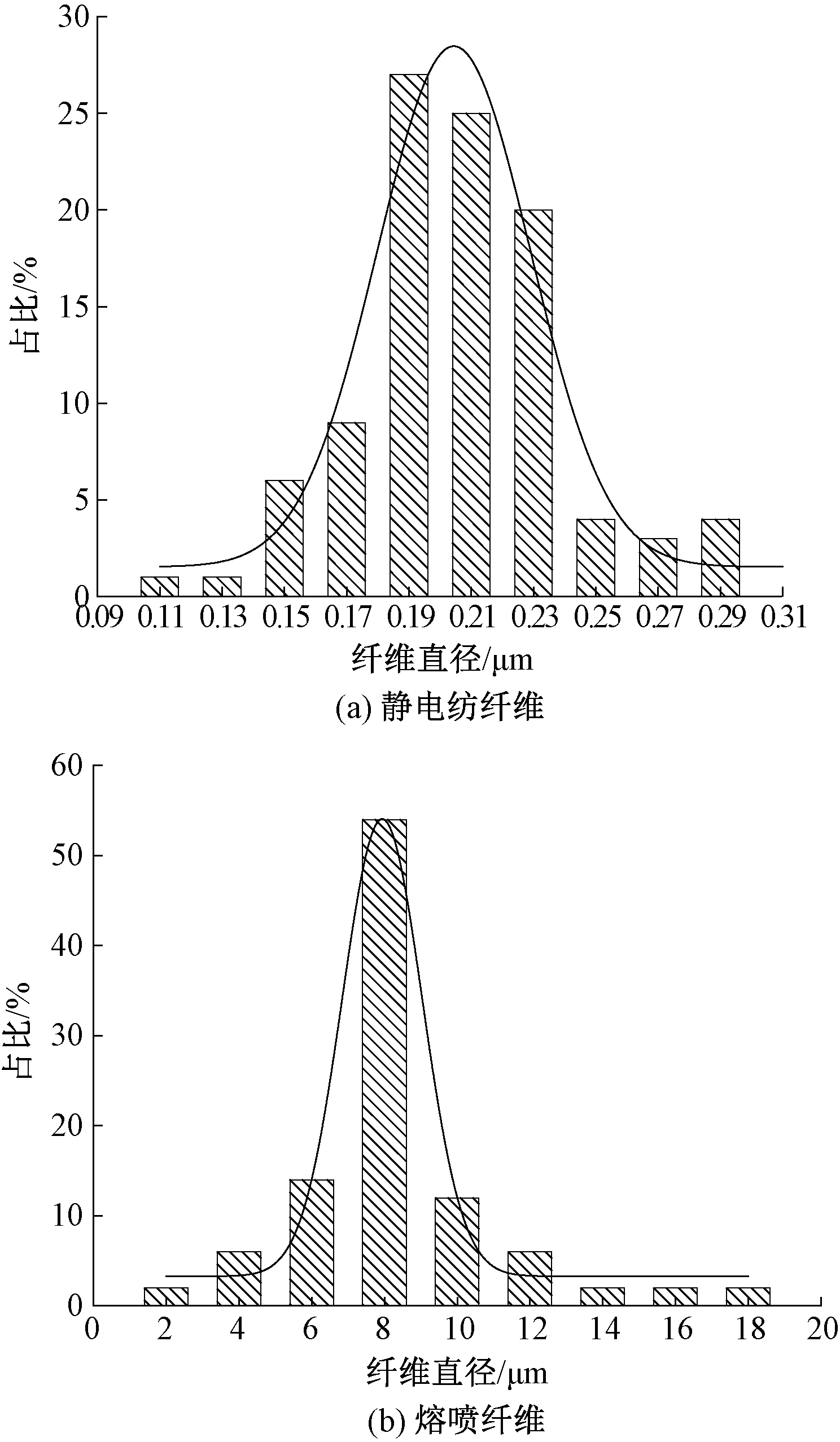
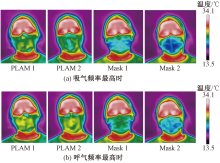
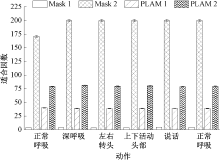
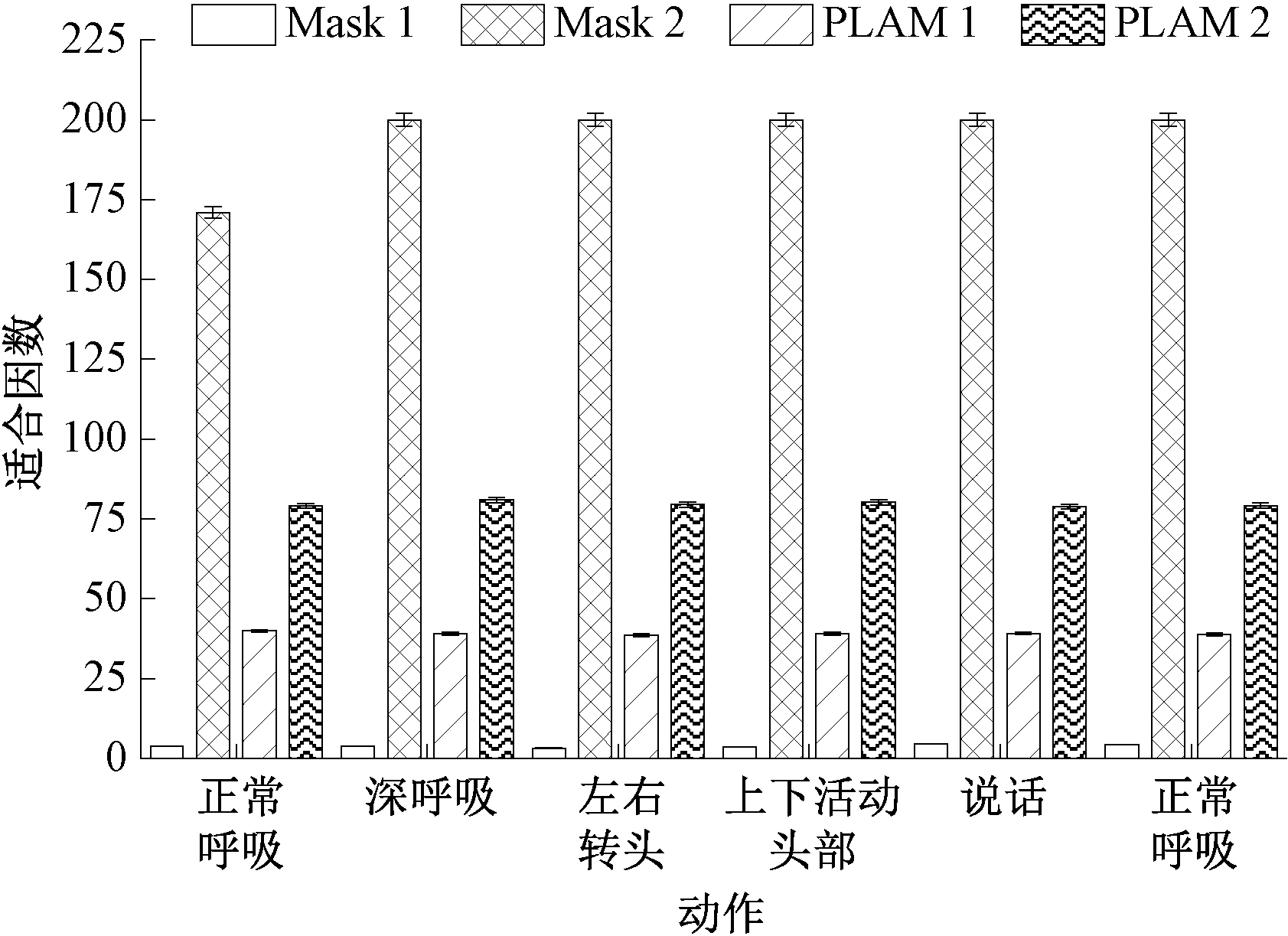
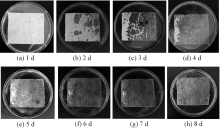
Results A double-layer composite structure of PLA melt-blown membrane with an average fiber diameter of 8 μm as a base fabric and a nanofiber membrane with an average diameter of 204 nm as a filter core layer was prepared by combining melt-blown spinning and electrostatic spinning techniques. The results showed that the fiber surface of the composite fiber membrane of the bilayer structure was smooth and continuous, and the fiber morphology was also good. The protective performance of the complete PLA mask designed and prepared according to the three-dimensional facial model was studied and analyzed, and the results showed that the expiratory and inspiratory resistance of the PLA mask was 83 Pa and 79 Pa, respectively, providing a more balanced breathing resistance performance. The filtration efficiency of the PLA mask was 95.8%, and the layered interception mechanism of the double-layer structure makes the PLA mask perform well in filtration performance. The thermal comfort management performance of the mask was analyzed by infrared thermography, and the results showed that the surface temperature of the PLA mask changed from green to yellow, which showed a higher temperature and good thermal comfort management performance. The fit performance of the PLA mask was examined by quantitative fit, and the total fit factor of the optimized PLA mask was 69.57, demonstrating good fit comfort. The degradability of the PLA masks was verified through accelerated degradation experiments. The PLA mask showed a mass loss of up to 50% in 40 days, especially the nanofiber membrane of the filtration layer which completely degraded in only 8 days, a characteristic that not only confirms the biodegradability of the PLA mask, but also shows its rapid degradation, an advantage that helps to alleviate the pressure on the environment caused by discarded masks. By comparing the PLA masks with commercially available disposable and N95 masks, the PLA masks are well balanced in terms of overall basic performance and have good biodegradability, indicating that the PLA masks are a promising product for medical protection.

Conclusion A PLA micro- and nano-filtration core layer with a bilayer composite structure was successfully prepared by combining melt-blown spinning and electrostatic spinning techniques. According to the three-dimensional facial model, the mask layout was prepared, and a complete biodegradable PLA mask was prepared through integrated accessories according to the layout drawing, which was simple to operate. By comparing with commercially available masks, this biodegradable PLA mask was found to have good filtration performance, respiratory resistance, thermal comfort management performance, fittness, and degradability, and the PLA mask prepared by this method also provides a new idea for the development of biodegradable masks.

Key words: biodegradable, mask, polylactic acid, melt-blown spinning, electrostatic spinning, filtration efficiency

中图分类号: 

  • TB34

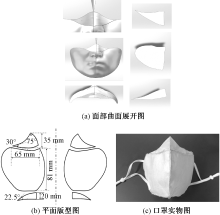
图1

口罩设计制造相关图"

图2

PLA复合纤维膜的SEM照片"

图3

纤维直径分布图"

表1

3类口罩的呼吸阻力"

口罩编号 呼气阻力/Pa 吸气阻力/Pa
PLAM 1 83 79
Mask 1 70 74
Mask 2 92 90

图4

佩戴4类口罩呼吸气频率最高时的热成像图"

图5

6项动作下不同口罩的定量适合性检验"

图6

不同降解时间下PLA纳米纤维膜的降解照片"

图7

不同降解时间下PLA熔喷纤维膜的SEM照片"

图8

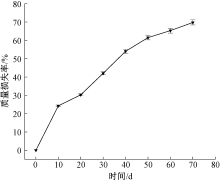
PLA口罩的质量损失趋势"

[1] DESAI A N, MEHROTRA P. Medical masks[J]. The Journal of the American Medical Association, 2020, 323(15): 1517-1518.
[2] 金水. 如何处理废弃口罩[J]. 防灾博览, 2021 (3): 62-63.
JIN Shui. How to dispose of discarded masks[J]. Overview of Disaster Prevention, 2021 (3): 62-63.
[3] JIMOH J O, RAHMAH S, MAZELAN S, et al. Impact of face mask microplastics pollution on the aquatic environment and aquaculture organisms[J]. Environmental Pollution, 2023, 317: 120769.
[4] 英世涛, 本德萍, 窦仁杰, 等. 废弃一次性医用口罩回收再利用研究进展[J]. 纺织科技进展, 2022 (5): 1-4.
YING Shitao, BEN Deping, DOU Renjie, et al. Research progress on the recycling and reuse of discarded disposable medical masks[J]. Progress in Textile Science & Technology, 2022 (5): 1-4.
[5] 陈凤翔, 翟丽莎, 刘可帅, 等. 防护口罩研究进展及其发展趋势[J]. 西安工程大学学报, 2020, 34(2): 1-12.
CHEN Fengxiang, ZHAI Lisha, LIU Keshuai, et al. Research progress and development trend of protective masks[J]. Journal of Xi'an Polytechnic University, 2020, 34(2): 1-12.
[6] BROCHOCKA A, NOWAK A, MAJCHRZYCKA K, et al. Multifunctional polymer composites produced by melt-blown technique to use in filtering respiratory protective devices[J]. Materials, 2020, 13(3): 712.
[7] TEBYETEKERWA M, XU Z, YANG S, et al. Electrospun nanofibers-based face masks[J]. Advanced Fiber Materials, 2020, 2(3): 161-166.
[8] 刘延波, 陈志军, 郝铭, 等. 电纺膜替代荷电熔喷布解决口罩短缺问题的可能性分析[J]. 纺织导报, 2020(3): 64-70.
LIU Yanbo, CHEN Zhijun, HAO Ming, et al. Analysis of the possibility of electrospun film replacing charged meltblown cloth to solve the shortage of masks[J]. China Textile Leader, 2020 (3): 64-70.
[9] 周惠林, 杨卫民, 李好义. 医用口罩过滤材料的研究进展[J]. 纺织学报, 2020, 41(8): 158-165.
ZHOU Huilin, YANG Weimin, LI Haoyi. Research progress of filtering material for medical mask[J]. Journal of Textile Research, 2020, 41(8): 158-165.
[10] 刘飞, 柳静献, 郭颖赫, 等. 聚乳酸静电纺丝改善口罩性能的试验研究[J]. 工业安全与环保, 2017, 43(8): 61-64.
LIU Fei, LIU Jingxian, GUO Yinghe, et al. Experimental study on the improvement of mask performance by polylactic acid electrospinning[J]. Industrial Safety and Environmental Protection, 2017, 43(8): 61-64.
[11] 胡树, 余娇, 冯劲松. 可生物降解PLA口罩研究进展[J]. 山东纺织科技, 2023, 64(6): 40-43.
HU Shu, YU Jiao, FENG Jinsong. Research progress on biodegradable PLA masks[J]. Shandong Textile Science & Technology, 2023, 64(6): 40-43.
[1] 陆宁, 陈碧泠, 宋功吉, 罗忆心, 王建南, 许建梅. 纳米纤维在人工神经导管中的应用与研究进展[J]. 纺织学报, 2025, 46(03): 236-244.
[2] 乔思杰, 邢桐贺, 童爱心, 史芷丞, 潘恒, 刘可帅, 余豪, 陈凤翔. 不同聚乳酸材料的性能对比[J]. 纺织学报, 2025, 46(03): 27-33.
[3] 詹克静, 杨鑫, 张应龙, 张昕, 潘志娟. 自凝聚丝素蛋白微纳米纤维膜的制备及其力学增强[J]. 纺织学报, 2025, 46(02): 10-19.
[4] 范梦晶, 岳欣琰, 邵剑波, 陈雨, 洪剑寒, 韩潇. 基于静电纺纤维包芯纱的电容式扭转传感器构建及其传感性能[J]. 纺织学报, 2025, 46(02): 106-112.
[5] 赵超, 金欣, 王闻宇, 朱正涛. 自充电超级电容器用聚丙烯腈纳米纤维隔膜的制备及其性能[J]. 纺织学报, 2025, 46(02): 20-25.
[6] 赵珂, 张恒, 程文胜, 甄琪, 步青云, 崔景强. 类蒲叶结构聚乳酸熔喷非织造材料的制备及其性能[J]. 纺织学报, 2025, 46(02): 51-60.
[7] 梁雯宇, 季东晓, 覃小红. 微纳米纤维包芯纱制备及其电致发光性能[J]. 纺织学报, 2025, 46(01): 42-51.
[8] 左红梅, 高敏, 阮芳涛, 邹梨花, 徐珍珍. MXene-氧化石墨烯改性碳纤维/聚乳酸复合材料制备及其力学性能[J]. 纺织学报, 2025, 46(01): 9-15.
[9] 朱雪, 钱鑫, 郝梦圆, 张永刚. MXene/碳纳米纤维膜的静电纺丝-电泳沉积复合工艺制备及其电磁屏蔽性能[J]. 纺织学报, 2025, 46(01): 1-8.
[10] 王雅文, 刘娜, 王元非, 吴桐. 静电纺纳米纤维纱线及其对细胞迁移和血管化的调控[J]. 纺织学报, 2024, 45(12): 25-32.
[11] 卢海龙, 于影, 左雨欣, 王浩然, 陈洪立, 汝欣. 取向增强抗CO2腐蚀纤维薄膜的制备及其性能[J]. 纺织学报, 2024, 45(12): 33-40.
[12] 欧宗权, 于金超, 潘志娟. 光致变色聚乳酸/聚3-羟基丁酸酯共混纤维的纺制及其结构与性能[J]. 纺织学报, 2024, 45(12): 9-17.
[13] 雷福旺, 冯其, 侯奥菡, 赵振鸿, 谭佳兆, 赵景, 王先锋. 聚偏氟乙烯-聚丙烯腈/SiO2单向导湿纤维膜的制备及其性能[J]. 纺织学报, 2024, 45(12): 1-8.
[14] 刘霞, 吴改红, 闫子豪, 王彩柳. 智能相变调温聚乳酸纤维膜的制备及其性能[J]. 纺织学报, 2024, 45(12): 18-24.
[15] 刘健, 王程皓, 董守骏, 刘泳汝. 半封闭自由表面式静电纺丝喷头设计与优化[J]. 纺织学报, 2024, 45(11): 215-225.
Viewed
Full text


Abstract

Cited

  Shared   
  Discussed   
No Suggested Reading articles found!